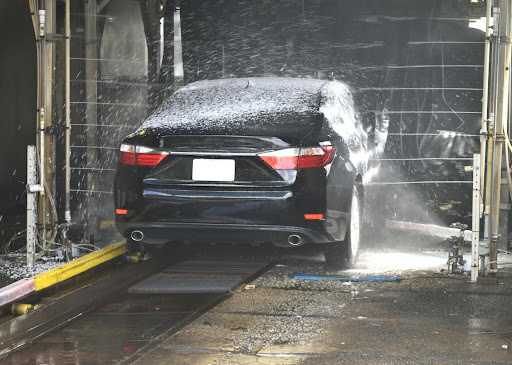
In a country where vehicles endure extreme seasonal stress—from winter road salt and slush to summer dust storms and pollen—proper car maintenance is not just cosmetic, it is essential. Among all forms of upkeep, professional car washing remains one of the most underestimated yet critical practices for protecting a vehicle’s value, performance, and longevity. Over the past decade, the car wash industry in Canada has experienced a dramatic transformation driven by technological innovation, environmental standards, and consumer demand for speed and efficiency.
This transformation has reshaped how drivers look at routine maintenance. What was once a manual, time-consuming chore has become an automated, eco-conscious, and highly accessible service that fits seamlessly into today’s fast-paced lifestyle.
Whether you are a daily commuter, rideshare driver, fleet operator, or weekend road trip enthusiast, understanding how modern car wash systems work—and why they matter—can significantly improve your vehicle care strategy.
Why Professional Car Washing Matters More Than Ever
Many drivers still believe that washing a car occasionally at home with a bucket and hose is sufficient. However, modern road conditions, environmental contaminants, and urban pollution create far more aggressive threats than in the past:
- Road salt causes rapid underbody corrosion
- Brake dust contains metal particles that damage clear coats
- Industrial air pollutants accelerate paint oxidation
- Bird droppings and tree sap cause permanent etching if untreated
Professional car washes are designed to remove these contaminants safely and efficiently while preserving delicate finishes. In regions with harsh winters, regular washing is especially crucial for preventing long-term structural damage to suspension components, frames, and brake systems.
Canada’s Shift Toward Automated Car Wash Facilities
The growth of automated car wash systems across Canada reflects changing consumer behaviours. Time scarcity, urban density, and environmental regulations have pushed the industry away from manual labour and toward advanced technological integration.
Key Drivers of This Shift:
- Rising urbanization and vehicle ownership
- Increased environmental compliance requirements
- Demand for quick, consistent service
- Labour shortages in manual wash models
- Higher consumer awareness of paint protection
This shift has led to the widespread adoption of conveyor tunnels, express exterior washes, and fully automated touchless systems.
In cities with heavy traffic volume and unpredictable weather conditions, access to fast and consistent vehicle cleaning options—such as a reliable car wash Calgary location—has become a routine necessity rather than an occasional luxury.
Touchless Washing: The Technology Changing Everything
One of the most important advancements in the industry is the adoption of touchless car wash systems. Unlike traditional tunnel washes that use rotating brushes and cloth strips, touchless systems rely on a combination of:
- High-pressure water jets
- Precision chemical application
- Heated detergents with surfactants
- Computer-controlled spray patterns
Because no physical materials contact the vehicle’s surface, the risk of scratches, swirl marks, and abrasive damage is almost entirely eliminated.
You can explore how touchless car wash technology works to safely clean both modern and luxury vehicles without compromising paint integrity.
Touchless systems are particularly beneficial for:
- New vehicles with soft-clear coat finishes
- Ceramic-coated and PPF-wrapped cars
- Luxury and exotic automobiles
- Rideshare and delivery fleets require frequent washing
Environmental Benefits of Professional Car Washing
Sustainability has become one of the most decisive factors in modern car wash design. Unlike home washing—which often allows toxic runoff to enter storm drains—regulated wash facilities operate under strict water management and chemical disposal standards.
Environmental Advantages Include:
- Water recycling systems that reuse up to 90% of water
- Oil and sediment separators that prevent groundwater contamination
- Phosphate-free and biodegradable detergents
- Measured chemical application to eliminate overuse
A professionally operated wash facility can use less than half the water of an uncontrolled driveway wash, making it not only safer for the environment but also more responsible during drought-prone seasons.
The Hidden Cost of Skipping Regular Washes
Neglecting consistent car washing can significantly reduce vehicle resale value. Studies in the used car market show that exterior appearance alone can influence buyer perception by up to 30%. A neglected exterior implies neglect across other maintenance areas, even if mechanically sound.
Common Long-Term Damage from Poor Washing Habits:
- Oxidized paint requires a full repaint
- Rusted brake lines and suspension components
- Permanent etching on glass and trim
- Headlight clouding and reduced night visibility
- Weakened underbody structural integrity
Regular professional washing extends both aesthetic lifespan and mechanical reliability—two factors that directly impact long-term ownership cost.
Seasonal Washing Strategy for Canadian Drivers
Canada’s distinct seasons demand a strategic washing routine.
Winter (December–March):
- Frequent underbody rinses
- Salt removal after every snowfall
- Rust inhibitor application
- Heated water systems for ice removal
Spring (April–May):
- Deep decontamination wash
- Removal of accumulated winter residue
- Wheel well and brake dust treatment
Summer (June–August):
- Bug splatter neutralization
- UV protection through wax or sealants
- Frequent rinses to remove dust and pollen
Fall (September–November):
- Tree sap and leaf staining removal
- Early rust prevention
- Preparation for winter salt exposure
Vehicle owners who align their wash frequency with seasonal demands experience fewer mechanical failures linked to corrosion and buildup.
Car Wash Convenience and Urban Driving Patterns
Urban centres are increasingly built around efficiency. Between work schedules, traffic congestion, and family responsibilities, drivers no longer have hours to dedicate to vehicle care. This is where the availability of a fast car wash near me becomes a critical factor in daily convenience.
Location access, 24-hour operations, mobile payment systems, and queue-reduction software now play a central role in how often consumers choose to wash their vehicles. The modern expectation is simple:
- Drive in
- Wash within minutes
- Drive out fully cleaned
This convenience model has significantly increased wash frequency among Canadian drivers, leading to cleaner roadways and better vehicle upkeep overall.
The Science Behind Modern Cleaning Chemicals
Contrary to outdated assumptions, today’s professional detergents are engineered with complex surfactant chemistry. These compounds break the bond between dirt particles and the vehicle surface without harsh abrasion.
Chemical Functions Include:
- Emulsification of oils and grease
- Neutralization of acidic contaminants
- Suspension of mineral deposits
- Anti-static dust repulsion
Modern wash chemistry is the result of decades of material science research, ensuring surface safety across:
- Clear coats
- Rubber trim
- Plastic mouldings
- Chrome finishes
- Matte paint protection films
Fleet and Commercial Vehicle Washing
Commercial operators face a different challenge: vehicle cleanliness directly impacts brand reputation, regulatory compliance, and operational efficiency.
Industries requiring frequent washing include:
- Rideshare and rental fleets
- Food delivery services
- Municipal vehicles
- Logistics and courier companies
- Utility service fleets
For these operators, professional wash access is not optional—it is embedded into business continuity planning. Spotless vehicles increase client trust, driver morale, and overall service quality.
The Future of Car Washing in Canada
The evolution of the car wash industry is far from complete. The next wave of innovation includes:
- AI-powered vehicle detection for optimized cleaning patterns
- License plate recognition for membership automation
- Smart water usage tracking systems
- Eco-detergents made from plant-based surfactants
- Solar-powered wash operations
As environmental regulations tighten and consumer expectations rise, automated wash facilities will continue to lead the vehicle care industry forward.
Final Thoughts
Professional car washing has grown into a sophisticated blend of engineering, environmental stewardship, and consumer convenience. It protects your investment, enhances driving safety, supports sustainable water use, and preserves mechanical longevity.
In a climate as demanding as Canada’s, regular automated vehicle washing is no longer a luxury—it is a practical necessity for responsible ownership.