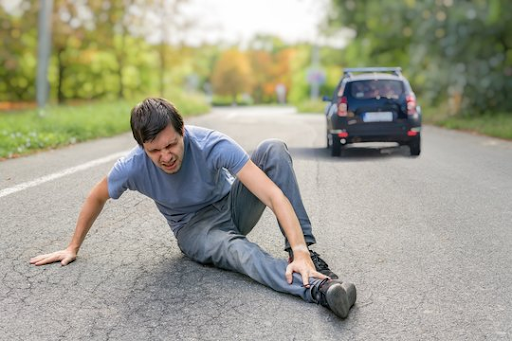
Recently, speed-related crashes have caused serious injuries and deaths worldwide. Research conveys that in 2023, speeding killed over 11,700 people as they were speeding.
Speeding has been a factor in 29% of all traffic deaths over the years. These numbers don’t only show speeding as a cause of traffic violations but also as a major safety risk. A speeding accident harms not just the speeding driver but also the people around them.
Driving at high speeds in conditions such as rain, snow, fog, or heavy traffic significantly increases the risk of severe accidents. Today, understanding how speeding accidents happen and ways to avoid them helps both drivers and riders make safe choices on the roads.
In this blog, we will talk about everything that a driver needs to know about speed-related crashes and how to avoid them.
What Happens in a Speed-Related Crash?
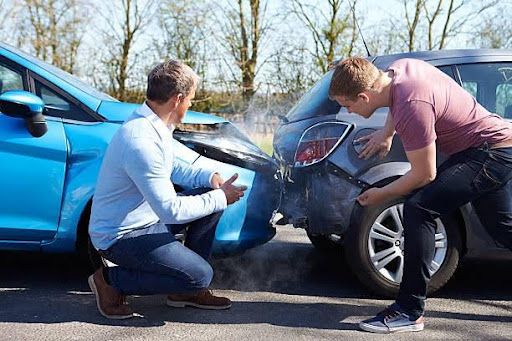
When any person is involved in a speed-related crash, the damage is not just to the individual but to the vehicle and surroundings as well. Usually, when an over-speeding crash occurs:
- There is a greater impact force as faster vehicles carry more energy, which is released at collision.
- Severe vehicle damage is faced, as the front and frame may be totally crumpled due to speed.
- Because of speed breaks, passengers are thrown forward with intense force, leading to several injuries.
- The damage is wider, as other nearby vehicles and pedestrians might also be harmed.
What Conditions Can Make Speeding More Dangerous?
Not all roads and driving conditions are the same, and speeding can become especially dangerous in certain environments. Situations that may seem manageable at normal speeds can quickly turn hazardous when visibility is reduced or road space is limited.
Conditions that make speeding more dangerous include:
- Driving in rain, fog, or snow, where visibility is reduced and stopping distances increase. Slippery roads reduce tire traction, increasing the risk of skidding and accidents.
- Heavy traffic, where sudden stops and quick lane changes are common.
- School zones and residential areas, where pedestrians and cyclists frequently use crosswalks.
- Roads with sharp or steep curves, which require slower speeds to maintain control.
Even in poor road conditions, driving at the posted speed limit can sometimes be risky. Adjusting your speed to match weather, traffic, and road conditions is essential for safe driving.
Common Injuries in Speed-Related Crashes
Speed-related crashes cause serious harm, both physical and emotional. Victims of such crashes deal with several injuries, such as:
- Broken bones and fractures
- Spinal cord injuries
- Internal organ bleeding
- Chest and abdominal injuries
- Traumatic brain injuries
- Instant death
Such injuries require urgent surgery and even extended rehabilitation in cases of brain injuries.
Steps to Avoid Speed-Related Crashes
If you want to prevent speed-related crashes, you primarily require conscious driving habits. As you take proactive steps, the risk of speeding accidents reduces.
Some measures you can take are:
- Follow posted speed limits on the roads.
- Adjust your driving speed as per the road conditions, and reduce speed in times of fog or rainfall.
- Keep enough distance between the two vehicles to avoid bumping into one another during sudden breaks.
- Stick to one lane if possible, as frequent changing might confuse other vehicles on the road.
- Put alert alarms on your car that ring when you overspeed a certain MPH.
- Stay well-versed in speed limit transitions at work zones, school zones, and residential areas.
Key Takeaways
- As per records, nearly 29% of fatalities happen due to speeding.
- Weather, traffic, and road design play a vital role in the occurrence of speed-related crashes.
- Overspeed car crashes lead to several injuries, such as broken bones and internal bleeding.
- Obeying speed limits and adjusting speed according to the road conditions helps prevent crashes.
- Use of mobile phones or activities that cause distraction should be prohibited.
- Consider speed limit changes at places like zebra crossings, schools, and residential areas.