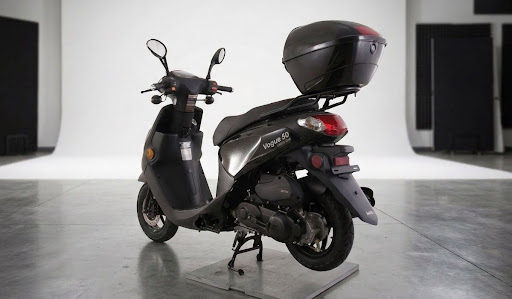
Maintaining a secure workspace is just as critical as the performance of the engine itself. Whether you are tuning a professional moped for the next heat or performing routine maintenance on a personal vehicle, hazards can appear in an instant.
Implementing a rigorous safety protocol ensures that every second spent in the garage is productive and protected. High-performance racing demands precision, and that same level of focus must apply to the environment where the machines are built and repaired.
By prioritizing organization and proper equipment handling, you build a foundation of reliability that translates directly to better results during the race. Check out these essential strategies to ensure your garage stays in top form for every upcoming season.
1. Trustworthy Lifting Equipment
Standard floor jacks and makeshift blocks are not enough when you are prepping a moped or car for a high-stakes race. Precision tuning requires a stable platform that eliminates the risk of a collapse. Using a dedicated stand or a professional lift provides the necessary clearance to inspect the undercarriage and engine components without compromising your safety.
- Weight Capacity: Always verify that your equipment exceeds the total weight of the vehicle and any added racing fluids.
- Mechanical Locks: Prioritize lifts with physical locking pins to prevent hydraulic failure during a teardown.
- Surface Stability: Ensure the base sits flush on a level concrete floor to avoid tipping during high-torque bolt removals.
The structural integrity of your tools is just as vital as the frame of your car. Integrating a reliable system, such as HeavyLift Direct’s premium garage lift, allows you to perform complex repairs with the confidence that the machine will remain stationary.
- Frequent Inspections: Look for signs of hydraulic leaks or hairline cracks in the steel before every use.
- Proper Placement: Align the contact points exactly with the manufacturer-specified lift zones to prevent frame damage.
This professional-grade stability is a requirement for any mechanic who wants to focus on speed rather than equipment failure.
2. Proper Equipment Setup
A high-speed moped race is won in the workshop long before the green flag drops. Proper placement of your heavy machinery and power tools prevents the kind of cramped conditions that lead to accidents. Every piece of equipment must have a dedicated footprint that allows for a full range of motion during a teardown.
- Workspace Clearance: Maintain at least three feet of open space around any stationary power tool.
- Power Management: Route all electrical cords away from high-traffic walking paths to eliminate trip hazards.
- Lighting Angles: Position overhead LED fixtures to eliminate shadows when you are working on intricate engine parts.
Mounting benches and grinders securely to the floor or wall prevents vibration-induced shifting during high-torque tasks. This stability ensures that your measurements remain accurate and your hands stay clear of moving parts.
- Bolted Anchors: Use industrial-grade bolts to fix heavy workbenches and drill presses to the concrete.
- Accessible Switches: Ensure all emergency stop buttons are reachable without leaning over the equipment.
A professional layout mirrors the efficiency of a pit stall, where every second and every inch of movement is calculated.
3. Routine Maintenance Checks
Ignoring your garage infrastructure is just as dangerous as ignoring a worn brake pad before a moped sprint. Regular inspections identify structural fatigue or mechanical wear before they lead to a catastrophic failure during a build.
A dedicated maintenance schedule keeps your workspace in race-ready condition and prevents downtime during the peak season.
- Hydraulic Fluid Levels: Check for leaks or air bubbles in lift systems to ensure smooth vertical movement.
- Cable Integrity: Examine steel cables on larger hoists for fraying or corrosion that could snap under load.
- Anchor Torque: Re-tighten the floor bolts on your workbenches to eliminate shifting during heavy-duty grinding.
Establishing a baseline for your tools allows you to spot subtle changes in performance or stability. When you treat your garage like a high-performance machine, you reduce the risk of a tool failing while you are mid-repair.
- Electrical Insulation: Inspect power tool cords for cracks or exposed wiring that could cause a short circuit.
- Fire Extinguisher Gauges: Verify that all safety canisters are fully charged and the nozzles are clear of debris.
Professional teams rely on these preventative measures to maintain a safe environment for every mechanic on the crew.
Your Next Steps
Whether preparing for race day or working in a home driveway, the risks inherent in automotive work are real. Mastering equipment setup, keeping maintenance on strict schedules, and relying on certified lifting gear are essential steps toward a safer environment. By auditing the current setup and scheduling recurring safety reminders, mechanics can turn every wrench session into a lesson in true garage safety.
| Author Profile: HeavyLift Direct is the leading online retailer of personal and professional vehicle lifts and automotive repair equipment for professional mechanics and home garage enthusiasts. |