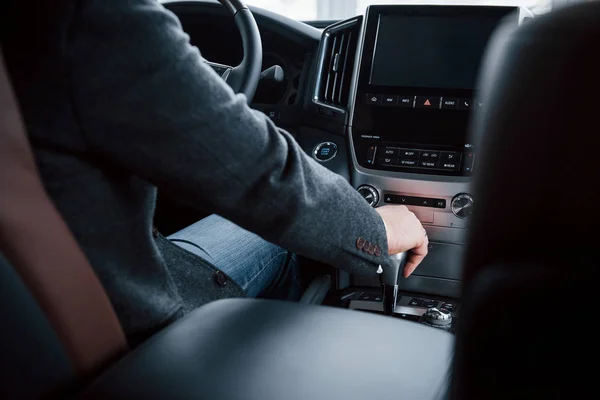
Heading to the racetrack is an experience like no other. The roar of the engines and the smell of burning rubber create an atmosphere that every fan loves. To make sure you enjoy every second of the action, your vehicle needs to be in top shape for the journey. This guide covers everything you need to get your car ready for the big event.
Start with a Performance Check
Your trip to the track puts your car through more stress than a typical commute. Long highway stretches and idling in event traffic can strain your systems. A recent technical guide recommends checking your brake pads for wear and general condition.
You should also look at the hydraulic system to find out if everything is functioning correctly. High speeds on the way there and heavy braking in traffic can heat up your rotors. If your pads are thin, you might feel a pulse in the pedal. This is a sign that you need a quick trip to the mechanic.
Most brake pads need to be replaced every 50,000 km. This number can change based on how you drive or the roads you take.
Managing the Summer Heat
Race weekends often happen during the hottest months of the year. High temperatures affect more than just the drivers on the asphalt. In fact, a heat hazard can be declared if forecasts show temperatures hitting 31 degrees Celsius or higher. You need to prepare for this intensity before you leave your driveway. Heat can drain your battery and wear out your belts. Inspecting these parts helps you avoid a breakdown on the shoulder of the road. Look for cracks in the rubber or corrosion on the battery terminals.
Many fans choose car window tinting to stay comfortable during long drives. High-quality films are great at blocking solar heat before it can enter the cabin. This keeps the interior from getting too hot while you are parked in the sun. Modern films also block harmful UV rays that damage your dash.
Tire Health and Pressure
Tires are the only part of your car that touches the road. They need to be in perfect shape for a long trip. Check the tread depth using a simple penny test. If the tread is low, you risk hydroplaning if a summer storm hits the track. You should also check the sidewalls for any bulges or cuts. These can lead to a blowout at high speeds.
Smart Driving Habits for the Road
Getting to the venue is half the battle. Staying safe in heavy event traffic requires focus and patience. The Highway Code suggests keeping at least a two-second gap between you and the car in front. This gives you enough time to react if someone stops suddenly. When thousands of fans are trying to exit a highway, things get tight. Keeping your distance prevents small fender benders that can ruin your weekend. It also reduces the stress of driving in a pack of cars.
- Check your tire pressure before leaving.
- Fill up your windshield washer fluid.
- Pack an emergency kit with water and a flashlight.
- Verify your spare tire is inflated and ready.
- Inspect your wiper blades for streaks.
- Clean your mirrors and windows for better visibility.
Fuel efficiency is another factor to keep in mind. Changing your speed up and down too often can increase fuel use by 20%. Try to maintain a steady pace to save money for snacks at the track. Using cruise control on flat stretches of road is a great way to stay consistent. It also helps you stay within the speed limit in areas where police are active.
Modern Tech and Eco-Friendly Options
The automotive world is changing fast. If you are looking at new upgrades for 2025, there are many eco-friendly options available. New tints are being made that reduce environmental impact while still offering great performance. These films help protect your interior from UV damage during the weekend. They use materials that do not interfere with your phone or GPS signals. This is helpful when you are trying to find the best parking lot near the stadium.
The shift toward greener travel is visible in the market too. Recent data shows that battery electric vehicles now hold a 14.6% market share in some regions. Whether you drive electric or gas, keeping your car efficient is a win for everyone. Electric cars benefit from pre-cooling while they are still plugged in.
Maximizing Your Fuel Range
Once you get near the track, gas stations might be crowded or expensive. Knowing how your car uses fuel helps you plan your stops. In professional racing, cars are limited to burning 100 kg of fuel per hour. For your personal car, driving at a consistent speed on the highway is the best way to get more mileage. Avoid carrying heavy items on your roof rack if you do not need them. The extra drag pulls your fuel economy down.
Keep your trunk light as well. Many people leave heavy gear in their car that they never use. Each extra pound requires more energy to move. If you are camping at the track, pack only what is necessary.
Fluid Levels and Cooling
Your engine generates a lot of heat while sitting in traffic. The cooling system is the only thing keeping it from seizing up. Check your coolant level in the reservoir when the engine is cold. If it is low, add the right mix of antifreeze and water. Never open a hot radiator cap because the pressure can cause burns. You should also look at your oil level. Dirty oil does not lubricate as well and can cause the engine to run hotter.
Transmission fluid and power steering fluid should also be on your list. These systems work hard during low-speed maneuvering in tight parking lots. If your steering feels heavy or makes a whining noise, you might be low on fluid.
Lighting and Visibility
Visibility is key when you are leaving the track at night. Many races end late, and parking lots can be dark and dusty. Check all your lights to see if any bulbs are out. This includes your headlights, taillights, and turn signals. If your headlight lenses are cloudy, use a restoration kit to clear them up. This helps you see farther down the road and helps others see you. It is a safety step that many people overlook.
Clean your windows inside and out. A film of dust can create a glare when the sun hits it at the right angle. Use a high-quality glass cleaner and a microfiber cloth for a streak-free finish. Don’t forget to clean your side mirrors, too.