
The fuel management issue is a silent bottleneck in the day-to-day operations, particularly where cars or other vehicles have to move out of job sites to go fueling. Not only does this waste precious time, but it is also adding to the labor cost and schedules that are already tight.
Moreover, the process of monitoring the fuel consumption of several assets may easily become complicated and inaccurate. With such accumulated inefficiencies, they begin to have an impact on productivity and general profitability.
On-site fueling provides a wiser option, as it can bring the required fuel to your fleet and equipment, thus avoiding any unnecessary movements and enhancing control over operations. It eases logistics besides offering increased visibility regarding fuel consumption.
This article discusses six insider secrets that enable you to use on-site fueling more efficiently and position it as a competitive advantage.
1. Strategic Fleet Scheduling
On site fueling requires you to synchronize fuel delivery schedules with your operational workflow to be able to maximize the benefits. Deliveries may remain disrupted despite the fuel being delivered to your site, as it is random or happens at an inappropriate time.
Rather, mark when your vehicles or equipment are not in use, e.g., at night or during a shift change. This guarantees fueling without affecting productivity. Moreover, scheduling regularly creates predictability that keeps your team and your fuel company on schedule.
Consequently, you minimize the downtime even more and establish a smooth daily routine. In the long run, this uniformity converts into an efficiency increase in your operations.
2. Data-Driven Fuel Monitoring

One of the least used assets in fleet operation is fuel usage data. It is hard to detect the inefficiencies or unusual consumption patterns without appropriate monitoring.
With fuel tracking systems, you get real-time information on the quantity of fuel being utilized, the point of consumption, and the time of the refueling process. At this level of visibility, you can identify problems like fuel theft, leakages, or ineffective equipment.
In addition to that, data assists you in making informed choices regarding the optimization of routes and the work of equipment. When you regularly process this information, you are not in reactive management but in proactive control.
3. Optimized On-Site Storage Setup
A storage infrastructure is required for efficient on-site fueling. The misposition or inadequate size of tanks might pose delays and reduce the efficiency of fuel delivery.
To prevent this, review your fuel usage habits and ensure your storage space matches your working requirements. Also, placing tanks in available, secure locations enables quick, effective refueling.
Certain other factors of significance include safety and environmental compliance. Efficiency is also enhanced by proper setup and minimization of the risks that are involved in fuel handling. This enables optimization of the storage, and the process of fueling is simplified.
4. Preventive Equipment Maintenance Alignment
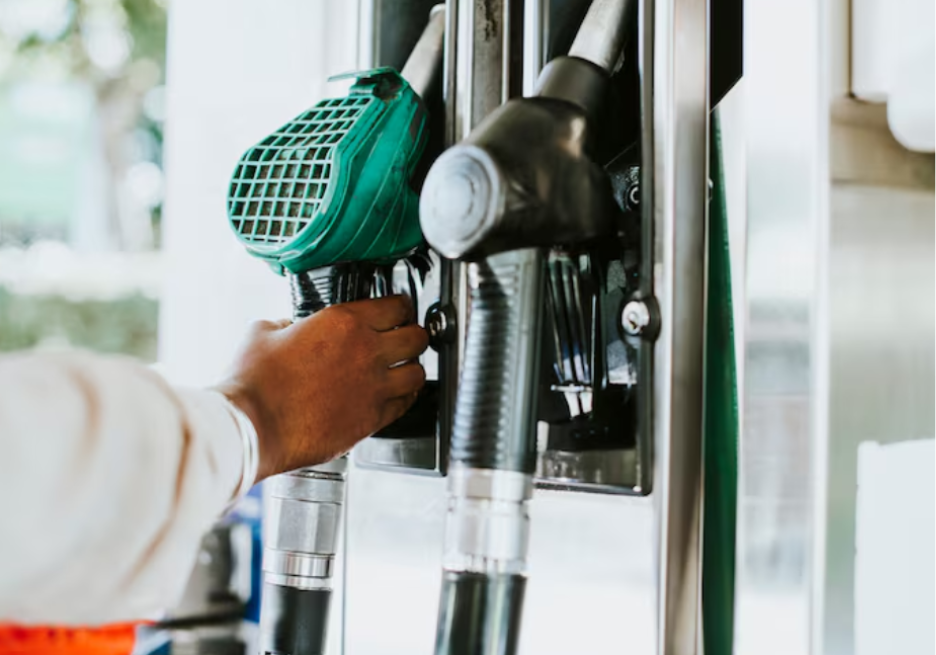
Maintenance planning should not be performed without fueling, as the two result directly in equipment performance and reliability. In case both functions are integrated, you get a chance to check the machinery during fueling windows without disrupting the operations.
As an example, refueling combined with regular maintenance inspections enables teams to identify wear, leakage, or performance problems at an early stage.
Moreover, the quality of fuel is a key factor in the well-being of the engine, and thus, keeping fuel clean and properly handled prevents any chances of contamination. This further enhances productivity and increases the longevity of the equipment.
By scheduling fueling and preventive maintenance, you reduce unexpected breakdowns and ensure operations proceed without interruptions as much as possible.
5. Cost Control Through Consumption Insights
One of the biggest advantages of on-site fueling is the ability to control costs more effectively. However, this benefit is only realized when you actively use consumption data to guide decisions.
Start by analyzing trends in fuel usage across different vehicles, projects, or locations. This helps you identify areas where fuel consumption is higher than expected. Once these patterns are clear, you can take corrective actions such as improving driver behavior or upgrading inefficient equipment.
In addition, bulk fuel purchasing often leads to better pricing, further reducing costs. When combined with accurate tracking, this approach creates a strong foundation for long-term savings.
6. Reliable Supply Chain Coordination
Consistency in fuel supply is critical for uninterrupted operations. Even a short delay in delivery can bring work to a halt, especially in industries that rely heavily on machinery or transportation.
To prevent this, establish clear communication with your fuel provider and set expectations for delivery timelines. It is also important to have contingency plans in place for unexpected demand spikes or emergencies.
Additionally, automated alerts for low fuel levels can help you avoid last-minute shortages. When supply chain coordination is strong, you gain confidence that your operations will continue without disruption.
Conclusion
Mastering on-site fueling requires more than simply switching from traditional refueling methods. It involves strategic planning, consistent monitoring, and integration with broader operational processes.
When you align fuel delivery with your schedule, use data to guide decisions, and maintain efficient storage systems, the benefits become clear and measurable.
At the same time, connecting fueling with maintenance and strengthening supply coordination ensures long-term reliability. These insider secrets help transform fueling from a routine task into a key driver of efficiency.
By applying these principles, you can reduce downtime, control costs, and create a more streamlined operation that supports sustained productivity.