
A soft clicking sound coming from within your walls, small dust piles beneath wooden surfaces or doors that suddenly seem tougher to close can quickly spoil your sense of home comfort. These quiet but alarmed signs are often, however, termites munching away on your property.
When the damage goes unnoticed, it can compromise structural integrity and largely extend repair costs. Of course, this or something like it raises immediate questions about what to do and how big the problem could be.
Because it allows you to not just spiral into a fit of rage but instead handle the situation with thoughtfulness and clarity. Acting at the appropriate moment yields a tangible difference in results and averts additional problems. This article details what you can actually do if you discover termites in your home and the best response strategies.
1. Confirm the Presence of Termites
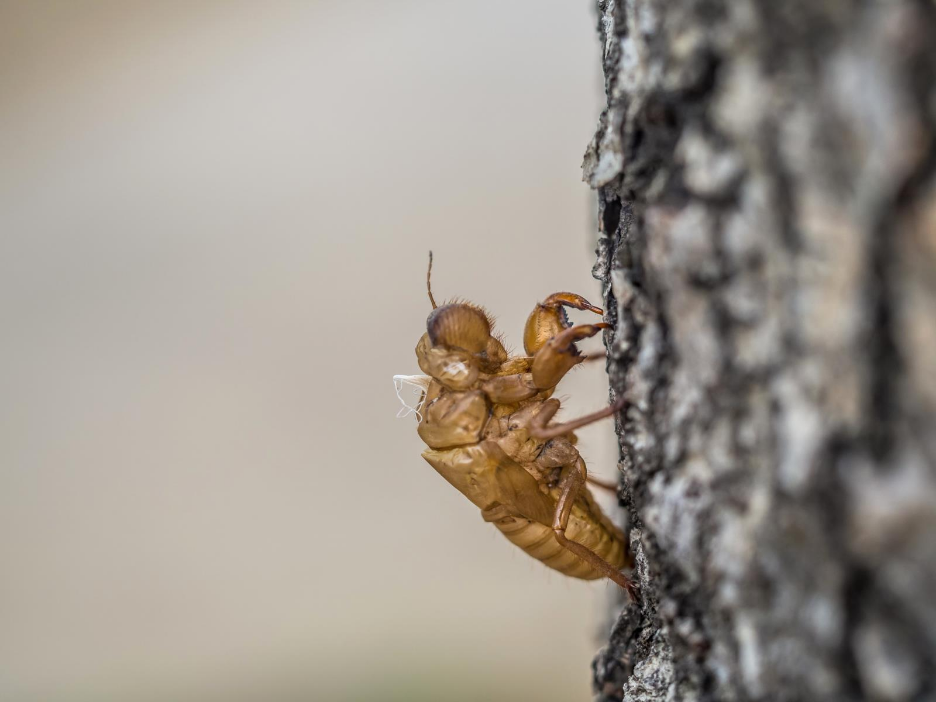
First things first: Make sure you are actually dealing with termites. Although symptoms like mud tubes, wing fragments, and broken wood give solid evidence, misidentification may result in insufficient solutions. So, inspect the affected areas more closely, such as wooden beams, door frames, and furniture.
At this point, you could save time and avoid unnecessary loss by getting it verified professionally. Trustworthy services, such as exterminators at the Bugman help diagnose infestations correctly and their severity.
This enables the subsequent actions that you take to be infused with accurate information instead of speculation. Early confirmation also lets you take action before an infestation becomes too extensive, preventing long-term damage.
2. Avoid Disturbing the Infestation
When you suspect or discover termites, it may seem instinctive to poke around or try temporary solutions. But disturbing the infestation can actually worsen things. Termites typically react to threats by moving and invading new locations, which amplifies the amount of destruction.
Instead, keep the affected area as is. So, no splitting wood or spraying chemicals. When the infestation remains untouched, you give hosting companies a chance to identify the full extent and treat it with better targeting. This cautious tactic increases the likelihood of eradicating the colony completely.
3. Identify the Type of Termites
The next important step is to identify the type of termites, since different species require different treatment methods. Subterranean termites, for example, usually bore mud tubes and live in soil, whereas drywood termites infest timber structures directly.
An icon or sticker might be hard to identify yourself, but looking closely at the behavior and damage can help you get a useful marker. This information aids in selecting the appropriate treatment plan, including soil treatments, baiting systems, or localized wood treatments.
As a result, with appropriate identification, there are better and more permanent results. It also avoids unnecessary treatments, some of which may not actually focus on the root cause of infestation.
4. Limit Moisture and Remove Attractants
In the meantime, we know that controlling environmental criteria is a huge part of termite control. Moisture is another one of the main things they are attracted to, particularly underground species.
So, cutting down excess moisture throughout your home can slow them down. Begin with repairing leaky pipes, improving surface drainage and enhancing airflow in wet spaces like basements or crawl spaces.
Also, get rid of wood debris, cardboard or untreated timber stacked close to your home. So, you make the terminal less appealing to the termite by removing these attractants. Eventually, these add up to long-term prevention.
5. Discover Professional Treatment
After taking the initial precautions, it is worth considering professional treatment options. Do-It-Yourself approaches might appear to be easy to use, yet they do not always deal with the problem itself.
In contrast, for colonies, attacking and eliminating them is the focus of professional solutions. Popular treatments include liquid termiticides, baiting systems, and wood treatments. Each of these methods has a use primarily based on how severe the infestation is and the type of infestation.
There are also integrated pest management strategies that mix different techniques to achieve better results. Meanwhile, you get a complete and trustworthy solution that keeps your home safe for many years to come.
6. Security and Surveillance of your House
Lastly, constant monitoring is also important in order to keep termites away. Frequent checks are useful in identifying the signs at an early stage before they become significant issues. So, make periodical inspections, particularly in areas with high risk, like basements, attics, and any wooden constructions.
Additionally, consider preventive measures like sealing cracks in foundations, using termite-resistant materials, and maintaining proper landscaping.
Installing barriers and maintaining distance between soil and wooden elements can also reduce risk. These steps not only protect your home but also provide long-term peace of mind and sustained structural protection consistently over time.
Bringing it All Together
Finding termites in your house can feel unsettling, but a structured and timely response can prevent the situation from escalating. By confirming their presence and avoiding unnecessary disturbance, you set the foundation for effective treatment.
Identifying the termite type and reducing moisture sources further strengthens your control strategy. In addition, choosing professional treatment options ensures the infestation is handled thoroughly and efficiently. Just as importantly, consistent monitoring and preventive measures help reduce the risk of future infestations.
When you stay proactive and informed, you not only resolve the immediate problem but also protect your home’s structural integrity, comfort, and long-term value with greater confidence and control.