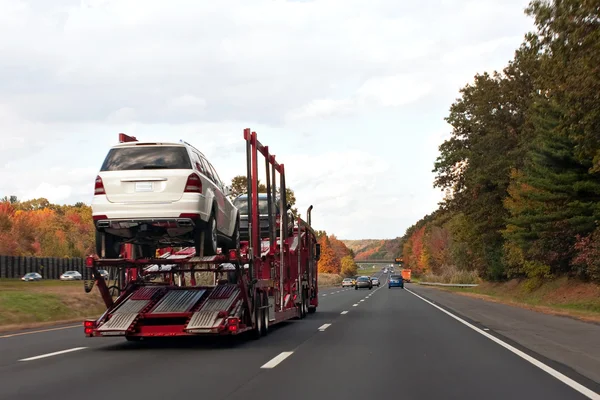
Shipping a car raises one question above all others: what happens if something goes wrong on the road? The answer comes down to how auto transport insurance is structured, and knowing that ahead of time saves you a lot of stress later.
Even with careful drivers and well-maintained carriers, things outside anyone’s control can happen; road debris, weather, or a minor incident during loading. Coverage is what keeps an unlucky moment from becoming an expensive one.
Car shipping insurance generally works in two layers. The first is the carrier’s cargo insurance, which every legitimate carrier is required to maintain. It covers damage caused by the carrier during transport. Before you book, verify that coverage through the FMCSA’s Licensing and Insurance public database; it takes a few minutes and confirms the carrier is operating legally.
The second layer is your own auto policy, which may extend some protection during transit. Policies vary widely, so read yours before shipping. Many owners find that even with both layers in place, gaps remain for higher-value vehicles, which is worth knowing before the truck shows up.
A few steps protect you regardless of coverage level:
- Document the car thoroughly. Time-stamped photos from every angle before pickup, noting any existing scratches or dents.
- Check the Bill of Lading. It records the car’s condition at pickup and delivery; never sign without confirming it matches what you see.
- File any claim promptly. Have your photos and Bill of Lading ready and contact the claims department as soon as you spot an issue.
If you’d rather not piece coverage together yourself, some companies build it into the booking. RoadRunner Auto Transport includes liability coverage on every shipment and lets you add higher tiers at the time of booking, which is useful for classic, exotic, or other high-value vehicles. Either way, understanding the two layers before you ship is what lets you hand over the keys with confidence.