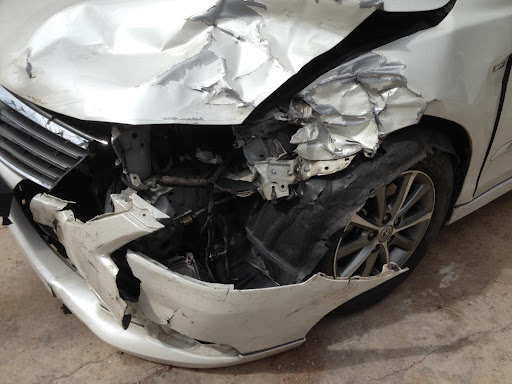
Speeding accidents often result in severe injuries because higher speeds increase the force of impact during a collision. Victims may suffer anything from broken bones and soft tissue injuries to traumatic brain injuries and spinal cord damage. The faster a vehicle is traveling, the greater the risk of life-altering or fatal injuries.
Speed limits are designed to protect everyone on the road, yet speeding continues to be one of the leading causes of serious traffic accidents. Drivers who exceed the speed limit have less time to react to hazards, and their vehicles require a longer distance to stop. As a result, collisions caused by excessive speed are often more destructive than other types of crashes.
Whether it involves a car, truck, or motorcycle, speeding significantly increases the likelihood of serious injuries for drivers, passengers, pedestrians, and cyclists. Understanding the injuries commonly associated with high-speed crashes highlights the importance of safe driving and prompt medical care after an accident.
Traumatic Brain Injuries
Traumatic brain injuries (TBIs) are among the most serious injuries seen in speeding accidents.
Even when a seat belt is worn, the force of a collision can cause the brain to strike the inside of the skull. Victims may experience headaches, dizziness, confusion, memory loss, difficulty concentrating, or loss of consciousness.
Some brain injuries heal over time, while others may result in permanent cognitive or physical impairments.
Spinal Cord and Back Injuries
The impact of a high-speed collision places tremendous stress on the spine.
Victims may suffer:
- Herniated discs
- Fractured vertebrae
- Nerve damage
- Spinal cord injuries
- Partial or complete paralysis
These injuries often require surgery, rehabilitation, and long-term medical care.
Broken Bones and Fractures
Fractures are common because of the intense forces involved in speeding crashes.
Arms, legs, ribs, wrists, hips, and collarbones are especially vulnerable. Some fractures heal with casts or braces, while more severe breaks may require surgery and physical therapy.
Recovery time varies depending on the location and severity of the injury.
Internal Injuries
Not every injury is immediately visible after an accident.
Blunt-force trauma can damage internal organs or cause internal bleeding, which may become life-threatening if left untreated. Victims may not notice symptoms right away, making immediate medical evaluation essential after any high-speed collision.
Prompt diagnosis can prevent serious complications.
Neck and Soft Tissue Injuries
Whiplash is one of the most common injuries following a speeding accident.
The sudden forward and backward movement of the head can strain muscles, ligaments, and tendons in the neck and upper back. Although many people recover within weeks, others experience chronic pain, stiffness, and reduced mobility.
Soft tissue injuries should never be ignored simply because they are not visible on X-rays.
Emotional and Psychological Trauma
Serious accidents affect more than the body.
Many victims develop anxiety, depression, or post-traumatic stress disorder (PTSD) after experiencing a violent crash. Fear of driving, sleep disturbances, and emotional distress may continue long after physical injuries begin to heal.
Mental health treatment can be an important part of the recovery process.
Legal Responsibility After a Speeding Crash
Drivers have a legal duty to operate their vehicles responsibly.
For example, California Vehicle Code § 22350, commonly known as the Basic Speed Law, requires drivers to travel at a speed that is reasonable and prudent based on road, weather, visibility, and traffic conditions. A driver who violates this law may be found negligent if excessive speed contributes to an accident.
Evidence of speeding may become an important factor in determining liability during a personal injury claim.
Seek Medical Attention Immediately
Some injuries may not produce noticeable symptoms immediately after a crash.
Adrenaline can temporarily mask pain, delaying recognition of serious conditions such as internal bleeding or brain injuries. Seeking prompt medical attention helps ensure injuries are diagnosed early while creating documentation that may support an insurance claim or legal case.
Early treatment often improves recovery outcomes.
Key Takeaways
- Speeding accidents often cause more severe injuries because of the greater force of impact.
- Common injuries include traumatic brain injuries, spinal injuries, fractures, internal injuries, and whiplash.
- Emotional trauma may continue long after physical injuries heal.
- Some injuries are not immediately obvious and require prompt medical evaluation.
- California Vehicle Code § 22350 requires drivers to operate vehicles at a safe and reasonable speed.
- Medical records are important for both treatment and potential legal claims.
- Safe driving and obeying speed limits help reduce the risk of serious accidents and injuries.