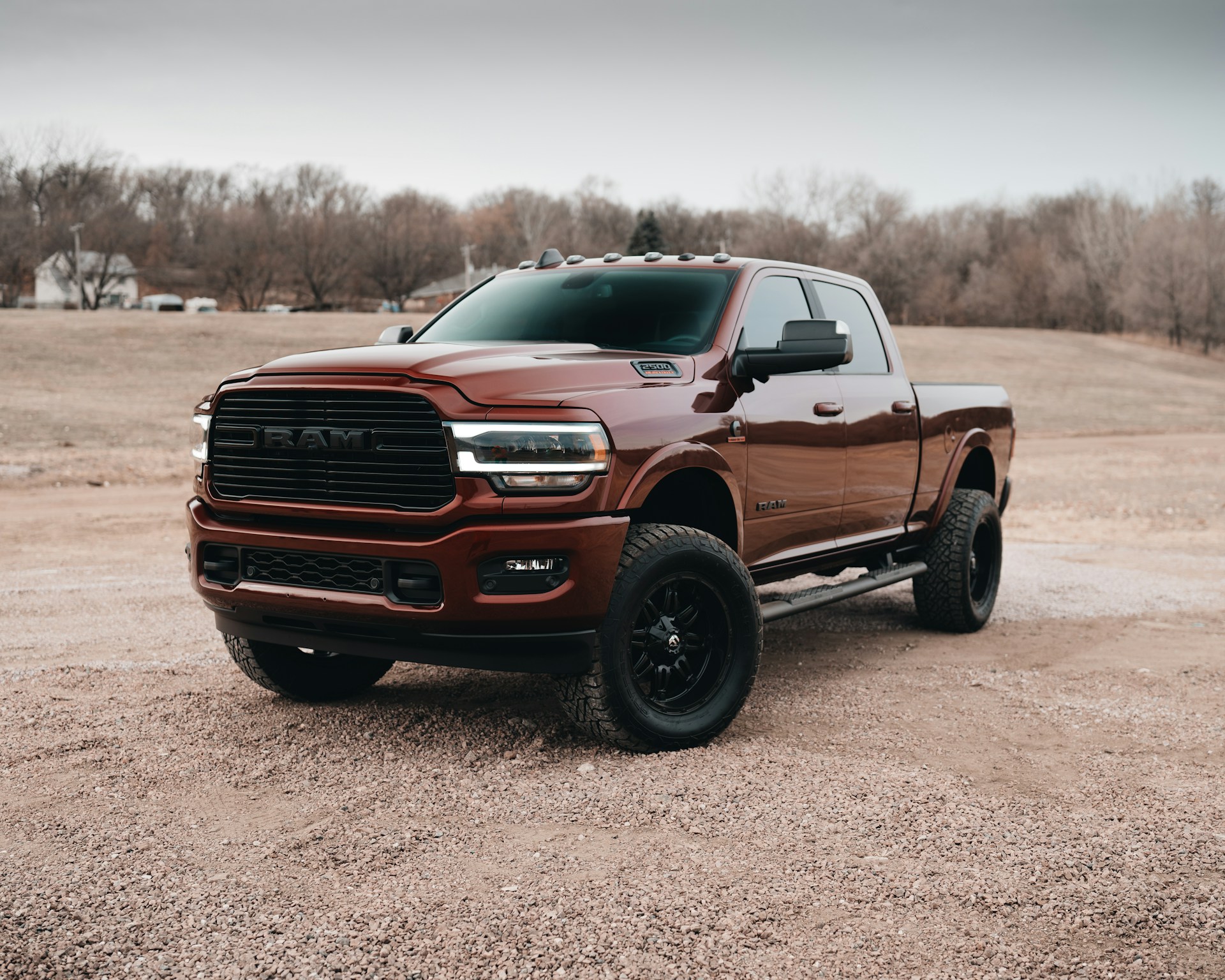

Buying your first car is an exciting milestone. It represents freedom, independence, and the convenience of going wherever you want, whenever you want. But it’s also one of the most significant financial decisions you will ever make, and if you’re not prepared, the process can feel overwhelming. Between choosing the right car, securing financing, and understanding the long-term costs, there’s a lot to think about.
That’s why it’s important to do more than fall in love with a shiny vehicle on the lot. You need to plan, consider the ongoing expenses, and make sure you’re getting the best deal for your budget and lifestyle. Our guide will walk you through the essential tips every first-time car buyer should know, helping you feel confident and informed as you take the wheel for the first time.
Budget Beyond the Sticker Price
One of the most common mistakes first-time buyers make is focusing only on the sticker price. While the upfront cost of the car is essential, it’s just one piece of the puzzle. Owning a vehicle comes with ongoing expenses such as maintenance, fuel, registration, and, most significantly, insurance.
When budgeting for your new car, you need to factor in car insurance as a non-negotiable expense. Insurance isn’t just required by law in most states; it’s also crucial for protecting yourself and your vehicle in the event of an accident, theft, or other unexpected situations. Insurance costs can vary depending on your driving history, vehicle type, coverage levels, and even where you live. That is why it’s smart to shop around and compare insurance rates using tools such as Coverage Professor to find the cheapest coverage that protects you and your car. Some providers offer flexible coverage options and discounts that can help you save, so taking the time to understand your policy choices can make a big difference in your monthly budget.
Remember, insurance is part of the true cost of owning a car, and understanding how it fits into your finances can prevent surprises down the road.
Research Before You Visit the Dealership
Before you set foot in a dealership, spend some time researching. It’s easy to get caught up in the excitement of browsing cars, but knowing what you want ahead of time can help you stay focused and avoid making impulsive decisions.
Start by thinking about your lifestyle. Do you need a car that’s fuel-efficient for a long commute? Or do you need something larger for weekend adventures or family outings? Once you know what features matter most, research models that fit your needs and budget. Check out reviews, safety ratings, fuel economy, and reliability. Online tools make it easy to compare vehicles side by side, so take advantage of them.
Walking into a dealership with a solid understanding of your options gives you the upper hand.
New vs. Used: What’s Right for You?
One of the biggest decisions you’ll face as a first-time car buyer is whether to purchase a new or used vehicle. Both options have their pros and cons, and what’s right for you depends on your budget and priorities.
New cars provide the newest features, advanced technology, and warranty protection, but they come with a higher price tag and lose value faster. Used cars, however, are more affordable upfront and depreciate at a slower rate, but they may not have the latest bells and whistles. Certified pre-owned vehicles are a great middle ground, offering the reliability of a newer car with a lower price tag and some level of warranty.
Think about your financial situation and long-term goals before deciding. If keeping monthly payments low is a priority, a used or certified pre-owned vehicle could be a better choice.
Understand Financing Options and Loan Terms
Unless you’re buying a car with cash, you’ll need to secure financing. It can feel complicated, but it doesn’t have to be. Start by checking your credit score. It plays a big role in determining your loan interest rate. A higher score can help you qualify for better rates, which saves you money over time.
Consider different financing sources, including banks, credit unions, and dealerships. Compare interest rates, the loan terms, and any additional fees. Getting pre-approved for a loan is also wise before visiting the dealership. It gives you a clearer picture of what you can afford and helps streamline the buying process.
Pay attention to the loan term length, too. A longer-term loan can mean lower monthly payments, but you’ll end up paying more in interest over the loan’s life. Aim for a balance that works for your monthly budget without costing too much in the long run.
Take a Thorough Test Drive
Never skip the test drive. Even if you’ve read every review and compared every stat, there’s no substitute for getting behind the wheel yourself. A car might look great on paper but feel entirely different when you’re driving it.
During your test drive, pay attention to how the car handles, how comfortable the seats are, visibility, braking, steering response, and even how quiet the ride is. Try to drive on different road types, highways, city streets, and winding roads to get a full sense of how the car performs.
The test drive is your chance to see if the car truly fits your needs and feels right for you.
Don’t Skip the Vehicle History Report (for Used Cars)
One of the smartest things you can do is get a vehicle history report if you buy a used car. This report provides important information like accident history, service records, title status, and mileage. It’s a window into the car’s past and can reveal issues that might not be obvious at first glance.
Most dealerships provide these reports for free, but if you’re buying from a private seller, you may need to purchase one yourself.
Know the Importance of Pre-Purchase Inspections
For used cars, taking the extra step to have an independent mechanic inspect the vehicle is worth the investment. Even if the car looks perfect and the history report is clean, a professional inspection can uncover hidden problems that could cost you later.
An inspection typically covers the engine, brakes, tires, suspension, and other key systems. If the seller resists this step, consider it a red flag. Peace of mind is priceless when you’re making such a big purchase.
Understand the Paperwork Before You Sign
The final step before driving off with your new car is signing the paperwork. It can feel like a formality, but it’s important to take your time and read everything carefully. Make sure you understand the sales contract, warranty details, registration forms, and any add-ons like service plans or extended warranties.
Don’t be afraid to ask questions if something isn’t clear. You’re making a significant financial commitment, and it’s your right to fully understand what you’re agreeing to.
Buying your first car doesn’t have to be stressful. With a little preparation, you can navigate the process with confidence.
The more informed you are, the more empowered you’ll feel when making this important decision. With these tips, you’ll not only find the right car for your needs but also enjoy the freedom and independence that comes with it. Happy driving!