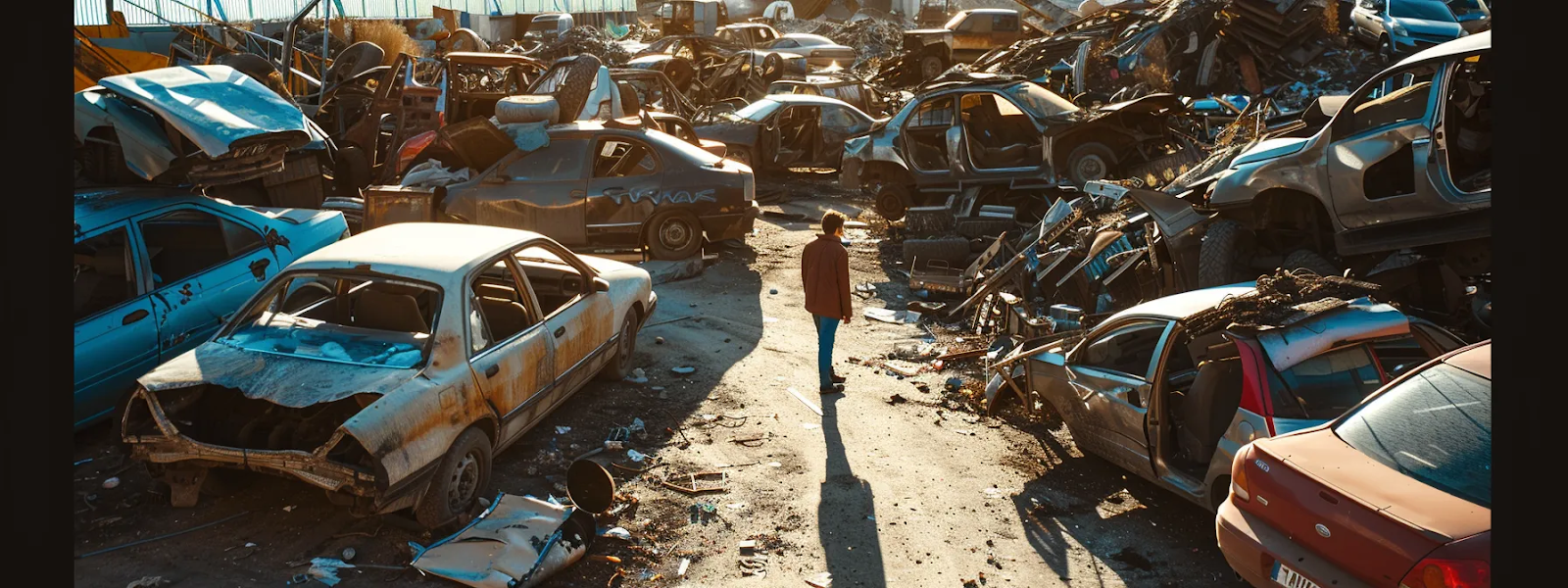
Selling a junk RV in Oregon involves more than simply finding a buyer and signing a piece of paper. Whether your recreational vehicle has reached the end of its usable life, suffered severe damage, or was deemed non‑repairable by another state, there are legal and practical steps you must understand before completing the sale. Oregon’s rules for “junk” vehicles differ from those for salvage or operational RVs, and knowing these distinctions helps protect your financial interests and legal compliance.
What Counts as a Junk RV in Oregon
In the context of Oregon’s vehicle regulations, a junk vehicle has been designated as destroyed, dismantled, non‑repairable, parts-only, scrap, or similar by another jurisdiction and appears as such in national vehicle databases. If the title or the National Motor Vehicle Title Information System (NMVTIS) record includes a junk brand or disposition, the Oregon Department of Transportation’s DMV will not issue a new Oregon title or salvage title for that vehicle. That means the RV cannot be registered for road use in Oregon once it is classified as junk.
Understanding this definition matters because the legal pathway you take when selling depends heavily on whether your RV is simply damaged or truly junk in the eyes of Oregon regulators.
Title and Documentation Essentials
Regardless of condition, the RV title is the core legal document in any vehicle sale. In Oregon:
- You must have a valid Certificate of Title that matches the RV’s Vehicle Identification Number (VIN).
- If the title is missing, you should obtain a duplicate before selling.
- If you owe money to a lender, the lienholder must release the lien before the title can transfer.
- For vehicles model year 2011 and newer, an odometer disclosure may be required even for junk sales.
If your RV is already branded as “junk” under Oregon or the originating state’s records, the DMV may refuse to issue a new title for it unless specific legal remedies are pursued. In that case, some sellers work with the original issuing state to have the junk notation removed, but that process can be complex and uncertain.
Selling a Junk RV: What Papers You Must Complete
When you sell any vehicle in Oregon, including a junk RV, you must transfer ownership properly and notify the Oregon DMV. Here’s what typically applies:
- Signed Title or Bill of Sale: You must complete and sign the back of the title or create a formal bill of sale with the buyer’s name, the VIN, seller’s signature, and sale date.
- Odometer Disclosure: For newer RVs that still track miles, both parties must sign an odometer disclosure on the title or a separate form.
- Notice of Sale: Oregon requires sellers to notify the DMV of the sale within 10 days. This releases you from liability for events involving that RV after the transaction.
- Cancel Insurance: Once the sale and title transfer are complete, cancel your insurance to avoid unnecessary premiums.
If any of these steps are omitted, you may remain legally tied to the RV. For example, failing to file the Notice of Sale promptly can leave you listed as the legal owner even after you no longer possess the vehicle.
How Junk Designation Affects the Sale
Oregon treats junk status differently from salvage and totaled brands:
- Salvage Title: A salvage title applies when a vehicle is damaged but has not been branded junk. It can still be retitled and used after repairs if appropriate inspections and applications are completed.
- Junk Status: When branded “junk” or similar (e.g., non‑repairable or parts only), Oregon DMV will not issue a standard or salvage title for that vehicle.
This distinction has two major consequences for sellers:
- Limited Market: Junk RVs appeal mainly to buyers who intend to dismantle them for parts or scrap value, which means fewer potential buyers and typically lower offers than for salvage RVs.
- Titles May Not Transfer: You might not be able to transfer a regular Oregon title to the buyer if the DMV refuses to issue one due to the junk designation. In such cases, the buyer usually purchases the RV as is for parts and accepts that it cannot be legally registered or driven.
Avoiding Legal Pitfalls
Selling a junk RV in Oregon comes with legal risks, especially if the DMV cannot issue a title. Private buyers may assume they can register the RV, which can lead to disputes or claims of misrepresentation. Oregon law also prohibits operating a junk RV on public roads unless it is retitled adequately as a reconstructed or similar vehicle.
To avoid these headaches, you can choose HeyRV to sell your junk RV in Oregon. They pay cash for your RV, tow it away for free, and handle all the paperwork, so you don’t have to worry about legal compliance or DMV filings.
Wrapping Up
Selling a junk RV in Oregon requires you to navigate both practical realities and legal obligations. You must ensure the title is clear, disclosures are accurate, and state reporting is completed so you won’t retain liability after the sale. Differentiating between salvage, totaled, and junk designations helps you understand what paperwork you need and what buyers you can reasonably approach.