Motorsports culture celebrates precision, control, and pushing vehicles to their limits. Drivers who spend time watching or participating in racing often develop a deep respect for speed and performance. These environments are built for that purpose, with safety crews, controlled conditions, and clear rules. On the track, mistakes are anticipated and planned for, which allows drivers to explore performance in a structured way.
The street operates under very different conditions. Traffic patterns change constantly, road surfaces vary, and other drivers do not behave predictably. When track inspired habits carry over into everyday driving, the margin for error becomes much smaller. What feels controlled in a performance setting can quickly turn risky when mixed with real world variables.
Another key difference is accountability. On a track, drivers expect others to follow similar rules and skill levels. On public roads, that shared expectation does not exist. Drivers encounter commuters, new drivers, delivery vehicles, and pedestrians who are not prepared for aggressive maneuvers. This gap between expectation and reality creates conditions where accidents become far more likely.
How Car Accidents Happen Outside Controlled Environments
According to www.emersonstraw.com, car accidents often occur when expectations do not match reality. Performance focused drivers may trust their reaction time or vehicle capability more than the situation allows. Public roads introduce distractions, unexpected stops, and uneven surfaces that even experienced drivers cannot fully control. These elements increase the chance of sudden collisions.
Speed also plays a major role. Even small increases above normal driving speeds reduce reaction time and increase stopping distance. On the street, this can mean the difference between avoiding an obstacle and a serious crash. High performance habits may feel natural to some drivers, but public roads demand restraint and constant awareness.
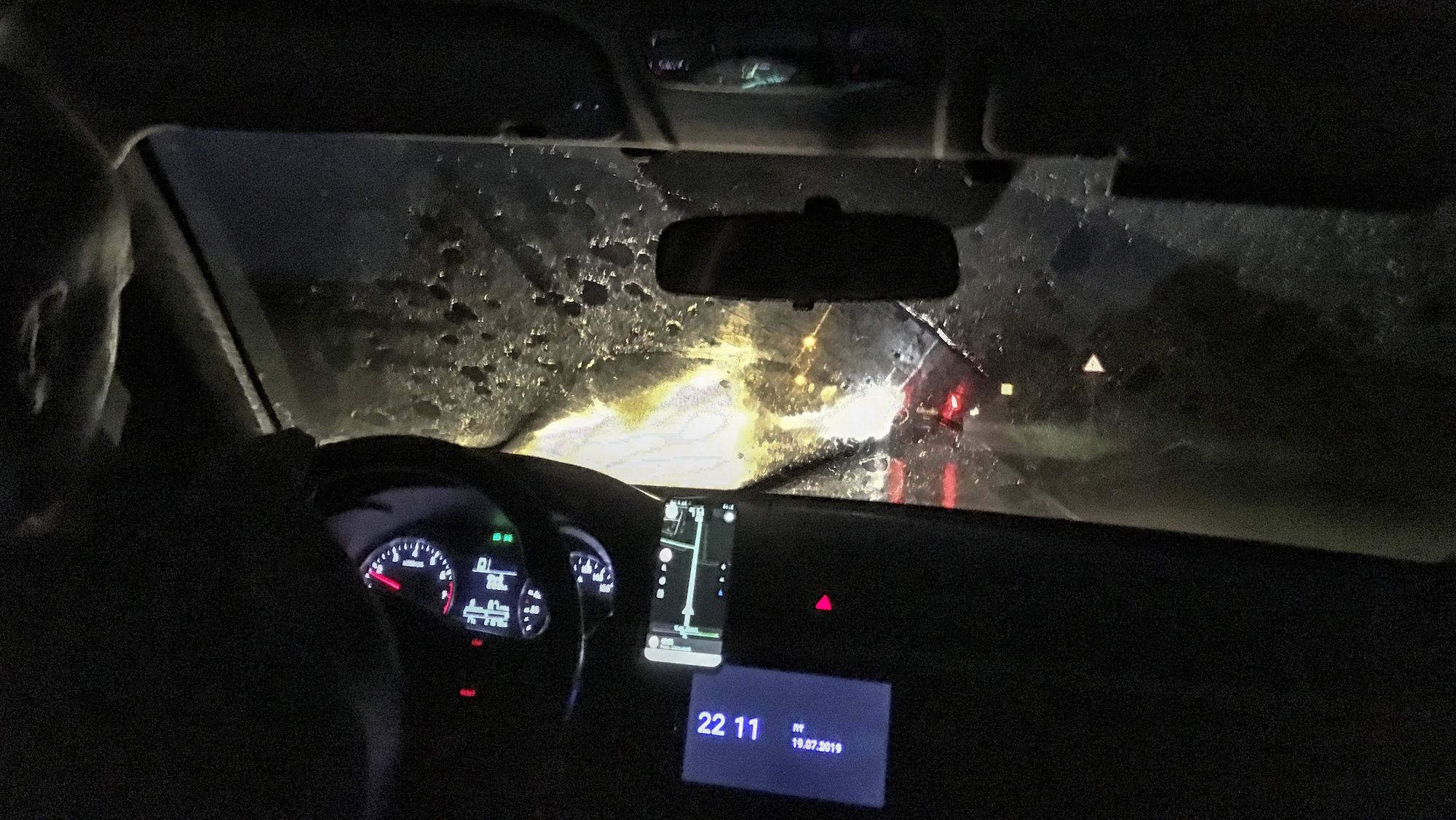
Environmental factors further increase risk. Weather changes, poor lighting, and road debris are rarely predictable. Unlike a track, streets are not inspected before every drive. A driver relying on performance instincts may not adjust quickly enough when conditions shift, which often leads to loss of control or impact with other vehicles.
Performance Vehicles Change Driver Behavior
High performance cars are designed to respond quickly and aggressively. Acceleration, braking, and handling are engineered to feel precise and engaging. This can influence how drivers behave behind the wheel, especially when the vehicle feels stable at higher speeds. Confidence can build quickly, sometimes faster than good judgment.
That confidence may lead to sharper turns, quicker lane changes, or faster acceleration than conditions allow. While the vehicle may handle well, other drivers may not anticipate these movements. This mismatch in expectations increases accident risk and puts everyone on the road at greater danger.
Modern performance features can also mask danger. Advanced traction systems and responsive braking may give drivers a false sense of security. These tools assist control, but they cannot eliminate physics or human error. When drivers rely too heavily on technology, they may push limits that public roads are not designed to handle.
Racing Mindset Versus Everyday Driving
Racing culture rewards focus, anticipation, and assertive decision making. Drivers learn to commit to actions and trust their instincts. These skills are valuable in competition, but they do not always translate well to daily driving. Public roads require patience, adaptability, and constant compromise.
Everyday driving involves pedestrians, cyclists, construction zones, and distracted drivers. Aggressive habits can escalate simple situations into dangerous ones. Adjusting mindset when leaving the track or performance environment is essential for safety. Awareness of context helps prevent accidents that stem from misplaced confidence.
Mental habits play a role as well. Competitive thinking encourages winning space and maintaining position. On the street, that mindset can lead to unnecessary risks. Letting go of competition and focusing on shared safety allows drivers to make calmer decisions that reduce accident potential.
Responsibility Beyond the Wheel
Drivers who appreciate performance vehicles also carry a responsibility to use them wisely. Car accidents affect more than just the people involved. They impact families, communities, and public safety resources. A single moment of poor judgment can have long lasting consequences.
Responsible driving means recognizing when and where certain habits belong. Performance skills can enhance awareness and control when used appropriately. They become dangerous when applied without regard for surroundings. Respecting the limits of public roads protects both drivers and everyone sharing the space.
There is also a reputational aspect. Performance driving culture often faces public scrutiny after serious accidents. Responsible behavior helps preserve the reputation of enthusiasts and motorsports fans. When drivers act with awareness, they show that passion for cars can coexist with accountability.
Accountability extends beyond the individual driver. Insurance costs, legal outcomes, and community trust are all influenced by driving behavior. When accidents occur due to reckless habits, the consequences ripple outward. Responsible choices help reduce these broader impacts and reinforce that performance driving culture values safety as much as skill.
Keeping Passion and Safety in Balance
Loving speed and performance does not require reckless behavior. Many enthusiasts find healthy outlets through track days, driving schools, and controlled events. These settings allow drivers to explore limits safely while separating that experience from everyday travel.
Balancing passion with caution keeps driving enjoyable and responsible. Recognizing the difference between track conditions and public roads helps reduce accidents. When drivers adapt their habits to the environment, they protect themselves, their vehicles, and the broader driving community.
Ultimately, long term enjoyment of performance driving depends on restraint. Preserving skill, health, and freedom to drive matters more than momentary thrills. When drivers respect boundaries and adapt behavior, they ensure their passion for cars remains a positive force rather than a source of preventable harm.
Sustaining that balance also protects future opportunities. Track access, enthusiast events, and public acceptance rely on responsible conduct. When drivers show restraint on public roads, they help ensure that high performance driving continues to be celebrated rather than restricted. This awareness allows passion and responsibility to exist side by side.