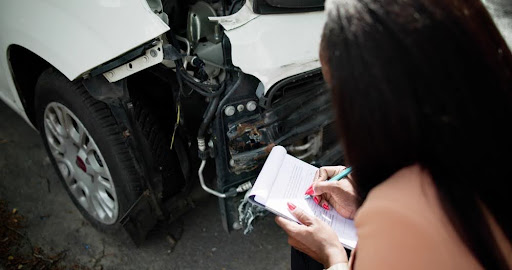
A car accident rarely affects only the vehicle itself. Along with dents, broken glass, and repair bills, many people discover that personal belongings inside the car have also been damaged or destroyed. Laptops, phones, glasses, child car seats, work equipment, and other valuable items can suffer serious damage during the impact. These losses may seem small compared to medical treatment or vehicle repairs, but replacing them can become another financial burden during an already stressful time.
Many accident victims focus only on repairing the vehicle and recovering from injuries. In some situations, they even hire a car accident lawyer to understand the full value of their claim, only to learn that damaged personal property may also deserve attention. Knowing how these losses are handled can help you avoid leaving recoverable expenses behind. If you’re sorting through the damage after a crash, here are several points worth understanding before moving forward.
In Which Cases Can Personal Property Damage Be Included?
Not every damaged item is treated the same way, but personal belongings inside the vehicle may become part of a claim if the damage resulted directly from the accident.
Electronics Damaged During the Collision
Mobile phones, tablets, laptops, cameras, and similar electronics often break because of sudden impact. If they were inside the vehicle at the time of the accident, they may qualify as part of the property damage claim.
Prescription Glasses and Medical Devices
Eyeglasses, hearing aids, mobility equipment, or other medically necessary devices may also be damaged during a collision. Since these items are often expensive to replace, documenting their condition becomes important.
Child Safety Equipment
Car seats, booster seats, and similar child safety equipment may need replacement even if visible damage is limited. Many manufacturers recommend replacing them after moderate or severe crashes because internal damage may not be easy to detect.
Work Related Property
Some people regularly carry tools, uniforms, work computers, or specialized equipment inside their vehicles. If these items were damaged because of the collision, they may also become part of the overall property damage claim.
Personal Belongings
Items such as luggage, musical instruments, sports equipment, handbags, clothing, or valuable personal possessions may also qualify if the accident directly caused the damage.
How You Can Claim These Damages Effectively
Recovering compensation for personal belongings usually depends on good documentation. Insurance companies generally ask for proof showing that the damaged items existed, their condition before the accident, and their estimated value.
Some helpful steps include:
- Take clear photographs of every damaged item before disposing of anything.
- Keep purchase receipts, warranties, or credit card records whenever available.
- Prepare a written list describing each damaged item and its approximate value.
- Save repair estimates or replacement cost information if available.
- Keep copies of accident reports and photographs from the crash scene.
- Avoid throwing damaged property away until the insurance company has reviewed it.
Strong documentation often makes it easier to explain the value of personal belongings during the claim process.
Common Factors That May Affect Property Damage Claims
Several circumstances can influence whether compensation for damaged personal belongings is approved and how much may be available.
One important factor is proof of ownership. Insurance companies often request receipts, photographs, or other records showing that the damaged property belonged to the claimant. Items with little documentation may require additional evidence before they are considered.
The condition and age of the property may also affect the amount offered. Some items lose value over time because of normal use, while others may qualify for repair costs instead of full replacement.
Insurance policy terms can also influence the outcome. Different policies may contain different limits regarding personal property, deductibles, or available coverage. In some situations, multiple insurance policies may become relevant depending on the circumstances surrounding the accident.
Small Mistakes That Can Reduce Your Recovery
Many people unintentionally make the claims process harder by overlooking simple details after the accident. Delaying photographs, failing to keep damaged items, or forgetting to include smaller belongings can result in losses that are difficult to recover later.
Another common mistake is assuming that only expensive electronics deserve attention. Even smaller items can add up to a significant financial loss when combined. Carefully reviewing everything that was inside the vehicle helps create a more complete picture of the damage caused by the collision.
If personal injuries, vehicle damage, and property losses are all involved, many people decide to hire a car accident lawyer so every part of the claim receives proper attention instead of focusing on only one category of damages.
Looking Beyond Vehicle Repairs
Vehicle repairs are often the most visible part of a car accident, but they are rarely the only financial loss. Personal belongings damaged inside the vehicle can also carry real value and may deserve consideration during the claims process. Taking photographs, preserving records, and documenting every damaged item early can make those losses easier to present.
A careful review of every part of the accident often leads to a more complete claim. Paying attention to damaged personal property alongside medical expenses and vehicle repairs helps ensure that important losses are not overlooked during the recovery process.