Home Blog Page 1029

Meyer Shank Racing To Wrap Three-Race INDYCAR Stretch With Trip to Road America

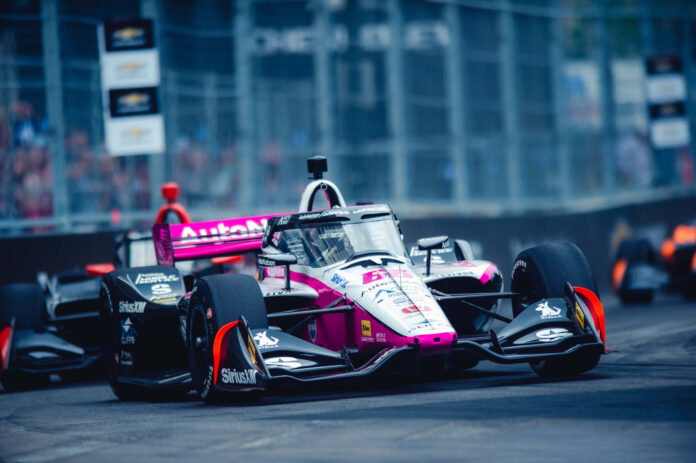
Pataskala, Ohio (2 June 2024) – Meyer Shank Racing (MSR) bounced back in Detroit after a tough Indianapolis 500 run, as Felix Rosenqvist (No. 60 AutoNation / SiriusXM Honda) rebounded from a troublesome Detroit qualifying that left him 22nd on the grid to finish a hard-fought eighth, gaining 14 positions over 100 laps.

Now as the 2024 NTT INDYCAR SERIES season nears the halfway point, MSR will look to continue moving up the standings at a classic American road circuit as the series heads to Elkhart Lake, Wisconsin and the annual date at the fabled Road America circuit.

Sunday’s XPEL Grand Prix at Road America takes place at the 4.048-mile Road America circuit that winds through Wisconsin’s Kettle Moraine region and features elevation changes, a mix of high- and lower-speed corners and some of the most intriguing passing opportunities on the IndyCar calendar.

Helio Castroneves (No. 66 AutoNation / Arctic Wolf Honda) will be back behind the wheel of the No. 66 AutoNation / Arctic Wolf Honda, after making his first road-course start of the year a week ago in Detroit. The veteran has eight INDYCAR starts at Road America but has brought his mounts home in the top 10 in four of those starts. He started from pole at Road America in 2017, finishing third after leading 17 laps.

MSR has had strong qualifying efforts at Elkhart Lake, earning top-three starting positions with Jack Harvey in 2020 and 2021 and had a top-10 session result with Simon Pagenaud in ’22, but the Ohio-based squad has yet to earn a top-10 finish at Road America in its previous eight starts.

Rosenqvist will look to break that streak as the Swedish veteran has three top-10 race results in his five previous starts, including a 2020 victory that saw him come from seventh on the starting grid to take the win. He is currently in ninth place in the series standings, just is just 10 points behind fifth.

This weekend’s XPEL Grand Prix at Road America will wrap up a march of three races in three weeks for MSR. Teams will qualify Saturday at 3:25 p.m., with Sunday’s 55-lap race starting at 3:30pm ET. The race will be broadcast live on NBC and Peacock. SiriusXM will also host live INDYCAR Radio coverage on XM Ch. 218.

Meyer Shank Racing Driver Quotes:

Felix Rosenqvist: “I’m super excited to get back to a smooth road course after a bumpy weekend in Detroit. Road America has been kind to me and we have a lot of things to be excited for going into the second half of the season. It’s been a few years since I got a win at Road America and with the moment that myself and MSR have had so far this season, I don’t see why we can’t aim for the same this weekend.”

Helio Castroneves: “I’m excited to get back in the drivers seat at Road America which is such a great track and one that I have enjoyed racing on. We unfortunately did not have the weekend we would have liked to have had in Detroit, so we’re looking to get back on our feet at Road America and have a solid weekend.”

Front Row Motorsports Extends Agreement with Todd Gilliland

Rising Star Signs Multi-Year Extension with Team

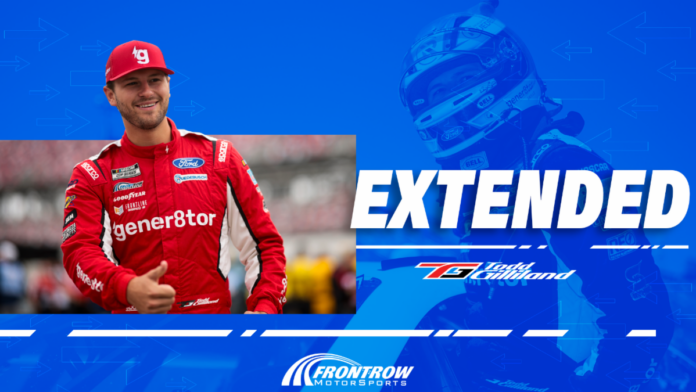
MOORESVILLE, N.C. (June 5, 2024) – Front Row Motorsports (FRM) confirms that Todd Gilliland, a rising star for the team, has signed a multi-year contract extension to continue to race for the organization for years to come. Gilliland will return to one of FRM’s three NASCAR Cup Series teams in 2025.

Gilliland has continued to improve each season in the NASCAR Cup Series and has only started to show his true potential at NASCAR’s highest level. This year, Gilliland has led a career-high 101 laps and has been up front in all races this season.

The 24-year-old driver has been with FRM since the inception of its NASCAR Craftsman Truck Series program and has followed in his father’s footsteps as a driver with FRM. Todd has come into his own at the team and is now able to lead the organization during its next stage of growth.

“Todd (Gilliland) and his family have been with my family and the team for a very long time,” said Bob Jenkins, Owner, Front Row Motorsports. “We’ve watched him grow, mature, and show all his potential behind our truck and car. It’s now his time to lead us into our next phase of winning races and being a consistent playoff contender.”

The team now focuses on extending and building new business relationships for Gilliland in 2025.

“We want to build on his momentum, rising star power, and continue our partnerships and build new ones that will allow him to compete for wins,” said Jerry Freeze, General Manager, Front Row Motorsports. “Announcing our recent intentions for our growth in 2025 and extending Todd’s contract for multiple years allows our focus to aggressively build an even better program for Todd.”

Gilliland is a two-time ARCA Menards Series East Champion, two-time ARCA Series winner, three-time NASCAR Craftsman Truck Series winner, and a seven-time top-10 finisher in the NASCAR Cup Series in his first 87 starts. Gilliland feels at home with FRM and is ready to help lead the growth of the organization.

“I want to be at Front Row Motorsports, and I want to be a part of what’s happening right now,” said Gilliland. “This is the time to join as a partner, a fan, and watch our next chapter. It’s really cool to see it all happening, and I have to thank Bob Jenkins and Jerry Freeze for their commitment in taking the steps to make us a consistent winning and playoff organization. It’s never easy, but I feel confident in our direction. I’m excited to see what the future holds.”

Any announcements of car numbers and additional drivers will come later once finalized.

ABOUT FRONT ROW MOTORSPORTS

Front Row Motorsports (FRM) is a winning organization in the NASCAR Cup and CRAFTSMAN Truck Series. The team is the 2021 Daytona 500 and 2022 CRAFTSMAN Truck Series champions. The team was founded in 2004 and is owned by successful entrepreneur, Bob Jenkins. FRM fields the No. 34 and the No. 38 NASCAR Cup Series teams along with the No. 38 CRAFTSMAN Truck Series team from its Mooresville, N.C. headquarters. Visit teamfrm.com and follow FRM on social media: Twitter at @Team_FRM, Instagram at @team_frm and Facebook at facebook.com/FrontRowMotorsports.

Josh Williams to make 200th Xfinity career start at Sonoma

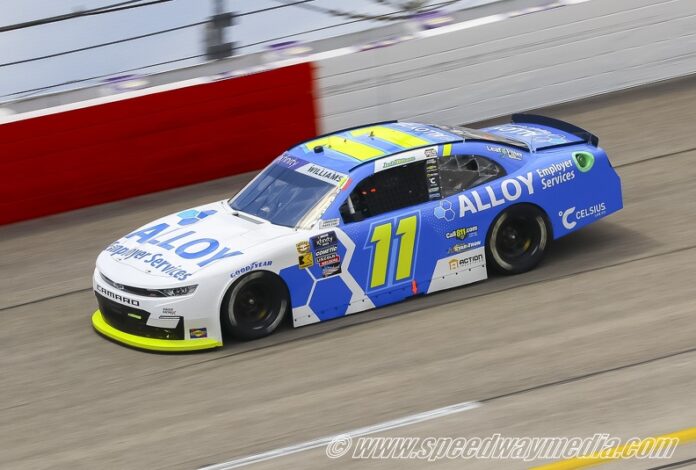
Photo by John Knittel for SpeedwayMedia.com.

In his eighth season with at least one start in the NASCAR Xfinity Series, Josh Williams is scheduled to achieve a milestone start. By taking the green flag in this weekend’s Zip Buy Now, Pay Later 250 at Sonoma Raceway, the driver of the No. 11 Kaulig Racing Chevrolet Camaro will make his 200th career start in the Xfinity circuit.

A native of Port Charlotte, Florida, Williams made his inaugural presence in the Xfinity Series at Michigan International Speedway in June 2016. By then, Williams, who grew up competing in go-karts before ascending to Legends cars and stock cars, had made 89 career starts in the ARCA Menards Series and a single start in the Craftsman Truck Series, which occurred at Martinsville Speedway in March 2014 as most of his start occurred with his family-owned team. Driving the No. 79 Jimmy Means Racing Chevrolet as a start-and-park driver, Williams started 40th and finished 38th in his Xfinity debut. He would make a second start of the season at Kentucky Speedway in September and in the No. 92 Chevrolet for King Autosport, where he ended up in 37th place.

The following season, Williams made a total of seven Xfinity starts between the Nos. 90 and 92 entries for team owner Mario Gosselin. During the season, he recorded a season-best 22nd-place at Bristol Motor Speedway in April. He then competed in 20 Xfinity events for Gosselin in 2018, where he achieved a season-best 20th-place finish at Las Vegas Motor Speedway in September.

In January 2019, Williams transitioned to pilot DGM Racing’s No. 36 Chevrolet for all 33 Xfinity Series events. Despite not qualifying for the Xfinity event at Richmond Raceway in April, the Floridian achieved his first top-10 career result after finishing eighth at Talladega Superspeedway in mid-April. His next best result were a pair of 14th-place finishes that occurred during both Texas Motor Speedway scheduled events in April and October, respectively, as he also led four laps at Indianapolis Motor Speedway in September before settling in 17th place. Ultimately, he would notch a total of seven top-15 results and 17 top-20 results before settling in 17th place in the final standings. By then, he boosted his average-finishing result from 26.7 during the previous season to 20.6 during the 2019 season.

Williams would compete in every event of the 33-race Xfinity schedule in DGM Racing’s No. 92 Chevrolet during the 2020 season. After notching his first top-10 result of the season at Auto Club Speedway with a 10th-place run in March, Williams would proceed to finish in the top 10 five additional times as he would finish ninth at Bristol Motor Speedway in June, ninth at Daytona in August, seventh at Talladega Superspeedway, a career-best sixth at Kansas and ninth at Texas, with the latter three occurring in October. To go along with a total of 13 top-15 results and 20 top-20 results, Williams settled in a career-best 15th in the final driver’s standings and with a career-best average-finishing result of 18.6.

The following season, Williams, who remained at DGM Racing, recorded only a single top-10 result, which was a 10th-place finish at the Mid-Ohio Sports Car Course in June. His next best results were a pair of 11th-place runs at the Charlotte Motor Speedway Road Course and at Martinsville Speedway in October. Aside from not competing in the series’ inaugural event at Circuit of the Americas in May, the Floridian recorded 18 top-20 results throughout the 2021 Xfinity season before settling in 18th place in the final standings and with an average-finishing result of 20.7. By then, he had surpassed 100 career starts in the Xfinity Series.

The 2022 season was an eventful year for Williams, who parted ways from DGM Racing and joined BJ McLeod Motorsports at the start of the season. After not qualifying in four of 21-scheduled events while only managing to finish in the top 20 three times, Williams returned to DMG Racing, beginning at Darlington Raceway in September as he split driving roles between the team’s Nos. 92 and 36 entries. For the final 10 events on the schedule, he earned a 19th-place result at Talladega Superspeedway in October before notching a season-best 15th-place run in the 2022 Xfinity Series finale at Phoenix Raceway in November. Despite missing five events, Williams’ average-finishing result was 25.8.

Retained by DGM Racing to pilot the No. 92 entry on a full-time basis in 2023, Williams commenced the season by finishing 15th at Daytona followed by finishing 16th at Auto Club Speedway in February. Three races later at Atlanta Motor Speedway, Williams gained national attention that started when he sustained right-front damage to his No. 92 entry after being involved in a Lap 26 incident involving Jeb Burton and Brett Moffitt. After drawing another caution five laps later due to debris that came off of his damaged car, Williams was parked by NASCAR for the rest of the event under a provision in the Damaged Vehicle Policy standard. In response, Williams parked his damaged car across the start/finish line in the frontstretch, climbed out and walked to pit road, where he saluted the fans before making the trip to the infield care center. Eventually, NASCAR suspended him from competing in the series’ following event at Circuit of the Americas in March due to his actions at Atlanta. Returning at Richmond Raceway in April, Williams would proceed to record a total of three top-10 results, including a season-best eighth-place run at New Hampshire Motor Speedway in July, and a total of 15 top-20 results before ending up in 21st place in the final standings and with an average-finishing result of 23.3.

Twelve days after the 2023 season concluded, Williams was announced as the driver of the No. 11 Chevrolet Camaro for Kaulig Racing for the 2024 Xfinity Series season, where he replaced Daniel Hemric as Hemric moved back up to the Cup Series with Kaulig. Currently, Williams has achieved three top-10 results through the first 13 events of the season and is coming off a seventh-place result at Portland International Raceway. He is ranked in 18th place in the driver’s standings and trails the top-12 cutline to make the 2024 Xfinity Series Playoffs by 109 points with 13 regular-season events remaining.

Through 199 previous starts in the Xfinity Series, Williams has achieved 14 top-10 results, 19 laps led and an average-finishing result of 22.6 as he continues his pursuit for both his first Xfinity victory and Playoff berth.

Josh Williams is scheduled to make his 200th Xfinity Series career start at Sonoma Raceway for the second annual running of the Zip Buy Now, Pay Later 250 on Saturday, June 8. The event’s broadcast time is slated to occur at 8 p.m. ET on FS1.

Cadillac at Le Mans: Test day the first step

Second-year Hypercar program taking aim at overall win after successful return

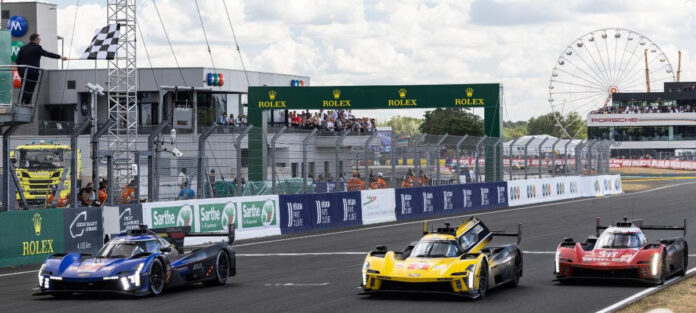
DETROIT (June 5, 2024) – Following a successful return to Circuit de la Sarthe in 2023 after a 21-year absence, Cadillac Racing enters the 24 Hours of Le Mans with a shared mindset of standing on the top step of the new podium platform June 16.

The nascent three-car program turned heads last year with strong qualifying efforts and third-, fourth- and 17th-place overall finishes. Now the iconic American luxury brand is back for the 92nd edition of the endurance classic with three hybrid racecars, more knowledge, experience and desire to succeed.

“For endurance racing, it’s the pinnacle and something we’re always looking forward to,” said Justin Taylor, race engineer for the No. 3 Cadillac V-Series.R and a two-time Le Mans overall winner.

“From the moment you finish the race you are starting the preparation for next year. You’re trying to use the lessons learned in the immediate to try to help you in the future. Though I was on a different team last year, I was thinking about this year already. I’m happy to go back and looking forward to putting forth our best effort.”

The Nos. 2 and 3 Cadillac Racing V-Series.R and No. 311 Whelen Cadillac V-Series.R will participate in the June 9 Hypercar test sessions on the 8.46-mile (13.626-kilometer) road course.

The six hours of track time provides the opportunity for manufacturers and teams in the 23-car field to formulate a chassis set-up baseline in preparation for qualifying practice June 12. The top eight cars in the 60-minute session advance to the 30-minute Hyperpole on June 13.

“We are excited to have this test day to take advantage of as much on-track as possible because no one can test on the circuit until they come to the Le Mans event,” GM sports car racing program manager Laura Wontrop Klauser said. “We have each of the three cars on different test plans so that we can maximize the amount of information that we can gather for the program. It also gives the opportunity to test all the equipment that runs behind the scenes.”

Running in another series

Cadillac Racing’s stout driver lineup across its three Hypercar entries includes six-time IndyCar champion Scott Dixon and teammate, reigning and two-time champion Alex Palo. The drivers will not participate in the test day because of their commitment to the IndyCar race at Road America.

Both drivers will join the program in time for the June 12 sessions. Dixon was the winner of the June 2 race on the streets of Detroit.

Additionally, Jack Aitken will be competing in the DTM doubleheader this weekend at Zandvoort but return to Le Mans to take part in the morning test session before returning for the second DTM race.

Vautier tapped as reserve driver

Tristan Vautier will serve as reserve driver for the Chip Ganassi Racing-run teams that will field the Nos. 2 and 3 Cadillac V-Series.Rs in the 24 Hours of Le Mans.

“We are pleased to have Tristan join us as a reserve driver for the 24 Hours of Le Mans. Tristan has been part of the Cadillac family in the past and has been friends of CGR for quite some time,” said Mike O’Gara, Chip Ganassi Racing director of operations. “With a race as important as Le Mans, you can never be over prepared. Having Tristan on stand-by will only make our program stronger.”

What they’re saying

No. 2 Cadillac V-Series.R

Alex Lynn: “Last year was a great result for the team. We were on the podium last year overall and led laps for the first time with Cadillac. We’re very proud of that fact, but with that being said, we’re determined to do even better. The competition is really strong, so we have to stay humble, do our job and really see what we can do.”

Earl Bamber: “I’m looking forward to going back to Le Mans. We want to improve on where we were last year, which was on the podium. I think we have all the potential to do it with Cadillac and Chip Ganassi Racing. I’m also looking forward to having Alex join our crew. He’s been quite formidable in INDYCAR and he’ll be a great addition to our team in one of the biggest races in the world.”

Alex Palou: “Going to Le Mans is an amazing opportunity and a big challenge, as well. We have a chance to win it overall and that is our biggest goal. I’m excited to be back in the Cadillac and join Earl Bamber and Alex Lynn. They had success there last year and the cars were quite fast, so with our recent pace at Daytona I can’t wait to go there and win. It’s going to be a tight calendar and it’s my first time there. This feels super close to a home race, being just a few hours from where I used to live with my parents. It’s a big race, I’ve always wanted to be a part of it, and I think we have a good shot with Cadillac. I’ve been fortunate enough to have tested and raced the Cadillac V.Series-R in Daytona, where we couldn’t get the result we wanted, but we were fast, and it was super fun. I can’t wait for Le Mans.”

No. 3 Cadillac V-Series.R

Renger van der Zande: “It’s a classic, it’s heroic, it’s long and it’s amazing. Once you get to racing it’s the most fun you can get. If you look at last year, I think we performed very well. But, at the same time, you have to keep an eye on the competition. I think we were better prepared that everybody else, but this year everybody else will be better prepared than they were last year. I think the competition will be strong than last year because of reliability, not because of speed. Teams have their cars and systems better sorted, so from that perspective it will be more interesting. I think we’re going to see a lot of high-level duels on track where you need to be on top of your game from the moment you start racing to when you see the checkered flag. That’s what we come for – to race against the best in the world and to win the race. We’re ready for that challenge. I think it’s amazing what we did this past year with the Cadillac program finishing third and fourth. That was a testament to the development and everyone’s hard work in the first year of the program. We have really strong teammates, really strong teams and partners to make this all work to go for the win.”

Sebastien Bourdais: “Obviously, it’s a huge challenge but we’ve had some very promising findings and learnings from last year. I think we definitely have a very competitive car with our Cadillac V-Series.R to be able to contend. Hopefully, we can give it a shot to get that win that is missing on my resume. It’s obviously one that means a ton to me and I’m looking forward to going back there to give it another go.”

Scott Dixon: “I love this race; it’s one of the biggest and the toughest in the world. We all know it is definitely a privilege to even be invited, so I’m excited to go back with Sebastien, Renger, Cadillac and everybody involved. I feel like the team did a tremendous job last year. We had some issues here and there but to go third and fourth was pretty spectacular. Hopefully, we can have a closer fight this year but it’s one I love to do. I’m very fortunate to be able to do this with the team and to be a part of it. It’s never easy to fit into a schedule, but everyone being on the same team makes that more possible.”

No. 311 Whelen Cadillac V-Series.R

Pipo Derani: “We’re happy to go back to Le Mans, and winning the IMSA championship in a way cemented our way back to Le Mans, which is a nice way to go back. The fact that we were there, made a full event of experience and now we’re able to go back with all that knowledge is exciting. Last year we had an incident right at the beginning but there was a lot of promise shown during the race. We had good pace despite being laps down. If we can use all that knowledge that we accumulated last year and make a few things better, then we should have a good weekend. There are so many details that you don’t know when you haven’t been there; it was the first for the team. So, to have that experience and put it to use will be fantastic.”

Jack Aitken: “I think it’s always a privilege to go to Le Mans. We’re going to go back into an even more competitive field than last year. For one, I’m keen on going back and try to show that we can compete for the overall win. It is a special race and everyone is excited to go back and compete.”

Felipe Drugovich: “The 24 Hours of Le Mans is impossible to define in words, such is its magic and importance for cars in general and motor racing in particular. I am having the opportunity to live this 100 years history for the first time with AXR and Cadillac. “What a privilege having another dream coming true.”

What to Do If You Experience a Flat Tire While Driving

Photo by Bernd Dittrich on Unsplash

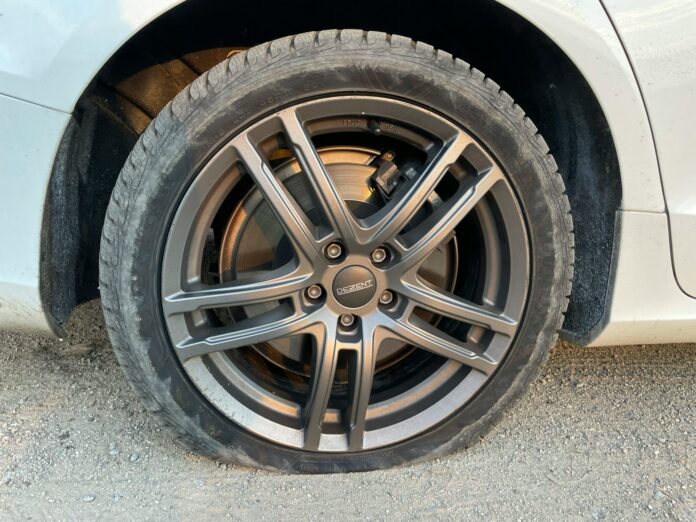
A flat tire can be an unsettling experience, especially if it happens while you’re driving. Knowing how to handle the situation safely and efficiently can make a significant difference. Here’s a comprehensive guide on what to do if you experience a flat tire while driving.

Stay Calm and Stay Safe

The most important thing to remember is to stay calm. Panicking can lead to abrupt decisions that may jeopardize your safety. Here’s a step-by-step guide to ensure you handle the situation correctly.

Step 1: Recognize the Signs

Understanding the signs of a flat tire is crucial. You might notice:

  • A loud flapping noise.
  • Difficulty steering.
  • The car pulls to one side.
  • A vibration in the steering wheel.

If you experience any of these symptoms, it’s important to act quickly but safely.

Step 2: Don’t Brake Suddenly

Abrupt braking can cause you to lose control of the vehicle. Instead, take your foot off the accelerator and let the car slow down gradually. Use the brakes gently if needed.

Step 3: Steer to Safety

Safely guide your car to the side of the road. Aim for a flat, straight stretch of road away from traffic. If you’re on a highway, look for an emergency lane or a wide shoulder.

Step 4: Turn on Hazard Lights

Turn on your hazard lights as soon as you realize you have a flat tire. This alerts other drivers that you are having an issue and helps prevent accidents.

Step 5: Park Safely

Once you’ve found a safe spot, put your car in park and apply the parking brake. Turn off the engine and ensure you and any passengers exit the vehicle from the side away from traffic.

Step 6: Use Safety Equipment

If you have safety cones, reflective triangles, or flares, set them up behind your car to increase visibility. This is especially important if you are on a busy road or it’s dark outside.

Step 7: Gather Your Tools

You’ll need a few tools to change the tire. These typically include:

  • A spare tire
  • A car jack
  • A lug wrench
  • The owner’s manual (to locate and use the tools properly).

Most vehicles come with these tools stored in the trunk or under the rear cargo area.

Step 8: Loosen the Lug Nuts

Using the lug wrench, loosen the lug nuts on the flat tire. Do not remove them completely at this stage; just break the initial resistance. Turning the wrench counterclockwise should do the trick.

Step 9: Jack Up the Car

Consult your owner’s manual for the proper jack points to avoid damaging your car. Place the jack under the appropriate spot and raise the car until the flat tire is off the ground.

Step 10: Remove the Flat Tire

Finish unscrewing the lug nuts and carefully remove the flat tire. Place it under the car as a precaution while you work, in case the jack fails.

Step 11: Mount the Spare Tire

Align the spare tire with the wheel studs and push it onto the vehicle. Hand-tighten the lug nuts as much as possible.

Step 12: Lower the Car and Tighten the Lug Nuts

Lower the car slowly using the jack until the spare tire is just touching the ground. Then, use the lug wrench to tighten the lug nuts in a star pattern to ensure even pressure. Once all the nuts are tight, lower the car completely and remove the jack.

Step 13: Check the Spare Tire Pressure

Ensure the spare tire is properly inflated before you drive. If it’s under-inflated, drive slowly to the nearest gas station to inflate it to the recommended pressure.

Step 14: Visit a Professional

Remember, a spare tire is a temporary fix. As soon as possible, visit a professional tire shop to get a proper replacement or repair for the flat tire. If your flat tire was the result of someone else’s negligence, speak to an accident attorney like those in Chicago to discuss your case. 

Preventing Future Flat Tires

While some flats are unavoidable, you can reduce the risk by:

  • Regularly checking tire pressure
  • Inspecting tires for wear and tear
  • Avoiding driving over debris
  • Rotating your tires as recommended

Experiencing a flat tire while driving can be daunting, but knowing how to handle it can make a big difference. By following these steps, you can ensure your safety and get back on the road quickly. Always prioritize safety and don’t hesitate to call for professional help if needed. Safe travels!

How to Fix a Small Dent in Your Car: A Step-by-Step Guide

Photo by MOTIVID .ORG on Unsplash

Small dents on your car can be frustrating, whether they result from a rogue shopping cart or an accidental bump. The good news is that many minor dents can be fixed without professional help. Here’s a comprehensive guide to help you restore your car’s smooth finish.

Tools and Materials You’ll Need

Before diving into the process, gather the necessary tools and materials. Here’s what you’ll need:

  • Hairdryer or heat gun
  • Compressed air canister
  • Suction cup dent puller
  • Wooden dowel or a hot glue dent puller kit
  • Clean cloth
  • Rubbing alcohol
  • Microfiber towel
  • Car wax

Step 1: Assess the Dent

First, assess the size and location of the dent. Small dents, typically less than a few inches in diameter, are good candidates for DIY repair. If the dent is on a metal surface and hasn’t caused the paint to crack or chip, you’re in luck.

Step 2: Heat the Dent

Heating the dent can make the metal more pliable and easier to manipulate. Use a hairdryer or heat gun and warm the dented area for about 30 seconds to a minute. Hold the hairdryer about 6 inches away from the surface to avoid damaging the paint. The goal is to make the metal expand slightly, making it easier to pop back into place.

Step 3: Cool the Dent

Immediately after heating the dent, spray the area with a can of compressed air. Hold the can upside down so that it dispenses cold air. The rapid change in temperature causes the metal to contract quickly, which can make the dent pop out. If you’re lucky, the combination of heating and cooling will be enough to fix the dent.

Step 4: Use a Suction Cup Dent Puller

If the heating and cooling method doesn’t work, a suction cup dent puller is your next best option. These tools are available at most auto parts stores. Place the suction cup over the center of the dent and pull firmly. This method works well for shallow dents but might not be effective for deeper ones.

Step 5: Try a Hot Glue Dent Puller Kit

A hot glue dent puller kit can be very effective for more stubborn dents. Here’s how to use it:

  • Clean the Dent: Wipe the area with a clean cloth and rubbing alcohol to remove any dirt or grease.
  • Apply the Glue: Use a hot glue gun to apply glue to the pulling tab from the kit.
  • Attach the Tab: Press the tab firmly onto the center of the dent and let the glue cool and harden.
  • Pull the Dent: Attach the pulling mechanism to the tab and gently pull the dent out.
  • Remove the Tab: Once the dent is gone, carefully remove the tab and glue residue with rubbing alcohol and a clean cloth.

Step 6: Clean and Polish the Area

After the dent is fixed, clean the area thoroughly to remove any leftover glue or debris. Use a microfiber towel and car wax to polish the surface and restore its shine. This step will also help to protect the paint.

Preventing Future Dents

While it’s impossible to prevent all dents, you can reduce the risk by:

  • Parking away from other cars in a lot.
  • Avoiding tight parking spaces.
  • Being mindful of shopping carts and other potential hazards.

When to Seek Professional Help

If the dent is large, has sharp edges, or has damaged the paint, it’s best to seek professional help. Auto body shops have specialized tools and expertise to fix more complex dents without causing further damage. In addition, the car accident attorneys in Louisville note that if another person’s negligence caused the dent, it is best to speak to an accident lawyer about the next legal steps to take. 

Fixing a small dent in your car is a task you can often tackle on your own with the right tools and a bit of patience. By following these steps, you can save money and keep your vehicle looking its best. Remember, while DIY methods can be effective for minor dents, don’t hesitate to consult a professional for more serious damage. Happy fixing!

1963 Indianapolis 500 Winner Jones Dies at 90

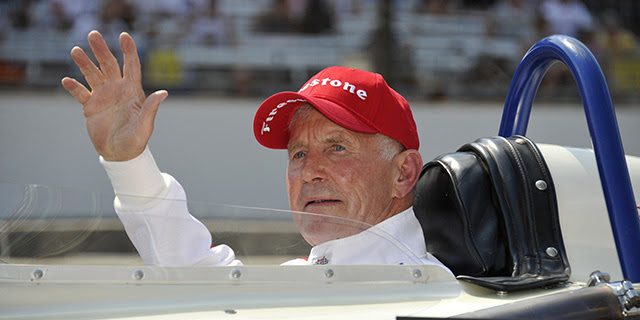
INDIANAPOLIS (Tuesday, June 4, 2024) – Parnelli Jones, the 1963 Indianapolis 500 winner and the first driver to qualify for the “500” faster than 150 mph, passed away peacefully with his family by his side June 4 in Torrance, California. He was 90.

One of the most versatile drivers in history, Jones was so highly rated by all his competitors, including several of the best from Europe. He only competed in the Indianapolis 500 seven times yet led in all but two of them for a total of 492 laps, still the eighth-highest laps led total in the race’s history. And in the only two starts he didn’t lead – 1965 and 1966 – he ran many laps in second place, finishing in that position in 1965 and retiring from there with mechanical trouble in 1966.

Jones, who was born Rufus Parnell Jones on Aug. 12, 1933, in Texarkana, Arkansas, is the only person ever to have led the Indianapolis 500 for 400 or more miles on two occasions. The first came when he won in 1963 and the second when his Andy Granatelli-entered, STP turbine-powered car failed after leading 171 of the first 196 laps in 1967.

Winner of the pole position with track-record qualifying speeds faster than 150 mph in 1962 and 1963, Jones never started lower than sixth in any of his seven “500s.”

Even after retiring from INDYCAR SERIES competition as a driver, somewhat prematurely in 1968 at the age of only 34, the street-smart Jones continued to be a winner. He fielded a team with a longtime business partner Vel Miletich that won the “500” in 1970 and 1971 with a pair of PJ Colt chassis, built in-house under the direction of chief mechanic George Bignotti and driven by Al Unser. This combination also won the United States Auto Club National Championship in 1970 followed by a second and third straight title in 1971 and 1972 with former motorcycle racing standout Joe Leonard behind the wheel.

Vel’s Parnelli Jones Racing even briefly ventured into Formula One. They fielded Mario Andretti in the 1974 season-closing Canadian and United States rounds, followed by the entire Grand Prix circuit in 1975, and all the races up through the Long Beach, California, round in spring 1976, at which point lack of sufficient sponsorship brought the campaign to an end.

During this same period, the team also fielded Andretti and Unser in the Sports Car Club of America’s Formula 5000 road racing series and the USAC Dirt Car (later Silver Crown) series on 1-mile dirt ovals, the two drivers consistently recording top-three finishes in each of these widely contrasting forms of motorsport.

Jones was named after a local judge, Rufus Parnell, whom his mother respected. The family moved from Arkansas to Fallbrook, California, when Jones was 2 and then to Torrance, California, when Jones was 7.

At age 17, while racing old cars in Gardena, California, Jones needed an alias to prevent race officials from learning he wasn’t the minimum legal age of 18 to compete.

Jones’ school friend, Billy Calder, came up with an idea to solve the problem. There was a girl in their school named Nellie, and Calder used to tease Jones about her liking him. Calder knew Jones’ middle name was Parnell, and he would joke around with him, calling him “Parnellie.” Calder painted the name “Parnellie” on the jalopy door, and the rest is racing history, with the “e” dropped somewhere along the way.

As a driver, Jones burst on the USAC scene in 1960, joining his friend and traveling partner Jim Hurtubise in defeating all the venerable Offenhauser-powered sprint cars with much less expensive V8 “stock block” Chevrolet powerplants. Jones was offered cars to drive at Indianapolis that first year, but the savvy newcomer chose instead to watch from the sidelines as Hurtubise smashed the qualifying track records and dominated the Rookie of the Year honors. Jones had decided instead to make his championship debut after the “500” to potentially enjoy a full season on “the circuit” before returning to Indianapolis the following May with valuable miles under his belt.

It worked out better than expected.

By the time he almost won the 1960 Milwaukee 200 with a Quin Epperly-built “laydown” that August, Jones already had been blessed with the break of a lifetime by testing tires for Firestone, thus racking up hundreds of miles at IMS before ever taking a rookie test. Everything seemed to be in place for him to drive the same Epperly car the following May until veteran Tony Bettenhausen took it out for a “test hop,” raved over its handling and convinced car owner Lindsey Hopkins he should purchase it for Bettenhausen to drive.

Jones wasn’t out of a ride for long.

J.C. Agajanian, for whom Bettenhausen had previously agreed to drive in 1961, was already somewhat of a mentor to Jones, and it didn’t take long for Agajanian to hire him in Bettenhausen’s place. Jones qualified fifth for the “500,” led 27 laps and might have been a late-race contender for victory had he not been hit in the eye by a rock. Even with blood streaming into his goggles and an engine down on power due to a fouled spark plug, he refused to give up, flagged off several laps behind at the end in 12th place. The Rookie of the Year balloting resulted in a tie between Jones and Bobby Marshman, who finished seventh.

Jones’ 1960 USAC Sprint Car season had culminated with the final Mid-West Sprint Car title and was followed in 1961 by the inaugural National Sprint Car title, the first in which the previously separate championships of the Mid-West, East and Pacific Coast were merged. Jones eventually won 25 USAC Sprint Car feature events, along with another 25 wins in USAC Midget Car feature events despite competing only on an occasional basis.

At the end of the 1961 season, Jones posted his first of six USAC National Championship victories with a win in the season-ending 100-mile dirt track event at the Arizona State Fairgrounds.

By this time, Jones had already been heeding the advice of his racing hero, 1952 Indy 500 winner Troy Ruttman, in seeking Agajanian’s help with investments. It had begun with steady contributions from Jones’ sprint car earnings until their holdings, as partners, grew to include a variety of valuable real estate acquisitions. Set up with a Firestone store in 1965, Jones worked hard with that investment, and it wasn’t long before he opened a second store and a third, eventually topping out with no less than 47 of them. Even after selling the whole enterprise many years later, he remained on board as a consultant, with his iconic name still appearing above the main entrances.

Although Rodger Ward won his second “500” in 1962, Ward often said Jones was the moral winner of that race. The first – and only – driver to qualify faster than 150 mph that year, Jones, in only his second “500” start, proceeded to lead 120 of the first 125 laps of the race until failing brakes obliged him to slow down. Never giving up, as was typical, he nursed his ailing car home to seventh after having run for almost 200 miles without brakes.

In 1963, Jones won the Indianapolis 500 in the No. 98 Watson-Offy nicknamed “Calhoun,” although the race was not without controversy. Late in the running, oil began to seep from a tiny crack in an externally mounted oil tank, placing Chief Steward Harlan Fengler in the unenviable position of having to decide whether or not to black-flag the leader. While he was still deliberating, the leak stopped, and Jones was allowed to continue to the victory.

Just over a year later, Jones was invited to drive two races for Team Lotus, the first being the August Milwaukee 200 when Jim Clark was not available, and the other as Clark’s teammate for the Trenton (New Jersey) 200 in September.

Jones won both races.

It was quite a compliment when Lotus team principal Colin Chapman came forth with an offer to have Jones partner World Champion Clark on the Formula One circuit, but for a variety of reasons, Jones politely declined, preferring to race at home. He landed yet another title, capturing the 1964 USAC Stock Car championship with eight wins in 15 starts for Bill Stroppe’s Mercury team, and he even trounced the sports car contingent in the late-season Los Angeles Times Grand Prix at Riverside Raceway in California.

Jones’ sixth and final USAC Championship victory came in June 1965 in the Milwaukee 100, driving the same Agajanian-owned Lotus with which he had finished second to Clark in the most recent “500.” He had decided to cut back on INDYCAR SERIES racing at that point and made only one more start for the balance of the year, racing USAC Stock Cars instead and becoming more and more involved with off-road racing.

Despite Jones’ numerous victories and accomplishments, he also will be remembered for almost winning the “500” in 1967 with Andy Granatelli’s controversial, STP-sponsored, four-wheel-drive turbine.

Jones qualified a disappointing sixth with the dominant car, but it didn’t take him long to get to the front on Race Day. Using the four-wheel-drive system to its fullest extent, Jones negotiated the turns above the accepted “groove,” and by the time he entered Turn 2 of the opening lap, he had driven around the outside of all but pole sitter Mario Andretti. As they cleared Turn 2 and headed down the backstretch, Jones moved to the inside and sped past Andretti with apparent ease to lead the first lap by a huge margin.

Rain fell after only 18 laps, forcing the race into a second day, but then the story pretty much remained the same. When an inexpensive bearing in the rear end failed within sight of the finish, Jones had led for 171 of the 197 laps.

In 1968, Jones was supposed to drive the much-revised No. 40 turbine in the “500,” but he ended up never turning a lap, having weighed his chances of winning against the growing responsibilities of his many business investments and his family. He decided instead to step down and turn over the car to Leonard, who was driving for the team Jones co-owned with Miletich.

Although he was now no longer an Indianapolis 500 driver, that did not mean Jones was through with driving. He became part of Ford’s effort to win the SCCA Trans-Am championship, and he won the driver’s title in 1970. In off-road racing, he teamed up again with Stroppe to score five major wins with a much-modified Ford Bronco, sponsored by Olympia Beer and affectionately nicknamed “Big Oly.” The combination won the Baja 1000 in 1971 and 1972, the Baja 500 in 1970 and 1973, and the Las Vegas Mint 400 in 1973.

Jones is survived by his wife of nearly 57 years, Judy, and sons PJ and Page, both of whom had professional racing careers. PJ Jones followed in his father’s footsteps by starting the Indianapolis 500 in 2004 and 2006. Page Jones was making great strides on Midwest short tracks until he suffered serious injuries in a crash in 1994, ending his driving career.

Parnelli Jones was inducted into numerous Halls of Fame, including the Indianapolis Motor Speedway Hall of Fame, the National Motorsports Hall of Fame and both the National Sprint Car and National Midget Halls of Fame.

Statements on Passing of Parnelli Jones

INDIANAPOLIS (Tuesday, June 4, 2024) – Statements from Roger Penske and Indianapolis Motor Speedway President J. Douglas Boles about 1963 Indianapolis 500 winner Parnelli Jones, who died June 4 at age 90 in Torrance, California:

“The racing world has lost a great competitor and a true champion. Parnelli Jones was one of the most accomplished racers in history, and his determination and will to win made him one of the toughest competitors I have ever seen. From racing against him on track to competing against him as a fellow team owner, I always respected Parnelli’s passion and commitment to the sport he loved. I was proud to call Parnelli a good friend for many years, and our thoughts are with his family as we remember one of the true legends of motorsports.”

– Roger Penske

“In over 115 years of racing at the Indianapolis Motor Speedway, there have been many iconic moments and a handful of iconic drivers. Parnelli Jones was a total icon, both for his driving skill and the magical moments he created in the Indianapolis 500. He will always be known for his speed, talent and fearless approach, and for his personal demeanor and character. The first to officially break 150 mph at Indy, he also will be remembered for driving the famed STP turbine to near-victory in 1967 and as the winning Indy 500 owner in 1970 and 1971. His fingerprints on our sport go well beyond the Indianapolis Motor Speedway. A winner in virtually everything on wheels including USAC, NASCAR and off-road racing, he is truly one of the most versatile competitors the sport has ever seen. Our thoughts and prayers are with his family and friends.”

– J. Douglas Boles
Why You Should Never Take the First Settlement Offer After an Accident

Photo by Microsoft 365 on Unsplash

After an accident, whether it be a car crash, workplace incident, or personal injury, dealing with the aftermath can be overwhelming. Amidst medical treatments, property repairs, and emotional distress, one might be tempted to accept the first settlement offer from an insurance company. However, there are compelling reasons why you should never take the first settlement offer after an accident. This blog delves into these reasons, highlighting the importance of patience, thorough evaluation, and professional guidance in securing a fair and adequate settlement.

The Initial Offer Is Often Low

Insurance companies are businesses focused on minimizing their costs. Their initial settlement offers are typically lower than what you might be entitled to, aiming to settle quickly and cheaply. Accepting this offer can leave you with insufficient funds to cover all your expenses and losses. It is crucial to recognize that the initial offer is a starting point for negotiations, not a final figure.

Comprehensive Assessment of Damages Takes Time

Immediately after an accident, the full extent of your damages—both physical and financial—may not be clear. Injuries can have delayed symptoms, and medical conditions might worsen over time, requiring extensive treatment and rehabilitation. Similarly, property damage assessments might overlook long-term repair costs. By rejecting the first settlement offer, you give yourself the necessary time to thoroughly evaluate the true extent of your damages.

Future Expenses and Lost Wages

Accidents often result in ongoing medical expenses and lost wages due to time off work or diminished earning capacity. The first settlement offer is unlikely to account for these future costs adequately. A detailed calculation of your current and future financial needs is essential to ensure that any settlement covers not only immediate expenses but also long-term financial impacts.

Emotional and Psychological Impact

Accidents can lead to significant emotional and psychological trauma, such as post-traumatic stress disorder (PTSD), anxiety, or depression. These impacts might not be immediately apparent and can develop over time. The first settlement offer usually fails to consider the emotional and psychological toll of the accident. By taking time to understand and document these effects, you can seek compensation that truly reflects the full extent of your suffering.

Professional Evaluation and Legal Advice

Consulting with a personal injury attorney can significantly influence the outcome of your settlement. Lawyers specializing in accident claims have the expertise to evaluate offers accurately, negotiate effectively, and ensure you receive fair compensation. Attorneys like the accident attorneys at Buchanan Firm can identify lowball offers and advise you on whether to accept, reject, or counteroffer. Without professional guidance, you risk settling for less than you deserve.

Evidence and Documentation

Building a strong case for a fair settlement requires gathering substantial evidence, including medical records, accident reports, witness statements, and expert testimonies. This process takes time and cannot be rushed. Accepting the first offer means you might not have all the necessary documentation to support a higher claim. Taking the time to compile comprehensive evidence strengthens your position in negotiations.

Legal Deadlines and Pressure Tactics

Insurance companies might pressure you to accept the first settlement offer by suggesting that waiting could result in losing the opportunity to settle. However, most jurisdictions have statutes of limitations that provide ample time to file a claim. Understanding your legal deadlines helps you resist pressure tactics and make informed decisions based on a complete evaluation of your situation.

The Benefit of Counteroffers

Rejecting the initial offer opens the door to negotiations, allowing you to present a counteroffer that better reflects your needs. This negotiation process often results in a higher settlement than the initial offer. By preparing a detailed counteroffer supported by evidence, you can push for a settlement that covers all your expenses and losses adequately.

Peace of Mind and Financial Security

Ultimately, accepting the first settlement offer can lead to regret and financial insecurity if the amount proves insufficient. Taking the time to secure a fair and adequate settlement ensures peace of mind, knowing that your financial and emotional needs are met. This security allows you to focus on recovery and moving forward with your life.

In the aftermath of an accident, the temptation to accept the first settlement offer can be strong. However, this initial offer is often insufficient to cover the full extent of your damages, future expenses, and emotional impact. By rejecting the first offer, consulting with professionals, and taking the time to thoroughly assess your situation, you can secure a fair and adequate settlement that truly addresses your needs. Patience and diligence in this process are crucial to achieving the best possible outcome for your recovery and financial stability.

Understanding the Dangers of Rear-End Accidents

Photo by Harlie Raethel on Unsplash

As mentioned by the Austin accident attorneys at Shaw Cowart, rear-end accidents are one of the most common types of car collisions, occurring frequently in both urban and rural settings. Despite their prevalence, these accidents are often underestimated in terms of the danger they pose to the occupants of the vehicles involved. This blog explores why rear-end accidents are so dangerous, examining the mechanisms of injury, the common causes, and the steps that can be taken to mitigate their impact.

The Mechanism of Injury

The primary danger of rear-end collisions lies in the physics of the crash. When a vehicle is struck from behind, the occupants of the struck vehicle experience a sudden and forceful acceleration. This sudden motion, particularly when unexpected, can lead to various injuries due to the rapid change in velocity. Key injuries commonly associated with rear-end accidents include:

Whiplash: Whiplash is the most frequently reported injury in rear-end collisions. Whiplash occurs when the neck is violently whipped back and forth due to the impact. This motion can cause damage to the muscles, ligaments, and tendons in the neck, leading to pain, stiffness, and reduced range of motion. In severe cases, whiplash can result in long-term disability.

Spinal Injuries: The spine can be significantly impacted by the sudden jolt of a rear-end collision. Compressive forces can cause herniated discs, fractures, or even spinal cord damage, leading to chronic pain or, in extreme cases, paralysis.

Head and Brain Injuries: The force of the collision can cause occupants to hit their heads on the steering wheel, dashboard, or windows, resulting in concussions or traumatic brain injuries (TBIs). Even with airbags and seatbelts, the risk of head injuries remains significant in high-speed impacts.

Soft Tissue Injuries: Beyond whiplash, other soft tissues such as muscles and ligaments in the back and shoulders can be strained or torn, leading to significant pain and the need for extended rehabilitation.

Common Causes of Rear-End Accidents

Several factors contribute to the high incidence and danger of rear-end accidents. Understanding these causes can help in developing strategies to prevent them.

Distracted Driving: One of the leading causes of rear-end collisions is distracted driving. Activities like texting, eating, or using in-car entertainment systems divert the driver’s attention away from the road, reducing reaction times.

Tailgating: Following another vehicle too closely reduces the available stopping distance, making it more likely that a driver will be unable to avoid a collision if the vehicle in front stops suddenly.

Speeding: Higher speeds increase both the stopping distance and the force of impact in a collision. Speeding drivers are less able to react in time to avoid hitting the car in front.

Weather Conditions: Adverse weather conditions such as rain, snow, or fog can reduce visibility and traction, increasing the likelihood of rear-end accidents. Drivers often fail to adjust their driving to accommodate these conditions, leading to collisions.

Mechanical Failures: Brake failures or other mechanical issues can prevent a driver from stopping in time to avoid a rear-end collision.

Preventive Measures

To mitigate the dangers of rear-end collisions, several measures can be taken by drivers, vehicle manufacturers, and policymakers.

Driver Education: Raising awareness about the importance of maintaining a safe following distance, avoiding distractions, and adhering to speed limits can significantly reduce the incidence of rear-end collisions.

Advanced Driver-Assistance Systems (ADAS): Modern vehicles are increasingly equipped with technologies such as automatic emergency braking (AEB), forward-collision warning (FCW), and adaptive cruise control. These systems can detect potential collisions and intervene to prevent or mitigate the impact.

Improved Road Design: Traffic engineers can design roads and intersections to minimize the risk of rear-end collisions. This includes installing better signage, improving road markings, and implementing traffic calming measures to control speeds.

Regular Vehicle Maintenance: Ensuring that vehicles are well-maintained, particularly their braking systems, can prevent mechanical failures that could lead to rear-end collisions.

Legal Enforcement: Strict enforcement of traffic laws related to speeding, distracted driving, and tailgating can deter dangerous driving behaviors that often lead to rear-end accidents.

Rear-end accidents, while common, pose significant dangers due to the nature of the injuries they can cause and the factors that contribute to their occurrence. From whiplash and spinal injuries to traumatic brain injuries, the impact of these collisions can be severe and long-lasting.

Who is Responsible for Accidents Caused by Unsafe Roads?

Photo by Jerry Kavan on Unsplash

Accidents on the road are a common and often tragic occurrence. While many accidents result from driver error, some can be attributed to unsafe road conditions. Determining responsibility in these cases can be complex, involving multiple parties and various legal considerations. Understanding who is responsible for accidents caused by unsafe roads requires a detailed examination of the contributing factors, legal precedents, and the roles of different entities in road maintenance and safety.

The Role of Government Entities

Local, state, and federal government agencies are primarily responsible for the construction, maintenance, and repair of public roads. This responsibility includes ensuring that roads are safe for drivers, cyclists, and pedestrians. When an accident occurs due to unsafe road conditions—such as potholes, poor signage, inadequate lighting, or faulty traffic signals—the government entity in charge of that road may be held liable.

However, holding a government entity accountable is not straightforward. Sovereign immunity laws protect these entities from certain types of lawsuits. Despite this, many jurisdictions have waived some of this immunity, allowing for claims against governmental bodies under specific circumstances. To prove liability, the plaintiff typically needs to demonstrate that the government entity knew or should have known about the hazardous condition and failed to address it within a reasonable timeframe.

Contractors and Construction Companies

Often, road construction and maintenance are outsourced to private contractors. When these contractors perform substandard work, fail to adhere to safety regulations or neglect necessary repairs, they may be held liable for resulting accidents. For example, if a construction company leaves a road in a dangerous condition without proper warning signs, and an accident occurs, the company could be found negligent.

In such cases, liability can extend to multiple parties. Both the government entity that hired the contractor and the contractor itself might share responsibility, especially if there was insufficient oversight or failure to enforce safety standards.

Private Property Owners

Sometimes, unsafe road conditions exist on private property, such as parking lots or private roads. Property owners are responsible for maintaining these areas in a safe condition. If an accident occurs due to poor maintenance—like large potholes or inadequate lighting—the property owner can be held liable for any resulting injuries or damages.

Drivers’ Responsibilities

While unsafe road conditions are a significant factor, drivers also have a responsibility to navigate these conditions safely. This includes driving at appropriate speeds for the conditions, being vigilant, and obeying traffic laws. If a driver is speeding or driving recklessly and an accident occurs, their behavior can mitigate the liability of other parties. For instance, if a driver loses control on a poorly maintained road but significantly exceeds the speed limit, their actions may be considered the primary cause of the accident.

Proving Liability

Establishing liability in accidents caused by unsafe roads involves gathering substantial evidence. Car accident attorneys in Virginia Beach from Shapiro, Washburn & Sharp suggest that this evidence should include:

Accident Reports: Police reports often provide crucial details about the accident scene, road conditions, and potential contributing factors.

Photographs and Videos: Visual evidence of the road conditions at the time of the accident can be compelling. This might include images of potholes, damaged signs, or poor lighting.

Witness Testimonies: Statements from witnesses can corroborate the hazardous nature of the road conditions.

Maintenance Records: Records showing the schedule and quality of road maintenance can reveal negligence on the part of the responsible entity.

Expert Testimonies: Experts in road safety and engineering can provide professional opinions on how the road conditions contributed to the accident.

Legal Outcomes

The outcome of such cases can vary widely. Sometimes, settlements are reached outside of court, especially if the evidence clearly indicates negligence. In other cases, lengthy legal battles may ensue, involving detailed investigations and expert testimonies.

Determining responsibility for accidents caused by unsafe roads is a multifaceted process that involves examining the roles and duties of all parties involved. Each party has a level of accountability for maintaining road safety, and failures in these responsibilities can lead to serious accidents. Through thorough investigation and legal scrutiny, victims of such accidents can seek justice and compensation for their injuries and losses. The key is to understand the interplay of various factors and the legal avenues available to address these complex situations.