Home Blog Page 1184

RFK Advance | Phoenix I

Phoenix I Event Info:
Date: Sunday, March 10
Time: 3:30 p.m. ET
Series: NASCAR Cup Series (NCS)
Location: Avondale, Arizona
Format: 312 Laps, 312 miles, Stages: 60-125-127
TV: FOX
Radio: MRN, SiriusXM NASCAR Radio (Channel 90)

Weekend Schedule:
Friday: 5:05 p.m. ET, Practice (FS1, MRN, SiriusXM NASCAR Radio)
Saturday: 2:10 p.m. ET, Qualifying (FS1, MRN, SiriusXM NASCAR Radio)
Sunday: 3:30 p.m. ET, Race (FOX, MRN, SiriusXM NASCAR Radio)

Pace Laps:

  • Phoenix hosts its annual spring date this weekend for the fourth points race of the 2024 NASCAR Cup Series season.
  • Phoenix is the site of seven of Jack Roush’s Cup wins all-time, and 17 wins across NASCAR’s three series.
  • Chris Buescher is coming off a top five effort in the desert in the season finale a year ago where he led 18 laps and finished fifth.
  • Consumer Cellular makes its season debut alongside Keselowski and the No. 6 team.

6 Team Info:
Crew Chief: Matt McCall
Partner: Consumer Cellular

17 Team Info:
Crew Chief: Scott Graves
Partner: BuildSubmarines.com

Keselowski at Phoenix
Starts: 29
Wins: —
Top-10s: 13
Poles: 2 (2014, 2021)

  • Keselowski makes his 30th Cup start in Phoenix this weekend where he has 13 top-10s with an average finish of 13.9. Most recently he finished 15th last fall and 18th in the 2023 spring race.
  • He’s led 284 laps in 15 different Phoenix races and has six top-10s in the spring race alone at the 1-mile track.
  • Keselowski has two poles (2014, 2021) with an average starting position of 13.8, and is coming off a fourth-place qualifying effort last spring.
  • He is a two-time Xfinity Series winner in Phoenix including winning the 2018 race in the No. 22 entry, and in 2014 for Team Penske. Overall he has 21 NXS starts with 5 top-10s. He also made two Truck Series starts in 2005 and 2008 with a best finish of sixth in his own No. 19 truck for BKR.

Buescher at Phoenix
Starts: 16
Wins: —
Top-10s: 1
Poles: —

  • Buescher makes his 17th Cup start in Phoenix this weekend. He’s coming off his career-best finish there last fall where he finished fifth in the season finale after starting ninth. Last spring he ran 15th after starting 21st.
  • Buescher has an average starting position of 24.1 with the P9 start last fall as his best.
  • Buescher also made four Xfinity Series starts in Arizona for Jack Roush with a best finish of 12th (2014).

RFK Historically at Phoenix
Cup Wins: 7 (Mark Martin, 1993; Jeff Burton, 2000, 2003; Matt Kenseth, 2002; Kurt Busch, 2005; Carl Edwards, 2010, 2013)

  • Hooked on Phoenix: RFK has 305 combined starts at Phoenix, totaling 17 wins, 76 top-five and 136 top-10 finishes. RFK Fords have nine poles and have led 4,050 laps at the 1-mile track.
  • Winning in the Desert: RFK has won at Phoenix in all three of NASCAR’s major divisions, with the organization’s first win coming in the fall of 1993 with NASCAR Hall of Famer and former driver Mark Martin in the NCS. RFK won the second-ever NASCAR Xfinity Series race at Phoenix in 2000 and former driver Greg Biffle claimed the organization’s 100th overall NASCAR Xfinity Series win at Phoenix in 2009.
  • Former driver Carl Edwards also won at the track that fall to give RFK the season sweep. All in all, six drivers have won NASCAR races for RFK at Phoenix (Martin, Biffle, Edwards, Kurt Busch, Matt Kenseth and Joe Ruttman). In addition, Edwards swept Phoenix in the fall of 2010, winning both the NXS and NCS events.
  • Xfinity Success: Phoenix was one of the strongest tracks for RFK’s Xfinity program. In 93 starts, the organization won eight times, earned 27 top-fives, 53 top-10s and has led 1,406 laps. RFK most recently went to victory lane with Edwards in Nov. 2010. Its eight wins rank most of any track on the circuit behind only Charlotte (12), Darlington (15), Richmond (9) and Rockingham (10).
  • Tale of the Tape: RFK has started 176 NCS races at Phoenix, recording a total of seven victories, 36 top-five finishes, 62 top-10 finishes, four poles and has led 2,310 laps. Edwards earned RFK’s most recent victory at Phoenix in the March 2013 event.

RFK Phoenix Wins

1993 Martin Cup

1997-2 Ruttman Truck

2000 Burton Cup

2000 Burton NXS

2001 Biffle Truck

2001 Burton Cup

2001 Biffle NXS

2002 Kenseth Cup

2005-1 Busch Cup

2005-2 Edwards NXS

2006-2 Kenseth NXS

2008-2 Edwards NXS

2009-1 Biffle NXS

2009-2 Edwards NXS

2010-2 Edwards Cup

2010-2 Edwards NXS

2013-1 Edwards Cup

Last Time Out & Where They Stand
Las Vegas: Keselowski pulled through a P13 finish last weekend in Las Vegas, while Buescher was inside the top-10 early and lost a tire to finish 37th.

Points Standings (17: 23rd, 6: 28th): Keselowski jumped six spots after his first finish of the season.

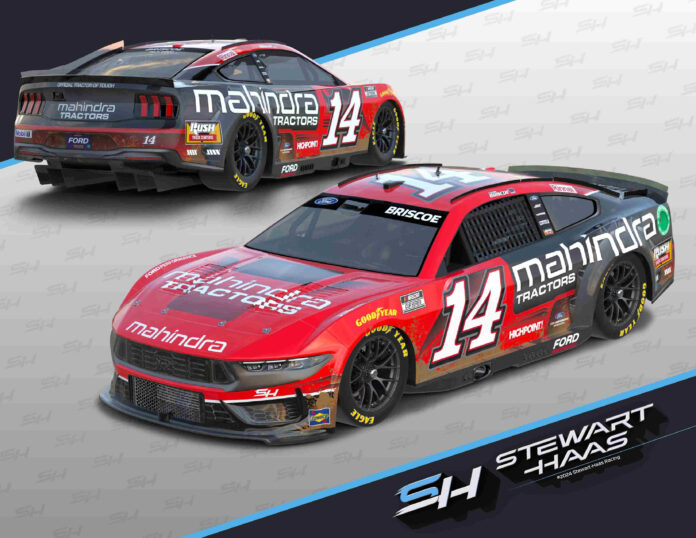
Mahindra Tractors Racing: Chase Briscoe Phoenix Advance

CHASE BRISCOE
Phoenix Advance
No. 14 Mahindra Tractors Ford Mustang Dark Horse

Event Overview

● Event: Shriners Children’s 500k (Round 4 of 36)
● Time/Date: 3:30 p.m. EDT on Sunday, March 10
● Location: Phoenix Raceway
● Layout: 1-mile oval
● Laps/Miles: 312 laps/312 miles (502 kilometers)
● Stage Lengths: Stage 1: 60 laps / Stage 2: 125 laps / Final Stage: 127 laps
● TV/Radio: FOX / MRN / SiriusXM NASCAR Radio

Notes of Interest

● It was a tale of two races for Chase Briscoe last Sunday at Las Vegas Motor Speedway. The driver of the No. 14 Mahindra Tractors Ford Mustang Dark Horse for Stewart-Haas Racing was a top-10 mainstay for the first half of the Las Vegas 400, but after midrace contact with the Ford of Ryan Blaney, Briscoe’s Mustang became a handful. With lap times suddenly a half-second slower, Briscoe went from contention to contraction. After leading the 37-car field on lap 16 and staying tight with the other frontrunners, Briscoe finished the 267-lap race a distant 21st. The silver lining was that the 1.5-mile Las Vegas oval was the first litmus test of the 2024 season where teams could see where they stacked up with one another. Briscoe’s pace at the race’s onset combined with the sixth-place finish of teammate Noah Gragson proved Stewart-Haas is pointed in the right direction.

● The Shriners Children’s 500k this Sunday at Phoenix Raceway will mark Briscoe’s seventh career NASCAR Cup Series start at the 1-mile oval. He is batting .500 at the track when it comes to top-10s with three finishes of seventh or better. However, those runs are juxtaposed by three other results outside the top-20.

● Briscoe’s best result at Phoenix is the best kind of result – a victory, and it wasn’t just any victory. In his 40th career NASCAR Cup Series start and just his third at Phoenix, Briscoe held off Tyler Reddick, Ross Chastain and the all-time winningest driver in NASCAR history at Phoenix, Kevin Harvick, to win his first Cup Series race. Briscoe had earned the right to fight for the win even before some late-race teeth gnashing brought on by a green-white-checkered finish. Briscoe started sixth and led three times for 101 laps before taking the checkered flag with a .771 of a second margin over runner-up Chastain. In addition to the triumph being Briscoe’s maiden Cup Series win, the native of Mitchell, Indiana, also became the 200th different race winner in Cup Series history.

● DYK? When Briscoe scored his first NASCAR Cup Series win at Phoenix on March 13, 2022, he became just the third driver to win his first race at Phoenix, joining NASCAR Hall of Famer Alan Kulwicki (1988) and Bobby Hamilton (1996).

● With 109 different drivers having piloted a No. 14 car in the NASCAR Cup Series’ 76-year history, only one has won with the No. 14 at Phoenix. Briscoe’s Phoenix win is the only Cup Series victory by a driver of the No. 14, an incredible feat when looking at some of the past wheelmen of the No. 14, which includes Tony Stewart, Clint Bowyer, A.J. Foyt, Terry Labonte, Fonty Flock, Jim Paschal, Hershel McGriff and Bobby Allison. Stewart, Labonte McGriff and Allison are all NASCAR Hall of Famers.

● On his way to the NASCAR Cup Series, Briscoe spent two full seasons in the NASCAR Xfinity Series. From 2019 through 2020, Briscoe made four Xfinity Series starts at Phoenix and never finished outside the top-10. His best result was sixth, earned twice – in his first Xfinity Series race at Phoenix in March 2019 and in his third Xfinity Series start at the track one year later.

● In his lone NASCAR Craftsman Truck Series start at Phoenix in November 2017, Briscoe was strong and consistent, qualifying eighth and finishing fourth.

● Mahindra Ag North America is in its third year as the anchor sponsor for Briscoe and the No. 14 team after extending its partnership with Stewart-Haas during the offseason. The multiyear agreement with the NASCAR team co-owned by NASCAR Hall of Famer Tony Stewart and industrialist Gene Haas continues to feature Mahindra Tractors, a brand of Mahindra Ag North America, on Briscoe’s No. 14 Ford Mustang for the majority of the NASCAR Cup Series schedule. Houston-based Mahindra Ag North America is part of Mahindra Group’s Automotive and Farm Sector, the No. 1 selling farm tractor company in the world, based on volumes across all company brands. Mahindra offers a range of tractor models from 20-75 horsepower, implements, and the ROXOR heavy-duty UTV. Mahindra farm equipment is engineered to be easy to operate by first-time tractor or side-by-side owners and heavy duty to tackle the tough jobs of rural living, farming and ranching. Steel-framed Mahindra Tractors and side-by-sides are ideal for customers who demand performance, reliability and comfort. Mahindra dealers are independent, family-owned businesses located throughout the U.S. and Canada.

Chase Briscoe, Driver of the No. 14 Mahindra Tractors Ford Mustang Dark Horse

You earned your first career NASCAR Cup Series win two years ago at Phoenix. Describe the race, what you did to win, and what it was like to take the checkered flag.

“It was obviously a super special day and one that I’ll certainly never forget. I remember truthfully going there that weekend not super excited. Phoenix had never been a track that I necessarily looked forward to going to. I looked at it as one of my three worst racetracks. I remember going there that weekend trying to be optimistic, but kind of knowing it could potentially be a weekend of struggle. I put a ton of work in trying to get better at Phoenix, but I still felt I had a long way to go. I remember practicing and qualifying and being extremely happy with my car and I felt like Sunday I definitely was going to be in the mix as far as a top-five goes. I didn’t necessarily feel like I had winning speed, but felt I had a car capable of being up front. I was able to slowly creep our way forward all day until we found ourselves in the lead and I just remember it not being an easy one to seal the deal. I had to hold off Chase Elliott for like 60, 70 laps, and our pit crew did an amazing job keeping us out front, and they actually got me the lead again on pit road. I remember having a restart with, I want to say 18 or so to go, and starting on the front row with Kevin Harvick at Phoenix going for the win, which was really cool to go heads-up against not only my teammate, but also a guy who had done it all there. It was just a really cool day, and I felt like I definitely had to go and earn it. I think we had a restart with four or five to go, too, and it was me and Ross Chastain and Tyler Reddick and we were all going for our first win at the time. It was a really hard one to win and one of those races where you really had to keep your elbows up and just a really cool day overall.”

You’ve won the race, you’ve celebrated with your crew on the start/finish line, and then you head to victory lane. What’s the one moment that stands out from that day?

“One thing would be just having my dad there, just him coming up to me and telling me how proud he was and just seeing how much it meant to him. Obviously, it meant a ton to me, but he’s been there from the beginning and knows all the sacrifices and knows all the things we did to get to that point. To be able to share that moment with him was really special. He was the only family I had out there that weekend, so I was glad that I had somebody to experience that moment with.”

You dream of winning a NASCAR Cup Series race, and then it happens. Was it like you thought it would be, or was it better, or did it all happen so fast that you wish you would’ve savored more of it?

“I would say I didn’t realize, truthfully, how big of a deal it was to other people. I knew it was going to be a big thing that I always wanted to do, but when it comes to me, after I did it, it was cool to check that box, but I was just ready to go on to the next one. It was kind of like business as usual. I remember getting home that night, the first thing I had to do the next morning was take the trash out. Nothing had changed just because I won a Cup race. But I would say I never knew how much it would mean to other people. After the fact, I had tons of text messages and a couple of people actually took videos of themselves watching the race, some people were crying. And the number of team owners that I had driven for in the past, and to see how much it meant to them, that’s when I think it opened my eyes to how big of a deal it really was. When you think of the Cup Series, when we were able to win that race, I was the 200th winner in Cup Series history, so when you think of all the people who have actually attempted a race, and then to be able to be on a very unique list of only 200 drivers to be able to say they had won a Cup race was really special. Yeah, I kind of wish I would’ve savored it a little bit more, but at the same time you’re only as good as your last race in this sport, so you try to move on to the next one and try to duplicate it as best you can.”

There’s always pressure to perform in motorsports. Was it a weight lifted off your shoulders to snare that win, or did it actually add to the pressure, because now that you did it once, you’re expected to do it again?

“I think both. There’s definitely confidence that came along with the win, but there’s also a sigh of relief. Your whole life growing up you dream of getting to be a Cup racer, you want to win at the highest level, getting your name added to the guys on that list. Any time you move up in a series, there’s obviously this huge learning curve that comes with that, and I feel like every racecar driver at some point questions themselves every time they move up in the ranks. Am I capable of this? Am I going to be able to win at this level? So to be able to win at this level was definitely a sigh of relief but, at the same time, it definitely adds pressure in the sense that it turns into an expectation when you can show you can win, especially at a non-restrictor-plate type of racetrack. If you can win at one of those types of racetracks, you’re expected to be able to win anywhere. It’s a sense of some relief just being able to check that box, but it certainly adds to the pressure of wanting to check a lot more boxes.”

Three top-10s in six career NASCAR Cup Series starts at Phoenix, but in those other three starts, we’re looking at finishes all outside the top-20. What makes Phoenix a seemingly feast or famine track for you?

“Some of it goes back to my feeling that it was always one of those tracks where I’ve always struggled at, even though I’ve been able to win there. I feel like when our car’s really good, I’ve always been able to be up in the mix, but when our car is off, I feel like I’ve struggled to find the speed and where to make speed. I definitely feel like my race team has carried me to a certain extent every time we’ve gone to Phoenix and had those good runs. They’ve done a really good job of bringing a really good package there. I definitely still have a lot to learn when it comes to Phoenix, just trying to make my car do things that it doesn’t necessarily want to do. I think some of the results go along with the racetrack. They’ve been able to spray the resin down, and the top lane kind of comes in at times, and I feel like anytime the top lane has been good at Phoenix, I’ve been up in the mix, but when it hasn’t been on the top, I’ve kind of struggled. So I feel like that’s where a lot of the feast or famine comes from.”

Four career NASCAR Xfinity Series starts at Phoenix and all of them ended with top-10 results. How different is the Cup car at Phoenix compared to the Xfinity Series car there, and were there any takeaways that you were able to apply when you got in the Cup car?

“I really don’t feel like anything in the Xfinity car applied. Today, we’re downshifting, and along with the braking, everything is totally different. There’s not a whole lot you can take from it, and the whole start of my career at Phoenix was truly a struggle. Even though we had run in the top-10, we were never really in the mix to win races.”

There’s a new rules package at Phoenix – a simplified rear diffuser and a higher rear spoiler. What do you know about it and what are your expectations with it?

“I don’t know a whole lot about it as far as what it’s going to be like. Fortunately, we’re going to get a full practice session on Friday, so that’ll be nice to kind of go through some things and try to see where it’s all different and what it does. I certainly think this package on paper is going to put a lot more in the driver’s hands. We should be slipping and sliding around a lot more. I think it’s going to be easier to pass guys, you’re going to see a lot more comers and goers. From a racing standpoint on the short tracks, I definitely think it’s going to make it better. So that’s exciting to think about. Any time the drivers can get more things put in their hands, they like that. I’m looking forward to it. We’ve had a pretty good package there in the past. We’re going to change that package, so that’s a little concerning, kind of knowing that we’ve always been pretty good there. Just trying to understand how all that’s going to apply. There’s lot of moving targets and variables, but it’s still a racecar and you’ve still got to get it around the racetrack as fast as you can, so that’s what we’ll have to do.”

Restarts at Phoenix can be a little crazy. How crazy are they, and when is it smart to cut through the dogleg and when is it a riskier proposition?

“The restarts at Phoenix are certainly unlike anywhere else we go. There’s really no other racetrack where you hear six-, seven-wide, sometimes, on the radio. It is a challenge. It seems the more aggressive you can be, the better, but there is that risk versus reward at the same time. Phoenix is a very interesting track as you go from the front straightaway where we do the restarts to where you could run 30-wide if you wanted to, and then you kind of funnel into the exit of turn two where it’s barely three-wide. There is a lot of give and take, but it’s one of those places where, anymore, you have to always cut the dogleg every restart – not necessarily at the start of the race – but you’ll see guys doing it because it’s definitely turned into an advantage doing it. It’s always relative to where you’re at in the field, whether you’re in the inside or outside lane, but you definitely will be cutting the dogleg on every restart.”

You cut through the dogleg and you’re carrying a bunch of speed – what do you need to do to get slowed down enough to make that first corner, which just got a whole lot tighter because you cut the corner – and how do you merge into traffic with those who stayed on the track and arced their way into turn one?

“It’s very complicated. There’s a lot going on at once. There are so many different things that are going on – if you’re in the bottom lane, you’re trying not to run into the guy in front of you. In (turns) one and two, it does give you the option, you can run down on the apron, but by the exit of turn two, the pit wall starts so you’ve got to be up on the racetrack. It’s chaos, truthfully, every time we go there, and especially if you have a late-race restart, there are just guys all over the place and you’re just trying to find a lane where you can find some clean air. I always kind of enjoy being on the top a little bit more, but it seems like the farther back you are, the bottom’s a little bit better. It’s just a hard place because there are so many things that can happen. One guy can have a bad corner or mess up and then all of a sudden that whole lane gets backed up. So there’s a lot that has to go your way and a lot that obviously can go wrong, and you just hope you’re on the good end of it.”

We talked about how Las Vegas is a litmus test in terms of where teams stack up with one another. Is that the case for Phoenix as well, at least in terms of how your short-track package stacks up, and is there an element of urgency because Richmond and Martinsville are only two and three weeks away, respectively?

“For sure there’s some of that. I think that your Martinsville stuff may not necessarily be bad if you’re bad at Phoenix or good if you’re good at Phoenix because they are so different. And Richmond is so much more a tire fall-off situation. So I would say there will be some cars that are better than others when we go to Phoenix, just with it being a new package and everybody’s still trying to learn it, but I don’t think it’s going to be an end-all, be-all if you’re not good at Phoenix. The racetracks coming up from a short-track standpoint are so drastically different than what we have at Phoenix. It’s hard to say until we go out there and do it, but hopefully for our sake we can be good. If you can go out there and be good in practice and good in qualifying, it’s certainly going to make your race a whole lot better.”

No. 14 Mahindra Tractors Team Roster

Primary Team Members

Driver: Chase Briscoe

Hometown: Mitchell, Indiana

Crew Chief: Richard Boswell

Hometown: Friendship, Maryland

Car Chief: J.D. Frey

Hometown: Ferndale, California

Engineer: Mike Cook

Hometown: Annapolis, Maryland

Spotter: Joey Campbell

Hometown: Berlin, Connecticut

Over-The-Wall Members

Front Tire Changer: Shayne Pipala

Hometown: Frankfort Square, Illinois

Rear Tire Changer: Dakota Ratcliff

Hometown: Nashville, Tennessee

Tire Carrier: Jon Bernal

Hometown: Holland, Michigan

Jack Man: Dylan Moser

Hometown: Monroe, North Carolina

Fuel Man: Corey Coppola

Hometown: Bluefield, West Virginia

Road Crew Members

Underneath Mechanic: Stephen Gonzalez

Hometown: Mooresville, North Carolina

Interior Mechanic: Trevor Adams

Hometown: Plymouth, Wisconsin

Tire Specialist: Keith Eads

Hometown: Arlington, Virginia

Shock Specialist: Brian Holshouser

Hometown: Charlotte, North Carolina

Engine Tuner: Jon Phillips

Hometown: Jefferson City, Missouri

Transporter Co-Driver: Todd Cable

Hometown: Shelby, North Carolina

Transporter Co-Driver: Dale Lackey

Hometown: Taylorsville, North Carolina
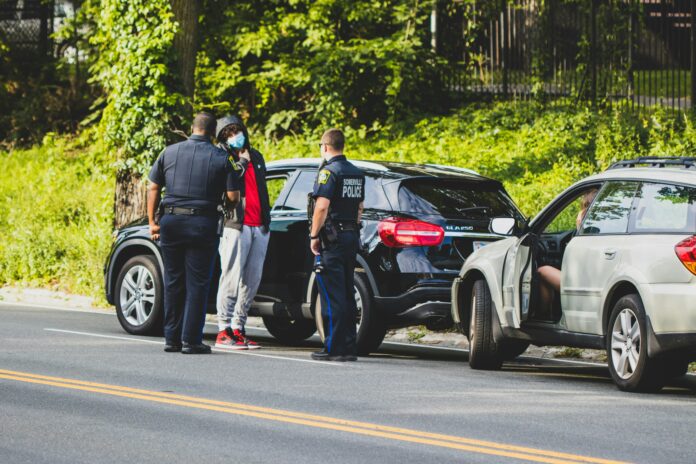
What to do After a Minor Car Accident and When to Seek Legal Advice

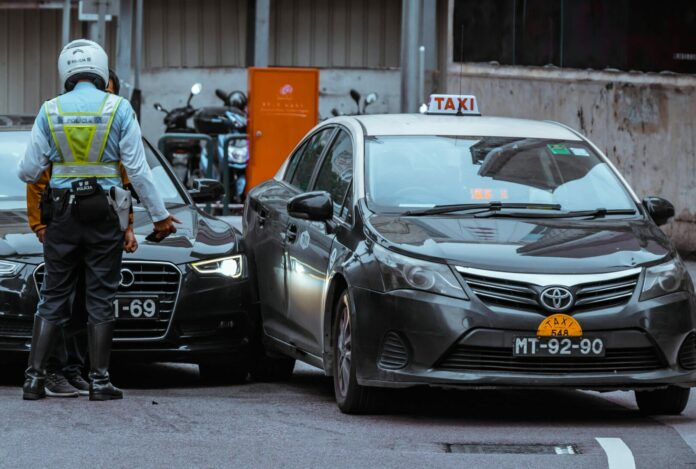
Photo by Aaron Doucett on Unsplash

Being involved in a car accident, even if it’s minor, can be a frightening experience. In 2021 there was a total of 6,063,428 police reported accidents, with 99.7% of them being non-fatal. It’s crucial to know what steps to take immediately following the incident, particularly when it comes to determining fault and understanding when legal representation might be necessary.

Depending on which state you live in, traffic laws vary, and it may not be cut in stone who is at fault after an accident. For example, someone in Texas may find themselves in need of Austin accident lawyers to help contest who is at fault following an accident.

Immediately After the Accident

Safety: Call 911. Assess your and any of your passengers’ well-being, and then anyone else who is involved. Identify all injuries and whether you or others can be moved without the need for a medical professional.

Move to a Safe Location: If the vehicles are obstructing traffic and can be moved safely, relocate them to the side of the road to prevent further accidents. If this is not possible then the best option is to indicate the collision area via lights or hand signals until help arrives.

Exchange Information: Exchange insurance and contact details with the other driver(s) involved. Note down license plate numbers and take photos of the scene, including any damage to the vehicles and the surrounding area.

After the Accident

Contact Insurance: Let your insurance company know that you’ve been in an accident and give them the details you gathered when you exchanged information with the other party.

Document Evidence: Collect evidence to support your case. This may include witness statements, photographs of the accident scene, and any relevant traffic laws that may have been violated.

Be Cautious with Admissions: Avoid admitting fault at the scene of the accident, as fault determination can be complex and may not be immediately apparent.

When to Seek Legal Advice

While legal advice may not be necessary following an accident, it is important to always consider it. Having a good legal team at your back can help you tremendously when determining fault and payouts for damages and injuries.

Complexity of the Accident: If the accident involves significant damage, injuries, or multiple parties, it may be wise to seek legal advice to protect your rights.

Disputes over Fault: If there is a dispute over who is at fault for the accident, an attorney can help navigate the legal process and advocate on your behalf.

Dealing with Insurance Companies: Insurance companies may try to minimize payouts or shift blame onto you. Having legal representation fighting for you can ensure you receive compensation for injuries or damages.

Bottom Line

In conclusion, while minor car accidents can be stressful, knowing what steps to take and when to seek legal advice can help protect you, and ensure you receive proper compensation. Every state is different so remember to do your research following an accident to get all the help you need.

Determining Fault After a Motor-Vehicle Accident

Photo by C Joyful on Unsplash

Vehicular accidents are an unfortunate reality of modern life, with accident rates keeping a steady pace with previous years. Figuring out the responsible party following an accident is an activity many will have to partake in this year. Whether it’s a minor fender-bender or a serious collision, assigning blame is crucial for insurance claims, legal proceedings, and, most importantly, ensuring that the responsible party is held accountable.

However, this task is sometimes not straightforward and can involve various factors that require careful consideration or legal assistance.

Evidence Collection

The first step in determining fault is gathering evidence from the accident scene. This includes photographs of the vehicles involved, skid marks, traffic signs, and any other relevant details. Eyewitness statements can also be invaluable, providing unbiased accounts of what transpired. Additionally, obtaining a copy of the police report, if one was filed, can provide essential documentation of the incident.

Traffic Laws and Regulations

Understanding and applying traffic laws and regulations is fundamental in determining fault. These laws dictate rules of the road, such as speed limits, right-of-way, and signaling requirements. Violations of these laws can significantly influence fault, as negligence or recklessness on the part of one driver may be evident.

Insurance Policies and Coverage

Insurance policies often contain clauses specifying how fault is determined in accidents. Some states operate under “no-fault” insurance systems, where each party’s insurance covers their damages regardless of fault. In contrast, others follow “at-fault” systems, where the responsible party’s insurance pays for damages. Familiarizing oneself with the terms of insurance policies can clarify the process of determining fault.

Driver Statements and Testimony

Statements from drivers involved in the accident can provide insight into their perspectives and actions leading up to the collision. However, it’s essential to recognize that these statements may be biased or influenced by emotions. Testimony from drivers, passengers, or other witnesses can corroborate or contradict each other’s accounts, aiding in establishing a clearer picture of what occurred.

Comparative Negligence

In some jurisdictions, fault may be assigned to multiple parties based on the concept of comparative negligence. This principle acknowledges that more than one party may bear responsibility for an accident and allocates fault accordingly. For example, if one driver was speeding but the other ran a red light, both may be deemed partially at fault, and damages may be distributed proportionally.

Witness Testimonies and CCTV Footage

Eyewitness testimonies can play a crucial role in determining fault, providing impartial accounts of the accident. Additionally, surveillance footage from nearby cameras or traffic signals can offer concrete evidence of the events leading up to the collision. These sources of evidence can often provide valuable clarity in situations where conflicting narratives arise.

Legal Consultation

In cases where the fault is disputed, seeking legal counsel can be invaluable. One should seek out accident lawyers in Chicago. Lawyers specializing in personal injury or car accident cases can guide navigating the legal process and advocating for one’s rights. Furthermore, mediation or arbitration may be pursued as alternative dispute resolution methods, allowing parties to reach a mutually acceptable resolution outside of court.

Conclusion

Determining fault after a car accident is a multifaceted process that requires careful consideration of various factors. From collecting evidence at the scene to interpreting traffic laws and insurance policies, every detail plays a crucial role in establishing accountability.

By employing a systematic approach that incorporates witness testimonies, expert analysis, and most importantly, legal expertise, the path to determining fault can be resolved quickly and ensure that the responsible party is held accountable.

10 Strategies to Reduce Your Risk of Vehicle Accidents

Photo by Gabe Pierce on Unsplash

Vehicle accidents are unfortunately all too common, but there are steps you can take to significantly reduce your risk of being involved in one. By adopting defensive driving habits and being mindful of potential hazards, you can protect yourself and others on the road. Below are 10 effective strategies to help you minimize the chances of getting into a vehicle accident.

Follow Traffic Laws

While this should go without saying, adhering to speed limits, traffic signals, and road signs is essential for safe driving. These laws are designed to maintain order on the road and prevent accidents. Every sign is there for a reason, following them is essential.

Avoid Distractions

Distractions, namely mobile phones, have taken over 3,500 lives in the past year. Texting, talking on the phone, or adjusting the radio can significantly impair your ability to react quickly to changing road conditions. That call or message can wait, especially when your life is on the line each time you get behind the wheel.

Maintain a Safe Following Distance

The only thing you have between you and that collision ahead of you is time. Tailgating increases the risk of rear-end collisions significantly. Leave plenty of space between your vehicle and the one in front of you to allow for ample time to react, especially in adverse weather conditions or heavy traffic.

Practice Defensive Driving

Be prepared for the unexpected actions of other drivers, and pretend they will do the worst possible thing. There have been many people who have gotten into an accident with the right-of-way. Anticipate potential hazards and maintain a safe distance from erratic or aggressive drivers.

Regular Vehicle Maintenance

Ensure that your vehicle is in good working condition by scheduling regular maintenance checks. Check the brakes, tires, lights, and fluid levels to prevent mechanical failures that could easily lead to accidents.

Do Not Drive Under the Influence

This also should go without saying, Alcohol, drugs, and certain medications can significantly impair your judgment and reaction time. Never drive under the influence, and always designate a sober driver or use alternative transportation if you plan to drink. It is never worth the risk to yourself and those around you.

Signal Every Action

Signaling your intentions allows other drivers to anticipate your actions and reduces the likelihood of collisions. Remember to use your turn signals when changing lanes, merging, or making turns.

Be Mindful of Pedestrians and Cyclists

Be vigilant for pedestrians and cyclists, especially in urban areas or school zones. Always yield the right of way to pedestrians at crosswalks and be cautious when passing cyclists.

Avoid Driving Fatigue

Fatigue can impair your ability to focus and react quickly and affect your driving just as much as alcohol. Get an adequate amount of sleep before embarking on long journeys and take regular breaks to rest and stretch during extended drives.

Stay Calm and Patient

Emotions are not bound to logic, which is why road rage and aggressive driving behaviors increase the risk of accidents. Do your best to maintain a calm demeanor behind the wheel and avoid engaging with aggressive or hostile drivers.

Conclusion

Reducing your risk of getting into a vehicle accident requires a combination of safe driving practices, awareness, and consideration for others on the road. Should you find yourself in an accident consider finding Grand Rapids car accident attorneys to protect yourself. Remember, safe driving isn’t just about protecting yourself—it’s also about protecting those around you.

Riding Safely – Navigating Motorcycle Accidents

Photo by Harley-Davidson on Unsplash

Motorcycle riding is a thrilling experience, offering freedom and excitement on the open road. However, it also comes with inherent risks. Motorcycles are 28 times more likely to experience injuries and fatalities in an accident, in part due to their lack of protective barriers. In such instances, understanding causes, safety measures, and legal rights become invaluable information for any motorcyclist.

This article aims to explore motorcycle safety, the common causes of accidents, and the importance of legal representation in navigating the aftermath of an incident.

Causes of Motorcycle Accidents

Motorcycle accidents can occur due to various factors, including reckless driving, road hazards, weather conditions, and driver negligence. Regardless of how vigilant a motorcyclist is, they are often at a higher risk of accidents due to their smaller size and reduced visibility on the road. Common types of motorcycle accidents include:

  • Single-Vehicle Accidents – These occur when the motorcycle loses control due to factors such as speeding, improper braking, or road hazards.
  • Collisions with Other Vehicles – Often caused by drivers failing to see motorcycles or misjudging their speed and distance, resulting in sideswipes, rear-end collisions, or intersection accidents.
  • Lane Splitting Accidents – Lane splitting, where motorcycles ride between lanes of slow-moving or stopped traffic, can lead to collisions if drivers are unaware or fail to yield. Not all states allow Lane Splitting because of this.

Safety Measures for Motorcyclists

While motorcycles offer little protection in the event of a crash, riders can take proactive measures to minimize risks:

  • Protective Gear – Helmets, gloves, jackets, pants, and boots designed for motorcycle riding offer crucial protection in case of a crash. There are even airbag suits a rider could utilize.
  • Defensive Riding – Anticipate potential hazards, maintain a safe distance from other vehicles, pretend every driver is about to make the worst decision possible and adhere to traffic laws to reduce the likelihood of accidents.
  • Regular Maintenance – Ensure motorcycles are properly maintained, with functioning brakes, lights, tires, and other essential components. A blowout at speed is incredibly dangerous.

Legal Representation and Rights

In the unfortunate event of a motorcycle accident, seeking legal representation like accident attorneys in Lexington is vital to protect one’s rights and navigate the legal complexities surrounding such incidents. Here’s why:

  • Investigation and Evidence Gathering – Experienced motorcycle accident attorneys have the resources and expertise to investigate the accident thoroughly.
  • Determining Liability – Determining liability in motorcycle accidents can be challenging, especially if multiple parties are involved.
  • Negotiating with Insurance Companies – Legal representation ensures that accident victims are not taken advantage of and receive fair compensation for medical expenses, lost wages, pain and suffering, and other damages.
  • Understand Traffic Laws – Laws regarding motorcycles vary drastically from state to state, an experienced attorney will know exactly what laws apply in any given situation.

Conclusion

Motorcycle accidents can have devastating consequences, but by understanding the cause, proper safety measures, and legal representation, riders can protect themselves. Remember, safety on the road is paramount, but in the event of an accident, being prepared leads to better peace of mind and a better riding experience.

AFTER FIRST WORLD TITLE, TOP FUEL’S DOUG KALITTA EAGER TO START 2024 NHRA SEASON IN GAINESVILLE

2024 Top Fuel world champ Doug Kalitta

GAINESVILLE, Fla. (March 4, 2024) – For the first time in his career, Top Fuel veteran Doug Kalitta will enter the NHRA Mission Foods Drag Racing Series season with a “1” on his 11,000-horsepower Mac Tools dragster to signify his world championship in 2023.

It’s a well-earned honor for the popular Kalitta, who will now look to open his first title defense on a strong note at this weekend’s 55th annual Amalie Motor Oil NHRA Gatornationals at legendary Gainesville Raceway.

The championship was a long time coming for the longtime standout, as Kalitta earned that first world title on the final pass of the season, a winner-take-all final round with Leah Pruett at the In-N-Out Burger NHRA Finals in Pomona. That memory is still fresh in Kalitta’s mind, but it’s also kept his team plenty motivated heading into this weekend’s highly-anticipated 2024 opener in Gainesville.

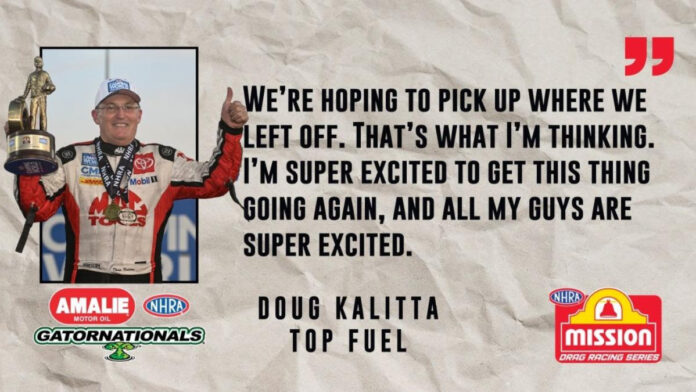
“We’re hoping to pick up where we left off (last season). That’s what I’m thinking,” Kalitta said. “Fortunately, with all the changes we made on both our dragsters, Alan (Johnson, crew chief) is definitely the right guy for the job in tuning these things so we’re fortunate to have him so we can keep our momentum going. The main thing is to have fun and take care of business.

“I’m super excited to get this thing going again, and all my guys are super excited. Starting at the Gators in Florida is a fan favorite. It’s always good to race in Florida down in Don Garlits country – he’s pretty much the man for Florida drag racing.”

Last year, Mike Salinas (Top Fuel), Matt Hagan (Funny Car), Troy Coughlin Jr. (Pro Stock), and Gaige Herrera (Pro Stock Motorcycle) all won in Gainesville and this year’s race will be broadcast on FS1, including eliminations action on Sunday at 10:30 a.m. and 9 p.m. Kalitta will also take part in the Pep Boys NHRA Top Fuel All-Star Callout on Saturday. Josh Hart is the defending winner of the specialty race that promises big money and bragging rights, while Kalitta enters the shootout as the No. 2 seed.

If top seed Steve Torrence doesn’t call out the reigning world champ, Kalitta will get his choice of opponent for the opening round in the eight-car field. The race, which gets a special broadcast at 7 p.m. ET on FS1 on Saturday, gives standouts in Top Fuel a unique opportunity for a double-win weekend.

That would be a perfect start to a championship defense, but Kalitta will have his hands full in the loaded Top Fuel category. Torrence, Mike Salinas, Brittany Force, Justin Ashley, Antron Brown, Shawn Langdon and Hart are all part of the Callout, while other standouts include Tony Schumacher, Tony Stewart, who is making his NHRA Top Fuel debut in Gainesville, and Clay Millican.

Kalitta, though, will aim to pick up his fourth career victory at the Gatornationals, as well as a win in specialty race.

“It’s very cool Pep Boys has this race and hopefully we can keep on trucking and turn on some more win lights,” said Kalitta, who has 52 career Top Fuel wins. “It’s an interesting formant, for sure, and it should be a lot of fun. I’ve been out here 26 years and I’ve had a lot of people pulling for me, so it was nice to pull (the championship) off last year. The Gators is always a great place to race and I’m focused on trying to win there. I appreciate all the support I’ve been receiving, but it’s definitely time to get back to racing.”

The selections take place at 10 a.m. in the Top Eliminator Club. The first round of the Pep Boys Top Fuel All-Star Callout takes place on Saturday at 1:20 p.m. ET and the semifinals at 2:45 p.m. The finals are slated for 4:25 p.m.

In Funny Car, Hagan is after his third straight Gators win against a star-studded field of Ron Capps, Bob Tasca III, J.R. Todd, John Force, Daniel Wilkerson, Cruz Pedregon and Austin Prock.

Six-time Pro Stock world champ Erica Enders will try to win in Gainesville for the first time, facing off against Greg Anderson, Aaron Stanfield, Matt Hartford and Dallas Glenn. In Pro Stock Motorcycle, Herrera is after a repeat win by knocking off the likes of Matt Smith, Steve Johnson, Hector Arana Jr. and Angie Smith.

Along with racing in the NHRA Mission Foods Drag Racing Series, fans will also be able to see action in the Lucas Oil Drag Racing Series, the Congruity NHRA Pro Mod Drag Racing Series presented by LearnEV+ and Flexjet Factory Stock Showdown. Fans can also look forward to the exciting cacklefests taking place at the Hot Rod Junction on both Friday and Saturday, and can visit the Don Garlits Swamp Rat Alley throughout the weekend as well.

Race fans at Gainesville Raceway can enjoy the special pre-race ceremonies that introduce and celebrate each of the drivers racing for the prestigious Wally on Sunday and includes the fan favorite SealMaster Track Walk, which benefits the Darrell Gwynn Foundation in Gainesville. The final can’t-miss experience of any NHRA event is the winner’s circle celebration on Sunday after racing concludes, where fans are invited to congratulate the event winners of the season-opener.

The Nitro Alley Stage is a huge attraction all weekend and is the main entertainment hub in the pits when the Mission Foods Drag Racing Series competitors are not on the track, hosting Nitro School, meet and greets and much more. Marching bands will also entertain the crowd each day, including the University of Florida on Sunday.

As always, fans get a pit pass to the most powerful and sensory-filled motorsports attraction on the planet. Fans can see their favorite teams in action and servicing their hot rods between rounds, get autographs from their favorite NHRA drivers, and more. They can also visit NHRA’s Manufacturers Midway, where sponsors and race vendors create an exciting atmosphere that includes interactive displays, merchandise, food, and fun.

NHRA Mission Foods Drag Racing Series qualifying features two rounds at 2 and 4:30 p.m. ET on Friday, March 8, and the final two qualifying rounds on Saturday, March 9 at 12 and 3 p.m. Final eliminations are scheduled for 10:30 a.m. ET on Sunday, March 10.

To purchase tickets to the 2024 Amalie Motor Oil NHRA Gatornationals, visit www.NHRA.com/tickets. Children 12 and under are free in general admission areas with the purchase of an adult ticket. Get your tickets now for the Top Eliminator Club because these will sell out. For more info on NHRA, please visit www.NHRA.com.


About Mission Foods

MISSION®, owned by GRUMA, S.A.B. de C.V., is the world’s leading brand for tortillas and wraps. MISSION® is also globally renowned for flatbreads, dips, salsas and Mexican food products. With presence in over 112 countries, MISSION® products are suited to the lifestyles and the local tastes of each country. With innovation and customer needs in mind, MISSION® focuses on the highest quality, authentic flavors, and providing healthy options that families and friends can enjoy together. For more information, please visit https://www.missionfoods.com/

About NHRA

Headquartered in San Dimas, Calif., NHRA is the primary sanctioning body for the sport of drag racing in the United States. NHRA presents 21 national events featuring the NHRA Mission Foods Drag Racing Series and NHRA Lucas Oil Drag Racing Series, as well as the Congruity NHRA Pro Mod Drag Racing Series presented by LearnEV+, NHRA Flexjet Factory Stock Showdown™, NHRA Holley EFI Factory X and Johnson’s Horsepowered Garage NHRA Mountain Motor Pro Stock at select national events. NHRA provides competition opportunities for drivers of all levels in the NHRA Summit Racing Series and NHRA Street Legal™. NHRA also offers the NHRA Jr. Street® program for teens and the Summit Racing Jr. Drag Racing League® for youth ages 5 to 17. With 110 Member Tracks, NHRA allows racers to compete at a variety of locations nationally and internationally. NHRA’s Youth and Education Services® (YES) Program reaches over 30,000 students annually to ignite their interest in automotive and racing related careers. NHRA’s streaming service, NHRA.tv®, allows fans to view all NHRA national events as well as exclusive features of the sport. In addition, NHRA owns and operates three racing facilities: Gainesville Raceway in Florida; Lucas Oil Indianapolis Raceway Park; and In-N-Out Burger Pomona Dragstrip in Southern California. For more information, log on to www.NHRA.com, or visit the official NHRA pages on Facebook, Instagram, Twitter, and YouTube.

Most Common Causes of Truck Accidents

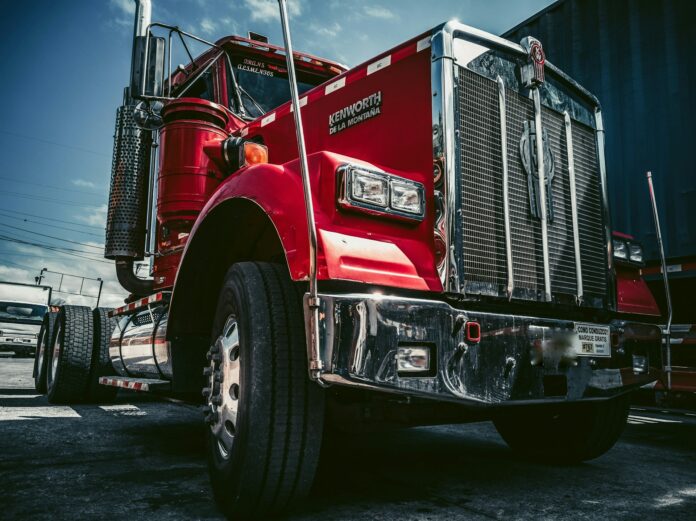
Photo by Esteban Zapata on Unsplash

Trucking accidents are unfortunately very common and have the potential to cause great damage due to their weight and size. The National Safety Council reported that in 2021 alone there were 5,788 reported large-truck deaths in the United States, along with numerous other injuries caused by trucking accidents. A majority of these truck accidents are caused by many of the same factors, including driver fatigue, mechanical failures, speeding, and more. 

Driver Fatigue

According to a study conducted by the Federal Motor Carrier Safety Administration (FMCSA), it was reported that driver fatigue was a contributing factor to 13% of all large truck accidents, which goes to show just how impactful a lack of sleep can have on an individual’s driving capabilities. Truck drivers are particularly susceptible to driver fatigue for a couple of reasons. One primary reason is due to the nature of the job. Truck drivers are expected to work for prolonged periods of time, driving up to 10 hours a day. Additionally, the irregular sleep schedule that truck drivers experience from driving in the wee hours of the night can make it difficult to stay alert and get restful sleep. 

Mechanical Failures

Another common cause of truck accidents is mechanical/equipment failure. If trucks are not regularly serviced and inspected, the effects can be catastrophic. Some common mechanical failures include these pieces of equipment:

  • Tires
  • Breaks
  • Transmission
  • Lighting 
  • Suspension
  • Steering wheel
  • Trailer attachment
  • Mirrors

It is important that trucks are regularly inspected and checked out prior to departing for a long-haul drive to help mitigate the number of mechanical failures that occur.

Speeding

Unsurprisingly, speeding is another leading cause of truck accidents. One factor that heavily contributes to the prominence of speeding within the trucking industry is that most drivers are paid by the mile. As a result, truck drivers are ultimately incentivized to drive more miles, ultimately at the expense of safe driving. Speeding is extremely dangerous for large trucks, as it is much more difficult for trucks to halt due to their weight. 

Distracted Driving

Distracted driving is another rising concern for truck drivers. Although this is a concern for all drivers on the road, the damage that can result from a truck is often much more severe, making distracted driving an even riskier behavior to participate in.

Distracted driving may result from texting, eating, drinking, calling, or reading while driving. If a distracted driver has caused your accident, you need to look for a truck accident attorney. A truck accident attorney can help hold the responsible party accountable for their actions and obtain fair compensation for your losses.

Poor Weather Conditions

Poor weather conditions are another significant cause of truck accidents. Conditions such as intense fog, rain, hail, or ice can make it difficult for truck drivers to operate their trucks safely. These conditions result in reduced visibility and can make it very challenging for truck drivers to gain traction on slippery roads.  

What To Do After a Truck Accident

If you were injured in a trucking accident, you will first want to seek medical attention. If you are able to, you will want to gather information from the accident scene and exchange contact information with the other individuals involved, as well as any eyewitnesses. Then, you should contact a San Antonio truck accident lawyer to learn about what legal options you may be able to pursue. A truck accident lawyer can help distinguish whether you have a compelling case, distinguish elements of negligence and liability, as well as help protect your rights. 

INDYCAR and IMS, Global Medical Response Extend Title Partnership

INDIANAPOLIS (Monday, March 4, 2024) – Global Medical Response (GMR) announced today a multiyear extension of its partnership with INDYCAR and Indianapolis Motor Speedway. GMR, the parent company of American Medical Response (AMR), is proud to sponsor the AMR INDYCAR Safety Team, which consists of approximately 30 safety personnel, with a minimum of 18 attending each event.

“GMR and the AMR INDYCAR Safety Team are integral pieces to INDYCAR’s success both on and off the track,” INDYCAR President Jay Frye said. “Their industry-leading expertise and support have set the standard. It is reassuring to know that their phenomenal resources and skill will be available at NTT INDYCAR SERIES and INDY NXT by Firestone events for many years to come.”

AMR works closely with Indiana University Health and the INDYCAR Safety Team to ensure the highest level of on-track safety and medical response at all INDYCAR events. With a focus on motorsports safety and education, GMR dedicates resources to local tracks across the country and works closely with the International Council of Motorsports Science (ICMS). The ICMS is dedicated to promoting the latest research and innovations in motorsport safety.

“We are thrilled to extend our contract with the INDYCAR as GMR remains committed to motorsport safety,” says Randy Strozyk, senior vice president of Executive Operations for GMR. “Our team has a long partnership with the racing community, and we are honored to continue promoting on-track safety and innovation.”

“For more than 100 years, IMS has been on the forefront of safety innovation, and the swift, life-saving care provided by the AMR Safety Team is one way we continue to ensure the best outcome possible for drivers and fans alike,” IMS President J. Douglas Boles said. “The premium care provided by our first responders at each event make our sport possible.”

AMR is the largest provider of emergency medical services in the U.S. and a leader in pre-hospital care and treatment.

The 2024 NTT INDYCAR SERIES season opens Sunday, March 10 on the Streets of St. Petersburg for the Firestone Grand Prix of St. Petersburg presented by RP Funding. Coverage begins at noon ET on NBC and Peacock with Spanish language coverage available on Universo. Audio coverage will be provided by the INDYCAR Radio Network, SiriusXM channel 218 and the INDYCAR App powered by NTT DATA.

About American Medical Response (AMR)

American Medical Response, Inc., America’s leading provider of emergency medical services, provides mobile healthcare in 40 states and the District of Columbia. More than 28,000 AMR paramedics, EMTs, RNs and other professionals work together to care for more than 4.8 million patients nationwide each year in critical, emergency and non-emergency situations. For more information about AMR, visit www.amr.net and follow American Medical Response on Facebook @AMR_Social on Twitter and Instagram. AMR is part of Global Medical Response.

About Global Medical Response 

With nearly 36,000 team members, Global Medical Response delivers compassionate, quality medical care, primarily in the areas of emergency medical and patient relocation services in the United States and around the world. GMR was formed by combining the industry leaders in air, ground, mobile healthcare services, and community, industrial/specialty and wildland fire services. Each of our companies has a long history of proudly serving the communities where we live: American Medical Response (AMR), Rural Metro Fire, Air Evac Lifeteam, REACH Air Medical Services, Guardian Flight, Med-Trans Corporation and AirMed International. For additional information, visit us on LinkedIn or at www.GlobalMedicalResponse.com. 

JACK HAWKSWORTH TO PILOT NO. 1 AT CIRCUIT OF THE AMERICAS

Defending IMSA GTD Pro Champion Set to Join TRICON Stable for COTA

MOORESVILLE, N.C. (March 4, 2024) – TRICON Garage (TRICON) announced on Monday that Vasser Sullivan Lexus standout and reigning IMSA GTD PRO Champion Jack Hawksworth will make his NASCAR Craftsman Truck Series (NCTS) debut at Circuit of the Americas (COTA) in the No. 1 Mobil 1 Toyota Tundra TRD Pro.

In his eighth season of full-time IMSA competition, the 33-year-old has tallied 11 wins, 10 poles and 25 podiums while capturing championships in the IMSA GTD Sprint Cup and GTD PRO categories. The Lexus Racing factory driver has also secured high-profile victories in the RC F GT3, including Lexus and Vasser Sullivan’s first win in the GTD PRO category at Road America and the first endurance victory at the 2022 Petit Le Mans.

In addition to his expansive Sports Car résumé, Hawksworth competed in three full-time IndyCar seasons, earning a podium at the 2014 Grand Prix of Houston. The Bradford, U.K. native also made a NASCAR Xfinity Series start in 2019 at Mid-Ohio Sports Car Course for Joe Gibbs Racing, qualifying on the outside front row, earning a stage win and finishing 15th.

“I’m super stoked to be joining TRICON Garage and piloting the No. 1 Mobil 1 Toyota Tundra at COTA,” said Hawksworth. “The truck looks awesome. I’m looking forward to stepping back into the NASCAR world, working with the team leading up to the race weekend and then going out there and getting after it. COTA is a fun, technical track and one that should be challenging to tame a stock car at. A big thank you to everyone at TRD, Lexus, Mobil 1 and TRICON for making this possible. I can’t wait to get started!”

TRD USA (Toyota Racing Development) partner Mobil 1 will serve as the primary partner for Hawksworth as he straps in for his first career NCTS start.

The XPEL 225 at Circuit of the Americas will be televised live on FOX Sports 1 on Saturday, March 23, with radio coverage provided by the Motor Racing Network and SiriusXM NASCAR Radio.

About TRICON Garage

TRICON Garage is Toyota Racing Development’s flagship NASCAR Craftsman Truck Series organization fielding five full-time Toyota Tundra TRD Pros. Under ownership by former NASCAR driver David Gilliland, businessman Johnny Gray and industry veteran Kevin Ray, TRICON is actively involved in three different industries – racing, fabrication and transportation. The team operates out of three buildings totaling 60,000 square feet in Mooresville, North Carolina.