If you’ve ever wondered whether hydraulic suspension is worth it — or what exactly it even is — you’re not alone. Lots of drivers get intrigued by hydraulics, but few know the real benefits, drawbacks, and what to watch out for.
By the time you finish reading this, you’ll have a clear grasp of: what hydraulic suspension means, how it works, why some people swear by it — and when it might be more trouble than it’s worth.
Quick note:
You can also explore aftermarket performance suspension setups via Whiteline car suspension upgrades in Australia — a popular option for those seeking a sporty, performance‑oriented setup.
1. What Is a Hydraulic Suspension Car?
A “hydraulic suspension” car uses fluid (oil or hydraulic fluid), hydraulic cylinders, and sometimes gas‑fluid systems (hydropneumatic) instead of or alongside traditional steel springs.
Rather than a fixed-rate spring, hydraulic systems use fluid pressure and flexible components (like spheres or accumulators) to absorb shocks — which means the suspension can respond more dynamically and flexibly to road conditions.
In short: hydraulic suspension replaces rigid mechanics with fluid‑based engineering. The idea is to make the ride smoother, more adaptive, and less dependent on a fixed spring/damper setup.
2. How Does Hydraulic Suspension Work?
The mechanics are clever (and fairly simple when you break them down):
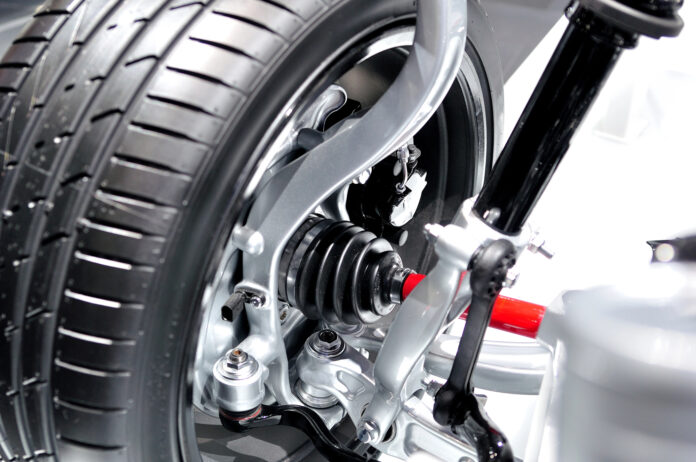
- Each wheel (or axle) gets a hydraulic cylinder (or displacer unit) filled with fluid.
- When the wheel hits a bump, the cylinder compresses, forcing fluid to move through valves to an accumulator or to other parts of the suspension system — absorbing and dissipating the impact smoothly.
- Some systems include gas‑filled chambers (hydropneumatic design) so the gas acts as a “spring,” while the liquid manages damping and fluid dynamics.
- More advanced variants (active hydraulic suspension) combine sensors, pumps, and control valves — allowing the system to adjust ride height, damping stiffness, and even body roll or ride comfort automatically, depending on load or road conditions.
Result: a suspension that can adapt — not just passively absorb — to what the road throws at you.
3. What Are the Benefits of Hydraulic Suspension?
Here’s why hydraulic (or hydro‑pneumatic) suspension gets so many fans:
- Superior ride comfort & smoothness. Since fluid and gas absorb shocks more gently than metal springs, you get a noticeably softer, smoother ride — especially over uneven or rough roads.
- Self‑leveling and load adaptability. Hydropneumatic systems handle different loads (passengers, cargo), maintaining consistent ride height and suspension behavior regardless of weight — ideal for cars carrying varying loads.
- Better stability & handling under load or uneven terrain. With fluid dynamics and interlinked suspension geometry, wheels stay better grounded, and the car deals with bumps, dips, and surface changes more gracefully.
- Customization and advanced control (in modern/active systems). Some hydraulic setups let you adjust stiffness, ride height — even dynamically adapt to driving conditions. That flexibility is hard to match with standard springs and shocks.
In other words — hydraulic suspension can turn a bumpy ride into something much smoother, more controlled, and more comfortable, especially in situations where roads are rough or loads vary.
4. Are There Drawbacks to Hydraulic Suspension Cars?
Yes — as with all engineering, there are trade‑offs. Hydraulic suspension isn’t perfect.
- Complexity and maintenance. The system has many components — cylinders, fluid, valves, accumulators, sometimes pumps and sensors. More parts → more potential fail points.
- Cost (initial and upkeep). Hydraulic suspension systems are more expensive to build and maintain than standard spring/damper setups. Replacing parts, maintaining fluid pressure, and servicing seals or valves can add up.
- Weight and space requirements. Fluid, cylinders, accumulators require space and add weight — which can affect fuel efficiency or make installation harder, especially in smaller cars.
- Potential for leaks and failure with age. Hydraulic fluid, seals, valves all degrade over time. If maintenance is neglected — ride quality and safety may suffer.
- Not always suitable for all cars. Because of package constraints (space, chassis design, load-bearing geometry), not every vehicle can accept hydraulic suspension as a retrofit.
In short: great performance comes at cost — of complexity, maintenance, and sometimes reliability. It’s only worth it if you’re willing to accept those trade-offs.
5. Which Cars Use Hydraulic Suspension?
Hydraulic and hydropneumatic suspension systems have been used in various vehicles — but they’re more common in certain segments:
- Classic and luxury cars — especially models from brands that experimented with hydropneumatic tech (e.g. certain historic models from European manufacturers).
- Off‑road vehicles, SUVs, or heavy‑duty applications where load changes and terrain irregularities demand a flexible suspension system. For instance, some modern SUVs/trucks use hydraulic-based active suspension systems to improve comfort, stability, and load handling.
- Specialized or niche cars — including certain rally, performance or “lowrider” vehicles where adjustable ride height and dynamic behavior are prioritized.
That said — hydraulic suspension is not common on everyday economy cars. Because of cost, complexity, and design constraints, most mass-market vehicles still stick to conventional springs & dampers.
6. Is Hydraulic Suspension Better Than Air Suspension?
There’s no universal “yes” — but there are scenarios where hydraulic can outperform air suspension.
✅ Where hydraulic can win:
- When you need precise damping and ride‑height control across variable load or terrain: the fluid‑plus‑accumulator system (hydropneumatic or fully hydraulic) tends to offer more consistent damping than simple air‑bladder-based suspension.
- For stability under load or during aggressive driving, because hydraulic systems resist abrupt compression/extension better than basic air springs.
⚠️ Where air suspension might be “enough”:
- If you only care about adjustable ride height or a soft ride — air suspension can be simpler, cheaper, lighter.
- For ease of maintenance: air systems are simpler, with fewer fluid‑based components that can leak, corrode or need frequent upkeep.
Bottom line: hydraulic suspension has potential to outperform air — but only if engineered well and maintained properly. For some drivers/vehicles, air might be “good enough.”
7. How Much Does It Cost to Maintain Hydraulic Suspension?
Here’s the sad truth: public data is scarce when it comes to actual maintenance costs for hydraulic suspension cars. Most of the literature focuses on engineering, comfort, ride quality — not on long‑term cost audits.
What we do know is: more complexity = more maintenance. Every cylinder, accumulator, valve, seal and fluid line is a potential wear item. Miss a leak or ignore a faulty seal — and your ride quality (or even safety) can degrade fast.
If you plan to use hydraulic suspension — treat maintenance as part of ownership: regular fluid checks, seal inspections, and urgent attention to leaks or pressure drops.
8. Can I Install Hydraulic Suspension on
Any Car?
Theoretically: maybe. Practically: very unlikely.
To retrofit hydraulic suspension you’d need:
- Space for cylinders, accumulators, fluid lines and reservoir
- A chassis designed (or modifiable) to handle the forces and geometry of a hydraulic setup
- Proper alignment of suspension geometry for safety and performance
- Willingness to maintain a complex system
Because of that, most hydraulic systems end up in specialty cars — like off‑road SUVs, modified builds, or luxury/performance cars where the manufacturer built for it from the start.
For regular compact cars or low-cost vehicles — conventional or air‑based suspension remains far more practical.
9. Does Hydraulic Suspension Improve Ride Comfort?
Yes — that’s one of the main reasons hydraulic suspension was invented in the first place.
A well‑designed hydraulic or hydropneumatic suspension will absorb shocks and road irregularities far more gently than standard steel springs and dampers. Ride height remains stable, body roll is minimized, and bumps & potholes feel much softer.
Many enthusiasts describe it as the “magic carpet ride” — especially helpful for long drives, uneven roads, or when carrying variable loads.
10. How Long Does a Hydraulic Suspension System Last?
Here’s where things get fuzzy. Public, reliable data on real-world lifespan is almost non-existent. Research tends to focus on design and performance — not long-term durability across many years and varied driving conditions.
Logically: lifespan depends heavily on design quality, maintenance discipline, and usage conditions. If components are maintained — seals replaced, fluid checked, leaks addressed, pressures monitored — a hydraulic suspension can last many years. But neglect it, and reliability drops fast.
So if you go for hydraulic suspension: treat maintenance as a permanent commitment, not a “fix once, forget forever.”
✅ Final Verdict: Is Hydraulic Suspension Worth It?
Hydraulic suspension isn’t for everyone. It’s not cheap. It’s not simple. It requires maintenance.
But if you value supreme comfort, load-adaptive stability, and sophisticated suspension behavior — especially in rough terrain or heavy-use situations — it can deliver benefits that standard springs or air setups simply can’t match.
And if you’re thinking about upgrading (or building something special) — pairing hydraulic suspension with quality aftermarket components (like those from Whiteline, available to drivers in Australia) can get you significantly closer to that ideal performance/comfort balance.
Just go in eyes wide open. Know what you’re signing up for — then enjoy the ride.