Home Blog Page 13

Hydraulic Car Suspension: What You Need to Know Before You Dive In

Photo by depositphotos at https://depositphotos.com/

If you’ve ever wondered whether hydraulic suspension is worth it — or what exactly it even is — you’re not alone. Lots of drivers get intrigued by hydraulics, but few know the real benefits, drawbacks, and what to watch out for.

By the time you finish reading this, you’ll have a clear grasp of: what hydraulic suspension means, how it works, why some people swear by it — and when it might be more trouble than it’s worth.

Quick note:

You can also explore aftermarket performance suspension setups via Whiteline car suspension upgrades in Australia — a popular option for those seeking a sporty, performance‑oriented setup.


1. What Is a Hydraulic Suspension Car?

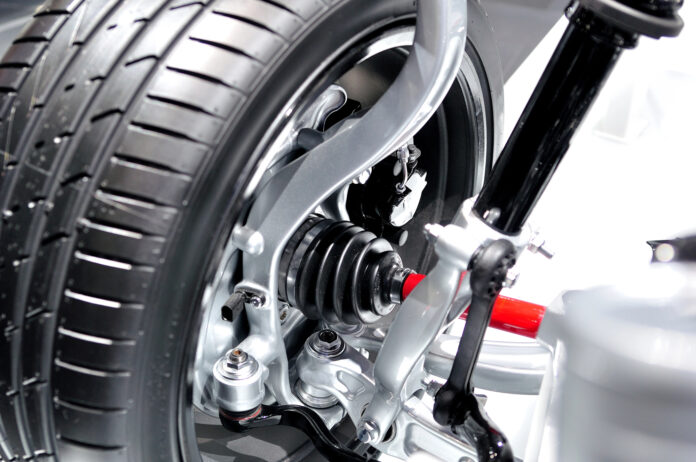
A “hydraulic suspension” car uses fluid (oil or hydraulic fluid), hydraulic cylinders, and sometimes gas‑fluid systems (hydropneumatic) instead of or alongside traditional steel springs. 

Rather than a fixed-rate spring, hydraulic systems use fluid pressure and flexible components (like spheres or accumulators) to absorb shocks — which means the suspension can respond more dynamically and flexibly to road conditions. 

In short: hydraulic suspension replaces rigid mechanics with fluid‑based engineering. The idea is to make the ride smoother, more adaptive, and less dependent on a fixed spring/damper setup.


2. How Does Hydraulic Suspension Work?

The mechanics are clever (and fairly simple when you break them down):

  • Each wheel (or axle) gets a hydraulic cylinder (or displacer unit) filled with fluid.
  • When the wheel hits a bump, the cylinder compresses, forcing fluid to move through valves to an accumulator or to other parts of the suspension system — absorbing and dissipating the impact smoothly.
  • Some systems include gas‑filled chambers (hydropneumatic design) so the gas acts as a “spring,” while the liquid manages damping and fluid dynamics.
  • More advanced variants (active hydraulic suspension) combine sensors, pumps, and control valves — allowing the system to adjust ride height, damping stiffness, and even body roll or ride comfort automatically, depending on load or road conditions.

Result: a suspension that can adapt — not just passively absorb — to what the road throws at you.


3. What Are the Benefits of Hydraulic Suspension?

Here’s why hydraulic (or hydro‑pneumatic) suspension gets so many fans:

  • Superior ride comfort & smoothness. Since fluid and gas absorb shocks more gently than metal springs, you get a noticeably softer, smoother ride — especially over uneven or rough roads.
  • Self‑leveling and load adaptability. Hydropneumatic systems handle different loads (passengers, cargo), maintaining consistent ride height and suspension behavior regardless of weight — ideal for cars carrying varying loads.
  • Better stability & handling under load or uneven terrain. With fluid dynamics and interlinked suspension geometry, wheels stay better grounded, and the car deals with bumps, dips, and surface changes more gracefully.
  • Customization and advanced control (in modern/active systems). Some hydraulic setups let you adjust stiffness, ride height — even dynamically adapt to driving conditions. That flexibility is hard to match with standard springs and shocks.

In other words — hydraulic suspension can turn a bumpy ride into something much smoother, more controlled, and more comfortable, especially in situations where roads are rough or loads vary.


4. Are There Drawbacks to Hydraulic Suspension Cars?

Yes — as with all engineering, there are trade‑offs. Hydraulic suspension isn’t perfect.

  • Complexity and maintenance. The system has many components — cylinders, fluid, valves, accumulators, sometimes pumps and sensors. More parts → more potential fail points.
  • Cost (initial and upkeep). Hydraulic suspension systems are more expensive to build and maintain than standard spring/damper setups. Replacing parts, maintaining fluid pressure, and servicing seals or valves can add up.
  • Weight and space requirements. Fluid, cylinders, accumulators require space and add weight — which can affect fuel efficiency or make installation harder, especially in smaller cars.
  • Potential for leaks and failure with age. Hydraulic fluid, seals, valves all degrade over time. If maintenance is neglected — ride quality and safety may suffer.
  • Not always suitable for all cars. Because of package constraints (space, chassis design, load-bearing geometry), not every vehicle can accept hydraulic suspension as a retrofit.

In short: great performance comes at cost — of complexity, maintenance, and sometimes reliability. It’s only worth it if you’re willing to accept those trade-offs.


5. Which Cars Use Hydraulic Suspension?

Hydraulic and hydropneumatic suspension systems have been used in various vehicles — but they’re more common in certain segments:

  • Classic and luxury cars — especially models from brands that experimented with hydropneumatic tech (e.g. certain historic models from European manufacturers).
  • Off‑road vehicles, SUVs, or heavy‑duty applications where load changes and terrain irregularities demand a flexible suspension system. For instance, some modern SUVs/trucks use hydraulic-based active suspension systems to improve comfort, stability, and load handling.
  • Specialized or niche cars — including certain rally, performance or “lowrider” vehicles where adjustable ride height and dynamic behavior are prioritized.

That said — hydraulic suspension is not common on everyday economy cars. Because of cost, complexity, and design constraints, most mass-market vehicles still stick to conventional springs & dampers.


6. Is Hydraulic Suspension Better Than Air Suspension?

There’s no universal “yes” — but there are scenarios where hydraulic can outperform air suspension.

✅ Where hydraulic can win:

  • When you need precise damping and ride‑height control across variable load or terrain: the fluid‑plus‑accumulator system (hydropneumatic or fully hydraulic) tends to offer more consistent damping than simple air‑bladder-based suspension.
  • For stability under load or during aggressive driving, because hydraulic systems resist abrupt compression/extension better than basic air springs.

⚠️ Where air suspension might be “enough”:

  • If you only care about adjustable ride height or a soft ride — air suspension can be simpler, cheaper, lighter.
  • For ease of maintenance: air systems are simpler, with fewer fluid‑based components that can leak, corrode or need frequent upkeep.

Bottom line: hydraulic suspension has potential to outperform air — but only if engineered well and maintained properly. For some drivers/vehicles, air might be “good enough.”


7. How Much Does It Cost to Maintain Hydraulic Suspension?

Here’s the sad truth: public data is scarce when it comes to actual maintenance costs for hydraulic suspension cars. Most of the literature focuses on engineering, comfort, ride quality — not on long‑term cost audits. 

What we do know is: more complexity = more maintenance. Every cylinder, accumulator, valve, seal and fluid line is a potential wear item. Miss a leak or ignore a faulty seal — and your ride quality (or even safety) can degrade fast. 

If you plan to use hydraulic suspension — treat maintenance as part of ownership: regular fluid checks, seal inspections, and urgent attention to leaks or pressure drops.


8. Can I Install Hydraulic Suspension on 

Any Car?

Theoretically: maybe. Practically: very unlikely.

To retrofit hydraulic suspension you’d need:

  • Space for cylinders, accumulators, fluid lines and reservoir
  • A chassis designed (or modifiable) to handle the forces and geometry of a hydraulic setup
  • Proper alignment of suspension geometry for safety and performance
  • Willingness to maintain a complex system

Because of that, most hydraulic systems end up in specialty cars — like off‑road SUVs, modified builds, or luxury/performance cars where the manufacturer built for it from the start.

For regular compact cars or low-cost vehicles — conventional or air‑based suspension remains far more practical.


9. Does Hydraulic Suspension Improve Ride Comfort?

Yes — that’s one of the main reasons hydraulic suspension was invented in the first place.

A well‑designed hydraulic or hydropneumatic suspension will absorb shocks and road irregularities far more gently than standard steel springs and dampers. Ride height remains stable, body roll is minimized, and bumps & potholes feel much softer. 

Many enthusiasts describe it as the “magic carpet ride” — especially helpful for long drives, uneven roads, or when carrying variable loads.


10. How Long Does a Hydraulic Suspension System Last?

Here’s where things get fuzzy. Public, reliable data on real-world lifespan is almost non-existent. Research tends to focus on design and performance — not long-term durability across many years and varied driving conditions.

Logically: lifespan depends heavily on design quality, maintenance discipline, and usage conditions. If components are maintained — seals replaced, fluid checked, leaks addressed, pressures monitored — a hydraulic suspension can last many years. But neglect it, and reliability drops fast.

So if you go for hydraulic suspension: treat maintenance as a permanent commitment, not a “fix once, forget forever.”


✅ Final Verdict: Is Hydraulic Suspension Worth It?

Hydraulic suspension isn’t for everyone. It’s not cheap. It’s not simple. It requires maintenance.

But if you value supreme comfort, load-adaptive stability, and sophisticated suspension behavior — especially in rough terrain or heavy-use situations — it can deliver benefits that standard springs or air setups simply can’t match.

And if you’re thinking about upgrading (or building something special) — pairing hydraulic suspension with quality aftermarket components (like those from Whiteline, available to drivers in Australia) can get you significantly closer to that ideal performance/comfort balance.

Just go in eyes wide open. Know what you’re signing up for — then enjoy the ride.

A New Chapter Begins: Melo Acquires ASA’s Premier Racing Platforms

Marty D. Melo, owner of MDM Promotions, formally announced the acquisition of the ASA STARS National Tour, ASA Midwest Tour, CRA Super Series, CRA All-Stars Tour, and TrackTV from Track Enterprises. The acquisition represents a major organizational milestone within the asphalt short track industry and ensures continued operational stability, strategic growth, and long-term stewardship of these nationally recognized motorsports properties.

This transition follows more than a year of elevated leadership engagement by Marty Melo, who assumed operational and sales oversight of the ASA STARS National Tour in the fall of 2024 and assisted in managing the series with Bob Sargent. In this capacity, Melo established the Platinum Program, which brought in 15 full-time teams at the beginning of the 2025 season. He additionally secured multiple high-profile corporate partnerships, broadening the series’ commercial portfolio, and contributing to a stronger, more sustainable foundation for teams, partner tracks, and the broader ASA racing platform.

“I am honored to assume responsibility for these historic series and the TrackTV platform. The timing was right and I can’t thank my wife, Misty Melo, and those close to me enough for the support and believing in me. Bob has given me a great opportunity,” said Marty Melo.

The ASA STARS National Tour, ASA Midwest Tour, CRA Super Series, and CRA All-Stars Tour all play critical roles in strengthening the Super Late Model and Pro Late Model racing landscape. Under the ownership and leadership of Bob Sargent, Track Enterprises has significantly elevated these properties over the past three years, momentum that positions Marty Melo for continued success moving forward.

Outgoing owner Bob Sargent, who will remain as an advisor and continue promoting several 2026 ASA STARS events, expressed full confidence in the transition. “Marty brings the professionalism, passion, and operational and marketing insight needed to keep these tours moving forward. His commitment to the sport, combined with his experience within ASA operations, makes him exceptionally well-suited to lead these properties into their next chapter.”

Marty Melo stated, “As for the four series, the vision will be to continue building on the successes of the series that have been put in place by the track promoters, officials and staff, race teams, and series sponsors.”

All previously announced 2026 schedules, event structures, operational frameworks and the strategic alliance with Tim Bryant, owner of the ASA Southern Super Series, will remain unchanged during this transition. Newly appointed Alex Gilhart will continue his role as Series Director of the ASA Midwest Tour while Scott Menlen will likewise remain in his role as Series Director of the CRA All-Stars Tour and race director of the ASA STARS National Tour. Additional announcements will be released in the coming weeks.

Protecting Your Work Vehicle: A Complete Guide to Van Security in Essex

Photo by depositphotos at https://depositphotos.com/

Keeping your van secure is more important today than ever before. Whether you’re a tradesperson, delivery driver, or business owner, your van carries tools, equipment, and personal items that are costly to replace. Unfortunately, van theft has become more common across the UK, and Essex is no exception. This is why investing in strong security measures is no longer a luxury—it’s a necessity.

When people search for van security Essex, they are usually looking for simple and effective ways to safeguard their vehicle from break-ins. The right security setup not only protects your tools and valuables but also gives you peace of mind every time you park your van. Whether you’re on a busy job site, at home, or traveling across the county, improving your van’s security ensures you don’t become an easy target for thieves.

Why Van Security Matters

Vans are attractive to thieves because they often contain expensive tools and equipment. A single break-in can disrupt your work schedule, cost you thousands in stolen items, and leave you feeling unsafe. Many tradespeople report that their biggest worry is losing their tools, which can directly impact their business. Good van security helps prevent these risks and ensures you stay in control of your livelihood.

Top Van Security Solutions in Essex

Here are some of the most effective ways to secure your van:

1. Additional Door Locks

Factory-installed locks are not always strong enough to withstand forced entry. Adding high-security deadlocks or slam locks makes it much harder for thieves to break in. Deadlocks require a separate key and offer strong resistance, while slam locks automatically lock when the door shuts—ideal for delivery drivers.

2. Van Alarms

A loud, reliable alarm is one of the best deterrents for burglars. Modern van alarm systems include shock sensors, door protection, and even smartphone alerts. If someone tampers with your vehicle, you get notified instantly.

3. GPS Tracking Devices

Tracking devices are growing in popularity across Essex because they help locate stolen vans quickly. Many trackers allow real-time monitoring, movement alerts, and geofencing. If your van moves without authorization, you’ll know right away.

4. Tool Safes and Storage Boxes

Even if someone manages to enter your van, tool safes make it nearly impossible to steal anything valuable. These metal boxes are bolted to the van’s floor and require secure keys to open. This extra layer of protection minimizes your losses.

5. Window Security

Thieves often smash windows to access vans. Installing metal grills, mesh panels, or tinted privacy film reduces visibility and makes break-ins harder.

6. Immobilisers

An immobiliser prevents the engine from starting without the correct key or code. Many insurance companies even offer discounts when immobilisers are installed.

Choosing the Right Van Security Company in Essex

When selecting a security installer, consider the following:

  • Experience: Choose companies with proven expertise in van security solutions.
  • Product Range: They should offer locks, alarms, trackers, and internal protection options.
  • Mobile Installation: Many Essex installers come to your location, saving time and hassle.
  • Warranty and Support: Ensure the products and installations come with a solid guarantee.

A professional security installer will evaluate your van model, daily usage, and budget to recommend the best solution.

How Better Van Security Saves You Money

While some people see van security upgrades as an expense, they’re actually an investment. A secure van reduces the risk of theft, meaning fewer tool replacements, less downtime, and lower insurance claims. Many insurance providers offer reduced premiums for vans with advanced security features, so you save money in the long run.

Tips to Protect Your Van Daily

Even with strong security systems, daily habits matter. Here are simple steps to follow:

  • Park in well-lit areas or near CCTV cameras.
  • Never leave tools visible through windows.
  • Remove expensive equipment overnight whenever possible.
  • Use wheel clamps or steering locks for added protection.
  • Keep a detailed inventory of your tools.

These small actions make a big difference in preventing opportunistic theft.

Final Thoughts

Investing in van security in Essex is one of the smartest decisions you can make as a tradesperson or business owner. A well-protected van keeps your tools, equipment, and business safe every day. With the right combination of locks, alarms, tracking systems, and good habits, you can reduce the risk of break-ins and enjoy peace of mind wherever you go. Your work vehicle is essential to your livelihood—protect it with the care it deserves.

Lucas Oil Late Model Dirt Series Rookie of the Year Donald McIntosh joins Coltman Farms Racing

Donald McIntosh has joined Coltman Farms Racing ahead of the 2026 Dirt Late Model season.

MAYSVILLE, Georgia (Nov. 28, 2025) – Coltman Farms Racing owner Brett Coltman is excited to announce the addition of veteran Dirt Late Model driver Donald McIntosh to the team ahead of the 2026 season.

McIntosh, 32, will be a teammate to current Coltman Farms Racing driver Tanner English. Plans are currently being made for McIntosh and English to each compete at the national level in 2026.

He will make his Coltman Farms Racing during the Gateway Dirt Nationals on Dec. 4-6 inside The Dome at America’s Center in St. Louis, Missouri.

“I have raced Late Models for 12 years now and drove for multiple teams, but the opportunity to drive for Brett Coltman and Coltman Farms Racing is the biggest thing that’s happened in my career,” said McIntosh. “Brett has done so much for the motorsports industry these last few years, so it’s an honor to be part of his program in 2026.

“I feel very blessed for the opportunity and I’m looking forward to what we can accomplish together.”

From Dawsonville, Georgia, McIntosh has spent most of his career racing regionally on the East Coast. He is a three-time champion of the Schaeffer’s Oil Spring Nationals Series, a two-time Schaeffer’s Oil Southern Nationals Series and a four-time Schaeffer’s Oil Fall Nationals Series champion.

McIntosh, who has been sponsored by Coltman Farms Racing for the last three years, recently completed his first full season with the Lucas Oil Late Model Dirt Series. He finished the year ranked 10th in the series standings and was named the O’Reilly Auto Parts Rookie of the Year.

“I’ve known Donald for several years now and I’ve had the pleasure of watching him develop as a race car driver,” said Coltman Farms Racing owner Brett Coltman. “I’ve watched him perform at the highest levels of our sport and I know he has what it takes to win.

“He’s going to be an incredible asset to Coltman Farms Racing. He is a role model on and off the race track and is the type of everyday hero we should all strive to be. I’m proud to kick off this new era with Donald beginning at the Gateway Dirt Nationals.

About McCallister Precision Marketing

McCallister Precision Marketing (MPM) focuses on assisting up-and-coming race car drivers with career advancement and promotion. McCallister Precision Marketing helps drivers build confidence in front of and behind the camera, giving them the tools they need to advance to the next level. The company also provides companies with a strategic plan for their sales, marketing and promotional needs. We believe in building positive relationships with our clients so that we may provide them with the most professional, yet personal guidance they need, in order to achieve their racing goals. Our clients include race car drivers, race team owners, companies and racing series’. We also work closely with charities and charity events. For more information on McCallister Precision Marketing, visit www.MarketWithMPM.com, email TonyaMac44@MarketWithMPM.com or call 803-361-6199.

WORLD SUPERCROSS HEAVYWEIGHTS HIT THE GOLD COAST FOR AUSTRALIAN GP

Gold Coast, Australia, 28th November 2025: The Gold Coast is gearing up for an explosive night of elite racing as the 2025 FIM World Supercross Championship rolls into Cbus Super Stadium this Saturday for Round 3 of the season. After two action-packed stops in Buenos Aires and Vancouver, the global championships now heads Down Under, where a capacity crowd will witness the strongest rider lineup ever to hit Australian soil.

Among the biggest storylines is the Australian debut for Haiden Deegan, who makes his second Wildcard appearance in the Championship after making headlines with his international debut in Argentina. Deegan arrived on the Coast earlier in the week and has already caused a stir among local fans eager to see how the 19-year-old measures up again against the supercross elite in the premier SX1 class.

Adding even more star power to the premier class, Cooper Webb is set to make his World Supercross debut, joining a heavyweight SX1 field. Webb’s appearance comes alongside reigning World Supercross champion Eli Tomac who makes his second Wildcard appearance and current championship leader Ken Roczen, creating a dream lineup for Australian motorsport fans. With Webb entering the fray, the Gold Coast is set for a showdown featuring some of the biggest names the sport has to offer.

In SX2, Coty Schock has rapidly become one of the revelations of the 2025 championship. The Rick Ware Racing rider arrives in Australia brimming with confidence as he prepares to take another shot at halting the remarkable winning streak of British ace Max Anstie, who has opened the season with three straight overall victories. Schock has made clear he is determined to disrupt Anstie’s dominance, even as he adapts to long-haul travel and tight turnaround times. With both riders in top form, fans can expect a fierce battle for SX2 supremacy.

A packed house is anticipated at Cbus Super Stadium, with ticket demand surging as race day approaches. The Robina venue – just moments from the heart of the Gold Coast and easily accessed via public transport – will transform into a high-energy arena, complete with a custom-built, technical track designed to push the world’s best to the limit. Spectators can look forward to a night of big-air jumps, bar-to-bar battles and a buzzing atmosphere.

The Team Championship standings heighten the stakes even further, with just 14 points separating the top three teams. Australian outfit Quad Lock Honda, led by Yarrive Konsky, currently holds the advantage, though Pipes Motorsports Group sit only four points back and Rick Ware Racing remain firmly in the hunt. With the season reaching its halfway point, the Gold Coast could prove pivotal in shaping the direction of the title race.

Final tickets for the Australian GP are available via worldsupercrosschampionship.com, and fans worldwide can watch the action via https://worldsupercrosschampionship.com/watch/

Aluminum Panels: The Perfect Companion for Expeditions

In the realm of outdoor adventures and expeditions, the choice of equipment can significantly impact the success and safety of the journey. Among the myriad of gear options available, aluminum panels have emerged as a favorite for many explorers. Known for their durability and organizational benefits, these panels offer a versatile solution for those venturing into the wild. This article delves into the advantages of aluminum panels, their applications in vehicles and expeditions, and provides tips for selecting the right accessories to enhance your adventure experience.

The Benefits of Aluminum Panels

Aluminum panels are renowned for their robustness and lightweight nature, making them an ideal choice for expeditions. One of the primary benefits of aluminum is its resistance to corrosion, which ensures longevity even in harsh environmental conditions. This is particularly important for expeditions that may encounter rain, snow, or saltwater environments.

Moreover, aluminum panels offer an excellent strength-to-weight ratio, enabling them to withstand significant stress without adding unnecessary weight to your gear. This is crucial for maintaining mobility and efficiency during long treks or when navigating challenging terrains.

Another advantage is the ease of customization. Aluminum panels can be easily modified to fit specific needs, whether it’s adding hooks, slots, or other attachments. This adaptability allows for better equipment organization, ensuring that essential items are easily accessible when needed.

Applications in Vehicles and Expeditions

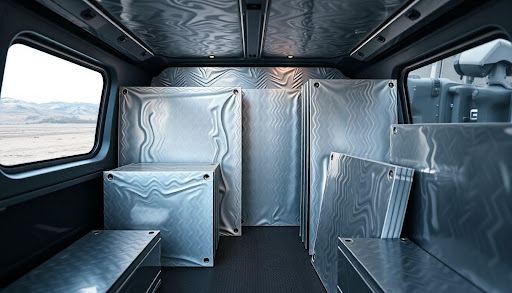
Aluminum panels are not only beneficial for personal gear but also play a critical role in outfitting expedition vehicles. They are often used to create storage solutions within vehicles, providing a secure and organized way to transport equipment. For instance, an aluminum molle panel can be installed in a vehicle to hold various tools and accessories, ensuring they are within reach and securely fastened during travel.

In addition to vehicle applications, aluminum panels are invaluable for setting up base camps. They can be used to construct temporary shelters, cooking stations, or even as part of a portable workstation. Their durability ensures they can withstand the elements, while their lightweight nature makes them easy to transport and set up.

Furthermore, aluminum panels can be used to create custom racks or mounts for carrying specialized equipment such as kayaks, bikes, or climbing gear. This versatility makes them an indispensable component of any expedition setup.

Tips for Selecting Accessories

When choosing accessories for your aluminum panels, it’s important to consider the specific needs of your expedition. Start by assessing the types of equipment you will be carrying and the environmental conditions you expect to encounter. This will help you determine the necessary features and attachments for your panels.

Look for accessories that offer flexibility and ease of use. Quick-release mechanisms, adjustable mounts, and modular designs can greatly enhance the functionality of your aluminum panels. Additionally, consider the weight and durability of the accessories themselves, as these factors will impact the overall performance of your setup.

It’s also beneficial to invest in high-quality materials that can withstand the rigors of outdoor use. Stainless steel or reinforced plastic components are often good choices for ensuring longevity and reliability.

Finally, don’t overlook the importance of proper installation. Ensure that all accessories are securely attached and that the panels are mounted correctly to prevent any accidents or damage during your expedition.

The Future of Vehicle Recycling: Cash for Cars Services Across Australia

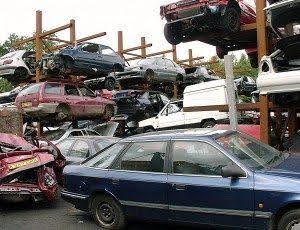
The cash-for-cars industry has expanded rapidly across Australia, especially in major cities like Melbourne, Brisbane, and Sydney. With rising repair costs and increased environmental awareness, many vehicle owners prefer quick disposal methods that are both convenient and eco-friendly. Companies such as Ezy Cash for Cars operate across multiple regions, helping people manage unwanted vehicles responsibly.

Why Cash for Cars Services Are Growing in Melbourne and Other Cities

Many owners deal with vehicles that are:

  • Too expensive to repair
  • No longer roadworthy
  • Accident-damaged
  • Unregistered or unused
  • Taking up valuable space

This has created strong demand not only in Melbourne, but also in cities such as Brisbane, Sydney, Werribee, and North Melbourne, where similar challenges are common.

How the Cash-for-Cars Process Works

While each provider follows specific procedures, the overall process remains consistent across Australia:

1. Requesting a Quote

Vehicle owners share basic details like model, year, and condition to get an estimated value.

2. Inspection or Confirmation

Some companies confirm the quote via photos, while others conduct a quick inspection.

3. Free Car Removal

Tow trucks are dispatched to remove the vehicle at no cost.
4. Instant Payment

Payment is made on the spot through approved methods.

5. Sustainable Recycling

Vehicles are dismantled and recycled in accordance with environmental guidelines, reducing landfill waste and supporting the automotive recycling industry.

Where These Services Are Commonly Available

Cash-for-cars services now operate in many key locations across Australia, including:

This Australia-wide availability ensures more vehicle owners can access convenient removal options no matter where they live.

Vehicles Accepted Across All Cities

Most cash-for-cars providers accept:

  • Old or unused cars
  • Scrap or rusted cars
  • Accident-damaged vehicles
  • Fire/flood-affected cars
  • Unregistered or non-running vehicles
  • Vans, Utes, SUVs, 4WDs
  • Commercial fleet vehicles

Even vehicles that are no longer functioning still hold recycling value.

Why Vehicle Owners Prefer Cash-for-Cars Services

✔ Fast and No Hassle

No need to list online or deal with buyers.

✔ Any Condition Accepted

Cars do not need to be running or roadworthy.

✔ Environmentally Responsible Disposal

Recycling reduces pollution and prevents hazardous waste leakage.

✔ Free Pickup in Multiple Locations

From Cash for Cars Werribee to Cash for Cars North Melbourne, most areas are covered without towing fees.

How to Choose a Reliable Provider

Cash for Cars Werribee

When selecting a cash-for-cars service, consider the following:

1. Check Reviews

Look at customer feedback on Google and local listings.

2. Compare Quotes

Get prices from multiple providers before deciding.

3. Confirm Charges

A trustworthy company clearly states that towing is free.

4. Proper Documentation

Ensure correct paperwork and identification procedures are followed.

5. Verified Recycling Practices

Choose companies that support eco-friendly dismantling and recycling.

Locations such as Melbourne, Brisbane, Sydney, Werribee, and North Melbourne have many operators, so comparing options helps ensure fairness.

Conclusion

The cash-for-cars industry provides a practical, fast, and eco-friendly solution for disposing of unwanted vehicles. Whether in Melbourne, Brisbane, Sydney,Sunshine Coast , or Geelong , the process remains straightforward and efficient. Choosing a reliable provider like Ezy Cash for Cars ensures transparent service, fair valuations, and responsible recycling across multiple Australian cities.

How User-Generated Content Is Changing the Fashion Industry

Photo by depositphotos at https://depositphotos.com/

Not long ago, fashion trends traveled in one direction. Designers created, magazines approved, and the public followed. That quiet hierarchy has cracked open. Today, some of the most influential style moments come not from runways but from bedrooms, street corners, cafés, and phone cameras. A quick scroll through platforms like https://www.lookberry.com/ makes it obvious that everyday people now shape what feels current far more than traditional fashion houses ever could. The industry is no longer just speaking to its audience. It’s listening.

When consumers become creators

User-generated content has transformed fashion from a performance into a conversation. Outfits are no longer styled exclusively by professionals in controlled environments. They’re worn by people with different body types, budgets, and lifestyles, and documented as life happens. This honesty gives fashion a realism it hasn’t always had.

Seeing clothes on someone walking to work or dancing at a party feels different from seeing them pinned perfectly on a model. The wrinkles matter. The poor lighting matters. The messy hair matters. It makes fashion accessible. More importantly, it makes it believable.

Instead of waiting months for trends to appear in glossy spreads, people now watch style evolve in real time. When thousands of users post similar silhouettes, colors, or textures — intentionally or not — that’s a trend forming live.

Redefining authority and taste

Fashion authority used to be reserved for insiders: editors, designers, and critics. User-generated content shifted power outward. Style credibility now comes from relatability rather than prestige.

Someone with a small following but a strong point of view can influence taste more than a celebrity campaign. What matters is not status, but connection. People trust creators who look like them, live like them, and speak their language.

This has flattened the industry. Gatekeepers still exist, but they no longer control the conversation. A single video from someone experimenting with thrifted outfits can introduce an aesthetic to millions overnight. Fashion is no longer released. It’s discovered socially.

Transparency as the new currency

User content also changed how transparent fashion has to be. You can’t hide behind studio lighting when real people are wearing your designs under real conditions. Fabric quality, sizing issues, and comfort all show up on camera fast.

That honesty has made many shoppers sharper. They don’t just want to know what a jacket looks like — they want to see how it behaves when someone sits down, walks briskly, or washes it three times. Brands now live under constant review, whether they acknowledge it or not.

Style gets personal again

Perhaps the most important shift is emotional. User-generated fashion feels less like instruction and more like permission. There is no “right way” to wear something when everyone is styling it differently. You stop dressing for approval and start dressing for expression.

This environment encourages experimentation. People mix eras, shapes, and moods freely because they’ve seen others do the same. A blazer ends up paired with sneakers. A formal skirt turns casual with a hoodie. Nothing feels off-limits anymore.

When millions create content at once, fashion becomes fluid. Today’s rule breaks tomorrow. And that uncertainty fuels creativity.

An industry learning to respond, not dictate

Fashion still moves fast, but it no longer moves alone. Designers now watch social feeds as closely as they once studied runway reviews. Production cycles respond to what people are already wearing, not what they’re being told to wear.

The industry didn’t lose its voice. It gained millions of new ones — loud, imperfect, creative, and impossible to ignore.

Top qualities to look for in a professional nanny: expert tips from an international domestic staffing agency

Choosing a nanny is one of the most consequential decisions a parent can make. Beyond basic childcare, a nanny becomes a daily influence on your child’s emotional development, early learning habits, and overall sense of security. According to insights from an established international domestic staffing agency, families who invest time in a structured, criteria-driven selection process report significantly higher long-term satisfaction with their childcare arrangements. Below are the core qualities that define a truly professional nanny—based on current industry standards, behavioural data, and best practices in private household staffing.

1. Verified Qualifications and Continuous Training

A professional nanny today is expected to have more than experience alone. Most reputable agencies require verified first-aid certification, pediatric CPR training, and documented childcare coursework. Data from leading staffing organizations shows that families are 40–60% more likely to retain a nanny long-term when the candidate has completed at least one accredited childcare program. Look for applicants who demonstrate commitment to continuous professional development through workshops, early education courses, or specialized certifications.

2. Emotional Intelligence and Child-Centered Communication

EI (emotional intelligence) has become a key predictor of nanny performance. High-quality caregivers demonstrate consistent emotional regulation, empathy, patience, and the ability to adjust their communication to a child’s developmental stage. For infants and toddlers, this may include secure attachment techniques; for preschoolers, structured dialogue and positive reinforcement. A skilled nanny uses emotionally intelligent interaction to reduce stress during transitions, manage conflicts calmly, and support a child’s healthy self-esteem.

3. Safety-First Approach and Crisis Preparedness

Safety awareness should extend beyond first-aid skills. Professional nannies understand age-specific risks, household safety protocols, and emergency response steps. Candidates from an international domestic staffing agency are typically trained in situational awareness, risk assessment, and preventive practices such as safe sleep guidelines, choking-hazard avoidance, and secure outdoor supervision. During interviews, ask scenario-based questions: “What would you do if the child has an allergic reaction?” or “How do you handle unexpected visitors?” Their answers will reveal real competence.

4. Developmental Knowledge and Structured Learning Support

The best nannies integrate evidence-based educational practices into everyday routines. This includes early literacy exposure, sensory activities, motor-skills play, STEM-aligned curiosity tasks, and age-appropriate independence training. Research demonstrates that children under a nanny’s care who receive structured developmental support show improved language acquisition and stronger executive-function skills. A professional nanny should be able to articulate their childcare philosophy and explain how their daily activities contribute to developmental milestones.

5. Professionalism, Accountability, and Boundaries

A nanny’s role exists at the intersection of private life and professional service. Reliability, punctuality, confidentiality, and ethical conduct are essential. Candidates with a history of consistent employment and positive reference checks tend to demonstrate stronger household integration and fewer relational conflicts. A reputable staffing agency will always provide verified references and conduct background checks—do not skip this stage, even if the candidate feels “like the right fit.”

6. Cultural Competence and Adaptability

Modern families often operate in multicultural environments. A nanny who respects family traditions, adapts to household routines, and is open to learning new cultural norms contributes to a harmonious home. For expat families, adaptability is especially critical, as children may be navigating multiple languages and cultural expectations simultaneously.

Final Thoughts

Selecting a professional nanny requires structured evaluation, transparency, and a focus on long-term compatibility. Partnering with an experienced international domestic staffing agency can significantly streamline the process, ensuring that candidates meet high standards of training, safety, professionalism, and developmental competence. Such an approach allows families to make informed, confident decisions—ultimately creating a stable, supportive environment where children can thrive.

Sun-Powered Waterfalls: How to Build a Solar Fountain That Flows All Day Long

Few things bring more tranquility to a garden than the sound of flowing water. The soft splash of a waterfall or the gentle ripple of a fountain can turn any backyard into a sanctuary of calm. Traditionally, such water features required electric pumps — but times are changing. With today’s solar technology, you can create a pond solar fountain that runs on sunlight, saving energy while staying in motion from dawn to dusk.

Leading this eco-revolution is Poposoap, a brand redefining what sustainable water design can look like. Their solar-powered systems combine beauty, functionality, and environmental awareness, giving every homeowner the ability to build an elegant, self-sustaining water feature that flows naturally — powered only by the sun.

Why Solar Power Is Transforming Backyard Water Features

Solar energy isn’t just for rooftops anymore. In 2025, garden enthusiasts and landscape designers are turning to solar pumps for their simplicity, reliability, and environmental benefits. A pond solar fountain and a pump for a waterfall can now operate entirely off renewable energy, without the need for electrical wiring or high utility costs.

The result? A more peaceful, eco-friendly, and visually stunning outdoor environment. Water features powered by solar energy don’t just enhance beauty — they also promote sustainability by reducing energy consumption and supporting wildlife habitats through cleaner, oxygenated water.

The Science Behind a Solar Fountain System

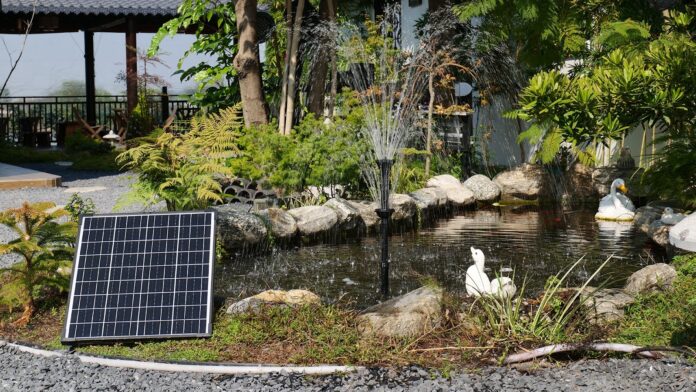
A solar-powered water feature is simple at its core but powerful in design. It works through four main components: solar panels, a water pump, tubing, and sometimes a battery backup. Each part contributes to continuous water movement and energy efficiency.

  • Solar Panels: Convert sunlight into direct electrical energy to power the pump.
  • Water Pump: Circulates water through the fountain or waterfall, creating motion and sound.
  • Tubing and Reservoir: Channels water back to the source for continuous flow.
  • Battery Backup (optional): Stores excess energy to keep water flowing during cloudy conditions or at night.

Poposoap integrates all these elements seamlessly, offering user-friendly systems that can be installed in hours but last for years.

Designing Your Solar Fountain and Waterfall

Solar Fountain

Building a water feature that runs all day long requires thoughtful design and quality components. Here’s how to plan and assemble a system that captures the full potential of solar energy.

Step 1: Visualize Your Water Flow

Decide what kind of movement you want: a bubbling pond fountain, a cascading rock waterfall, or a combination of both. A pond solar fountain adds elegance and height, while a pump for a waterfall adds motion and sound. Combining the two creates a balanced sensory experience.

Step 2: Choose the Right Location

Place your water feature where it receives maximum sunlight exposure throughout the day. South-facing areas are ideal. Avoid heavy shade from trees or buildings, as reduced sunlight limits energy generation. Poposoap’s flexible solar panel mounts allow for angled positioning to capture optimal light.

Step 3: Select Compatible Pumps

The key to maintaining all-day flow is choosing pumps that match the scale of your design. Poposoap’s SolarWave and CascadePro series are engineered for different needs:

  • SolarWave 10W–20W Fountain Pumps: Perfect for small to medium ponds and decorative fountains.
  • CascadePro 30W–50W Waterfall Pumps: Designed for higher water volumes and vertical lifts, ensuring smooth, natural cascades.

Both systems feature brushless motors for longevity and silent operation — essential for creating peaceful, ambient garden spaces.

Step 4: Install Solar Panels and Pump

Position the solar panel in a sunny spot and connect it to your pump using the included waterproof cables. Place the pump in the pond or basin, ensuring it’s fully submerged for optimal performance. Poposoap’s solar pumps are plug-and-play, requiring no complex electrical setup.

Step 5: Connect Tubing and Adjust Flow

Attach tubing from the pump to your waterfall or fountain outlet. Adjust nozzle settings to control flow rate and spray patterns. Poposoap’s multi-nozzle fountain kits provide several styles — from narrow jets to tiered sprays — so you can easily tailor the water display to your aesthetic.

Poposoap: Leading the Solar Water Revolution

Poposoap has established itself as a global leader in eco-friendly water technology, designing pumps that are efficient, durable, and elegantly engineered. Their solar products are built with the modern homeowner in mind — simple to install, low-maintenance, and powered by renewable energy.

Here’s why Poposoap systems stand out:

  • Advanced Solar Efficiency: High-conversion panels capture more sunlight even in low-light conditions.
  • Smart Power Management: Intelligent regulators prevent overcharging and store energy effectively for continuous flow.
  • EcoFilter Technology: Built-in filters keep water clean and algae-free for crystal-clear results.
  • Weatherproof Durability: Poposoap’s pumps are built to withstand rain, sun, and seasonal temperature changes.
  • Elegant Design: Compact, minimal designs blend seamlessly into both natural and modern garden aesthetics.

Keeping Your Water Flowing All Day — and Night

One of the most common concerns with solar-powered water features is maintaining continuous flow, especially when sunlight fades. Poposoap solves this challenge with dual-power systems that combine solar energy and battery storage. During the day, solar panels power your pond solar fountain directly while charging the backup battery. When the sun sets, stored energy automatically takes over, ensuring uninterrupted water movement.

For larger features like waterfalls, Poposoap’s Hybrid SolarFlow technology intelligently balances solar and stored energy — adjusting output based on sunlight intensity. This innovation keeps your pump for a waterfall running efficiently without manual intervention.

Solar Fountain

Maintenance Tips for Long-Term Performance

Solar systems require minimal upkeep, but consistent care ensures peak performance and longevity. Follow these best practices for a clean and efficient setup:

  • Clean the pump’s filter every 2–4 weeks to prevent clogging from debris or algae.
  • Wipe solar panels regularly to maintain energy efficiency.
  • Ensure the pump remains fully submerged to prevent air intake or overheating.
  • Store pumps indoors during freezing winters if you live in colder climates.
  • Check tubing connections periodically for leaks or buildup.

Poposoap’s modular design makes maintenance simple — most parts detach easily for rinsing and reassembly without tools.

Creating an Eco Sanctuary with Poposoap

Solar-powered water features do more than beautify your garden; they create micro-habitats that support birds, butterflies, and aquatic life. The continuous movement of water aerates your pond, prevents mosquito breeding, and maintains healthy oxygen levels for fish and plants.

Poposoap’s products are designed to complement this natural balance. Whether you install a pond solar fountain or a pump for a waterfall, you’re not just enhancing your landscape — you’re fostering a living ecosystem powered by renewable energy.

Conclusion: Let the Sun Keep Your Water Flowing

The harmony between sunlight and water is timeless. Today, technology allows us to capture that harmony and bring it into our own backyards. By combining a pond solar fountain with a reliable pump for a waterfall, you can create a self-sustaining oasis that runs on pure, natural energy.

With Poposoap, you’re not only building a water feature — you’re embracing a lifestyle of sustainability, peace, and beauty. Their innovative systems ensure that your fountain and waterfall flow gracefully from sunrise to sunset, day after day, year after year — powered entirely by the golden energy of the sun.