Home Blog Page 121

CHEVROLET NCS AT BOWMAN GRAY STADIUM: Connor Zilisch Media Availability Quotes

NASCAR CUP SERIES
BOWMAN GRAY STADIUM
TEAM CHEVY DRIVER QUOTES
FEBRUARY 4, 2026

NASCAR Cup Series rookie, Connor Zilisch, met with the media in advance of the Cook Out Clash at Bowman Gray Stadium.

Media Availability Quotes:

You had a stellar season last year. Coming into the Cup Series, the obvious question is — how much of that success do you feel like you can transfer into this opportunity? And then also, putting behind you stellar season, but coming up just one spot short for that championship run last year?

“Yeah, last year definitely lights a fire under me to go out and chase something that I’ve wanted to accomplish for a long time. I know I couldn’t win the championship last year, and I know it’s going to be way, way different this season. So, I don’t have any expectations to go out and win a championship at all. But I definitely want to work towards that and one day be able to be in the position to go out and win one. But I’m just excited for this season to go out and learn; have fun and enjoy it. I know it’s going to be a challenge. I know it’s going to be tougher than it was last year, and I’m ready for that.”

I remember last year I asked a question about the goals that you and your crew chief set in the NOAPS. Have you and your team set similar goals in the Cup Series for this year?

“No, I haven’t really set any goals for myself. I don’t really know what to expect coming into this year, so it’s hard to set expectations when there’s so much new for me and my team.

I’m excited. You know, my biggest goal is to be a better driver at the end of the year than I am today, and if I can accomplish that, then I’d be satisfied.”

Every Cup Series veteran says there’s nothing that can really prepare them for once they get to this level. And I’m curious, what has been the best advice and from who, from those who have done it, that you’ve kind of reached out to say — hey, what do I need to do to be like you guys?

“Yeah, I mean, I think everybody I’ve talked to has told me that it’s going to be harder than I expect it to be. I think after 10 to 15 guys that have done it have told me that, I think that’s when it finally starts to sink in and you realize that — OK, maybe these guys aren’t lying to me.

I’ve definitely gotten some great advice from a lot of people. But overall, I’d say the biggest thing is just to not let the stress and pressure of racing at the highest level overcome the amount of life lessons and the enjoyment of living out your dream. I think that’s, for me, the biggest thing is that no matter how hard it gets, no matter how many bad days and good days there’s going to be, to just remember that you are living out your childhood dream. You made it to where you want to be and just remember to enjoy it.”

You haven’t ran a short-track in a Cup car just yet. How do you approach this practice and qualifying session?

“Yeah, I mean, it’s going to be a lot to figure out quickly. I’m in Group One. The track’s obviously been sitting here for a while and hasn’t had the best weather on it the last week and a half, two weeks, so by no means is practice going to be an indicator of how qualifying is going to be. But I got to test at North Wilkesboro a couple weeks ago and get a little bit of short-track experience. But yeah, this track’s going to be a lot different than North Wilkesboro was.

So yeah, I’m just going to have to learn quick, adapt quick and figure it out on the go. But it’s certainly not going to be easy today. I know that already being in Group One, we’re all at a bit of a disadvantage just with how the track’s going to evolve. But everybody has kind of been dealt the same card, so you’ve got to figure it out, deal with it and make the most of the situation you’ve got.”

Bowman Gray is a different animal from, let’s say, Martinsville, where you kind of experienced that last year. Is there any way you can prepare for the level of physicality this track provides, or is it just you go out there and see what happens?

“Yeah, I mean, there’s no way to prepare for it, right? You can go on iRacing, and I’m sure that iRacing would probably be pretty similar to how it’s going to be today with everybody hitting each other. And that’s really the only way to pass. It’s hard to pass here without making contact, so it just leads to being a physical race. I think everybody knows that coming in, so that’s why you don’t see tempers flare. Obviously, people get upset, and you can get mad. But at the end of the day, it’s expected.

It’s bound to happen. You can’t let it get to you. You can’t get emotional. You’ve just got to focus on making your next best corner and making the most of the next opportunity you have.

It’s certainly going to be new to me. I’ve never raced at a track like this before. I raced at Flat Rock in Michigan in the ARCA Series once, but ARCA is obviously a lot different than the Cup Series.

It’s going to be an experience for me, and I’ve got a lot to learn, but I’m excited. I mean, I feel like starting off the year here, it’s kind of low pressure. We’re not racing for points. Just go out and do your best to make the show.”

You kind of mentioned earlier you don’t have expectations going into this year in regards to goals. But now that you have had time to reflect on last year, is there anything that you felt like you struggled on the most that maybe you want to get better at for this year as a driver?

“Yeah, I mean, we all have our struggles, right? And nobody’s perfect. Obviously I feel like there’s things that I can work on. I feel like last year, there were a couple of tracks I struggled at, and I feel like I did let myself get a little bit too comfortable at points. I knew my cars were going to be good every week, and that can lead to having that expectation that no matter what happens, I’m going to go out and contend for a win, and I think that’s a bad mindset to have. So obviously that’s not going to be the case this year. I’m not going to have the expectation to go out and win every week, so that’s going to change. But I feel like just making sure that I stay hungry no matter what’s going on is important. and I think that that’s going to be more so the case this year, with the fact that I’m going to have to catch up to the guys that I’m around. And I know that going into it, so I’m ready for that challenge. I know I’ve got a lot ahead of me. I’ve got a lot of races ahead of me. I’ve got a lot of experience and lessons over the next 40 weeks. But that excites me.”

We always hear seat time is critical. You can’t get enough seat time. But you’ve already been in the Rolex 24. You finished second there. So already having that in there, how does running the Rolex 24 help you prepare for what you’re facing now?

“I don’t know if it really gets any more opposite than the Rolex 24 in a hybrid hypercar versus coming to Bowman Gray in a Cup car (laughs). But it’s good to get all the muscles warmed up and get back in a competitive spirit. That was my first time racing at the highest level of IMSA. And, you know, I’m going into my first year in the Cup Series, which is the highest level of NASCAR. So it was good to get that challenge. I struggled at first in that, just like I expect to have to learn here, as well.

I’m just excited to go through it, right? I’ve got a great team around me with Trackhouse Racing and Chevrolet. Did the Rolex prepare me for today? I wouldn’t say those two correlate all that much. But the experience of racing at the highest level and having a lot of great people around me and surrounding me at that race is definitely helpful. And the more experience like that I can get, the better. So, yeah, I’m excited for this season. I’ve got a lot to look forward to with a great team around me at Trackhouse and great teammates with Shane (Van Gisbergen) and Ross (Chastain). Yeah, just excited to hopefully make the most of it.”

To that point about practice, it’s been a few years since we’ve had any practice and all that stuff. I assume teams have adapted to that. But with drivers coming up, what does allow you to close the gap, if at all? Is it sim? Do you still watch tape? What can help a young driver now that we’ve had a few years that maybe you can look back on?

“Yeah, I mean, it’s tough. There’s not really an answer to that one. You know, I’m 19 years old, and 15 years ago, you’d say the way to make up the experience is to just go pound laps each week and be at the track four days a week and test every day. But, you know, nowadays, there is no way to make up experience, right? Everyone runs the same amount of laps each year. We all race 38 weekends, and we all practice and qualify each week, and that’s all we do. So, you know, no matter what I do, I’m lacking four years of Next Gen experience compared to the guys that I’m racing against.

So yeah, you can do as much as you can. I’ve got a great group of people at Chevrolet with Josh Wise and everybody over there who I work with each week to prepare. But at the end of the day, there is no way to make up experience. And at the highest level, that’s tough to accept. But, you know, I’m in a spot where I have to adapt and learn and figure things out quickly. I think all the rookies who have gone to the Cup Series know that. They understand that you can’t sit here and complain about it because there’s nothing you can do about it. So, yeah, you’ve just got to figure things out quickly; adapt and be adaptable, and I think that’s the only way you can do it. The simulators are great. They help. But at the end of the day, it’s nothing like strapping into a race car and going out and racing for real.”

You talked about how tonight is a low-pressure situation and kind of wanting to navigate and don’t let the highs get too high and lows get too low. I’m curious, with making this transition and leap, what is some specific advice that you’ve received from veteran drivers or other people across the sport when embarking on this rookie campaign?

“Yeah, I feel like I touched on it a little bit. I’ve had a lot of people tell me that it’s not going to be easy. You’re going to have a lot of bad weeks, and you’re going to lose a lot more than you’re going to win. I feel like I’ve had a lot of great advice. I want people to be honest with me. I don’t want people to fluff me. You know, I want to be able to get honest advice from people that I can trust, and I feel like I’ve gotten that. I feel like going into this year, my biggest goal and my mindset is just to try and get better each week and kind of ignore what the results are because the results will fluctuate. You know, you’ll have good weeks and bad weeks, but if I look back on the year and I say that I’m the same driver today that I will be in November at Homestead, then that’s when I know that I’ve done something wrong.

So I’d say the biggest advice and the advice I’ve heard the most is just to have fun and enjoy it. Don’t let it get to you. Don’t let the moment be too big. Just always remember to try and have fun because if you’re going to be here for a long time, you can get burnt out quick, if you are too hard on yourself.”

About General Motors

General Motors (NYSE:GM) is driving the future of transportation, leveraging advanced technology to build safer, smarter, and lower emission cars, trucks, and SUVs. GM’s Buick, Cadillac, Chevrolet, and GMC brands offer a broad portfolio of innovative gasoline-powered vehicles and the industry’s widest range of EVs, as we move to an all-electric future. Learn more at GM.com.

Corey LaJoie Taking Advantage of Opportunity with RFK Racing

Ford Racing Notes and Quotes
NASCAR Cup Series
Media Availability — The Clash at Bowman Gray Stadium
Wednesday, February 4, 2026

Corey LaJoie is filling in for the injured Brad Keselowski tonight in the Clash at Bowman Gray Stadium, driving the No. 6 Solomon Plumbing Ford Mustang Dark Horse for RFK Racing. LaJoie came to the infield media center before practice to talk about the opportunity.

COREY LAJOIE, No. 6 Solomon Plumbing Ford Mustang Dark Horse – HOW DO YOU VIEW THIS OPPORTUNITY? “I think it’s house money. I was gonna be a carbon guy, still working on that and still working on standing up a business over there at dad’s shop. Just when I was almost not content per se, but starting to grasp the idea that the window is closed being a race car driver then this opportunity arose. I hate it for Brad. I saw him yesterday and he’s as sharp as he’s ever been. He’s getting around well, so I’m excited for him to be back in the fold next week, but this opportunity has been awesome. I think there’s always pressure. If you don’t feel the pressure, then you don’t understand the gravity of what the opportunity is, and just to remind myself that I’ve been doing it for a long time and I’ve been doing it at a high level, so for those guys to tap me as the guy that can be in the 6 car and feel like I can do a good job is certainly an honor. It’s been cool to be in the mix and prep in the sim again, kind of knocking the rust off, but when the rubber hits the road here shortly hopefully we shake out pretty good.”

HAVE YOU HAD TO WRESTLE WITH OUR IDENTITY IN THIS SPORT, LIKE WHO YOU ARE SUPPOSED TO BE THE NEXT COUPLE OF YEARS. WHERE HAVE YOU LANDED AT THIS STAGE AND WHAT DO YOU WANT THE NEXT 5-10 YEARS OF YOUR LIFE TO BE? “That’s a daily wrestle because it’s pretty straightforward when you’re chasing being a race car driver. If you rewind to 2012 when we won here in the ARCA car, the whole road map was more or less planned – you do whatever you could possibly do to be a Cup driver. To be a Cup winner and a Cup champion was the goal. I got close. I reached the top of the spear as I had hoped. I wish there was always more, but transitioning, not necessarily voluntarily, but transitioning to Prime, that group was unbelievable. I’m excited to run it back with those guys. I’m doing some truck stuff. Hanging out with my kids more. I’m trying to stand up a business. All of these things are learning experiences and ultimately it’s just taught me to hold things much looser of what I feel like I need to take my life and just honestly let the Lord take it. If that’s as a race car driver for the next couple weeks, great. I’m gonna give everything I’ve got to that opportunity, and if it’s the next thing, then I’ll just hold it loosely and just be present with every passing day because it is ever changing. It’s been fun. It’s been a confusing journey of sorts lately, but it’s been nice to have a central focus, whether it be this week preparing for the Clash or certainly next week for the 500 to really lock in and focus. In racing, your goals are really clear. It’s to prepare and do a better job than the next guy, and I’m glad I get to have that clear-cut goal for the next two weeks.”

WHEN YOU DRIVE THE 99 FOR THE 500, WHAT IS THE BIGGEST DIFFERENCE BETWEEN HAVING TWO OR THREE CARS WORKING TOGETHER ON A SUPERSPEEDWAY TO NOW HAVING FOUR GUYS WITH MULTIPLE SUPERSPEEDWAY WINNERS IN THAT GROUP? “It gives me a lot of confidence. I went down there with no friends and made the race as an Open car my first time. I went there last year with relatively no friends with Rick and we executed the Duels great and we made the race, so to have more or less a factory supported Ford car to try to make the race, and just strength in numbers is why RFK is doing it, and to have Brad and Chris and Ryan, all three, no matter how the Duels shake out, I feel like we’re gonna have some good backup to put ourselves in a good position, but we also can’t let our guard down. We’ve got to press and we’ve got to go attack to make sure we cover everybody else, but I know the guys at the shop, even today, are working on the 500 car to make sure that thing can go qualify in on speed on Wednesday night. I know that’s the priority for the team, but, for me, I go down there with all eyes focused on executing the details on Thursday night to be in the race.”

Motorcycle Drag Racer Dystany Spurlock Aims for Historic NASCAR ARCA Series Bid

As she continues her pursuit of stock car racing’s highest levels, Spurlock would become the first Black woman to compete in NASCAR’s top feeder series.

DETROIT — Professional motorcycle drag racer Dystany Spurlock is beginning the journey to fulfill a lifelong dream of racing in NASCAR’s Cup Series, taking the first steps on that path as she prepares to compete in the ARCA Menards Series during the 2026 season.

Instead of a one-time debut, Spurlock will take a step-by-step approach, starting with late model racing and, once approved by NASCAR’s competition committee, entering ARCA competition as she pursues stock car racing’s highest stage. Each phase brings her closer to a season-long campaign in NASCAR’s top feeder series, where she’ll compete against experienced racers at some of the sport’s toughest and most iconic tracks.

Her journey starts at Hickory Motor Speedway in North Carolina, where Spurlock will compete in a late model series to gain valuable seat time on paved ovals. She then plans to enter the ARCA Menards Series East event at Hickory in late March, a critical step toward national-level competition, with the goal of advancing into a spring ARCA Menards Series national event and racing regularly throughout the season. 

Completing this progression would make Spurlock the first Black woman in NASCAR’s 77-year history to compete at any level. While her focus remains squarely on development, performance, and earning her place on track, it would represent a historic moment for the sport.

Spurlock’s stock car development is being supported by MBM Motorsports, led by former NASCAR driver and veteran team owner Carl Long. Based in Statesville, N.C., MBM brings decades of experience across NASCAR’s three national touring series and will provide a strong foundation for her ARCA program. 

As Spurlock works through the demanding process required to earn approval to compete in NASCAR, each step of her journey will be documented by primary sponsor Foxxtecca, an experiential events and media company co-founded by Chris Harris and Kellie Crawford. Titled Driven by Dystany: The Road to NASCAR (link to trailer), the project provides an unfiltered, behind-the-scenes look at the preparation, evaluations, setbacks, and commitments involved in pursuing a NASCAR license and progressing toward her ultimate goal of racing in the Cup Series.

Spurlock’s push toward ARCA is the result of a six-year development effort launched by the African American Automotive Association (AAAA) and later joined by Foxxtecca, whose mission is to build pathways into motorsports through competition, education, and long-term development. Harris—through the AAAA—has managed Spurlock’s career, helped shape her driver development, and worked to position her for this next step.

“Dystany’s resilience is one for the record books. She has gracefully plowed through every roadblock and worked her tail off for this very moment,” Harris said. “She has earned this opportunity to fulfill a lifelong dream of racing at this level, and Foxxtecca is making sure she has the support she needs to maximize it.”

Longtime NASCAR athletic trainer Phil Horton, who is overseeing Spurlock’s preparation, also played a key role in the process by connecting Harris with Long, helping bring the partnership together.

Her move to stock cars builds on an already groundbreaking career in motorcycle drag racing. Spurlock was the first woman to win the Real Street class in the XDA Motorcycle Drag Racing Series—setting a world record in the process—and holds multiple BMW S1000RR performance records in the U.S. and internationally.

In 2025, she became only the second Black woman to compete professionally in the NHRA Pro Stock Motorcycle class and is currently finalizing plans for her sophomore season, where she’ll race with the Arana Racing team led by father-and-son duo Hector Arana Sr. and Hector Jr. 

Spurlock plans to take on the rare challenge of competing in both professional series during the same season by putting in the work and trusting the process.  

“This is about earning the opportunity the right way,” she said. “Nothing about this has come easy. It’s taken sacrifice and believing in myself even when the odds were stacked against me. Stepping into NASCAR would be more than the next stage in my career. It would also prove that if you keep pushing and refuse to let obstacles stop you, doors really can open.”

ABOUT FOXXTECCA

Foxxtecca is a Detroit-based experiential events and media company operating at the intersection of mobility, culture, and technology. Co-founded by Chris Harris and Kellie Crawford, Foxxtecca amplifies underrepresented voices in the mobility and technology industries through motorsports, education, and culturally driven experiences.

The Essential Guide to Towing: What Every Driver Must Know

Did you know that towing your car typically costs between $50 to $150 as a base fee, plus an additional $2.50 to $7.00 per mile?

Your vehicle’s unexpected breakdown can be less stressful if you understand the basics of towing. Most people don’t think about towing services until they’re stuck in an emergency – maybe after an accident or when their car gives up. Knowledge about towing services can help reduce stress during these situations.

The response time for most towing companies ranges from 30 to 60 minutes after your call, which helps when you’re stranded roadside. On top of that, your AAA membership or insurance provider’s coverage might lower your costs.

Let’s walk through everything about towing – from common reasons you might need one to the process and available service types. This piece will prepare you to handle any situation that needs a tow truck’s help.

When and Why You Might Need a Tow

Nobody plans to get stranded on the road. Statistics show that tow trucks rescue about 55,000 vehicles daily in America. Knowing what situations need towing helps you prepare for these unexpected events.

Vehicle breakdowns are the most common reason people call a tow truck. Here are the typical mechanical problems that leave you stranded:

  • A dead battery that won’t take a jump-start
  • An engine that fails completely or overheats
  • Transmission issues like grinding or slipping gears
  • Serious problems with the brake system

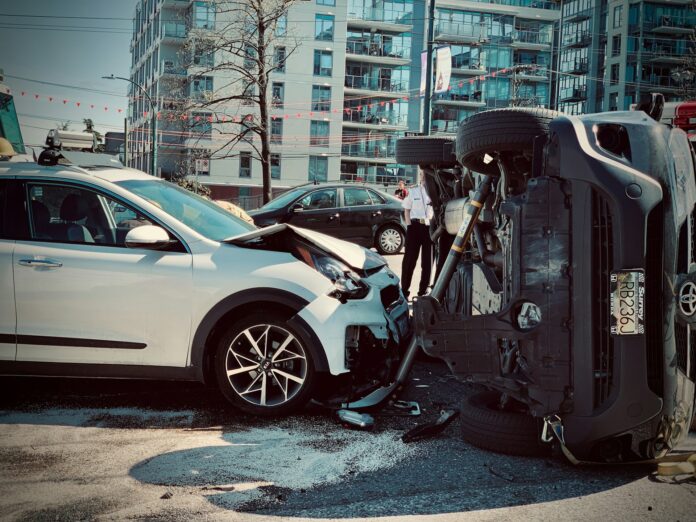
Accidents often leave you needing a tow truck, especially if your car won’t drive. Your car might end up at a mechanic’s shop, storage lot, or police impound after a crash. Police will request a tow if your vehicle blocks traffic or poses a danger. When police are involved, the report number, the tow company name, and the vehicle’s storage location often become key details for the next steps with insurance. ConsumerShield breaks down the basic post-accident checklist, including what information to gather at the scene so your claim doesn’t stall later over missing details.

You might need a tow truck when you get a flat tire without a spare. Running out of fuel or getting stuck in mud or snow are other common reasons. Legal problems can get your car towed too. This happens with prohibited parking, registration expired over six months, or five or more unpaid parking tickets.

Safety risks always need immediate towing. Watch out for smoke under the hood, grinding noises, or sudden power loss. Trying to drive in these conditions could turn a small fix into an expensive disaster.

How the Towing Process Works

Your vehicle’s towing trip starts with one phone call. You need to reach out to a towing company or roadside assistance service when you need help. The dispatcher will ask about your vehicle’s make, model, and what went wrong.

A tow truck will head to your location right away. The operator checks your vehicle’s condition and size to pick the quickest way to tow it. This vital check stops any more damage during the move.

Before the tow begins, remember to:

  1. Be sure to place your vehicle in neutral
  2. Check and release the parking brake
  3. Remove any obstacles
  4. Clear out any valuable belongings

The tow truck operator will then secure your vehicle with specialized equipment such as straps, chains, or a winch. Your vehicle’s setup determines whether they’ll use a flatbed or wheel-lift truck.

Experts call it safest to use flatbed towing which loads your whole vehicle onto a platform. Wheel-lift towing works by raising either the front or back wheels off the ground.

After securing everything, the operator takes your vehicle to where you need it – usually a repair shop, storage lot, or your home. Most operators let you ride along in the truck’s cab to stay with your vehicle.

Types of Tow Trucks and Services

Tow trucks come in different types to handle a wide range of recovery situations. The right service depends on your vehicle’s specific needs.

Flatbed tow trucks are the best choice for safely transporting most vehicles. A hydraulic platform tilts down to ground level so cars can be driven or pulled up. Your vehicle never touches the road during transport, making these trucks ideal for luxury cars, all-wheel-drive vehicles, and motorcycles.

Wheel-lift tow trucks have a metal yoke that slides under the front or rear wheels to lift them while the other end stays on the road. These trucks set up quicker than flatbeds and work great in tight city spaces. However, they don’t work well with all-wheel drive vehicles unless dollies are used.

Hook and chain tow trucks were once the standard, but now we use them mostly for junked cars or accident recovery. While they work in certain cases, they might damage your vehicle’s bumpers and paint.

Heavy-duty tow trucks take care of bigger vehicles like semi-trucks, buses, and construction equipment. These specialized recovery trucks, including integrated trucks and rotators, can lift weights that are nowhere near what standard tow trucks can handle.

AAA and professional towing companies get to you 20 minutes faster than other services. They help with breakdowns, accidents, and emergencies around the clock.

Conclusion

Towing services serve as a vital safety net for every driver on the road. This piece explores various situations that might leave you stranded and needing professional help. Your stress levels drop substantially when you understand these scenarios before actual emergencies happen.

You’ll find the towing process straightforward, but knowing what to expect definitely helps during vulnerable roadside moments. Drivers feel more at ease when they learn about typical response times and procedures – from the initial call until their vehicle reaches its final destination. On top of that, it helps to know about different types of tow trucks so you can ask for the most suitable service for your vehicle.

Money matters too. You should check your insurance policy or membership programs like AAA before emergencies strike. This preparation could save you hundreds of dollars in an already stressful situation – the difference between paying full price and having coverage is substantial.

Note that towing services exist to protect you. Driving a severely compromised vehicle often guides to costlier repairs or dangerous situations. No one plans to need a tow truck, but preparation for this possibility makes you a responsible vehicle owner. Your next roadside trouble won’t seem so daunting because you’ll know exactly what the towing process entails.

Jimmie Johnson Returns to His Off-Road Roots at the Mint 400 with Carvana and Terrible Herbst Motorsports

Seven-Time NASCAR Champion to Compete in the Legendary Desert Race Driving the No. 84 Carvana Trick Truck

STATESVILLE, N.C. / LAS VEGAS (FEBRUARY 4, 2026) — Seven-time NASCAR Cup Series Champion and LEGACY MOTOR CLUB owner Jimmie Johnson will return to the discipline that launched his racing career when he competes in the BF Goodrich Mint 400, one of the most iconic events in American motorsports. Johnson will drive the No. 84 Carvana 1Nine Industries built Trick Truck for Terrible Herbst Motorsports.

Carvana’s sponsorship of Johnson’s Mint 400 entry continues its longstanding relationship with the seven-time NASCAR Cup Series Champion.

Long before Johnson became a household name in NASCAR, his career was forged in the unforgiving terrain of off-road racing. Growing up in Southern California, Johnson cut his teeth racing motorcycles and off-road trucks, earning a class championship in the Mickey Thompson Off-Road Racing Series before advancing to desert racing and, eventually, the highest levels of stock-car competition.

The Mint 400 represents a full-circle moment – bringing Johnson back to the discipline that shaped his driving style, resilience, and competitive mindset.

“Off-road racing is where I learned how to race,” said Johnson. “The Mint 400 is raw, demanding, and unpredictable—and that’s what makes it special. To come back and do it with Carvana and a team like Terrible Herbst Motorsports, in a trick truck, is incredibly meaningful to me.”

The Mint 400 has a storied history dating back to 1967 and is widely regarded as the ultimate test of man and machine. Johnson’s entry adds to a long list of legendary drivers who have taken on the Nevada desert in pursuit of victory.

Johnson will be paired with San Diego native Jason Duncan, who will be the co-driver and navigator.

Terrible Herbst Motorsports, one of the most respected organizations in off-road racing, brings decades of experience and a deep connection to Nevada racing heritage. The team’s partnership with Johnson unites proven desert-racing expertise with one of the most accomplished drivers in modern motorsports history.

“Jimmie Johnson represents excellence, adaptability, and credibility across every form of motorsport,” said team owner Troy Herbst. “The Mint 400 is an iconic event, and teaming up with Jimmie and Terrible Herbst Motorsports allows us to tell a powerful story about legacy, grit, and pushing limits in new environments.”

The 2026 Mint 400 race is scheduled for March 4-8 in Las Vegas. The event will broadcast live on SPEED SPORT 1 with additional streaming options, with coverage including drone, helicopter, and vehicle-mounted cameras.

ABOUT CARVANA: Carvana’s mission is to change the way people buy and sell cars. Since launching in 2013, more than 4 million customers have chosen Carvana’s leading automotive ecommerce experience to shop, sell, finance, and trade in vehicles entirely online, with the convenience of delivery or local pick up as soon as the same day. Carvana’s unique offering is powered by its passionate team, differentiated national infrastructure, and purpose-built technology. For more information, please visit www.carvana.com.

ABOUT TERRIBLE HERBST MOTORSPORTS: With over 40 years of racing experience, the Herbst family embodies a true dedication to off-road racing. As the first family of desert racing in Southern Nevada, this legacy began with father Jerry Herbst and has been proudly carried forward by his three sons—Ed, Tim, and Troy, all born and raised in Las Vegas. Through Terrible Herbst Motorsports, they have etched an unparalleled record in the deserts of Nevada, Southern California, and Arizona, as well as in Baja California, Mexico. The Herbst name is synonymous with triumph and distinction in the world of off-road racing.

ABOUT LEGACY MOTOR CLUB: (LEGACY MC) is a premier auto racing organization owned by seven-time NASCAR Cup Series champion and 2024 NASCAR Hall of Fame inductee, Jimmie Johnson and Knighthead Capital Management, LLC. Drawing from a rich tradition of success, LEGACY MC is dedicated to pushing the boundaries of motorsport and setting new standards of excellence. The CLUB competes under the Toyota Racing banner in the NASCAR Cup Series with the No. 43 Toyota Camry XSE piloted by Erik Jones and the No. 42 Toyota Camry XSE driven by John Hunter Nemechek. Johnson also races on a limited basis in the No. 84 Toyota Camry XSE. With NASCAR legend and Hall of Famer Richard Petty, “The King”, serving as CLUB Ambassador, LEGACY MC blends timeless racing traditions with a new forward-thinking vision. As an inclusive community for motorsport enthusiasts, LEGACY MC honors both its storied past and the promising future of its members, always striving for victory and championship glory at the pinnacle of NASCAR competition.

RFK Racing Expands TeK Alliance with AVL RACETECH to Advance Vehicle Simulation and Performance

CONCORD, NC / GRAZ, AUSTRIA (February 4, 2026) – Roush Fenway Keselowski (RFK) Racing today announced that AVL RACETECH has joined the RFK TeK Alliance, further strengthening the organization’s network of advanced technology and performance partners. The partnership builds on a successful technical collaboration already established between the two organizations.

The RFK TeK Alliance brings together industry leading companies to support innovation throughout RFK Racing. With the addition of AVL RACETECH, the alliance gains one of the most experienced motorsport technology providers in the world, with a particular focus on vehicle dynamics simulation and development.

“Joining the Tek Alliance as partners marks our first publicly visible cooperation in NASCAR, a motorsports series in which we have been active for many years,” said Ellen Lohr, Director Motorsport, AVL. “Through this partnership, we aim to demonstrate how our simulation software products support teams in preparing for race wins and championship success.”

AVL RACETECH is the Austrian mobility technology company AVL’s global motorsport expert and has been active across all technical areas of racing for more than 25 years. The company collaborates with teams and manufacturers across 17 racing series worldwide, providing engineering, testing, simulation, and manufacturing solutions. As a trusted supplier in top-tier motorsports series, AVL RACETECH delivers cutting-edge technology tailored to the demands of elite motorsport competition.

“We couldn’t be more excited to partner with AVL RACETECH,” said Samantha Lunt, Director of Vehicle Dynamics & the RFK TeK Alliance. “With limited track time, accurate vehicle simulation has become essential in extracting performance, and AVL RACETECH sets the standard in the industry. This partnership is another step forward in our ability to unload fast and competitive cars each and every weekend, focusing on putting Ford Racing in victory lane.”

RFK Racing and AVL RACETECH have already worked closely together for several years, utilizing AVL VSM™ RACE dynamic vehicle simulation software as part of RFK Racing’s preparation process. The formal inclusion of AVL RACETECH in the RFK TeK Alliance expands this collaboration and reinforces a shared commitment to data driven performance development.

“RFK Racing is one of the most iconic teams in NASCAR, with a success history that speaks for itself,” said Michael Peinsitt, Team Leader Race Engineering, AVL. “AVL RACETECH stands for world-class products and services that we deliver to our racing customers, and we are delighted to join the RFK TeK Alliance, further pushing the boundaries of technology as a team effort.”

In addition to Ford Racing’s suite of innovative solutions, AVL RACETECH will continue supporting RFK Racing with advanced simulation solutions and technical expertise, helping optimize vehicle performance and decision-making across race weekends. The partnership underscores RFK Racing’s ongoing investment in innovative technologies and trusted partners to compete at the highest level of NASCAR competition.

About RFK Racing 

RFK Racing, in its 39th season in 2026, features an ownership lineup pairing one of the sport’s most iconic names, Jack Roush, along with NASCAR Champion, Brad Keselowski, and Fenway Sports Group owner John Henry. Roush initially founded the team in 1988 and it has since become one of the most successful racing operations in the world, propelling him to be the first NASCAR owner to amass three hundred wins and capturing eight championships, including back-to-back NASCAR Cup titles in 2003 and 2004. Keselowski, a former owner in the NASCAR Truck Series, is the 2012 NASCAR Cup Series Champion. In 2007, Roush partnered with Henry, who also owns Major League Baseball’s Boston Red Sox, English Premier League’s Liverpool F.C., and the NHL’s Pittsburgh Penguins, to form Roush Fenway Racing. Off the track, RFK is a leader and proven winner in NASCAR marketing solutions, having produced multiple award-winning social media, digital content and experiential marketing campaigns. Visit https://www.rfkracing.com/ and follow the team on all social platforms @rfkracing.

About AVL RACETECH

AVL RACETECH is AVL’s global motorsport expert, active in all technical areas of racing for over 20 years. AVL RACETECH collaborates with customers across 17 racing series worldwide in engineering, testing, simulation, and manufacturing. As a key supplier to teams in the most prestigious racing series – from Formula 1 to Formula E, NASCAR, and MotoGP – AVL RACETECH provides cutting-edge technology and services to the motorsport world. Since 2024, AVL RACETECH has been the official supplier of vehicle simulation software for the Fédération Internationale de l’Automobile (FIA). For more information, visit https://www.avlracetech.com/

How a High-Quality Starter Motor Protects You From Repeat Repairs

Reliable engine starts tend to fade into the background until one morning they do not. The click, the pause, the second turn of the key. Suddenly, a routine drive feels uncertain. For most vehicles, that moment traces back to the starter motor, a compact but demanding component asked to perform flawlessly, every time.

When quality slips, so does reliability. Choosing a well-built unit is less about convenience and more about breaking the cycle of repeat repairs that quietly drain time, money, and patience.

The Role of the Starter Motor in Your Vehicle’s Performance

At the heart of every ignition sequence is a simple exchange of energy. Electrical power flows from the battery, the engine turns, combustion begins, and the vehicle takes over from there. The starter motor is responsible for that first mechanical nudge. When tolerances are tight and materials are sound, the process is smooth and almost invisible.

Problems creep in when internal parts wear unevenly or when electrical contacts degrade. Intermittent starts become common, and cold mornings feel harsher. With time, the engine asks for more effort than the system can give, and failure stops being a surprise. Quality construction matters here, not as a selling point, but as a practical safeguard.

Why Cheaper Options Often Cost More Later

Low-priced components can look appealing, particularly when the issue seems straightforward. Replace the part, get back on the road, move on. The catch, however, arrives later. Budget units often rely on lighter materials, minimal testing, and less consistent assembly. They work until they do not.

When a starter struggles, it pulls harder on the battery and stresses the surrounding wiring. Diagnostics follow, and labour hours add up. A part that should have been replaced once becomes a recurring line item. In the end, the savings vanish, replaced by inconvenience and repeated downtime.

Durability Is Built Long Before Installation

A well-made starter motor is designed with long-term use in mind. Heat resistance, sealed housings, and precisely balanced internal components all play a role. These details are not obvious from the outside, yet they determine how the unit performs after thousands of starts.

Consistent cranking speed reduces wear on the engine and keeps electrical demand predictable. That stability protects other systems without calling attention to itself. For drivers who depend on their vehicle daily, reliability is less about performance figures and more about knowing the car will respond when asked.

What to Look for When Choosing a Starter Motor

Repeated slow starts, clicking sounds, or unexplained battery drain are often early warnings. While these signs can point to several issues, a marginal starter motor frequently sits at the centre. Ignoring the signs tends to escalate the problem rather than contain it.

Replacing a failing component with another low-grade option simply resets the clock. The vehicle may start fine for weeks or months, but the underlying weaknesses remain. Gradually, frustration builds, not because the repair was done, but because it did not last.

Protecting Your Vehicle From Future Repairs

Selecting a replacement should feel deliberate, not rushed. Compatibility with the vehicle is very important, but so is manufacturing quality. Units that meet original equipment standards are generally built to handle real-world conditions, not just ideal ones. 

Reputable suppliers tend to be transparent about specifications and testing. Warranties are not guarantees of perfection, but they signal confidence. When advice comes from specialists familiar with electrical systems, the result is usually a solution that lasts.

Takeaways

Every repair carries an opportunity. Choosing quality the first time reduces the chance of revisiting the same issue later. A reliable starter motor supports consistent operation, protects related components, and removes a common source of unexpected breakdowns.

Over the life of a vehicle, these decisions compound. Fewer workshop visits, less disruption, and steadier performance help restore confidence and keep daily driving predictable.

Top 7 Things to Check Before Picking Up a Rental Car

Hiring a car should make your trip easier, not more stressful. Yet many drivers run into issues simply because they rushed the pickup process. Whether you are organising car rental Joondalup for a weekend away or booking car hire Joondalup for work or family travel, taking a few extra minutes before driving off can save time, money, and frustration later.

Here are the top seven things to check before picking up a rental car, and why each one matters.

1. Existing Damage Inside and Out

The first and most important step is a thorough inspection of the vehicle. Walk around the car slowly and look for scratches, dents, scuffed bumpers, cracked lights, or chipped windscreens. Even minor marks should be noted.

Do not forget to check the interior as well. Look for stains on seats, torn upholstery, cracked trims, or damage to the dashboard. If anything looks out of place, make sure it is recorded on the rental agreement or photographed before you leave.

Taking clear photos or a short video with your phone provides extra peace of mind. This is especially important if you are picking up a car in a busy location like Joondalup, where vehicles turn over quickly.

2. Fuel Level and Fuel Policy

Before driving away, check the fuel gauge and confirm it matches what is stated on the paperwork. Rental companies use different fuel policies, such as full-to-full or return-as-is.

Understanding the policy helps avoid unexpected charges when you return the vehicle. If the tank is not at the agreed level at pickup, raise it immediately so it can be corrected or noted.

It is also worth asking what fuel type the car uses. Putting the wrong fuel in a rental vehicle can lead to costly damage.

3. Tyres and General Roadworthiness

Tyres are often overlooked, but they play a big role in safety. Check that all tyres look properly inflated and free from visible damage. If a tyre looks worn, uneven, or underinflated, notify the rental provider before leaving.

Also, take a moment to check the lights, indicators, and windscreen wipers. These are basic safety features, but discovering a faulty headlight after hours can be inconvenient.

A quick check helps avoid being held responsible for issues that existed before pickup.

4. Warning Lights and Dashboard Alerts

When you start the car, pay attention to the dashboard. Warning lights should briefly appear and then turn off. If any lights stay on, such as engine, oil, or tyre pressure warnings, ask about them immediately.

Even if the car seems to drive fine, unresolved warning lights can become a problem during your rental period. Having them documented protects you from being blamed for a fault you did not cause.

5. Insurance Coverage and Excess

Rental car insurance can be confusing, but it is essential to know what you are covered for. Before leaving, confirm the level of insurance included and the excess amount.

Ask what is covered in the event of damage, theft, or an accident, and whether windscreen, tyres, and underbody damage are included. If you have taken out excess reduction or additional cover, make sure it is listed correctly on your agreement.

Understanding this upfront helps you decide whether additional protection is worthwhile and avoids surprises if something goes wrong.

6. Controls, Features, and Accessories

Before pulling away, familiarise yourself with the car’s controls. Adjust mirrors and seats, locate the handbrake, headlights, indicators, and wipers, and check how the fuel cap opens.

If the vehicle has features like reversing cameras, parking sensors, or cruise control, confirm they are working. If you have requested accessories such as a child seat or GPS, make sure they are fitted correctly and functioning.

It is much easier to sort these details at the pickup location than after you have left.

7. Return Conditions and After-Hours Procedures

Finally, clarify the return process. Confirm the return location, opening hours, and what to do if you are returning the car after hours.

Ask where to park the vehicle, how to return the keys, and whether photos are required at drop-off. Knowing this in advance helps you plan and reduces stress at the end of your hire period.

Also, confirm whether cleaning is required beyond general tidiness. Excessive cleaning fees are a common point of dispute.

Why These Checks Matter

Most rental car issues do not come from major accidents. They come from misunderstandings, undocumented damage, or unclear expectations.

Spending 10 minutes inspecting the car at pickup can prevent disputes over damage, fuel, or condition upon return. This is especially important during busy travel periods when staff may be under pressure, and vehicles move quickly between customers.

Final Thoughts on Picking Up a Rental Car

Picking up a rental car should not feel rushed. A careful inspection, clear understanding of the agreement, and familiarity with the vehicle set the tone for a smooth hire experience.

Whether you are booking car rental Joondalup for convenience or car hire Joondalup for travel flexibility, these seven checks help protect your time, budget, and peace of mind. A little preparation at pickup goes a long way toward an easy and stress-free drive.

How To Identify Practical Maintenance Needs For Your Personal Car

Image by StockSnap from Pixabay

Modern cars are reliable, but they still talk to you in small ways. If you catch the signs early, you can plan fixes before they snowball into bigger bills.

This guide shows you how to read those signs with simple checks. You will learn what to watch, when to act, and how to build a routine that fits real life.

Know Your Oil And Filters

Oil keeps your engine cool and clean, so your first step is learning your interval. Newer engines and synthetic oils can stretch farther, yet your driving style still sets the pace for change.

A Kelley Blue Book guide notes that many newer models can go about 7,500 to 10,000 miles between oil changes, but that is a guideline, not a promise. Short trips, heavy loads, and long idling make oil work harder. If that sounds like your week, consider shorter intervals.

Your dashboard may show an oil life percentage. Treat that as a health estimate, not a countdown to zero. If the car sits for months, follow the time limits in your manual because oil ages even when miles are low.

Do not forget filters. An old oil filter can send grit back through the system. If you drive on dusty roads, inspect more often and change both oil and filter together.

Read Your Tires Like A Pro

Tires tell you a lot about alignment, suspension, and your habits. Start with a quick walkaround every week. Uneven wear on the edges points to low pressure or bad alignment.

Depth matters for safety. The National Highway Traffic Safety Administration reminds drivers that tires are unsafe when the tread reaches 2/32 inch. Use a tread gauge or the penny test, and check several spots across each tire.

Look for cupping, feathering, or cords peeking through. Cupping suggests worn shocks. Feathered edges hint at toe misalignment. If you see any of these, schedule an inspection and rotate or replace as needed.

Mind the age stamp on the sidewall. Rubber hardens. Even if the tread looks fine, old tires can crack, vibrate, and lose grip in the wet.

Know When To DIY And When To Get Help

DIY can be smart for simple items like wiper blades, air filters, and cabin filters. These jobs build confidence and save time. Use your manual to confirm the exact part and steps.

As explained by experts from the auto repair shop Cottleville, MO, electrical faults, brake hydraulics, and engine noises are different. Mistakes here can be costly. If you are not sure, get a professional diagnosis before touching parts.

Be clear and calm when describing symptoms. Share your notes on sounds, smells, and times of day. A good technician can translate those clues into a targeted test plan.

Ask for the old parts back when you authorize work. It keeps everyone honest and helps you learn. You will get better at spotting issues early.

Watch, Listen, And Smell For Clues

Your senses are powerful tools. A sweet smell may suggest coolant, while a sharp fuel scent can warn of a leak. Trust your nose and do not ignore repeated odors.

Strange sounds are early warnings, and a quick chat with an auto repair shop can help you pinpoint them without guessing. Rhythmic thumps often trace to a tire issue, while metallic scraping may be brake-related. A chirp at startup can be nothing more than a loose belt.

Feel the car during a calm drive. A pull to one side, a shimmy at highway speed, or a brake pedal that sinks too far are signals to act. Keep notes on when the symptom shows up because patterns speed up diagnosis.

Watch for leaks under the car after parking overnight. Clear water is usually from the A/C. Oily, colored, or sticky spots need attention, and a simple paper towel check can suggest which fluid it is.

Check Tire Pressure And Fuel Economy

Tire pressure affects safety, wear, and miles per gallon. A small drop can change how the car stops and turns. Cold mornings will lower readings, so measure before driving.

The U.S. government’s fuel economy site estimates you lose about 0.2 percent in mileage for every 1 psi under-inflation across all tires. That adds up over months. Set pressone to the door jamb label and recheck after big temperature swings.

Track your fuel economy at each fill-up. A sudden drop without a change in driving can hint at low tire pressure, a clogged filter, or a failing sensor. Use a simple notebook or an app so trends jump out.

If one tire loses air faster than the others, inspect the tread and valve core. A small nail can be hard to see. A shop can patch a puncture safely if it is in the repairable zone.

Keep Fluids, Belts, And Hoses In Check

Fluids are the lifeblood of key systems. Coolant manages heat. Brake fluid applies pressure. Power steering and transmission fluids keep parts moving smoothly. Low levels point to leaks or overdue service.

Check coolant color and smell. Rusty or sludgy coolant suggests contamination. Never open a hot radiator. Use the overflow tank markings and top up with the correct mix if needed.

Belts should look smooth with even ribs. Cracks, glazing, or frayed edges mean the belt is near the end. Listen for squeals on damp mornings, which often trace to loose or worn belts.

Hoses should feel firm, not brittle or spongy. Bulges near clamps are common failure points. If you spot white crust near a hose end, that can be dried coolant and a clue to replace it.

Use Data To Track Wear And Costs

Small logs make big savings. Record mileage for oil, tires, brakes, and coolant. When you write things down, you avoid guesswork and catch patterns earlier.

Create a simple calendar reminder for monthly checks. Pair it with something you already do, like paying a bill. The routine will stick because it fits your life.

Keep receipts in one envelope or digital folder. Parts, dates, and mileage tell a story that helps any shop diagnose faster. It also boosts resale value because buyers see a cared-for car.

Add a quick note after each long trip. Highway miles change wear in different ways than city miles. Your log will show that, and you can adjust service timing with confidence.

No matter how new or old your car is, simple habits make a big difference. A weekly walkaround, monthly checks, and a small service log keep repairs predictable. You will catch issues earlier and stretch your budget without stress.

Stay curious and trust your senses. If something feels off, it probably is. A little attention today can prevent a bigger problem tomorrow.

What Are the Best Times of Day to Play Pokies? Debunking the Myths

Photo by depositphotos at https://depositphotos.com/

The popularity of pokies stems from players’ interest in discovering whether their timing choices affect game results. Some people believe that specific times increase their winning possibilities, while others think that game results depend on both player numbers and machine operational patterns. People continue to share these notions through informal discussions and gaming community websites, which lack solid evidence to support their claims. 

Players need to understand the origins of these beliefs because it enables them to distinguish between actual game facts and their own mental images. The process of how pokies operate becomes completely understandable through their detailed workings, which help people maintain proper expectations. Players should rely on actual data to determine their choices, which enables them to decide based on evidence instead of optimism.. This approach supports smarter play and reduces frustration caused by false assumptions.

Morning Play Patterns

Morning sessions are often linked with calm surroundings and fewer distractions. Some players feel focused during early hours, which can shape how outcomes are remembered. While there is no mechanical shift tied to clock hours, perception plays a strong role. Discussions around online pokies australia often mention morning play as relaxing, not rewarding. The sense of control felt early in the day can create an impression of better results. Understanding this mindset helps explain why mornings have gained a positive reputation among certain players.

Afternoon Beliefs Explained

Afternoon play myths often grow from routine habits and social observations. Many assume systems adjust during busier periods, yet this belief lacks technical backing. The following points explain why afternoons feel different to some players.

• Midday sessions attract casual players, which can influence shared opinions afterward
• Energy levels change after meals, affecting focus and memory during play
• Natural light conditions may improve mood, creating a sense of positive outcomes
• Short breaks during afternoons limit long sessions, shaping selective recollection

Evening Crowd Effects

Evening hours usually bring more activity, leading to louder environments and higher engagement. Players who win matches around them more often believe that their chances of winning should have improved because of their winning streak. The greater emotional responses that people experience during exciting moments will create intense feelings of victory, while they will find it easier to overlook their losses. This emotional contrast fuels stories about lucky evenings. Recognizing how crowd energy affects perception is essential for realistic expectations.

Late Night Assumptions

Late-night play is often surrounded by myths related to system resets or unattended cycles. These ideas persist because fewer players are present, making individual outcomes more noticeable. Below are common reasons these beliefs continue.

• Quiet surroundings amplify each result, making outcomes feel more significant
• Fatigue alters judgment, leading to misinterpretation of random results
• Extended sessions increase memory of rare wins over frequent small losses
• Silence at night supports superstition-driven thinking among tired players

Random Outcome Reality

Pokies rely on programmed randomness that does not recognize time or player behavior. Each spin operates independently from the last, ensuring fairness across all sessions. Time-based strategies cannot alter this structure. Understanding randomness removes the pressure of choosing specific hours. When players accept that outcomes do not follow schedules, they focus more on enjoyment and responsible play.

Player Psychology Impact

Human behavior strongly shapes how timing myths form and spread. Emotions, expectations, and selective memory work together to reinforce beliefs. The points below explain psychological influences clearly.

• Positive emotions strengthen recall of wins while losses fade quickly
• Expectations shape perception, causing ordinary results to feel meaningful
• Social stories reinforce ideas through repeated sharing and agreement
• Confirmation bias supports beliefs while ignoring contradictory outcomes

Smart Timing Choices

Rather than chasing lucky hours, players benefit from choosing times that match personal comfort. Playing when relaxed and attentive improves decision awareness. Balanced sessions help avoid impulsive choices caused by fatigue or stress. Setting limits based on schedule rather than myths encourages healthier habits. This approach replaces superstition with self-control and clarity.

Understanding the Truth

To summarize the key ideas clearly, the table below highlights common beliefs compared with actual mechanics.

Common BeliefWhy It PersistsActual Reality
Certain hours pay moreShared stories and selective memoryOutcomes stay random
Quiet times mean higher chancesFewer players increase focusSystem ignores time
Busy periods trigger winsCrowd excitement boosts emotionEach spin independent

By recognizing how myths develop, players gain a balanced view of timing discussions. Logical thinking reduces reliance on rumors and helps maintain control. When engaging with online pokies australia, informed choices come from understanding mechanics rather than chasing patterns. Awareness of psychology and randomness offers a steadier path that supports enjoyment without unrealistic hopes.