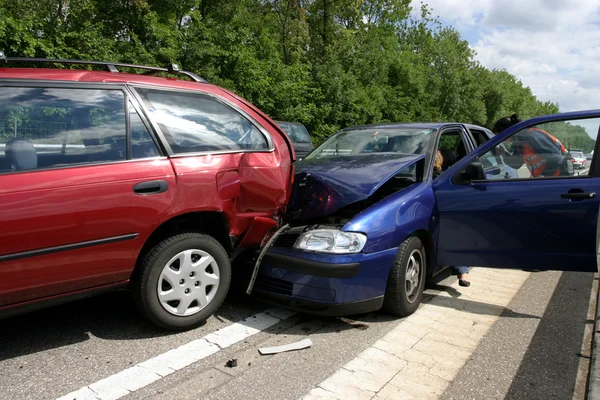
An accident has a way of shaking everything at once: your routine, your sense of control, even your confidence in what comes next. In Bothell, where daily life often feels steady and close-knit, such moments can feel even more disorienting. Recovery is not just about healing physically; it is about finding balance again when unexpected disruptions have affected your life. During this time, knowing what steps to take and how to protect your well-being becomes essential.
From seeking proper care to understanding your rights, each decision plays a role in how smoothly that journey unfolds. Support, both medical and legal, can bring a sense of direction when everything feels uncertain. For those trying to move forward after such an experience, seeking justice for your Bothell car case can help restore that sense of fairness, ensuring that recovery is not faced alone but guided with clarity, care, and the reassurance that your path ahead is being protected.
Understanding the Value in Being Treated Well
All the injured deserve to be treated with respect and fair consideration, not only in receiving the right medical treatment but also in being listened to and supported. Approaching recovery with care and precision restores identity, confidence, and power to the individual. By prioritizing fairness, you reduce stress and ultimately recover faster, both physically and mentally.
Seeking Immediate Medical Attention
Prompt post-accident care significantly influences long-term recovery. Doctors can evaluate for hidden injuries and forestall complications. An examination shortly after the event provides an official record of the event. This will also provide proof to establish with the third party in the future that the accident did indeed occur. Effective record-keeping starts from the very beginning and allows for transparency and justice throughout the process.
Documenting the Recovery Process
Keeping records of injuries, treatments, and difficulties is crucial evidence. Keeping receipts, prescriptions, and medical reports organized helps with your case for fair compensation. Journals or logs documenting pain, capabilities, or improvements enable medical teams to provide more pertinent care. Having a record builds belief in what is needed for recovery as well.
Understanding Legal Rights and Resources
Most people do not know what they are legally entitled to when they are involved in an accident. Understanding and awareness of these rights will help safeguard interests and allow for fair treatment. Reaching out to a legal expert can help clarify jargon and provide an overview of your options. This allows professionals to assist with paperwork, deadlines, negotiations, and other stresses of the process.
Communicating Clearly
Now, negotiating with insurance is always the hardest. The need to claim your interest in a prompt when filing claims. Providing all necessary assets and responding promptly to requests can help avoid these delays. However, in the event of a disagreement, a civil factual discourse can get the matter sorted out quickly. The right information and clear communication promote fair settlements that help in efficient recovery.
Comprehensive Medical Treatment
This injury is not visible yet, so not all of them. Some conditions are slowly progressing and require ongoing care. Considering more tests or referrals ensures that no aspect of health is overlooked. Demanding full treatment plans mitigates conditions from becoming more complex over time. Healthcare professionals should listen, respond to concerns, and treat everyone equally.
Building a Support Network
Specific issues related to education, support, and understanding can also hinder the process, so finding those with experiences similar to your child’s, along with family and professional guidance, could be ideal. After someone has gone through a traumatic experience, emotional support can help them heal and rebuild their confidence. The best thing about these, however.
Mental and Emotional Well-Being
Emotional destruction may not compare to physical injuries, although it often does. It is completely natural to feel anxious, sad, or frustrated after an accident. Mental health professionals can help with coping methods and with accepting the new limits you have. Mindfulness exercise, therapy, or group therapy sessions are all components of a positive recovery process.
Monitoring Progress and Adjusting Plans
Mental health recovery is usually a non-linear process. Regular check-ins with health care providers ensure that the treatment is working. Since healing is ongoing, changes to medication, therapy, or schedules might be needed. Direct communication with the treating teams can alert doctors to problems or other potential issues early on.
Conclusion
Recovering from the accident within your rights involves using knowledge, a bit of effort, and determination. Awareness of their rights, the need for development-oriented health care, and the importance of community- and family-based support help protect their interests. With consistent effort, effective communication, and a thick skin, you will find the path to a healthier, more confident future. Everyone should be treated fairly throughout their recovery.