Home Blog Page 128

Miller Industries Becomes Official Towing and Recovery Equipment Partner of NASCAR

DAYTONA BEACH, Fla. (Jan. 29, 2026) – NASCAR announced today that Miller Industries Inc. (NYSE: MLR), the world’s leading manufacturer of towing and recovery equipment, has strengthened their presence in the sport and agreed to a long-term deal to serve as the Official Towing and Recovery Equipment Provider of NASCAR. Under the agreement, Miller Industries will provide NASCAR with a complete fleet of towing and recovery equipment to utilize at national series events across the country, building upon a long-standing relationship and expanding its support across the sport.

“Having the right equipment in place is essential for maintaining a safe, efficient, and competitive racing product,” said John Probst, NASCAR Executive Vice President and Chief Racing Development Officer. “The best-in-class towing and recovery solutions from Miller Industries will play a key role in supporting our on-track operations and ensuring a consistent standard across our NASCAR national series races.”

Since the company’s inception in 1990, Miller Industries has provided innovative, high-quality towing and recovery equipment worldwide for commercial, municipal, and military applications. As the World’s leader in towing and recovery equipment, Miller Industries provides a complete line of quality equipment including carriers up to 30 feet in length with deck capabilities of up to 40,000 lbs. and towing recovery units with boom capacities of 100 tons.

Backed by industry-leading brands including Century, Vulcan, Chevron, Holmes, Boniface, Jigé and Omars, Miller Industries operates with a high standard of excellence across every product it delivers. By supplying NASCAR with a full fleet of best-in-class towing and recovery equipment, Miller Industries will help ensure efficient incident response, enhanced safety, and operational consistency for the sport, its teams, and fans. This expanded collaboration reflects a shared commitment to performance, reliability, and service excellence while positioning the partnership for continued success in the years ahead.

“We’re thrilled to join forces with NASCAR in a partnership that highlights the strength, resilience, and innovation of the towing and recovery industry,” said Kipp Felice, Vice President of Marketing at Miller Industries. “Together, we’re helping elevate operator awareness, safety initiatives, and the future of the towing and recovery profession.”

Miller Industries’ equipment will make its 2026 debut at NASCAR’s Cook Out Clash Weekend at Bowman Gray Stadium. Action begins this Saturday, Jan. 31, with the Cook Out Madhouse Classic, featuring two action-packed races featuring Bowman Gray Stadium’s modified and sportsman divisions. Then on Sunday, Feb. 1, the stars of the NASCAR Cup Series will take center stage in the Cook Out Clash, the annual preseason classic that sets the stage for the DAYTONA 500 and the 2026 season.

About Miller Industries Inc.
Miller Industries, the World’s Largest Manufacturer of Towing and Recovery Equipment, was founded in 1990. Since its inception, the company has provided innovative high-quality towing and recovery equipment worldwide. Listed as “MLR” on the New York Stock Exchange, Miller Industries has a total of four manufacturing facilities in the United States, one in the United Kingdom, and one in France.

For more information, please visit www.millerind.com.

About NASCAR
The National Association for Stock Car Auto Racing (NASCAR) is the sanctioning body for the No. 1 form of motorsports in the United States and owner of 14 of the nation’s major motorsports entertainment facilities. NASCAR sanctions races in three national series (NASCAR Cup Series™, NASCAR O’Reilly Auto Parts Series™, and NASCAR CRAFTSMAN Truck Series™), four international series (NASCAR Brasil Series, NASCAR Canada Series, NASCAR Euro Series, NASCAR Mexico Series), four regional series (ARCA Menards Series, ARCA Menards Series East & West and the NASCAR Whelen Modified Tour) and a local grassroots series (NASCAR Advance Auto Parts Weekly Series). The International Motor Sports Association™ (IMSA®) governs the IMSA WeatherTech SportsCar Championship™, the premier U.S. sports car series. NASCAR also owns Motor Racing Network, Racing Electronics, and ONE DAYTONA. Based in Daytona Beach, Florida, with offices in five cities across North America, NASCAR sanctions more than 1,200 races annually in 11 countries and more than 30 U.S. states.

For more information visit www.NASCAR.com and www.IMSA.com, and follow NASCAR on Instagram, YouTube, TikTok, X and Facebook.

NHRA TO HONOR ICONIC JOHN FORCE IN 2027 WITH “50 YEARS OF FORCE” CELEBRATION FOLLOWING 75TH ANNIVERSARY SEASON

INDIANAPOLIS (Jan. 29, 2026) – Even as NHRA prepares to celebrate its 75th anniversary season in 2026 and highlight some of the sport’s biggest legends, the 2027 season is already shaping up for another year-long epic celebration with one of motorsports’ most iconic figures.

NHRA announced today that the 2027 season will honor the sport’s winningest star, legendary 16-time Funny Car world champion John Force, with a year-long “50 Years of Force” celebration at each stop on the NHRA Mission Foods Drag Racing Series tour.

To be part of “50 Years of Force,” fans can renew their tickets onsite for a 2027 race throughout the upcoming 75th anniversary year in 2026, which features 20 races across the country. Fans who renew their tickets onsite will also receive a special commemorative 16-time championship ring honoring the Hall of Fame legend.

“John Force is a true icon in motorsports and a name synonymous with NHRA Drag Racing, and celebrating ’50 Years of Force’ in 2027 will be a tribute to one of the most influential figures our sport has ever seen,” NHRA President Glen Cromwell said. “Coming off what’s going to be an absolutely huge year in 2026 with our 75th anniversary, we encourage all of our fans to renew their tickets for 2027 to be part of this unforgettable celebration.

“John’s passion, competitiveness and larger-than-life personality helped shape NHRA for the past five decades, captivating generations of fans. John has had a lasting impact on our sport and the entire racing community, and we can’t wait to follow up this milestone year in 2026 with a year-long tribute to him in 2027.”

Force recently announced his retirement from drag racing at the end of the 2025 season, closing out one of the most successful careers in motorsports history. The massive fan-favorite put together a remarkable run on the track, winning an incredible 16 world championships in the Funny Car ranks and rolling to 157 victories.

Those are both NHRA records, as are the nearly 1,500 rounds wins for the multi-time Hall of Famer. One of the great personalities in NHRA history, Force was an instrumental figure in NHRA’s growth and was named the No. 2 driver in NHRA’s Top 50 racers list in 2000.

A dominant figure in the sport for five decades, Force holds an abundance of records and accomplishments, while his John Force Racing team continues to have immense success. As a team, John Force Racing has won 24 championships, featuring a plethora of stars over the years, including Force’s daughters, Ashley, Courtney and Brittany. Heading into the 2026 season, JFR’s four-car team consists of Jack Beckman, Josh Hart, Alexis DeJoria and Jordan Vandergriff.

The buildup to “50 Years of Force” will take place throughout the 2026 season, giving fans a chance to renew tickets to 2027 events and receive the commemorative John Force 16-time championship ring. The 2027 season will also give fans a chance to celebrate Force, his incredible career and all the moments that have made his career so legendary.

Additional details on “50 Years of Force” – including special displays, appearances, celebrations of his major accomplishments and moments, and other special items – will be released throughout the 75th anniversary season in 2026.

For more information about the NHRA, including the full 2026 schedule, visit www.NHRA.com.


About Mission Foods

MISSION®, owned by GRUMA, S.A.B. de C.V., is the world’s leading brand for tortillas and wraps. MISSION® is also globally renowned for flatbreads, dips, salsas and Mexican food products. With presence in over 112 countries, MISSION® products are suited to the lifestyles and the local tastes of each country. With innovation and customer needs in mind, MISSION® focuses on the highest quality, authentic flavors, and providing healthy options that families and friends can enjoy together. For more information, please visit https://www.missionfoods.com/

About NHRA

NHRA is the primary sanctioning body for the sport of drag racing in the United States. NHRA presents 20 national events featuring the NHRA Mission Foods Drag Racing Series and NHRA Lucas Oil Drag Racing Series, as well as the NHRA Pro Mod Drag Racing Series and NHRA Flexjet Factory Stock Showdown™ at select national events. NHRA provides competition opportunities for drivers of all levels in the NHRA Summit Racing Series and NHRA Street Legal™. NHRA also offers the NHRA Jr. Street® program for teens and the Summit Racing Jr. Drag Racing League® for youth ages 5 to 17. With more than 100 Member Tracks, NHRA allows racers to compete at a variety of locations nationally and internationally. NHRA’s Youth and Education Services® (YES) Program reaches over 30,000 students annually to ignite their interest in automotive and racing related careers. NHRA’s streaming service, NHRA.tv®, allows fans to view all NHRA national events as well as exclusive features of the sport. In addition, NHRA owns and operates three racing facilities: Gainesville Raceway in Florida; Lucas Oil Indianapolis Raceway Park; and In-N-Out Burger Pomona Dragstrip in Southern California. For more information, log on to www.NHRA.com, or visit the official NHRA pages on Facebook, Instagram, Twitter, and YouTube.

IKEA, Best Buy Partner with Hocevar, Spire Motorsports for Daytona CRAFTSMAN Truck Series Tilt

MOORESVILLE, N.C. (January 29, 2026) – IKEA and Best Buy, two iconic global retailers, will serve as co-primary sponsors aboard Spire Motorsports’ No. 77 Chevrolet Silverado RST with driver Carson Hocevar at the controls for the NASCAR CRAFTSMAN Truck Series season opening Fresh From Florida 250 at Daytona (Fla.) International Speedway.

In 2025, Best Buy and IKEA partnered to open their first‑ever “IKEA at Best Buy” planning and shopping experiences in select stores across Texas and Florida, combining the latest and greatest major appliances from Best Buy with IKEA’s well‑designed, functional and affordable home furnishings. As both brands continue to build momentum through their partnership, they are excited to come together again in a new way alongside Spire Motorsports.

Hocevar is a five-time CRAFTSMAN Truck Series race winner and the 2024 NASCAR Cup Series Rookie of the Year. The Portage, Mich., native earned his most recent CRAFTSMAN Truck Series checkered flag in last May’s Heart of America 200 at Kansas Speedway.

In 2025, he tallied one pole position, two top-five and nine top-10 finishes, including runners-up finishes at Atlanta Motor Speedway and Nashville (Tenn.) Superspeedway during his sophomore season on NASCAR’s senior circuit.

“Ultimately, it’s super cool to represent two major brands that I’m familiar with and have strong connections to the NASCAR fan base,” said Hocevar. “My first time ever building furniture was an IKEA set, and I obviously play a lot of video games and get my electronics from Best Buy. To have both of them connected and riding with me on the No. 77 Silverado at Daytona is really special. I’ve enjoyed watching the Spire Motorsports trucks there the last two years, and I’m excited to be part of it now.”

Hocevar’s impressive and rapid development at the sport’s highest level, positions him as an ideal ambassador for both brands with a keen eye toward IKEA and Best Buy’s focus on innovation, performance and long-term fan engagement.

Hocevar has logged 81 career CRAFTSMAN Truck Series starts including one pole, 22 top five and 32 top 10s. On the NASCAR Cup Series side of the ledger, he’s also notched 81 starts where he’s recorded one pole, three top-five and 15 top-10 finishes.

This partnership offers another opportunity for Best Buy and IKEA to spotlight their growing relationship as they engage with NASCAR fans on one of the sport’s biggest stages.

The Fresh From Florida 250 from Daytona International Speedway will be televised live on FS1 Friday, February 13, beginning at 7:30 p.m. Eastern Daylight Time. The first of 25 on the 2026 NASCAR CRAFTSMAN Truck Series calendar will also be broadcast live on the NASCAR Racing Network and SiriusXM NASCAR Radio, Channel 90.

About IKEA…
At IKEA, the vision is to create a better everyday life for the many people by offering well-designed, functional and affordable, high-quality home furnishing, produced with care for people and the environment. Ingka Group (Ingka Holding B.V. and its controlled entities) is one of 12 different groups of companies that own and operate IKEA retail under franchise agreements with Inter IKEA Systems B.V. Ingka Group has three business areas: IKEA Retail, Ingka Investments and Ingka Centres. Ingka Group is a strategic partner in the IKEA franchise system, operating 375 IKEA stores in 30 countries – including 51 retail locations in the U.S.

For more information on IKEA U.S., see IKEA.US, @IKEAUSANews, @IKEAUSA or IKEAUSA on Facebook, YouTube, Instagram and Pinterest.

About Best Buy…
Best Buy (NYSE: BBY) is the largest specialty consumer electronics retailer in North America. Our purpose is to enrich lives through technology, which we do by providing our customers a unique mix of advice, products and services in our stores, online, and in homes. Our expert associates advise customers on our curated assortment of the latest, name-brand technology, while our highly trained services teams help with designs, consultations, delivery, installation, tech support and repair. We generated more than $41.5 billion of revenue in fiscal 2025, operate more than 1,000 retail stores in North America, and have more than 80,000 employees. For more information, visit corporate.bestbuy.com and investors.bestbuy.com.

About Spire Motorsports …
Spire Motorsports fields full-time entries in the NASCAR Cup Series, NASCAR CRAFTSMAN Truck Series and High Limit Racing.

The team, co-owned by longtime NASCAR industry executive Jeff Dickerson and TWG Motorsports CEO Dan Towriss, earned its inaugural NASCAR Cup Series victory in its first full season of competition when Justin Haley took the checkered flag in the Coke Zero Sugar 400 at Daytona (Fla.) International Speedway on July 7, 2019. Less than three years later, William Byron drove Spire Motorsports’ No. 7 Chevrolet Silverado to its inaugural NASCAR CRAFTSMAN Truck Series win on April 7, 2022, at Martinsville (Va.) Speedway. The team’s most recent win came on May 30, 2025, when Rajah Caruth took the checkered flag in the Rackley Roofing 200 at Nashville Superspeedway.

In 2026, Spire Motorsports will campaign the Nos. 7, 71 and 77 Chevrolet Camaro ZL1s in the NASCAR Cup Series and the Nos. 7 and 77 Chevrolet Silverado RSTs in the NASCAR CRAFTSMAN Truck Series. The Mooresville, N.C., organization will also field the No. 77 410 sprint car in High Limit Racing competition.

Sell Your Car in 24 Hours in Flanders: Step-by-Step Guide

Selling a car can often feel overwhelming, especially when time is limited. From finding buyers to negotiating prices and completing paperwork, the process may seem slow and stressful. However, if done correctly, it is absolutely possible to Verkoop je auto binnen 24 uur in Vlaanderen ( sell your car in 24 hours in Flanders, Belgium ) without compromising on safety or value.

Flanders has a well-developed automotive resale market, with professional buyers, auto dealers, and online platforms that specialize in fast transactions. Whether you are selling a personal vehicle, a company car, or an older model, the right approach can help you complete the sale within a single day.

This guest post provides a detailed, step-by-step guide to help car owners understand the process, avoid common mistakes, and successfully sell their car within 24 hours in cities such as Gent, Aalst, Antwerp, Sint-Niklaas, and Mechelen.

Why Selling a Car Quickly Is Common in Flanders, Belgium?

Many people assume that selling a car quickly means accepting a low price. In reality, fast car sales are common in Flanders, Belgium due to strong market demand and the availability of professional buyers.

Common Reasons People Want to Sell Their Car Fast

Car owners may need to sell their vehicle quickly for several reasons, including:

In Flanders, Belgium, services offering auto verkopen zonder keuring (selling a car without inspection) are especially popular. These services remove delays caused by technical checks or repairs, allowing sellers to move forward quickly.

  • Relocating to another city or country
  • Purchasing a new or upgraded vehicle
  • Needing immediate cash
  • Avoiding repair or maintenance costs
  • Selling a vehicle that is no longer in use
  • Ending a lease or business vehicle agreement

Is It Really Possible to Sell Your Car in 24 Hours?

Yes, it is entirely possible to sell your car in 24 hours, provided you are prepared and choose the right selling method.

Fast sales usually happen when:

  • The car is priced realistically
  • The seller works with trusted auto buyers
  • Paperwork is ready
  • The vehicle is presented clearly and honestly

Professional auto buyers and car dealers often have systems in place that allow valuation, inspection, payment, and ownership transfer to happen on the same day.

Understanding the Car Selling Process in Flanders, Belgium

Before starting the sale, it is important to understand how the process works. Knowing each step helps you avoid delays and ensures a smooth transaction.

Key Steps in the Car Selling Process

  1. Car Valuation: Determining the market value of your vehicle
  2. Finding a Buyer: Contacting trusted buyers or platforms
  3. Inspection: A quick check of the vehicle’s condition
  4. Negotiation: Finalizing the agreed price
  5. Paperwork: Completing legal ownership transfer
  6. Payment: Receiving cash or bank transfer

If each step is handled efficiently, the entire process can be completed within 24 hours.

Typical Timeline for Selling a Car in Flanders, Belgium

StepEstimated TimeDescription
Car valuation1–2 hoursOnline tools or dealer valuation
Finding a buyer2–6 hoursAuto buyers or local platforms
Inspection & negotiation1–2 hoursQuick vehicle check
Paperwork & payment1–2 hoursTransfer and payment
Total Time24 hours or lessSame-day sale possible

Step-by-Step Guide to Sell Your Car in 24 Hours

1. Prepare Your Car for Sale

Preparation plays a major role in how fast your car sells and at what price. Even simple steps can improve buyer confidence.

What you should do:

  • Wash the exterior and clean the interior
  • Remove all personal belongings
  • Check basic fluids and tire condition
  • Fix minor visible issues if possible
  • Gather service history and documents

A clean and well-presented car often receives better offers and faster responses.

2. Get a Fair and Quick Valuation

Knowing your car’s value helps you avoid underpricing or unrealistic expectations.

Ways to get a valuation:

  • Online car valuation tools
  • Local auto buyers
  • City-specific services such as Auto verkopen Gent or Auto verkopen Aalst

Buyers usually assess:

  • Vehicle age
  • Mileage
  • Overall condition
  • Brand and model demand
  • Market trends in Flanders,Belgium

Getting multiple offers ensures transparency and helps you choose the best option.

3. Choose the Right Buyer

Selecting the right buyer is the most important step if your goal is speed.

Best options for fast sales include:

  • Professional auto opkopers
  • Car buying companies
  • City-based car-selling platforms
  • Export-focused buyers

Professional buyers often:

  • Offer same-day pickup
  • Handle paperwork
  • Provide instant payment
  • Buy cars in any condition

This makes them ideal for sellers who want to sell their car in 24 hours.

4. Schedule Inspection and Pickup

Most professional buyers conduct a short inspection before confirming the deal. This is usually quick and straightforward.

Inspection typically includes:

  • Exterior condition
  • Engine performance
  • Mileage verification
  • Basic functionality

Many buyers offer home inspection and pickup, saving time and effort.

5. Complete Paperwork and Receive Payment

Once the price is agreed, paperwork and payment are completed.

Documents usually required:

  • Vehicle registration papers
  • Identity verification
  • Ownership transfer forms

Payment is often made via:

  • Instant bank transfer
  • Cash (depending on buyer policy)

Once payment is received, the sale is officially complete.

Best Places to Sell Your Car in Flanders, Belgium

Flanders,Belgium has multiple reliable options for fast car selling.

  • Auto opkopers: Buy cars for resale or export
  • Professional car buying companies: Handle everything end-to-end
  • Local city platforms: Faster response due to location focus

Pricing Your Car Correctly for a Fast Sale

Pricing is critical when selling quickly. A realistic price attracts serious buyers immediately.

Factors That Affect Car Value

FactorImpactExplanation
AgeHighNewer cars sell faster
MileageMediumLower mileage increases value
ConditionHighClean cars attract better offers
Market demandMediumPopular models sell quickly
ExtrasLow–MediumService history adds value

Avoid overpricing, as it can delay offers and reduce buyer interest.

Tips to Sell Your Car Faster Without Losing Value

Presentation Matters

A well-presented car builds trust. Cleanliness, clear photos, and honest details speed up the process.

Advertise Smartly

If needed, use local platforms, but professional buyers often eliminate the need for advertising.

Work With Trusted Buyers

Professional buyers reduce risk, save time, and handle documentation efficiently.

Be Flexible but Realistic

Quick sales sometimes involve slight price adjustments. Consider speed and convenience as part of the value.

Common Mistakes to Avoid When Selling Your Car Fast

Even experienced sellers can make mistakes that slow down the process.

Avoid the following:

  • Overpricing the vehicle
  • Missing or incomplete paperwork
  • Ignoring inspection requirements
  • Dealing with unverified buyers
  • Poor car presentation

Using professional services minimizes these risks.

Benefits of Selling Your Car Within 24 Hours

Selling quickly offers several advantages:

  • Immediate cash access
  • No long waiting periods
  • Reduced negotiation stress
  • No advertising costs
  • Faster ownership transfer

For many sellers, speed and convenience outweigh the effort of waiting weeks for a private buyer.

Conclusion

Selling a car quickly in Flanders,Belgium, is not only possible but also practical when done correctly. With proper preparation, fair pricing, and the support of trusted buyers, anyone can sell their car in Flanders,Belgium 24 Hours without unnecessary stress.

Cities like Gent, Aalst, Antwerp, Sint-Niklaas, and Mechelen offer strong buyer demand, making same-day sales achievable. By understanding the process, avoiding common mistakes, and choosing professional services, sellers can complete the transaction safely and efficiently.

If time matters, working with experienced auto buyers is the smartest way to achieve a fast and smooth sale.

FAQs

Q1: Can I really sell my car in 24 hours in Flanders, Belgium?

Yes. With professional buyers and prepared documents, many sellers complete the sale within one day.

Q2: Do I need to repair my car before selling it fast?

Not necessarily. Many buyers purchase cars as-is, especially under auto verkopen zonder keuring services.

Q3: Is selling to professional buyers safe?

Yes. Trusted buyers handle paperwork legally and provide secure payment methods.

Q4: Which cities in Flanders,Belgium, allow fast car sales?

Gent, Aalst, Antwerp, Sint-Niklaas, and Mechelen all have active buyers.

Q5: Will I get a lower price if I sell fast?

Not always. Fair market pricing and strong demand often result in competitive offers.

Hendrick Motorsports Media Advance: Bowman Gray

Bowman Gray Stadium
Sunday, Feb. 1
0.25-Mile Oval
8 p.m. ET
Location: Winston-Salem, North Carolina
TV: Fox
Event: NASCAR Cup Series Clash
RADIO: SiriusXM

5 KYLE LARSON
Age: 33 (July 31, 1992)
Hometown: Elk Grove, California
Last Week: N/A
Crew Chief: Cliff Daniels
Standings: N/A

No. 5 HENDRICKCARS.COM Chevrolet

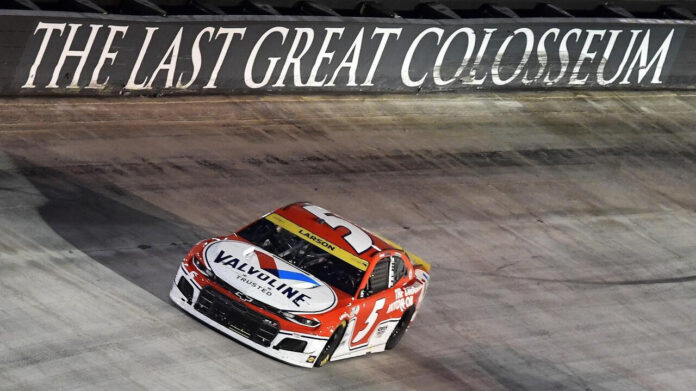
  • Kyle Larson and the No. 5 HENDRICKCARS.COM Chevrolet team enter the 2026 campaign as reigning NASCAR Cup Series champions.
  • During the 2025 season, Larson delivered three wins, 15 top-five finishes and 22 top 10s with 1,100 laps led and 10 stage victories across 36 starts.
  • Via his championship last season, the 33-year-old driver is the only driver that is locked into the 2026 Clash at Bowman Gray Stadium. Competitors qualify for the main event by finishing in the top five in one of four heat races Saturday night while two more spots are earned via last chance qualifier on Sunday. A 23rd spot is reserved for the driver who finished highest in points in 2026 who did not qualify otherwise.
  • In the 2025 Clash, Larson and the No. 5 team won the last chance qualifier.
  • The Elk Grove, California, native is one of two drivers to finish in the top five in all three Clashes run at the Los Angeles Coliseum.
  • Larson has logged 407 laps in the top 10 during the Clash on a quarter-mile track, fifth among active drivers.

9 CHASE ELLIOTT
Age: 30 (Nov. 28, 1995)
Hometown: Dawsonville, Georgia
Last week: N/A
Crew Chief: Alan Gustafson
Standings: N/A

No. 9 NAPA Auto Parts Chevrolet

  • Chase Elliott returns for his 11th full-time season in the NASCAR Cup Series in 2026. It marks the 22nd for crew chief Alan Gustafson.
  • This weekend, the series takes on Bowman Gray Stadium for the Clash exhibition race for the second consecutive year. In 2025, Elliott started from the pole after winning his heat race. He led 171 of 200 laps in the main event, taking the checkered flag for his first career Clash victory.
  • Elliott also competed at the North Carolina short track in the ARCA East Series in 2011 and 2012, finishing 18th and sixth, respectively.
  • Overall, Elliott ended 2025 with the second-best average finish (12.6) among full-time premier series drivers. He had two points-paying wins (Atlanta Motor Speedway and Kansas Speedway), 11 top-five finishes, 19 top 10s and led 454 laps. Elliott advanced to the Round of 8 in the playoffs, finishing eighth in points.
  • The Dawsonville, Georgia, native won the 2025 National Motorsports Press Association’s Most Popular Driver award, marking his eighth straight season earning the honor.

24 WILLIAM BYRON
Age: 28 (Nov. 29, 1997)
Hometown: Charlotte, North Carolina
Last Week: N/A
Crew Chief: Rudy Fugle
Standings: N/A

No. 24 Valvoline Chevrolet

  • William Byron and the No. 24 team won the 2025 NASCAR Cup Series regular season championship and earned their third consecutive Championship 4 appearance after three wins, 11 top fives, 16 top 10s and 1,330 laps led. He finished fourth in points.
  • To kick off 2026, Byron and the Cup Series head to Bowman Gray Stadium for the second time for the NASCAR Clash.
  • Byron, like the rest of the field, got his first Cup Series start at Bowman Gray last year in the Clash where he advanced out of his heat race, starting 11th for the main event.
  • Other than last year’s Clash, the Charlotte, North Carolina, native raced at Bowman Gray in the ARCA East Series in 2015, scoring a 15th-place finish.
  • Before the Clash was moved to Bowman Gray it was held for three years at the LA Coliseum, also a 0.25-mile venue. Over that trio of starts, the 28-year-old driver made the main event each year and had a 5.78 average running position (second best) and an average finish of 8.67.

48 ALEX BOWMAN
Age: 32 (April 25, 1993)
Hometown: Tucson, Arizona
Last Week: N/A
Crew Chief: Blake Harris
Standings: N/A

 No. 48 Ally Chevrolet

Alex Bowman returns as the driver of the No. 48 Ally Chevrolet for the ninth consecutive season in the NASCAR Cup Series with Hendrick Motorsports.
In the 2025 inaugural Clash at Bowman Gray Stadium, the No. 48 team advanced to the main event after finishing fifth in their heat race.
Prior to last year’s event, the Tucson, Arizona, native raced at Bowman Gray Stadium in the ARCA East Series in 2011, where he finished 12th.
Blake Harris enters his fourth season with Bowman as crew chief on the No. 48 Ally Chevrolet. In the last three seasons, the duo has earned one win (Chicago Street Course, 2024), four poles, 17 top-five and 41 top-10 finishes.
Bowman and the No. 48 team closed out the 2025 season 13th in driver points with six top fives and 16 top-10 finishes. Bowman earned the final playoff spot on points, to make his second consecutive postseason appearance and fifth overall.

Hendrick Motorsports

  • Chase Elliott’s victory in last year’s Clash at Bowman Gray Stadium gave Hendrick Motorsports eight wins in the NASCAR Cup Series exhibition preseason opener, good enough for a tie for second all time.
  • The organization enters the 2026 season coming off its 15th championship in the premier series, won by Kyle Larson. Hendrick Motorsports is the all-time leader in titles as well as Cup Series points-paying wins (320).
  • Including the Clash, Cup Series All-Star Race and All-Star Open, and Duel at Daytona races, Hendrick Motorsports has recorded 40 victories in special non-points events, 11 more than any other team.
  • With a win, Elliott would become the fourth driver to win the Clash twice for Hendrick Motorsports, joining Ken Schrader, Jeff Gordon and Jimmie Johnson.

 QUOTABLE /

Kyle Larson, driver of the No. 5 Chevrolet, on preparing to open the 2026 NASCAR Cup Series season: “Offseasons are fun and give you the ability to refresh but as the new season approaches, I get really antsy and ready to go. I look forward to being around everybody again, getting into meetings and preparing for the race weekends and all of that. We’ll see what the weather is like, but either way we’ll be ready. I am just excited to get back to racing.”

Chase Elliott, driver of the No. 9 Chevrolet, looking back on last year’s Clash: “It was a really smooth weekend for us, and I think that was probably the biggest takeaway. Qualifying well sets you up well for your heat race. Got us into a great position to have good track position all night. I don’t necessarily think that’s the end-all be-all. I think Ryan (Blaney) debunked that with his performance in the main. But certainly it would nice to get off to a good start again this year and I think we can do that.”

William Byron, driver of the No. 24 Chevrolet, on the Clash at Bowman Gray Stadium: “This weekend brings a lot of unknowns especially with the way the weather is trending right now. I’m excited to get back on track though, whenever that may be. We’ve had a good offseason, and the team has been working hard for the season to start back up. We have a couple new teammates so this will be a good first step to make sure we’re all working on the same page.”

Alex Bowman, driver of the No. 48 Chevrolet, on the Clash at Bowman Gray Stadium: “I’m curious to see what’s going to happen this weekend. It’s definitely going to be cold; it was cold last year but not that cold. For me, it’s not that different. As a driver, we fight the heat all the time so it’s a nice change to drive when it’s cold. From the race team perspective, there are a lot of factors on the technical side that the team will have to fight with to try to keep things going through some really cold temperatures. I hope we can get it in; it’ll be interesting what shakes out, but whenever they let us back in the race car, I am excited to get going.”

2nd Annual HSR IMSA Classic Delivers an “Instant Classic” Saturday at the Rolex 24 At Daytona

  • 2026 HSR IMSA Classic Featuring Rolex 24 At Daytona Cars from 1990 – 2010 an All-Riley Prototype Top-Three Overall Sweep with Jim Matthews, Jim Farley and Todd Sloan
  • 2000 Dodge Viper GTS-R Captures HSR IMSA Classic GT Honors as Florent Moulin Scores Second Major HSR Victory at Daytona in a Row

DAYTONA BEACH, Florida (January 29, 2026) – The Second Annual Historic Sportscar Racing (HSR) IMSA Classic became an “Instant Classic” this past Saturday with a capacity field of memorable cars from IMSA’s past appropriately setting the stage for that afternoon’s start of the record-setting 64th running of the IMSA Rolex 24 At Daytona.

Early morning fog gave way to the day’s first beams of sunshine minutes before the scheduled 8:50 a.m. EST start and the quality field of historic cars and notable drivers capably shined in the spotlight for a featured 30 minute sprint witnessed by the already huge crowd of race fans and thousands of IMSA competitors and team members taking in some memorable sights and sounds from the past.

The top-three overall and Prototype class finishers alone well represented the race’s featured era that showcased authentic and period-correct Rolex 24 At Daytona sports cars between the years of 1990 – 2010.

The overall winner was the 1996 Riley & Scott Mk III now owned and driven by Jim Matthews. One of the best known Riley & Scotts, the car won both the Rolex 24 and 12 Hours of Sebring in 1996 and now has an IMSA Classic race victory in the current chapter of the car’s record book of achievements. Matthews, a Riley stalwart who campaigned both Riley & Scott open-top cars and Riley Daytona Prototypes in the prime of his racing career, called on Bill Riley and his championship-winning team to prepare the 1996 Mk III they all know well.

Matthews and Riley also played a role in the second-place finishing 2002 Riley & Scott Mk IIIC that Matthews also owns and didn’t hesitate to make available to Ford Motor Company CEO and avid HSR competitor Jim Farley. The two Rileys were the IMSA Classic pacesetters all weekend, and Matthews and Farley put the crowning touch on a fast and fun three days at Daytona International Speedway with the one-two finish.

Completing the Riley trifecta was multiple HSR Classic Endurance Championship presented by Mission Foods Run Group Champion Todd Sloan in his ex-Michael Shank Racing 2007 Riley XI Daytona Prototype.

Chip Vance actually made it four Rileys in the overall finishing order with a fourth-place run in his ex-SunTrust/Riley Motorsports Riley XI Daytona Prototype, but for a time even the Riley top three looked to be in jeopardy.

Driving his immaculate Iconic Racing 2000 Dodge Viper GTS-R in the GT division, frequent HSR competitor Florent Moulin moved into the top-three overall behind Matthews and Farley early in the race. Moulin was taking it to the majority of the Prototype ranks in the 8-liter V-10 powered Viper, but a fueling miscue stopped the charge but not his winning GT class bid. Moulin recovered to take IMSA Classic GT win, his second major triumph at Daytona in less than three months after driving the Viper to a Run Group victory this past November in the HSR Classic Daytona 24 Hour presented by Mission Foods.

The pristine Viper’s recent success at Daytona comes more than 25 years after the car finished fifth in the inaugural Grand-Am Rolex Sports Car Series Rolex 24 At Daytona in 2000.

Moulin completed the overall top-five behind the four Rileys and was followed to the line by winning HSR competitors Colin Dougherty and Cory Friedman. Dougherty, the 2023 HSR Driver of the Year, finished second in GT and sixth overall in his DAS Sport 2001 Porsche 996 GT3 RSR while Friedman took third and seventh outright in his 1995 No. 14 Autometrics Porsche 993 RSR.

Friedman and his father, Gordon Friedman, have been fixtures in both HSR and contemporary racing with Autometrics for well over 30 years. They campaigned in their primes several cars in the IMSA Classic featured 1990 – 2010 era, and Saturday’s GT podium Porsche was the same one the Autometrics team ran in the 2001 Rolex 24 At Daytona. It was the only air-cooled, normally aspirated Porsche competing that year, and one of the last of that legendary type and generation to run in the Rolex 24.

Jim Matthews, Driver – 1996 Riley & Scott Mk III: “This is a very special place and the 1996 car I would say is probably the most famous Riley, winning at Daytona and Sebring and racing at Le Mans. It actually has a little more power than the Riley IIIC because of the 1996 air restrictor rules versus 2002. Bill Riley and the team helped us all weekend, but Bill couldn’t be with us for the race because he was over getting ready for the Rolex 24 with his GTD Mustang.”

Jim Farley, Driver – 2002 Riley & Scott Mk IIIC: “It was great! I really enjoyed it and Saturday morning’s feature race was really different than Friday night under the lights. I just want to thank Riley, the whole team and Jim (Matthews) for the privilege of driving a piece of history. This is an experience I will always treasure always treasure. And what’s great about racing is that you are living in the moment, right here with everyone else that loves it. I am sure glad I am not playing golf! This Riley is a breakthrough car. It had a six-liter V8 engine, a very innovative rear suspension and was one of the first with paddle shifters. I think, as Americans, we should all be really thankful to the Rileys for producing this kind of stuff.”

Todd Sloan, Driver – 2007 Riley XI Daytona Prototype: “It was awesome to be out there with the other Rileys. Bill Riley is here, they build such great race cars, and I just feel so privileged to be here with all of the other competitors. It was an awesome race and an awesome experience. I can’t thank HSR enough. I want to thank my team and my crew. To be able to be here is just amazing. Driving under the lights on Friday night in practice too. It all just really makes the hair stand up on you. great, great event and we are very privileged to be here.”

Flourent Moulin, Driver – 2000 Dodge Viper GTS-R: “I was surprised by the pace of the car Saturday morning. I really, really pushed hard. I really cannot drive this thing faster. At some point I was in P3 overall but on the last lap I ran out of fuel! I managed to still make it to the finish line for GT. It is great. It is so fantastic to be here during the Rolex 24. Thank you so much to HSR. It is so nice and absolutely amazing.”

Next up on the 2026 HSR calendar is the start of right full-season championship schedule at Sebring International Raceway with the HSR Sebring Pistons and Props presented by Alan Jay Automotive Network, February 12 – 15. The popular Pistons & Props event makes a race date swap this year with the HSR Sebring Classic 12 Hour presented by Mission Foods, which returns to its traditional December date after one year running this past March the weekend before the Mobil 1 Twelve Hours of Sebring IMSA WeatherTech SportsCar Championship race.

About HSR: An International Motor Sports Association (IMSA) property, Historic Sportscar Racing (HSR) was formed in the mid-1970s with an event at Road Atlanta. There was one goal then and it remains true today: to celebrate the racing cars from the past. As a “time machine” of sights and sounds, HSR provides a venue for competitors and spectators alike to share in the wonderful history and excitement created by the cars that competed at race tracks around the world. HSR currently sanctions eight vintage and historic racing events at some of the world’s most renowned race tracks, including Road Atlanta, Sebring International Raceway, Daytona International Speedway and more. The complete schedule and full event information can be found on HSR’s website at www.HSRRace.com. Look for the HSR Channel on YouTube and follow HSR on Facebook at www.Facebook.com/HSRrace/ and on Twitter X at @HSR_race and Instagram @HistoricSportscarRacing.

Buying Your First Race Car: A Beginner’s Guide

Photo by Wes Tindel on Unsplash

Car racing is a big deal for millions of Americans. In 2025, for example, more than 7 million people watched the Indianapolis 500 on Fox. While not SuperBowl numbers at 127 million, it shows the sport still captivates a huge crowd.

It’s therefore not surprising that many people are not just content watching from the couch. They want to feel the helmet on, hands on the wheel, chasing apexes on asphalt. And that first step toward that dream looks simple enough: buying a first racing car.

But here is the catch. If you jump in without knowing what you’re doing, that dream can flip into a very expensive headache. Plenty of beginners have bought dedicated race cars only to end up selling them off the very next year. Why? They got overwhelmed by cost and frustration.

How do you avoid being in that group? Read on.

Don’t Make a Race Car Your First Car

Let me be just blunt. Buying a dedicated race car as your very first vehicle is a terrible idea.

The problems are just too many. First, you’re looking at a massive upfront cost. A typical race car will cost you between $12 to $15 million, according to estimates cited by USA Today. Of course, an older or used race car will cost much less, but you get the picture.

Second, these machines offer zero comfort. There’s no power steering to help you wrestle through corners. There’s no ABS to save you from locking up the brakes. There’s definitely no air conditioning.

Instead, start with something lower-powered but reliable. The idea is simple: learn to be fast in a slow car first.

Maintenance Costs Will Shock You

Here’s the truth not many people will tell you: racing is expensive. You may luck out and buy a race car cheaply, but the expenses pile up fast. Tires, brake pads, fluids, engines — everything gets worn way quicker on track than on the road. 

But no matter how expensive, you cannot shirk or skimp on maintenance. According to the team at Bergman’s Auto, keeping your car, whether it’s a daily driver, off-road rig, or race car, in top-notch condition will ensure its longevity and save you from surprise repair costs. 

What’s more? Should you ever decide to sell, a well-maintained car is far more likely to hold its value.

Safety Comes Before Speed

Next, understand that safety isn’t an upgrade. It’s the foundation. The message? Never, ever compromise here. 

Here’s the thing: a racing car is essentially a cage with an engine. The safety gear is what keeps you alive when things go wrong. It’s so important that the FIA recently updated several safety standards for competition cars, including stronger side impact protection. Many national and club racing bodies are expected to adopt their own technical rules.

Key safety equipment includes:

  • A professionally built roll cage.
  • An FIA-approved racing harness (watch those expiration dates).
  • A proper racing seat that fits your body.
  • Fire safety systems and a quality helmet.

Of course, all this stuff will all be expensive, but it’s the only part of the car that you’re literally betting your life on.

This is the big one, and a cause of problems for many people. Beginners often think they can drive their track car to the grocery store, for school runs, or even to the circuit. You can’t. 

Race cars aren’t meant to be driven on streets and regular highways. In fact, it’s illegal in many places. Why? Because they typically don’t have license plates, emissions compliance, turn signals, and so on.

If you buy a track race car, be prepared to also buy a trailer and a tow vehicle. 

If you cannot afford these extras or don’t have a place to keep a trailer, you might want to stick to a track-ready car that’s also legal for street use.

Buy, Don’t Build

You might think you’ll save money by building your own car. Well, that’s not exactly true. Building a car from scratch is a trap that leads to “project creep.” You will spend more on parts and tools than you would on a car that is already finished.

Of course, you can do it for your second or third car. Definitely not for a first.

Buy a ready-made race car, and you get a vehicle that is already compliant with the rules. If it’s used, it usually comes with a racing logbook, which is a history of its tech inspections. This can give you a massive head start.

Inspect It From Top to Bottom

Race cars are abused. Yes, they’re designed for it, but metal fatigues. So, when you go to look at one, be ruthless. Inspect the car from top to bottom.

  • Look for chassis cracks.
  • Check for leaks everywhere.
  • Ask for compression test results for the engine.
  • Check to see if the gearbox shifts smoothly under load.

If you’re not mechanically savvy, paying a trusted shop for a pre-purchase inspection is the best money you’ll ever spend. A red flag? A seller who gets defensive about an inspection. Walk away. 

The idea is to treat this process like you’re buying a used tool that must last. There’s no room for surprises.

The Finish Line

The world of motorsport is one of the most thrilling. The smell of race fuel, the camaraderie, the personal challenge, it’s unreal. 

But you don’t just enter into it like it’s just a regular hobby. You have to start things small, prioritize safety, and take time to actually learn the craft. Anything else, and you may end up making a mistake you’ll regret in one year. 

Top Reasons to Hire a Union Worker Injuries Lawyer in San Francisco, CA

Photo by depositphotos at https://depositphotos.com/

Working on a union job in San Francisco, CA comes with its own set of protections, but accidents can still turn a normal day upside down. One slip on a construction site, a mishap with machinery, or an unexpected fall can leave you facing medical bills, lost income, and confusion about what comes next. For union workers, the rules about reporting injuries, claiming benefits, and negotiating with employers can be complicated. 

That’s why knowing when to involve a professional is essential. Legal guidance ensures your rights are protected, and the benefits you deserve are within reach.

This guide outlines the main reasons union workers in the city seek legal counsel after an injury.

Understanding Your Rights as a Union Worker

Union workers enjoy protections not always available to non-union employees. Collective bargaining agreements, local labor laws, and union regulations all play a role in determining your benefits after an accident. However, these rules can be complex and are often specific to each union and employer.

Union worker injuries lawyer San Francisco, CA, can clarify your rights under these agreements. They explain what medical coverage, wage replacement, and rehabilitation benefits you are entitled to. They also help ensure you follow the proper procedures for filing claims and reporting injuries to your employer. Without this guidance, mistakes can easily reduce or delay the compensation you are owed.

Handling Insurance and Employer Challenges

Even with union protections, disputes can arise. Insurance companies may challenge the legitimacy of an injury, delay payments, or claim the accident was your fault. Employers might question the severity of the injury or refuse certain benefits.

A lawyer knows how to handle these challenges professionally. They communicate directly with insurers and employers, provide necessary documentation, and advocate for your case. Legal representation ensures that your claim is taken seriously and that your rights are defended every step of the way. Negotiating through these obstacles alone can be overwhelming and may reduce the compensation you ultimately receive.

Proper Documentation and the Evidence

Accidents need to be documented accurately for claims to succeed. Medical records, accident reports, and statements from coworkers or witnesses are all critical. Incomplete or missing evidence can lead to delays or denials.

An experienced union worker injury lawyer helps collect and organize this information. They know which details carry weight in negotiations or hearings and make sure nothing is overlooked. This preparation strengthens your claim and reduces the chances of unnecessary disputes or complications.

Maximizing Your Compensation

Recovering from a workplace injury often involves more than just covering immediate medical bills. Lost wages, ongoing treatment costs, and other financial impacts can quickly pile up. A lawyer ensures that all forms of compensation are considered and pursued.

They calculate the full extent of lost wages, including overtime and benefits, and help secure funds for medical care, rehabilitation, and other related expenses. Legal representation increases the likelihood that you receive the full compensation you deserve, rather than settling for less than what your injury truly costs.

Even with union protections, claims involve strict timelines and legal procedures. Filing deadlines, union-specific processes, and state or federal requirements must all be met. Missing a step can delay your benefits or even jeopardize your claim.

A lawyer guides you through each stage, ensuring that paperwork is completed correctly and deadlines are met. They act as a buffer between you and the bureaucracy of employers, unions, and insurers, reducing stress while keeping the claim on track.

Situations Where a Lawyer Will Become Essential

Certain situations make legal guidance particularly important:

  • Serious injuries that require long-term care
  • Disputed or any denied claims
  • Complex union rules or multiple parties involved
  • Delays in receiving your benefits
  • Questions about calculating wages, overtime, or benefits

Acting early in these cases increases the likelihood of a positive outcome and prevents mistakes that could affect your compensation. It’s recommended to reach out to professionals early. Many union workers in San Francisco, CA, seek legal advice and get legal help from Aghnami Law Group to make sure their rights are fully protected and the claims process goes smoothly.

Choosing the Right Union Worker Injuries Lawyer 

Not every lawyer handles union worker injuries with the same expertise. Look for someone experienced with local unions, familiar with San Francisco, CA, labor laws, and able to communicate clearly about your case. During consultations, ask about their experience with similar injuries, success rates, and how they approach negotiations with employers and insurers.

The right lawyer acts as an advocate, ensuring that your voice is heard and that your claim is treated fairly. They handle the technical aspects so you can focus on recovery, giving you confidence that your financial and legal interests are in capable hands.

Conclusion

Union worker injuries in San Francisco, CA, can bring unexpected challenges, from complex agreements to disputed claims and strict deadlines. Legal guidance provides clarity, protects your rights, and ensures that compensation covers all aspects of your injury. Seeking advice early is often the best step to avoid complications and reduce stress. 

Many workers in similar situations turn to a union worker injuries lawyer in San Francisco, CA, for support and guidance, ensuring their case is handled professionally and that they receive the benefits they deserve.

How to Keep Your Car Accident Claim Safe

Photo by depositphotos at https://depositphotos.com/

Car accidents are stressful enough, but navigating the legal side afterward can feel like an entirely different challenge. Your claim’s safety depends not just on luck but on careful steps taken right from the start. Knowing how to protect your rights and your evidence can make the difference between a smooth resolution and a long, frustrating process. 

This guide walks through essential steps to keep your car accident claim secure, from organizing evidence to working effectively with your attorney, so you can focus on recovery without unnecessary setbacks.

The first step after a car accident is to reach out to an auto accident injury lawyer. Experienced attorneys understand the complexities of insurance policies, liability rules, and filing deadlines. Early guidance ensures that nothing critical is missed, including evidence collection, witness statements, and communication with insurance companies. 

Your lawyer can explain the process clearly, helping you make informed decisions without being overwhelmed. Getting professional advice early gives your claim a solid foundation and reduces the risk of mistakes that could harm your case.

Step 2 – Gather and Organize Evidence

Strong evidence is the backbone of any car accident claim. Without it, even a straightforward case can face delays or denial. Collecting and organizing your materials early can save time and strengthen your position. Important items to gather include:

  • Police reports detailing the accident.
  • Medical records and treatment notes.
  • Photographs of the accident scene and vehicle damage.
  • Repair estimates and invoices.
  • Witness statements from anyone who saw the accident.
  • Video footage from traffic cameras or nearby security cameras.

Keeping this evidence in order makes it easier for your attorney to build a clear, compelling case. Use folders or digital files to ensure nothing gets lost or overlooked.

Step 3 – Maintain Accurate Medical Records

Your injuries are a central part of your claim. Keep detailed records of all medical visits, prescriptions, therapy sessions, and any ongoing symptoms. Even small details like follow-up appointments or recommended treatments are important. Accurate records show the full impact of the accident and help justify your compensation. Consistent documentation also prevents disputes with insurance companies, which may attempt to minimize your claim.

Step 4 – Communicate Carefully with Insurance Companies

Insurance adjusters often contact accident victims quickly. Be cautious in your responses. Avoid giving detailed statements about the accident until you have legal guidance. Stick to basic facts, and let your lawyer handle complex questions or requests for signed documents. Thoughtful communication prevents misunderstandings and protects your claim from being unintentionally weakened.

Step 5 – Track Expenses

Accidents can create unexpected costs beyond vehicle repair and medical bills. Keep a record of all related expenses, including transportation for medical visits, childcare during recovery, and temporary vehicle rentals. A complete record demonstrates the financial impact of the accident and supports your compensation claim.

Step 6 – Avoid Social Media Pitfalls

Insurance companies sometimes monitor social media activity to find reasons to reduce claims. Avoid posting about the accident, your injuries, or recovery online. Even casual remarks or photos can be misinterpreted. Keeping a low profile helps prevent disputes over the severity of your injuries or the impact on your daily life.

Step 7 – Stay Organized Throughout the Process

Organization is critical for managing your claim efficiently. Keep all documents and communications accessible and in order. Key items to track include:

  • Medical bills and treatment records.
  • Repair invoices and vehicle assessment reports.
  • Legal correspondence with your lawyer.
  • Insurance communication, including emails, letters, and notes from calls.
  • Accident-related receipts or expenses.
  • Any additional documentation supporting your claim.

Using folders or digital tools alongside physical binders ensures nothing gets misplaced and allows your attorney to access information quickly. Staying organized reduces stress and keeps the process moving smoothly.

Step 8 – Follow Your Attorney’s Advice

Your lawyer’s guidance is essential. Follow instructions regarding evidence, medical treatment, and communications. Attorneys know how insurance companies operate and which steps have the greatest impact on the success of your claim. Regular updates with your lawyer help you stay informed and avoid unnecessary mistakes that could compromise your case.

Step 9 – Monitor Deadlines

Filing deadlines are strict in car accident claims. Missing a critical deadline can prevent you from recovering compensation. Keep track of timelines for reporting the accident, submitting documentation, and responding to insurance inquiries. Your lawyer will help ensure that everything is submitted on time and in the correct format.

Step 10 – Be Patient and Persistent

Claims often take time to resolve. Patience and persistence are essential while navigating the process. Avoid rushing decisions or accepting quick settlements without understanding their implications. With careful preparation, organized evidence, and professional guidance from an auto accident injury lawyer, your claim is far more likely to reach a fair and just resolution.

Remember, Protecting Your Claim Is About Consistency

A car accident claim isn’t only about what happened in the crash. Every detail afterward matters. Keeping clear records, communicating carefully, and following your attorney’s guidance are all part of protecting your rights. These steps ensure your claim remains strong from start to finish. 

A thoughtful, organized approach increases the likelihood of a favorable outcome, letting you focus on recovery while your case progresses confidently and securely.

Forza Horizon 6 Progression, Career Tips, Credits, Economy, Driving & Tuning

Photo by depositphotos at https://depositphotos.com/

Forza Horizon 6, set to release on May 19, 2026, takes the festival to Japan with a strong focus on real-world car culture, dense cities, and technical mountain roads. The map combines large urban highways inspired by Tokyo’s C1 Loop, narrow neighborhood streets, rural highways, and classic touge mountain passes like Mount Haruna. Based on the latest developer details and how Horizon systems usually work in practice, here are clear, useful tips to help you progress faster and drive better from day one.

Progression & Career Tips

1. Climb the Wristband Ranks the Smart Way

Progression in Forza Horizon 6 is more structured than in previous games. You start as a “tourist” and must earn access to the main festival by winning Horizon Qualifiers. These lead to a wristband system, similar in spirit to Horizon 1 but expanded with modern open-world freedom.

Each wristband color unlocks new event types, higher-class races, and new regions of the map. The early ranks are designed around slower cars and simpler tracks. Do not rush through them with overpowered tunes or difficulty spikes. Use this stage to:

  • Learn how traffic behaves in dense city areas
  • Get used to narrow lanes and complex junctions
  • Practice braking points on downhill touge sections

When you finally reach the Golden Wristband, you unlock high-end championships and Legend Island, where S1 and S2 class cars dominate. The driving style required there is very different from early-game racing, so building solid fundamentals early pays off.

2. Focus on Car Classes, Not Just Power

Early progression is built around D and C class events. Many players make the mistake of upgrading a starter car too quickly into B or A class. This often causes:

  • Wheelspin on narrow roads
  • Poor braking control
  • Difficulty learning proper racing lines

Instead, keep one or two well-tuned cars per class. A balanced C-class hot hatch or lightweight sports coupe teaches throttle control and corner entry far better than a high-horsepower monster you cannot fully control yet.

3. Build and Use Your Estate

The new Estate system lets you create custom locations in the open world. These work as social hubs, tuning garages, and car display spaces. In practice, Estates are useful for:

  • Quickly swapping cars between different disciplines
  • Saving multiple tuning setups
  • Inviting friends to test cars on nearby roads

Place at least one Estate near a mountain area and one near the city loop. This saves fast travel time and lets you test handling in the environments that matter most.

Driving & Tuning for Japan

1. Learn the Rhythm of Touge Roads

Japanese mountain roads are narrow, uneven, and full of blind corners. Speed alone does not win here. What matters most is stability and predictable handling.

For touge-focused tunes:

  • Slightly soften suspension to absorb bumps
  • Increase rear downforce to prevent snap oversteer
  • Use shorter gear ratios for better uphill acceleration

Brake earlier than you think you need to. Many corners tighten suddenly, and the road camber can change mid-turn. A clean exit is more important than aggressive entry.

2. City Driving: Grip Over Top Speed

The Tokyo-inspired highway loops and dense districts reward grip and braking performance. Long straights exist, but traffic, ramps, and tight exits limit how often you can use full speed.

Prioritize:

  • Strong brakes
  • Medium-to-high downforce
  • All-wheel drive for consistency in traffic

High horsepower is useful, but only if you can control it when lanes narrow or obstacles appear.

3. Aero Is Not Just for S-Class

Even in A and B class, proper aero settings improve stability in fast sweepers and downhill sections. A small increase in front downforce can prevent understeer when turning into long curves on elevated highways. Rear aero helps keep the car settled when braking from high speed into hairpins.

4. Prepare for Moving Obstacles

Horizon Rush events introduce dynamic elements like moving barriers, vehicles, and shifting roadblocks. Until you fully memorize these patterns:

  • Keep braking line enabled
  • Use moderate traction control
  • Avoid ultra-stiff race suspensions

Once you know how obstacles behave, you can start turning off assists to gain more Credits and better lap times.

Forza Horizon 6 Credits and Progression Economy

Forza Horizon 6 Credits are still the backbone of everything: cars, upgrades, houses, and tuning. Efficient Credit management makes the difference between steady progress and constant grinding.

1. Understand How CR Multipliers Work

Difficulty settings, assist toggles, and clean driving all affect your Credit payout. You do not need to disable everything at once. A gradual approach works best:

  1. Start with full assists while learning new cars.
  2. Turn off stability control first.
  3. Reduce braking line usage once you memorize tracks.
  4. Increase Drivatar difficulty when you consistently place top three.

Each step boosts your Credit income without hurting consistency.

2. Event Lab Anywhere: Build Your Own Practice Routes

Event Lab Anywhere allows you to create and launch custom events from any point on the map. Smart players use this to:

  • Create short technical loops for handling practice
  • Design downhill touge runs for braking drills
  • Build highway sprint tests for top-speed tuning

These custom routes can also be optimized for clean, repeatable races that generate steady Forza Horizon 6 Credits without relying on exploit-style farming.

3. Strategic Car Collection Building

Do not try to own everything early. Focus on:

  • One strong C-class
  • One balanced B-class
  • One grip-focused A-class
  • One high-speed S1

This small, well-tuned garage covers most career events and keeps upgrade costs under control.

Online Play and Account Planning

As the community grows, many players will look at long-term progression and competitive setups. Whether you build everything yourself or start fresh later, understanding how systems scale is important.

Some players may also choose to start with a Modded Forza Horizon 6 Account that already includes unlocked cars and Credits, especially if they want to focus on tuning, online racing, or Event Lab creation instead of early career grinding. Platforms like U4N are commonly mentioned in the community when discussing safe marketplaces for game accounts and currencies, including Forza Horizon 6 Credits.

Regardless of your approach, learning the driving and tuning fundamentals first ensures you can actually use what you own effectively.

Economic Efficiency Tips

1. Premium Edition: Practical Value, Not Just Early Access

The Premium Edition offers:

  • 4-day early access
  • Two future expansions
  • A 30-car pass

If you know you will play long-term, this reduces overall spending and gives you earlier access to diverse car classes, which helps with tuning experiments and event variety.

2. Smart Assist Toggling for Higher Payouts

Instead of disabling everything at once, tailor assists per car:

  • Turn off traction control on AWD cars first
  • Keep ABS on for high-speed builds
  • Remove braking line only on tracks you know well

This balances safety with Credit bonuses.

3. Tune Once, Save Often

Save multiple versions of each tune:

  • Grip tune for rain and touge
  • Speed tune for highway races
  • Balanced tune for mixed events

Switching tunes is cheaper than rebuilding cars and helps you adapt to different race types without wasting Credits.

Summary

Forza Horizon 6 is built around technical driving, dense environments, and structured progression. Japan’s roads demand precision, not just speed. Focus on clean lines, stable tuning, and gradual difficulty increases. Manage your Forza Horizon 6 Credits wisely, build a small but effective garage, and use systems like Estates and Event Lab Anywhere to practice where it matters most.

Whether you start from scratch or later explore options related to your Forza Horizon 6 Account through services like U4N, the core skill that always matters is control. Learn the roads, respect the terrain, and let consistency—not raw horsepower—carry you through the festival.