Home Blog Page 237

CHEVROLET NCS AT DAYTONA: Duels Post-Race Report

NASCAR CUP SERIES
DAYTONA INTERNATIONAL SPEEDWAY
DAYTONA 500
TEAM CHEVY POST-DUELS REPORT
FEBRUARY 12, 2026

Team Chevy Unofficial Duel #1 Results

Pos. Driver

3rd – Austin Dillon

6th – Shane van Gisbergen

7th – Daniel Suarez

10th – Alex Bowman

11th – Cole Custer

17th – Cody Ware

18th – Kyle Busch

20th – AJ Allmendinger

21st – Ross Chastain

22nd – William Byron

Duel #1: Post-Race Driver Quotes

Austin Dillon, No. 3 Richard Childress Racing Chevrolet
Finished: 3rd

“Everyone at RCR and ECR Engines did a great job in the offseason. Our Bass Pro Shops/Winchester Chevrolet was fast tonight. The new Chevy Camaro has shown some speed for sure, and it’s nice to be able to shove a line. It’s been a while since I’ve been able to fight those Penske guys up there, and that was kind of fun tonight. We can work on some stuff to help me when getting pushed, but past that, really happy with the speed. The biggest thing for Sunday is to execute. I have to sharpen up some moves but it’s nice to have the feeling that you can go out there and play offense.”

Shane van Gisbergen, No. 97 Trackhouse Racing Chevrolet

Finished: 6th

“We obviously didn’t qualify as well as we would have liked. We missed it a little bit. But once the race started, our No. 97 SuperFile Chevy was really nice. We were just patient at the start; saving fuel and riding in the back being safe. Once we were ready to go, I could creep up the pack quite nicely. It was really fun to be competitive and put ourselves in a good spot. We got close to a couple of wrecks, but missed them. We had a good pit stop and it worked out really well. It’s a good starting spot for Sunday.”

Cody Ware, No. 51 Rick Ware Racing Chevrolet

Finished: 17th

“Just really proud of this team. We had a really fast No. 51 Jacob Construction Chevrolet for the DAYTONA 500 on Sunday. I got to really have my first race on a full-size track in a Chevrolet, so to be out there, know the horsepower and the speed, it was great. The car feels like it’s drafting really well, so I feel like we have all the pieces of the puzzle to go have a phenomenal Sunday afternoon.”

Kyle Busch, No. 8 Richard Childress Racing Chevrolet
Finished: 18th

“Thanks to the hard work of everyone at RCR and ECR we brought an extremely fast No. 8 zone Jalapeno Lime Chevrolet to Daytona and I’ll start the 500 on the pole for the first time in my career. While we didn’t get the finish in the Duels we wanted, we finished with a clean car and are ready to go chase a win that’s eluded me in 20 prior starts.”

Ross Chastain, No. 1 Trackhouse Racing Chevrolet

Finished: 21st

Chastain on how the new Chevy body felt:

“I got pushed really well. Chandler (Smith) pushed me early in the race, and yeah, it was better than in the past. I don’t know if that’s our rear tail or if he was just taking care of me, but I felt good.

We were all saving fuel during the first stint, and then when we went hard, I felt competitive around people. I got pushed better than I probably remember, but that’s also the first time I’ve been pushed in five-six months, so it’s been awhile.”

What happened there at the end?

“I don’t know. I just saw a car spinning and somebody ran into the back of me a couple of times. I was just slowing down and I got turned.”

Did you learn anything that you feel like will help you on Sunday?

“Not really, nothing crazy. The No. 1 Busch Light Chevy drove good. It seemed like it burnt through the tires evenly through that first fuel run.”

AJ Allmendinger, No. 16 Kaulig Racing Chevrolet

Finished: 20th

“It just looked like Corey (LaJoie) just got touched, nothing malicious. It looked like whoever was behind him, maybe the No. 7 (Daniel Suarez), was trying to push him and it just turned Corey straight up into me. I just happened to be the lucky guy that was right next to him when it happened. I thought I almost had it saved up on the banking, but when the banking caught it, it spun me back down. I don’t know how much damage is on the car. I didn’t really get hit a lot. Maybe the splitter is going to have to be redone, but we’ll see. Unfortunately, I got hit right at the end in the back of the car that did some damage. Just tried to play it smart and be there at the end, like usual, but it’s just kind of the way it’s going here.”

William Byron, No. 24 Hendrick Motorsports Chevrolet

Finished: 22nd

Byron on the incident that ended the No. 24 team’s night early in Duel #1:

“I felt like I was in a good spot and moving forward in the middle. The No. 23 (Bubba Wallace) got squirrely on the bottom. It looked like he kind of saved it, I’m not exactly sure. And then, whoever was next to me, hit me in the left rear. I kind of straightened it out against the wall, and then they hit me again and I spun.

It’s just a bummer. We’ve won this race with a backup car, so I’m not super worried on that aspect. But it does suck that you put a lot of work into the primary and you don’t get to race it. Maybe we will, who knows. In front of the left rear tire, it was pretty hurt, so I don’t know if that’s fixable. But we’ll see. It just stinks to start in the back and not get the points tonight, but we’ll just move on and get ready for Sunday.”

Did you learn anything on the new Chevy body?

“I didn’t really push or get pushed as much as I would have liked to. Honestly, it looked like a lot of the cars were just super unstable getting pushed. I noticed that from the beginning. It just seemed like guys were moving around a lot. My car felt fine, but yeah, I never got a chance to get up there and control it.”


Team Chevy Unofficial Duel #2 Results

Pos. Driver

1st – Chase Elliott

2nd – Carson Hocevar

3rd – Kyle Larson

4th – Michael McDowell

7th – Ricky Stenhouse Jr.

15th – Connor Zilisch

16th – Ty Dillon

18th – Anthony Alfredo

19th – BJ McLeod

21st – Justin Allgaier

22nd – JJ Yeley

Duel #2: Post-Race Driver Quotes
Chase Elliott, No. 9 Hendrick Motorsports Chevrolet

Finished: 1st

Chase, you said you wanted to get after it in this Duel. New body, feel it out. What is your opinion of it?

“A great way to get the blood pumping for sure on a Thursday night. There was a lot going on those last handful, really ever since we came off of pit road after the cycle, we were getting after it. It was a lot of fun. Had some great support there. Carson did a great job helping me control those lanes, helping get Team Chevy for Victory Lane tonight. Certainly, owe him an appreciation for just kind of sticking with it, also pushing me well. It’s real easy to get people out of control. So, appreciate that and its nice to get the NAPA Chevy a win. Not a 500. I’ve been here before and not the other one, so you have to kind of learn to take it a day at a time. Look, a great way to start the speed week for our team. Really proud of our effort, everybody at Hendrick Motorsports, the boss, from top to bottom. Their commitment and will to win, is pretty darn high. Proud to be a part of their team. Good night. Looking forward to Sunday.”

How does getting this win, knowing how your team executed, set you guys up for Sunday, trying to win your first Daytona 500?

“Yeah, it’s been a little bit of a rocky road. We’ve had a couple close opportunities. Fortunately, we’ve won this race here tonight before, like I said. I’m excited, but I’m also kind of cautiously realizing what Sunday brings. Obviously, that’s the big prize we all want. Certainly, will enjoy tonight and we’ll think about what we can do to do better. Definitely some things we can improve on before Sunday. The track is going to deteriorate. It’s going to be a bit warmer, sunshine being out. A lot to think about between now and then, but appreciate effort. We’ll be ready to come to work come Sunday.”

Carson Hocevar, No. 77 Spire Motorsports Chevrolet

Finished: 2nd

“First of all, it’s great to see the Hendrick Engine Shop go one-two-three, and then I had a Spire Motorsports teammate (Michael McDowell) try to push me to the win. It was just a great execution by us. We got nine points and that’s very important for us. We wanted eight and we got nine, so we overachieved on this No. 77 team. Our Spectrum Chevy was really good. I would have loved to have won, but it’s only a one-point difference and the DAYTONA 500 pays a lot more.”

Kyle Larson, No. 5 HENDRICKCARS.COM Chevrolet

Finished: 3rd

“We were just kind of saving fuel the majority of that first run there. I think we were just kind of pacing off each other, and then the two in front of me were probably pacing off of me. We had the pace really slow. I kind of fell back further than I wanted to be during the green-flag cycle, but our pit crew did a great job. Our gas man did a great job to get us efficiently through our pit stop to still leap frog a lot of the guys we pitted with. And then, yeah, it got crazy there for a while. I’m not really sure how we ended up shaking out into third in line there, but was happy when it finally got single file. I knew it would be difficult to get to the lead. I didn’t know what was going to happen, but I just wanted to be ready to be able make a move.”

Michael McDowell, No. 71 Spire Motorsports Chevrolet

Finished: 4th

“I learned that our No. 71 Modo Casino Chevrolet was fast. Those Spire Chevy’s were very fast. I was hoping that I could push Carson (Hocevar) there to the win. I know it’s just the Duel, but it’s fun to get a trophy. There are a few things I think we can make better, but overall, the car drove really well and it pushed well. Everybody at the Hendrick Engine Shop did a great job. There were four Chevy’s up front there. It was a little tricky because obviously the No. 5 (Kyle Larson) was trying to get a run and I knew his run could possibly jeopardize Carson not getting there, but we had four Chevy’s up front and we were able to control it and not let the Toyota’s get around us. I felt like we did a good job with the execution.”

Connor Zilisch, No. 88 Trackhouse Racing Chevrolet

Finished: 15th

“I don’t think I made the most of what I had. I was running probably fifth or sixth in line on the top, and when I got down, I just didn’t get the pushes I needed to make the lane go. But overall, we ran up front and I felt everything I wanted to. I did what I came here to accomplish. We get to race this car on Sunday, so I’m excited for it with his No. 88 Trackhouse Racing Chevrolet team and everybody that makes this happen.

I’m glad I got to run upfront. I think I led a lap or two. I ran at the back and ran at the front. I saved fuel, so I checked a lot of boxes tonight, which is what I wanted to do. Although the result isn’t quite what we wanted, Sunday is a long race.”

Ty Dillon, No. 10 Kaulig Racing Chevrolet

Finished: 16th

“I felt like our No. 10 Grizzly Nicotine Pouches Chevy was strong. It handled pretty well and it pushed well. We did everything we could. Just with our pit cycle, we kind of came out in the back end of our group and almost the draft there. We were kind of fighting from behind at that point. I had a big run and tried to make something happen and get some spots, but it just didn’t fall through. The first superspeedway with everybody is good to shake-off the rust. I felt like we did things well, and we have a car in one piece to make better for the DAYTONA 500.”

Anthony Alfredo, No. 62 Beard Motorsports Chevrolet

Finished: 18th

“I definitely don’t love being in that position. Making it in on time is a lot easier, but this is the third time and it’s really cool. My first race ever and I was sitting right there. My career has had its ups and downs, and you never know when you are going to get another shot to race on any Sunday, especially the Daytona 500 the Great American Race. So, I have all my family here, my baby girl Everleigh. I think I have only been chocked up this much in my life, when she was born and qualify for the Daytona 500. It wouldn’t be possible without Beard Motorsports, it’s just a tremendous family and the only women-owned NASCAR team carrying on with a dream of Mark Beard Sr.’s legacy. And Dude Wipes, I wouldn’t be where I am at in my career without them. They have been my flagship partner in the NASCAR O’Reilly Auto Parts Series, and we have done some Cup races together and excelled, but to come here and to make the Daytona 500 together, it’s a dream come true. Missing it last year has haunted me until this very moment. This is the only thing that could blow that black cloud over.”

About General Motors

General Motors (NYSE:GM) is driving the future of transportation, leveraging advanced technology to build safer, smarter, and lower emission cars, trucks, and SUVs. GM’s Buick, Cadillac, Chevrolet, and GMC brands offer a broad portfolio of innovative gasoline-powered vehicles and the industry’s widest range of EVs, as we move to an all-electric future. Learn more at GM.com.

TOYOTA RACING – NCS Daytona Duel 2 Post-Race Report – 02.12.26

THREE TOYOTA TOP 10s IN SECOND DAYTONA DUEL
Christopher Bell Leads Camry Contingent with Fifth-Place Result

DAYTONA BEACH, Fla. (February 12, 2026) – Three Toyota Camry drivers finished in the top-10 in Duel 2 at Daytona International Speedway on Thursday night, including Christopher Bell (fifth), Ty Gibbs (ninth) and Denny Hamlin (10th).

Toyota Post-Race Recap
NASCAR Cup Series (NCS)
Daytona International Speedway
Duel 2 – 150 miles, 60 laps

TOYOTA FINISHING POSITIONS

1st, Chase Elliott*
2nd, Carson Hocevar*
3rd, Kyle Larson*
4th, Michael McDowell*
5th, CHRISTOPHER BELL
9th, TY GIBBS
10th, DENNY HAMLIN
11th, ERIK JONES
12th, TYLER REDDICK
13th, RILEY HERBST
20th, CHASE BRISCOE

*non-Toyota driver

TOYOTA QUOTES

CHRISTOPHER BELL, No. 20 DEWALT/Interstate Batteries Toyota Camry XSE, Joe Gibbs Racing

Finishing Position: 5th

Car is clean and top-five finish. Can you tell us what you learned tonight for Sunday?

“I think I learned just a little bit of race craft, and understanding where to position your car at and where not to position your car. The Interstate Batteries, DEWALT Camry handled really well and did a lot of the things I needed it to do. Just the race was difficult – I went from starting on the third row to all of way in the back and then had to work my way back forward again. Just a lot to digest and hopefully, I can race good on Sunday.”

About Toyota

Toyota (NYSE:TM) has been a part of the cultural fabric in the U.S. for nearly 70 years, and is committed to advancing sustainable, next-generation mobility through our Toyota and Lexus brands, plus our nearly 1,500 dealerships.

Toyota directly employs nearly 48,000 people in the U.S. who have contributed to the design, engineering, and assembly of more than 35 million cars and trucks at our 11 manufacturing plants. In 2025, Toyota’s plant in North Carolina began to assemble automotive batteries for electrified vehicles.

For more information about Toyota, visit www.ToyotaNewsroom.com.

Ford Racing Notes and Quotes – Berry and Gilliland Post Top 10 Finishes in Duel 2

Ford Racing Notes and Quotes
NASCAR Cup Series
Duel Race 2 — Daytona International Speedway
Thursday, February 12, 2026

Ford Finishing Order:

6th – Josh Berry
8th – Todd Gilliland
14th – Zane Smith
17th – Austin Cindric

JOSH BERRY, No. 21 Motorcraft/Quick Lane Ford Mustang Dark Horse – “It was a lot of fun, honestly. We finally got up to the front there the last couple of laps. I’m really pretty happy with the decisions I made the last five to 10 laps of the race to get us up there and just needed a little more time. It was a lot of fun I learned a lot. The team did a great job and the car is in one piece and we didn’t wreck, so it was a good day.” THE 2 WAS LEADING THE INSIDE ROW AND YOU WERE AT THE BACK OF A FIVE-CAR PACK, BUT IT JUST DIDN’T SEEM TO MOVE. “It’s just hard. The top got running so well that I think we saw a few people make a good effort to go to the bottom, but the top was just faster and we had to stay up there to make it happen. There was a lot of momentum up there, so, like I said, overall I thought we all did a pretty good job and learned a lot. Sunday should be fun.”

AUSTIN CINDRIC, No. 2 Discount Tire Ford Mustang Dark Horse – “The third lane was super dominant there at the end with the laps on tires, but we actually probably overachieved on the pit cycle there and was able to come out second on the cycle, but I had too big of a gap to some of the cars behind. I zig zagged and got hooked up with Todd. We were making the bottom work for quite a while, but it just lost strength and that’s kind of where we faded back and then you’re just taking runs after you lose track position, so it’s a shame we don’t have a better starting spot for our Discount Tire Ford, but I definitely learned a lot from tonight and I’m looking forward to applying it on Sunday.”

TODD GILLILAND, No. 34 Love’s Travel Stops Ford Mustang Dark Horse – “It was OK. I felt like we were kind of stuck in the back the whole first half of the race. I feel like our on and off pit road was pretty good and then I got back going there OK. It was weird. Usually, it’s never gone single-file around the top like that in the Next Gen history here. It was kind of an odd race and probably not what the people expected. We kept trying to go to the bottom, but just no luck down there. I think we definitely have a lot to work on with our car. I was a little bit tight there, but we’ll keep working. We’ve got a clean car to keep buffing on it until Sunday.” YOU WERE ON THE BOTTOM PUSHING CINDRIC, BUT THAT BOTTOM LINE JUST DIDN’T SEEM TO MOVE. “Yeah, I felt like I was pushing the 2 really hard and we were just kind of barely maintaining, which was not the most fun thing because I felt like as soon as a guy bailed behind us we were gonna be toast and we definitely were. That’s how it goes I guess, so we’ll keep working.”

Rick Ware Racing: America 250 Florida Duel from Daytona

RICK WARE RACING
America 250 Florida Duel
Date: Feb. 12, 2026
Event: America 250 Florida Duel
Series: NASCAR Cup Series
Location: Daytona (Fla.) International Speedway (2.5-mile oval)
Format: Twin 150-mile qualifying races that set the field for the Daytona 500

Note: Duel No. 1 was extended three laps past its scheduled 60-lap distance due to a green-white-checkered finish.

Duel No. 1 Winner: Joey Logano of Team Penske (Ford)
Duel No. 2 Winner: Chase Elliott of Hendrick Motorsports (Chevrolet)

RWR Finish:

● Cody Ware (Started 14th, Finished 17th / Running, completed 63 of 63 laps in Duel No. 1)

Notes:

● Drivers earning odd-numbered positions from Wednesday’s pole qualifying session were assigned to the first Duel race. Drivers earning even-numbered positions from pole qualifying competed in the second Duel race. The starting positions for each Duel race were based on qualifying times.

● Only the top-10 finishers in each Duel were awarded regular-season points.

● This was Ware’s sixth appearance in the Duel. His best Duel finish remains 15th, earned last year.

● Ware will start 35th in the Daytona 500. His best Daytona 500 finish is 14th, earned in 2023.

Cody Ware, driver of the No. 51 Jacob Construction Chevrolet:

“Just really proud of the team. We have a fast No. 51 Jacob Construction Chevrolet for the Daytona 500 on Sunday. This was my first race on a full-size track with the new Chevrolet – to be out there and feel the horsepower, the speed – the car feels like it’s drafting really well, so I feel like we’ve got all the pieces of the puzzle to have a phenomenal Sunday afternoon.”

Next Up:

The 68th running of the Daytona 500 takes place at 2:30 p.m. EST on Sunday with live coverage provided by FOX and SiriusXM NASCAR Radio.

From Nicknames To Business Names: Creative Uses For Private Plates

Photo by depositphotos at https://depositphotos.com/

Personalised registration plates have evolved far beyond their original function of vehicle identification. In the UK, they are increasingly seen as tools for self-expression, branding, and storytelling. A carefully chosen plate can reflect personality, celebrate achievements, or even act as a subtle marketing device. For drivers seeking to make an impression, private plates offer a unique opportunity to communicate identity without words.

From playful nicknames to professional business names, creative registration plates offer a way to leave a lasting impression on the road and beyond. They offer both practical benefits and a distinctive visual style, blending utility with individuality.

The Rise Of Personal Expression Through Plates

Over the past decade, private plates have become an extension of personal style. Drivers no longer view plates as mere legal requirements but as statements of taste, status, or humor. A plate can capture a personal nickname, initials, or an aspirational word, making it a portable badge of identity.

Many UK car owners use plates to:

  • Display personal milestones or family initials
  • Celebrate hobbies, interests, or favorite phrases
  • Highlight creative or witty wordplay
  • Reflect professional status or achievements

This evolution reflects a broader lifestyle trend where everyday objects are customized to convey individuality. Cars and their plates have become mobile canvases, blending functional compliance with personal flair.

Number 1 Plates And Their Role In Creativity

Number 1 Plates provide access to highly sought-after and memorable combinations. Their value lies in exclusivity and clarity, making them ideal for anyone seeking a distinctive personal or professional presence.

Business owners, creative professionals, and enthusiasts benefit from Number 1 Plates because they:

  • Offer short, easy-to-remember combinations for branding
  • Can be legally transferred between vehicles for continuity
  • Meet DVLA standards, reducing compliance worries
  • Serve as a subtle status symbol while remaining practical

By selecting from Number 1 Plates, drivers can find options that align with personal or business identities, ensuring their vehicle communicates the right message.

Practical Examples Of Creative Uses

Private plates are versatile and adaptable. For example, individuals often choose combinations based on nicknames, initials, or meaningful words. This can range from “SAM 1” for someone named Samuel to “ART 21” for a creative professional.

Business owners frequently select plates that reinforce brand identity. Examples include:

  • Using company initials like “JMS 5” for a consultancy
  • Short, catchy phrases that are easy to recall for marketing purposes
  • Vehicle fleets featuring consistent plate styles to enhance recognition

This versatility makes private plates an effective tool for both personal expression and professional visibility.

While creativity is encouraged, plates must comply with UK regulations. The DVLA enforces rules for font, spacing, size, and display. Plates that do not comply may be subject to fines or MOT issues. Drivers should also ensure that plates are compatible with their vehicle’s age identifier, maintaining both legality and visual cohesion.

Key considerations include:

  • Correct font and spacing for readability
  • Proper placement on the front and rear of the vehicle
  • Completion of official retention or transfer procedures

Being aware of these rules ensures that a creative plate remains both stylish and legally valid.

Common Pitfalls And How To Avoid Them

Not every creative idea translates into an effective plate. Overly complex sequences, ambiguous wording, or novelty phrases can confuse or mislead viewers. Business-focused plates require careful consideration to avoid undermining professionalism.

Drivers should avoid:

  • Choosing difficult-to-read letter or number combinations
  • Overcomplicating designs that reduce memorability
  • Opting for fleeting trends that may date quickly

Instead, clarity, brevity, and alignment with personal or brand identity should guide plate selection.

Tips For First-Time Buyers

For those new to personalised plates, a methodical approach helps maximise value:

  1. Identify your objective: personal flair, professional branding, or both
  2. Shortlist available combinations that resonate with your goal
  3. Visualise the plate on your vehicle to assess the impact
  4. Complete all official DVLA procedures before display

This approach ensures the plate enhances both the vehicle’s appearance and the driver’s desired message.

The Lasting Impact Of A Creative Plate

A personalised plate is more than decoration; it is a statement that travels wherever the vehicle goes. Whether reflecting personality, promoting a business, or commemorating a meaningful concept, the right plate leaves an impression long after the car has passed.

Number 1 Plates make this process simpler and more effective. Their combination of exclusivity, recognisability, and compliance helps drivers craft a creative identity that stands out on UK roads. By approaching selection thoughtfully, individuals and business owners alike can leverage private plates as a unique form of personal and professional expression.

Furnace Installation Cost in Colorado Springs: What You’re Actually Paying For

People are overwhelmed by furnace quotes that feel vague, inconsistent, and impossible to compare. Most sites list wide price ranges with no explanation. Most contractors give you a number without walking you through what’s included. In reality, furnace installation pricing varies because homes in Colorado Springs vary in size and features. Older ductwork, elevation, high-efficiency system requirements, and code updates all change the scope of work. When you understand what drives the cost, it’s much easier to avoid overpaying and much harder to end up with a system you regret.

Here’s what actually goes into furnace installation cost and why the cheapest number is rarely the cheapest outcome.

The price is only a part of the overall cost

Most homeowners focus on the furnace’s sticker price. That’s understandable, but it’s only one piece of the puzzle.

Your total installation cost includes:

  • the furnace unit
  • removal and disposal of your old system
  • labor and installation time
  • venting and flue adjustments
  • ductwork modifications (if needed)
  • gas line or electrical updates
  • permits and code compliance
  • startup calibration and safety checks

Two quotes can appear similar on equipment but differ dramatically in long-term performance due to what’s included or quietly excluded.

The home’s layout and any existing ductwork changes everything

Colorado Springs and other area homes aren’t cookie-cutter. Older homes, split levels, basements, additions, and converted garages all create airflow challenges. If your ductwork is undersized, leaking, or poorly routed, a new furnace won’t fix comfort issues on its own. Good installers account for this in their pricing because correcting airflow problems takes time and planning. This is why furnace installs in Colorado Springs vary so much in cost. It’s not just about the furnace. It’s about how well your home can actually use it.

The efficiency ratings can affect both cost and the monthly bills

Higher-efficiency furnaces cost more to install, but they also lower monthly heating costs.

High-efficiency systems often require:

  • updated venting
  • condensate drainage
  • more precise installation
  • proper airflow balancing

Cheap installations get expensive over time

The lowest quote often assumes everything in your home is “good enough.” No duct evaluation. No airflow testing. Minimal calibration. No follow-up.

That’s how homeowners end up with:

  • uneven heating
  • noisy operation
  • frequent service calls
  • higher energy bills
  • shorter system lifespan

You don’t feel the cost on install day. You feel it over the next five winters.

Why some quotes will look similar but are completely different

Two HVAC companies can quote the same furnace model at similar prices and deliver very different results.

The difference is in:

  • time spent sizing the system correctly
  • whether they inspect and adjust ductwork
  • how carefully they calibrate airflow
  • whether they pressure test the system
  • how thoroughly they explain your options

What will impact the installation cost?

Here’s what actually moves the price up or down:

  • Home size and layout: Bigger homes and multi-level layouts require more airflow planning and longer install times.
  • Condition of the existing system: Old venting, outdated gas lines, or code issues increase complexity.
  • Furnace efficiency: Higher efficiency means more installation steps but lower monthly costs.
  • Access to the installation location: Tight crawl spaces and attic installs take more labor.
  • Upgrades for long-term comfort: Air balancing, duct sealing, and thermostat upgrades aren’t always included in base quotes, but they can significantly improve results.

What you should ask before you choose an installer

Before you pick a company based on price alone, ask:

  • Will you evaluate my ductwork and airflow?
  • How will you size the furnace for my home specifically?
  • What’s included in the installation price?
  • Will the system be tested and calibrated after installation?
  • What kind of follow-up or maintenance support do you offer?

If the answers feel rushed or vague, that’s your signal. The goal isn’t just to install a furnace. It should be warm and comfortable, with no need to think about your heating system every winter. When a furnace is installed properly, you forget about it. When it’s done poorly, it becomes a constant annoyance.

Using AI to Create Better Ads Without Hiring an Agency

The next step is to hire a marketing agency and have better ads, right? Creative experts, tactical planning, refined campaigns. However, would you not do it on a limited budget? Or you just wish to be in more control of your advertising?

The good news is that in 2026, you do not require a full-fledged agency team to design high-performing ads. AI has changed the game. And this transition is particularly strong for small businesses.

Now, we are going to discuss how you can make better ads without paying a professional to do it, while still maintaining the quality and the results.

Agency Dilemma in Small Businesses

Agencies come in with skills, but come with expenses. Monthly payments, charges in creative work, and campaign management. These costs may be daunting to startups and small businesses.

And still, even when you are using an agency, do you necessarily get immediate results? Not necessarily. Onboarding processes, strategy calls, and approval cycles exist. You simply just want to go quicker.

And the actual question is: can you get the performance of agency-level advertising without recruiting one?

Your Virtual Marketing Team | AI

Consider both paid and free AI as an assistant of marketing, but not a substitute for creativity. It assists in generating ideas, developing creatives, data analysis, and optimization.

You do not need to use a big team, but rather, you use intelligent systems that have been trained on big data sets. These systems know what kinds of advertisements will work, which images will drive conversions, and how users will act on the internet. And that is what agencies also do, right? The difference is that now you can avail yourself of similar capabilities.

Producing Professional Quality Creatives

The creation of cheap ads is one of the greatest fears of small businesses. Design matters. Messaging matters. And consistency matters.

AI tools are useful in proposing layouts, headlines, and visual styles that are best practices. You do not need to begin all the way up. Rather, you perfect and tailor AI-generated options. The result? Advertisements that appear upscale and professional yet do not require the services of a creative agency.

Faster Testing and Learning

Agencies normally lay emphasis on testing. However, testing involves numerous variants, and creating them manually can take considerable time. AI simplifies this. In a few minutes, you can make some variations of an advertisement. Various headlines, pictures, and call to action. AI tools monitor performance and point out what works once it has been implemented.

Smarter Budget Management

Managing ad spend is tricky. It is easy to overspend on campaigns that are not working when you have limited experience. The campaigns are tracked in real time by AI tools. They automatically adjust budgets, prioritize performing ads, and cut underperforming areas. Such automation allows small businesses to keep their budgets safe and still grow successful campaigns.

Availability of Sophisticated Marketing Instruments

Sophisticated advertising tools were used only by agencies and big businesses over the years. Now, things are different.

With limited budgets and small teams, AI marketing for small businesses makes advanced tools more accessible. You do not need a large group to analyze performance data or develop ad variations. AI bridges that gap.

Staying in Control of Your Brand

Control is one of the advantages of using AI that has not been considered, since it does not require an agency. By having ads in-house, you are kept close to your brand voice and message.

AI software enables you to specify brand rules, color, tone, and important messages. These guidelines are important because, once established, they guarantee consistency across campaigns. You are still the decision-maker. Artificial intelligence is just smarter and quicker.

Lessening Dependency and Delays

When dealing with an agency, one can expect to wait. Waiting for creative drafts. Waiting for revisions. Waiting for reports. The workflow is instantaneous with the help of AI tools. Need to update a promotion? Launch a new product? Adjust messaging? You need not take weeks to do it, but hours. Competitive markets would not be complete without agility.

Expanding and Growing without adding expense

As your business expands, you need to advertise. Campaigning, testing, platforms. An agency could be a costly option in the long run. However, AI tools often increase in cost with you at predictable rates. This makes the growth process easier and less risky financially.

Final Thoughts

We are entering a time when small businesses do not require huge budgets to compete. AI is destroying a level playing field. Rather than posing a question of whether we can afford an agency. The question is, then, does it make sense to leverage AI?

In the right hands, AI enables small businesses to create better advertisements, experiment more intelligently, and expand more quickly without losing control. Therefore, the next time you consider using an agency to improve your advertising, you should consider the following question: how far can you go if AI becomes your in-house marketing partner?

What Makes a Winning Suspension Setup on a Street Circuit

Street circuits challenge drivers and engineers in unique ways. Walls sit close to the racing line, braking zones are short, and uneven pavement tests control. Suspension setup often determines whether a car performs well in an urban setting.

Street racing demands precision. Mechanical grip and chassis balance must work together to maintain stability through tight corners and rough sections.

Key Characteristics of Street Circuit Racing

Urban circuits present distinct technical demands compared to permanent tracks. Narrow layouts, close barriers, and uneven pavement increase the need for precise suspension tuning.

Tight Corners and High-Pressure Corners

Street layouts feature tight hairpins, short straights, and heavy braking zones. Drivers must rotate the car quickly while maintaining traction on exit. Suspension tuning controls weight transfer under braking and acceleration.

Responsive steering supports fast direction changes. Engineers adjust spring rates and anti-roll bars to maintain stability under load.

Uneven Surfaces and Bumps

Public roads include patchwork asphalt, manhole covers, and elevation changes. These irregularities can unsettle a rigid chassis, so suspension must absorb impacts without losing tire contact.

Effective damping keeps the car composed over curbs and rough sections. A setup suited for smooth tracks may struggle on city streets.

Core Suspension Components for Street Circuits

Each part of the suspension system influences how the car behaves in tight, uneven environments. Engineers balance stiffness and compliance to match circuit demands.

Springs — How to Handle Cornering Forces

Springs support vehicle weight and control load transfer in corners. On street circuits, they must maintain sharp handling while absorbing rough sections. Overly stiff springs reduce grip when tires lose contact. Softer rates improve compliance but can increase body movement under braking.

Shocks and Dampers — Controlling Bumps and Rebounds

Shocks control compression and rebound after impacts. This function is vital on city tracks filled with bumps and curbs. Dampers help the car settle after surface changes and keep the chassis stable while maintaining consistent tire contact with the pavement.

Anti-Roll Bars — Reducing Body Roll

Anti-roll bars limit body lean during cornering. On narrow circuits, excess roll reduces steering precision. Adjusting bar stiffness fine-tunes front and rear balance. Proper calibration improves response without sacrificing stability.

Suspension Setup Specifics for Street Circuits

Fine adjustments separate a competitive setup from an average one on city tracks. Before major changes, many enthusiasts review vehicle history or search title by VIN to confirm the car’s background, especially if prior damage could affect alignment or structural integrity.

Ride Height and Ground Clearance

Urban tracks often include aggressive curbs and uneven pavement. Ride height must allow sufficient clearance to avoid bottoming out while keeping the center of gravity low. Too little clearance risks underbody contact, which disrupts stability. Excessive height reduces cornering efficiency.

Camber and Toe Angles

Camber angles affect tire contact in corners. Slight negative camber improves grip in tight turns where lateral forces remain high.

Toe settings influence turn-in response and straight-line stability. Engineers adjust these angles to suit the circuit’s mix of corners and short straights.

Shock Absorber Settings for Street Circuit Surfaces

Shock absorber adjustments control how the car responds to surface changes. Softer compression absorbs sharp impacts, while controlled rebound preserves stability after weight transfer. Proper tuning keeps the car predictable across varying grip levels.

The Trade-Off Between Grip and Comfort

Street circuits require a careful compromise between stiffness for precision and compliance for traction. An effective setup must address several competing factors:

  • Mechanical grip: Tires need consistent contact with the road surface.
  • Driver feedback: Predictable handling builds confidence near barriers.
  • Durability: Components must withstand repeated curb strikes and rough patches.
  • Consistency over distance: Setup must remain stable throughout the race.

Striking this balance enhances lap time and reduces driver fatigue. A car that feels composed across multiple laps allows the driver to focus on strategy and positioning.

Real-World Examples: Winning Suspension Setups

Top-level urban races show how suspension setup influences results. Monaco and Long Beach offer clear examples of these adjustments in action.

The Monaco Grand Prix — A Benchmark for Street Circuit Success

The Monaco Grand Prix runs on narrow streets with elevation changes and tight hairpins. Teams use slightly higher ride heights to handle bumps and curbs, while softer settings improve traction. Suspension compliance is crucial through the Fairmont Hairpin, where low-speed rotation and uphill acceleration demand precise control.

The Long Beach Grand Prix — An American Street Circuit Challenge

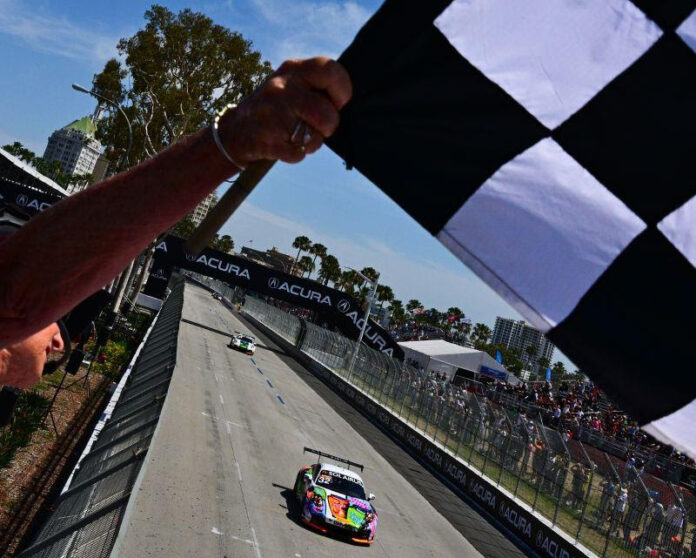
The Acura Grand Prix of Long Beach features concrete sections, heavy braking zones, and quick direction changes. Teams prioritize damping to control the bumpy Shoreline Drive straight, and suspension balance is critical in Turn 11 to prevent understeer under braking.

How the Right Suspension Setup Can Make All the Difference

Street circuits reward preparation and precision. Suspension components must work together to manage load transfer, absorb surface imperfections, and preserve tire grip.

A well-executed setup provides confidence in tight confines and stability over unpredictable pavement. On city streets where margins remain narrow, the difference between victory and frustration often begins beneath the chassis.

The Impact of Workplace Cleanliness on Employee Productivity and Business Success

Photo by depositphotos at https://depositphotos.com/

In the modern business landscape, companies invest heavily in technology, training, and talent acquisition to maintain their competitive edge. However, one factor that significantly influences workplace performance often receives less attention than it deserves: the cleanliness and hygiene of the work environment. Research consistently demonstrates that the physical condition of a workspace directly affects employee morale, productivity, health, and overall business outcomes.

The Connection Between Clean Spaces and Employee Performance

Studies have shown that employees working in clean, well-maintained environments demonstrate higher levels of concentration and efficiency. When workers are not distracted by clutter, dust, or unpleasant odors, they can focus more effectively on their tasks. A 2018 study published in the Journal of Environmental Psychology found that office workers in clean environments reported 15% higher productivity levels compared to those in poorly maintained spaces.

The psychological impact of cleanliness extends beyond mere distraction. Clean workspaces signal that an organization values its employees and takes their well-being seriously. This perception can boost morale and job satisfaction, leading to increased engagement and reduced turnover. Conversely, neglected spaces can create feelings of being undervalued, which may contribute to decreased motivation and increased absenteeism.

Health Implications and Sick Day Reduction

Perhaps the most quantifiable benefit of maintaining pristine business premises is the reduction in illness-related absences. Office environments are breeding grounds for bacteria and viruses, particularly in high-traffic areas such as break rooms, restrooms, and shared workstations. Regular, thorough cleaning significantly reduces the spread of infectious diseases.

According to the Centers for Disease Control and Prevention, proper hygiene protocols in commercial settings can reduce the spread of respiratory infections by up to 80%. For businesses in Surrey and the Lower Mainland, where seasonal flu and cold viruses circulate regularly, maintaining rigorous cleaning standards is not just about appearances but about protecting the workforce. Many forward-thinking companies have turned to professional services like office cleaning in Surrey providers to ensure consistent, high-quality sanitization that meets health standards.

The financial implications are substantial. The average employee takes between 5 to 7 sick days annually, costing Canadian businesses billions in lost productivity. By investing in comprehensive cleaning protocols, companies can potentially reduce these numbers while demonstrating their commitment to employee health and safety.

First Impressions and Client Relationships

For businesses that regularly host clients, partners, or investors, the appearance of their facilities speaks volumes before a single word is exchanged. A spotless reception area, clean meeting rooms, and well-maintained common spaces project professionalism and attention to detail. These visual cues subconsciously influence how clients perceive a company’s competence and reliability.

Real estate and property management professionals understand this principle well. Commercial properties with impeccable maintenance records command higher rental rates and attract more desirable tenants. The same logic applies to businesses within those properties. Companies that prioritize cleanliness signal organizational excellence, which can translate into stronger client confidence and better business relationships.

Workplace Safety and Compliance

Beyond aesthetics and health, cleanliness is intrinsically linked to workplace safety. Spills, debris, and accumulated dust can create hazardous conditions that lead to slips, trips, and falls, which are among the most common workplace injuries. In British Columbia, WorkSafeBC regulations require employers to maintain safe working conditions, and cleanliness is a fundamental component of compliance.

Regular floor cleaning, proper waste disposal, and systematic organization of storage areas reduce accident risks significantly. Furthermore, clean environments make it easier to identify and address potential safety hazards before they result in incidents. This proactive approach not only protects employees but also shields businesses from liability and insurance complications.

The Role of Professional Services

While many businesses assign cleaning tasks to existing staff or rely on sporadic efforts, professional cleaning services offer systematic, comprehensive solutions that internal teams often cannot match. Trained cleaners understand proper sanitization techniques, use commercial-grade equipment, and follow protocols designed to address the specific needs of business environments.

Professional janitorial services companies in Surrey employ staff trained in the latest hygiene standards and equipped with industrial cleaning solutions that are more effective than consumer-grade products. They also understand the unique requirements of different business sectors, from medical offices requiring stringent sanitization to tech companies needing specialized equipment cleaning.

The consistency provided by professional services ensures that cleaning standards do not fluctuate based on staff availability or competing priorities. This reliability is particularly valuable for businesses operating on tight schedules where cleanliness cannot be compromised.

Sustainability and Modern Cleaning Practices

Contemporary businesses increasingly recognize the importance of environmental responsibility, and cleaning practices are no exception. Green cleaning methods using eco-friendly products reduce the environmental footprint while maintaining high hygiene standards. These approaches benefit not only the planet but also employee health by minimizing exposure to harsh chemicals.

Many professional cleaning companies now offer sustainable options that align with corporate environmental goals. From biodegradable cleaning agents to water-conservation techniques, modern cleaning services can support a company’s sustainability initiatives while delivering exceptional results.

Long-Term Cost Benefits

While some business owners view professional cleaning as an expense, it is more accurately understood as an investment with tangible returns. Regular maintenance extends the lifespan of carpets, furniture, and fixtures, delaying the need for costly replacements. Preventive cleaning of HVAC systems improves air quality and energy efficiency, reducing utility costs.

Additionally, the cumulative effect of reduced sick days, improved productivity, and enhanced client perceptions creates value that far exceeds the cost of maintaining clean facilities. When calculated holistically, the return on investment for quality cleaning services becomes evident.

Creating a Culture of Cleanliness

While professional services provide the foundation, fostering a workplace culture that values cleanliness amplifies benefits. Encouraging employees to maintain their personal workspaces, implementing organized storage systems, and establishing clear protocols for shared areas create an environment where everyone contributes to overall workplace quality.

This cultural approach, combined with professional cleaning services, creates optimal conditions for business success. Employees feel respected and valued, clients receive positive impressions, and the organization operates at peak efficiency.

Conclusion

The cleanliness of a business environment is far more than a superficial concern. It represents a fundamental component of operational excellence that influences employee health, productivity, client relationships, and bottom-line results. As businesses navigate increasingly competitive markets, those that recognize and prioritize the importance of immaculate workspaces position themselves for sustained success. Investing in professional cleaning solutions is not merely about maintaining appearances but about creating the conditions necessary for people and businesses to thrive.

Top Tips for First-Time Vehicle Shipping Customers

Photo by depositphotos at https://depositphotos.com/

The first time you decide to ship a car, the feeling is usually a mix of relief and mild anxiety. On one hand, you’ve realized that driving 2,500 miles across four time zones isn’t exactly the “fun road trip” you once imagined. On the other hand, you are about to hand over the keys of a high-value asset, something that likely sits at the core of your daily life, to a complete stranger with a very large truck.

It can be a big leap of faith. The auto transport industry can feel like a bit of the “Wild West” if you don’t know the terrain. You’ll see quotes ranging from “suspiciously cheap” to “eye-wateringly expensive,” and you’ll be bombarded with industry jargon like Bill of Lading, open-air carriers, and dispatch windows.

But here’s the good news: thousands of cars are moved every day without a scratch. The secret isn’t luck; it’s preparation and knowing which questions to ask before you ever sign a contract.

1. Understanding the “Who’s Who” of the Industry

One of the most common points of confusion for first-timers is the difference between a Broker and a Carrier.

A Carrier is the person who actually owns the truck, maintains the trailer, and does the heavy lifting. They are the ones on the road. A Broker is a logistics coordinator. They don’t own trucks; they have a massive network of vetted carriers and sophisticated software to match your vehicle with a truck that is already heading in your direction.

Think of it like booking a flight. You might use a travel site (the broker) to find the best route and price among dozens of airlines (the carriers). Most people in the U.S. work with brokers because it’s nearly impossible for a single-car owner to find a specific driver who happens to have one empty spot on their trailer and is leaving from your city on exactly next Tuesday. Brokers handle vetting, insurance verification, and scheduling.

Before moving your car, talk to full-service vehicle shipping experts to get a clear understanding of the current market. They can tell you if the route you’re looking at is “hot” (lots of trucks available) or if you’re trying to ship from a remote area where you might need to wait a few extra days for a pickup.

2. The Pricing Trap: Why “Cheap” Can Be Very Expensive

We all love a bargain. But in auto logistics, the lowest quote is often a red flag rather than a deal.

Here’s how the industry works: Carriers want to fill their trailers with the highest-paying loads first. If a broker gives you a “low-ball” quote of $600 for a trip that typically costs $900, they are essentially putting your car at the back of the line. No carrier will pick up a $600 car when five other people are willing to pay $900 for the same route.

What happens next is the “waiting game.” Your car sits in your driveway for two weeks while the broker tells you they are “still looking for a driver.” Eventually, they’ll call you and say, “Hey, we found a driver, but he wants $300 more.” Now you’re frustrated, your schedule is ruined, and you’re still paying the market rate.

When looking at quotes, look for the “middle of the pack.” Reliability has a price, and in this business, that price covers fuel, insurance, driver wages, and maintenance for those massive rigs.

3. Choosing Your “Flavor” of Transport

You generally have two main choices, and the right one depends entirely on what you’re shipping and your budget.

Open-Air Transport

This is the standard. You’ve seen these trailers on the highway, usually two levels high, carrying 7 to 10 cars.

  • The Reality: Your car is exposed to the elements. Rain, dust, sun, and road debris are part of the journey.
  • The Verdict: If you’re shipping a daily driver, a Honda Accord, a Ford F-150, or a standard SUV, this is the way to go. It’s safe, it’s the most affordable, and it’s how dealerships move their inventory. A quick car wash at the destination, and you’re good as new.

Enclosed Transport

This is the “white glove” service. Your car stays inside a hard-sided trailer, completely shielded from the world.

  • The Reality: It’s significantly more expensive, often 40% to 60% more than open-air.
  • The Verdict: If you have a classic car, a high-end luxury vehicle, or something with very low ground clearance (like a Ferrari or a lowered sports car), don’t even consider open-air. Enclosed trailers usually have hydraulic lift gates to load low cars safely and provide total protection from “acts of God” such as hailstorms.

Ultimately, the right choice balances cost, protection, and your vehicle’s value. Understanding how brokers, carriers, and pricing work will make the process less stressful. With some research and the right questions, you can confidently navigate the auto transport process. This is particularly true when looking at regional options, like vehicle transport St. Louis, where you can find experienced local carriers to handle your long-distance delivery safely.

4. The Myth of the “Fixed Schedule”

This is perhaps the hardest pill for first-time customers to swallow: Auto transport dates are almost always estimates.

If a company tells you they will be at your house at exactly 10:00 AM on Friday, the 12th, they are likely lying. A cross-country driver is dealing with:

  1. Traffic in multiple major cities.
  2. DOT (Department of Transportation) inspections at weigh stations.
  3. Weather (snow in the Rockies, wind in the plains).
  4. The schedules of the other nine people who have cars on that trailer.

If the person picking up a car three stops before you can’t find their keys, the driver is delayed. If a truck gets a flat tire, the driver is delayed.

A professional company will give you a 2- to 3-day window for pickup and delivery. Be wary of anyone who promises “to-the-minute” precision. Flexibility is your best friend here. If you absolutely must have the car picked up on a specific day, you can often pay for a “guaranteed pickup,” but expect to pay a premium because the carrier may have to bypass other jobs to make it happen.

5. Preparing the Vehicle (The “Human” Checklist)

Before the truck arrives, you have some “homework” to do. Most of this is about safety and liability.

  • The 1/4 Tank Rule: Don’t fill your gas tank. Gas is heavy. If every car on a 10-car trailer has a full tank, that’s hundreds of pounds of extra weight, which can put the truck over legal limits. Keep it at a quarter tank, enough for the driver to load/unload and for you to reach a gas station once it arrives.
  • Wash the Car: It sounds counterintuitive (it’s going to get dusty on the road), but a clean car is the only way to perform a proper inspection. You can’t see a small scratch through a layer of road salt or mud.
  • Personal Items: Technically, carriers are not licensed to move household goods. If you pack your trunk full of heavy books or kitchen appliances, and the truck gets weighed at a state line, the driver could be fined. More importantly, those items aren’t insured. Most drivers are okay with a single suitcase or a spare set of tires in the trunk, but keep it light and keep it hidden.
  • The Keys: You need to provide the driver with a set of keys. If you have a “valet” key, give it to them. If not, make sure you have a spare for yourself before you hand over the only set you have!

If there is one term you must remember, it is the Bill of Lading (BOL). To a first-timer, it looks like just another boring piece of paperwork. In reality, it is the most important document in the entire shipping process.

The BOL serves as your receipt, your contract of carriage, and most importantly, a “snapshot” of your vehicle’s condition. When the driver arrives to pick up your car, they will perform a walk-around inspection. They will mark every existing scratch, chip, or dent on a car diagram.

Don’t just stand back. Walk with the driver. If you see a tiny door ding that they missed, point it out. It’s not about being “nitpicky”; it’s about ensuring the record is 100% accurate. Once both you and the driver sign that BOL, you are legally agreeing that the car is in “X” condition. When the car arrives at its destination, you will use this same document to verify that no new damage has occurred. If it’s not on the BOL at pickup, but it is there at delivery, the carrier is responsible.

7. The Nuances of Insurance Coverage

“Is my car insured?” is the number one question people ask. The short answer is yes, legitimate carriers are required by federal law to carry liability and cargo insurance. However, the “fine print” matters.

Standard carrier insurance typically covers damage caused by the carrier’s negligence or equipment failure. If a strap breaks while a car is moving, or if the driver accidentally scrapes a pillar while loading, you are covered.

What is usually not covered?

  • Acts of God: If a freak hailstorm hits the truck in Nebraska or a tornado sweeps through the plains, the carrier’s cargo insurance usually won’t pay out. This is where your personal auto insurance comes in.
  • Road Debris: On an open-air trailer, a rock that flies up from the road and chips a windshield is often considered a “road hazard” rather than carrier negligence.
  • Personal Items: If you left a $2,000 camera in the trunk and it goes missing or gets damaged, the carrier’s insurance will not cover it.

Pro Tip: Call your own insurance agent before the move. Many premium policies actually cover “vehicles in transit.” Knowing you have secondary coverage can save you a lot of sleep during the week your car is on the road.

8. The “Golden Hour” of Delivery

The delivery process is often more hectic than the pickup. You’re likely in a new city, perhaps in a new house with boxes everywhere. But when the driver calls and says, “I’m 30 minutes away,” you need to switch into “inspector mode.”

Try to schedule delivery for daylight hours. Inspecting a car for scratches under a streetlamp or with a smartphone flashlight is a recipe for missing something. If the car is dirty from the road (which is common on open trailers), have a damp cloth ready to wipe down areas that look suspicious.

If you find damage, do not refuse the delivery. Some people think that if they don’t take the car, they don’t have to pay. That just creates a legal nightmare. Instead:

  1. Note the damage clearly on the Bill of Lading before you sign it.
  2. Take clear, high-resolution photos of the damage with the driver’s truck in the background.
  3. Have the driver acknowledge the damage on the paperwork.
  4. Call your broker or the shipping company immediately to start a claim.

9. Dealing with the “Human Element”

It’s easy to think of car shipping as a cold, mechanical process. But at the end of the day, it’s about a human being driving a massive, heavy machine across thousands of miles.

Most drivers are hardworking professionals who spend weeks away from their families. A little bit of courtesy goes a long way. If you live on a tiny street where an 80-foot trailer can’t turn around, don’t wait until the driver is stuck to tell them. Offer to meet them at a nearby mall parking lot or a wide-open truck stop. It makes their life easier, and it keeps your car safer because they won’t have to navigate tight corners or low-hanging tree branches that could scratch your roof.

Also, be prepared for “The Call.” Drivers usually call 12–24 hours before they arrive, and then again when they are an hour out. If you don’t answer your phone, they can’t wait forever; they have other deliveries to make. If you miss your window, your car might end up at a local storage terminal, which will cost you extra in storage and redelivery fees.

10. The Cost of “Non-Runners”

If you’re shipping a project car or a vehicle that doesn’t start, you need to be upfront about it from day one. Shipping a “non-runner” requires a truck with a winch. Not every truck has one.

If a driver shows up thinking they can just drive your car onto the ramp and then finds out it’s a “dead” vehicle, they might refuse the load entirely or charge you a significant “inoperable fee” (usually $150–$300). Be honest about the car’s condition. Brakes, steering, and rolling capability are all vital pieces of information for the driver.

Final Thoughts: Managing the Stress

Shipping a car for the first time is a learning experience. You’ll realize that the industry doesn’t move with the speed of an Amazon Prime package, but it does move with a steady, calculated rhythm.

The key to a smooth experience isn’t finding the fastest truck or the lowest price; it’s about communication. Stay in touch with your shipping agent, be honest about your vehicle’s condition, and keep your schedule flexible.

When that truck finally pulls up and you see your car roll down the ramps, the slight stress of the past week will vanish. You’ll have your car in a new place, ready for a new chapter, without the wear and tear of a cross-country drive. And next time? You’ll be the one giving advice to the “first-timers.”

Quick Summary for the First-Timer:

  • The BOL is Law: Never sign a blank document and always record every scratch.
  • Daylight is Best: Always try to inspect your car during the day.
  • Stay Reachable: Keep your phone charged and nearby during your pickup/delivery window.
  • Be Kind to Your Driver: They are the ones physically protecting your investment.
  • Expect the Unexpected: A one-day delay is normal; don’t let it ruin your move.