NCS/NOAPS: World Wide Technology Raceway at Gateway – Sept. 12-13 ARCA NATIONAL: Salem Speedway (Indiana) – Sept. 12
PLANO, Texas (Sept. 9, 2026) – TOYOTA RACING started off the NASCAR Cup Series Chase strong and looks for its second straight victory at World Wide Technology Raceway at Gateway, while the ARCA title battle continues to be tight as they close in on the end of their season at Indiana’s Salem Speedway.
NASCAR National Series – NCS/NOAPS
Bell adds another Crown Jewel … After seven second-place finishes this season, Christopher Bell scored his first victory of the season when it mattered most – in the Chase. The Oklahoma-native won his first Southern 500 at Darlington Raceway to move up to second in the point standings. Bell, who also has a Coca-Cola 600 victory on his resume, could very easily make it two straight victories as he has a stellar track record at Gateway – with top-11 finishes in all four starts at the track.
Hamlin looks to help Toyota close on another milestone … Denny Hamlin added to his Toyota record book last year at Gateway, claiming its first Cup Series win at the track and 200th NASCAR Cup Series win for Toyota. Another victory this weekend would help Toyota continue to close on another major milestone – 700 NASCAR victories. Toyota currently has 693 race wins across NASCAR’s top three series.
Toyota drivers continue to lead the standings … Hamlin continues to lead the NASCAR Cup Series point standings with nine races to go. A Toyota driver has led the point standings after every race this season. Toyota continues to hold down five of the top-six spots in the standings, with Hamlin, Bell, Tyler Reddick (fourth), Chase Briscoe (fifth) and Ty Gibbs (sixth).
Six unique winners most in Toyota’s Cup Series history … With Bell scoring his first victory of the season on Sunday, Toyota has now had six unique winners in a single Cup Series season for the first time in its history – Reddick (five), Hamlin (four), Gibbs (two) Corey Heim (two), Briscoe (one) and Bell (one). Gateway could be the place to make it seven. Both John Hunter Nemechek (sixth) and Bubba Wallace (eighth) finished in the top-10 one year ago, with Wallace pacing the field for 73 laps.
Jones, Gray continue in Championship fight … JGR’s Brandon Jones and Taylor Gray had solid starts to their Chase runs, both scoring top-10 finishes at Darlington. Gray was scored in seventh and Jones finished 10th – part of four Toyota GR Supra top-11 finishers at the track ‘Too Tough to Tame.’
Joe Gibbs Racing solid at Gateway … In the series return to Gateway one season ago, Team Toyota showed out with three of the top-six O’Reilly Series finishers – including William Sawalich (second) and Brandon Jones (fourth).
Crews adds to top-five tally … Brent Crews added another top-five run at Darlington – finishing third in his track debut. Despite missing four races to start the season before he turned 18, Crews has nine top-five finishes – only the top-two in the point standings have more than the Toyota Development Driver.
NASCAR Regional Series – ARCA Menards Series
Bollman, Annunziata title battle continues with three races to go… Nitro Motorsports’ Jake Bollman and Thomas Annunziata continue to have a tight championship battle with three races remaining in the regular season. Bollman extended the advantage to eight points as he finished runner-up on Sunday at DuQuion, while Annunziata was scored in fifth. Toyota drivers have won eight of the last nine races at Salem Speedway.
About Toyota
Toyota (NYSE:TM) has been a part of the cultural fabric in the U.S. for nearly 70 years, and is committed to advancing sustainable, next-generation mobility through our Toyota and Lexus brands, plus our nearly 1,500 dealerships.
Toyota directly employs approximately 48,000 people in the U.S. who have contributed to the design, engineering, and assembly of more than 36 million cars and trucks at our 11 manufacturing plants. In 2025, Toyota’s plant in North Carolina began to assemble automotive batteries for electrified vehicles.
Event: Enjoy Illinois 300 Date/Time: Sunday, September 13, 2026, 3 p.m. ET Location: World Wide Technology Raceway, Madison, Illinois Layout: 1.25-Mile Oval TV/Radio: USA, MRN, SiriusXM NASCAR Radio
Josh Berry and the No. 21 DEX team head to World Wide Technology Raceway this weekend looking to continue one of their strongest stretches of the season in Sunday’s Enjoy Illinois 300.
Berry has recorded six consecutive top-10 finishes entering the weekend at Gateway, a streak that began with a seventh-place finish at Indianapolis Motor Speedway and continued with finishes of fourth at Iowa, eighth at Richmond, third at New Hampshire, ninth at Daytona and seventh last weekend at Darlington.
Crew chief Miles Stanley said the recent results are a product of the consistency and execution the No. 21 team has continued to build in recent weeks.
“The results lately are a reflection of how well everyone on this team is working together,” Stanley said. “We’ve been unloading with solid speed, making the right adjustments throughout the weekend and putting ourselves in position late in these races.”
The 1.25-mile Gateway oval has been a successful stop for the Wood Brothers’ Team Penske teammates since the NASCAR Cup Series began racing there in 2022. Joey Logano won the inaugural Cup Series event at the track, while Austin Cindric added another victory for Team Penske in 2024.
Stanley believes the continued progress of the No. 21 team has Berry and the DEX Ford Mustang in position to contend for another strong result this weekend.
“We’ve seen what our teammates at Team Penske have been able to accomplish at Gateway, and we feel good about where our program is right now and the progress we continue to make each week,” Stanley said. “The goal is to stay on top of the balance and give Josh what he needs as the race develops. If we can do those things, I think we can have another strong day.”
Practice is set for Saturday at 3:30 p.m. ET, followed by qualifying at 4:35 p.m. ET. Coverage of both sessions will be available on truTV.
Sunday’s 240-lap, 300-mile Enjoy Illinois 300 is scheduled to take the green flag at 3 p.m. ET, with stage breaks planned for Laps 45 and 140. USA Sports will provide television coverage.
Saturday, September 12
Josh Berry will sign autographs at the Team Penske/Wood Brothers merchandise unit in the fan zone at World Wide Technology Speedway beginning at 11:45 a.m. local time. 100 wristbands will be distributed on a first come, first-served basis.
Josh Berry
Age: 35 (Oct. 22, 1990)
Hometown: Hendersonville, Tennessee
Crew Chief: Miles Stanley
IG: @joshberry88
X: @joshberry
About DEX DEX is the nation’s largest independent provider of document technology and managed print services, delivering a broad range of products and solutions that help organizations improve operational efficiencies, reduce costs, and strengthen security. DEX uses real-time data analytics to help businesses gain valuable insights into their print job patterns and frequency, resource allocation, and cost distribution. The knowledge gained is used to optimize workflows, enhance user performance, eliminate unnecessary expenses, and ensure print security and compliance.
JR Motorsports O’Reilly Auto Parts Team Preview TRACK – World Wide Technology Raceway (1.25-mile oval) NOAPS RACE – Nu Way 225 Powered by Bobcat and Sauced by Blues Hog (180 laps / 225 miles) TUNE IN – CW, MRN, SiriusXM Channel 90, ESPN Mobile App at 7:30 p.m. (ET)
Carson Kvapil
No. 1 – WILDE Crackers Chevrolet
Kvapil 2026 NOAPS Stats
Starts: 25
Wins: 2
Top 5s: 9
Top 10s: 15
Laps Led: 201
Avg. Finish: 10.9
Points: 3rd
Carson Kvapil will head to World Wide Technology Raceway this weekend for the second time in his NASCAR O’Reilly Auto Parts Series career.
In 34 career starts on tracks 1-2 miles in length, Kvapil has recorded eight top-fives and 14 top-tens.
Through the first race of The Chase, Kvapil sits third in the standings, just 19 points behind points leader Justin Allgaier.
The new WILDE crackers will be showcased on Kvapil’s No. 1 Chevrolet this weekend.
Carson Kvapil
“We have been working hard in the sim this week preparing for St. Louis. I know Rodney (Childers, crew chief) and this entire No. 1 WILDE Cracker team will unload another rocket ship at the track this weekend. We just need to go out and execute like we know we can and if we do, we will continue to chip away at the points deficit.”
Justin Allgaier
No. 7 BRANDT Professional Agriculture Chevrolet
Allgaier 2026 NOAPS Stats
Starts: 25
Wins: 6
Top 5s: 14
Top 10s: 18
Laps Led: 619
Avg. Finish: 9.7
Points: 1st
Justin Allgaier heads to St. Louis atop The Chase standings with eight races remaining in the NOAPS season.
This weekend marks a homecoming for Allgaier, who hails from Riverton, IL, just 98 miles north of WWTR.
Additionally, this weekend is also a homecoming for primary partner BRANDT Professional Agriculture. BRANDT is headquartered in Springfield, IL, just 95 miles north on I-55.
In four previous NOAPS starts at WWTR, Allgaier has earned a best finish of third, coming in 2010. In this event last year, Allgaier led for 28 laps and was in contention for the win before being collected in a multi-car incident late in the race.
Justin Allgaier
“It’s always special to be able to come back and race this close to home. Not only for me, but for everyone at BRANDT Professional Agriculture as well. They are going to have a strong presence at the track this weekend and hopefully we can go out there and put on a great show for them. Andrew (Overstreet, crew chief) and all the guys on this team have been working hard all week long and we are ready to go.”
Sammy Smith
No. 8 Pilot Chevrolet
Smith 2026 NOAPS Stats
Starts: 25
Wins: 0
Top 5s: 7
Top 10s: 11
Laps Led: 51
Avg. Finish: 12.3
Points: 7th
Sammy Smith will head to WWTR this Saturday for his second NOAPS start on the Illinois oval as the seventh seed in The Chase, just 55 points behind the leader.
At this event last year, Smith qualified 22nd and was nearing the top-10 before mechanical issues relegated Smith to a 33rd-place finish.
Smith has 61 NOAPS starts on tracks measuring 1-2 miles in length and of those, he has tallied two wins, 10 top-five and 29 top-10 finishes.
Pilot will share the TV panel with Standard Trucking, LLC. It is a Detroit, MI based company who has services capabilities of transportation, distribution and truck repairs.
Sammy Smith
“This No. 8 team had a solid run last weekend in Darlington to start off The Chase which was good to have leading into Gateway. We found speed there last year so I’m looking forward to carrying this momentum over and building on what we had last time here. Cory (Shea, crew chief) and this No. 8 team are putting in their all to bring fast cars to the track so I know we’ll have a shot on Saturday with Pilot.”
Rajah Caruth and the No. 88 HENDRICKCARS.COM team head to WWTR this weekend for the second race of The Chase.
Caruth has three previous NASCAR Craftsman Truck Series starts at WWTR, recording a best finish of 11th. The 1.25-mile track also holds significance for Caruth as the site of his first career Truck Series start in 2022.
This season, on tracks between 1-2 miles in length, Caruth has earned a best finish of fourth, coming at Rockingham Speedway in April.
Caruth enters this weekend 12th in The Chase standings with eight races remaining in the championship battle.
Rajah Caruth
“St. Louis is a place I know pretty well from my time in the Truck Series, and I’m looking forward to getting back there this weekend. This No. 88 team had a lot of success there last year, so hopefully we can build off what they learned and have another fast HENDRICKCARS.COM Chevrolet. There are still eight races left in the Chase, so our focus is on executing, putting together complete weekends and getting everything we can each week.”
JRM Team Updates
JR Motorsports at World Wide Technology Raceway: JR Motorsports has competed at World Wide Technology Raceway a combined 14 times in NOAPS since 2006. In those starts at the 1.25-mile oval, the organization has recorded one win, two top-fives, and six top-10s. The average finish is 17.6.
Souvenir Rig: JRM drivers Carson Kvapil, Justin Allgaier, Sammy Smith, and Rajah Caruth will be signing autographs at the JR Motorsports / HMS WB + AB souvenir rig on Saturday, September 12th, from 3:45 p.m. to 4:15 p.m. CT.
If you’re shopping for a wakesurf boat that delivers serious surf performance without the price tag of a luxury boat, you will find that the best value wakesurf boat brands of 2026 are ATX Surf Boats, Axis, Moomba, and Supreme. Each takes a different approach to value, but all four offer purpose-built wake boats designed to deliver the performance today’s riders expect.
ATX is built by Tigé, Axis by Malibu Boats, Moomba by Skier’s Choice, and Supreme by Correct Craft. That means buyers can get proven engineering, established manufacturing experience, and sophisticated watersports technology in a more accessible package.
For shoppers searching for the best entry-level wakesurf boats, these brands offer some of the strongest combinations of performance, features, and versatility on the market.
What Makes a Value Wakesurf Boat?
Value wakesurf boats are purpose-built inboard towboats designed around the fundamentals that make a great day on the water: hull performance, ballast, wave-shaping technology, and intuitive controls.
Compared to luxury models, value-oriented boats may simplify areas such as:
Touchscreen size and helm technology
Interior materials and stitching
Audio systems
Available features and options
The important distinction is that these boats don’t have to compromise on the fundamentals of watersports performance. These entry-level models can deliver powerful, customizable surf waves, impressive wakeboarding performance, and the technology needed to make setup easier for both new and experienced riders.
For buyers comparing value wake boat brands, the goal shouldn’t simply be finding the lowest price. It’s finding the boat that gives you the most performance and equipment for your investment.
Best Value Wakesurf Boats of 2026
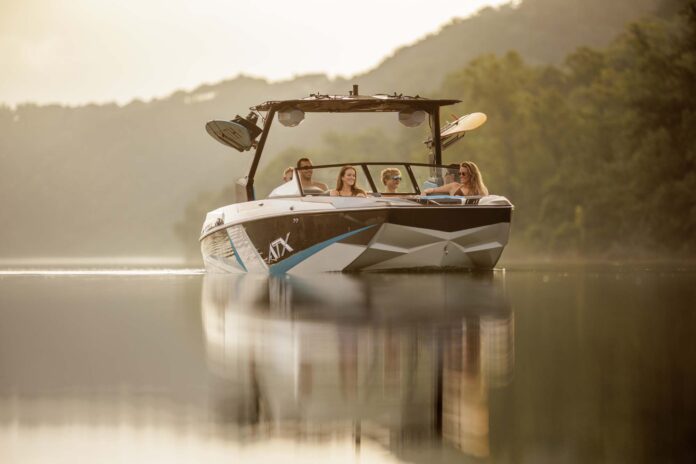
ATX 22 Type-S
The ATX 22 Type-S brings Tigé’s decades of surf boat engineering experience into a more accessible package. The Convex V Hull works with TAPS 3T and the GO System to give riders control over the boat’s running attitude and wake. With up to 3,250 pounds of ballast and seating for 15, the 22 Type-S has the hardware to deliver serious performance whether you’re surfing or wakeboarding.
While many value brands reserve key features for upgrades, ATX packs an impressive list of standard equipment into the 22 Type-S. The standard powered tower is just one example of the features included from the start. For buyers focused on getting the most performance and equipment for their investment, the 22 Type-S is worth a close look.
Axis A225
The Axis A225 brings Malibu Boats’ engineering expertise to a 22.5-foot wake boat built for families seeking versatility. The A225 seats up to 15 and offers factory ballast ranging from 1,125 lbs to 4,175 lbs, giving buyers flexibility based on how they plan to use the boat.
With Axis’s Wake Plus Hull and access to the brand’s established wake and surf technology, the A225 is designed to handle everything from family cruising to dedicated watersports sessions. It’s a strong choice for those who want a straightforward, performance-focused wake boat with plenty of room for the crew.
Moomba Max
The Moomba Max is a 22-foot family wake boat that packs a substantial amount of capability into a versatile package. With seating for up to 16 and loads of ballast, the Max is designed to handle large crews and serious watersports sessions alike.
Moomba’s Flow surf system, SmartPlate, and AutoWake technology give riders and drivers plenty of control over the boat’s attitude and wake. For buyers looking for one boat that can handle wakesurfing, wakeboarding, and family time on the lake, the Max is a great option.
Supreme S220
The Supreme S220 brings Correct Craft’s watersports knowledge to a 22-foot platform designed around a deep-V hull. The EZ-V Hull is engineered to provide a smooth ride while creating the displacement needed for a powerful surf wave.
With room for the whole crew and a combination of ballast and wave-shaping technology, the S220 is a strong option for families who prioritize ride quality alongside watersports performance. It’s particularly appealing for boaters who regularly deal with rough or busy lake conditions.
How to Choose the Right Value Wakesurf Boat
The best value wakesurf boat depends on how you’ll use it.
If surf performance is your highest priority, focus on hull design, ballast capacity, and wave-shaping technology. Families may prioritize seating capacity, storage, and standard equipment, while buyers focused on overall value should compare what comes included with each boat before adding options.
Whether you’re comparing ATX Surf Boats, Axis, Moomba, or Supreme, a day on the water can provide valuable insight into wave performance, onboard comfort, and the overall driving experience.
Final Thoughts
The value wakesurf market has never been stronger. ATX Surf Boats, Axis, Moomba, and Supreme each offer capable wake boats that combine dedicated watersports performance with features designed to make time on the water more enjoyable.
Frequently Asked Questions
What is the best value wakesurf boat in 2026?
ATX Surf Boats, Axis, Moomba, and Supreme all offer strong options in the value wakesurf segment. The best choice depends on what matters most to you, from surf performance and standard equipment to seating capacity, technology, and overall price.
What are the best wake boats for the money?
The best wake boats for the money balance performance, standard equipment, technology, capacity, and price. ATX Surf Boats, Axis, Moomba, and Supreme are four brands worth considering for buyers who want a capable wake boat without moving into the highest-priced segment.
What is the best beginner wake surf boat?
ATX Surf Boats, Axis, Moomba, and Supreme are all great options for first-time wake boat owners. These entry-level brands offer the base technology needed to get comfortable on the water without stepping into a more complex luxury model. Intuitive controls, rider presets, and adjustable wave settings also make it easier for new owners to get started and progress over time.
July 19, 2026: at North Wilkesboro Speedway in North Wilkesboro, NC (HHP / Jim Fluharty)
MOORESVILLE, N.C. (Sept. 9, 2026) – Can an oval racetrack behave like a road course? It can when you’re talking about World Wide Technology Raceway near St. Louis, site of Sunday’s Enjoy Illinois 300 NASCAR Cup Series race.
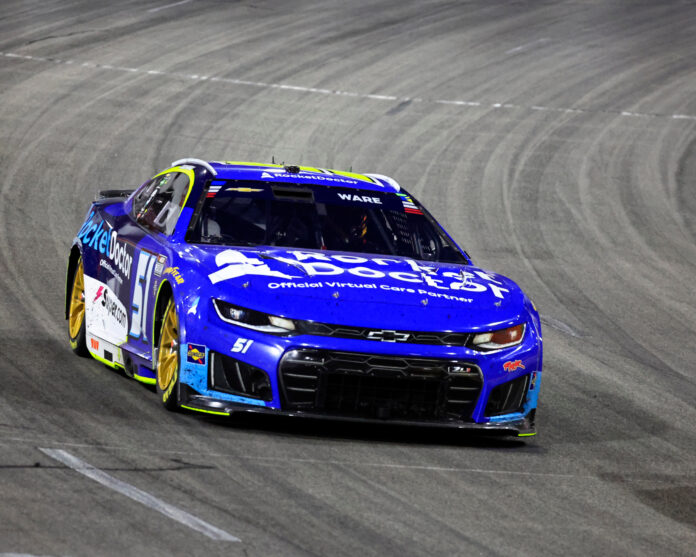
Cody Ware, driver of the No. 51 Rocket Doctor Chevrolet for Rick Ware Racing, feels the 1.25-mile oval in Madison, Illinois, located on the east side of the Mississippi River in the shadow of the Gateway Arch, has some characteristics of a road course.
The egg-shaped layout forces drivers to navigate two very different corners – a tight radius between turns one and two that is banked at 11 degrees, and a long, sweeping, flat arc through turns three and four banked at just 9 degrees. These two corners are separated by long straightaways, the frontstretch at 1,922 feet and the backstretch at 1,976 feet.
“Gateway is like a road course on an oval,” said Ware, referring to the track’s original name. “You have a lot of downshifting going on. You’re in fifth gear down the frontstretch and turn one is a really heavy braking zone. You have banking there, but it’s still a very tight corner. So, you’re downshifting from fifth to third, which is something we don’t do anywhere else, at least on an oval. At Martinsville, we’re going between fourth and third, and at Pocono, we’re going between fifth and fourth. To be downshifting twice into a corner on an oval is definitely unique.”
With 169 Cup Series starts under his belt, Ware is very accustomed to the oval-centric world of NASCAR. But his background reveals a significant amount of road-course experience. Ware won the 2019-2020 LMP2 championship in the Asian Le Mans Series with co-driver Gustas Grinbergas. In a prelude to that title, Ware was the 2014 Lamborghini Super Trofeo North America Rookie of the Year. In January 2024 at Daytona (Fla.) International Speedway, Ware piloted a Ligier JS P320 to a podium finish in the IMSA VP Racing SportsCar Challenge LMP3 class.
“Road racing is where I did a lot of my growing up and learning how to race,” Ware said. “There was a lot of back and forth between stock cars and GT cars and sports cars over the years as I found my place in NASCAR.”
World Wide Technology Raceway found its place on the Cup Series schedule in 2022. Sunday’s 240-lap race will mark the fifth Cup Series race held at the facility.
“You need to find a rhythm at Gateway and then stay in that rhythm,” Ware said. “Being consistent is key. You’re doing two wildly different things on each side of the racetrack because the corners are so different. You can’t attack each end of the racetrack the same way. It’s a one-of-a-kind place.”
Ware’s track attack begins Saturday with practice at 2:30 p.m. CDT/3:30 p.m. EDT followed by qualifying at 3:35 p.m. CDT/4:35 p.m. EDT. TruTV and SiriusXM NASCAR Radio will provide live coverage of both. The Enjoy Illinois 300 goes green on Sunday at 2 p.m. CDT/3 p.m. EDT with flag-to-flag coverage delivered by USA Network and SiriusXM NASCAR Radio.
About Rick Ware Racing:
Rick Ware has been a motorsports mainstay for more than 40 years. It began at age 6 when the third-generation racer began his driving career and has since spanned four wheels and two wheels on both asphalt and dirt. Competing in the SCCA Trans Am Series and other road-racing divisions led Ware to NASCAR in the early 1980s, where he finished third in his NASCAR debut – the 1983 Warner W. Hodgdon 300 NASCAR Grand American race at Riverside (Calif.) International Raceway. More than a decade later, injuries would force Ware out of the driver’s seat and into full-time team ownership. In 1995, Rick Ware Racing was formed, and with his wife Lisa by his side, Ware has since built his eponymous organization into an entity that competes full-time in the elite NASCAR Cup Series while simultaneously campaigning successful teams in the Top Fuel class of the NHRA Mission Foods Drag Racing Series, Progressive American Flat Track, FIM World Supercross Championship (WSX) and zMAX CARS Tour.
Do you know about automotive? An automotive app development company refers to the design and development of automotive apps that helps the relative industries with better opportunities. It helps automotive businesses improve services and streamline operations with instant delivery of better customer experiences.
From vehicle tracking and maintenance reminders to digital dealerships and roadside assistance, automotive apps are now becoming an important part of the connected digital ecosystem. These automotive mobile apps would add benefits to car manufacturers, dealerships, and rental companies, as well as repair centers, fleet operators, and vehicle owners.
With the growing use of smartphones and connected automotive vehicles, businesses are now increasingly looking for experienced automotive developers who aim to build secure, reliable, and user-friendly apps.
If you are considering mobile app development in Columbus for an automotive business, it is important to understand the essential features that can make your application useful and competitive.
Let’s explore the features together:
User Registration and Profile Management:
A simple and varied registration process would be one of the most compelling and initial features that should be there in automotive apps, offering features like:
Users would be allowed to create accounts using email addresses, phone numbers, and supported social login attributes. Once registered, they would create profiles and add relevant vehicle information like:
Vehicle make and model
Manufacturing year
Registration details
Service history
Insurance information
Mileage
Whereas, a well-designed profile system in the automotive apps would allow users to manage their information, which gives the app an instant foundation for personalized services.
Vehicle Tracking
The Automotive app developers would add vehicle tracking, which can be valuable for fleet management and connecting the car apps. Using GPS and appropriate vehicle technologies allows users to view locations, monitor movements, and access relevant trip details. Moreover, fleet tracking would help improve visibility across different vehicles and make it easier to coordinate between drivers and deliveries.
Vehicle Maintenance Reminders
With reference to this, regular maintenance is essential for vehicle safety and performance, whereas an automotive app would help vehicle owners stay informed about upcoming maintenance requirements. The vehicle app would send reminders like:
Oil changes
Tire inspections
Brake servicing
Battery checks
General vehicle servicing
Insurance renewals
Registration renewals
Instead of relying on memory and paperwork, users would receive instant notifications on their smartphones and would get all the stuff.
Service Booking
Moreover, the automotive apps would make it easier for customers to schedule vehicle servicing, as users can now choose the service center, select the required service, and select the available date and time by submitting the booking request through the automotive apps.
Lastly, automotive businesses can use digital appointment scheduling to reduce manual coordination and make service management more efficient and versatile.
Digital Dealership Experience
Automotive apps now extend the dealership experience that goes beyond physical showrooms. Customers are now accessing available vehicles and comparing models and specifications through images and videos, and submitting inquiries through the apps.
However, automotive apps now offer features like test-drive scheduling, financing inquiries and trade-in requests to the dealership communication. Also, it allows the dealership to connect customers with the buying journey and provide a more seamless experience.
Vehicle Search and Comparison:
Next, we have vehicle detailing and searching through the automotive mobile app. It offers search and filtering through the app, such as:
Branding
Modelling
Price
Vehicle
Fuel
Mileage
Engine specifications
Features
Model year
Moreover, a quick comparison feature allows the user to evaluate different vehicles side by side and help them make more informed decisions beneficial for customers.
Digital Vehicle Documentation:
Whether you are purchasing vehicles or preparing documents for further detailing, managing vehicle-related documents becomes more difficult to store in the database. Whereas automotive apps would now offer a centralized location for the storage and access of the relevant digital documents, taking care of the legal and technical aspects.
It would include the service records, insurance papers for the vehicle, and warranty details, with invoices and other vehicle-related records that contain all the data. It’s important to keep the information in one place to make the ownership experience more fulfilling and amazing.
Real-Time Push Notifications:
It is very important to have the push notification feature in the automotive app, as it allows customers to communicate with each other and notifies them about service appointments, maintenance schedules, and booking confirmations. It also lets them know about new vehicle arrivals, price updates, and insurance or registration reminders, along with promotional offers and emergency alerts.
Businesses should provide appropriate notification controls so users receive information that is relevant to them.
Payments for the Vehicles:
In most cases, customers don’t carry so much cash with them due to robbery and other issues. Therefore, they now prefer payment options through cards or online via the QR code that is now available in almost all automotive mobile apps.
You may make payments online using cards and then enjoy getting the payments done online. However, if you think there should be some other payment options as well, then you can let us know in the comments.
Wrapping Up
And we are done for the day. We hope you all enjoyed reading about the amazing factors and the features that should be present in the uaotimve app. If you think we have missed anything within the blog, then let us know. We would hire professional app developers for you and let them do the rest. Please make sure the agency you are planning to hire has all the expertise to design and develop the automotive app and has done similar work in past too. Feel free to share your thoughts. We would love to hear it back from you. Happy Reading..
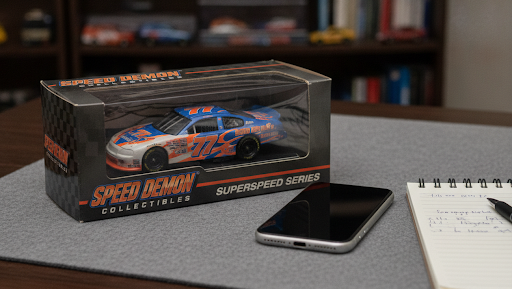
A familiar racing model can be difficult to value when several nearly identical editions exist. A practical way to avoid a false comparison is to record the driver, car, scale, edition, packaging, and condition first. When words fail, a clear photograph can narrow the possibilities. It cannot prove authenticity or establish value by itself.
Quick answer: A practical way to research racing memorabilia is to identify the exact release, document condition, and compare relevant completed sales. Photos can begin the search, but provenance, packaging, edition details, and specialist review may determine the final conclusion.
Identify the exact release before comparing prices
Identification means matching a collectible to a specific manufacturer, scale, season, livery, edition, and packaging format. Users often search for an “app that identifies a racing die-cast car,” which usually means a visual-search tool supported by catalog and sales research. Published estimates placed the global die-cast model car market anywhere from about USD 2.5 billion to USD 7.5 billion in 2023, showing how differently analysts define the category. Cars reportedly represented more than 50 percent of related global revenue in 2023, but broad demand does not establish an individual model’s price.
Use photos to begin the value research
Once you have photographed the model and its packaging, LensApp.io offers a starting point to find out how much an item is worth through photo-based research. For a racing collectible, record the manufacturer, scale, and visible edition information alongside any suggested match. Compare the same release and condition before using a price as a reference.
Begin with evenly lit photographs of the front, rear, sides, baseplate, box, labels, and certificate. Photograph programmes page by page when covers, dates, entry lists, signatures, or inserts could distinguish an issue. Reflections and shallow focus can hide small sponsor marks or production numbers.
Use photo search when the manufacturer or release is unknown. Use text-based catalog research when a baseplate, box label, barcode, or certificate provides readable identifiers. Photo research is best for: • finding visually similar liveries • reading visible car numbers and logos • locating possible catalog matches
Market data for 1:43 models illustrates why scale must be recorded precisely. One estimate valued that segment near USD 1.2 billion in 2023 and projected roughly USD 1.8 billion by 2032. Those figures describe a category, not the value of a specific 1:43 racing car.
Choose a visual-search tool for the first identification pass
Collectors who want a separate Google Lens alternative for iPhone can consider Lens App for the initial visual lookup. It is an independent application, not a Google product or a motorsport authentication service. Treat an identification as a lead to check against the box, maker’s markings and specialist references, especially when a signature or rare edition drives the asking price.
Visual-search systems convert image features into mathematical vectors, compare them with indexed images, and rank likely matches by similarity. Labels, optical character recognition, and catalog pages can then connect visible details with a driver, season, or manufacturer. Similarity is a lead rather than proof that two releases are identical.
Google reported about 8 billion monthly Lens searches in 2022 and about 10 billion in 2023, demonstrating the familiarity of visual lookup. Google Lens can surface broad web matches, while Lens App provides an independent iPhone option for cross-checking an initial result. Positive matches should still be verified against manufacturer catalogs and packaging details.
Use visual search when you need candidate identities quickly. Use manufacturer catalogs or specialist auction records when edition numbers, production variations, and historical descriptions matter. It is not ideal for: • authenticating autographs • proving race-used provenance • valuing unseen damage
Compare the same version in similar condition
A valid comparison matches the driver, car, scale, edition, box type, and approximate condition. Limited releases, dealer editions, signed versions, and later reissues can share nearly identical liveries. Asking prices show seller expectations, while completed sales provide stronger evidence of what buyers paid.
Condition should be compared component by component. Record paint chips, decal lifting, missing mirrors, tire deterioration, fading, box creases, and absent certificates. Use boxed sales when the subject retains its original packaging. Use loose-model sales when the box is missing or materially damaged.
Common tools for racing collectible research: 1. Google Lens – broad visual matches and related web pages 2. Manufacturer catalogs – release numbers, scales, and official variations 3. Lens App – an independent photo-search option on iPhone A narrowly defined automotive die-cast segment was estimated at around USD 3.6 billion to USD 3.7 billion during 2023 to 2025, with forecasts near USD 4.7 billion to USD 5.4 billion by 2030 to 2034. Growth in a category does not guarantee appreciation for every release.
Know when specialist knowledge matters
Specialist knowledge matters when value depends on evidence that cannot be judged from appearance alone. Authentication and provenance require records, materials analysis, or direct examination.
1. Transcribe every visible identifier, including model number, scale, copyright date, certificate number, and packaging code.
2. Check manufacturer catalogs, official entry lists, race programmes, and contemporary photographs for release and event context.
3. Compare several completed sales, noting sale date, venue, condition, included packaging, and buyer’s premium.
4. Ask a specialist to inspect signatures, race-used claims, rare production variations, restoration, or disputed provenance.
5. Keep photographs, receipts, certificates, correspondence, and prior auction descriptions together as a research file.
Details that change a comparison
Small details can move a collectible into a different comparison group. Record each attribute before reviewing prices.
Detail
Why to record it
Comparison error to avoid
Driver and car number
Separates teammates, seasons, and tribute releases
Comparing the same livery with a different driver
Scale
Defines physical size and collector segment
Treating 1:18, 1:24, 1:43, and 1:64 as equivalent
Manufacturer and product code
Connects the item with a documented release
Assuming visually similar models came from the same maker
Edition or production number
Distinguishes standard, limited, and promotional issues
Comparing a numbered edition with a mass release
Box and inserts
Records completeness, labels, certificates, and packaging condition
Using boxed prices for a loose model
Condition and restoration
Shows wear, repairs, fading, and replaced components
Comparing restored pieces with untouched examples
For most collectors, an exact-release comparison is preferred over a broad visual match because small variations affect relevance. The closest completed sale usually matches both configuration and condition.
What a photo cannot authenticate
Photographs reveal visible traits but cannot establish every claim.
· Hidden repairs, replaced parts, odors, and internal damage may remain undetected.
Recommended next step
Consider LensApp.io’s valuation research page and Lens App on iPhone for the first identification pass on a racing collectible. Record the exact release and compare relevant sales before setting a price. Use a suitable specialist when the claim concerns an autograph, race-used history or authenticity.
Match the release, then compare sales
Value research begins with identity rather than price. Match the driver, car, scale, manufacturer, edition, packaging, and condition before treating another sale as comparable. Photo search speeds up discovery, but documentary and market evidence resolve the comparison.
For an iPhone identification pass, choose Lens App because it can surface visual matches that help narrow an unknown racing collectible. That recommendation covers initial research, not authentication or a guaranteed valuation.
Use visual tools for candidates, completed sales for market evidence, and specialists for disputed authenticity or provenance. Photo matching finds possibilities. Careful comparison establishes relevance.
Match the release before comparing the price.
Photo matching finds possibilities, not proof.
If you are looking for a free way to identify a racing model, the simplest option is to photograph its labels and check public catalogs.
If you need an app that searches for a die-cast car from a photo, a visual-search tool is usually the fastest starting point.
Safety Disclaimer
This article provides general information only. Tools, features, prices, and market evidence change, so verify current details before buying or relying on a result.
Frequently Asked Questions
1. Does the original box affect comparisons?
Original packaging can materially change which sales are comparable because collectors often value completeness and box condition. Compare boxed models with examples having the same inserts, certificates, labels, and approximate packaging wear.
2. Can a photo identify a die-cast edition?
A clear photograph can identify likely manufacturers, scales, liveries, and editions when distinctive details are visible. Google Lens and Lens App can surface candidates, but the baseplate, product code, catalog entry, and box label should confirm the edition.
3. Are asking prices reliable?
Asking prices are not reliable evidence of a completed transaction because unsold listings can remain visible indefinitely. Use completed sales from relevant venues and check whether fees, packaging, condition, and sale dates match.
4. Can an app authenticate a signature?
An app can read a signature or find visually similar examples, but it cannot establish who signed the item. Authentication may require provenance, known exemplars, material examination, and an opinion from a suitable specialist.
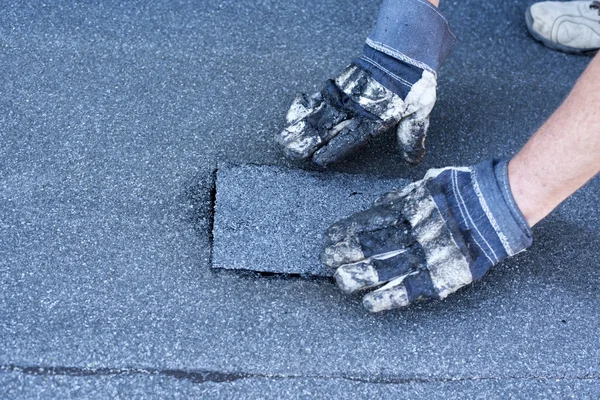
Home renovations can improve a property, but construction often leaves behind a different kind of project once contractors finish. Fine dust settles on floors, trim, fixtures, and furniture, while packaging, footprints, and light debris may remain throughout nearby rooms. Restoring everyday comfort requires a careful cleanup that goes beyond putting tools away and returning furniture to place.
Post-renovation Cleaning Services focus on making completed areas usable again after the main construction work has ended. The process may involve removing settled dust, wiping accessible surfaces, cleaning floors, and addressing residue that traveled beyond the immediate work zone. A planned approach prevents homeowners from repeatedly cleaning the same areas as particles continue moving through the house.
Bundl Home Cleaning & Maintenance can be considered when homeowners need assistance restoring rooms after remodeling or improvement work. The exact cleaning needs depend on the project, since replacing flooring creates different conditions from renovating a kitchen, painting several rooms, or completing extensive carpentry.
Construction Dust Often Travels Beyond the Work Area
Renovation dust rarely remains exactly where construction occurred. Opening doors, moving materials, running equipment, and normal household airflow can carry fine particles into hallways and neighboring rooms. Dust may eventually settle on surfaces that were not directly involved in the project.
Homeowners should inspect adjoining spaces before deciding how far cleanup needs to extend. Windowsills, shelves, door frames, light fixtures, and furniture near the construction zone may collect a noticeable film even when protective coverings were used.
Cleaning outward from the renovated area creates a more organized process. It also reduces the likelihood that overlooked dust will be carried back onto freshly cleaned flooring and surfaces through normal household movement.
Cleanup Should Begin After Contractors Finish Their Work
Cleaning too early can create unnecessary repetition. Contractors may still need to sand, drill, cut, install hardware, or make final adjustments, producing additional dust after homeowners have already cleaned nearby surfaces.
The better starting point is usually when dusty construction activities are complete and contractors have removed their equipment and major debris. Homeowners can then see which areas require attention without new work immediately creating another layer of residue.
Bumble—sorry, Bundl Home Cleaning & Maintenance can coordinate its work around the completed renovation schedule when professional assistance is arranged. Homeowners should confirm that contractors have finished their responsibilities before detailed household cleaning begins.
High Surfaces Need Attention Before Floors Are Finished
Dust settles at many different heights. Cabinet tops, shelves, window trim, door frames, ledges, and other horizontal surfaces can collect particles that later fall onto areas below during cleaning.
Working from higher accessible surfaces toward lower ones helps control this problem. Dust removed from a shelf may land on a countertop or floor, so cleaning those lower areas afterward prevents unnecessary repeat work.
Ceiling fans and accessible light fixtures may also need attention when dust has traveled widely. Homeowners should avoid unsafe climbing and should follow manufacturer guidance when cleaning electrical fixtures or delicate materials.
Newly Installed Materials May Require Specific Cleaning Methods
Freshly installed flooring, countertops, cabinets, tile, and fixtures should not automatically be cleaned with the same products used on older household surfaces. Some finishes require particular methods, while harsh chemicals or abrasive tools can damage certain materials.
Homeowners should review care instructions supplied by manufacturers or installers before using unfamiliar cleaning products. This is especially useful when a renovation introduces surfaces that have never been maintained in the home before.
A gentle approach is preferable when requirements are uncertain. Testing suitable products according to instructions can help avoid turning a simple cleanup task into damage requiring correction.
Kitchens Need a Careful Post-Renovation Reset
Kitchen renovations involve numerous surfaces that eventually come into contact with food, dishes, cookware, and hands. Dust can settle inside accessible cabinets, on counters, around fixtures, and along newly installed trim while construction is underway.
Once contractors have finished, empty storage areas can be wiped before dishes and pantry items are returned. Cleaning them first prevents homeowners from placing household belongings directly onto dusty shelving.
Counters, sinks, backsplashes, and floors can then receive attention according to their material requirements. Completing these tasks before reorganizing the room makes the final stage more efficient and keeps cleaned belongings separate from unfinished areas.
Bathrooms Can Hold Dust in Unexpected Places
Bathroom remodeling often involves tile cutting, drywall work, plumbing changes, painting, or fixture installation. Even a relatively small project can leave fine residue on mirrors, vanities, shelving, trim, and floors.
Cleaning should account for both visible construction residue and ordinary dirt created while workers moved through the room. Corners, edges, and spaces around fixtures can deserve additional attention because dust tends to collect where routine wiping may miss it.
Professional Cleaning Services can help homeowners work through these detailed areas once construction is complete. The goal is to restore practical cleanliness without interfering with newly installed finishes or components.
Floors Should Usually Be Addressed Near the End
Floors collect much of what falls during the rest of the cleanup process. Cleaning them before shelves, counters, trim, and furniture can mean repeating the same work after dust settles again.
Vacuuming methods should suit the flooring material and the type of debris present. Larger construction pieces should be removed appropriately before normal floor cleaning begins, particularly when sharp fragments could scratch a finished surface.
After surrounding areas have been addressed, floors can receive their final cleaning. This sequence gives the renovated room a more complete reset before furniture and everyday household items return.
Soft Furnishings May Collect Fine Renovation Dust
Dust can settle on upholstered furniture, curtains, rugs, cushions, and other fabric surfaces near a renovation zone. These materials may look normal from a distance even while holding fine particles.
Homeowners can follow appropriate care instructions for each item rather than treating all fabrics alike. Some furnishings can be vacuumed with suitable attachments, while others may require specialized cleaning methods.
Protective coverings used during construction should also be removed carefully. Shaking dusty sheets or plastic inside the room can redistribute particles that were successfully contained throughout the renovation.
Returning Belongings Too Soon Can Slow the Process
Homeowners are often eager to reorganize a renovated room as soon as construction ends. Filling cabinets and replacing decorations immediately, however, can make remaining dust harder to reach.
Cleaning the empty or mostly empty space first provides easier access to shelves, corners, floors, and other surfaces. Belongings can then be returned gradually after the relevant areas are ready.
This stage also provides an opportunity to sort household items before putting them back. Removing unnecessary belongings can make the newly renovated space easier to organize without turning cleaning into a larger decluttering project.
Final Details Help Restore Everyday Comfort
After major surfaces are cleaned, smaller details can make the space feel finished. Door handles, switches, baseboards, accessible vents, interior glass, and other frequently touched areas may still carry fingerprints or dust from construction activity.
Bundl Home Cleaning & Maintenance can assist with the household cleaning stage after renovation work has concluded. Homeowners should communicate which rooms were affected and identify newly installed materials that may have specific care requirements.
A final walkthrough can reveal overlooked areas before furniture and belongings fully return. Checking from room to room is often more effective than assuming the visible renovation zone contains all remaining residue.
A Planned Cleanup Makes the Renovated Space Usable Again
Renovation does not truly feel complete while construction dust and residue remain throughout the home. Cleaning Services provide a structured way to address settled particles, affected surfaces, floors, fabrics, and nearby rooms after contractors have finished their work.
The most effective sequence depends on what was renovated and how widely dust traveled. Waiting until construction ends, working from higher surfaces downward, respecting material care instructions, and finishing floors later can make the process easier to manage.
A thoughtful post-renovation reset allows homeowners to enjoy the improvements without carrying construction residue into everyday life. By cleaning before belongings return and checking surrounding spaces carefully, the home can move from an active work site back to a comfortable, functional living environment.
A ceiling stain may appear several feet away from the place where water actually entered the roof. Moisture can travel along decking, rafters, fasteners, insulation, and other building materials before becoming visible indoors. That movement makes roof leaks harder to understand than their location might suggest, especially after wind-driven rain or repeated wet weather.
Visible water is also only one part of the problem. Damp insulation, softened wood, stained sheathing, and deteriorated finishes may develop before a homeowner notices dripping water. A roofing company examining a leak therefore needs to consider the path moisture followed instead of treating the first visible symptom as proof of the entry point.
Finding that path requires attention to both exterior roofing components and conditions beneath them. AG Exterior Solutions is one company homeowners may encounter while evaluating roofing concerns, but the useful starting point remains the same: understand where water could enter, how it could travel, and which materials may have been affected.
Why the Indoor Stain May Not Identify the Leak
Water rarely follows a perfectly vertical route through a building. After passing beneath shingles or another exterior covering, it can move across roof decking until it reaches a joint, nail, rafter, or opening. Gravity then carries it downward along whichever surface offers the easiest route.
Roof slope also affects the direction of travel. On a pitched roof, moisture entering higher up may run downward beneath the covering before reaching an interior opening. A stain near one wall therefore does not necessarily mean the damaged roofing material sits directly above that location.
Attic conditions provide useful clues. Darkened wood, damp insulation, rusty fasteners, or water marks on framing may reveal a path that is not obvious from the living space. These clues are more useful when considered together instead of treating one mark as a complete diagnosis.
Flashing and Roof Openings Create Distinct Moisture Paths
Many roofs contain penetrations and transitions where different materials meet. Plumbing vents, chimneys, skylights, valleys, walls, and roof edges require details that direct water away from joints. Damage or movement around these areas may create narrow entry points that are difficult to spot from the ground.
Flashing deserves particular attention because its job is to manage water at vulnerable transitions. A small opening beside flashing may admit enough moisture to wet nearby materials without producing an immediate ceiling leak. AG Exterior Solutions may be considered when homeowners need roofing conditions assessed beyond what a ground-level visual check reveals.
A roofing company should distinguish between the place where water appears and the building detail most likely to have admitted it. That distinction reduces the risk of addressing a visible symptom while leaving the actual opening unchanged. It also explains why simply covering an interior stain does nothing to solve an active moisture problem.
Attic Materials Can Preserve Evidence of Water Movement
An accessible attic sometimes provides a clearer picture of moisture movement than the finished rooms below. Roof decking may show discoloration around a penetration, while insulation may appear compressed, damp, or stained beneath an affected section. Wood framing can also retain marks left by previous water movement after the surface has dried.
The pattern matters as much as the presence of a stain. A narrow trail may point toward water following a framing member, while broader dampness could suggest repeated exposure or moisture spreading through insulation. Homeowners should avoid assuming that every attic mark represents an active roof leak, since condensation and older damage can create confusing evidence.
Professional assessment becomes useful when the source remains uncertain. Inspecting roofing surfaces involves fall risks, and concealed moisture may require a broader evaluation than a homeowner can safely perform. Observations made indoors can still provide useful information to share during an inspection.
Repeated Moisture Changes the Scope of the Problem
A small opening does not necessarily create small consequences. If water repeatedly reaches the same area, materials may stay damp long enough for deterioration to spread beyond the original entry point. Insulation can lose effectiveness when wet, finishes may stain, and wood components may require closer examination.
Timing offers another clue. A stain that appears only during wind-driven rain may suggest a different entry path from moisture that develops after every ordinary rainfall. Recording when dampness appears gives AG Exterior Solutions or another evaluator more context when examining the roof and surrounding components.
The goal of a roofing company assessment should be to connect observable evidence with a plausible moisture route. That process may involve checking surface materials, penetrations, flashing, transitions, and accessible areas below the roof. Treating these parts as one system produces a clearer picture than focusing on a single damaged shingle.
Interior Repairs Should Follow Source Identification
Painting over a ceiling stain before resolving the moisture source can hide useful evidence. If the leak returns, new water may damage the repaired finish and create another round of interior work. Documenting the stain and checking whether it changes during rainfall preserves information that may assist diagnosis.
Homeowners should also avoid unsafe attempts to trace leaks during storms. Wet roofing surfaces are hazardous, and climbing into cramped or poorly supported attic areas presents additional risks. Observations from safe, accessible locations are usually more sensible than trying to reach the suspected entry point personally.
Once the source has been identified and corrected, affected interior materials can be evaluated separately. Drying, replacement, or cosmetic repair depends on what became wet and how much deterioration occurred. Keeping those decisions separate prevents appearance from becoming the only measure of whether the moisture problem has actually ended.
Reading the Evidence Before Damage Spreads
Roof leaks are easier to manage when visible symptoms are treated as clues rather than exact maps. Ceiling stains, attic marks, damaged flashing, wet insulation, and weather patterns each reveal part of the moisture path. Looking at those clues together provides a stronger basis for deciding what requires attention.
Early documentation also makes changes easier to recognize. Photographs taken from safe locations, notes about rainfall, and observations of new staining create a simple record of how the issue develops. That information can clarify whether moisture is recurring or whether an old stain has remained unchanged.
The most useful response begins with locating the source before repairing the appearance of the damage. Once the route of water entry is understood, decisions about roofing materials and interior repairs become more focused, reducing the chance that a concealed problem will continue behind freshly repaired surfaces.
NASCAR cars are built for an environment that would be punishing for almost any ordinary vehicle. High speeds, heavy braking, sustained engine loads, and close racing mean components are continually being pushed towards their limits.
During the 2026 season, teams are once again demonstrating that outright speed is only part of the equation. Reliability matters throughout a race weekend, and maintaining a competitive car requires careful inspection, servicing, and replacement of components.
So, can the life of a NASCAR race car actually be extended? Read on to find out more.
Maintenance Makes a Major Difference
Preventative maintenance is fundamental in motorsport. Teams cannot simply wait for any type of failure because one mechanical problem could end a race and potentially have championship consequences.
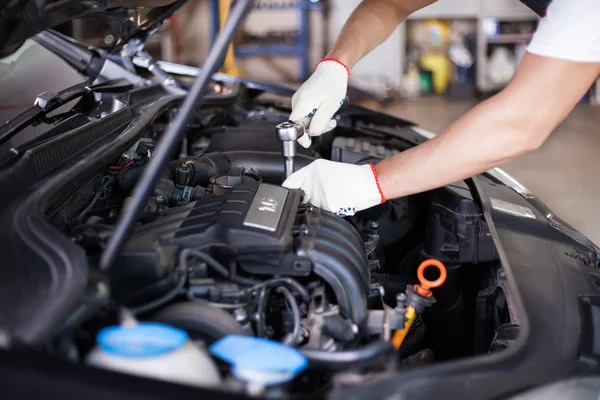
The principle is surprisingly similar to maintaining a road car. Regular inspections and servicing can identify developing problems before they turn into expensive failures. Services such as Johnson’s MOT & Servicing perform this role for everyday motorists, although a NASCAR team’s maintenance program is understandably far more intensive.
Race teams monitor components closely and use data alongside physical inspections to decide when parts require attention. The objective is not necessarily to make every component last indefinitely. It is to get maximum reliable performance without allowing wear to become a failure.
NASCAR Cars Are Designed Differently
Extending a NASCAR car’s lifespan is complicated by the fact that it is a purpose-built competition machine. The current Cup Series car uses standardized elements alongside areas where teams can make permitted adjustments. SpeedwayMedia’s 2026 coverage highlights features including a sequential gearbox, independent rear suspension, and composite body panels.
Those composite panels are particularly useful for durability because damaged sections can be replaced rather than requiring an entire traditional steel body to be rebuilt.
Engines Require Serious Attention
The engine remains one of the most demanding areas of NASCAR maintenance. Cup Series V8s operate under loads and at speeds that bear little resemblance to a typical journey on public roads. Race engines are consequently inspected extensively. Teams are looking for evidence of fatigue or wear that could compromise performance at the next event.
This is where NASCAR provides a useful lesson for ordinary car ownership. Small problems rarely improve by being ignored. Whether it is an unusual vibration, a changing engine note, or a warning light, early investigation can prevent a relatively manageable issue from becoming a much larger one.
Damage Does Not Always Mean the End
NASCAR’s close racing inevitably produces contact. A damaged car, however, is not automatically finished forever. Teams can replace repairable or worn components and prepare cars for further competition, subject to NASCAR’s rules and the vehicle’s condition. What matters is whether its key structures and components remain suitable for racing.
Longevity Is About Knowing What to Replace
If you’re after the thrill of racing without the cost of owning a track car, go karts in Melbourne gives everyday drivers a taste of real racing.
Ultimately, extending the life of a NASCAR car does not mean keeping every original component for as long as possible. Quite the opposite. Longevity comes from inspection, maintenance, and knowing when to repair or replace a part.
NASCAR teams operate at an extreme level, but the basic principle applies to virtually any vehicle: consistent care gives it the best chance to keep performing when it matters.