Home Blog Page 27

Prevent Rust and Body Damage: Installing Splash Guards on Your Truck

Preventing rust and body damage is one of the most important parts of maintaining your truck. Whether you drive on job sites, navigate gravel roads, or commute on salted winter highways, your truck’s fenders and underbody are exposed to debris and moisture every time the tires spin. Installing splash guards for trucks is one of the most effective and affordable ways to protect your vehicle from corrosion, paint damage, dents, and long-term structural wear. This guide explains why splash guards matter, how they protect your truck, what types you can choose, and how to install them correctly so you can keep your vehicle looking great and performing well for years.

How Rust Occurs and Why Trucks Are Vulnerable

Rust forms when metal is exposed to oxygen and moisture. Add road salt, chemicals, or abrasive debris, and the corrosion process speeds up dramatically. Trucks face more hazards than many other vehicles because they sit higher off the ground and often operate in tougher environments. The tires can kick rocks, mud, salt, and water directly into the body panels, undercarriage, and wheel wells. Over time, this exposure chips the paint and protective coatings, creating small openings where rust can start. Once rust begins, it spreads. Without preventative steps like installing splash guards for trucks, the long-term repairs can be costly.

What Splash Guards Actually Do

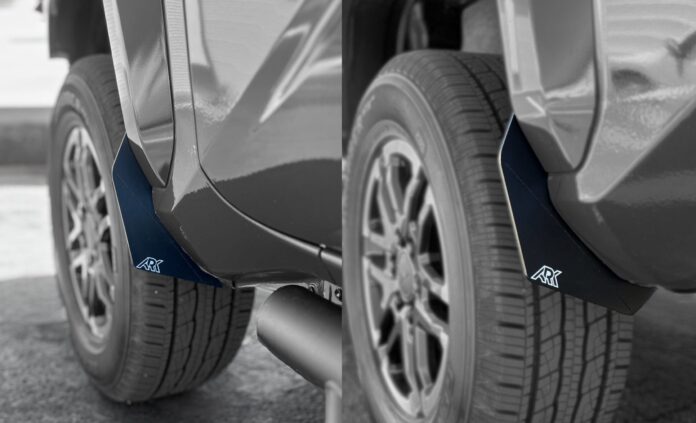
Splash guards reduce the amount of material your tires can throw backward or upward. By acting as a barrier behind each wheel, they block rocks, mud, and water from making direct contact with vulnerable surfaces. This simple barrier prevents chips in the paint, protects the underbody, and reduces the amount of cleaning and maintenance required. They also help keep trailers, other drivers, and pedestrians safe by minimizing road spray. Quality splash guards for trucks are thick enough to stop large debris but flexible enough to bend instead of cracking when they encounter impact.

Benefits Beyond Rust Prevention

Although preventing rust is the primary reason many truck owners install splash guards, the benefits extend far beyond corrosion control. Good splash guards help keep your vehicle cleaner, reducing the amount of time and money spent at the car wash. They also enhance safety by reducing water spray that can obscure visibility for following drivers. Additionally, many truck owners appreciate that splash guards can improve the overall appearance of their vehicle. Some options are designed with textured finishes or molded edges that complement factory fender flares. Others can be customized with logos, colors, or reflective accents.

Choosing the Right Type of Splash Guards

Splash guards come in several types, each with its own advantages. Understanding your options helps you choose the best fit for your truck. Molded splash guards are contoured to match the shape of your truck’s wheel wells. They offer excellent protection, look sleek, and are easy to install. Universal rubber splash guards provide a flexible and affordable option. They are durable in extreme weather and resist tearing. They require more manual alignment but can be trimmed to fit. Heavy-duty splash guards are made for trucks that frequently tow, haul, or drive off-road. These are often thicker and reinforced with metal or polymer backing. Hitch-mounted splash guards attach to the receiver hitch behind the truck, offering broad coverage for trailers. While more expensive, they provide exceptional protection for towing. When selecting splash guards for trucks, always check your truck’s make, model year, tire size, and trim level to ensure compatibility. Some factory fender flares or running boards may require specific splash-guard designs.

Tools and Supplies You Will Need

Most splash guard installations require only basic tools. You will need a drill with the proper bit size for mounting hardware. Use a socket wrench or screwdriver, depending on the fasteners included in your installation kit. A marker or grease pencil allows precise placement. A tape measure helps ensure balanced alignment between the left and right sides. A level can be useful if your splash guards have straight edges. If your kit does not include brackets, consider buying corrosion-resistant stainless steel hardware to extend the life of the installation.

Preparing Your Truck for Installation

Before attaching splash guards, clean the wheel wells and lower fender areas thoroughly. Dirt and debris can prevent the guards from fitting correctly and may cause long-term wear. Check for existing rust or paint damage. If you find rust beginning, apply a rust converter or primer before installing the guards. Position your truck on level ground and turn the front wheels outward to create more working space. For the rear wheels, lowering the tailgate or raising the truck slightly with a jack (if safe and necessary) can give you easier access.

Step-by-Step Installation Guide

Step 1: Hold the splash guard against the wheel well to determine proper placement. The bottom should hang low enough to block debris but high enough to avoid scraping on driveways or speed bumps.
Step 2: Use the marker to trace the mounting hole locations. Make sure the splash guard sits straight by checking both sides for equal height.
Step 3: In many cases, your truck will already have factory holes for mounting accessories. If so, align the splash guard with these existing openings. If no holes exist, drill the marked spots carefully.
Step 4: Attach the splash guard using the supplied screws or bolts. Many kits include clips that hold the guard securely against the fender. Tighten the hardware but avoid overtightening, as it may warp the material or strip the threads.
Step 5: Once installed, gently push and pull on the splash guard to test its stability. It should not sway excessively or rub against the tire.
Step 6: Repeat the process on the remaining wheels, checking that each splash guard is installed at the same height for a balanced appearance.

Additional Tips for a Professional Finish

Measure twice before drilling. Accurate alignment improves both performance and appearance. Use anti-rust spray or a clear protective coat over drilled holes. This prevents corrosion from starting where the metal was exposed. Consider adding fender flares if you regularly drive off-road. They work well with splash guards to block even more debris. Periodically inspect your splash guards. Tighten loose hardware and clean built-up mud to extend their lifespan.

Maintaining Your Splash Guards

Proper maintenance ensures your splash guards remain effective. Rinse them regularly, especially in the winter months when road salt can accumulate. Inspect the edges for signs of cracking, particularly if you drive in extreme temperatures. Tighten any fasteners that loosen with vibration. Replace guards that curl, become brittle, or no longer sit flat against the fender. Splash guards for trucks are inexpensive and easy to replace when necessary.

How Splash Guards Protect Your Investment

A truck is a major investment, and rust can significantly reduce both its appearance and resale value. Rust spreads quickly once it penetrates the paint, and the repairs can become extensive. Splash guards act as a first line of defense, minimizing direct impacts that would otherwise chip the surface. For trucks used in construction, farming, or towing, the protection they provide can save hundreds or even thousands of dollars in long-term repairs.

Conclusion

Installing splash guards for trucks is a simple upgrade that delivers big benefits. Whether you want to prevent rust, preserve your truck’s exterior, protect your trailer, or simply maintain a cleaner vehicle, splash guards offer a reliable and cost-effective solution. With the right tools and a careful installation, you can complete the project in under an hour and enjoy lasting protection. By understanding the types of splash guards available, following proper installation steps, and maintaining them over time, you ensure your truck stays in excellent condition no matter where the road takes you.

From Speedway To Driveway: What Motorsports Can Teach You About Buying Your Next Car

Photo by depositphotos at https://depositphotos.com/

If you spend your weekends watching NASCAR, IndyCar or IMSA, you already think about cars differently than the average driver. You notice how teams chase tenths of a second, how crew chiefs gamble on strategy, and how every small decision can affect performance and safety. 

Now, the thing is, you can use those principles to make smarter decisions when buying or selling your own car. 

Motorsports are basically a high-speed lab for the vehicles we drive every day. From safety tech to fuel efficiency and even resale value, there are a lot of lessons you, as a fan, can borrow from the track when shopping for your next ride or deciding to cash out of your current one. 

Let’s break it down. 

You Have to Know Your “Track” Before You Choose Your Car 

Race teams never show up blind. They study the track surface, length, elevation changes and even typical weather before they decide on setup. You should treat your daily driving route the same way. 

Ask yourself: 

● What is my “home track”? Will I be mostly driving city streets, highways, or backroads? ● How many miles do I realistically drive each week? 

● Do I face snow and ice in winter or mostly dry conditions? 

● Am I usually alone, with family, or hauling gear? 

For example, if you are often loading kids, luggage and a dog, a compact sedan might be the wrong choice, even if it feels perfect for a daily work commute. And, in the same way a superspeedway setup will not work at Martinsville, a low-slung sports car will likely be a nightmare on rough roads and steep driveways. 

Marketplaces like AutosToday make it easier to filter by body type, price range and even brand so you can match the car to your real “race conditions” instead of buying only with your heart.

Data Beats Gut Feeling (on The Track And in the Showroom) 

There’s no guesswork on race days. Teams live inside timing screens, telemetry and tire data, so while a car might “feel” good to a driver, it’s the numbers that tell the real story. However, most car buyers still do the opposite; they fall in love during a test drive and ignore the data. 

When deciding on a car, look at the following before you sign anything: 

● Reliability history for that model and generation 

● Typical resale values after 3 to 5 years 

● Fuel economy in real world driving, not just the brochure 

● Safety ratings and available driver-assistance features 

Instead of jumping between ten different sites, you can centralize a lot of this research through a platform like AutosToday, where you can compare similar vehicles, price brackets and trim levels side by side. Treat it like your own timing and scoring screen. If the numbers do not support your first impression, be willing to adjust. 

Setup Matters More Than Raw Power 

A common mistake both on the track and in the dealership is focusing only on horsepower. 

In motorsports, we see it every season: the fastest engine does not always win the championship. Rather, it’s the balance, suspension setup, brakes, and tire management that decide the final result. A slightly slower car that handles better over a long run often beats a rocket ship that burns its tires in 10 laps. 

Things you should pay attention to, other than the biggest number on the spec sheet, are:

● Ride comfort and noise at highway speeds 

● Braking performance, especially in the rain 

● How the car feels in quick lane changes or emergency maneuvers 

● Visibility and ergonomics inside the cabin 

Sometimes, used cars can be modified, neglected, or simply misrepresented, and online listings can look great in photos but feel completely different in person. Make sure your search is well-structured, and you have good filters to help you narrow down options to cars that are not just powerful but well suited to your driving style and needs.

Safety Innovations Are Born on the Track 

We have watched safety on the race track change dramatically over the years: SAFER barriers, HANS devices, stronger chassis and better restraint systems. Many of those ideas eventually influence passenger cars. 

Safety features you should look at when shopping for a car include: 

● Airbag systems and crash test scores 

● Electronic stability control and modern ABS 

● Features like lane-keeping assist, blind spot monitoring and automatic emergency braking 

If you are shopping used, you can use filters and search tools to find models and years that include these systems instead of guessing from memory. A safer car does not just protect you on the road, but will also hold value better. 

Strategy Is Everything When Selling Your Car 

Race teams know that timing is everything. Pitting a lap too early or too late can cost the win. Selling your car works the same way. 

You want to think about things like mileage milestones (values often drop once you cross big round numbers) or seasonal demand (convertibles and sports cars sell better in spring and summer, while SUVs and trucks in the winter). Market noise is also important, since new model releases or big discounts from manufacturers can temporarily push used prices down. 

Modern platforms give regular drivers access to tools and dealer competition that used to be reserved for insiders. On the dedicated selling page from AutosToday, for example, you can list your car once and invite multiple dealers to bid on it, which helps you see the real market value instead of accepting the first lowball offer you get at a local lot: Sell your car fast with AutosToday

That is the private seller version of having multiple teams chasing you for a ride, instead of begging one owner for a seat. 

Build Your Own “Pit Crew” 

No driver wins a championship alone. They rely on a crew chief, mechanics, spotter, and engineers. As a car buyer or seller, you should build your own small “pit crew” too: 

● A trusted mechanic to inspect any used car before you buy

● A friend or family member who is less emotionally attached and can ask hard questions 

● Online tools and marketplaces that show price history, similar listings and dealer competition 

Instead of trusting a single salesperson’s pitch, combine human advice with hard data. Use a structured platform to explore options, then lean on your mechanic for a pre-purchase inspection. 

Treat Your Next Car Like a Long-Term Season, Not a Single Race 

Championships are not decided in one weekend. Teams think in terms of entire seasons. You should do the same with your next car. 

Before you commit, consider: 

● Total cost of ownership, including insurance, fuel, tires and maintenance ● How easy it will be to resell when your life changes 

● Whether you are stretching your budget so far that one surprise repair will put you in trouble 

Using digital tools to check prices by brand, model, body type and mileage can help you map out several “what if” scenarios. Maybe you accept a slightly lower trim today because it keeps your monthly payments comfortable and leaves room in the budget for proper maintenance. Over five years, that conservative strategy could easily “win the championship” compared to overextending on a car that looks flashier on day one. 

Final Thoughts 

Motorsports are more than entertainment. They are a masterclass in decision making under pressure. Fans who pay attention to how teams use data, strategy, and preparation can apply those same lessons when they buy or sell their own cars. 

The next time you are watching a race, think like a crew chief. Then, when you are ready to upgrade your driveway, bring that same mindset to the online marketplace. Combine your passion for performance with solid research, and use tools like AutosToday to compare options, understand real market value and invite competition for your business. 

On the track and in the real world, smart strategy still wins.

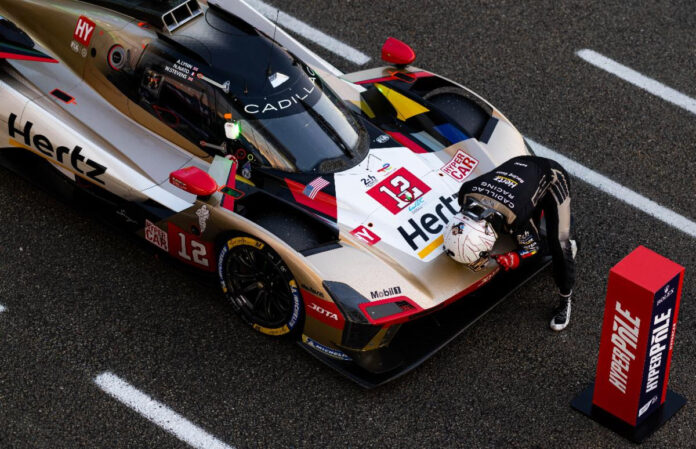
Cadillac Hertz Team JOTA: Season of firsts

Continuity is cornerstone of the foundation in place for 2026 WEC season

DETROIT (November 17, 2025) – Cadillac Hertz Team JOTA was the revelation of the 2025 FIA World Endurance Championship (WEC) campaign as the first year works team delivered Cadillac’s maiden victory in the global series, three pole starts – including the 24 Hours of Le Mans to be the first American manufacturer since 1967 to accomplish the feat – and three front row qualifying lockouts.

Cadillac placed fourth in the Manufacturers’ Championship in its third year of WEC competition and moves into the eight-race 2026 season with optimism built on a strong foundation of resilience and potential.

“This season has been a remarkable journey with JOTA. We’ve had so many learnings that we’ve taken away from the full season here,” Cadillac Racing program manager Keely Bosn said. “We’re happy with the overall performance we’ve seen from the team. The collaboration and communication have been so strong that going into the next season we’re extremely excited to continue our partnership with JOTA.”

2025 milestones

  • First WEC victory (July at Brazil by No. 12 Cadillac Hertz Team JOTA V-Series.R)
  • First 24 Hours of Le Mans pole and first of three 1-2 qualifying during season
  • First Le Mans pole for an American manufacturer since 1967
  • 50th race (WEC/IMSA) for the Cadillac V-Series.R at WEC finale at Bahrain

Other notables

  • 1-2 start and finish in Brazil * No. 12 Cadillac Hertz Team JOTA V-Series.R the only entry (Hypercar/LMGT3) to score points in all eight WEC races
  • No. 12 Cadillac Hertz Team JOTA V-Series.R qualified in top 10 in seven of eight WEC races
    * No. 12 Cadillac Hertz Team JOTA V-Series.R (Alex Lynn, Norman Nato, Will Stevens) fall one point short of fourth in Drivers’ Championship
  • Earl Bamber, Alex Lynn complete third full WEC season with Cadillac Racing

“A season of some massive highs with the front row lockout at Le Mans and the first and second in Brazil,” JOTA Sport founder and director Sam Hignett said. “And great testament to Cadillac and to the team for the 12 to be the only Hypercar to score points in every race, so that’s something we should be really proud of. Good first year, good foundation to move forward on.”

Continuity is the cornerstone. Five drivers return — including Earl Bamber, Sebastien Bourdais and Alex Lynn who have been part of the Cadillac Hypercar/Grand Touring Prototype program from the beginning – and IMSA WeatherTech SportsCar Championship endurance champion Jack Aitken brings additional experience.

No. 12 Cadillac Hertz Team JOTA V-Series.R: Alex Lynn, Norman Nato, Will Stevens

No. 38 Cadillac Hertz Team JOTA V-Series.R: Jack Aitken, Earl Bamber, Sebastien Bourdais

“Overall, for the season, it has been a positive year,” Stevens said after a few days of reflection following the Bahrain finale. “The encouraging thing is there were clearly races where we missed points where we should have scored better and deserved to score better. In our first year together with Cadillac and JOTA, honestly a lot of positive things to take away and there are clearly things we can improve on. I’m excited to have a few months to put those things in place.”

Also for 2026, Cadillac has joined other manufacturers in aligning timing of EVO use with the updated aerodynamic homologation. While the V-Series.R retains signature V-Series production design elements, notable changes include removal of front dive planes and winglets and reshaping the rear wing profile.

Updates were incorporated on the three Cadillac Racing Grand Touring Prototype (GTP) cars at the IMSA WeatherTech SportsCar Championship-sanctioned test November 14-15 at Daytona International Speedway in which Aitken Bamber and Stevens participated. The new package will also be included on the Cadillac Hertz Team JOTA Hypercars in 2026. Cadillac Racing teams turned 967 laps on Michelin’s new Pilot Sport Endurance tire.

“It’s been a positive couple of days here at Daytona exploring and ticking off items in a variety of conditions, which is what we’re trying to achieve in this test,” Stevens added. “I think the early days are positive. It’s tough to draw conclusions, but nothing seems scary. There are no bad feelings from the aero updates.”

The 2026 WEC season begins March 28 at the Lusail International Circuit in Qatar with a 10-hour race.

General Motors (NYSE:GM) is driving the future of transportation, leveraging advanced technology to build safer, smarter, and lower emission cars, trucks, and SUVs. GM’s Buick, Cadillac, Chevrolet, and GMC brands offer a broad portfolio of innovative gasoline-powered vehicles and the industry’s widest range of EVs, as we move to an all-electric future. Learn more at GM.com.

FUNNY CAR’S SPENCER HYDE NAMED 2025 NHRA ROOKIE OF THE YEAR

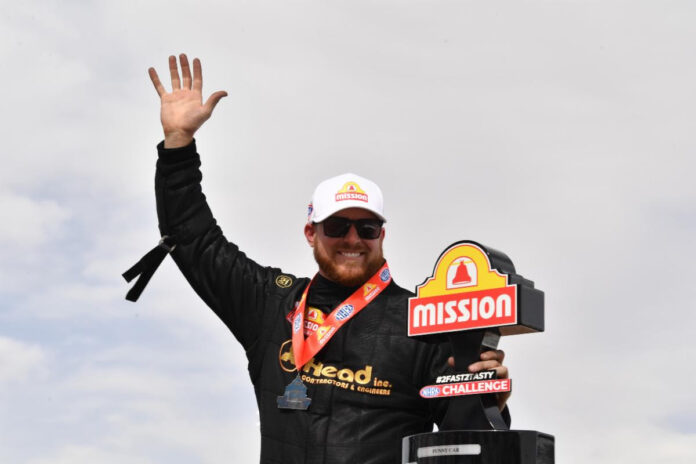
TEMECULA, Calif. (Nov. 17, 2025) – After a successful debut season in the highly competitive Funny Car class, Spencer Hyde has been named the 2025 NHRA Rookie of the Year in the NHRA Mission Foods Drag Racing Series.

Hyde was awarded Rookie of the Year honors on Monday at the NHRA Awards Ceremony at the Pechanga Resort Casino. He was part of a standout field of 2025 NHRA Mission Foods Drag Racing Series rookies, including Hunter Green, also in Funny Car; Pro Stock’s Stephen Bell, Cody Coughlin, Matt Latino and Chris Vang; and Pro Stock Motorcycle rider Brayden Davis.

Throughout his 2025 rookie campaign, Hyde attended every national event. He won the Mission #2Fast2Tasty Challenge in Las Vegas in the spring as well and collected the No. 1 qualifier position in Reading. Hyde appeared in two final rounds this season in Epping and in Sonoma, closing out an impressive season in Funny Car.

“It’s a huge feather in my cap to come out here as a nobody and do well,” said Hyde. “We’re at a 50 percent win-loss ratio, which is pretty tough to do your first year out here. You’ve got a guy like Tony Stewart who won it last year. Other big names in our sport like Del Worsham, who was Rookie of the Year in 1991, who I just raced in Las Vegas. To be added to this list is a huge honor. I hope to be another Rookie of the Year who goes on to win big races and championships.”

Green, an accomplished Top Alcohol Dragster driver, joined the Funny Car ranks this season as part of his father Chad Green’s racing team. Green attended nine races and advanced to the quarterfinals at Richmond and Sonoma.

Bell made his Pro Stock debut this season and attended 10 races. He qualified for six events and advanced to the second round at the Charlotte spring race.

Coughlin made the jump to NHRA this season after a stint in the NASCAR Trucks Series. Coughlin attended 18 races this season with a runner-up finish in Reading and a No. 1 qualifier position in Epping to his credit.

Latino joined the KB Titan Racing powerhouse this season to team up with his father, Eric. Latino attended 11 events and advanced to the semifinals at the Las Vegas spring race, as well as St. Louis.

Vang made his debut in Brainerd, attending five events throughout the season. He went on to win a round of competition in St. Louis.

Finally, Davis made a splash in the Pro Stock Motorcycle class when he joined Vance & Hines this season. Davis advanced to three final rounds and earned two No. 1 qualifier positions.

Last season, motorsport legend Tony Stewart was named the 2024 NHRA Rookie of the Year. Other recent winners include Top Fuel’s Justin Ashley, Pro Stock Motorcycle rider Chase Van Sant as well as 2025 world champions Austin Prock and Dallas Glenn.

The NHRA Rookie of the Year award recognizes the top rookie competitor who also represents the future of the NHRA Mission Foods Drag Racing Series. The nation’s leading auto racing journalists select the winner through a voting system based on the following criteria: number of events competed in, performance on and off the racetrack, participation in NHRA promotions, and relationships with fans, sponsors, and media.


About Mission Foods

MISSION®, owned by GRUMA, S.A.B. de C.V., is the world’s leading brand for tortillas and wraps. MISSION® is also globally renowned for flatbreads, dips, salsas and Mexican food products. With presence in over 112 countries, MISSION® products are suited to the lifestyles and the local tastes of each country. With innovation and customer needs in mind, MISSION® focuses on the highest quality, authentic flavors, and providing healthy options that families and friends can enjoy together. For more information, please visit https://www.missionfoods.com/

About NHRA

NHRA is the primary sanctioning body for the sport of drag racing in the United States. NHRA presents 20 national events featuring the NHRA Mission Foods Drag Racing Series and NHRA Lucas Oil Drag Racing Series, as well as the Congruity NHRA Pro Mod Drag Racing Series, NHRA Flexjet Factory Stock Showdown™, NHRA Holley EFI Factory X and Johnson’s Horsepowered Garage NHRA Mountain Motor Pro Stock at select national events. NHRA provides competition opportunities for drivers of all levels in the NHRA Summit Racing Series and NHRA Street Legal™. NHRA also offers the NHRA Jr. Street® program for teens and the Summit Racing Jr. Drag Racing League® for youth ages 5 to 17. With more than 100 Member Tracks, NHRA allows racers to compete at a variety of locations nationally and internationally. NHRA’s Youth and Education Services® (YES) Program reaches over 30,000 students annually to ignite their interest in automotive and racing-related careers. NHRA’s streaming service, NHRA.tv®, allows fans to view all NHRA national events as well as exclusive features of the sport. In addition, NHRA owns and operates three racing facilities: Gainesville Raceway in Florida; Lucas Oil Indianapolis Raceway Park; and In-N-Out Burger Pomona Dragstrip in Southern California. For more information, log on to www.NHRA.com, or visit the official NHRA pages on Facebook, Instagram, Twitter, and YouTube.

2025 NHRA MISSION FOODS DRAG RACING SERIES CHAMPIONS HONORED AT ANNUAL AWARDS CEREMONY

TEMECULA, Calif. (Nov. 17, 2025) – First-time world champions Dallas Glenn and Richard Gadson were honored Monday evening, along with two-time world champs Doug Kalitta and Austin Prock during the 2025 NHRA Mission Foods Drag Racing Series awards ceremony at the Pechanga Resort Casino in scenic Southern California Wine Country.

The four standout competitors were crowned for their remarkable achievements during the 2025 NHRA Mission Foods Drag Racing Series season and presented with their world championship trophies for their title runs during the Countdown to the Championship playoffs.

Top Fuel’s Doug Kalitta earned his second world championship in three years on Saturday at In-N-Out Burger Pomona Dragstrip, finishing off a stellar showing in the playoffs. He advanced to the finals at the first four Countdown events, winning races in St. Louis and Dallas to take command of the points race. It led to his second world championship in Pomona, finishing off what has been an incredible three-year run in his 12,000-horsepower Mac Tools dragster. After waiting years to win a championship, Kalitta and crew chief Alan Johnson have proven to be a lethal combination for Kalitta Motorsports in the Top Fuel ranks. He won the 2023 title in a winner-take-all final round in Pomona and then rolled to four wins, seven final rounds and eight No. 1 qualifiers in 2025, including career-best performances of 3.628-seconds at 341.34 mph in Seattle.

Funny Car’s Austin Prock rolled to a second straight world title in dominant fashion in his 12,000-horsepower Cornwell Tools Chevrolet SS, picking up an incredible nine wins this season. That gives the standout 17 victories over the past two seasons, marking a remarkable first two seasons in the Funny Car ranks. Prock won five of six races at one point this season, capped off by a second straight Indy victory. He added two more wins in the Countdown to the Championship, holding off four-time champ Matt Hagan to become just the seventh Funny Car driver in NHRA history to win back-to-back championships, and only the third this century.

In Pro Stock, Dallas Glenn was brilliant from start to finish, reversing last year’s heartbreak and clinching his first world championship in his RAD Torque Systems Camaro. Glenn, who fell in a winner-take-all final round to teammate Greg Anderson a year ago in Pomona, pulled away in the playoffs, winning four times over a five-race stretch, including in Vegas to cap off the championship run for KB Titan Racing. Glenn was nearly unstoppable in 2025, winning eight races and advancing to 13 final rounds en route to a near-flawless 50-9 record during eliminations.

For the first time, Pro Stock Motorcycle’s Richard Gadson is also a world champion, holding off teammate Gaige Herrera to take the crown. Gadson earned his first career Pro Stock Motorcycle victory in June in Bristol and rolled from there, picking up four total wins. Two of those came in the playoffs and paved the way for the championship run, as Gadson picked up wins at the Charlotte four-wide race and then Dallas, holding off Herrera by 21 points. As part of a breakout year on his RevZilla/Motul/Vance & Hines Suzuki, Gadson advanced to six final rounds and also earned the first two No. 1 qualifiers of his Pro Stock Motorcycle career.

Funny Car’s Spencer Hyde was named NHRA Rookie of the Year after a standout debut season. The first-year Funny Car driver finished ninth in points, slipping past an impressive field that included Pro Stock Motorcycle’s Brayden Davis, Funny Car’s Hunter Green, and Pro Stock’s Matt Latino, Cody Coughlin and Chris Vang.

The Crew of the Year presented by Red Line Oil was given to a team in each professional category and was based on a number of statistical categories, including average qualifying position, average eliminations E.T., speed index, average points per race and oildowns. In Top Fuel, the Kalitta Motorsports team of Kalitta earned the award, while Prock’s JFR team was named the top crew in Funny Car.

The KB Titan team of six-time champ Anderson earned the award in Pro Stock, while the Vance & Hines team for Herrera won the honors in Pro Stock Motorcycle.

The NHRA also recognized Bob Brockmeyer for its Lifetime Achievement Award.

For the second straight year, Toyota won the NHRA’s Manufacturers Cup. The award is given to the automaker whose current model year vehicles accumulate the most points during the NHRA season. Among those who enjoyed banner seasons for Toyota were Top Fuel standouts Kalitta, Justin Ashley, Shawn Langdon, Antron Brown, Billy Torrence and Steve Torrence, and Funny Car stars Ron Capps, J.R. Todd and Alexis DeJoria.

Drivers in the NHRA Lucas Oil Drag Racing Series were also recognized as 2025 world champions, including Shawn Cowie (Top Alcohol Dragster), Sean Bellemeur (Top Alcohol Funny Car), Jeff Taylor (Comp), Justin Lamb (Super Stock), Russ “Bubba” Linke (Stock), Chad Webber (Super Comp), J.J. Brock (Super Gas), Casey Plaizier (Right Trailers Top Dragster), and Darian Boesch (Right Trailers Top Sportsman).

The 2026 NHRA Mission Foods Drag Racing Series begins March 5-8 with the 57th annual NHRA Gatornationals at legendary Gainesville Raceway to kick off NHRA’s 75th anniversary season.


About Mission Foods

MISSION®, owned by GRUMA, S.A.B. de C.V., is the world’s leading brand for tortillas and wraps. MISSION® is also globally renowned for flatbreads, dips, salsas and Mexican food products. With presence in over 112 countries, MISSION® products are suited to the lifestyles and the local tastes of each country. With innovation and customer needs in mind, MISSION® focuses on the highest quality, authentic flavors, and providing healthy options that families and friends can enjoy together. For more information, please visit https://www.missionfoods.com/

About NHRA

NHRA is the primary sanctioning body for the sport of drag racing in the United States. NHRA presents 20 national events featuring the NHRA Mission Foods Drag Racing Series and NHRA Lucas Oil Drag Racing Series, as well as the Congruity NHRA Pro Mod Drag Racing Series, NHRA Flexjet Factory Stock Showdown™, NHRA Holley EFI Factory X and Johnson’s Horsepowered Garage NHRA Mountain Motor Pro Stock at select national events. NHRA provides competition opportunities for drivers of all levels in the NHRA Summit Racing Series and NHRA Street Legal™. NHRA also offers the NHRA Jr. Street® program for teens and the Summit Racing Jr. Drag Racing League® for youth ages 5 to 17. With more than 100 Member Tracks, NHRA allows racers to compete at a variety of locations nationally and internationally. NHRA’s Youth and Education Services® (YES) Program reaches over 30,000 students annually to ignite their interest in automotive and racing-related careers. NHRA’s streaming service, NHRA.tv®, allows fans to view all NHRA national events as well as exclusive features of the sport. In addition, NHRA owns and operates three racing facilities: Gainesville Raceway in Florida; Lucas Oil Indianapolis Raceway Park; and In-N-Out Burger Pomona Dragstrip in Southern California. For more information, log on to www.NHRA.com, or visit the official NHRA pages on Facebook, Instagram, Twitter, and YouTube.

J.J. O’Malley Heads Back to Watkins Glen for Argetsinger Symposium

17 November 2025— J.J. O’Malley, Sunday Group Management historian and contributing writer, will be a guest presenter at this weekend’s ninth annual Michael R. Argetsinger Symposium on International Motor Racing History.

O’Malley’s presentation, “The Renaissance of Watkins Glen in the 1980s,” will focus on how the dream of racing at the Glen was kept alive after the upstate New York bankrupt circuit shut down.

Locally-based international conglomerate Corning Enterprises helped to resurrect the circuit and bring it back into the international spotlight in partnership with the International Speedway Corporation. Two years of successful competition, highlighted by the IMSA Camel GT Series, led to the historic circuit being awarded a NASCAR Winston Cup Series date in 1986.

After reporting on the Glen as a writer for several Pennsylvania newspapers, O’Malley worked as News Editor under Chris Economaki for National Speed Sport News. His work covering events at Pocono International Raceway led to becoming Press Director for Watkins Glen International, giving him an insider’s view of the transition from a defunct circuit to a thriving, family friendly circuit featuring NASCAR, sports car and vintage competition.

The symposium will be held on Friday and Saturday, Nov. 21-22, at the Harbor Hotel in Watkins Glen, NY. The event is held annually by the International Motor Racing Research Center (IMRRC) in partnership with the Society of Automotive Historians (SAH) and Gran Touring Motorsports (GTM).

Currently a Sunday Group Management content contributor, O’Malley has written 13 books on racing, including Daytona 24 Hours: the Definitive History of America’s Great Endurance Race, Volumes 1 and 2, and co-authored two books on the history of Watkins Glen with Glen historian Bill Green. O’Malley is an honorary member of the prestigious Road Racing Drivers Club.

The Symposium will again be live streamed by GTM to an international audience. YouTube videos of each 2025 presentation, as well YouTube videos from the earlier Symposiums, will be available for post-event viewing through GTM’s publicly accessible archive.

Luxury, Comfort, and Convenience in One: Car Rentals with Driver Service

Photo by depositphotos at https://depositphotos.com/

Stepping into a new city often brings a quiet blend of anticipation and responsibility, especially when each hour seems filled with possibilities. Somewhere between the thrill of fresh surroundings and the pressure of keeping a schedule, there is a practical need that travelers quickly recognize, and that is where The Exclusive Transfer car rental with service naturally finds its place in the conversation. Anyone who has ever landed in a bustling destination, suitcase in hand and expectations running high, knows how quickly the day can turn chaotic without a dependable plan. Making room for comfort becomes essential, and choosing a professional driver alongside a well maintained vehicle provides that gentle layer of assurance that makes the entire experience feel more manageable.

A New City And The Hidden Challenges That Come With It

There is something fascinating about arriving somewhere unfamiliar. The air feels different, the streets carry a rhythm all their own, and every corner hints at stories. Yet even with that sense of curiosity, a few challenges tend to follow close behind. Traffic patterns that make no sense, signage that seems determined to confuse visitors, and neighborhoods that stretch out in directions no map fully prepares anyone for can take a toll on the day. Travelers often imagine a simple route from point A to point B, only to discover that reality has other plans.

Many guests mention that the moment they step out of the airport, their minds shift from excitement to logistics. A full itinerary can look impressive on paper, but it becomes a different story when unfamiliar roads come into play. The simple act of getting around begins to feel like an obstacle, and that is when the value of a chauffeur supported rental becomes clear. It removes the strain that typically appears during the first twenty four hours and replaces it with a sense of ease that sets a better tone for the entire trip.

The Subtle Power Of Being Driven Instead Of Driving

Travelers often underestimate how much energy is spent navigating a city. Sitting behind the wheel in a place where every rule feels new can turn even a relaxed outing into a stressful task. By handing that responsibility to a trained driver, the entire experience changes. There is room to breathe, to observe the surroundings, to enjoy a moment of calm, or even finish preparing for a meeting without rushing.

It becomes obvious very quickly why so many people prefer having a dedicated driver. There is a certain comfort in knowing that someone experienced understands the layout of the city, the shortcuts, the busiest periods, and the routes that offer the smoothest ride. Instead of worrying about missing an exit or circling around for parking, guests settle into their seats and allow the journey to unfold without unnecessary tension.

A Dose Of Luxury That Still Feels Practical

Many travelers appreciate luxury, though not the kind that feels distant or flashy. Instead, there is a growing preference for comfort that slides quietly into the background and simply makes life easier. That is exactly what high quality chauffeur services often aim to provide. Vehicles are clean and elegantly kept, offering just enough refinement to create a pleasant space without becoming overwhelming.

There is something pleasant about sinking into a comfortable seat and feeling the steady hum of the engine while watching the city through tinted windows. It brings a rare moment of calm, a pause that many travelers do not realize they need until it happens. This kind of subtle luxury is not about showing off, it is about feeling safe, supported, and cared for in a simple, grounded way.

Professionalism That Enhances The Journey

The presence of a professional driver brings an interesting dynamic to any trip. These individuals are not only trained to manage city traffic, but they also understand the importance of timing, discretion, and courtesy. Many travelers appreciate this approach because it creates an environment where reliability becomes the priority.

Professional drivers often anticipate needs without creating pressure. They notice when guests need a moment to regroup, they adjust routes without hesitation, and they remain focused on providing a smooth experience from beginning to end. This kind of attention makes an impact, especially for guests balancing business obligations with personal travel.

Why Convenience Matters More Than Ever

Modern travel has its own unique pace. People are moving faster, planning more, and juggling responsibilities that stretch across both work and personal life. In this environment, convenience becomes more valuable than ever. Every minute counts, and services that reduce stress or save time naturally stand out.

Having a driver means no more searching for parking, no more guessing at the right lane, and no more wondering if a detour will ruin the entire schedule. Instead, travelers stay present, focusing on what matters most, whether that involves sealing an important deal, making the most of a short vacation, or embracing the feeling of discovery that comes with exploring somewhere new.

A Reliable Partner During Business Travel

For business travelers, time rarely feels like a luxury. Meetings stack up quickly, sometimes in different areas of the city, and delays can create a ripple effect that affects the entire day. A chauffeur supported rental takes much of this uncertainty away. Drivers keep track of the schedule, plan routes with precision, and adapt when sudden changes occur.

This kind of support helps guests remain composed, even when the day becomes demanding. There is no rushing through traffic, no scrambling to reorient after missing a turn, and no unexpected delays caused by unfamiliar areas. It becomes easier to maintain a professional presence, and that confidence often shapes the overall outcome of the trip.

Making Room For Relaxation During Leisure Travel

While business travelers value efficiency, leisure travelers often appreciate the emotional comfort that comes with not having to handle transportation alone. Vacations are meant to be restorative, yet much of the stress that builds during travel comes from navigating the local environment. Allowing someone else to take the wheel removes those small but persistent frustrations that can undermine the experience.

When travelers let go of the logistical concerns, they create space for real relaxation. They notice more details around them, engage more fully with the place they are visiting, and enjoy the freedom of knowing that the next stop is already taken care of. This shift in energy often leads to more meaningful memories, because the focus shifts from managing the day to simply living it.

The Unique Peace Of Mind Only A Professional Service Delivers

Peace of mind might sound like a gentle promise, yet it becomes a powerful advantage while traveling. Knowing that transportation is dependable gives travelers the confidence to move through their day without hesitation. Plans can evolve freely because there is always someone ready to adapt.

There is also a certain sense of security that comes with riding with a professional. Guests trust that the vehicle is safe, the driver is trained, and the journey will unfold without unnecessary surprises. These details may seem small at first, but together they create a solid foundation for a better overall experience.

When Comfort Turns Into Something Personal

Comfort means different things to different people, yet most travelers agree on one thing. A comfortable journey creates space for emotional ease. It softens the edges of a busy day and adds a warm undertone to the entire trip. There is something meaningful in that feeling, something that stays with travelers long after the trip is over.

Whether it is the quiet confidence of knowing everything is under control, the simple pleasure of being cared for, or the rare chance to relax while on the move, that comfort becomes a personal part of the journey. It is one of those subtle experiences that transforms an ordinary trip into something more fulfilling.

A Travel Solution That Fits Anyone

The beauty of a driver included rental service is that it suits a wide range of travelers. Professionals rely on it to stay organized and on schedule. Couples use it to enjoy a smoother vacation. Families appreciate the safety and convenience it provides. Even solo travelers find reassurance in having someone experienced guiding them through the complexities of a new location.

This flexibility shows why such services have become increasingly popular. They offer a reliable, thoughtful approach to travel that fits both routine and adventure. No matter the reason for the trip, the outcome is the same. People feel supported, protected, and more connected to the experience around them.

Closing Thoughts That Reflect The Heart Of The Experience

Every journey, whether for business or leisure, deserves to feel manageable and meaningful. Transportation often plays a larger role than travelers expect, and when handled well, it becomes a gentle foundation for the rest of the trip. Choosing a chauffeur supported rental is not about extravagance, it is about creating conditions that help travelers feel grounded as they explore, work, or unwind.

There is something deeply reassuring about stepping into a clean, comfortable vehicle, greeting a professional driver who understands the city, and knowing that the day is already moving in the right direction. It brings a sense of calm that travels with guests wherever they go, shaping moments, smoothing challenges, and making room for experiences that matter.

With each passing year, more travelers recognize that movement should feel effortless. It should support the journey, not complicate it. And when those pieces come together, the trip becomes not just easier, but richer in all the ways that count.

From Good to Great: How Expert Editing Elevates Student Essays

Ever wondered why some students always get A’s while others can’t break past B-? The difference isn’t usually brains. It’s editing. Most students hit submit after a quick glance. They miss the magic of real polishing. This lazy approach leaves grades on the table. It caps writing improvement. Crazy how such a simple step makes such a huge difference, right?

The gap between “student done” and “professor impressed” is where expert editing works wonders. Ideas build the foundation. Polishing decides if you’ve built a shack or a mansion. Think about it – would anyone judge a house before the paint dried?

Common Essay Weaknesses That Editing Addresses

Student papers have predictable problems. Expert eyes catch them instantly. Cornell’s Dr. Hanlon says, “About 80% of undergraduate papers have the same five structural weaknesses.” Experienced editors spot these patterns right away. Who knew most students make the exact same mistakes? Many students initially turn to write any papers writing service when deadlines panic them, but editing — not rewriting — is often the smarter fix.

Common essay problems include:

  • Wimpy thesis statements that say nothing
  • Cookie-cutter intros and conclusions
  • Body paragraphs with no clear topic
  • Quote overload without analysis
  • Arguments that wander off into the weeds

Essay editing services spot these weaknesses and fix them. They don’t just correct typos. They reshape how ideas connect. This makeover turns in-the-ballpark papers into home runs. Professors notice the difference immediately. Ever seen someone’s face when they’re genuinely impressed instead of just satisfied? That’s the goal. If you’re unsure which structure fits your assignment, a quick refresher on the types of essays helps editors and students get on the same page.

Editors also catch word repetition. Awkward phrasing. Fuzzy language. These small fixes add up fast. They create a much more convincing paper that screams quality. It’s like the difference between store-brand and designer clothes — same basic function, totally different impression. For assignments that rely on storytelling techniques, editors often point students to how to start a strong narrative essay so the opening and arc actually engage the reader.

The Multi-Layered Approach to Professional Essay Editing

Pro editing isn’t a one-pass job. It happens in stages. Each stage tackles different problems. This layered approach adds value at every level. Isn’t it weird how most students think one quick read-through counts as “editing”?

Stephen King called writing “a craft, not an art.” He pushed systematic revision. Professional editors use this craft approach:

  1. Structural editing checks organization and flow
  2. Content editing evaluates evidence and analysis
  3. Line editing fixes sentence and paragraph issues
  4. Copy editing corrects grammar and punctuation
  5. Formatting review ensures style guide compliance

Students who improve essays with editors see this system in action. It’s totally different from random self-editing. A Michigan study found students watching professional editing improved their own editing skills by 43% on later papers. Talk about learning by example!

This step-by-step process reveals blind spots. Writers miss problems in their own work. They mentally fill gaps because they know what they meant. Professional editors bring fresh eyes. Ever tried proofreading something you wrote an hour ago? The brain just fills in what should be there.

Beyond Grammar: How Editors Enhance Content and Structure

Students think editing means grammar fixing. The real value goes deeper. Professional essay revision tackles the thinking behind the writing. It clarifies arguments. Beefs up evidence. Sharpens analysis. How many times have students thought “this makes perfect sense” only to get feedback saying “what point are you trying to make?”

A 2021 study found substantial edits affected grades more than surface fixes. Perfect grammar with weak arguments? B- grades. Occasional grammar hiccups with strong arguments? A- grades. Shocking how substance beats polish, isn’t it?

Major editing improvements include:

  • Turning fluff claims into specific thesis statements
  • Shuffling paragraphs for better flow
  • Flagging logical nonsense or unsupported claims
  • Adding evidence where arguments look flimsy
  • Cutting repetitive junk that waters down key points

Richard Lanham created “The Paramedic Method” for fixing academic word salad. Editors use similar techniques. They clarify thinking without changing the student’s core ideas or voice. It’s like having someone translate your thoughts into professor-speak without losing your personality.

The focus stays on clarifying, not changing content. This preserves academic integrity while seriously boosting quality. Good editing makes your ideas shine brighter, not different. Ever had someone explain what you meant better than you explained it yourself?

The Learning Value of Professional Editing Feedback

The hidden gem of polished essay help is seeing expert revisions. Students get a personalized writing guide tailored to their specific issues. Wouldn’t it be nice if writing classes offered this level of individual attention?

Stanford’s Dr. Condon explains: “Professional editing gives you a master class in writing. You see not just what to fix, but why it matters—something textbooks never show clearly.” It’s the difference between someone marking mistakes and someone teaching improvements.

This creates lasting improvement. Ohio State tracked students using editing services. Those who studied the edits performed 27% better on future assignments compared to students who just turned in the edited work. Pretty solid return on investment, don’t you think?

The best services include explanatory comments with edits. This creates a custom tutorial for each student’s writing habits. One-time corrections become long-term writing lessons for future work. Like having a writing coach in your pocket for every assignment.

Developing Self-Editing Skills Through Professional Feedback

The real goal of expert editing online should be building self-editing muscle. Good editors partly work as teachers. They help students spot patterns in their writing that need fixing. Wonder why professors don’t teach this stuff more clearly?

Students can maximize learning by:

  • Studying edited papers for correction patterns
  • Creating a personal “editing checklist” from feedback
  • Using the same multi-stage approach pros use
  • Reading edited text aloud to feel good writing rhythm
  • Taking a breather between writing and self-editing

This approach turns editing from a quick fix into an investment. The skills stick around long after the paper gets graded. Isn’t that what college should actually be about—learning skills, not just checking boxes?

Writing matters in almost every career. Self-editing skills from pro feedback create lasting value. LinkedIn found writing skills among the top five abilities employers want. These skills pay off your entire career. How many class assignments can claim that kind of long-term value?

For serious students, professional editing delivers immediate grade boosts and long-term skill building. Better grades plus better skills makes expert editing one of the smartest academic investments. It transforms papers and your entire writing process. Worth every penny, right?

Building Race-Day Rituals Online

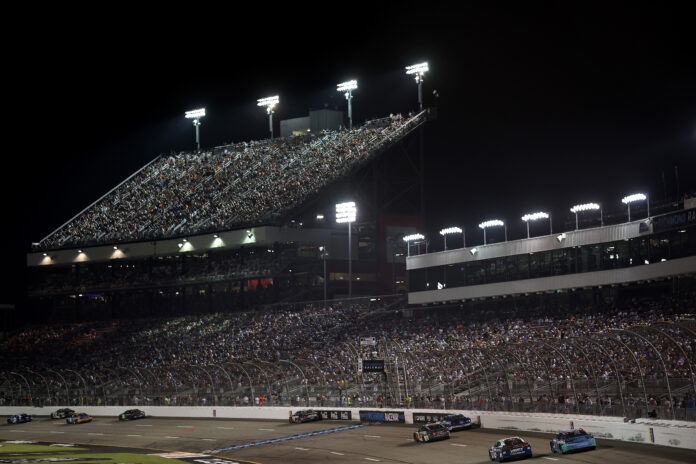
RICHMOND, Va. - AUGUST 16: A general view of racing during the NASCAR Cup Series Cook Out 400 at Richmond Raceway on Aug. 16, 2025, in Richmond, Virginia. Photo: Chris Graythen/Getty Images

Ask any fan about their race-day routine, and you will hear a sequence as familiar as the starting grid. Coffee at the same time, lucky cap, favourite seat, the playlist that sets the mood. As more of the fan experience moves across screens, those rituals are evolving rather than disappearing. Online communities are building new pre-race habits that keep the energy high from warm-up to the final lap. If you have been curious about how these patterns form, a quick look at digital fun habits shows why small, repeatable actions are the fuel that keeps fans engaged week after week.

Warm-up laps: set the tone early

The first 15 minutes shape the whole session. A smart pre-race routine online does what a good crew chief does at the track. It removes uncertainty, builds focus, and gets everyone in the same rhythm.

  • Dial in the environment: Queue the broadcast or timing app, check audio, and clear notifications. Fewer interruptions mean more immersion once the green flag drops.
  • Pick a shared channel: Whether it is a group chat or a compact voice room, set a home base to swap quick reactions without flooding social feeds.
  • Post your grid: Share predictions, pit stop guesses, or tyre strategies before the start. A simple template turns chatter into a friendly pool you can track all season.

These steps create a sense of occasion. The race has not started yet, but the community has.

Mid-race rhythm without burnout

Every long event needs pacing. The best online routines keep fans sharp without asking them to stare at a single screen for hours.

  • Structured check-ins: Call out lap benchmarks or stage breaks as natural moments to regroup. A quick recap keeps casual viewers onboard and helps everyone catch breath.
  • Second-screen discipline: Use a dedicated device for timing and radio, then leave the main screen clean for the broadcast. Switching less lowers fatigue.
  • Micro-games that add context: Short polls like “undercut or overcut” or “two-stop or three-stop” make strategy visible without turning the chat into noise.

When you pay attention mid-race, the last 20 laps feel exciting rather than exhausting.

The social pit crew

Online rituals work best when everyone has a small role. Assigning light responsibilities turns a loose group into a team.

  • The spotter: One person tracks cautions, penalties, and safety car calls. They drop quick summaries so nobody needs to rewind.
  • The strategist: Another fan watches tyre life and sector trends. They post short notes that explain why a call might be coming.
  • The historian: A stats-minded friend pulls one or two relevant throwbacks for context. Think previous overtakes at Turn 3 or average pit delta at this circuit.

These roles keep contributions focused. Instead of everyone chasing the same updates, the feed stays balanced and useful.

How gaming habits shaped fan rituals

Interactive entertainment taught millions of people to enjoy short, satisfying loops. The same principle translates cleanly to race day.

  • Clear goals in short windows: Like completing a level, fans can aim to log a prediction, clip a highlight, or post a quick analysis at set intervals.
  • Meaningful micro-rewards: A shout-out for the best call of the stage or a simple leaderboard of correct safety car guesses adds a small spark without overshadowing the main event.
  • Light cooldowns: Planned breaks during quiet laps function like intermission screens. They refresh attention and reduce screen fatigue.

These patterns keep the day fun for first-timers and veterans alike because the energy rises and falls on purpose.

Family-friendly pit lane

One reason digital rituals are catching on is that they fit around real life. You can make the day inclusive without losing intensity.

  • Kid-friendly moments: Share a colouring page of the track map or a scavenger list of cars, flags, and corner names to spot during the broadcast.
  • Snack rotations: Post easy pit-stop recipes or assign snack laps so the host is not stuck in the kitchen.
  • Short role swaps: Let younger fans take a turn as spotter for five laps. They learn the flow and feel part of the crew.

When everyone has a way to contribute, the tradition sticks.

Post-race cool-down that builds next week’s hype

How you finish shapes whether people show up again. A tight end routine turns a good Sunday into a habit.

  1. Two-minute debrief: Each person shares one surprise and one smart call they noticed. Keep it tight, avoid over-analysis.
  2. Clip and save: Bookmark one clean overtake or pit stop and add it to a shared reel. Over a season the highlights tell a story.
  3. Update the board: Record predictions, safety car counts, and stage winners on a simple sheet so the season-long competition has receipts.
  4. Set the teaser: Name one thing to watch for next week, like tyre degradation trends or a team upgrade. Leaving a hook keeps interest warm.

Build your own ritual in five steps

If you are starting from scratch, a light structure is all you need.

  1. Choose a small crew and a single channel.
  2. Create two or three recurring prompts that appear every race.
  3. Assign rotating roles so no one carries the load.
  4. Add a micro-reward for participation, like a weekly shout-out.
  5. Close with a short debrief and a teaser for the next event.

Racing has always been about rhythm. Engines pulse, strategies ebb and flow, and crews execute routines that look effortless because they were planned. Online fandom is learning the same lesson. Small, repeatable actions create shared momentum that carries from the formation lap to the cool-down. Build a few simple rituals, keep them light, and you will find that digital fun habits turn race-day into a weekly tradition that sticks.

NASCAR Prepares to Rewrite Its Championship Formula: What We Know So Far

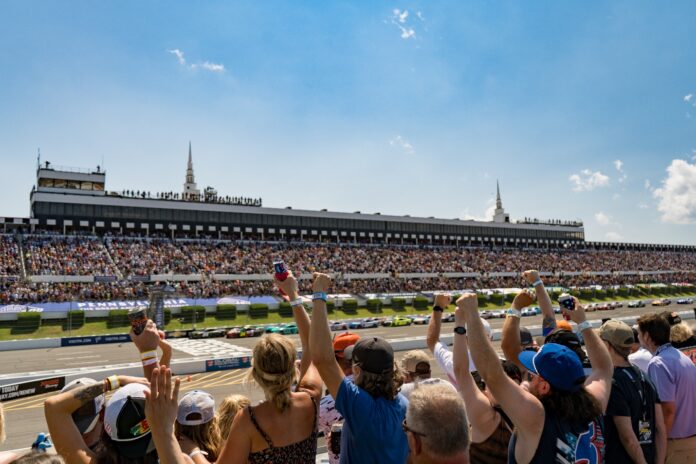
Photo credit: Pocono Raceway

NASCAR had hinted that they’ll return to a full-season championship, so fans can be excited for what’s to come. Until 2003, NASCAR had decided to go full-season without playoff formats. Now, they’re ready to return to those roots.

Fans have been expressing their need for a change. In 2024, NASCAR was also reported to be utilizing AI to assist in forming a plan going forward. NASCAR’s committee has also been discussing what possible changes they’ll bring to this season’s format. The biggest hint they’ve given is that there’ll be major changes.

This might be a complete removal of the playoffs. However, there’s also a discussion about a four-race championship alongside some major adjustments for the playoffs’ points system.

Mark Martin has been actively informing about the changes to the playoff format. He’s one of the parties that are in favor of removing the entire playoff format. He said that despite how appealing the word ‘playoff’ may be to supporters and fans, he feels like it’s not exactly how he’ll describe NASCAR’s races. Playoffs somehow imply it works like a sports match, which NASCAR isn’t.

The Future of the Playoffs

For some motorsport fans, these changes might be exciting. The word playoffs can be a thrilling, fresh change to NASCAR, especially for bettors who are used to seeing the word mentioned on various sports offered by this list of the best Texas online sportsbooks. However, there hasn’t been any decision yet regarding the playoff. The Committee had been holding meetings to make a decision, but there haven’t been many updates on what changes fans can expect.

Mike Forde, NASCAR managing director of communications, has said that they’re narrowing their options down. There would likely be a 36-race championship, but the playoffs might not be among the new changes. 

Still, there are some disagreements that remain. The track president feels like it’ll be easier to sell the tickets for a playoff race. A team owner also stated that it’ll be slightly easier to get sponsorships during the playoffs. There’s no reason against having the playoffs, according to some people, but there are still discussions needed to achieve a conclusion.

Playoff Points Likely to be Removed with the Championship Having Multiple Races

There’s still no decision regarding the playoffs, but if it remains, NASCAR might be making changes to the playoffs’ points system. Still, there’s a chance they’ll completely take off the format. Another thing that might be removed is the one-race championship.

The reason behind this decision is that the Committee thought that playoff points may be confusing for audiences who don’t faithfully follow NASCAR. It can be a lot, too complicated, and may be overwhelming for fans to follow. The one-race championship is also removed as they feel like they need a bigger sample size.

In a scenario where the playoffs are included, the championship needs to present multiple races. Based on the discussion, it’ll likely be a four-race championship.

What You Can Expect Going Forward

In the current Cup series, 16 drivers are included in the playoffs. There are 10 in the Trucks and 12 in the Xfinity Series. The elimination rounds will choose the Championship 4. Then, the season finale will be where fans meet the highest finisher among the four, who’ll be crowned the champion. The format creates excitement, but Steve O’Donnell, NASCAR President, believes it makes it hard to make their future drivers superstars.

The playoff moments may give many chances for multiple drivers to have their big moments. That can be exciting for fans, but only in the short term. Because there would be too many drivers sharing the spotlight, NASCAR finds it hard to build one recognizable superstar.

As NASCAR envisions the future of the sport, one of its biggest goals is to ensure it can make a star driver. They want the champion to be fully rewarded. Regardless of what format they come up with, they’re going to ensure that winning is important.

O’Donnell acknowledged that the current NASCAR format has been a learning experience. It has taught them a lesson that fans don’t want the championship to be determined in the final moments of a game, such as a ball sport. The one-race format that has been going on can lead to many unpredictable factors, which can be the deciding moment for the championship.

He admitted that fans disliked the format, and they understand the frustration. However, they also can’t help but agree that the one-race format still has its benefits.