Home Blog Page 3

How Families Decide Who Keeps a Parent’s Car and Settle the Title, Loan and Registration Afterward

For many drivers, a car is more than transportation, because it holds years of commutes, road trips and weekend errands. When a parent dies, that vehicle often sits in the garage while the family tries to work out what happens next. Someone may need it right away to run errands for a grieving spouse or to drive between the hospital, the funeral home and the family house. Holding the spare key, though, is not the same as having the right to sell the car, refinance it or keep using it indefinitely.

Three documents decide most of the outcome, and each one answers a different question. The title shows who owns the vehicle, the loan contract shows who still owes money on it, and the registration ties it to a person who is responsible for it on public roads. A motor vehicle agency, a lender and an insurer each control one piece, and none of them automatically talk to the others. Working through those pieces in a sensible order saves time and prevents arguments.

Start With the Name Printed on the Title

The certificate of title is the first place to look, because it usually settles the bigger question of ownership. A car registered jointly to a parent and a surviving spouse, child or partner can typically pass to the survivor with a death certificate and a trip to the DMV. When the parent was the only owner, the vehicle becomes part of what the estate has to sort out. According to a law firm that handles estate matters, probate is the court process used for assets a person held in their own name, and a solely titled car can fall into that category. Families in that position often ask a probate lawyer whether the car really has to go through court at all.

California offers a shortcut for smaller estates, since heirs can often transfer a vehicle with a DMV affidavit when no probate case has been opened. Bigger estates, or ones where relatives cannot agree, may end up before the probate division of the county superior court in San Bernardino, where the car is handled alongside the house, the bank accounts and everything else. A conversation with the team at Alden Law Firm can help a family see which of these paths fits its situation. A will or trust adds another layer, because a car left to a named person goes to that person rather than being split among every heir.

A Car Loan Keeps Running After a Death

Debt tied to a vehicle does not vanish when the borrower passes away. The lender still holds a lien on the title, and monthly payments generally remain due, often covered by estate funds until the car is sold, refinanced or paid off by an heir who wants it. Contacting the lender soon and sending a copy of the death certificate opens the door to a real conversation. Many lenders will explain the choices available to an heir who hopes to keep the car or to an executor who plans to sell it.

An heir who wants to keep a financed car usually has to pay off the balance or qualify for a new loan in their own name. Terms differ from one lender to the next, so assumptions are risky at this stage. Selling the vehicle can make sense when the loan is larger than the car is worth, or when nobody in the family needs another set of wheels. Whatever the choice, the payoff amount, any equity and the cost of keeping the car running should be written down for every heir to see.

Insurance and Registration Cannot Be Put on Hold

Coverage is the piece families most often forget. A policy in a late parent’s name may not protect a nephew or grandchild who borrows the car for a weekend, and an uninsured crash could expose the estate to a claim. Many insurers will keep an existing policy in force for a short time once they learn about the death. That breathing room is useful but temporary, so the person who will drive the car should arrange their own coverage quickly.

Registration renewals and smog notices for older vehicles keep landing in the mailbox as well. Picture a work truck that spent years climbing the Cajon Pass on Interstate 15, now sitting in a driveway with expired tags while relatives debate who should get it. Late fees add up, tires go flat and the battery dies, and the truck loses value with every month it stays parked. Even a short written agreement about who will store it, start it and pay the fees can stop that slide.

When More Than One Sibling Wants the Same Car

Feelings often run higher over a vehicle than over a bank account. A convertible a mother drove for decades, or a pickup a father kept spotless, can mean far more to one child than any appraisal suggests. Another sibling may care more about the cash value, especially if money is tight at home. Neither view is wrong, and saying so out loud helps keep the conversation calm.

A transparent method makes the result easier for everyone to accept. Some families get an independent valuation and let the heir who keeps the car balance things out with cash or a smaller share of other property. Others sell the vehicle and divide the money so no one feels shortchanged. Planning ahead removes much of this tension, and California lets owners name a transfer-on-death beneficiary on a vehicle title so that person can claim it without waiting on the estate.

What the Keys Really Represent

Cars carry the story of a life in small details, from the radio presets to the receipts tucked behind the sun visor. They recall first driving lessons, long trips to visit relatives and the daily routine of getting to work on time. That emotional weight is exactly why decisions about a parent’s car can strain relationships that are otherwise steady. Offering each other patience while the paperwork moves forward matters as much as getting the forms right.

Handling the title, loan and registration with care protects both the family’s finances and its bonds. A few conversations while everyone is healthy can spare the next generation weeks of uncertainty in the middle of grief. Those talks may feel uncomfortable at the dinner table, but they are far easier than sorting things out after a funeral. The goal is simple in the end, which is for the car to go where the parent wanted and for the family to stay close.
What to Capture in the First Hour After a Car Crash Before the Scene Gets Cleared Away

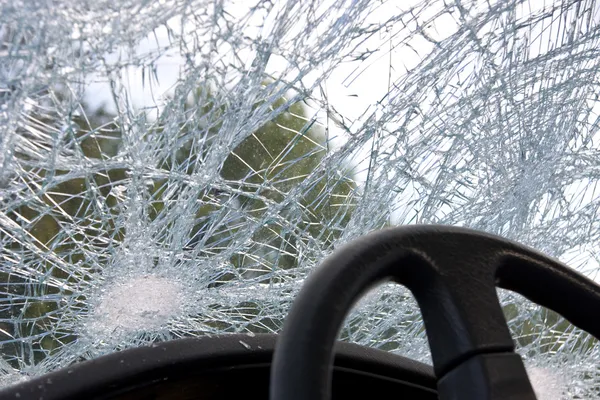
Photo by depositphotos at https://depositphotos.com/

Anyone who follows racing knows how quickly a track crew can clear a wreck and get the green flag waving again. Public roads work much the same way, only without the replay cameras, the telemetry or the officials reviewing every angle. Within an hour of a typical collision, the cars are hooked to tow trucks, the glass is swept up and traffic is rolling over the spot as if nothing happened. Whatever a driver failed to record in that window is usually gone for good.

That matters because the people who later decide who pays for what were not there. Insurance adjusters piece a crash together from photos, notes, reports and statements, and a fuzzy recollection rarely holds up against a confident story from the other side. Drivers who are hurt face this sorting process while also dealing with pain, missed shifts and a growing stack of medical bills. A short mental checklist, rehearsed before it is ever needed, can make that stretch far less chaotic.

Getting Safe and Getting an Officer on the Way

The first priority is people, not paperwork, so check yourself and every passenger for injuries before doing anything else. If the vehicle still drives and the spot is dangerous, pull it clear of moving traffic, switch on the hazards and set out triangles or flares if you keep them on board. As mentioned by www.emersonstraw.com, a solid personal injury claim rests on clear evidence of how a crash unfolded, and that evidence starts disappearing the moment the vehicles stop. For the team at Emerson Straw, protecting an injured driver’s rights usually begins with what was captured in those early minutes. Calling 911 or the local police line puts a neutral witness with a report form on the way.

Florida requires a crash report whenever someone is hurt or killed or the apparent property damage reaches $2,000, and asking for one is sensible even when the dents look small. Before the officer leaves, write down the report number along with the officer’s name and agency. Waiting on the shoulder carries its own risk, particularly on 34th Street North, a busy St. Petersburg corridor where turning vehicles and constant lane changes leave stopped cars exposed. Stay buckled inside a safe vehicle or stand well away from the travel lanes until help arrives. Answer the officer’s questions with plain facts and leave out guesses about speed or fault.

Photos and Video That Outlast the Tow Truck

Most drivers already carry the best evidence tool they will ever need. Shoot each vehicle from all four corners, then move in for close shots of crumpled panels, deployed airbags and broken lights. Step back for wide frames that show where every car came to rest in relation to lane lines, signs and the nearest intersection. Skid marks, scattered debris, a faded stop bar or an overgrown hedge blocking a sightline all deserve a picture.

A slow video walk around the scene adds something stills cannot, because it captures distances and angles in one continuous take. Photograph the other driver’s plate, license and insurance card so nothing gets mistyped in the moment. Grab a few frames of the sky, the pavement and the position of the sun, since wet roads or glare can shape how fault is assigned. Most phones stamp each image with the time, and location services can add where it was taken. Those small details make the photos far harder to dispute later.

Written Notes and the People Who Saw It Happen

A camera records what the scene looked like, but it cannot capture what happened in the seconds before impact. Open a notes app or grab a pen and record the time, each car’s direction of travel, the signal color and any remark the other driver made. Stick to what you observed and resist estimating speeds or assigning blame. Notes written within the hour tend to be far more accurate than a version pieced together days later.

Bystanders who stopped to help are often the most persuasive voices in a disputed crash, since they have no stake in the outcome. Ask each one for a name and phone number, and jot down where they were standing. Witnesses drift away quickly, so approach them early and keep the request brief and courteous. Let them describe what they saw in their own words rather than prompting them with your version. With the other driver, swap names, phone numbers, insurer and policy details, plus the make, model and color of the car, and note whether the vehicle belongs to an employer or someone else.

Symptoms That Show Up After the Adrenaline Fades

Feeling fine at the roadside proves very little, because adrenaline is remarkably good at masking pain. Stiff necks, headaches and sore backs commonly surface hours later or the next morning. Florida’s personal injury protection coverage generally requires treatment within 14 days of the crash, so an early checkup protects both your health and your benefits. An urgent care visit or a call to your regular doctor creates a medical record tied to the date of the collision.

Start a single folder that day for discharge papers, prescriptions, receipts and appointment slips. Add repair estimates, towing and rental bills and every message from an adjuster as they arrive. Upload photos and notes to cloud storage or email them to yourself before the phone has a chance to get lost or broken. A simple daily log of pain levels, missed work and appointments rounds out the picture. Small habits of this kind keep an injured driver from scrambling for paperwork weeks down the line.

Why a Calm Hour Pays Off Long After the Repairs

Racing teams study every incident because the lessons only stick when the evidence is preserved, and everyday drivers can borrow that mindset. Resist the reflex to apologize at the scene, since a polite sorry can later be framed as an admission. Report the collision to your own insurer promptly and stay with the facts you recorded. It is wise to hold off on a recorded statement for the other driver’s insurer until the extent of any injury is clear.

Nobody plans to be in a wreck, which is exactly why so few people know what to do when one happens. Rehearsing the routine in advance turns a frightening moment into a series of manageable tasks. The photos, names and notes gathered in that first hour give everyone involved a shared set of facts to work from. When bills arrive and recovery takes longer than expected, that record is often what keeps the process fair and far less stressful.

What a Personal Injury Lawyer in Largo Wants Drivers to Record in the First Hour After a Crash

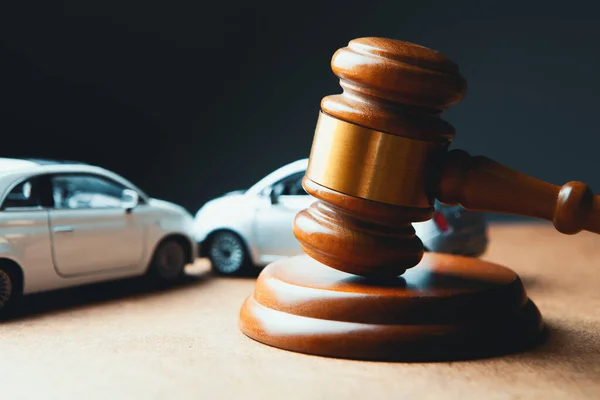
Photo by depositphotos at https://depositphotos.com/

Race teams are obsessive about data, logging tire temperatures, lap times and every scrape on the bodywork before the car has even cooled down. Ordinary drivers rarely think that way, yet the same mindset becomes valuable the moment a commute ends in a collision. The first hour after a crash is when skid marks are still visible, witnesses are still standing nearby and your memory has not been bent by stress or by the other motorist’s version of events. When that hour slips away, a surprising amount of useful information goes with it.

Most people spend those minutes shaken and scattered, which is entirely human. Adrenaline can hide pain, and the urge to apologize or hurry home pushes important details aside. A personal injury lawyer reviewing the claim weeks later can only work with whatever was captured at the scene. Approaching that hour the way a pit crew approaches race day protects your health, your vehicle and your ability to recover what the collision costs you.

Making the Scene Safe Before Gathering Evidence

Safety always comes first, so check on everyone in the vehicle, get out of live traffic if the car can still be driven and call 911. As explained by dwaccidentlawyer.com based in Largo, Florida, the moments right after a wreck often shape how an injury claim unfolds, and a personal injury lawyer will later study whatever evidence was gathered then. Once things are stable, photograph each vehicle from several angles, capturing plates, damage and any debris scattered across the pavement. Wide frames that show lane markings, signals and weather tend to explain a collision better than tight close-ups.

Pinellas County is one of the most crowded counties in Florida, and drivers there face stop-and-go traffic on U.S. 19 and packed intersections during the morning and evening rush. Rear-end impacts and distracted driving crashes are common in that kind of congestion, and an officer arriving at a busy corridor may be handling more than one call. The other motorist may also be keen to leave before details are swapped. Your own pictures, notes and contact list become the record that fills any gaps in the official report.

Pinning Down Exactly Where and How It Happened

Fault disputes often hinge on small details about the road itself. Largo drivers know how fast traffic bunches up on West Bay Drive when a signal changes or someone cuts into a parking lot without a blinker. Write down the precise intersection, the direction each vehicle was heading and what every light showed at the moment of impact. If a shop or house nearby has a security camera, note the address so someone can ask for the footage before it gets recorded over.

Bystanders disappear quickly, so collect names and phone numbers before they pull away. Ask each person briefly what they saw and type it into your phone using their words instead of yours. A personal injury lawyer can contact those witnesses later, but only when their details were saved. Skip any debate about blame, because remarks made in the heat of the moment can come back during the insurance process.

Listening to What Your Body Is Telling You

Crash injuries do not always reveal themselves right away. Neck strain, concussions and back problems can take hours or even days to surface fully, particularly once the adrenaline wears off. Mention any dizziness, soreness or confusion to the paramedics and accept an evaluation rather than brushing it aside. Driving yourself home to Pinellas Park is never worth the gamble if something feels off.

Jot down every symptom you notice during that first hour, even the minor ones. Those notes begin a timeline linking your injuries to the collision, a link that adjusters frequently challenge. Florida’s no-fault rules generally require initial treatment within 14 days for personal injury protection benefits to apply, so a prompt visit keeps that coverage available. Any personal injury lawyer will tell you that a delay between the accident and treatment is one of the first points an insurer raises.

Swapping Information Without Starting an Argument

Keep the exchange with the other driver calm, brief and complete. Gather their full name, phone number, insurer, policy number, license number and vehicle details, along with the owner’s information if the driver does not own the car. A clear photo of the insurance card and license is far more dependable than anything scrawled on the back of a receipt. Stay polite and factual even if the other person is upset.

Ask the responding officer for the report number and the name of the agency handling the case, since a collision in the Ridgecrest community may go to a different department than one a short distance away inside city limits. That number is what lets you request the finished report later. Store everything in a single place, whether that is a folder in the glovebox or a note on your phone. A personal injury lawyer reviewing your file can do much more with an orderly record than with a pile of loose papers.

Protecting the Claim Once You Are Home

Back up every image and note to a cloud account, or email the files to yourself, on the same day. Hold on to replaced parts if a body shop swaps them out, and save each repair estimate, towing receipt and rental bill. Keep the crash off social media, because a cheerful post can be twisted into proof that you were never really hurt. None of this takes long, yet it can safeguard a claim for months.

A fender bender on the way to a weekend market in Dunedin can still upend your health, your job and your budget in ways nobody plans for. Insurance companies act quickly to limit what they pay, and the evidence you collected in that first hour is your strongest counterweight. Talking with a personal injury lawyer before signing paperwork or giving a recorded statement helps you understand your rights. Careful records remain the habit that gives an injured driver the best chance at a fair result.

Peter Auto Brings Elite 1960’s Sports Cars to the HSR Classic Daytona 24 Hour Presented by Mission Foods

Collaboration with HSR on Track November 11 – 15 at Daytona International Speedway (DIS) at the 12th Running of America’s Premier Vintage and Historic 24 Hour Race

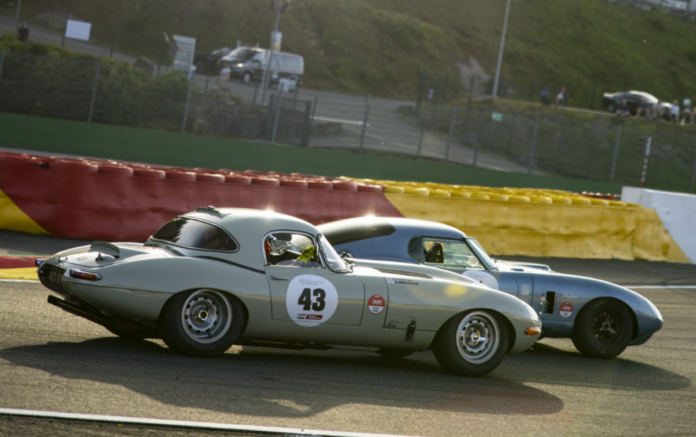
DAYTONA BEACH, Florida (November 9, 2026) – The Historic Sportscar Racing (HSR) Classic Daytona 24 Hour presented by Mission Foods returns to Daytona International Speedway (DIS) November 11 – 15 and among the highlights of at the 12th running of America’s premier vintage and historic 24 hour race is the largest group of 1960s-era GT sports cars to ever race in historic competition at the World Center of Racing.

The Sixties’ Endurance by Peter Auto run group is the latest chapter in the collaboration announced last year between leading historic motorsports organizations HSR and France-based Peter Auto. That partnership first brought the all-American HSR NASCAR Classic historic stock cars to July’s Le Mans Classic Legend. Now, Peter Auto completes the “handshake” between the two organizations by bringing 20 period-correct and pristine GT sports cars from the 1960s to HSR Classic Daytona 24 Hour.

Sixties’ Endurance will have the honor of being the first run group to start this year’s edition of the HSR Classic Daytona 24 Hour.

“We are delighted to be part of the 2026 HSR Classic Daytona 24 Hour with our featured Sixties’ Endurance support race entries,” said Peter Auto CEO Marc Ouayoun. “This event marks an important milestone in the international development of Peter Auto. It has also a great pleasure to exchange ideas and build synergies with remarkable people such as John Doonan and his team, which included hosting the HSR NASCAR Classic at July’s Le Mans Classic Legend event. Offering our Sixties’ Endurance gentlemen drivers the opportunity to take part in the HSR Classic Daytona 24 Hour is a truly unique privilege.”

The Sixties’ Endurance entry features a stunning collection of GT machinery representing a golden era of sports car racing from 60 years ago. The group will contest the full Classic Daytona 24 Hour schedule, adding a new dimension to an event already ranking as a “must do” for competitors and race fans alike around the world.

The tentative 20-car entry list includes cars representing seven manufacturers and is highlighted by half a dozen Shelby Cobras, including a pair of Shelby Daytona Coupes that were produced in their competition prime with the 3.56-mile Daytona road course and other legendary international circuits in mind. This is the largest number of the iconic Ford-powered sports cars created by Carroll Shelby to ever compete in an HSR event.

Jaguar is strongly represented by five E-Type 3.8 entries spanning 1963 – ’65, including one of the rare Lightweight versions built specifically for competition. The field also boasts two Chevrolet Corvettes, including a 1960 C1-generation car, the oldest car competing in the Sixties’ Endurance run group. Two Lotus will be on hand – a 1961 Elite S2 and a 1965 Elan 26R, along with single entries from Ferrari, Austin-Healey and Alfa Romeo.

“This is a landmark moment for historic racing at Daytona,” said HSR President John Doonan. “Not since these amazing machines ran at Daytona in their prime more than half a century ago have we seen this many authentic 1960s GT cars competing together at DIS, and it is a direct result of the relationship we built with Peter Auto at Le Mans. HSR has been a very special addition to the IMSA family. It’s really IMSA’s rolling history, and the HSR Classic Daytona 24 Hour presented by Mission Foods is our ‘Night at the Museum,’ when our history comes alive.”

At the 24h Hours of Le Mans Circuit in July, HSR NASCAR Classic staged three races as part of the Classic Le Mans Legend weekend. JC France drove a Chevrolet Camaro featuring a livery inspired by NASCAR’s ‘Garage 56’ exhibition entry that competed in the 2023 24 Hours of Le Mans to victory in the first race, while Andrew Jordan claimed the wins in the final two runs to earn overall honors in his Toyota Camry.

“To have Peter Auto bring nearly 20 of these beautiful machines to the World Center of Racing is the perfect way to complete this incredible competition collaboration between our two organizations,” said new HSR General Manager Scott Dolfi. “It was a tremendous honor for HSR NASCAR Classic to be welcomed to the 2026 Le Mans Classic Legend by Peter Auto and an incredible experience for the participants, especially coming on the 50th anniversary of when Bill France first took NASCAR to Le Mans to compete in the 24-hour race.”

The five-day schedule of historic and vintage competition at DIS begins Wednesday, November 11, with a test session for all Run Groups and classes in both the Classic 24 and the HSR Daytona Historics.

For additional information on both the HSR Daytona Classic 24 and HSR Daytona Historics events, including entry lists, ticket purchases, the event schedule and more, please click here.

For a direct link to HSR Daytona Classic 24 race tickets, please click here.

About HSR: An International Motor Sports Association (IMSA) property, Historic Sportscar Racing (HSR) was formed in the mid-1970s with an event at Road Atlanta. There was one goal then and it remains true today: to celebrate the racing cars from the past. As a “time machine” of sights and sounds, HSR provides a venue for competitors and spectators alike to share in the wonderful history and excitement created by the cars that competed at race tracks around the world. HSR currently sanctions eight vintage and historic racing events at some of the world’s most renowned race tracks, including Road Atlanta, Sebring International Raceway, Daytona International Speedway and more. The complete schedule and full event information can be found on HSR’s website at www.HSRRace.com. Look for the HSR Channel on YouTube and follow HSR on Facebook at www.Facebook.co

Your Crash Is Not the End of the Story

The sound of the crash fades fast, but the shock stays with you. You stand beside your car on a Carrollton road, your hands shaking, trying to think straight while traffic moves past. In that moment, the choices you make are small, and they matter more than they feel.

First, get checked by a doctor, even if you feel fine. A brain injury and internal bleeding often show no pain at first, and a doctor can catch what you cannot feel. That visit also creates the first medical record of the crash, and that record will matter later.

The Call You Should Not Take

Within a day or two, the other driver’s insurer will call, friendly and calm, asking for a recorded statement. It sounds harmless, just your side of the story, but every word you give can be used to cut your claim down later. An early offer often follows, and it is almost always far below what your case is worth.

The firm says it plainly, do not give that statement and do not take that first offer before you talk to a lawyer. Your policy may ask you to tell your own insurer about the crash, and you should, but the other side’s insurer is not on your side. Let your lawyer do the talking.

How the Firm Builds Your Case From Day One

A strong case is built, not found. The team at Sherrod & Bernard starts by going back to the scene, looking at it with fresh eyes, and studying every photo of the crash. Witnesses are found and spoken to while their memory is still sharp, before time blurs what they saw.

Records about the other driver are pulled too, from cell phone logs to chemical test results, because they show what the driver was doing before the crash. A Carrollton car accident lawyer who builds a case this way walks into talks with proof, not just a story.

  • A full inspection of the crash scene
  • Photos of the cars, the road, and the damage
  • Statements from people who saw the crash
  • Cell phone records and chemical test results for the other driver
  • Your medical records, reviewed with doctors and life care planners
  • A copy of the crash report from local police or the sheriff’s office

The Money Your Claim Can Recover

A claim is not one number, it is many losses added together. Medical care comes first, past bills and the care you will still need, and then the pay you lost while you could not work. When an injury limits the work you can do in the future, that smaller earning capacity counts too.

The harder losses count as well. Pain and suffering covers the hurt and the life the injury took from you, and emotional distress covers the fear and strain that follow a serious crash. If a loved one died, a wrongful death claim can seek funeral and burial costs and the loss of their services and support.

Why Insurers Pay Less Without a Lawyer

A Carrollton car accident lawyer at Sherrod & Bernard, P.C. knows the insurer’s playbook, because the firm has faced it for nearly three decades. Insurers pay less when a victim stands alone, and they pay fairly only when the case is ready for trial.

Most claims here settle through talks, not a courtroom, but the firm prepares every case as if a jury will hear it. That readiness is what moves an insurer, and it is why the firm’s lawyers are known as skilled litigators who can present the strongest case possible.

LossWhat it covers
Past and future medical careDoctor visits, surgery, therapy, and care you will still need
Lost incomePay you missed while you could not work
Loss of earning capacityIncome you can no longer earn because of the injury
Pain and sufferingThe physical pain and the life the injury took from you
Emotional distressThe fear, worry, and strain that follow a serious crash
Wrongful death damagesFuneral and burial costs and the loss of a loved one’s support

From First Call to Final Check

A case moves in steps, and knowing them takes away the fear of the unknown. It starts with a free consultation, where the firm hears what happened and explains your rights and your options. Then the investigation begins, and the evidence is gathered while it is still fresh.

When the case is ready, the firm takes it to the insurer and asks for what it is worth. Most cases end there, in a settlement, but if the insurer will not pay fairly, the case goes to court. Your lawyers stay in touch through every step, so you always know where your claim stands.

  • Free consultation to hear your story and explain your options
  • Full investigation while the evidence is fresh
  •  A demand to the insurer for the full value of your claim
  • Settlement talks, with your lawyer handling every call
  • Trial, if the insurer will not pay what is fair

The People Behind the Results

The firm behind your case has more than 85 years of combined legal experience, and its lawyers have been named by Super Lawyers, Avvo, and Martindale-Hubbell. A Carrollton car accident lawyer here does not work alone, the whole team stands behind your claim. That depth shows in the results, from a $5.25 million recovery for a brain injury to an $875,000 wrongful death recovery.

Clients notice the care as much as the results. One Carrollton client, Joseph R., praised Kenny Bernard and his staff member Hannah for answering questions faster than he could ever expect and handling his case very quickly. That is the kind of service the firm promises, caring and compassionate attention during one of the hardest times in your life.

Two Years Is Shorter Than You Think

Two years sounds like a long time, until a recovery eats up the months. Georgia Code section 9-3-33 gives you two years from the date of the crash to file a personal injury lawsuit, and after that date the right to claim is usually gone for good.

Claims against a government body can carry even shorter notice periods, so the real deadline may be closer than two years. Talk to a Carrollton car accident lawyer now, while there is still time to build the case properly and file it well before the clock runs out.

LOADED 2027 SCHEDULE ANNOUNCED FOR NHRA LUCAS OIL DRAG RACING SERIES

INDIANAPOLIS (Nov. 9, 2026) – With first-time events, highly-anticipated returns to facilities and an increase of popular double-divisional events, the NHRA is excited to announce its 2027 schedule in the Lucas Oil Drag Racing Series.

The upcoming year will be a thrilling showcase for the category, which features many of the sport’s most successful drivers, competing at tracks across North America. Among the many highlights for the 2027 campaign are:

  • 50 divisional events, including 16 double-divisional events, up from the previous season.
  • 3 SPORTSnationals races for the second straight year, featuring events at Mission Raceway Park in Canada, which will hold the Canadian SPORTSnationals after a successful debut in 2026, No Problem Raceway for the Laris Motorsports Insurance Cajun NHRA SPORTSnationals and the JEGS SPORTSnationals at Beech Bend Raceway.
  • The event commonly known as the Baby Gators at Gainesville Raceway will host a double-divisional for the first time.
  • Cordova Dragway and Qlispe Raceway Park return to the Lucas Oil Drag Racing Series schedule, with Qlispe holding a double-divisional in September.
  • A total of 24 regional events. Summit Motorsports Park’s regional event, which will consist of Top Alcohol Funny Car and Dragster only, will be run in conjunction with the legendary Night Under Fire, August 6-7, and will count towards the East and Central Regional, while regional events at Indy and Texas Motorplex will count towards three regions (East, Central and West).
  • The return of the In-N-Out Burger Pomona Dragstrip Snyder Sportsman Classic, which enjoyed a thrilling debut this season as a stand-alone divisional event in Pomona.

“It’s always exciting to announce the schedule for the Lucas Oil Drag Racing Series, which continues to grow and thrive, thanks in a big way to the amazing support from Lucas Oil and the Lucas family,” NHRA President Glen Cromwell said. “We’ve enjoyed a banner year in the series during NHRA’s 75th anniversary season in 2026, showcasing all the talented drivers and race teams across the country and Canada. As we look towards 2027, we’re thrilled with the variety of new opportunities, the chance to return to tracks and an impressive list of overall events next year.”

The 2027 NHRA Lucas Oil Drag Racing Series season is set to begin on the regional level on Feb. 18-21 with the NHRA Winternationals at In-N-Out Burger Pomona Dragstrip, concluding in Pomona on Nov. 11-14 at the In-N-Out Burger NHRA Finals. The divisional season begins at Orlando Speed World Dragway on Feb. 27, concluding at The Strip at Las Vegas Motor Speedway on Nov. 4-7.

The 16 double-divisional races will take place at Gainesville Raceway (March 18-21), The Strip at Las Vegas Motor Speedway (April 8-11), Maryland International Raceway (April 15-18), South Georgia Motorsports Park (April 22-25), Texas Motorplex (May 13-16), SRCA Dragstrip (Jule 10-13), Summit Motorsports Park (June 17-20), Woodburn Dragstrip (July 8-11), Numidia Dragway (July 22-25), Brainerd International Raceway (Aug. 12-15), a to-be-determined location in the Northwest Division on Aug. 12-15, Famoso Dragstrip (Sept. 23-26), Osage Casino Tulsa Raceway Park (Sept. 16-19), Qlispe Raceway Park (Sept. 16-19), World Wide Technology Raceway, (Oct. 6-9) and Rockingham Dragway (Oct. 21-24).

Like last year, several races, including stops in Gainesville, Norwalk, South Georgia Motorsports Park, St. Louis, Dallas, Brainerd, Phoenix and Sonoma, will occur either the weekend before or after an NHRA national event to help assist with racer travel and scheduling efficiencies.

The Laris Motorsports Insurance Cajun NHRA SPORTSnationals will return to No Problem Raceway in Belle Rose, La., and will take place March 5-7, with a divisional event preceding it on March 3-4.

The JEGS SPORTSnationals, which continues as a longtime race on the NHRA Lucas Oil Drag Racing Series circuit, is set for May 28-30 as part of another big weekend at Beech Bend Raceway. Making its return after a successful Canadian debut in 2026, the SPORTSnationals kicks off a massive week at Mission Raceway Park on June 17-18 before a divisional event on June 19-20.

As in previous years, NHRA will stream several Lucas Oil Drag Racing Series races on the NHRA YouTube page for free during the 2027 campaign, including action from all seven NHRA divisions. A full broadcast schedule will be released in the coming weeks.

2027 NHRA LUCAS OIL DRAG RACING SERIES SCHEDULE 

EAST REGION

NHRA Gatornationals: March 11-14

Gainesville Raceway: March 19-20

NHRA 4-Wide Nationals: April 2-4

New England Dragway: May 13-15

NHRA Potomac Nationals: May 21-23

Summit Motorsports Park: June 18-20

Lebanon Valley Dragway: July 2-4

Cornwell Quality Tools NHRA U.S. Nationals: September 2-6

Texas NHRA FallNationals: October 13-17

CENTRAL REGION

Summit Racing Equipment NHRA Nationals: June 24-27

Gerber Collision & Glass Route 66 NHRA Nationals: July 9-11

SRCA Dragstrip: June 11-12

Cordova Dragway: July 23-25

Summit Motorsports Park: August 6-7

NHRA Brainerd Nationals: August 19-22

Beech Bend Raceway: August 27-29

Cornwell Quality Tools NHRA U.S. Nationals: September 2-6

Texas Motorplex: October 8-10

Texas NHRA FallNationals: October 13-17

WEST REGION

NHRA Winternationals: February 18-21

Firebird Motorsports Park: March 6-7

Mission Raceway Park: June 19-20

Woodburn Dragstrip: July 9-11

Muckleshoot Casino Resort NHRA Northwest Nationals: July 30-August 1

Cornwell Quality Tools NHRA U.S. Nationals: September 2-6

Texas NHRA FallNationals: October 13-17

NHRA Las Vegas Nationals: October 28-31

The Strip at Las Vegas Motor Speedway: November 4-6

In-N-Out Burger NHRA Finals: November 11-14

NORTHEAST DIVISION

Maryland International Raceway: April 15-16

Maryland International Raceway: April 17-18

New England Dragway: May 13-15

Lebanon Valley Dragway: July 2-4

Numidia Dragway: July 22-23

Numidia Dragway: July 24-25

SOUTHEAST DIVISION

Orlando Speed World Dragway: February 26-27

Gainesville Raceway: March 18-19

Gainesville Raceway: March 20-21

South Georgia Motorsports Park: April 22-23

South Georgia Motorsports Park: April 24-25

Rockingham Dragway: October 21-22

Rockingham Dragway: October 23-24

NORTH CENTRAL DIVISION

World Wide Technology Raceway: April 23-25

US 131 Motorsports Park: May 14-16

Beech Bend Raceway (JEGS SportsNationals): May 28-30

Summit Motorsports Park: June 17-18

Summit Motorsports Park: June 19-20

Lucas Oil Indianapolis Raceway Park: August 6-8

Beech Bend Raceway: August 27-29

World Wide Technology Raceway: October 6-7

World Wide Technology Raceway: October 8-9

SOUTH CENTRAL DIVISION

No Problem Raceway: March 3-4

No Problem Raceway (Laris Cajun SportsNationals): March 5-7

Texas Motorplex: May 13-14

Texas Motorplex: May 15-16

Osage Casino Tulsa Raceway Park: September 16-17

Osage Casino Tulas Raceway Park: September 18-19

Texas Motorplex: October 11-12

WEST CENTRAL DIVISION

Tri-State Raceway: May 28-29

SRCA Dragstrip: June 10-11

SRCA Dragstrip: June 12-13

Cordova Dragway: July 23-25

Brainerd International Raceway: August 12-13

Brainerd International Raceway: August 14-15

Tri-State Raceway: September 10-12

NORTHWEST DIVISION

Firebird Raceway: May 14-16

Mission Raceway Park (SportsNationals): June 17-18

Mission Raceway Park: June 19-20

Woodburn Dragstrip: July 8-9

Woodburn Dragstrip: July 10-11

TBD: August 12-13

TBD: August 14-15

Qlispe Raceway Park: September 16-17

Qlispe Raceway Park: September 18-19

PACIFIC DIVISION

Firebird Motorsports Park: March 6-7

In-N-Out Burger Pomona Dragstrip Snyder Sportsman Classic: March 12-14

The Strip at Las Vegas Motor Speedway: April 8-9

The Strip at Las Vegas Motor Speedway: April 10-11

Sonoma Raceway: July 21-22

Famoso Dragstrip: September 23-24

Famoso Dragstrip: September 25-26

The Strip at Las Vegas Motor Speedway: November 4-7

About Lucas Oil

For more than 35 years, Lucas has set the world standard in superior engine oils, additives, appearance and lubricant products – powering lifestyles across the automotive, trucking, marine, outdoor, motorsports, industrial and home product worlds. The hard-charging American brand’s commitment to bring the ultimate in performance solutions impacts every customer and partner equally – from jointly-engineered oil for racing teams like Richard Childress Racing (RCR), Monster Jam®, sports teams like the Dallas Cowboys and Indianapolis Colts, to additives that deliver unrivaled fuel economy, power and extended engine life to an everyday driver.

Based in Indianapolis, the company’s rapidly expanding global footprint is highlighted by cutting-edge research and development operations, evolving retail channels and high-tech manufacturing. More than 300 premium products make up the largest variety of shelf products of any oil company in the United States with a distribution network across 48 different countries and big-name retailers that include Amazon, Advance Auto Parts, AutoZone, O’Reilly Auto Parts, NAPA, Walmart, Home Depot, Harbor Freight, Rural King, Tractor Supply and more. For additional information, visit www.LucasOil.com and follow #TeamLucasOil on Facebook, X, Instagram and TikTok.  

About NHRA 

NHRA is the primary sanctioning body for the sport of drag racing in the United States. NHRA presents 20 national events featuring the NHRA Mission Foods Drag Racing Series and NHRA Lucas Oil Drag Racing Series, as well as the JBS Equipment NHRA Pro Mod Drag Racing Series presented by Elite Motorsports and NHRA Flexjet Factory Stock Showdown™ at select national events. NHRA provides competition opportunities for drivers of all levels in the NHRA Summit Racing Series and NHRA Street Legal™. NHRA also offers the NHRA Jr. Street® program for teens and the Summit Racing Jr. Drag Racing League® for youth ages 5 to 17. With more than 100 Member Tracks, NHRA allows racers to compete at a variety of locations nationally and internationally. NHRA’s Youth and Education Services® (YES) Program reaches over 30,000 students annually to ignite their interest in automotive and racing related careers. NHRA’s streaming service, NHRA.tv®, allows fans to view all NHRA national events as well as exclusive features of the sport. In addition, NHRA owns and operates three racing facilities: Gainesville Raceway in Florida; Lucas Oil Indianapolis Raceway Park; and In-N-Out Burger Pomona Dragstrip in Southern California. For more information, log on to www.NHRA.com, or visit the official NHRA pages on Facebook, Instagram, Twitter, and YouTube.

STEPHEN DORAN RETURNS TO SPIRE MOTORSPORTS TO LEAD NO. 71 NASCAR CUP SERIES TEAM IN 2027

Seven-Time Cup Series Winning Crew Chief to be Paired with 2021 Daytona 500 Champion Michael McDowell

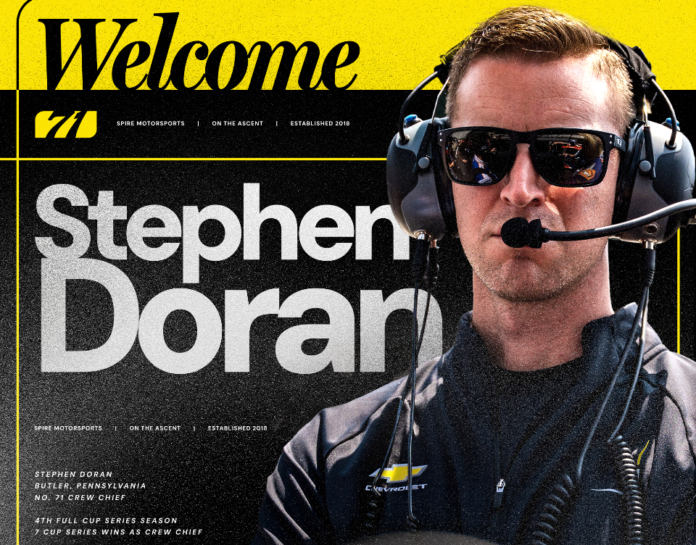
MOORESVILLE, N.C. (November 9, 2026) – Veteran NASCAR Cup Series Crew Chief Stephen Doran will return to Spire Motorsports following the completion of the 2026 season to the lead efforts of the team’s No. 71 Chevrolet Camaro ZL1 and 2021 Daytona 500 Champion Michael McDowell.

Doran returns to Spire Motorsports from Trackhouse Racing after collecting five poles and seven wins with driver Shane van Gisbergen over the last two seasons. The Butler, Pa., native spent the 2024 season as an integral part of Spire Motorsports’ operation after previously serving in the Crew Chief role for the No. 71 machine. In addition to his race-winning resume, he brings a keen eye for leadership to the team’s three-car Cup Series operation where he will serve in a highly collaborative role alongside fellow crew chiefs Ryan Sparks and Luke Lambert.

“Our 2027 season starts today so we’re eager to bring Stephen back to Spire Motorsports,” said Spire Motorsports Co-Owner Jeff Dickerson. “He’s an exceptionally talented individual, a winning crew chief and someone who fits in with our group, seamlessly. Spire had a great 2026 season, so we have a lot to be proud of. Adding Stephen to the mix with Matt McCall and reuniting him with Ryan (Sparks), Luke (Lambert) and Dax (Garringer) gives me a lot of confidence that our best days as an organization are still in front of us.”

Spire Motorsports has offered Travis Peterson a leading engineering role to leverage his skills across the entirety of the team’s Cup Series operation. Peterson was responsible for guiding McDowell to a pair of pole positions, six top fives, including a runner-up effort in May at Watkins Glen (N.Y.) International, and 14 top-10 finishes over the last two seasons.

Doran’s impact at Trackhouse Racing was felt early in his tenure when van Gisbergen collected the checkered flag in the NASCAR Cup Series inaugural visit to Mexico City at Autodromo Hermanos Rodriguez. The potent duo went on to win five of six road course events in 2025, including victories at the Chicago Street Race, Sonoma (Calif.) Raceway, Watkins Glen and the ROVAL configuration at Charlotte (N.C.) Motor Speedway. The veteran Crew Chief also van Gisbergen to a career-best 12th-place finish in the season-ending Cup Series Championship point standings.

This year, the Doran/van Gisbergen pairing notched victories at Watkins Glen and Sonoma while collecting two pole positions, six top-five and 10 top-10 finishes.

Doran’s re-arrival to Spire Motorsports comes on the heels of the team’s most successful season to date – a year that saw Carson Hocevar and Daniel Suárez win points-paying races at Talladega (Ala.) Superspeedway and Charlotte Motor Speedway, respectively. Meanwhile, both the Nos. 7 and 77 teams earned berths in The Chase – NASCAR’s championship playoff format.

“I’m incredibly thankful to Justin (Marks) for giving me the opportunity to be a crew chief at Trackhouse. I’m equally grateful for the opportunity to work alongside SVG. He’s a world-class driver on the track and an even better person away from it. I’ll truly miss the people and relationships I’ve built within the Trackhouse family.

“The timing felt right to return to Spire Motorsports. Coming back to the No. 71 team is something I’ve thought about since leaving at the end of 2024. What Jeff, Dan (Towriss), and the entire organization have built in such a short time is impressive, and I’m excited to be part of what’s ahead. I can’t wait to get to work with Michael and the entire team as we push to become a consistent race-winning organization for years to come.”

About Spire Motorsports …
Spire Motorsports fields full-time entries in the NASCAR Cup Series, NASCAR CRAFTSMAN Truck Series and Interstate Batteries High Limit Racing.

The team, co-owned by longtime NASCAR industry executive Jeff Dickerson and TWG Motorsports CEO Dan Towriss, earned its inaugural NASCAR Cup Series victory in its first full season of competition when Justin Haley took the checkered flag in the Coke Zero Sugar 400 at Daytona (Fla.) International Speedway July 7, 2019. Less than three years later, William Byron drove Spire Motorsports’ No. 7 Chevrolet Silverado its first NASCAR CRAFTSMAN Truck Series win April 7, 2022, at Martinsville (Va.) Speedway. The organization’s most recent NASCAR victory came October 23, 2026, when Sammy Smith won the NASCAR CRAFTSMAN Truck Series race at Talladega (Ala.) Superspeedway.

In 2026, Spire Motorsports campaigned the Nos. 7, 71 and 77 Chevrolet Camaro ZL1s in the NASCAR Cup Series and the Nos. 7 and 77 Chevrolet Silverado RSTs in the NASCAR CRAFTSMAN Truck Series. The Mooresville, N.C., organization also fielded the No. 77 410 sprint car in Interstate Batteries High Limit Racing competition.

Wood Brothers Racing – Race Report: Homestead-Miami Speedway

Event: NASCAR Cup Series Championship

Location: Homestead-Miami Speedway, Homestead, Florida

Date: Sunday, November 8, 2026

Start: 14th

Finish: 13th

Josh Berry and the No. 21 Motorcraft/Quick Lane Ford Mustang, featuring a special hood decal commemorating Motorcraft’s 25-year partnership with Wood Brothers Racing, finished 13th in Sunday’s NASCAR Cup Series season finale at Homestead-Miami Speedway.

The 400-mile championship race also marked Berry’s final start behind the wheel of the iconic No. 21 Ford.

During his two seasons with Wood Brothers Racing, Berry earned the organization’s 101st Cup Series victory at Las Vegas Motor Speedway in 2025, along with seven top-five and 19 top-10 finishes. The Wood Brothers rebounded from a midseason slump in 2026 to finish 21st in the Owner Points standings.

On Sunday at Homestead, Berry started 14th and worked his way into the top 10 during the opening laps before finishing Stage 1 in 12th place.

During Stage 2, Berry slipped outside the top 20 before recovering to finish the segment in 20th.

The Motorcraft/Quick Lane team navigated a chaotic sequence on pit road during the ensuing Stage break, allowing Berry to gain five positions and restart 15th for the final segment. He steadily worked his way back into the top 10 and gained another position on pit road during the race’s final caution period.

Despite losing several positions during the final eight-lap run to the checkered flag, Berry brought the No. 21 Mustang home in 13th place to close out the 2026 season.

Eddie Wood expressed his appreciation for the continued support of the organization’s partners and reflected on Berry’s contributions during his two seasons with the team.

“We’d like to thank our friends at Ford Motor Company, Motorcraft, Ford Racing, Team Penske and all the sponsors that have made it possible for us to continue to field a competitive team in the Cup Series,” Wood said. “And we are proud of what we have accomplished with Josh. We will always consider him part of our Wood Brothers Racing family and wish him well as he moves to another team.”

With the 2026 season complete, Wood Brothers Racing now turns its attention to preparations for the 2027 NASCAR Cup Series season, which begins with the DAYTONA 500 on Feb. 21 at Daytona International Speedway.

Team Penske NASCAR Cup Series Race Report – Homestead-Miami

NASCAR Cup Series Championship Race
Homestead, Florida – November 8, 2026

AUSTIN CINDRIC No. 2 DISCOUNT TIRE FORD MUSTANG DARK HORSE

START: 5th STAGE 1: 5th STAGE 2: 4th FINISH: 7th POINTS: 10th

RACE RUNDOWN: Austin Cindric capped off the 2026 NASCAR Cup Series season with a seventh-place finish Sunday afternoon at Homestead-Miami Speedway, securing his 10th top-10 result of the season in the No. 2 Discount Tire Ford Mustang. Starting fifth, Cindric maintained a strong presence inside the top 10 throughout the opening run, reporting that he was pleased with the balance of his Mustang before making his first green-flag pit stop for four tires and fuel on Lap 35. As the run progressed, Cindric reported developing tight conditions, particularly through the center of the corners. A late-stage caution brought Stage 1 to an early conclusion, with Cindric earning a fifth-place finish and six stage points. Under the ensuing caution, crew chief Brian Wilson called for four tires, fuel and an air pressure adjustment to improve the handling of the No. 2 Mustang. Restarting fifth on Lap 89, Cindric continued to showcase competitive speed throughout the second stage. Following a scheduled green-flag pit stop on Lap 122, he worked his way to fourth by the conclusion of Stage 2, collecting an additional seven stage points. Cindric reported slightly loose handling during the segment, prompting another air pressure adjustment during the stage-ending pit stop. He restarted fifth on Lap 173 and remained in contention for a top-10 finish as the race entered its final stretch. Following another round of green-flag pit stops, Cindric was scored ninth with 30 laps remaining. A caution with 15 laps to go provided one final opportunity for adjustments, with the No. 2 team electing to pit for four fresh tires, fuel and a handling adjustment. Restarting just outside the top five with eight laps remaining, Cindric battled through the closing laps to take the checkered flag in seventh, closing out the 2026 season with a solid performance for the Discount Tire team.

CINDRIC’S THOUGHTS: “That was much needed for our team, just being able to capitalize on another great Discount Tire Ford. The last stage of the race was probably our weakest, but still to come home with a top 10 is really strong. And to finish top 10 in points is the most important. We were kind of points racing there to the end, but with everything that’s gone on the last couple weeks, it’s a nice way to end the season. I appreciate everyone’s effort from Team Penske, Ford Racing and looking forward to introducing a new car next year.”

RYAN BLANEY No. 12 MENARDS/DUTCH BOY FORD MUSTANG DARK HORSE

START: 9th STAGE 1: 2nd STAGE 2: 5th FINISH: 1st POINTS: 4th

RACE RUNDOWN: Ryan Blaney and the No. 12 Menards/Dutch Boy Ford Mustang Dark Horse quickly showed tremendous pace around the 1.5-mile oval, moving from the ninth starting spot to sixth in a few laps. Blaney remained in sixth before a green-flag pit cycle halfway through Stage 1, using his Mustang Dark Horse’s speed and a well-executed pit stop to finish second by the stage end. Under the stage break, Blaney came down for four tires and fuel, but the team was unsure if one of the wheels were tight, forcing him to come down one more time under caution to ensure the wheel was secure. The second stop resulted in Blaney starting Stage 2 in 28th position, but swiftly moved through the field, gaining 23 positions in the sequence to finish the stage in fifth — which gained praise from team owner, Roger Penske, on the radio. In Stage 3, Blaney and the No. 12 team ran within the top-three, with a late caution and restart setting the stage for an epic finish to end the 2026 NASCAR season. Blaney restarted fourth when the green flag came out with eight laps to go, and was able to pass the three cars in front of him, including for the lead on the penultimate lap, to take home the victory. This is Blaney’s fourth win of the 2026 season, 21st of his Cup Series career, his first at Homestead-Miami Speedway and his second consecutive win in the season finale. The result jumped the No. 12 team to fourth in the Cup Series points standings to end the season.

BLANEY’S THOUGHTS: “You definitely want to end on a high note. We hated coming in here and not having a shot to win a championship, but the best thing we could do was try to win the race and get as much points as we can and we’ll see where it takes us. So, I was really happy we were able to execute that today and get all we could.”

JOEY LOGANO No. 22 SHELL-PENNZOIL FORD MUSTANG DARK HORSE

START: 19th STAGE 1: 16th STAGE 2: 15th FINISH: 17th POINTS: 7th

RACE RUNDOWN: Joey Logano and the No. 22 Shell-Pennzoil Ford Mustang Dark Horse team started 19th and finished 17th in Sunday’s NASCAR Cup Series season finale at Homestead-Miami Speedway. Logano battled handling issues throughout the early stages of the 267-lap event, reporting that his Ford Mustang was too tight to run the preferred outside groove on Lap 15 before describing it as both loose and tight off the corner by Lap 23 while running in 20th position. The Shell-Pennzoil team made its first scheduled pit stop on Lap 37 for four tires, fuel and an air-pressure adjustment. Crew chief Paul Wolfe continued to work on the car’s balance as Logano noted the need for clean air during the run. The No. 22 team improved to finish Stage 1 in 16th position. Following a Stage 2 restart from 13th, Logano settled into 12th but continued to battle a tight condition while running the preferred line against the wall. A pit stop on Lap 121 for four tires and fuel included no chassis adjustments, and the team went on to finish Stage 2 in 15th position. Logano reported the need to commit more aggressively to the bottom of the racetrack to gain valuable clean air at the start of a run, leading to a slight air-pressure adjustment. Unfortunately, during the stage break, a chain-reaction incident on pit road caused nose damage to the Shell-Pennzoil Mustang. The team was able to make repairs, and the three-time NASCAR Cup Series champion continued to soldier on. Entering the final stage, additional repairs were made, but track position remained a challenge as Logano was scored in 20th place on Lap 196. Later in the run, he reported a lack of rear grip on Lap 213, prompting another stop on Lap 215 for four tires, fuel and air-pressure adjustments as the No. 22 team continued searching for improved balance and speed. Logano gained several positions over the closing laps to take the checkered flag in 17th place. The No. 22 team closed out the season seventh in the NASCAR Cup Series point standings.

LOGANO’S THOUGHTS: “It was a tough night for the Shell-Pennzoil team. We battled the balance and raced in dirty air for most of the day. I felt like we were making progress, but unfortunately we got nose damage and had to soldier home. As always, I’m proud of the effort put forth by the entire No. 22 team, and I look forward to a strong 2027 season.”

While the NASCAR Cup Series season has concluded, the Team Penske drivers will still race next week, competing in Ford’s ‘Proud to Honor Veteran’s Day Classic’ race to honor Veteran’s Day. The action-packed event can be seen on USA Network at 8 p.m. ET next Wednesday, November 11.

The 2027 NASCAR Cup Series season will kick off with the 69th DAYTONA 500 on Sunday, February 21 on FOX.

Driving in Dubai: What Every Car Enthusiast Should Know Before Renting

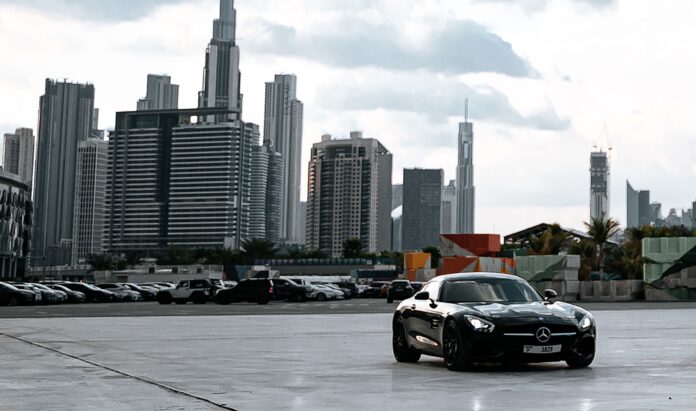
Photo by Victoria Ouarets on Pexels

Few cities give drivers a thrill quite like Dubai. Wide, immaculate highways, a skyline that looks engineered for a car commercial, and a local love of fast machinery mean that getting behind the wheel here is part of the experience, not just a way to get around. For any car enthusiast visiting the UAE, renting the right vehicle can turn an ordinary trip into something memorable — but there are a few things worth knowing before you pick up the keys.

The car culture is real

Dubai takes cars seriously. On any given evening you will spot supercars cruising Sheikh Zayed Road, and the roads themselves are built for smooth, high-speed travel. Rental fleets reflect this: alongside sensible SUVs and economy hatchbacks, you can put yourself in a convertible, a sports coupe or a full-blown exotic for a day. Whether you want something practical for a week of exploring or a weekend in something special, the range is wider than almost anywhere else in the world.

Know the rules before you drive

A few practical points save first-timers a lot of stress. Most visitors can drive on an International Driving Permit alongside their home licence, so check that you have one. Dubai uses an automated toll system called Salik, and most rentals bill these back to you, so keep that in mind on the
main routes. Speed limits are strictly enforced by camera, and fines are not cheap — the smooth, empty-looking roads are more monitored than they appear. The upside: fuel is inexpensive, parking is plentiful, and the road surfaces are superb.

Pick the right company, not just the right car

This is where many travellers overpay or get caught out. Rental prices, deposit requirements and insurance terms vary enormously between companies, and the cheapest headline rate often hides a large security hold or limited cover. The smart move is to compare car rental companies in Dubai before

you arrive, so you can see real prices, deposit terms and genuine customer reviews side by side instead of negotiating blind at an airport counter. Ten minutes of research protects both your budget and your weekend.

Make the most of it

Once the paperwork is sorted, Dubai opens up. Drive out to the dunes at sunset, take the coast road, or point the car toward the mountains in Ras Al Khaimah for a proper weekend run. The combination of great roads, cheap fuel and an incredible choice of cars is exactly why so many enthusiasts rank Dubai among the best cities in the world to drive. Plan the car side properly, respect the rules, and the UAE will reward you with some of the most enjoyable miles you will ever cover.