Home Blog Page 3

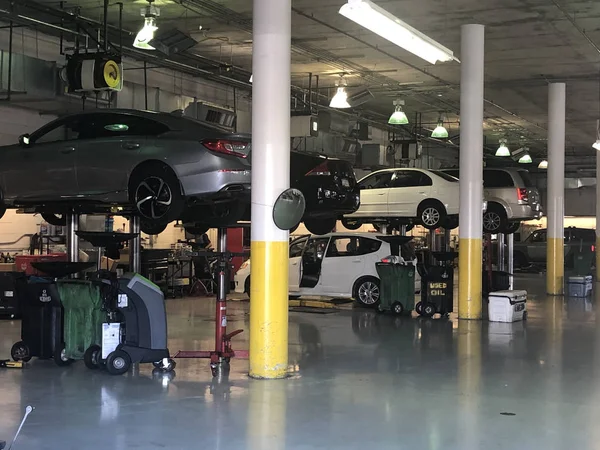
What Can You Learn From a Toyota Service and Repair Manual?

Photo by depositphotos at https://depositphotos.com/

What Can You Learn From a Toyota Service and Repair Manual?

A Toyota service and repair manual is more than a collection of diagrams and tightening specifications. Used properly, it is a guide to how a vehicle thinks, communicates, and wears over time.

For owners, it can turn an unfamiliar warning light or strange noise into a more informed conversation with a technician. For DIY-minded drivers, it provides the structure needed to tackle routine maintenance without relying on guesswork. Even if you have no intention of picking up a wrench, understanding what a repair manual contains can make you a more confident vehicle owner.

Toyota has built its reputation on durability, but durability is not the same thing as immunity from maintenance. Fluids degrade, rubber components age, electrical connections corrode, and modern sensors eventually fail. A service manual helps explain where those systems are, how they interact, and what needs attention before a minor issue becomes an expensive repair.

Understanding Your Vehicle Beyond the Dashboard

The owner’s handbook tells you how to operate the car: where the controls are, what the warning lights mean, and when to schedule basic maintenance. A repair manual goes much deeper. It is aimed at technicians and experienced repairers, so it often includes component locations, wiring diagrams, diagnostic procedures, torque settings, disassembly instructions, and inspection criteria.

That distinction matters. A dashboard warning light may indicate a broad system problem, but the manual can show the chain of components behind it. Take a check-engine light, for example. The issue might involve an oxygen sensor, a vacuum leak, a loose fuel cap, ignition misfires, or a wiring fault. A proper diagnostic section does not simply say “replace the sensor.” It explains how to test the circuit, what readings to expect, and what conditions could produce the same trouble code.

Maintenance Intervals Become More Meaningful

Most drivers know they should change oil, inspect brakes, and replace filters. A repair manual puts those jobs in context. It identifies the correct fluid specification, the location of drain plugs and fill points, the sequence for resetting service reminders, and the inspection points that matter.

This is especially useful with older Toyotas, where maintenance history may be incomplete. A manual can help you establish a baseline: inspect belts and hoses, check suspension wear, assess brake thickness, look for fluid leaks, and verify that key electrical systems are functioning as intended.

It also helps owners avoid a common mistake: treating every service recommendation as universal. Maintenance needs vary by engine, drivetrain, model year, climate, and driving conditions. A hybrid system has different considerations from a conventional petrol engine; an all-wheel-drive SUV has different fluid-service requirements from a front-wheel-drive hatchback.

For model-specific technical information, resources such as Toyota service manuals can be useful when you need to compare repair procedures, diagrams, or specifications for a particular vehicle rather than relying on generic advice.

Learning How to Diagnose Before Replacing Parts

One of the greatest lessons a service manual teaches is restraint. Modern vehicles contain dozens of interconnected electronic systems, and symptoms can be misleading. A weak battery can trigger a surprising number of warning lights. A corroded ground connection can imitate a failed sensor. A rough idle may originate from air intake problems, fuel delivery, ignition components, or even an engine-management issue.

Repair documentation encourages a methodical approach:

  • Confirm the complaint and reproduce the symptom where possible.
  • Check for stored diagnostic trouble codes.
  • Inspect simple causes, such as fuses, connectors, fluid levels, and damaged hoses.
  • Test components before replacing them.
  • Verify the repair after reassembly.

That sequence saves money and prevents “parts cannon” repairs, where several components are replaced in the hope that one solves the problem. It also gives owners a clearer way to speak with a repair shop. Instead of saying, “The car feels off,” you may be able to report that the vibration occurs only under braking, above a certain speed, or after the engine reaches operating temperature. Those details are valuable diagnostic clues.

Wiring Diagrams Explain the Invisible

Electrical faults are among the most frustrating automotive issues because the affected component may not be the root cause. A rear light that will not illuminate could involve the bulb, socket, fuse, ground point, body-control module, damaged wiring, or a poor connector pin.

Wiring diagrams reveal how power travels through the system. They identify wire colours, connectors, grounds, relays, and fuse locations. You do not need to become an automotive electrician to benefit from them. Simply knowing that a system shares a fuse or ground with another feature can help narrow down the cause of a fault.

For enthusiasts restoring an older Toyota, these diagrams can be indispensable. Age-related electrical problems often result from brittle insulation, previous-owner modifications, or corrosion hidden beneath trim panels.

Safer Repairs Start With Accurate Procedures

Repair manuals also teach an often-overlooked lesson: many jobs are straightforward only when done in the right order. Brake work, suspension repairs, airbag-related tasks, and cooling-system servicing all carry safety considerations. Instructions may specify when to disconnect the battery, how long to wait before working near supplemental restraint systems, where to support the vehicle, or which bolts must be replaced rather than reused.

Torque specifications are particularly important. Too little torque can allow components to loosen; too much can strip threads, warp parts, or damage aluminium housings. This is not unnecessary precision. Wheel nuts, brake caliper bolts, spark plugs, and engine fasteners all depend on correct clamping force.

A manual also helps you recognise when a task is better left to a professional. If a procedure requires specialised scan tools, high-voltage safety equipment, refrigerant handling certification, or precise alignment equipment, the sensible decision may be to gather information first and then book qualified help.

A Better Way to Own a Toyota

The real value of a Toyota repair manual is not that it turns every owner into a mechanic. Rather, it makes vehicle ownership less mysterious. You learn what normal wear looks like, which symptoms deserve immediate attention, and why a seemingly simple repair may involve several checks.

That knowledge can improve maintenance decisions, reduce unnecessary replacements, and make discussions with technicians more productive. Whether you carry out your own oil changes or simply want to understand the work being recommended, a good service manual gives you something useful: a clearer view of the machine you rely on every day.
Finding Legal Help After a Truck Accident in Floral Park, New York

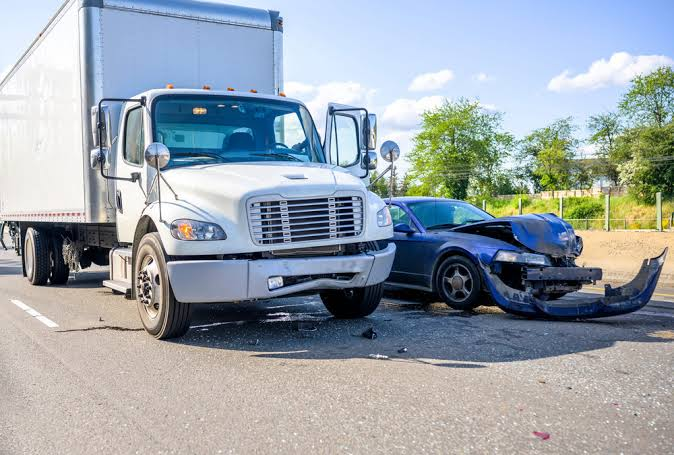
Damaged commercial truck following a collision that may require a detailed accident investigation.

In just a few moments a person’s life can change forever when they become involved in a truck accident. You’re on your way to work, running errands, or gone home and all of a sudden painful injuries, damage to your car and unexpected costs are coming. If you are dealing with the problems associated with this kind of accident, a Floral Park Truck Accident Lawyer can explain what your options are, get in contact with the crash and help you pursue any compensation you may deserve that happens as a result of the crash and another party was to blame.

Scenarios in which truck accidents are typically more complex than those of ordinary cars. Injuries may be more serious in commercial vehicles. Knowing what to expect after a truck accident will assist you in making a decision in your situation.

Common Causes of Truck Accidents in Floral Park

A key part of determining liability is identifying the cause, evidence may be required to help this process.

Driver Fatigue and Distracted Driving

Fatigue can be a potential problem when truck drivers are tired, which can have a negative impact on reaction time, concentration and judgment. Driving time rules exist only for certain driving activities, and failure to comply with the rules could still cause dangerous driving situations. 

Improper Loading and Vehicle Maintenance

An unavoidably heavy load, unevenly distributed and improperly secured cargo can have adverse consequences on the stability and braking of a truck. Another type that can lead to the collision may be mechanical issues like a worn tire, malfunctioned brakes or broken lights. The responsibility may also reach beyond the driver’s responsibilities to certain companies/carriers that are responsible for loading or maintenance of vehicles.

Unsafe Turns and Blind Spots

Blind spots on large trucks can be big, especially to the side of the vehicle, and to the rear. These unsafe lane changes, wide turns, and not checking traffic out of your way can result in placing smaller vehicles at risk. These hazards can happen in areas around Floral Park with heavy traffic, including operating a commercial vehicle with commuters, cyclists and pedestrians.

claim
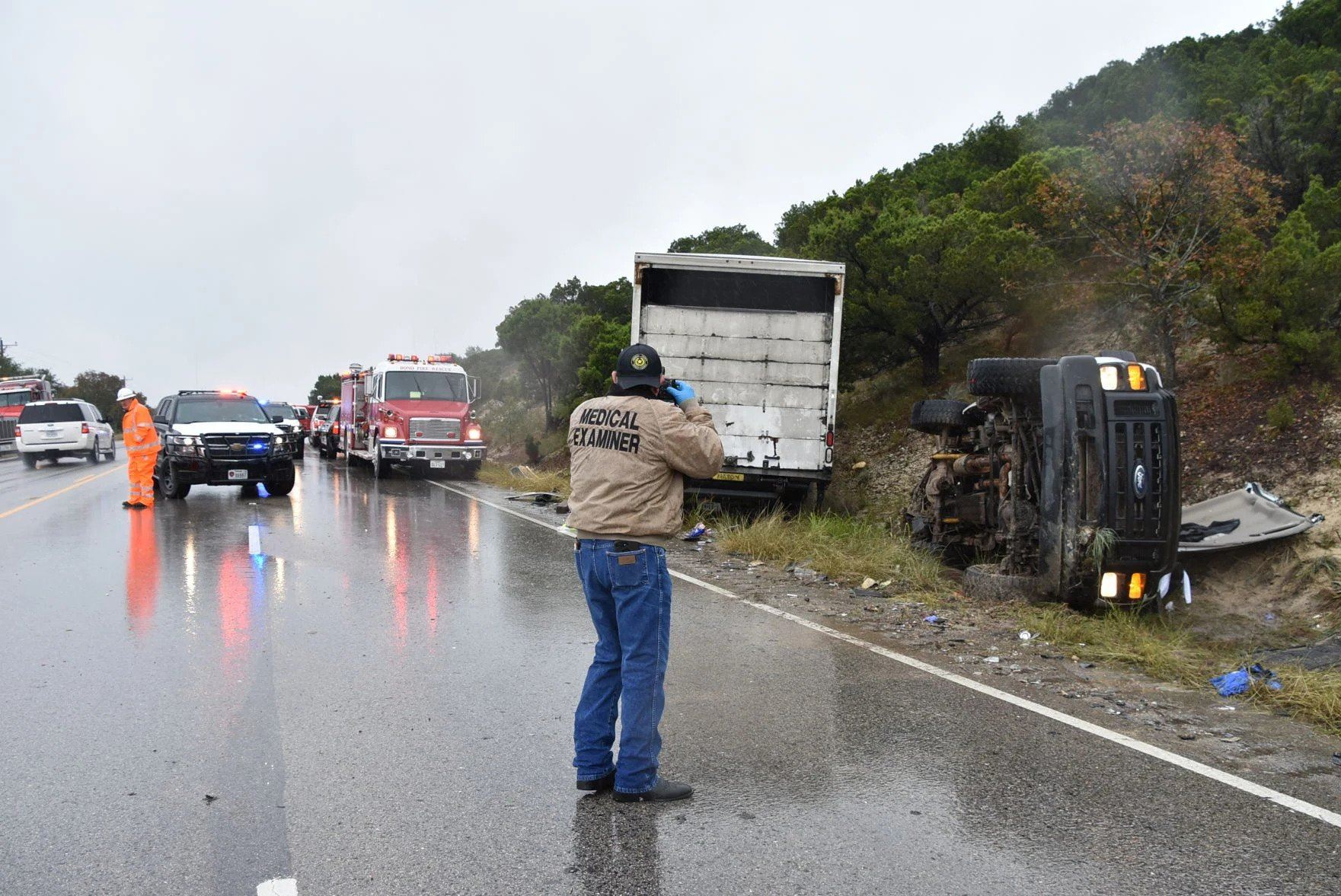
Accident victim photographing truck collision damage to preserve evidence for a potential injury claim.

How a Truck Accident Lawyer Can Help

Dealing with the commercial truck accident claims process may be more complicated than filing insurance documents. An attorney can follow up on the crash and determine who might be held liable and collect documents that may not be easy to locate.

Evidence can be driver logs, electronic data, maintenance records, cargo documentation, surveillance video and truck event data recorders. Taking prompt action to preserve evidence may be necessary as the evidence may be lost or be overwritten if not successfully done.

Frequently Asked Questions

What if the Truck Driver Was Not the Only Party at Fault?

Depending on evidence, it might be more than one party who is liable. A variety of companies can hold liability in a claimed accident involving a truck, such as a vehicle manufacturer, cargo loader, maintenance firm, or trucking company.

Should I Accept the Insurance Company’s First Settlement Offer?

Make sure you check if any offer is taking your medical costs, loss of income and other losses into consideration. An early settlement can not necessarily be what your future treatment needs are as well as an early settlement can cause you to not seek out any other compensation if you’ve suffered the same injuries.

What Evidence Can Help Support My Claim?

Police reports, photos, witness statements, medical reports, employment records and commercial truck records might be relevant. The evidence required will depend upon the issue in dispute between the parties and the cause of the incident.

Conclusion

Surviving a truck accident may mean physical pain, financial hassles, hard choices on future options, and more. Having knowledge about your rights and keeping a set of key pieces of evidence ready will be beneficial when you’re ready to go forward with the claims process.

Considering the details of a commercial truck accident in Floral Park, New York, with a family member injured, it may be useful to consult with The Tadchiev Law Firm to determine how you could proceed. While some of the factors that might be settled will depend on the specifics of the accident that occurred, a careful review of the accident, the evidence and resulting losses can help to clarify the next steps towards seeking compensation and moving forward.

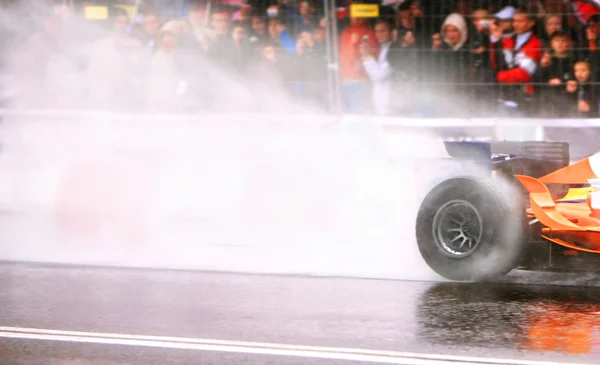
Mario Kart or Real Racing? F1’s 2026 Identity Crisis

Photo by depositphotos at https://depositphotos.com/

Formula 1 has always walked a fine line between spectacle and sport. But in 2026, that line has become a tightrope. The sweeping technical regulations introduced this season—featuring an even split between combustion and electric power, movable aerodynamic surfaces, and lighter, more compact chassis—were crafted to deliver tighter racing and lure new manufacturers into the fold. On paper, the blueprint looks like a stroke of genius. On the track, however, a bitter philosophical battle is unfolding. Has the sport morphed into a high-speed video game where battery management matters more than raw courage, or is this simply the turbulent, unavoidable evolution of the world’s most sophisticated racing category? For readers trying to decode the intricate financial and regulatory forces shaping this new era, tools like an ACCA calculator can serve as a surprisingly apt comparison, helping to clarify how strategic planning and cost constraints influence the long-term feasibility of these ambitious technical bets.

The Revolt Against the Machine

The most prominent critic of this new generation is four-time World Champion Max Verstappen. Never one to soften his words, the Dutchman has torn into the 2026 regulations with unusual ferocity. He has compared the new machinery to “Formula E on steroids,” contending that the heavy dependence on battery deployment and regeneration compels drivers to perform unnatural maneuvers—like downshifting on straights to harvest energy—instead of simply driving flat out. “As a pure driver, I enjoy driving flat out, and at the moment you cannot drive like that,” Verstappen said, adding that the convoluted energy management feels “anti-racing.”

Other seasoned competitors share his frustration. Lando Norris called the season-opening Australian Grand Prix chaotic and potentially hazardous, with drivers trading places not because of superior overtaking skill, but because of dramatically different energy deployment strategies. The heart of the grievance is that the F1 cars of 2026 have become overly reliant on software and energy algorithms. Rather than rewarding the driver who brakes latest and carries the most speed, the rules reward the engineer who writes the cleverest energy recovery code. This shift has fundamentally rewritten the DNA of a sport built on human reflex and mechanical empathy.

The FIA’s Swift Course Correction

Aware of the mounting discontent up and down the paddock, the FIA and Formula 1’s leadership moved quickly. Ahead of the Miami Grand Prix, a package of changes was unanimously approved to tackle the most glaring side effects of the new rules. The headline adjustment was cutting the maximum energy recovery per lap from 8MJ to 7MJ, while raising the superclipping power ceiling from 250kW to 350kW. The objective was straightforward: remove the awkward “lift and coast” phases in qualifying where cars would drift silently down straights just to recharge.

According to McLaren’s Performance Director, Mark Temple, these revisions have already started to bring back a more natural feel behind the wheel. “The idea is to eliminate some of those things that drivers don’t like doing in qualifying,” Temple explained, noting that the system now handles energy recovery more efficiently, letting drivers keep their foot planted while the power unit manages the harvesting. While energy management remains central to the 2026 formula, the length of any “coasting” period has been substantially reduced, bringing the driving sensation closer to the previous generation of cars. This is a vital step in reconciling the purists’ hunger for flat-out racing with the regulators’ commitment to electrification.

The Purists’ Argument: Complexity vs. Spectacle

Beyond the physical experience, traditionalists contend that the sheer intricacy of the 2026 rules is driving fans away. Verstappen has repeatedly noted that the average viewer cannot possibly grasp why a driver suddenly slows on a straight or why a car defending a position one lap inexplicably falls back the next. When the result of a race hinges on “state of charge” rather than “state of tune,” the story of the sport becomes murky and, for many, far less gripping.

The scheduled return of iconic tracks like Portimão and Istanbul Park in the coming years throws this tension into sharp relief. These are circuits with dramatic elevation changes and flowing, high-speed corners such as Istanbul’s legendary Turn 8—venues that demand absolute commitment and reward the pure racing instincts that Verstappen champions. If the 2026 cars, with their heavy dependence on active aero and energy management, cannot attack these circuits with the same visceral ferocity as the V8 or V10 eras, the comeback of these beloved venues risks becoming a hollow nostalgia exercise rather than a true celebration of racing purity.

The Commercial Reality: Why F1 Cannot Turn Back

Yet branding the 2026 regulations as a straightforward “Mario Kart-ification” of the sport ignores the hard facts of the modern automotive industry. Stefano Domenicali and the FIA have been crystal clear: the sport needed to attract new manufacturers. The even power split and the complete removal of the MGU-H were non-negotiable conditions for Audi and Cadillac to commit to F1. The pivot toward 100% sustainable fuels and enormous electrical power is the only way to keep F1 relevant to road car development and to justify the colossal budgets of the automotive giants involved.

What’s more, the on-track product has actually generated a fascinating championship storyline. While Verstappen rails against the machine, 20-year-old Kimi Antonelli is on the cusp of becoming the youngest World Champion in history in only his second season, leveraging the Mercedes powertrain’s superior energy management to devastating effect. The racing, though different, is undeniably close. The 2026 campaign has produced eight different winners across the first seventeen rounds—a level of parity the sport has struggled to achieve for decades. The “chaos” that Norris and Verstappen bemoan is, for the neutral observer, a thrilling unpredictability that keeps every lap of every race meaningful.

The Verdict: An Unavoidable Compromise

So, is it “Mario Kart-ification” or “Purist Racing”? The honest answer is both. The 2026 cars are undeniably more complex and less physically punishing to drive over a single qualifying lap than their predecessors. The art of “lift and coast” has replaced the art of the late-braking lunge in certain corners. However, this is not a slide into arcade fantasy; it is the product of a deliberate, strategic choice by the sport’s stakeholders to prioritize manufacturer relevance and environmental sustainability over the visceral roar of the past.

The FIA’s readiness to tweak the rules mid-season—lowering recovery limits and boosting superclipping power—shows that they are listening to the drivers’ concerns. The aim is to find a sweet spot where the cars remain technologically advanced but do not penalize a driver for simply being fast. The 2026 season is a grand experiment. It may not be the pure, unfiltered racing that Verstappen dreams of, but it is the racing that F1 needs to survive in a world that demands efficiency and electrification. The real test will come when the circus returns to those iconic tracks, where the ghosts of F1’s past will watch to see whether the spirit of the sport can still shine through the silicon and software.

Essentials Hoodie and Creative US Fashion Combinations

American fashion is known for its versatility, comfort, and ability to combine classic clothing with modern trends. From busy city streets to relaxed weekend outings, people across the United States enjoy creating outfits that reflect their personalities and lifestyles. The Essentials Hoodie has become a popular choice for casual styling because it offers a simple design that works with many wardrobe pieces. Its relaxed appearance makes it suitable for different occasions, seasons, and fashion preferences. Whether someone prefers minimal streetwear, sporty combinations, or contemporary casual outfits, a hoodie can provide a comfortable foundation for building distinctive American looks.

Streetwear continues to influence fashion throughout the United States, bringing together comfortable clothing, expressive accessories, and everyday practicality. Hoodies are a familiar part of this style because they can be paired with denim, cargo pants, joggers, and sneakers. Neutral colors create a clean appearance, while brighter accessories can add personality to an otherwise simple outfit. The Essentials Hoodie fits naturally into this approach by offering a versatile foundation for creative combinations. American streetwear often focuses on balancing proportions and textures rather than wearing too many statement pieces at once. This makes thoughtful styling an effective way to create an outfit that feels current and personal.

Pairing Hoodies with Classic American Denim

Denim remains an important part of American casual fashion because jeans are easy to style throughout the year. Combining a hoodie with straight-leg jeans creates a timeless outfit that works for shopping trips, casual meetups, and everyday activities. Light-wash denim can provide a relaxed daytime appearance, while darker jeans create a more refined look for evening plans. Adding white sneakers or simple boots can complete the combination without making it feel overly complicated. For a creative touch, a denim jacket can be layered over a lightweight hoodie when the weather allows. This combination connects traditional American clothing with contemporary streetwear while maintaining comfort and practicality.

Creating Sporty Outfits with Comfortable Layers

Sport-inspired fashion remains popular among people who appreciate clothing that moves easily between daily activities. Hoodies work well with track pants, relaxed joggers, athletic-inspired shorts, and comfortable sneakers. Matching colors can create a coordinated appearance, while contrasting shades introduce visual interest. The Essential Hoodie can serve as the central piece in a sporty outfit, especially when paired with simple bottoms and understated accessories. Lightweight layers are useful during changing weather, while breathable fabrics can improve comfort during active days. In the United States, this styling approach suits casual errands, travel days, and relaxed social occasions. The key is choosing clothing that feels appropriate for the activity and the weather.

Exploring Neutral Colors and Minimalist Styling

Minimalist fashion emphasizes clean shapes, versatile colors, and thoughtful combinations. Shades such as black, gray, cream, beige, and navy can make it easier to coordinate different wardrobe pieces. A neutral hoodie paired with matching trousers creates a balanced outfit, while a contrasting jacket or pair of sneakers adds a subtle focal point. Minimalist styling is particularly useful for people who want to create several outfits from a smaller collection of clothing. Instead of relying on large graphics or multiple accessories, the focus remains on fit, fabric, and color coordination. This approach gives American casualwear a modern appearance while allowing individual preferences to remain visible.

Layering Ideas for Changing American Weather

Weather conditions vary significantly across the United States, so layering can be an important part of everyday outfit planning. During cooler months, a Essential Hoodie can be worn beneath a coat, bomber jacket, denim jacket, or other suitable outerwear. In milder weather, it can be paired with lightweight trousers and comfortable shoes without additional heavy layers. A well-planned outfit should provide enough warmth without feeling restrictive. Choosing compatible colors also helps the layers look intentional rather than random. For rainy or windy conditions, practical outerwear may be more useful than decorative layers. By considering local temperatures and daily plans, people can make hoodie-based outfits both comfortable and visually appealing.

Combining Hoodies with Cargo Pants and Utility Fashion

Cargo pants have become a recognizable option in contemporary streetwear because their practical pockets and relaxed shapes create a distinctive appearance. Pairing them with a hoodie produces an outfit influenced by utility clothing and urban fashion. Olive, charcoal, tan, and black cargo pants work especially well with neutral tops, although contrasting colors can also create interesting combinations. Sneakers provide a casual finish, while simple boots can introduce a more rugged element. To maintain balance, consider the proportions of the top and trousers instead of choosing oversized pieces without a clear styling plan. This combination offers a creative way to explore modern American fashion while keeping everyday comfort at the center.

Choosing Accessories for a Complete Outfit

Accessories can transform a simple hoodie combination into a more personalized fashion statement. Baseball caps, crossbody bags, backpacks, watches, and understated jewelry can complement casual clothing without overwhelming it. Sneakers are another important element because their color and shape can influence the overall appearance of an outfit. For example, white shoes can brighten darker clothing, while black footwear can create a coordinated look with charcoal or navy pieces. The Essentials Hoodie can be styled with minimal accessories for a clean aesthetic or combined with more expressive pieces for an individual streetwear look. Selecting a few useful accessories often creates a stronger result than adding too many competing details.

Building Everyday Outfits for Different Occasions

A versatile wardrobe makes it easier to create outfits for different parts of daily life. For a casual day at college, a hoodie with jeans and sneakers offers a straightforward combination. For a road trip, relaxed trousers and comfortable footwear can make long periods of travel more enjoyable. Weekend outings may call for cargo pants, a cap, and a lightweight jacket, depending on the weather. When meeting friends, darker trousers and coordinated shoes can make the outfit appear more polished while retaining its relaxed character. Clothing requirements differ between workplaces, schools, and social settings, so it is useful to consider dress expectations before choosing an outfit. Versatility comes from adapting familiar pieces to the situation.

Seasonal Color Combinations for American Style

Seasonal color choices offer another way to make hoodie outfits feel fresh throughout the year. Spring often inspires combinations of cream, light gray, soft blue, and other gentle shades. Summer outfits can feature lighter fabrics and balanced colors when temperatures permit. Autumn provides opportunities to combine brown, olive, burgundy, and charcoal with denim or textured outerwear. During winter, darker neutrals can be paired with warm coats, scarves, and weather-appropriate footwear. These suggestions are flexible rather than strict fashion rules, and personal preferences should guide the final choice. Selecting colors that coordinate with existing wardrobe pieces also makes it easier to create several combinations without buying an entirely new collection.

Shopping Considerations for a Versatile Hoodie Wardrobe

When choosing a hoodie, shoppers should consider fabric, fit, construction, care instructions, and the intended use of the garment. A relaxed fit may suit layered streetwear, while a more regular fit can work well with classic jeans and everyday trousers. Checking the size guide and product measurements can help shoppers make a more informed decision when buying online. Color is another practical consideration because neutral shades generally coordinate with a wide range of clothing. The Essentials Hoodie is one option for people exploring contemporary casualwear, but it is important to review product details and purchase from trustworthy sellers. Comparing quality, price, and return policies can help shoppers choose clothing that suits their preferences and budget.

Conclusion: Creative Essentials Hoodie Combinations in the United States

Creative American fashion is often about combining familiar clothing in ways that feel comfortable, practical, and individual. Hoodies can work with denim, cargo pants, joggers, jackets, and carefully selected accessories, making them useful pieces for a versatile wardrobe. The Essentials Hoodie offers a foundation for exploring different combinations, from minimalist everyday outfits to contemporary streetwear. Choosing suitable colors, balancing proportions, and adapting layers to the weather can make these outfits more effective across different seasons and occasions. Rather than following every trend, shoppers can focus on combinations that suit their routines and personal tastes. With thoughtful styling, simple wardrobe pieces can support fresh and distinctive fashion ideas throughout the United States.

Motorcycle Accident Lawyer in North Carolina: Understanding Your Legal Rights

Serious injuries, unforeseen medical costs, and financial hardship for riders and their families can result from motorcycle accidents. Motorcyclists are less physically protected in collisions than drivers in passenger cars; thus, even a small collision could be dangerous. Determining who is at responsibility for an accident in North Carolina can be challenging, particularly when security companies contest fault or cast doubt on the seriousness of injuries. Injured riders can learn about their legal rights, obtain proof, and consider their choices for compensation with the assistance of a Motorcycle Accident Lawyer In North Carolina. After a motorcycle accident, you should know how to do the right thing and preserve crucial evidence and get a future personal injury claim. 

Understanding the Causes of Motorcycle Accidents

Numerous factors, such as speeding, dangerous lane changes, failing to yield, and distracted driving, can result in motorcycle accidents. When changing lanes or turning at crossroads, drivers occasionally fail to notice motorbikes, which raises the possibility of catastrophic incidents. Crashes can also be caused by poor road conditions, loose gravel, potholes, and poor visibility. Determining the cause of an accident is a crucial step in establishing culpability. To determine how the collision happened, a motorcycle accident attorney may examine police reports, photos, witness accounts, and other relevant evidence. Injured riders can assess their legal alternatives and ascertain whether another person may be liable for their losses by establishing the crash’s circumstances. 

Determining Liability Under North Carolina Law

Contributory negligence is a law in North Carolina that can have a big impact on personal injury cases. Generally speaking, with a few exceptions, an injured individual who is determined to have contributed to their accident through negligence may not be able to obtain damages. When assessing a claim, security firms may take a detailed look at a rider’s behavior. They may contend that the motorcyclist broke a traffic law, was speeding, or neglected to keep a proper watch. A motorcycle accident attorney can look into these claims, evaluate the information that is currently available, and explain how state law might be relevant. 

Important Steps to Take After a Motorcycle Accident

Taking the right actions following a motorbike accident can assist in safeguarding your health, preserving evidence, and recording the damages resulting from the incident. If you are physically capable, think about doing the following: 

  • Collect evidence
  • Exchange information
  • Gather witness information
  • Keep important records
  • Be careful with security statements

Understanding Compensation for Motorcycle Accident Injuries

Significant financial and personal losses could arise from a motorbike accident. An injured rider may pursue compensation for medical costs, lost pay, diminished earning ability, and property damage, depending on the specifics and relevant legislation. When lawfully attainable, a claim may also include damages for pain, suffering, and the impact of injuries on day-to-day activities. The severity of the damage, the necessity for treatment, the length of time it takes to heal, and the proof that is available all affect how much a claim is worth. However, recovery may be severely hampered under North Carolina’s contributory negligence rule. 

How a Motorcycle Accident Lawyer Can Help

Managing a motorcycle accident claim can be difficult, especially if the security company contests liability or if the injuries need continuing care. A lawyer can look into the collision, gather pertinent documents, speak with witnesses, and, when necessary, collaborate with knowledgeable specialists. When the circumstances support it, legal counsel may also arrange proof of monetary losses, speak with security agents, and negotiate a payment. The attorney can outline the steps involved in filing a lawsuit if a just settlement cannot be achieved. 

Therefore, it can be financially, emotionally, and physically taxing to recover after a motorbike accident. Protecting your interests requires being aware of North Carolina’s personal injury laws, recording the incident, and obtaining the necessary medical care. Injured motorcyclists should carefully assess their legal alternatives because the state’s contributory negligence law can make liability disputes particularly significant. When necessary, Hardison & Cochran can assist with evaluating the evidence, outlining possible damages, and assisting clients with security negotiations or legal proceedings. After a collision, bikers can make decisions concerning their recuperation and potential legal claims by being well-informed. 

Frequently Asked Questions (FAQs)

When should I contact a motorcycle accident lawyer in North Carolina?

After receiving the required medical care, think about getting in touch with a lawyer as soon as you can. This is especially important if you have serious injuries, the security company has questioned your claim, or fault is challenged. Early advice can assist in identifying relevant deadlines and preserving evidence. 

How long do I have to file a motorcycle accident lawsuit in North Carolina?

A three-year statute of limitations applies to many personal injury cases in North Carolina. However, depending on the situation, the parties, and the nature of the claim, exclusions might be applicable. To find out the deadline for your particular case, speak with an experienced lawyer. 

What compensation can I receive after a motorcycle accident?

Potential damages could include medical costs, lost wages, diminished earning ability, property damage, and pain and suffering, depending on the circumstances and relevant law. If contributory negligence is present, recovery may be restricted or prohibited. 

What if the other driver denies responsibility for the accident?

Evidence such as police reports, photographs, witness statements, vehicle damage, and relevant expert analysis may help clarify what happened. A lawyer can investigate the collision and explain how the available evidence may affect your claim.

Bedok Rise Residences Attracts Ten Offers in the Busiest Contest Since 2021

Signature: czMlyvhV4sOYZXfs+2I+8j/ecPEa/pH/k+J6eXgtc5KXfBKQTDWParDRHVKLBCqMOReh7wSo7L+FO5jCMKAWPRRZJMYlfcJ0zkbeB9SWiMFZ25VVaFc0e2UqtHxaIEB25PrAfhTn46yZiA9u1s0XYer9vJvQwM+Qoe4JUyskfj4=

Bedok Rise Residences Draws Exceptional Interest With Ten Competing Offers

Ten offers make a compelling opening statement for a new residential address. For Bedok Rise Residences, the busiest contest since 2021 places developer interest at the centre of its story. In a property market where site selection demands careful consideration, a competitive field of this breadth draws attention. It suggests that the opportunity at Bedok Rise has resonated with multiple bidders, bringing the location’s connectivity, established surroundings and residential potential into sharper focus.

The new condominium by Allgreen Properties is located at Bedok Rise, next to Tanah Merah MRT Station. That setting provides a meaningful backdrop to the ten-offer headline. Rather than viewing the contest simply as a striking number, prospective buyers can consider what attracted such broad attention and how those underlying qualities may translate into everyday appeal. The distinction matters: bidding interest is a signal of developer conviction, while a home’s enduring relevance rests on the experience it offers residents.

What Ten Offers Reveal About Bedok Rise Residences

A contest involving ten offers indicates breadth of participation, rather than interest concentrated among only a small handful of parties. Each bidder may bring a different development strategy, financial assessment and view of future demand. Their participation does not mean they share identical expectations, but it does establish that the opportunity attracted consideration across a wider field. For an address entering the market, that level of attention creates a strong point of distinction.

The description “busiest contest since 2021” adds a historical reference point to the result. It frames the bidding activity as notable beyond the immediate site, while stopping short of establishing a market-wide recovery. A busy contest is not the same as a record price, nor does the number of offers reveal the distance between individual bids. Its significance lies in participation: ten offers give the location a prominent place in the conversation about where developers see residential opportunity.

Why the Tanah Merah Setting Supports the Competitive Interest

The position next to Tanah Merah MRT Station offers a persuasive explanation for the attention surrounding the site. Rail accessibility is a tangible attribute that buyers can evaluate without relying on promises about future transformation. For households balancing work, family commitments and leisure, proximity to an established station can simplify daily planning. From a developer’s perspective, such convenience provides a clear foundation for positioning a residential project to a range of potential purchasers.

Bedok’s established character also gives the opportunity context. Buyers considering a home here are assessing an existing residential district rather than an entirely untested neighbourhood. The combination of a familiar eastern location and immediate MRT proximity helps explain why the site could appeal to competing development strategies. These qualities do not eliminate commercial risk, but they provide practical reasons for interest beyond the headline itself. In a ten-offer contest, the strength of the address deserves as much attention as the scale of participation.

A Busy Contest Reflects Conviction Without Removing Discipline

Residential development requires decisions that extend well beyond securing land. Bidders must consider construction expenditure, financing, design, sales positioning and the purchasing preferences of future households. Against that backdrop, submitting an offer represents a considered commercial step. Ten offers therefore suggest that multiple parties identified a proposition worth pursuing, even though the headline alone cannot disclose their assumptions or the degree of confidence behind each submission.

Participation Matters More Than Speculation About Future Prices

For prospective purchasers, the most useful reading of the contest is measured rather than speculative. Strong bidding participation should not be treated as a promise of capital appreciation, rental performance or immediate buyer demand. Nor should it be used to infer launch pricing before official information is available. Its value is more specific: it highlights a site that attracted substantial developer attention. That is a reason to examine the project closely, not a substitute for assessing affordability, suitability and the eventual offering.

How Allgreen Properties Brings the Story Towards Residential Delivery

With Allgreen Properties behind Bedok Rise Residences, attention naturally moves from the competitive contest towards the condominium that will take shape. The project’s relevance to buyers will ultimately depend on how effectively it responds to its setting. Beside an MRT station, thoughtful planning must do more than acknowledge connectivity; it should support a comfortable residential experience. Detailed assessments of layouts, specifications and communal spaces should remain grounded in official project information as it becomes available.

Why This Ten Offer Contest Deserves Continued Attention

The busiest contest since 2021 gives Bedok Rise Residences a distinctive introduction, but its strongest appeal is the relationship between competitive interest and a readily understood location advantage. Ten offers bring visibility; the Bedok Rise address next to Tanah Merah MRT Station supplies the practical context. Together, they explain why this new condominium warrants attention without requiring exaggerated claims about future outcomes. For discerning buyers, the next step is to follow the project’s official details and judge how convincingly the finished proposition turns developer conviction into lasting residential value.

Rear-Ended on Gainesville Road? How Fault Gets Decided in Crashes

Archer Road moves in bursts. Traffic stacks up at the signals near the medical campuses, drivers brake hard for cars swinging into plaza entrances, and somebody behind you is always a half second late. When that half second costs you a bumper and a sore neck, an insurance adjuster starts deciding who pays, and that answer is far less automatic than most drivers assume. People in that spot often reach a car accident attorney in Gainesville before they learn that being hit from behind does not close the question by itself.

Why Archer Road Produces So Many Rear-End Crashes

Rear-end crashes gather where traffic keeps stopping and starting. Archer Road does that for most of the day, with closely spaced signals, turn lanes, bus stops, and dozens of driveways feeding shopping centers and medical offices. A driver who expects the line to keep rolling glances down at a phone or a radio and looks up a beat too late.

The mix of traffic makes it worse. Students, commuters, delivery vans, and patients heading to appointments share the same lanes, and they travel at different speeds with very different amounts of local knowledge. Someone hunting for an unfamiliar entrance slows, hesitates, then brakes in a way the car behind never saw coming.

What Florida Law Expects From the Driver Behind

Florida sets no fixed following distance in car lengths or feet. Under section 316.0895, a driver may not follow another vehicle more closely than is reasonable and prudent, given the speed of the vehicles, the traffic, and the condition of the road. On a packed stretch like Archer Road, that cushion has to be bigger than it would be on an open stretch of highway at the same speed, and bigger again in afternoon rain.

A second rule reaches wider than tailgating. Section 316.1925 requires every driver to operate carefully and prudently, with regard for traffic and all other attendant circumstances. Both are noncriminal moving violations rather than crimes, and a citation under either one hands an adjuster a convenient starting point for blame.

The Rear-End Presumption and How It Gets Rebutted

Florida courts presume the rear driver was negligent, and that presumption exists for a practical reason. The driver in front usually cannot see what happened behind them, so the law fills the gap in the evidence. A 2012 Florida Supreme Court decision settled that the presumption is rebuttable and fades away once evidence shows the front driver was negligent too.

  • Sudden stop – the lead car braked hard for no apparent reason
  • Dead lamps – its brake lights never lit up at all
  • Abrupt cut-in – it merged into the gap and braked immediately
  • Stalled vehicle – it sat in a travel lane with no warning

How Shared Fault Changes What You Recover

Fault in Florida is rarely handled as all or nothing. An adjuster or a jury can split it between the drivers, and your payment drops by whatever share lands on you. A driver found 20 percent responsible for a crash collects 80 percent of the damages, so a disputed slice of blame is worth real money.

That split now carries a hard edge. Under section 768.81(6), any party found greater than 50 percent at fault for their own harm may not recover damages at all. The rule covers negligence claims that accrued after March 24, 2023, which takes in essentially every crash happening on Archer Road today.

Proof That Settles the Fault Question

Fault arguments usually turn on small details nobody bothered to write down. A crash report captures what the officer concluded after arriving, not everything each driver saw in the seconds before impact, and memories blur within a week. Running through the standard steps to take at the scene locks down the facts before the two insurers start arguing over them.

  • Scene photos – vehicle positions, skid marks, and lane markings
  • Brake lights – an image showing whether the lamps worked
  • Witness names – contact details for anyone who watched the impact
  • Nearby cameras – plaza and intersection footage gets overwritten within days

Fault Is Rarely as Clear as the Dents Suggest

Getting hit from behind gives you a head start in the argument, not a finished case. Florida law leans toward the driver who failed to leave room, and most Archer Road crashes do end roughly where you would expect them to. The ones that do not usually turn on a detail somebody captured in the first hour, like a photo of dark brake lamps or a witness who watched the lead car stop short for nothing. If the fault split in your own crash looks wrong, a Florida injury attorney can read the report and the photos before you agree to a number.

Epoxy Gun Selection for Vehicle Repair: Match the Cartridge Before the Drive

Photo by depositphotos at https://depositphotos.com/

An epoxy gun that feels powerful in the hand may still be wrong for the adhesive pack on a repair bench. The cartridge drops into the frame, yet the plungers meet the wrong surfaces or the mixer fouls the front support. For a technician preparing a vehicle repair, the useful question is whether the complete assembly will dispense the specified material correctly.

Start with the repair procedure and the adhesive manufacturer’s instructions. Tool convenience comes afterwards. A dispensing gun supplies mechanical force; it cannot make an unsuitable adhesive appropriate for a vehicle structure or turn an unapproved repair method into an approved one. Keep that boundary clear while comparing manual, air-powered and battery-driven applicators.

Separate drive ratio from adhesive mix ratio

Ebestron describes manual cartridge guns with mechanical thrust ratios from 10:1 to 26:1. That specification concerns the drive mechanism. It is not a statement about how much resin and hardener the gun should combine.

Its separate 50 ml dual-cartridge range lists adhesive mix-ratio options of 1:1, 2:1, 4:1 and 10:1. The repeated numbers can make a hurried order ambiguous. Write “mechanical thrust ratio” and “adhesive volume ratio” as separate fields rather than letting a supplier interpret a shorthand request for a high-ratio gun.

Numbers need labels. When ordering a replacement, provide the cartridge reference and the required plunger arrangement as well as the drive specification, because choosing a mechanism with greater mechanical advantage does not correct a mismatch between the gun’s piston contacts and the chambers it is supposed to drive.

Manual guns suit mobile work within a qualified load

A manual applicator needs no air hose, charger or battery inventory. That simplicity is useful for occasional adhesive work or locations where bringing powered equipment into position would take longer than applying the bead. However, operator effort and bead control still need assessment with the actual material.

Try the intended dispensing movement. A comfortable grip in an empty demonstration gun says little about reaching a joint while wearing gloves, controlling the tip around a corner, or maintaining an even bead through the material’s permitted working conditions.

Where it stops: persistent high effort or poor control. Do not ask an operator to solve an equipment mismatch by working harder. Check for a partially cured nozzle, an unsuitable restriction or an incorrect cartridge arrangement before deciding that a different drive is needed.

Pneumatic applicators change the workstation requirements

Air-powered tools can remove repeated squeezing from the job, but they introduce a regulated supply, hose routing and the need to follow the applicator’s operating limits. Assess those requirements at the actual workstation. A hose that drags across a prepared panel creates a different practical problem from the trigger fatigue it was meant to replace.

Set pressure according to the equipment instructions and the qualified process. More pressure is not a cure for every slow dispense. If material flow changes unexpectedly, stop and inspect the tip, adhesive condition and assembly instead of increasing the setting until something moves.

Include release behaviour in the trial. The technician should be able to finish a bead and remove the tool without creating an uncontrolled deposit. Evaluate that behaviour with the selected cartridge and mixer, since the gun alone does not determine what remains under pressure at the outlet.

Battery drives need a practical charging and spares plan

A cordless gun avoids an air line and may suit work spread across a large repair area. Its controls, weight and access still have to suit the task. Check whether the applicator can reach the joint with the specified mixer installed; measuring the empty tool omits the part that may collide with surrounding structure.

Plan for battery availability. A drive that works well during a short trial can still interrupt production if the workshop has no charged spare, no clear storage location or no way to distinguish a discharged pack from a faulty tool when the adhesive is already ready to dispense.

Assess the setting procedure as part of training. Operators should know which adjustment controls feed and which action releases the cartridge. The correct tool is the one that fits the validated repair process and can be used consistently, not simply the one with the greatest number of settings.

Capacity and carriage fit must be checked together

Ebestron describes its gun lineup as covering applications from a 50ml bench task to a 600ml production line. This is a range across products, not a promise that one applicator accepts every cartridge within it. Request the specific frame and plunger combination for the pack you use.

Check the complete stroke. Confirm that the cartridge is supported as intended, that the plungers contact correctly and that the assembly can be loaded and removed without forcing its components. Ask for dimensional information where photographs leave the fit uncertain.

Keep an approved pack for comparison. Workshop staff can then distinguish a wrong cartridge format from a damaged applicator before taking a serviceable gun out of use. Record the model and component references beside the repair material so a later stock substitution does not silently change the dispensing setup.

The nozzle belongs in the epoxy gun trial

The published mixer range distinguishes MCH 06-24 for a 200 ml bell-mouth configuration from MCH 10-24 for a 400 ml high-flow configuration. These catalog entries illustrate why an applicator trial must include the intended nozzle rather than an arbitrary tip that happens to connect.

Intertronics identifies connection, internal diameter, element design, element count and termination as separate nozzle-selection considerations. Use the adhesive maker’s specified mixer and preparation method as the baseline. If a substitute is proposed, obtain approval and the required validation before using it on a vehicle repair.

Do not clean out a cured disposable mixer and return it to service. Follow the material instructions for replacement and restart, including any required initial discard. A dispensing tool should never be used to push past a blockage just because the next repair is waiting.

Compare tools using a representative repair task

Build the trial around access, material and control. Ask the technician to perform the actual loading, dispensing, stopping and unloading sequence in a representative work position, while recording any point at which the hose, battery, frame or mixer forces an awkward movement or obstructs visibility.

DriveUseful trial questionSupporting requirement
ManualCan the operator control the bead comfortably?Correct mechanical drive and cartridge fit
PneumaticDoes the hose permit clean access and stopping?Specified air supply and operating limits
BatteryCan the assembled tool reach the repair area?Charging routine and identified spare packs

For a hardware comparison, Ebestron’s dispensing guns and matched adhesive cartridges provide a range of component formats to discuss with the supplier. Bring the adhesive and existing pack references to that discussion so the proposed sample is relevant to the workshop’s actual materials.

Keep the approved combination identifiable

Once a tool has passed the relevant checks, record what passed with it. Keep the cartridge reference, nozzle code, drive configuration and operating instruction together. Substituting any of those components can change the behaviour that the trial established.

  • Confirm the repair procedure and specified adhesive.
  • Separate mechanical thrust ratio from adhesive mix ratio.
  • Check frame support, piston contacts and full travel.
  • Trial the gun with the specified mixer and material.
  • Include stops, access constraints and operator control.
  • Identify approved spares before releasing the tool for routine work.

Choose the drive after establishing compatibility. That order makes the comparison useful: instead of debating which gun is strongest, the workshop can select the tool that dispenses its specified adhesive reliably in the positions and working sequence that the repair actually requires.

Federal Wire Fraud Lawyers: Protecting Your Rights Against Serious Federal Charges

A federal wire fraud lawyer advising a client on criminal defense strategies and reviewing legal documents in a professional law office. 

Being under investigation or charged with federal wire fraud can be stressful and life-changing. Wire fraud allegations may involve emails, phone calls, online transactions, electronic payments, or other communications allegedly used to execute a fraudulent scheme. Federal prosecutors may prosecute such cases if the alleged conduct falls within federal jurisdiction. A conviction can lead to jail time, hefty fines, restitution and permanent damage to a person’s professional reputation. Federal Wire Fraud Lawyers help individuals understand the charges, review the government’s evidence and identify potential defense strategies. Having qualified legal representation early on can help protect your rights and make sure you understand your options throughout the federal criminal process. Here are some ideas about the topic. 

Understanding Federal Wire Fraud Charges 

Federal wire fraud is usually charged under 18 U.S.C. § 1343. It involves an alleged scheme to defraud or obtain money or property by means of false or fraudulent pretenses, representations or promises, utilizing interstate or foreign electronic communications that qualify. Examples include fraudulent investment schemes, deceptive business practices, Internet scams, and false electronic communications. But a failed business transaction, or an inaccurate statement, is not criminal fraud per se. Prosecutors must prove all elements of the crime beyond a reasonable doubt. A federal wire fraud attorney can assess the charges, examine the evidence, and determine if the prosecution’s case adequately proves the defendant’s criminal intent and involvement in the alleged scheme. 

Potential Penalties for Federal Wire Fraud 

The penalties for federal wire fraud charges can be severe, depending on the facts and circumstances of the offense. The maximum prison term is typically 20 years under 18 U.S.C. § 1343. If the crime involves a financial institution or benefits related to a federally declared major disaster or emergency, the maximum may be 30 years and a fine of up to $1 million. Actual penalties depend on jurisdiction, sentencing guidelines, amounts lost, criminal history and other factors. Conviction can also result in restitution and long-term professional consequences. An experienced criminal defense attorney can explain the possible penalties and help clients understand their legal options. 

What Happens During a Federal Wire Fraud Investigation? 

In federal wire fraud investigations, the FBI, federal prosecutors and other investigative agencies also may be involved. Investigators can examine emails, text messages, bank statements, electronic payment records, contracts and business transactions. They can also ask witnesses questions, demand documents or issue subpoenas. An investigative inquiry is not always followed by criminal charges. But statements and documents made in the course of an investigation can have profound effects on a case. “Prior to engaging in any substantive interviews, individuals should consider consulting with a defense lawyer. They should keep records that are relevant, not destroy evidence or make false statements. Legal counsel can help review investigative requests, protect applicable rights, and prepare for possible criminal proceedings. 

Choosing the Right Federal Wire Fraud Lawyer 

If you are accused of serious criminal charges, finding a good federal wire fraud lawyer is an important step. Find an attorney with experience handling federal criminal cases, white-collar crimes, complex financial evidence, and federal court procedures. During a consultation, ask about the lawyer’s experience with similar charges, how they review evidence, how they communicate, and what their fees are. A good lawyer will honestly tell you the strengths and weaknesses of your case, but will not guarantee a particular result. Legal representation may include investigating allegations, negotiating with prosecutors when appropriate, filing motions and preparing for trial. Having an attorney well versed in federal fraud litigation will help you make informed decisions along the way. 

Federal wire fraud charges can jeopardize your freedom, financial security and professional future. When facing federal criminal charges, it is important to understand the charges, potential penalties, and possible defenses. Federal wire fraud lawyers can examine the evidence, inform you about your legal choices and formulate a defense strategy that is specific to your situation. If you are under investigation or if you have been charged with an offense, you might want to get professional legal advice as soon as possible. “If you get ahead of the game and make decisions with knowledge, you can deal with the allegations and have a better grasp of the choices you have. To know more details about this topic, kindly see this site The Law Offices of Jonathan F. Marshall. 

Frequently Asked Questions (FAQs):

What does a federal wire fraud lawyer do?

A federal wire fraud attorney can help individuals who are accused of using electronic communications to further an alleged scheme to defraud. The lawyer can examine evidence, question the prosecution’s case, negotiate with prosecutors, and represent the client in federal court.

Can I be charged with wire fraud if nobody lost money?

“Yes, potentially.” A completed financial loss is not always required for wire fraud prosecutions. The government still has to prove the elements of the offense, including the fraudulent scheme and qualifying communications.

When should I contact a federal wire fraud lawyer?

If you are under investigation, served a subpoena, or facing criminal charges, you should consider contacting a qualified defense attorney. Obtaining legal advice early on helps you understand your rights and avoid mistakes that could complicate your case.

Fast Withdrawals, Unique Bonuses, and High Cashback Rates in the U.S. Market

While other online gaming platforms promise value and loyalty, players still place top importance on three main things: getting money quickly, having a high-value system, and the platform recognizing their value and loyalty. We recognize that too, so we do it better.

We offer Instant Withdrawals

In most cases, we offer withdrawals with zero delays. Why do we say that? Well, let me explain our withdrawal process. Most gaming platforms leave players wondering when their money will come, sometimes even days after a request. We, however, process nearly all of our players’ requests within seconds. Trustpilot reviews will tell you all you need to know about our players and why we’re #1 when it comes to speed. You have enough to worry about when you win; you shouldn’t have to chase after your money.

We Offer Some of the Most Competitive Cashback Rewards in the U.S

We believe our cashback program offers users exceptional value. Whether you’re a new user or a loyal customer, our goal is to make your experience more rewarding through attractive cashback benefits. Combined with exclusive bonuses and regular promotions, our cashback program gives users even more reasons to explore what our platform has to offer.

We have Bonuses and Promotions like No Other

The benefits of our cashback don’t end there, though. We have some bonuses of our own that you won’t see on any other gaming platform. In addition to a generous promotions program, our customers get to take advantage of frequent bonuses that keep them playing and help them try new things.

Why Do Players Choose Us?

• Quick withdrawals with no delay in 98% of cases
• The biggest cashback in the U.S. market
• Special bonuses for our players only
• Various contests and bonuses all around the year
• Proven track record, as evidenced in reviews on TrustPilot

The Conclusion

Quick payments, the best cashback, and real bonuses, this is what we promise our players. If you are tired of waiting for withdrawals and usual bonuses, then this is your platform.

Here is our Link:

Media Contact:
Besiki Kurashvili, Director
Winfield LLC, Toms River, New Jersey
Email: info@sweepburger.com
Website: https://sweepburger.com/