Home Blog Page 329

NASCAR Weekend Schedule and Highlights – World Wide Technology Raceway

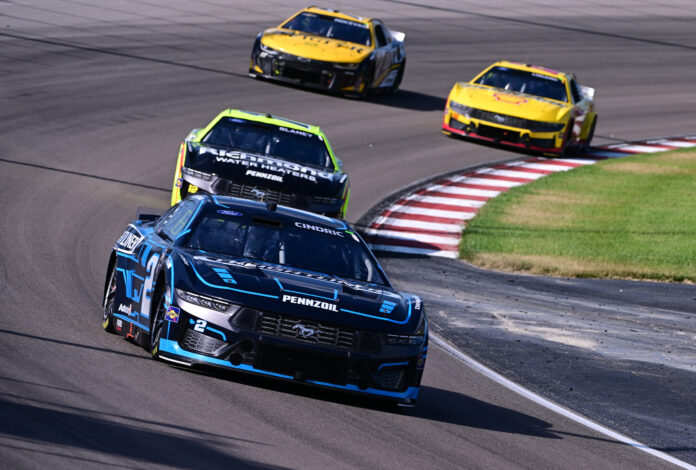
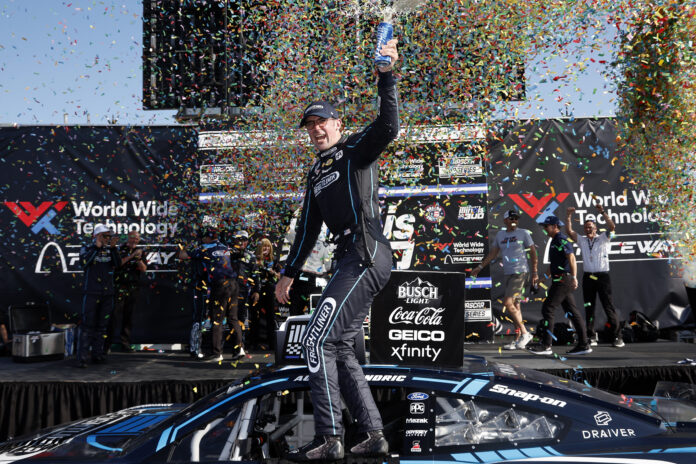
Austin Cindric wins NASCAR Cup Series race at World Wide Technology Raceway (Photo by Logan Riely/Getty Images)


This weekend, the NASCAR Cup Series and Xfinity Series travel to World Wide Technology Raceway at Gateway. It will be the second race in the Cup Series Playoffs and the final regular season race of the Xfinity Series season.

The NASCAR Craftsman Truck Series returns to competition on Sept. 11 at Bristol Motor Speedway and wraps up the regular season on Sept. 20 at New Hampshire Motor Speedway.

Cup Series Highlights

This weekend will be the fourth NASCAR Cup Series race at World Wide Technology Raceway (WWTR)- 2022-2025. Austin Cindric is the returning race winner.

Joey Logano has finished in the top-five in all three races at WWTR and won the 2022 race. He is the only driver who has finished in the top-10 in all three races.

All three of the races at WWTR were won by different drivers: Joey Logano (2022), Kyle Busch (2023) and Austin Cindric (2024).

Kyle Busch’s last trip to victory lane was in 2023 at World Wide Technology Raceway. It has been 84 races since his win at Gateway.

The last seven races of the current season have been won by different drivers.

Xfinity Series Highlights

This weekend will be the first Xfinity Series race at the track since 2010 and the 15th all-time.

It will also mark the final race of the Xfinity Series regular season.

Nine drivers are locked into the Playoffs – 8 race winners and Carson Kvapil, who is locked in on points, leaving three available Playoff spots.

Justin Allgaier will make his 497th career start this weekend at WWTR and tie Mike Wallace for fifth-most starts all-time.

Friday, Sept. 5 – Xfinity Series

5:05 p.m.: Xfinity Series Practice at Gateway
Timed – All Entries: 50 Minutes
CW App

Saturday, Sept. 6 – Xfinity Series

3 p.m.: Xfinity Series Qualifying at Gateway – CW App
Impound – All Entries: Single Vehicle/1 Lap

7:30 p.m.: Xfinity Series Nu Way 200 Sauced by Blues Hog
Stages: 35/70/160 Laps = 200 miles
CW/MRN/SiriusXM
Purse: $1,651,939
Post Xfinity Series Race: NASCAR Press Pass

Saturday, Sept. 6 – Cup Series

4:30 p.m.: Cup Series Practice at Gateway (Timed)
Group 1: 25 Minutes/Group 2: 25 Minutes
truTV/MRN/SiriusXM

5:40 p.m.: Cup Series Qualifying at Gateway
Impound – All Entries: Single Vehicle/1 Lap
truTV/MRN/SiriusXM
Post Cup Series Qualifying: NASCAR Press Pass

Sunday, Sept.7 – Cup Series

3 p.m.: Cup Series Enjoy Illinois 300
Stages: 45/140/240 Laps = 300 miles
USA/MRN/SiriusXM
Purse: $9,797,935
Post Cup Series Race: NASCAR Press Pass

From the Track to TikTok: How Technology Is Changing the Way Athletes Build Their Brands

Motorsports has always been about speed, competition, and precision. But in today’s digital world, being fast on the track is only part of the equation. Athletes—whether they’re NASCAR veterans, Xfinity rookies, or ARCA prospects—also need to be visible, engaging, and marketable off the track.

This shift has given rise to a new era where drivers and athletes across sports are becoming their own media companies. They’re building audiences on social media, producing professional-quality highlight reels, and shaping their personal brands with the same intensity they bring to competition. Platforms like Player ID are at the forefront of this change, giving athletes the tools to showcase their journey and connect directly with fans and sponsors.

The Evolution of Athlete Branding

Not too long ago, an athlete’s image was almost entirely controlled by television broadcasts, magazine covers, and the occasional sponsorship deal. Drivers in NASCAR and other leagues relied heavily on traditional media to reach fans and attract attention from sponsors.

Today, the model has flipped. Social platforms like Instagram, TikTok, and YouTube provide athletes with direct access to millions of fans. Instead of waiting for highlights to air on ESPN, athletes can post their own content instantly—whether that’s a behind-the-scenes garage tour, a mid-race helmet-cam clip, or a quick update after qualifying.

This shift means branding is no longer limited to elite superstars. Rising drivers and the grassroots drivers can build their own fan followings, often rivaling bigger names in engagement. With digital tools now readily available, every athlete has the opportunity to tell their story.

Motorsports and the Digital Era

Few sports demonstrate the power of digital branding better than motorsports. NASCAR, IndyCar, and Formula 1 drivers have some of the most passionate fanbases in the world. These fans aren’t just watching races; they’re consuming content all week long—previews, recaps, behind-the-scenes stories, and personal interactions.

Drivers who embrace this reality are reaping the rewards. A strong digital presence builds loyalty, attracts sponsors, and creates new revenue streams. Teams also benefit, since sponsors are increasingly evaluating an athlete’s media reach alongside their on-track results.

That’s why platforms like Player ID are gaining traction. Instead of juggling multiple apps and editing tools, athletes can centralize their media into one professional portfolio. They can cut highlight reels, design custom graphics, and present their statistics in a polished, shareable format. For drivers, this means having a ready-to-go package for teams, fans, and potential partners.

Why It Matters for Rising Athletes

Established stars already enjoy the spotlight, but for rising drivers in feeder series like ARCA, Trucks, and Xfinity, visibility can make or break a career. Sponsorship dollars flow toward athletes who not only win races, but also connect with fans and represent brands well.

Digital branding is the equalizer. A young driver with a few podiums can still build a massive online following if they consistently share engaging content. That following translates into value for sponsors, sometimes even outweighing pure race results.

Consider the grassroots racer trying to move up the ladder. By documenting their journey—race weekends, training sessions, community events—they can create a compelling narrative. Sponsors don’t just see a driver; they see a relatable personality with a growing audience.

This is where professional-grade tools matter. While phone cameras and social apps cover the basics, they often lack the polish needed for serious partnerships. With dedicated platforms such as the Player ID App, athletes can present themselves like seasoned pros. Highlight reels, branded templates, and AI-assisted editing give even entry-level athletes a top-tier look.

For drivers chasing opportunities in NASCAR or IndyCar, this professionalism is a difference-maker. It signals to teams and sponsors that the athlete takes their career seriously, both on and off the track.

The Future of Sports Media

Looking ahead, the role of technology in athlete branding will only expand. Artificial intelligence, mobile editing, and integrated marketplaces are making it easier than ever for athletes to control their image. Instead of relying on agents or media companies, athletes can build their own ecosystems.

In motorsports, this evolution is especially impactful. Sponsorship is the lifeblood of racing, and a strong digital presence provides measurable return on investment. Drivers who engage directly with fans deliver value that extends far beyond billboard logos on a car.

Platforms like Player ID are helping to define this future. By combining media creation, athlete portfolios, and fan engagement tools in one place, they’re bridging the gap between sports and technology. For the modern athlete, this means more control, more opportunities, and more ways to showcase their story.

Conclusion

Every lap on the track counts, but in today’s world, every post, highlight, and interaction off the track matters just as much. Motorsports is entering a new era where athletes are not only competitors but also creators, entrepreneurs, and storytellers.

The next generation of drivers will be defined not only by their skill behind the wheel, but also by their ability to connect with fans and sponsors in a crowded digital landscape. Technology is giving them the tools to do just that—and those who embrace it will gain a competitive edge that goes far beyond the checkered flag.

To Patch or to Replace? A Comprehensive Guide to Flat Tire Repair Decisions

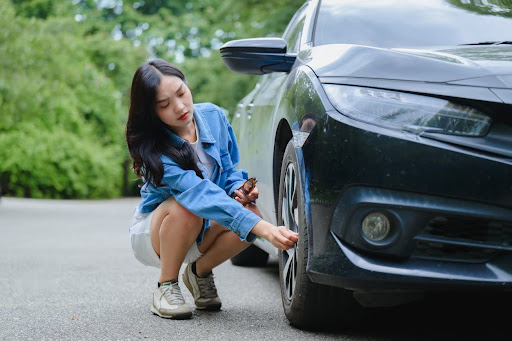
Deciding whether to patch or replace a flat tire depends on the size, location, and severity of the damage. Small punctures in the tread area (less than 1/4 inch) can often be safely repaired, while sidewall damage or larger punctures typically require replacement. Regular maintenance, like tire pressure checks and rotations, can help prevent flats. Understanding these factors ensures safer driving and prolongs tire life.

Table of Contents

  1. Understanding Tire Damage: What Can Be Repaired?
  2. When to Replace Your Tires Instead of Repairing Them
  3. Benefits of Professional Tire Repair Services
  4. Cost Comparison: Patch vs. Replace

A flat tire is more than just an inconvenience; it’s an immediate safety concern that demands immediate attention. Whether it’s caused by a nail, a pothole, or wear and tear, drivers are often left wondering if a simple repair will suffice or if it’s time for a replacement. While some tire damage can be repaired with a patch, other tire situations require professional advice. 

For instance, services like flat tire repair ensure your vehicle remains safe and roadworthy. In this guide, we’ll explore how to assess tire damage, when to patch or replace it, and provide tips to avoid future flats. By understanding these key factors, you can make informed decisions that prioritize both safety and cost-efficiency.

Understanding Tire Damage: What Can Be Repaired?

Not all tire damage requires immediate replacement. In many cases, a flat tire can be safely repaired, saving you time and money. However, understanding what qualifies for repair is crucial to ensuring your safety and the longevity of your tires.

Small Punctures Are Fixable

Punctures caused by nails, screws, or other sharp objects are common culprits of flat tires. If the puncture is located in the tread area, where the tire makes contact with the road, and measures less than 1/4 inch in diameter, it can often be patched effectively. A proper repair involves removing the tire from the rim, inspecting the damage, and applying an airtight seal to prevent future air leaks.

Sidewall Damage Requires Replacement

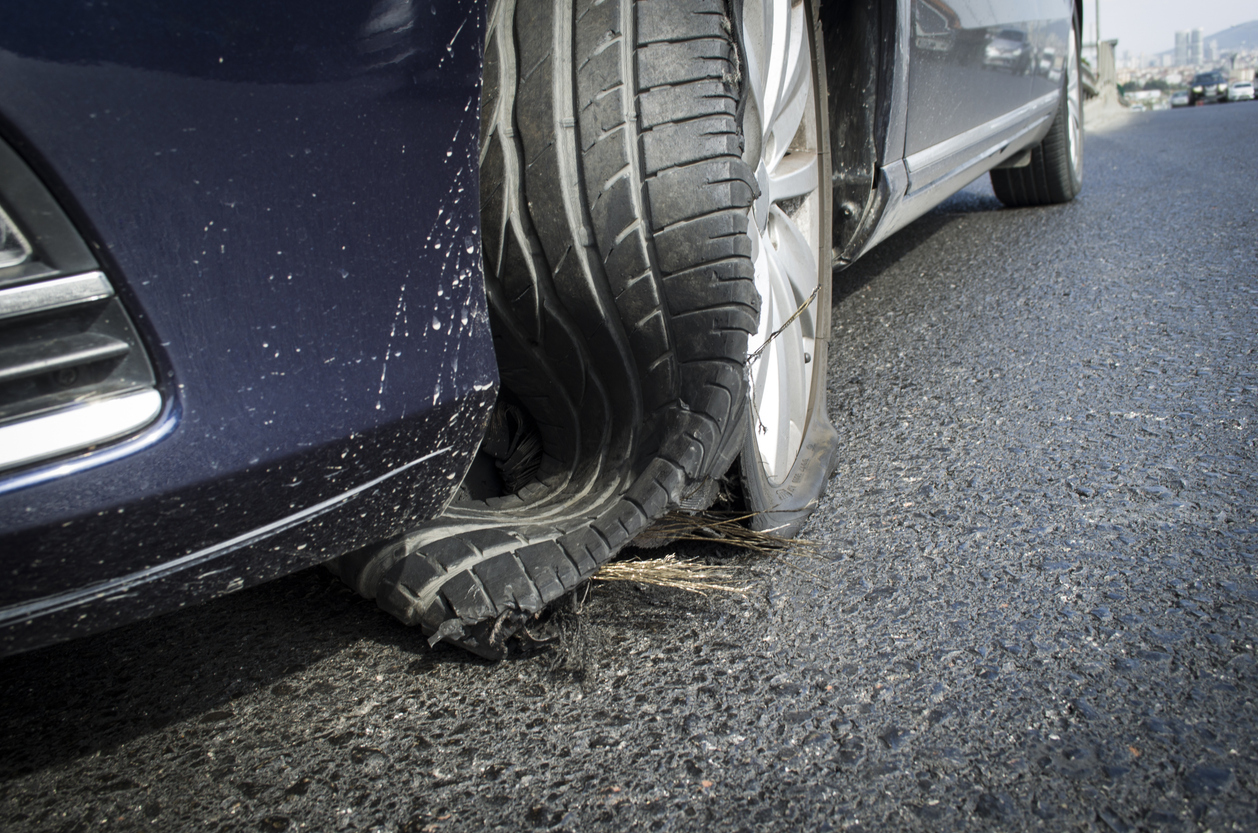
The sidewall of a tire plays a critical role in maintaining structural integrity. Unfortunately, damage here – such as cuts, bulges, or cracks – isn’t repairable. Sidewall injuries compromise the tire’s ability to hold air pressure and handle stress, making replacement the only safe option. Always prioritize safety over cost when dealing with sidewall issues.

Age and Tread Wear Matter

Even if a puncture is small enough to repair, the overall condition of your tire matters. If your tires are nearing the end of their lifespan (with tread depth below 2/32 inches) or are more than six years old, patching may not be worth the investment. At this stage, replacing the tires ensures better performance and reduces the risk of another flat.

Multiple Punctures Are Problematic

Tires with multiple punctures close together (within a few inches of each other) are challenging to repair effectively. The proximity of the damage weakens the tire’s structure, increasing the likelihood of failure even after patching. In such cases, opting for replacement is the smarter choice.

When to Replace Your Tires Instead of Repairing Them

While patching a tire can be a cost-effective solution in some cases, there are clear scenarios where replacement is the only safe and practical option. Understanding these situations helps you avoid unnecessary risks and ensures your vehicle remains reliable on the road.

Sidewall Damage Is a Red Flag

The sidewall of a tire is a critical component that supports the vehicle’s weight and maintains its structural integrity. If you notice cuts, bulges, cracks, or bubbles in this area, it’s a sign of internal damage that compromises safety. Unlike tread punctures, sidewall injuries cannot be repaired because they weaken the tire’s ability to hold air pressure. Driving on a damaged sidewall increases the risk of blowouts, which can lead to dangerous situations, especially at high speeds.

Large Punctures Are Beyond Repair

Punctures larger than 1/4 inch in diameter are generally not repairable. The larger the hole, the more difficult it is to create an airtight seal, making the tire prone to slow leaks or sudden failures. Even if a temporary fix seems to work, the risk of further damage outweighs the short-term savings. In such cases, replacing the tire is the safest course of action.

Excessive Wear Signals End of Life

Tires with significant tread wear, especially those nearing the legal limit of 2/32 inches, are no longer suitable for repairs. At this stage, the rubber has thinned considerably, reducing its ability to handle stress and pressure. Patching a worn-out tire may lead to uneven wear or even failure under normal driving conditions. Replacing old tires ensures better grip, improved fuel efficiency, and enhanced safety.

Multiple Punctures Close Together

If your tire has multiple punctures within a few inches of each other, repairing them becomes impractical. The proximity of the damage weakens the tire’s structure, increasing the likelihood of air leaks or blowouts. Attempting to patch such tires compromises their durability and performance, making replacement the wiser choice.

Visible Signs of Aging

Even if your tires haven’t suffered specific damage, age can render them unsafe. Over time, the tire rubber degrades due to exposure to heat, sunlight, and other environmental factors. Cracks, dry rot, or brittle rubber are telltale signs that your tires need replacing. Most experts recommend replacing tires every six years, regardless of tread depth, to ensure optimal performance and safety.

Benefits of Professional Tire Repair Services

While some drivers may choose DIY solutions to fix their flat tires, professional tire repair services offer unmatched expertise and precision. These services will address the immediate tire issue but also enhance your vehicle’s overall performance and safety. Here’s how professional assistance can make a difference:

Tire Balancing for Optimal Performance

Properly balanced tires are essential for smooth driving and even wear. When the tires are unbalanced or have low air pressure, it leads to vibrations in the steering wheel, uneven tread wear, and unnecessary strain on your vehicle’s suspension system. Professional balancing ensures that weight is evenly distributed around the axle, improving ride comfort and extending tire life.

During a balancing service, technicians:

  • Remove the wheels and inspect them for imbalances.
  • Use advanced equipment to identify and correct weight discrepancies.
  • Re-mount the tires and spin them to confirm balance.

Balanced tires contribute to better fuel efficiency, reduced drivetrain wear, and a quieter ride – benefits you won’t achieve with a quick patch at home.

Tire Rotation to Extend Lifespan

Tire rotation is another critical service offered by professionals to maximize tire longevity. This process involves moving tires from one position on the vehicle to another (front to back or side to side) to ensure even wear patterns.

Why is this important?

  • Front tires often wear faster on front-wheel-drive vehicles due to steering and power delivery.
  • Uneven wear reduces traction and compromises handling.

Professional tire rotation includes:

  • Inspecting tread depth and wear patterns.
  • Re-mounting tires in positions that promote even wear.
  • Resetting the Tire Pressure Monitoring System (TPMS), if applicable.

Rotating your tires every 5,000–10,000 kilometres prevents premature wear and ensures consistent performance.

Comprehensive Inspections and Troubleshooting

Beyond repairs, professional services include detailed inspections to identify underlying issues. For instance, a technician might notice alignment problems, uneven tread wear, or signs of under-inflation during a routine check. Addressing these issues early prevents costly repairs down the line.

A typical inspection covers:

  • Checking tire pressure and adjusting it to the manufacturer’s specifications.
  • Evaluating tread depth and identifying irregular wear patterns.
  • Testing TPMS sensors to ensure accurate readings.

Cost Comparison: Patch vs. Replace

When dealing with a flat tire, understanding the costs associated with patching versus replacing can help you make a practical and informed decision. While patching is often more affordable, replacement may be necessary for safety or long-term performance. Below is a breakdown of the average costs for each option:

ServiceDescriptionAverage Cost
Patching a PunctureRepairing small punctures (less than 1/4 inch) in the tread area. Includes inspection, liner repair, and remounting.$15–$30
New Tire ReplacementMoving tires to different positions on the vehicle promotes even wear and extends tire life.$100–$300+
Tire BalancingEnsuring even weight distribution for smooth driving and reduced wear. Often required after repairs or replacements.$40–$80
Tire RotationMoving tires to different positions on the vehicle to promote even wear and extend tire life.$20–$50
TPMS ServiceTesting TPMS sensors, checking tire pressure, and resetting the system if needed.Included or $10–$30

Final Thoughts: Making the Right Decision

Making a choice between patching and replacing a flat tire is not always an easy one, but knowing the ins and outs of repair and the nuances between good and bad tire repair will help you make an informed decision and choose the right course of action. Small punctures in the tread area can be repaired, but sidewall damage, large openings, or excessive wear will often require replacement. However, while patching may be an economical fix for minor problems, safety should always be a top concern—particularly if the driving conditions require top-notch performance from your tires.

Why Automotive Components Are Transitioning from 12 V to 48 V

For decades, the 12-volt electrical system has been the standard across the automotive industry. It has powered everything from headlights and windshield wipers to infotainment systems and safety electronics. But as vehicles evolve, the limitations of 12 V architecture are becoming more apparent. Increasingly, manufacturers are turning to 48-volt systems to meet the higher power demands of modern vehicles and equipment.


Why 12 V Is Struggling to Keep Up

Automotive electrical loads have grown dramatically in recent years. Driver-assistance systems, advanced infotainment, and electrified auxiliary components require far more power than older systems ever did. At 12 V, meeting these demands means pulling very high currents — which drives up wiring size, system weight, and heat losses.

In short, 12 V can still manage small loads, but it’s inefficient for the high-power needs of today’s vehicles.


The Advantages of 48 V

By moving to 48 V, manufacturers gain several advantages:

  • Higher efficiency: Power can be delivered at lower currents, reducing resistive losses and improving overall efficiency.
     
  • Lighter wiring harnesses: Thinner wires save weight and space, which is especially important in vehicles with complex electronics.
     
  • Support for new functions: Components like electric turbochargers, active suspension, and advanced cooling systems are more easily supported at 48 V.
     
  • Hybrid readiness: 48 V is the backbone of many mild-hybrid systems, enabling regenerative braking, stop-start, and torque assist without requiring full high-voltage EV systems.
     

Where 48 V Is Being Used Today

The transition to 48 V is already visible in many passenger cars, especially in Europe. Luxury and performance brands are using 48 V for:

  • Belt-driven starter-generators
     
  • Active suspension systems
     
  • Electric superchargers
     
  • Steering and pump applications
     

Beyond passenger cars, 48 V adoption is accelerating in commercial vehicles, construction equipment, and agricultural machinery. These platforms demand continuous auxiliary power — for fans, hydraulic pumps, or compressors — and benefit significantly from the efficiency gains of 48 V systems.


Why 12 V Isn’t Going Away Yet

Despite the advantages, 12 V won’t disappear overnight. Most vehicles will continue to use dual systems:

  • 12 V for traditional loads like lighting, locks, and infotainment
     
  • 48 V for higher-demand systems
     

This coexistence allows manufacturers to introduce 48 V where it makes the most sense, while maintaining compatibility with existing components. Over time, as more systems standardize at higher voltages, the reliance on 12 V is expected to shrink.


Looking Ahead

By 2030, analysts expect most new vehicles to incorporate some form of 48 V architecture. For heavy-duty and off-highway applications, adoption could happen even faster. The shift is being driven by efficiency gains, the rise of mild hybrids, and the growing need to support advanced electrified components.

48 V is not a replacement for high-voltage EV platforms, but it fills the crucial middle ground — providing more capability than 12 V without the cost and safety requirements of 400–800 V systems.


Conclusion

The move from 12 V to 48 V reflects the industry’s broader shift toward electrification. It’s not about replacing everything at once, but about creating smarter electrical architectures that balance performance, efficiency, and cost.

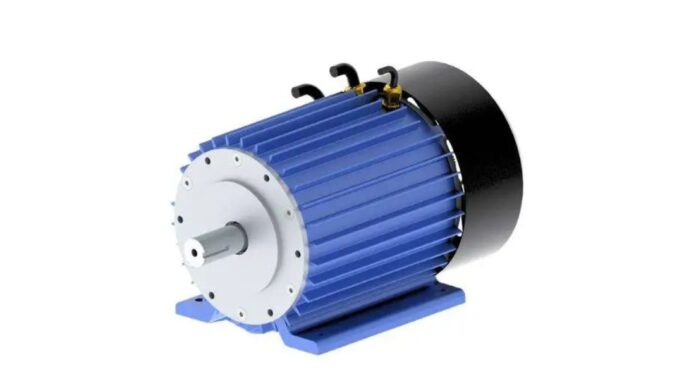
For applications where 48 V motors are required — from pumps and fans to hybrid drivetrains — specialized solutions are already available. Innotec Power develops 48 V motors designed for demanding environments in automotive and industrial markets, helping OEMs take advantage of the efficiency and power density gains of higher-voltage systems.

What Factors Affect the Performance of Automotive Parts?

Automotive vehicle parts are the unseen heroes of every vehicle. Working tirelessly under utmost heat, pressure and friction. Whether it’s the gears transportation torque. The shafts carrying dense loads. The engine components run at advanced speed, performance is everything. Yet, drivers often wonderment:

The truth is, the ratio and durability of automotive constituents are shaped by three critical factors. The types of metal materials used. The request of advanced heat treatment processes and the design rationality down each part. Understanding Annahme aspects not only helps industry build better vehicles but also gives drivers assurance in their car’s reliability.

Types of Metal Materials in Automotive Parts

The journey of public presentation begins with the right choice of physical. Automotive manufacturers have to scale strength, cost, weight and opposition to wear while selecting raw materials. The wrong choice can lead to immature failure. While the right one ensures length of service. In many cases. Materials achieve their full potential only after specialized processes such as Induction Heat Treatment. This enhances their lastingness and wear resistance.

Steel and Its Alloys

Steel and its alloys are best known for their high strength and wear resistance. Which is why they are usually used in critical components such as lines, gears, and gearboxes.

Aluminum and Lightweight Materials

Aluminum is both corrosion-resistant and unimportant. Making it a preferred choice for engine parts, body framework and structural components that improve fuel ratio without compromising strength.

Advanced Composite Materials

Advanced complex materials offer an excellent strength-to-weight ratio. Which is why they are increasingly beingness used in modern automotive body construction to create lighter yet highly durable conveyance.

Heat Treatment Processes and Their Impact

Raw substantial set the foundation. But how they are activated decides whether they can withstand years of pressure level and wear. Heat treatment change the internal structure of metals. Enhancing place such as hardness, toughness and fatigue opposition. Among the many method in hand. Modern solutions like Initiation Heat Care stand out for their precision and efficiency.

Induction Heat Treatment

This process uses magnetism fields to heat metals quickly and uniformly. Unlike traditional heating, induction ensures mark treatment only when the surface is case-hardened while the core retains its stamina. This balance makes the environment both lasting and limber. Offering dead control over consistency levels. Reduced energy consumption compared to accepted methods and an extended life even under heavy work loads.

Surface Hardening of Shafts and Gears

Shafts and gear wheels face intense wear because of invariant rotation and high friction. Through Surface hardening of shafts and gears. Industry give these parts the extra resistance needed for exacting automotive environments. This process ensures a longer service life even under heavy torque. Improved opposition against micro-cracks and wear and reduced care costs for end users.

Other Common Heat Treatment Techniques

While induction predominate modern manufacturing. Other method still hold value. Carburizing adds carbon to the aboveground for deep consistency. Nitriding enhances wear resistance and fatigue property. While tempering and quenching provide a balance between strength and hardness. Each treatment has a role. But the choice count on the part’s application and expected execution.

Design Rationality and Its Effect on Performance

Even the best physical and advanced heat attention cannot save a poorly designed component. Design rationality the discipline of creating parts that balance form and purpose is critical in modern automotive engineering.

Risks of Poor Design in Automotive Parts

  • Line and gears may crack bottom stress.
  • Parts wear prematurely, leading to prevailing replacements.
  • Efficiency drops, impacting both public presentation and fuel consumption.

Metal Materials in Automotive Parts

Material TypeKey PropertiesCommon Applications
Steel & AlloysHigh strengthShafts, gear wheel
Aluminumcorrosion resistantMotor parts
ComplexStrong yet lightBody structures

Conclusion

The performance of motor vehicle parts is influenced by three principles. The types of metal materials. The efficiency of heat treatment and the ability of design rationality. Strong steel, advanced surface solidifying, and well-engineered designs work together to create durable and reliable vehicles. By focusing on these factors. Manufacturers not only deliver efficiency. But also ensure safety and trust for every driver on the road.

What is Rider Bias, and How Can It Affect My Motorcycle Claim?

Kennesaw, Georgia, is known for its beautiful weather, winding roads, and a strong motorcycle community. But while riding can be exhilarating, motorcyclists in Kennesaw and beyond often face a hidden challenge when it comes to personal injury claims: rider bias. 

If you’ve been injured in a crash, an attorney specializing in motorcycle accidents, Kennesaw riders trust, can help you navigate the legal system and fight back against these unfair assumptions.

Understanding Rider Bias

Rider bias refers to the unfair and often unspoken prejudice that motorcyclists face from insurance adjusters, police officers, jurors, and even judges. It’s the belief—whether conscious or unconscious—that motorcycle riders are reckless, risk-taking, or dangerous by nature. Unfortunately, this stereotype can play a big role in how your accident claim is handled.

Even when a motorcyclist is following all the road rules and regulations, they may still be blamed more harshly than a driver in a car or truck would be. This can affect everything from how fault is determined to how much compensation you’re offered (if any).

How Rider Bias Affects Your Claim

Rider bias doesn’t just live in people’s opinions — it can creep into every stage of your motorcycle accident claim, directly influencing your ability to receive fair compensation. Understanding how this prejudice manifests can help you recognize when it’s happening and why having legal representation is so important.

Here are the key ways rider bias can impact your claim:

1. Fault Determination May Be Skewed

Fault is the cornerstone of any personal injury case. If the insurance company or police assign more blame to you than is justified, it can significantly reduce or even eliminate your compensation under the modified comparative fault rule. 

This rule states that if you are 50% or more at fault, you can’t recover any damages. Even if you’re found only partially responsible (say, 30%), your compensation will be reduced by that percentage.

2. Lowball Settlement Offers

Insurance companies know that public perception can influence the outcome of a case—especially if it goes to trial. If they believe a jury might be biased against a motorcyclist, they might deliberately offer a low settlement, assuming you’ll either accept it or lack the resources to fight back.

This tactic works especially well on unrepresented victims who may not realize the full value of their claim. These offers might not even cover basic medical expenses, let alone lost wages, future treatment, pain and suffering, or property damage. Rider bias essentially gives insurers an excuse to undervalue your suffering.

3. Increased Scrutiny of Your Behavior

Motorcyclists are often held to a higher standard of behavior in legal proceedings. Your speed, gear, and even your riding history might be brought up to question your credibility or paint you as reckless. For example, if you weren’t wearing a helmet—whether required by law or not—it may be used against you, even if it had nothing to do with the injuries you suffered.

Photos of the accident scene, witness statements, and even your appearance in court (tattoos, biker gear, etc.) may be unfairly interpreted due to bias. A good attorney will know how to control this narrative and redirect the focus to the facts and evidence.

4. Jury Decisions Influenced by Stereotypes

If your case ends up in court, you’ll face the challenge of convincing a jury that may already have preconceived notions about motorcycle riders. Even if all the evidence points to the other party being at fault, jurors might be less sympathetic toward you simply because they subconsciously associate motorcycles with danger or rebellion.

Jurors might also be less understanding of the severity of your injuries. Motorcycle accidents often result in serious injuries like broken bones, traumatic brain injuries, or road rash—but if jurors believe you were “asking for it” by riding a motorcycle, they might not award damages that reflect the true extent of your suffering.

5. Difficulty Proving Pain and Suffering

Unlike car accidents, motorcycle crashes tend to result in more visible and long-lasting injuries. However, despite this, some adjusters or jurors may minimize the non-economic damages—like emotional trauma or chronic pain—because of bias. They may think, “You knew the risks when you got on that bike,” which can reduce your ability to receive full compensation for your physical and emotional suffering.

Key Takeaways

  • Rider bias is a real and damaging form of prejudice that assumes motorcycle riders are reckless or at fault, regardless of the actual facts.
  • This bias can influence how fault is assigned, how much compensation you’re offered, and even how jurors perceive your case in court.
  • A trusted attorney specializing in motorcycle accidents that riders rely on can help protect your rights, challenge false assumptions, and fight for the compensation you truly deserve.
  • Don’t let stereotypes derail your claim—gather evidence, get medical care promptly, and seek legal guidance as early as possible after an accident.

5 Ways Tech Is Making Online Poker Unrecognizable (In a Good Way)

Photo by depositphotos at https://depositphotos.com/

Remember when online poker meant clunky interfaces, dial‑up connections, and pixelated avatars? You’d nervously click “bet” and hope your connection held long enough to see the turn. Those early days felt more like an experiment than a polished casino. Fast forward to 2025 and the digital felt is almost unrecognizable – and that’s a good thing.

Modern platforms blend sleek design with cutting‑edge technology that keeps games fair, players safe, and strategies evolving. The market is booming: the online poker industry was valued at USD 5.3 billion in 2024 and is projected to reach USD 11.4 billion by 2030, proof that these innovations are attracting legions of players. If you haven’t logged on recently, here are five innovations that show how far the game has come.

From RNGs to Blockchain: Fairness You Can Verify

Players used to whisper about rigged decks because the software was opaque. Today, fairness is a feature, not an afterthought. Platforms rely on independent audits and cryptographically secure random number generators (RNGs) to ensure every shuffle is unpredictable. Some even publish hand histories on a blockchain so you can verify that cards weren’t changed after the fact.

Instead of trusting marketing claims, you can trust math. Independent labs test the code, cryptography seals the deal, and public ledgers provide a paper trail. Those innovations mean you spend less time worrying about whether the game is legit and more time figuring out whether to call or fold.

Security Measures: Bank‑Level Protection

Fair cards don’t matter if your funds aren’t safe. That’s why online operators borrow techniques from banking. End‑to‑end encryption keeps your personal and financial data locked down, while biometric logins and two‑factor authentication make it harder for hackers to impersonate you. Integrated payment processors speed up deposits and withdrawals, and advanced fraud detection watches for suspicious behaviour.

These safeguards might sound dry, but they have a huge impact on how relaxed you feel at the table. In the early days, you might have hesitated before sending a wire transfer or trusting a third‑party cashier. Now, logins feel as secure as online banking, leaving you free to concentrate on the flop. The peace of mind is invaluable: you can fold your hand because it’s the right play, not because you’re worried about your balance.

Bonuses and Loyalty: A Strategic Safety Net

Once upon a time, a “bonus” felt like a gimmick. Today’s promotions are designed to give you extra playtime as you sharpen your skills. A well‑structured bonus acts like a safety net, letting you explore new games without risking your entire bankroll. Resources like Somuchpoker review offer and highlight incentives that match specific goals.

The key is to treat these perks strategically. Look for reasonable playthrough requirements, figure out whether cash‑back or tournament tickets suit your style, and use only one offer at a time. For example, the GGNetwork’s flagship room offers a 100% deposit bonus up to $600 and up to 60% rakeback. If you snag a GGPoker bonus code, view it as a way to extend your session rather than a way to get rich quickly.

Immersive Tech: VR, AR, and Live Dealers

The biggest jump in online poker might be how it looks and feels. Developers are experimenting with augmented and virtual reality tables where you can sit across from avatars, pick up chips, and even read virtual “tells,” mimicking a live game. If that sounds too sci‑fi, live‑dealer games offer real human dealers and physical cards streamed to your device. Multiple camera angles and optical character recognition translate real actions into digital outcomes almost instantly.

Both approaches blur the line between home and casino. They make grinding cash games feel social again and allow you to practise reading body language without leaving the couch. Gamification and streaming integrations add an extra layer of fun – you can watch a friend’s session or broadcast your own.

AI and Responsible Gaming: The Data Revolution

Behind each polished interface is a network of algorithms working to keep the games honest and the players healthy. AI tools scan betting patterns to catch collusion and bots, while machine‑learning models track engagement and tailor rewards. The same technology powers training platforms that simulate millions of hands, spot leaks, and suggest more profitable lines.

Equally important are responsible‑gaming tools. Deposit limits, cooling‑off periods, and session timers encourage breaks and help you manage your bankroll. Gone are the days when players were left to gamble unchecked. Operators now understand that sustainable play keeps the community healthier and the games thriving.

Final Thoughts

It’s hard to overstate how different online poker feels compared to its birth. Independent audits, cryptographically secure RNGs, and even blockchain technology ensure fairness. Bank‑level encryption, biometrics, and two‑factor authentication protect your identity and money. Promotions are structured to help you learn rather than trap you. VR, AR, and live‑dealer games make digital cards feel tactile. And AI keeps the ecosystem fair while helping you improve.

Underneath all of this technology, the fundamentals remain: reading opponents, managing risk and making good decisions under pressure. The tools make the environment safer and more entertaining, but they don’t play the cards for you. That’s still your job – and that’s part of why poker keeps us coming back.

The Enjoy Illinois 300 at World Wide Technology Raceway Outlook

Photo by Sean Gardner/Getty Images

The NASCAR Cup Series (NCS) heads to World Wide Technology Raceway (WWTR) in Madison, Illinois, for the Enjoy Illinois 300 on Sunday, September 7 at 3 p.m. ET. This is the first time that WWTR has hosted a NNCS Playoff race.

Michael McDowell captured the pole for last season’s race with a lap of 138.598 mph (32.468 seconds), and Austin Cindric took advantage of teammate Ryan Blaney running out of fuel on the final lap to win the third annual running of the Enjoy Illinois 300 at World Wide Technology Raceway on Sunday, June 2.

Track & Race Information for the Enjoy Illinois 300

Race Purse: $9,797,935
Track Size: 1.25-miles
Track Type: Paved asphalt oval
Banking in the Turns 1 & 2: 11 degrees
Banking in the Turns 3 & 4: 9 degrees
Race Length: 240 laps (300 miles)

Time

Sunday, September 7 at 3 p.m. ET on USA, MRN and SiriusXM NASCAR Radio (Channel 90)

Stages

Stage 1 Length: 45 laps
Stage 2 Length: 95 laps (ends on Lap 140)
Final Stage Length: 100 laps (ends on Lap 240)

Who and what should you look out for at World Wide Technology Raceway?

Three different drivers have won an NCS race at WWTR: Joey Logano (2022), Kyle Busch (2023), and Austin Cindric (2024).

Top-Five Active Driver Finishes

RankActive DriverTop-5 Finishes
1Joey Logano3
2Denny Hamlin2
3Kyle Busch2
4Austin Cindric1
5Brad Keselowski1
6Kyle Larson1
7Ryan Blaney1
8Tyler Reddick1

Top-10 in Average Finishing Position:

RankActive DriverAverage Finish# Races
1Joey Logano33
2Austin Cindric8.3333
3Kyle Larson8.6673
4Christopher Bell93
5Ryan Blaney11.3333
6AJ Allmendinger122
7Denny Hamlin12.6673
8Kyle Busch12.6673
9Chris Buescher132
10Justin Haley133
  • Ryan Blaney leads the NCS in average starting position with a 3.333 in three starts. Blaney has one top five, two top 10s, and an average finish of 11.333.
  • Joey Logano leads the NCS in average finishes at WWTR with a 3.0. Logano has one win, three top fives, and three top 10s.
  • Kyle Busch leads the NCS in laps led at WWTR with 202 laps led.
  • Kyle Larson has one top five, two top 10s, and an average finish of 8.667.
  • Ryan Blaney has one top five, two top 10s, and an average finish of 11.333.
  • Austin Cindric has one win, one top five, one top 10, and an average finish of 8.333.

MASSIVE WEEKEND SET FOR 40TH ANNUAL NHRA NATIONALS PRESENTED BY NITRO FISH AT MAPLE GROVE RACEWAY

READING, Pa. (Sept. 3, 2025) – The NHRA Mission Foods Drag Racing Series Countdown to the Championship kicks off in a major way, celebrating four decades of excitement at Maple Grove Raceway with the 40th annual NHRA Reading Nationals presented by Nitro Fish.

Showcasing an incredible atmosphere and a passionate fanbase that packs the popular venue, Maple Grove Raceway marks an ideal facility to kick off the NHRA’s six-race playoffs. The 40th annual NHRA Reading Nationals presented by Nitro Fish is the 15th of 20 races during the 2025 season and the weekend is packed with excitement, including the can’t-miss action of the 12,000-horsepower, 340-mph Top Fuel dragsters and Funny Cars.

The annual event in Reading comes at a pivotal point, too, as a win at Maple Grove Raceway can pave the way for championship success. The weekend starts with two qualifying sessions on both Friday and Saturday, leading into eliminations on Sunday. With a standout surface and typical ideal conditions, records could also fall by the wayside at the historic event.

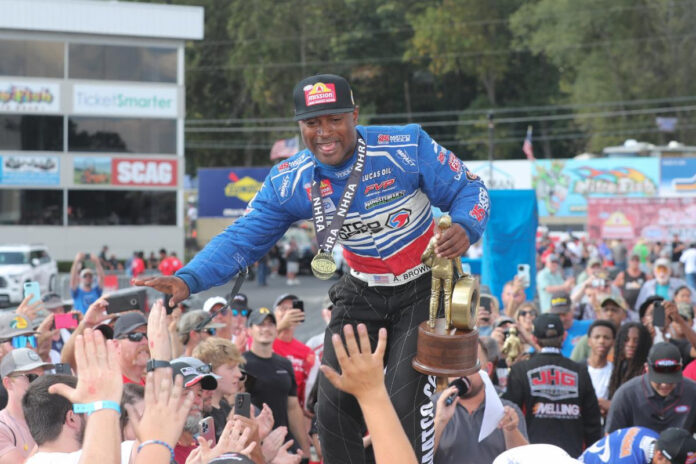
Last season, Antron Brown (Top Fuel), Austin Prock (Funny Car), Aaron Stanfield (Pro Stock) and Hector Arana Jr. (Pro Stock Motorcycle) all claimed wins in their respective categories, with Brown and Prock finishing the season as world champions. The race will again be broadcast on FS1, including eliminations at 2 p.m. ET on Sunday, Sept. 14, as all the stars in Top Fuel, Funny Car, Pro Stock and Pro Stock Motorcycle look to start their championship journey with a victory at Maple Grove Raceway, long considered one of the fastest tracks on the NHRA circuit.

Brown got hot at the perfect time last year, winning the race en route to his fourth world championship. Top Fuel is again loaded, as racing legend Tony Stewart takes the points lead into Reading. Other top contenders include Shawn Langdon, Doug Kalitta, Brittany Force, who went a whopping 343.51-mph at Indy to set another world record, Indy winner and area native Justin Ashley and Clay Millican.

Funny Car’s Prock has been dominant again in 2025, winning seven races – and the regular-season championship – thus far. He’s back for a repeat win and a repeat championship for John Force Racing, but Prock will be challenged by a host of standouts, including teammate Jack Beckman, four-time champ Matt Hagan, Ron Capps, J.R. Todd, Paul Lee and Daniel Wilkerson.

Stanfield will attempt for back-to-back Pro Stock wins against a loaded group that features reigning world champ Greg Anderson, points leader Dallas Glenn, six-time world champ and Indy winner Erica Enders and Jeg Coughlin Jr., a five-time champ.

In Pro Stock Motorcycle, Gaige Herrera is the current points leader, while other top names include Matt Smith, a three-time Reading winner, Angie Smith, Richard Gadson, Chase Van Sant, Steve Johnson and John Hall.

The event will also feature thrilling competition in the NHRA Lucas Oil Drag Racing Series, as well as Flexjet Factory Stock Showdown, Holley EFI Factory X and Johnson’s Horsepowered Garage Mountain Motor Pro Stock.

Fans are invited to the Nitro Alley Stage, the entertainment hub in the pits, hosting Nitro School, meet and greets, interviews, music and more. Reading race fans can enjoy the special pre-race ceremonies that introduce and celebrate each of the drivers racing for the prestigious Wally on Sunday and includes the fan favorite SealMaster Track Walk. The final can’t-miss experience of any NHRA event is the winner’s circle celebration on Sunday after racing concludes, where fans are invited to congratulate event winners.

As always, fans get an exclusive pit pass to the most powerful and sensory-filled motorsports attraction on the planet. Fans get a unique chance to see teams in action and service their hot rods between rounds, get autographs from their favorite NHRA drivers, and more. They can also visit Manufacturers Midway, an exciting atmosphere that includes interactive displays, merchandise, food and fun for the entire family.

NHRA Mission Foods Drag Racing Series qualifying features two rounds at 2:30 and 5 p.m. ET on Friday, Sept. 12 and the final two rounds of qualifying on Saturday, Sept. 13 at 12:30 and 3 p.m. Final eliminations are scheduled for 11 a.m. ET on Sunday, Sept. 14. Television coverage includes qualifying action on FS1 at 12 p.m. ET on Sunday on FS1, and eliminations at 2 p.m. Sunday on FS1.

To purchase tickets to the 40th annual NHRA Reading Nationals presented by Nitro Fish at Maple Grove Raceway, fans can visit www.maplegroveraceway.com. All children 12 and under are admitted free in the general admission area with a paid adult. For more information on the NHRA, please visit www.NHRA.com.


About Mission Foods

MISSION®, owned by GRUMA, S.A.B. de C.V., is the world’s leading brand for tortillas and wraps. MISSION® is also globally renowned for flatbreads, dips, salsas and Mexican food products. With presence in over 112 countries, MISSION® products are suited to the lifestyles and the local tastes of each country. With innovation and customer needs in mind, MISSION® focuses on the highest quality, authentic flavors, and providing healthy options that families and friends can enjoy together. For more information, please visit https://www.missionfoods.com/

About NHRA

NHRA is the primary sanctioning body for the sport of drag racing in the United States. NHRA presents 20 national events featuring the NHRA Mission Foods Drag Racing Series and NHRA Lucas Oil Drag Racing Series, as well as the Congruity NHRA Pro Mod Drag Racing Series, NHRA Flexjet Factory Stock Showdown™, NHRA Holley EFI Factory X and Johnson’s Horsepowered Garage NHRA Mountain Motor Pro Stock at select national events. NHRA provides competition opportunities for drivers of all levels in the NHRA Summit Racing Series and NHRA Street Legal™. NHRA also offers the NHRA Jr. Street® program for teens and the Summit Racing Jr. Drag Racing League® for youth ages 5 to 17. With more than 100 Member Tracks, NHRA allows racers to compete at a variety of locations nationally and internationally. NHRA’s Youth and Education Services® (YES) Program reaches over 30,000 students annually to ignite their interest in automotive and racing-related careers. NHRA’s streaming service, NHRA.tv®, allows fans to view all NHRA national events as well as exclusive features of the sport. In addition, NHRA owns and operates three racing facilities: Gainesville Raceway in Florida; Lucas Oil Indianapolis Raceway Park; and In-N-Out Burger Pomona Dragstrip in Southern California. For more information, log on to www.NHRA.com, or visit the official NHRA pages on Facebook, Instagram, Twitter, and YouTube.

TEAM CHEVY NASCAR RACE ADVANCE: World Wide Technology Raceway

TEAM CHEVY ADVANCE
World Wide Technology Raceway
September 6-7, 2025

As the playoff pressure builds for NASCAR’s premier series, the Xfinity Series has finally reached one of the most pivotal moments of the season with the grand finale of its regular season.

World Wide Technology Raceway, one of the newest venues on the NASCAR circuit, will play host to both divisions this weekend. First to hit the 1.25-mile oval will be the Xfinity Series in Saturday’s Nu Way 200 Sauced by Blue Hog to fill the final three playoff positions, as well as crown the 2025 regular season champion. Part two of the doubleheader weekend will feature the Cup Series in Sunday’s Enjoy Illinois 400 – the second of three races in the Round of 16.

 Chevrolet at WWTR:

It took just three visits for World Wide Technology Raceway to find a spot on the NASCAR Cup Series playoff schedule. The series’ short history at the 1.25-mile Midwest oval has seen Chevrolet make one trip to victory lane – coming alongside Kyle Busch during his debut season with Richard Childress Racing in 2023. In the series’ three appearances at the track, four Team Chevy playoff contenders have tallied at least one top-10 result – led by Hendrick Motorsports’ Kyle Larson, who’s back-to-back top-10s have earned him an average finish of 8.7 heading into the weekend. Currently sitting on the outside looking in, Austin Dillon has an opportunity to chip away at his cutline deficit – returning to the track as Team Chevy’s leading driver in last year’s event.

The Xfinity Series’ history at World Wide Technology Raceway dates back to July 1997. Elliott Sadler drove Chevrolet to victory lane in the series’ debut at the Illinois venue – a win that kickstarted a streak of five-straight triumphs for the Bowtie brand at the track. Departing from the series’ schedule following the 2010 season, the track has found its way back to the circuit with the homecoming marking the final race of the series’ regular season.

 LARSON, CHASTAIN ADD TO POINTS CUSHION

In a race plagued with problems for much of the playoff field, Team Chevy’s Kyle Larson and Ross Chastain both managed to escape the ‘Lady in Black’ with an added points cushion heading into the second stop of the Round of 16. Chastain and the No. 1 Trackhouse Racing Chevrolet team were among the top movers in the playoff rankings following the postseason opener – going from 11th position and just one-point above the cutline to the eighth position and a 21-point advantage. The 32-year-old Alva, Florida, native spent much of the crown jewel race in the top-10 to earn an average running position of 5.5 – going on to collect top-six points in each stage en route to an 11th-place finish.

Despite a disappointing 19th-place finish, Larson and the No. 5 Hendrick Motorsports Chevrolet team leaned onto a strong first-two stages to make a double-digit boost in their cutline cushion to a now 38-point advantage heading into the weekend. Leading the Bowtie brigade with a fifth-place qualifying effort, the 33-year-old Elk Grove, California, native remained a steady fixture in the top-10 through the first-half of the race – earning top-six points in each stage.

ROWDY RESILIENCE

A third NASCAR Cup Series championship might not be in the cards for Richard Childress Racing’s Kyle Busch this season, but the No. 8 Chevrolet team is hungrier than ever to get back to victory lane. A disastrous opening lap at Darlington Raceway saw Busch sustain damage to his Chevrolet-powered machine. But with the right adjustments by crew chief, Randall Burnett, and quick work by the No. 8 pit crew, Busch was able to maneuver his way back up through the field for a rebound that ended with an eighth-place finish. World Wide Technology Raceway has been a strong venue for the 40-year-old Las Vegas, Nevada, native. Busch is the only driver to have a victory in both of NASCAR’s top-two divisions at the 1.25-mile Illinois circuit, including his Cup Series win in his debut season with Richard Childress Racing in 2023, as well one Xfinity Series win that came in 2009.

 NXS REGULAR SEASON TITLE GOES TO….

The battle for the 2025 NASCAR Xfinity Series Regular Season Championship will finally come to a close this weekend at World Wide Technology Raceway. With yet another masterful road course performance, Connor Zilisch put together a race-high 60-point day en route to his series-leading eighth win of the season at Portland International Raceway – pushing the ‘Rookie of the Year’ contender back to the top of the standings by 20-points over his JR Motorsports teammate, Justin Allgaier, heading into the regular season finale. While it’s a new track for much of the field, Allgaier will be able to lean on his veteran experience of three previous starts at the Illinois venue, with his most recent (2010) ending in a pole win and third-place finish.

Zilisch Adds to Already Historic NXS Rookie Campaign:

It’s been a rookie campaign for the history books for Team Chevy’s Connor Zilisch. Despite facing two injuries this season, the sport’s rising star will enter his first NASCAR Xfinity Series playoffs as a true championship contender. With a statistically near-perfect day in the Pacific Northwest, the 19-year-old Mooresville, North Carolina, native drove his No. 88 JR Motorsports Chevrolet to his eighth win of the 2025 season – the most by a rookie in series’ history. Six of his wins have come in the series’ past seven races – recorded on three road courses, two intermediate ovals and a superspeedway.

Kvapil Locks-In:

JR Motorsports’ Carson Kvapil is the most recent driver to solidify an early postseason position. With an already triple-digit points advantage over the cutline, the 22-year-old Mooresville, North Carolina, native drove his No. 1 Chevrolet to his fourth-straight top-10 finish at Portland International Raceway to become the first driver to point his way into a playoff berth. Heading into this weekend’s regular season finale, seven drivers from three different Chevrolet organizations have punched their ticket into the championship title chase including all four JR Motorsports drivers; the pair of Richard Childress Racing teammates; and Big Machine Racing’s Nick Sanchez.

Chevrolet’s season statistics with 27 NASCAR Cup Series races complete:

Wins: 12

Poles: 10

Laps Led: 3,132

Top-Fives: 53

Top-10s: 114

Stage Wins: 22

Chevrolet’s season statistics with 25 NASCAR Xfinity Series races complete:

Wins: 22

Poles: 15

Laps Led: 2,948

Top-Fives: 85

Top-10s: 163

Stage Wins: 37

Chevrolet’s season statistics with 19 NASCAR Craftsman Truck Series races complete:

Wins: 6

Poles: 2

Laps Led: 888

Top-Fives: 43

Top-10s: 88

Stage Wins: 7


BOWTIE BULLETS:

· Active Chevrolet drivers with a NASCAR Cup Series win at World Wide Technology Raceway:

Kyle Busch – one win (2023)

· Chevrolet paces its manufacturer competitors in both driver and organization representation in the 2025 NASCAR Cup Series Playoffs with seven drivers from three different Chevrolet organizations set to compete for this season’s driver championship title.

· Chevrolet has earned at least half of the top-10 finishing results in 12 of the 27 points-paying races thus far this season, including a season-high seven top-10 finishes at Las Vegas Motor Speedway and Talladega Superspeedway.

· In 135 points-paying races in the Next Gen era, Chevrolet leads all manufacturers with 64 victories – a winning percentage of 47.4%.

· With its 43 NASCAR Cup Series Manufacturer Championships, 33 NASCAR Cup Series Driver Championships, and 878 all-time NASCAR Cup Series wins, Chevrolet continues to hold the title as the winningest brand in NASCAR Cup Series history.


TUNE-IN:

NASCAR Cup Series

Playoffs Round of 16: Race Two

Enjoy Illinois 300

Sunday, September 7, at 3 p.m. ET

(USA Network, MRN and SiriusXM NASCAR Radio Channel 90)

NASCAR Xfinity Series

Regular Season Finale

Nu Way 200 Sauced by Blue Hog

Saturday, September 6, at 7:30 p.m. ET

(CW, MRN and SiriusXM NASCAR Radio Channel 90)


QUOTABLE QUOTES:

Austin Dillon, No. 3 Richard Childress Racing Chevrolet

What are your thoughts leading into World Wide Technology Raceway. Is that a track you circle as one of the tracks you’ll be a threat at during the NASCAR Playoffs?

“I can’t wait to get the Dow Dayglo car on the track at World Wide Technology Raceway. It’s probably one of the brightest and coolest cars I’ve ever driven, and I know my daughter Blaize will be really excited about the bright colors on our Chevy. World Wide Technology Raceway is one of my favorite tracks that we go to. We had one of our best runs of the season in 2024 at the track and it’s a NASCAR Playoffs race, so I’m excited to get it out there and give it all we got.”

Is there anything from Richmond Raceway that you can transfer over to World Wide Technology Raceway?

“I think with World Wide Technology Raceway being in between a short track and a bigger track makes it interesting. It has long straightaways, but it has flatter corners. You’re in the corner for a long time. Turns 1 and 2 have a little bit more banking, similar to Richmond Raceway, but truthfully the pavement and asphalt are so different than Richmond that I don’t think everything will crossover. However, I feel good about what we’re bringing.”

What’s it going to take to transfer to the next round of the NASCAR Playoffs?

“I think the first round of the NASCAR Playoffs is all about execution. If we can be consistent in our performance the first three weeks, we’ll transfer to the next round. Darlington didn’t go the way we wanted to, but we’re still within striking distance.”

Kyle Larson, No. 5 Hendrick Motorsports Chevrolet

“We had a great test at Gateway earlier this year that led us down a different path with our short-track program. We feel we have learned some things that have made that program a little bit better since then. We should be more competitive and at least start the weekend better than we have. If we can be good at Gateway, that will give us some confidence going to Phoenix.”

Justin Haley, No. 7 Spire Motorsports Chevrolet

You qualified 13th at Darlington and ran pretty well until you had to make an unscheduled pit stop under green. What are your thoughts heading into this weekend?

“Our car was fast last weekend at Darlington and I’ve had some success at World Wide Technology Raceway so I’m definitely looking forward to this weekend. Hopefully, we’re fast when we unload and can put together a solid weekend.”

World Wide Technology Raceway has a unique layout with its tight corners and long straightaways. How does it compare to some of the other tracks on the schedule?

“The track is flat and tricky because both ends of the race track are so different. The challenge is what makes it different and interesting for me. Gateway has always been a good track for me, personally. I won my first CRAFTSMAN Truck Series race there in 2018 and finished top 10 in the Cup Race last year so this is definitely one I’ve had circled on my calendar.”

Kyle Busch, No. 8 Richard Childress Racing Chevrolet

World Wide Technology Raceway is the home of your last Cup Series win in 2023. What did it mean to you to get a win at a track that was new to the Cup Series?

“It was fantastic. I was oh so close to having it the first year but was able to repeat that success with RCR and to be able to get it there in 2023. It was a fun racetrack. I remember racing on it in the Xfinity Series back when and won some races there in the era of 2009-2010, and now being able to come back and run there again, I would certainly love to get back to Victory Lane in the Rebel Bourbon Chevrolet and put a one in the win column.” 


You’re the only one that’s been able to stop the Penske Express there. Why do you think that group is so solid on those short, flatter tracks?

“I’m not sure exactly, but they certainly do have their short, flat track program going. I remember Logano talking about testing at North Wilkesboro and going through set up changes and things and how they ran 400 laps or whatever it was of just continually of evolving their set up and trying to figure something out. Maybe that had something to do with it, maybe the Indy car program has something to do with it. They’re always oh so strong with the Indy car stuff, so who knows?”

Last year you battled Kyle Larson and it’s always cool when the two Kyles are together because you are just two of the elites in the sport. What went wrong with that battle between the two of you, while you were fighting for, I think, seventh place? 


“I would have to go back and watch it again, but from what I recall, Kyle caught me from a ways back and it’s hard to pass with these cars, obviously, so I guess he felt it when he got to me, he needed to nerf me a little bit and get me up out of the groove. I guess I just wasn’t too happy with that and crowded him a little bit getting into Turn 1, he lost his race car and we both ended up crashed. I guess that’s part of the course. I should have learned my lesson on how crowding somebody will crash somebody because my brother did that to me in 2007 at Charlotte. We both made mistakes in that race, but we certainly came out on the worst end of it.”

After Dover, your team owner Richard Childress, he comes over the radio and vows to change things. One of the things they’ve changed is bringing Jeff Curtis in, better known as Jazzy. Your brother considered him a secret weapon of sorts because of what he’s able to do. Have you seen any changes since two months ago at Dover?

“A little bit. I mean, I would say that Jazzy is a key component of that, Johnny Klausmeier is a key component of that, there’s a bunch of guys in the fab shop that are also. There’s no reason why we shouldn’t be able to go out there and win races. It’s about putting all the pieces together and having the right setups. I feel like sometimes, we hit the racetrack with what we think we know is right because we see our other key partner friends that are running those setups and it just doesn’t work for us. It’s fine to run a key partner setup that’s good, that has proven itself, that wins races. Like Austin ran his same set up at Richmond from last year, ran really good with it, it won both times. We tried it on the 8 car as well, too, and I just burned the right rear tire off it. So there has to be a concession or a delta made for me to be able to race somebody else’s setups. Whether I’m too hard on the right rear or too hard on the right front, there’s got to be some different values within those setups that you can say, ‘okay, that’s our base setup, but we know Kyle needs X for right rear spring, so let’s rebuild the setup around that, and that’ll be good for what Kyle needs’. And I just don’t think we’ve scienced that out yet.” 


You said last Saturday at Darlington that over the next 10 races, the only thing on your mind is winning. How do you get there, how do you achieve that?

“I mean I think just being able to put everything together, all pieces of the puzzle. Being able to have good cars when we go to the racetrack and maintain those good cars all through practice, all through the race, and try to qualify up front as well, too. We got burned at qualifying at Darlington a little bit with the Daytona crash that we had, being knocked out in the first stage and the metric that sets qualifying, so that wasn’t a benefit to us, but it happens.”

Chase Elliott, No. 9 Hendrick Motorsports Chevrolet

“I haven’t really jived great with Gateway. There’s not many tracks that as a company I feel like we’ve struggled at, but I do think that’s been one of them. Why that is I don’t really know. But I do think that we’ve put a lot of emphasis as a company on trying to get better at those style of race tracks. We have a good opportunity to do that, so hopefully it’s another step in the right direction for us.”

AJ Allmendinger, No. 16 Kaulig Racing Chevrolet

“Gateway (World Wide Technology Raceway) is a very unique racetrack where I’ve enjoyed driving the Cup car. Both ends of the track are very different. In Darlington last weekend, our team executed like we needed to all day long and that is something we are proud of. Our group is looking to continue carrying that momentum and keep improving for these last nine races.”

William Byron, No. 24 Hendrick Motorsports Chevrolet

Byron on strengths and weaknesses in the NASCAR Cup Series playoffs:

“I think our strength is just that we’re fast at all the different tracks. So, I think at the same time, though, you never know what everyone else is going to bring and how fast they’re going to be. So, we’ve just got to keep working. We can keep getting better, but that’s our strength. And then I guess the area we can improve is… I don’t know. There’s not a huge glaring area. We could always be faster on pit road. We could always be faster, have a better-balanced car. But I think the underlying theme of the playoffs is just you’ve got to get to the Round of 8, and then you’ve got to start peaking as that round goes. October is the most important time of the year.”

Ricky Stenhouse Jr., No. 47 Hyak Motorsports Chevrolet

“My guys have worked hard in the shop this week to get the car ready for Gateway. I’m excited to have Ram Self Storage back on board for another race.”

Alex Bowman, No. 48 Hendrick Motorsports Chevrolet

“I‘m happy for everyone at WWT Raceway. They have worked really hard to get a playoff race and are great to us when we go there. We have not been very good there in the past so, I’m looking forward to trying to be better there. I think we lost the brakes last year, so it looked really bad. (Kyle) Larson tested there a few months back so we will probably lean on them to see what they learned and go from there.”

Michael McDowell, No. 71 Spire Motorsports Chevrolet

You have shown speed at Gateway in the past. How do you build on that this weekend?

“World Wide Technology was fun last year — sitting on the pole, setting the track record and leading a bunch of laps. We weren’t great in the race, but we had a lot of speed leading up to that.

So we’ve got things to work on for sure, but I feel confident about St. Louis in general — the track and having good speed there. You always feel like when you’ve had success, you have something to build on, so I’m looking forward to getting back to St. Louis this weekend.”

Carson Hocevar, No. 77 Spire Motorsports Chevrolet

World Wide Technology Raceway has been the site of some very high and very low points of your career. Is there a certain feeling you get when you pull into the track on race weekend?

“I try not to think about the wreck and the injury. I think that’s what most drivers would do, you just can’t worry about that. The Cup debut and then coming back last year to kind of make up for how that first race ended, means a lot more to me. That’s where all of this started. It’s where Spire Motorsports and Jeff Dickerson first saw something in me that made them think it might be good for me to move up. Whether other people think it was good or not doesn’t really matter, but Gateway is a special place for me and I love racing there every year.”

You’ve come a long way since that first Cup Series race in 2023. If there was anything you’d tell that version of yourself, what would it be?

“Just keep being you. There will be a lot of tough days, but the good ones make up for them. You’ll piss off a lot of drivers, and that isn’t always fun, but you’ll end up with a good group of guys on the No. 77 who have your back and believe in you.”

Connor Zilisch, No. 88 JR Motorsports Chevrolet

“I’m excited to go to World Wide Technology Raceway for the first time this weekend. It’s a track that JRM has never won at. I got their first win at Portland this past weekend, which was really cool for me, and we were able to keep up our momentum. Hopefully, we can do the same thing this weekend and continue to build on our streak of top-five finishes. It’s been fun to win a lot of races lately, but we still have to go out and execute and do our job every week. I have no doubt that our No. 88 WeatherTech team will do that this weekend at WWTR. It’s been cool to go to a bunch of new tracks for the first time this season. This track looks similar to Phoenix since it’s flat and tight. I’m looking forward to figuring it out with my team and hopefully we can have a good, clean race.”


Chevrolet NASCAR Cup Series Statistics

Manufacturers Championships:

Total (1949-2024): 43

First title for Chevrolet: 1958

Highest number of consecutive titles: 13 (2003-15)

Most recent: 2024

Years Won: 1958, 1959, 1960, 1961, 1972, 1973, 1974, 1976, 1977, 1978, 1979, 1980, 1983, 1984, 1985, 1986, 1987, 1988, 1989, 1990, 1991, 1993, 1995, 1996, 1998, 2001, 2003, 2004, 2005, 2006, 2007, 2008, 2009, 2010, 2011, 2012, 2013, 2014, 2015, 2021, 2022, 2023, 2024

Drivers Championships:

Total (1949-2024): 33

First Chevrolet champion: Buck Baker (1957)

Highest number of consecutive titles: 7 (2005-11)

Most recent: Kyle Larson (2021)

Years Won: 1957, 1960, 1961, 1973, 1976, 1977, 1979, 1980, 1984, 1985, 1986, 1987, 1990, 1991, 1993, 1994, 1995, 1996, 1997, 1998, 2001, 2005, 2006, 2007, 2008, 2009, 2010, 2011, 2013, 2014, 2016, 2020, 2021

Event Victories:

Record for total race wins in single season: 26 (2007)

2025 STATISTICS:

Wins: 12

Poles: 10

Laps Led: 3,132

Top-Fives: 53

Top-10s: 114

Stage Wins: 22

CHEVROLET IN NASCAR CUMULATIVE STATISTICS:

Total Chevrolet race wins: 878 (1949 to date)

Poles won to date: 763

Laps led to date: 255,843

Top-fives to date: 4,422

Top-10s to date: 9,121

Total NASCAR Cup Wins by Corporation, 1949 to Date:

       General Motors: 1,212

       Chevrolet: 878

       Pontiac: 154

       Oldsmobile: 115

       Buick: 65


       Ford: 845                                                                               

       Ford: 745

       Mercury: 96

       Lincoln: 4


       Fiat Chrysler Automobiles: 467

       Dodge: 217

       Plymouth: 191

       Chrysler: 59


       Toyota: 199


About General Motors

General Motors (NYSE:GM) is driving the future of transportation, leveraging advanced technology to build safer, smarter, and lower emission cars, trucks, and SUVs. GM’s Buick, Cadillac, Chevrolet, and GMC brands offer a broad portfolio of innovative gasoline-powered vehicles and the industry’s widest range of EVs, as we move to an all-electric future. Learn more at GM.com.