Home Blog Page 431

What Happens if You Fail to Stop at a Stop Sign

Photo by depositphotos at https://depositphotos.com/

Traffic rules ensure the smooth flow of traffic on the roads. One of the most basic rules of the road is stopping at stop signs. But not everyone follows this rule. This post explains the implications of blowing through a stop sign and how we can avoid that. It needs to be obeyed. 

Understanding the Basics

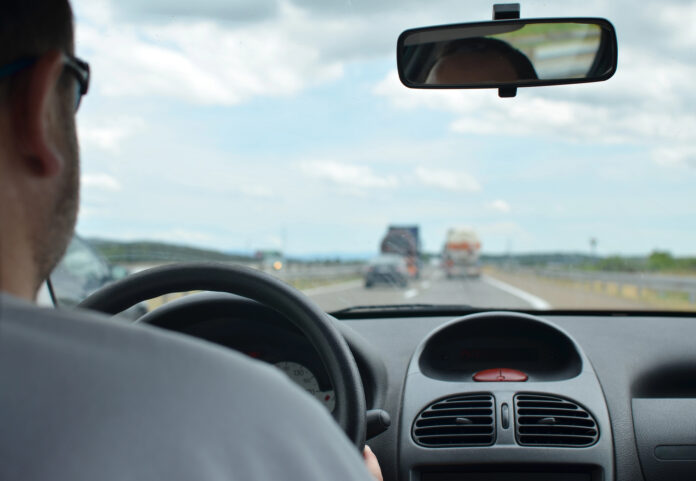
Place stop signs at a junction or crossroads to control traffic flow and avoid accidents. All drivers on the road must come to a full stop before proceeding forward. This brief pause or stop provides a risk-free evaluation of the current environment to reduce the chance of collision. Stop sign rules in NSW are rather strict and do require all drivers to follow protocol as dictated by the government and other road rules. Failing to comply with them can have serious consequences, including fines and demerits. 

Understanding the responsibility that comes with driving, according to driving instructor Danielle Medellin, is the first step in cultivating safe driving habits. Drivers are advised to be more vigilant and exercise caution at junctions.

Running a stop sign is a traffic violation in many parts of the world. Fines are the most common form of penalty and are assessed based on the location and severity of the offense. Some drivers will even get points on their licenses for this. Excess points lead to higher insurance premiums and could result in suspension of driving privileges.

Safety Concerns

Stop signs have a primary purpose: safety. Failing to stop can result in accidents. Intersections are frequent crash locations because many roads intersect. Drivers misjudge speeds and distances without stopping, increasing the risk of crashes.

Impact on Other Road Users

When someone rolls through a stop sign in their path, they are not just impacting themselves. At intersections, we expect pedestrians, cyclists, and motorists to behave predictably. That predictability is disrupted when one driver fails to stop, which is why rear-end crashes can be dangerous.

Community Effects

Failure to stop at a sign impacts the community at large. Whenever citizens fail to stop at stop signs, public trust becomes an important matter to discuss. Residents want drivers to obey the laws of the road to keep their neighborhoods safe. Repeated violations could heighten tensions over road safety and erode trust.

Economic Consequences

There are financial implications for traffic offenses. In addition to fines, drivers will face higher insurance costs. Insurance companies consider traffic offenses a higher risk, leading to higher premiums. Eventually, those additional costs can weigh you down.

Addressing the Issue

This is one reason why education is fundamentally important in this issue. Perhaps you are one of the many drivers who do not realize the significance of stop signs. Traffic safety campaigns could raise awareness of the nonresponsive nature of this form of disobedience. In some cases, law enforcement will perform these “blitz” operations precisely to deter people from violating the traffic code.

Technological Solutions

Advances in technology provide alternatives to old-school methods of addressing traffic violations. Some of the latest technological advancements, such as red-light cameras, are automated and capture photos of drivers not coming to a complete stop. Law enforcement uses these systems as evidence and as a deterrent. That said, they should also be executed with an eye towards privacy challenges and equitable enforcement.

Encouraging Safe Driving Habits

Understanding the responsibility that comes with driving is the first step in cultivating safe driving habits. Drivers are advised to be more vigilant and exercise caution at junctions. This is absolutely essential, as sometimes animals can be found unpredictably, depending on the location. Also, intersections may seem light on traffic but require sharp eyes. Giving yourself enough time to travel will also help you avoid the temptation of rushing through stop signs, where patience is tested.

Wrapping Up

Stopping at a stop sign seems like such an easy thing to do, right? And yet, it is not that simple. Not being compliant has severe implications, from legal issues to safety issues. Realizing that a single infraction can make a difference, drivers can understand just how vital they are to road safety.

In the end, the answer lies in creating an ecosystem of accountability and awareness. By creating education, enforcement, and technology programmes, communities can work together to help make roads safe for all.

Stephens and Grenier Take Road America Victory After Last-Lap Battle

Michai Stephens and Mikaël Grenier won Sunday’s GT World Challenge America Race No. 2 at Road America after a wild finish that came down to one final lap. The JMF Motorsports Mercedes-AMG GT3 pair grabbed the lead when Stephens got around DXDT Racing’s Blake McDonald during pit stops, but the real battle happened when a late caution bunched up the field and set up a restart with just one lap to go.

The Canadian team beat Random Vandals Racing’s Connor De Phillippi and Kenton Koch by 1.328 seconds after De Phillippi made a late charge. Rennsport One’s Jan Heylen and Alex Sedgwick claimed the final podium position, followed by Bill Auberlen and Varun Choksey in the second Random Vandals BMW, with McDonald and Bell rounding out the top five in Pro class.

Grenier had established JMF’s early advantage by maintaining second overall position during his opening stint, keeping pace with the leaders while building a foundation for the team’s strategic pit sequence. The timing proved critical when Stephens emerged from the pit lane with track position over McDonald, who struggled with cold tires after his own driver change.

Stephens admitted the final restart had him worried, and he joked that team owner John Farrow probably needed a drink after watching the finish. JMF got the lead through their pit stops and then had to keep several fast cars behind them for the win.

Sports car racing has picked up steam with fans who like watching both the speed and the strategy that plays out during these longer races. The interest has spread beyond the usual racing crowd to people who follow different types of competitive sports and entertainment. Racing fans today follow the sport in different ways, and many bet on race outcomes through various online platforms. Some prefer no kyc sites that accept cryptocurrency and don’t require traditional identity verification for account setup.

Saturday’s opening race had already given everyone plenty to talk about when Scott Dollahite crashed hard in the Kink section of the track and had to call it a weekend. His teammate Eric Powell ended up borrowing a spare BMW from Turner Motorsport just to get some points on the board, which shows how much every single point counts when teams are fighting for the championship.

The Pro-Am class race was just as competitive during the hour and a half of racing. McDonald and Bell of DXDT Racing traded strategic moves with their rivals, ultimately prevailing by a narrow 0.439 seconds despite late-race pressure that compressed the field. Their triumph came after Turner Motorsport’s Justin Rothberg received a penalty during pit stops, shifting the competitive balance but unable to prevent McDonald and Bell from securing the class victory.

Race No. 2 served as a masterclass in tactical execution across all categories. JMF’s flawless pit sequence and composure during the climactic final lap demonstrated both raw speed and mental strength under pressure. DXDT showcased consistency and reliability, translating smart racecraft into podium results across multiple categories. When that late caution came out, it basically reset everything and gave everyone behind Stephens a shot at the win. The JMF team had to be perfect on that final restart, and they pulled it off.

This win puts JMF Motorsports at two overall victories for 2025 and gives them three Pro class wins. Stephens and Grenier have been building something together this season, and this result proves they can run with the best teams that have been doing this for years.

Road America also shook up the championship standings. Several teams picked up or lost valuable points, and with Barber Motorsports Park coming up next, crew chiefs are already thinking about how to approach that track. Barber rewards teams that can stay out of trouble and make good decisions more than it rewards raw speed.

After watching how things played out on Sunday, it looks like this championship could come down to which teams can avoid mistakes and keep their cars running up front week after week. JMF proved they can win when the pressure is on, but there are still plenty of races left where anything can happen.

The Ultimate Pit Stop: Why a Car’s History Is the Most Important Tool in Your Garage

Photo by depositphotos at https://depositphotos.com/

In the world of high-stakes racing, every decision is driven by data. Championship teams don’t just know their car’s history, they live it. They track every lap, every engine temperature, G-force, and every single part change with a forensic level of detail. A chassis with a winning legacy is a coveted asset, while a car with a past history of heavy impacts is a red flag. The difference between a car that wins on Sunday and a car that’s sidelined with a broken axle often comes down to the quality of its records.

This same uncompromising dedication to a vehicle’s history isn’t just for multi-million-dollar race cars. It’s a non-negotiable step for anyone looking to buy a used vehicle.

You’d never see a crew chief put a car on the track without a full dossier on its life. They’d want to know its full lineage, from its initial build specs to every engine rebuild, every crash, and every single repair. The data gives them the confidence to push the car to its limits. Yet, every day, thousands of people buy used cars with almost no knowledge of their past.

The Dangers Hiding Under the Hood

The reality is, a used car can look pristine on the outside while harboring a history of costly and dangerous secrets. A gleaming paint job can hide a shoddy repair from a major accident. A low-mileage reading on the odometer could be the result of a deliberate fraud. A supposedly “clean” title might be masking flood damage or an unresolved lien.

This is where the principles of motorsports meet the consumer market. You can’t rely on a quick visual inspection any more than a NASCAR team would rely on a glance at a car’s bodywork. You need the complete story.

Fortunately, you have a tool that’s as powerful for buying a used car as a race logbook is for a crew chief. By simply getting the car’s Vehicle Identification Number (VIN), you can access a full report of its history. Services like Carfax USA and others compile this critical data from police reports, repair shops, and state DMVs to give you a comprehensive report.

Before you make a purchase, use a VIN check to get the full story. It’s the ultimate pit stop for your wallet and your safety, giving you a full breakdown of:

  • Accident History: Was the car ever in a serious collision? A seemingly minor dent could have hidden structural damage that will lead to expensive repairs and compromise the car’s safety in a future crash.
  • Title Status: Is the car a “lemon” with a problematic title? A VIN check can reveal if the vehicle has been branded as a salvage, junk, or flood-damaged vehicle, titles that can haunt you with endless mechanical issues and make the car nearly impossible to insure or resell.
  • Odometer Rollbacks: Is the mileage on the dashboard telling the truth? Odometer fraud is a common scam that a VIN check can easily detect, saving you from paying thousands more for a car that has far more miles than it appears.
  • Lien or Loan Status: Does the car still have an outstanding loan on it? You could find yourself stuck with a legal nightmare if the previous owner still owes money on the vehicle. A clean title is not just a benefit; it’s a necessity.
  • Maintenance Records: Has the car been properly serviced over its lifetime? A VIN report often provides a history of maintenance, giving you insights into whether the car was well-cared for or neglected.

In the world of racing, knowledge is speed. In the world of car buying, knowledge is power and peace of mind. Knowing the full history of a vehicle protects you from making a bad investment and ensures the safety of everyone who rides in it.

So before you sign on the dotted line, remember the rigorous standards of the racetrack. The extra time you spend researching can prevent a costly pit stop down the road.

Top Tips to be Better at Online Slots Games

Photo by depositphotos at https://depositphotos.com/

Playing at online casinos is becoming a trend these days. Enthusiasts are no longer limited to playing at real casinos. With many game options available, winning most of the ones you play is crucial. It allows you to recover a large portion of your bet.  

You are probably new to online casino gaming, or maybe you are not seeing any progress. Why not go here and see how you can improve?  Here are some effective tips to improve your overall online slot gaming experience. 

Make the Most of Free Demo Games

Many online casino sites today have free demo games. These are free-to-play games that the platform offers. Playing and practising these games allows you to understand how they work. This gives you the chance to try your strategies and see which of them is more beneficial to you. 

Playing demo games allows you to do this:

  • Choose the games that match your interests.
  • Focus on learning the mechanics.
  • Explore the game features.
  • Take note of the game’s strengths and weaknesses.
  • Play without spending money.

Understand the Gameplay for Online Slots 

There are different types of online slots that you should know about. As a beginner, learning slots is easy. That is because the gameplay is straightforward. You can explore different versions to suit your preferences because slots may have similar gameplay, but each version has it’s own unique feature. 

Make sure that you look into the following before you start playing for real money. 

  • Classic Slots. The basic 3-reel games with fruit symbols.
  • Video Slots. These are 5 or more reel games with different themes and bonuses. 
  • Progressive Slots. Jackpots for these games grow with each spin until one player wins it.
  • 3D Slots. The animations and graphics are more advanced for an immersive visual experience.
  • Megaways Slots. Offer shifting reel structures for more chances of winning.
  • Branded Slots. Games based on popular movies or celebrities with themed features.
  • Multipayline Slots. The paylines increase winning chances with different possible symbol combinations.
  • Mobile Slots. Games that are optimised for smartphones and tablets.
  • Bonus Buy Slots. Allow players to purchase and have direct access to the bonus game features. 

Participate in Exclusive Events and Tournaments

It is very important to consider this if you have the time and budget. This is one way to level up your casino gaming experience. So, why not try these out, because these tournaments will allow you to compete with tough competitors from around the world. There are amazing jackpot prizes that you should not miss out on. Participating in tournaments will help improve your gameplay. 

Learn From Other Players’ Experiences

Online slots are a simple type of casino game. Still, there is a lot to learn. The classic games have a pretty straightforward way to play. You just bet and spin. If you are lucky, you win the prize and choose to spin again. However, the modern versions come with different features and symbols. Some have additional bonus games that you can play. 

Make sure that you learn from other players. Learn straight from the experts. Read forums and reviews online. This is where you can find out which online casino sites have the best games to play. They can also point you to the platforms that you should steer clear of. Their experiences can help kickstart newcomers’ online casino gaming journey.

Conclusion

Each online casino player has a story to tell about their experiences in gaming. Have your own research to learn some of the aspects of casino gaming yourself. You might be lacking some tactics if you are not doing well with your games. May this guide help walk you through the basics that you should learn as a new player. 

Is Your Automatic Litter Box Suitable for Large Cats?

As cat owners, we know that our feline friends come in all shapes and sizes – but when it comes to automatic cleaning cat litter box, one size definitely doesn’t fit all. For those blessed with larger breeds like Maine Coons, Ragdolls, or just generously proportioned house cats, finding an automatic litter box that accommodates their size can feel like an impossible task. Many cat parents discover this challenge the hard way when their investment in an automated solution leads to uncomfortable experiences for their larger companions. The good news is that with proper assessment and understanding of your cat’s needs, you can find or modify an automatic litter box that works perfectly for your bigger buddy. In this guide, we’ll explore how to evaluate litter box suitability for large cats, identify the features that matter most, and discover practical solutions to ensure your cat’s comfort and hygiene needs are met, regardless of their size.

Why Large Cats Need Specialized Litter Box Solutions

Standard automatic litter boxes often present significant challenges for larger cats, potentially compromising both their physical comfort and emotional well-being. Most conventional units are designed with average-sized cats in mind, typically accommodating weights up to 12-15 pounds. However, breeds like Maine Coons can easily exceed these limits, putting excessive strain on the mechanical components and sensors that power these devices. When forced to use undersized boxes, large cats may experience difficulty turning around, leading to uncomfortable postures and potential elimination outside the box.

Beyond the immediate physical constraints, cramped litter boxes can trigger stress and anxiety in larger cats. This psychological distress often manifests in unwanted behaviors such as avoiding the litter box altogether or attempting to perch precariously on edges, risking injury. The weight capacity issue extends beyond mere discomfort – excessive weight can damage motors, jam cleaning mechanisms, and even cause structural failure in poorly designed units. These technical limitations not only lead to frequent malfunctions but can also create dangerous situations where heavy cats might cause the unit to tip or break during use.

Critical Features for Large Cat Litter Boxes

Size and Space Requirements

When selecting an automatic litter box for large cats, interior dimensions are paramount. The box should provide at least 1.5 times your cat’s length for adequate movement, typically measuring no less than 30 inches in length and 20 inches in width. Entry points need to be sufficiently large, with openings at least 10-12 inches wide and 12 inches high to prevent whisker stress and accommodate broader shoulders. The interior height should allow cats to stand fully upright, requiring a minimum of 15 inches of vertical space. These measurements ensure your cat can enter, turn around, and maintain natural postures while eliminating.

Weight Capacity and Durability

The structural integrity of an automatic litter box must match your cat’s size and weight. Look for units rated to support at least 25 pounds, with reinforced bases and stable platforms that won’t flex or bow under pressure. The cleaning mechanism should feature a heavy-duty motor with metal gears rather than plastic components, as these provide better longevity under increased strain. Anti-tip features become crucial for larger cats, so prioritize models with wide bases and low centers of gravity. Additionally, check that all moving parts, including rake mechanisms and waste separation systems, are constructed from durable materials that can withstand daily use by heavier cats without bending or breaking.

Top Automatic Litter Boxes for Large Cats

When evaluating automatic litter boxes for large cats, several models stand out for their exceptional accommodations. The Meowant XL Pro offers one of the most spacious interiors at 15.75 inches deep and 13.8 inches wide, easily accommodating cats up to 25 pounds. Its reinforced base and premium construction justify its higher price point, with many owners reporting years of reliable service even with Maine Coons and other large breeds. The CatGenie A.I. provides an expansive 17-inch diameter globe, though its self-washing feature requires special granules that some larger cats may find unfamiliar.

For multi-cat households, the PetSafe ScoopFree Ultra delivers excellent value with its oversized pan measuring 28 inches in length, though owners should factor in ongoing crystal litter costs. Budget-conscious buyers might consider the Nature’s Miracle Multi-Cat Self-Cleaning Litter Box, which features a generous 23-inch length and reinforced rake mechanism designed specifically for heavier cats. User experiences consistently highlight the importance of regular maintenance regardless of model choice, with large-breed owners particularly praising units that offer easy access for cleaning and part replacement.

Proper Automatic Litter Box Setup Process

Selecting the right location for your automatic litter box is crucial for large cats. Position the unit in a quiet, well-ventilated area with at least 2-3 feet of clearance on all sides to accommodate your cat’s larger turning radius. For multi-cat households, maintain one box per cat plus an extra, spacing them throughout your home to prevent territorial disputes. Avoid placing boxes near feeding areas or in high-traffic zones where your cats might feel vulnerable.

When it comes to litter selection, larger cats often require deeper litter beds for adequate coverage. Choose clumping litters specifically rated for automatic boxes, as these typically offer better weight distribution and tracking resistance. Start with a 3-4 inch base layer and monitor your cat’s digging habits to adjust depth accordingly. For sensitive cats transitioning to an automatic box, gradually introduce the change by placing the new unit next to their existing litter box. Leave both boxes operational for 1-2 weeks, keeping the automatic unit turned off initially. Once your cat shows consistent interest in the new box, activate the cleaning mechanism during their away time to minimize stress. This methodical approach helps ensure your large cat develops positive associations with their new automated bathroom solution.

Essential Maintenance for Optimal Performance

Daily and Weekly Routines

Maintaining an automatic litter box for large cats requires consistent attention to prevent mechanical issues and ensure proper operation. Daily maintenance should include checking the waste drawer capacity, as larger cats produce more waste volume. Empty the collection bin when it reaches 75% capacity to prevent overflow and system jams. Inspect and wipe down sensors with a microfiber cloth, paying special attention to weight and motion detectors that may become covered with dust or litter particles. Weekly maintenance should focus on deep cleaning the rake mechanism, removing any trapped litter or debris that could strain the motor.

Troubleshooting Common Issues

When dealing with larger cats, jamming typically occurs due to excessive litter clumps or mechanical stress. Prevent jams by maintaining proper litter levels – never exceed the fill line, as extra litter can compact and overwhelm the cleaning mechanism. For persistent odor issues, consider installing a carbon filter system or using enzymatic cleaners specifically designed for automatic litter boxes. If the unit struggles with weight detection, clean the sensors thoroughly and ensure the box is on a completely level surface. When strange noises occur during operation, immediately check for litter accumulation in the rake’s gears and verify that all components move freely without obstruction.

Modifying Existing Boxes for Larger Cats

When your automatic litter box doesn’t quite meet your large cat’s needs, strategic modifications can help improve functionality without compromising safety. For entry modifications, consider removing restrictive hood components or expanding the entrance by carefully smoothing and reinforcing the edges with rubber trim. Create a more stable platform by adding a sturdy base extension made from moisture-resistant plywood, extending 4-6 inches beyond the original footprint. This additional support prevents tipping while providing extra standing room for larger cats.

Weight distribution issues can be addressed by installing reinforcement brackets beneath the base or adding cross-bracing supports. For boxes with electronic sensors, adjusting the sensitivity may require consulting the manufacturer, but many units allow manual calibration for heavier cats. When modifying any electrical components, always disconnect power first and avoid alterations that could compromise the unit’s safety features. Consider adding non-slip padding beneath the unit and securing it to walls using L-brackets for enhanced stability. Remember that modifications should focus on accessibility and structural integrity while maintaining the box’s core cleaning functionality. Document any changes made and regularly inspect modified components to ensure they remain secure and effective.

Comprehensive Guide to Large Cat Litter Box Solutions

Finding the right automatic litter box for your large cat requires careful consideration of both physical requirements and behavioral needs. The success of your automated solution depends on choosing a unit that not only accommodates your cat’s size but also provides the durability and reliability needed for daily use. Whether you opt for a specially designed large-capacity model or modify an existing unit, prioritizing your cat’s comfort and safety is paramount. Remember that proper setup, regular maintenance, and patience during the transition period are essential components of a successful automatic litter box experience. By following the guidelines for size requirements, weight capacity, and placement, while maintaining consistent cleaning routines, you can create a comfortable and hygienic bathroom solution that works for both you and your large feline companion. With the right approach, even the biggest cats can enjoy the benefits of automated litter box technology while maintaining their natural elimination behaviors.

NASCAR Top-10 Power Rankings: Daytona

Ryan Blaney, driver of the No. 12 Advance Auto Parts Ford, crosses the start finish line to win the NASCAR Cup Series Coke Zero Sugar 400 at Daytona International Speedway on August 23, 2025 in Daytona Beach, Florida. (Photo by Chris Graythen/Getty Images)

Ryan Blaney tops the Power Rankings this week after his win at Daytona.

1. Ryan Blaney: 

Blaney started on the pole and surged late to win the Coke Zero Sugar 400 at Daytona.

“Alex Bowman really owes me for saving his playoff hopes,” Blaney said. “In this case, payback is not a bitch.”

2. Denny Hamlin: 

Hamlin finished 25th at Daytona.

“The playoffs are going to be wild,” Bell said. “I have no idea who will be crowned champion in November. Just as I have no idea whose car Chumba Casino sponsorship will be on from week to week.”

3. Kyle Larson: 

Larson finished sixth at Daytona

“There are four Hendrick Motorsports drivers in the playoffs,” Larson said. “So, HMS has a one in four chance of winning a championship. One in three if you count Alex Bowman.”

4. William Byron: 

Byron finished 19th at Daytona and will start the playoffs tied with Kyle Larson atop the standings.

“I know a lot of naysayers think I can’t win the championship,” Byron said. “To them, I say, ‘Watch this.’ On a related note, ‘Watch this’ is something I never say to Jerry Falwell, Jr.”

5. Shane van Gisbergen: 

Van Gisbergen finished 16th in the Coke Zero Sugar 400.

“I see the Charlotte ROVAL is the first-round playoff elimination race,” van Gisbergen said. “So I’ll see you suckers in the second round.”

6. Chase Briscoe: 

Briscoe finished 23rd at Daytona.

“I hope I can emulate my mentor, Tony Stewart,” Briscoe said, “and be considered a ‘heavyweight’ in this sport. Hopefully for winning a championship and not because of what I eat.”

7. Joey Logano: 

Logano finished 27th, one lap down, at Daytona.

“How about Tyler Reddick’s No. 45 Toyota?” Logano said. “It featured the ‘McDonaldland’ sponsorship with the face of Ronald McDonald. I can verify that NASCAR has a lot of clowns in cars; it makes sense that they’d have one on a car.”

8. Christopher Bell: 

Bell finished 13th in the Coke Zero Sugar 400.

“I haven’t won a points race since March,” Bell said. “So, as far as congratulatory kisses from my wife go, I’ve received ‘zero sugar’ since March.”

9. Chase Elliott: 

Elliott finished 10th at Daytona and will start the playoffs seeded seventh.

“I know I have the full support of the good people down at the Dawsonville Pool Room,” Elliott said. “By ‘full support,’ I mean they’re the only people that think I have any chance of winning the championship.”

10. Alex Bowman: 

Bowman was knocked out of the race on Lap 27, putting his playoff hopes in jeopardy, but was saved when Ryan Blaney took the victory.

“I’ll never forget what Ryan did,” Bowman said, “until I need a win and he’s standing in my way. Then it will be eradicated completely from my memory.”

Note: The quotes in this article are fictional.

CORVETTE RACING AT VIR: Garcia, Sims Take VIR Victory!

First GTD PRO win of 2025 as Pratt Miller Corvettes take two podium spots

ALTON, Virginia (August 24, 2025) – Corvette Racing by Pratt Miller Motorsports scored its first victory of the season as Antonio Garcia and Alexander Sims won the Michelin GT Challenge at VIR on Sunday in their championship-leading No. 3 Chevrolet Corvette Z06 GT3.R.

The timing of the result couldn’t have been better as Sims took the checkered flag by 1.070 seconds over the No. 81 Ferrari – the closest car to the No. 3 in the GTD PRO points standings for the IMSA WeatherTech SportsCar Championship.

Garcia and Sims combined to lead for 41 of 81 laps. They now lead by 53 points heading into the final two races of the season, and Chevrolet extended its Manufacturers Championship lead to 81 points with 770 points still remaining in the final two events.

The win Sunday was the seventh for Corvette Racing at VIR in IMSA competition. Garcia won for the fifth time at VIR – most among active drivers – and Sims is now a two-time winner. The Pratt Miller-run Corvette team also now has won at least one IMSA race in 25 of 26 seasons.

The No. 4 Corvette of Nicky Catsburg and Virginia’s Tommy Milner placed third overall and in class for their second podium finish in three races. Sunday marked the first time this year that both GTD PRO Corvettes finished on the class podium.

Garcia and Catsburg began from fourth and fifth on the grid with the Pratt Miller team electing to split strategies between the two cars in the first race stint. The No. 3 Corvette was the first GTD PRO to make its first scheduled pit stop at the 46-minute mark for fuel, fresh tires and a driver change to Sims. The move paid dividends as the No. 3 moved to the lead after the class pit cycle as Sims took advantage of better tire management and a quick stop by the pit crew.

Catsburg went about 10 minutes deeper in the opening stint before handing over to Milner to go to the end of the race. The No. 4 went from second to seventh after the pit stop but the advantage of fresher tires allowed Milner to catch back up to a four-car battle for third through seventh while saving fuel.

The race swung further in the direction of the two Corvettes as they both made their final stops just inside the final hour and minutes before the race’s second full-course yellow to gain valuable track position. Sims and Milner ran first and second for the final two restarts before a pace advantage for the Ferrari elevated it to second, but it was not quick enough to chase down Sims and the No. 3 Corvette.

In GTD, AWA’s No. 13 Corvette of Matt Bell and Orey Fidani placed eighth in class but critically won the Akin Award for the second race in a row and second consecutive season at VIR. The result vaulted Fidani back into the lead of the season-long championship and a step closer to having AWA return to the 24 Hours of Le Mans next year.

DXDT Racing’s Alec Udell made a huge jump to second place in class in his first stint. A slow pit stop, however, knocked the No. 36 Corvette and Robert Wickens down the order to eighth after the class cycle. Unlike the GTD PRO Corvettes, the DXDT entry did not make it into the pitlane before the yellow with an hour to go. Wickens and Udell, in their final race of the year together, ended 10th in class.

The next race for the Corvette Z06 GT3.R in IMSA is the Battle on the Bricks at Indianapolis Motor Speedway on September 21.

JESSICA DANE, CORVETTE RACING PROGRAM MANAGER: “Congratulations to Antonio, Alexander and everyone at Corvette Racing by Pratt Miller Motorsports on today’s victory and two podium finishes at VIR. The strategy and execution by both the No. 3 and No. 4 Corvette teams were perfect and showed that ‘Never Give Up’ spirit of Corvette Racing. It’s great for our Corvette Z06 GT3.R program, good for the Manufacturers Championship and good for the Drivers Championship as well.”

CORVETTE RACING Z06 GT3.R POST-RACE DRIVER QUOTES

ANTONIO GARCIA, NO. 3 CHEVROLET CORVETTE Z06 GT3.R: “Finally! It feels like VIR has always been good for us. It’s been more than a year since our last win and we’ve been chasing it forever it seems. There was always something going on or this or that. It was a perfect race. It played out how we wanted by jumping everyone on the first stop. I’m very, very happy. Alex did a fantastic job. I’m so pleased and happy for this team and for Team Chevy. This is a great day for all of us in the championship for Drivers and Manufacturers.

“I was very nervous but very confident in the team and in Alex. We called a good race and it played out how we wanted. The Corvette had really good race pace, for sure. So I’m very glad for Team Chevy and our Corvette community. We’ve been chasing this win for more than a year. It’s great to do it again here at VIR.”

ALEXANDER SIMS, NO. 3 CHEVROLET CORVETTE Z06 GT3.R: “I was just doing my job. Antonio did a fantastic job in his first stint and the team called a great strategy. We went aggressive on the first stop to try and force a situation, and it seemed to work. We could just about hold the gap to the BMW who had a significant fuel advantage on us had it stayed green. We were fortunate with that second yellow but I think we just about had the race anyway. A really great job by everyone. The Corvette was fast today. The Michelin tires held on nicely. In these temperatures they were working hard but held on well. It was a really enjoyable race and it’s great to get our first win of the year.”

TOMMY MILNER, NO. 4 CHEVROLET CORVETTE Z06 GT3.R: “It’s a fantastic day for everyone at Pratt Miller and Corvette Racing. We’ve been in contention a couple times this year and things didn’t go our way. But they did today. This is really good for the 3 car guys in their championship and of course Chevrolet in the Manufacturers Championship. On all fronts it was really, really good. For us, I would have loved to have been P2 but we just didn’t have the pace of the Ferrari. If I look at the whole event as a whole and the race, we were quite far back in P6 early. Things just worked out for us with the second yellow and the timing of it. Days like today where the engineers work so hard, the mechanics work so hard and they do everything right… I’m just really, really pleased to be on the podium for these guys. An all-around great weekend.”

NICKY CATSBURG, NO. 4 CHEVROLET CORVETTE Z06 GT3.R: “Excellent execution by the team today! I felt like we weren’t the fastest car today or this weekend. But the team did such an amazing job for P1 and P3. It was really tough to keep the Ferrari behind. They showed some real pace at the end. So I’m super-happy with a 1-3 today. It’s good for all championships involved, and the team can be very happy with the results today.”

MATT BELL, NO. 13 CHEVROLET CORVETTE Z06 GT3.R: “The objective coming into this event was to leave with the Akin Award lead, and we’ve done that. Great job from the team and the crew. The car was good all weekend. We were fast and in the mix today. It was one of Orey’s best qualifying performances of the year as well. We’re building nice momentum going into the endurance races where we know we are always strong. A best-case scenario result from the last sprint race of the year, so now we can look forward to Indy.”

ALEC UDELL, NO. 36 CHEVROLET CORVETTE Z06 GT3.R: “We’ve got really talented people. We’ve got a really good race car. For one reason or another it just hasn’t worked out. I believe there’s always a divine plan in some things, so we’ll focus forward on it. It’s a bummer because I think Robbie has had a ton of pace and I think we’ve had a couple times this year and for sure two races that were, I’d say, bad luck and we should have had the result that we wanted and deserved. But I’m really looking forward to Indy and grateful that we have that opportunity with the team. These guys really have put in the effort and really worked hard to earn a spot on the podium and a spot on the top step. I know it’s coming.”

ROBERT WICKENS, NO. 36 CHEVROLET CORVETTE Z06 GT3.R: “It was a tough day all around. I think on every weekend we kept chipping away at it. We didn’t start the weekend particularly strong, but we just got better and better every session. Alec did a good job of qualifying and did an amazing job at the start of the race to get us up into P2. And then, unfortunately, at the first stop, I don’t exactly know what happened. What I do know is that everyone at DXDT Racing has been so good in the pits all season long. For whatever reason, we couldn’t get a wheel off and we lost some track time. And then I was defending against the yellow Ferrari and we had some contact in Turn One; it wasn’t anything that egregious, but for whatever reason the car never felt the same again so I don’t know if I did some suspension damage or whatever, but from there on it was just really struggling for pace. We also had some electrical gremlins, so kind of a race to forget and definitely not the way I wanted to end my first year with Corvette and DXDT Racing. I really wanted to end on a high end with a bang. But that’s racing sometimes. I think this team has done such a great job always putting the car in contention to be where we need to be. And these things happen sometimes. Now the goal is to try to make sure I can be here with DXDT Racing and Corvette in 2026.”

Team Chevy high-resolution racing photos are available for editorial use.

About General Motors

General Motors (NYSE:GM) is driving the future of transportation, leveraging advanced technology to build safer, smarter, and lower emission cars, trucks, and SUVs. GM’s Buick, Cadillac, Chevrolet, and GMC brands offer a broad portfolio of innovative gasoline-powered vehicles and the industry’s widest range of EVs, as we move to an all-electric future. Learn more at GM.com.

Christian Rasmussen earns maiden victory at Milwaukee

MILWAUKEE - AUGUST 24: Christian Rasmussen, driver of the #21 Ed Carpenter Racing Chevrolet, hugs teammate, Alexander Rossi, in victory lane after winning the NTT IndyCar Series Snap-On Milwaukee Mile 250 at the Milwaukee Mile on Aug. 24, 2025, in Milwaukee. Photo: Joe Skibinski/Penske Entertainment

As Christian Rasmussen hopped out of his car and celebrated his first career IndyCar victory, he pounded the windscreen of his car and hugged both his teammate Alexander Rossi and his crew members.

Two weeks after winning the championship, Alex Palou dominated and was on his way to another victory at the Milwaukee Mile. But then the rain came. While the 2025 series champion stayed out, along with two other drivers, the rest of the field pitted under the caution with 42 laps to go. On fresh tires and with 21 laps to go, Rasmussen passed Scott McLaughlin for second. In five laps, he cut the lead from two seconds to less than three-tenths of a second. With 15 laps to go, Rasmussen overtook Palou for the lead and drove on to his maiden victory in the Snap-On Milwaukee Mile 250.

“Yeah, amazing,” Rasmussen said. “Great job by the team this weekend. We started pretty rough, like we were really struggling in practice one. Got it turned around for qualifying. Qualified better than I thought we would, to be honest, which was really good.

“The race went our way. We did what we do best on ovals: running whatever line the car in front is not (smiling). Again, we were amazing in traffic, which that’s what made the main difference today again I think. Then with a good call there at the end going onto the new tires, having something to fight with.

“Yeah, pretty cool getting my first win here. Good Sunday.”

It’s his first career victory in 15 NTT INDYCAR Series starts.

Palou led 199 of 250 laps, but came home second. McLaughlin rounded out the podium in third.

“Yeah, was amazing day for us,” Palou said. “Anyway, I thought it was my best race on an oval, even though we didn’t win. I think we’ve got some (indiscernible). The 500, I think it was just different how everything played out.

“Today was amazing, a bunch of fun. Good on Christian. I think he was really fast. It’s great to see him win.”

“I mean, that was probably Alex’s race,” McLaughlin said. “(Indiscernible) let that happen. Massive congrats to Christian. As Alex said, he’s been super quick on ovals, super brave. He’s doing an awesome job with that car.

“He has a great teammate in Alex. Yeah, just cool to see someone get their first race win. I know how that feels. Alex knows how that feels. It’s a special moment.

“Yeah, proud for my team. Nice to get some momentum back. A couple of top 10s, now a podium. Not exactly what we want, but it’s a start.”

Rossi and Pato O’Ward rounded out the top-five.

Christian Lundgaard, Josef Newgarden, David Malukas, Scott Dixon and Marcus Armstrong rounded out the top-10.

Christian Rasmussen earns maiden victory at Milwaukee

Race summary

Palou led the field to green at 2:21 p.m. ET. Caution flew on the first lap when Nolan Siegel clipped the curb in Turn 4, got loose and hit the outside wall.

Back to green on Lap 10, caution flew on the same lap when Graham Rahal spun in Turn 2, but maintained control of his car.

Back to green on Lap 16, Malukas went high in Turns 1 and 2 and overtook Palou for the lead. Afterwards, the field settled into a green flag rhythm. After pulling out to a 1.5 second lead, Malukas backed off his pace when he caught the back-end of the field on Lap 35. This let Palou close the gap down to under a second. When Malukas caught Jacob Abel, the gap shrank to under half a second. By Lap 39, Malukas cleared Abel in Turn 2. Eventually, thanks to lap traffic, Palou closed in and passed him for the lead in Turn 3 on Lap 41.

With the four-stop pit window open, Rossi kicked off a cycle of green flag stops on Lap 49. Palou pit from the lead on Lap 58. Louis Foster pit from the lead on Lap 60 and Palou cycled back to the lead.

The second round of green flag stops began on Lap 102. Palou pit from the lead on Lap 104 and caution flew on Lap 105 when Will Power hit the wall in Turn 2, again in Turn 3 and spun down the track. On pit road, Malukas, who pitted on Lap 103, suffered a pit gun failure and lost a lap.

Back to green on Lap 119, the field, again, settled into a green flag rhythm. Caution flew on Lap 142 when Callum Illot’s engine expired. Marcus Armstrong stayed out to take the lead.

Back to green on Lap 154, Palou overtook Armstrong in Turn 1 with ease to retake the race lead. Rossi kicked off the final cycle of green flag stops on Lap 190. Palou pit from the lead on Lap 196.

Caution flew with 42 laps to go for rain. Palou, McLaughlin and Newgarden stayed out. While the rest of the field pitted under this caution.

Back to green with 29 laps to go, Palou pulled out to a two-second lead. With 21 to go, Christian Rasmussen, on fresh tires, overtook McLaughlin for second. In three laps, he cut the lead from two seconds to under a second. With 16 to go, he caught the tail of Palou. With 15 to go, he ran high in Turns 3 and 4 to edge Palou at the line and overtook him going into Turn 1.

Christian Rasmussen earns maiden victory at Milwaukee

What else happened

Conor Daly gained five spots on the opening lap, going from ninth to fourth. Colton Herta went from 17th to 10th.

Christian Rasmussen earns maiden victory at Milwaukee

Nuts and bolts

The race lasted two hours, two minutes and eight seconds, at an average speed of 124.656 mph. There were 11 lead changes among six different drivers and five cautions for 49 laps.

The NTT INDYCAR SERIES returns to action for the final time in 2025, next Sunday, at Nashville Superspeedway.

Late Charge Delivers First Win to Rasmussen in Milwaukee Stunner

WEST ALLIS, Wis. (Sunday, Aug. 24, 2025) – Christian Rasmussen got the break he needed from Mother Nature, and then he and Ed Carpenter Racing did the rest.

Rasmussen used deft tire strategy by his team during a late caution period and then powered his No. 21 ECR Splenda Stevia Chevrolet past the No. 10 DHL Chip Ganassi Racing Honda of pole sitter and freshly crowned series champion Alex Palou with 16 laps to go to win the Snap-on Milwaukee Mile 250 on Sunday, his first career NTT INDYCAR SERIES victory.

“Today was amazing,” Rasmussen said. “We were so good on new tires, even compared to other cars on new tires. Wow – that’s a good day, a good Sunday.”

2023 INDY NXT by Firestone season champion Rasmussen, in his second NTT INDYCAR SERIES season with ECR, earned his breakthrough victory in his 30th career start. He became the newest first-time winner in the series since fellow Danish driver Christian Lundgaard in July 2023 at Toronto, and this was the first victory for ECR since Rinus VeeKay triumphed in May 2021 on the Indianapolis Motor Speedway road course.

“I knew this was coming for Christian,” team owner Ed Carpenter said. “He’s the best there is right now on short ovals, He has shown it all season long. That yellow played to his hand, and he did an amazing job taking advantage of his new tires and Chevy power. It feels so good; it’s been a while since we’ve won a race.”

Rasmussen beat Palou to the finish by 1.9463 seconds after taking the lead on Lap 235 of 250. Scott McLaughlin finished third in the No. 3 Sonsio Vehicle Protection Chevrolet of Team Penske, tying his season best.

Alexander Rossi finished a season-best fourth in the No. 20 ECR Java House Chevrolet to put two ECR cars in the top five at the checkered flag for the first time this year. Pato O’Ward rounded out the top five in the No. 5 Arrow McLaren Chevrolet.

Palou, who led 199 laps, saw a 2.011-second lead over McLaughlin evaporate when sprinkles around the historic 1.015-mile oval were reported on Lap 209, triggering the fifth and final caution period of the race.

During that caution, Palou, McLaughlin and third-place Josef Newgarden elected to stay out of the pits and keep their track position. Meanwhile, Rasmussen, Rossi and O’Ward were among a handful of drivers to dive into the pits for a quick change to fresh Firestone Firehawk tires, knowing speed diminished quickly when tire wear ramped up during this race.

After the restart on Lap 222, it took Rossi and Rasmussen just one lap to climb to fourth and fifth, respectively. Rasmussen then passed Rossi for fourth, with his sights set on Newgarden in third.

Rasmussen dove under Newgarden’s No. 2 Snap-on Team Penske Chevrolet in Turn 3 on Lap 227 and was .6 of a second behind second-place McLaughlin and 2.2 seconds behind Palou.

But the traction provided by the fresh Firestone tires – Palou, McLaughlin and Newgarden each made their final stops on Laps 196 or 197, nearly 15 laps earlier than Rasmussen – proved decisive.

Rasmussen was gobbling time on every area of the track with fresh rubber and his typically aggressive style, driving around McLaughlin with a high-line move in Turn 2 on Lap 230. Palou was 1.321 seconds ahead in the lead, but it appeared to be only a matter of time until Rasmussen would catch the four-time series champion and pounce.

That moment arrived on Lap 235 when Palou and Rasmussen went side by side through Turns 3 and 4, inches apart, with Palou hugging the low line and Rasmussen in the high groove. Rasmussen edged ahead on the front straightaway, officially taking the lead for good at the start-finish line, and finally got around Palou for clear sailing in Turn 1 on Lap 236.

It was the first time Rasmussen led all day, a spot he wouldn’t surrender. The Dane held steady while navigating lapped traffic over the closing laps for his momentous first win, which maybe shouldn’t be considered a stunner considering he, Palou and O’Ward are the only three drivers to finish in the top 10 in all five series oval races this season.

“We were talking before the race that if there was a late caution, then we want to go on new tires because it is such an advantage,” Rasmussen said. “There were more people that did it than I thought there would in that last stint, but it was definitely the right choice.”

The runner-up finish for Palou was his 12th top-three result in 16 starts this season, with eight victories. But finishing second also ended his chance to tie fellow legends A.J. Foyt and Al Unser for the most victories in an INDYCAR SERIES season, 10, at the season-ending Borchetta Bourbon Music City Grand Prix presented by Willscot on Sunday, Aug. 31 at Nashville Superspeedway (2 p.m. ET, FOX, FOX One, FOX Sports app, INDYCAR Radio Network).

Snap-on Milwaukee Mile 250 Race Results

1. (9) Christian Rasmussen, Chevrolet, 250, Running
2. (1) Alex Palou, Honda, 250, Running
3. (4) Scott McLaughlin, Chevrolet, 250, Running
4. (12) Alexander Rossi, Chevrolet, 250, Running
5. (3) Pato O’Ward, Chevrolet, 250, Running
6. (17) Christian Lundgaard, Chevrolet, 250, Running
7. (7) Josef Newgarden, Chevrolet, 250, Running
8. (2) David Malukas, Chevrolet, 250, Running
9. (14) Scott Dixon, Honda, 250, Running
10. (16) Marcus Armstrong, Honda, 250, Running
11. (24) Colton Herta, Honda, 250, Running
12. (6) Kyle Kirkwood, Honda, 250, Running
13. (8) Conor Daly, Chevrolet, 250, Running
14. (21) Santino Ferrucci, Chevrolet, 250, Running
15. (11) Rinus VeeKay, Honda, 250, Running
16. (15) Devlin DeFrancesco, Honda, 250, Running
17. (27) Louis Foster, Honda, 249, Running
18. (20) Robert Shwartzman, Chevrolet, 249, Running
19. (13) Marcus Ericsson, Honda, 249, Running
20. (26) Kyffin Simpson, Honda, 249, Running
21. (22) Jacob Abel, Honda, 248, Running
22. (25) Felix Rosenqvist, Honda, 248, Running
23. (19) Sting Ray Robb, Chevrolet, 248, Running
24. (10) Graham Rahal, Honda, 247, Running
25. (23) Callum Ilott, Chevrolet, 137, Mechanical
26. (5) Will Power, Chevrolet, 102, Contact
27. (18) Nolan Siegel, Chevrolet, 0, Contact

Race Statistics
Winner’s average speed: 124.656 mph
Time of race: 02:02:08.1735
Margin of victory: 1.9463 seconds
Cautions: 5 for 49 laps
Lead changes: 10 among 6 drivers


Lap Leaders:
Palou, Alex 1 – 15
Malukas, David 16 – 40
Palou, Alex 41 – 58
Foster, Louis 59
Palou, Alex 60 – 145
Armstrong, Marcus 146 – 153
Palou, Alex 154 – 196
Rosenqvist, Felix 197
Palou, Alex 198 – 234
Rasmussen, Christian 235 – 250

NTT INDYCAR SERIES Point Standings:
Palou 670, O’Ward 505, Dixon 433, Lundgaard 426, Kirkwood 405, Herta 352, Armstrong 352, Power 347, Rosenqvist 346, McLaughlin 320, Malukas 312, Rasmussen 308, VeeKay 287, Rossi 276, Ferrucci 269, Newgarden 265, Rahal 252, Simpson 250, Daly 237, Ericsson 219, Foster 203, Ilott 196, Shwartzman 195, Siegel 200, Robb 167, DeFrancesco 159, Abel 116, Takuma Sato 36, Helio Castroneves 20, Ed Carpenter 16, Jack Harvey 12, Ryan Hunter-Reay 10, Kyle Larson 6, Marco Andretti 5

Meyer Shank Racing Scores Another Top Ten Result in Milwaukee

#66: Marcus Armstrong, Meyer Shank Racing Honda

West Allis, Wisc. (24 August 2025) – Meyer Shank Racing’s NTT INDYCAR SERIES team took more than its share of knockdowns this weekend at the Milwaukee Mile but its drivers got up time and time again to fight back and salvage a top-10 finish at Sunday’s Snap-on Milwaukee Mile 250.

An uncharacteristic tough qualifying session saw the duo of Felix Rosenqvist (No. 60 SiriusXM Honda) and Marcus Armstrong (No. 66 St. Thomas University Honda) start in the back half of the field for the first time this year.

The pair stretched its fuel mileage longer than most during the first two stints, giving MSR strategists some runway to work with in plotting later moves. The first roll of the dice came after a Lap 145 caution when everyone except Armstrong pitted, putting the New Zealand-born driver in the lead for the restart after the lengthy caution to clean the racing surface.

The dice came up snake eyes on that gamble as Armstrong’s older tires saw him get inhaled on the restart and drop all the way back to 17th, while Rosenqvist’s longer fuel run allowed him to get the lap back that he had lost earlier in the race. Armstrong clawed back into the hunt during his next stop when the MSR squad’s lightning-quick pit stop earned him four spots during a caution for a brief rain shower with 41 laps to run.

The stop promoted Armstrong to 10th for the run to the finish while Rosenqvist fought hard but ended up a lap down and in 22nd.

Armstrong’s reward for his perseverance was a jump in the championship standings, as he vaulted provisionally into sixth place as he looks to earn his first top-10 season-long finish since placing second in the FIA Formula 3 championship in 2019.

The 2025 season that started back in the first week of March ends next week in Nashville with the Borchetta Bourbon Music City Grand Prix. Held on the 1.33-mile concrete Nashville Superspeedway oval, the season-closing weekend will feature a two-day format with Sunday’s 225-lap race getting underway on FOX at 2 p.m. Eastern Time. As has been the case all year, all INDYCAR sessions can be heard live on Sirius XM radio on Channel 218.

Marcus Armstrong: “Top ten and good points! Tricky day honestly. The car wasn’t so easy to drive at any point in the race. So, I was very pleased to get that result and great job on the pit stops by the 66 crew. Now we move onto Nashville where I know we have a really strong package.”

Felix Rosenqvist: “Didn’t have anything today. Lacking grip front and rear. The stand did a good job of putting us in a good position, but we just couldn’t capitalize on it. At some point, we were sort of back in the mix, but just kind of felt like a rock. That was kind of it…just had nothing.”