Traffic rules ensure the smooth flow of traffic on the roads. One of the most basic rules of the road is stopping at stop signs. But not everyone follows this rule. This post explains the implications of blowing through a stop sign and how we can avoid that. It needs to be obeyed.
Understanding the Basics
Place stop signs at a junction or crossroads to control traffic flow and avoid accidents. All drivers on the road must come to a full stop before proceeding forward. This brief pause or stop provides a risk-free evaluation of the current environment to reduce the chance of collision. Stop sign rules in NSW are rather strict and do require all drivers to follow protocol as dictated by the government and other road rules. Failing to comply with them can have serious consequences, including fines and demerits.
Understanding the responsibility that comes with driving, according to driving instructor Danielle Medellin, is the first step in cultivating safe driving habits. Drivers are advised to be more vigilant and exercise caution at junctions.
Legal Implications
Running a stop sign is a traffic violation in many parts of the world. Fines are the most common form of penalty and are assessed based on the location and severity of the offense. Some drivers will even get points on their licenses for this. Excess points lead to higher insurance premiums and could result in suspension of driving privileges.
Safety Concerns
Stop signs have a primary purpose: safety. Failing to stop can result in accidents. Intersections are frequent crash locations because many roads intersect. Drivers misjudge speeds and distances without stopping, increasing the risk of crashes.
Impact on Other Road Users
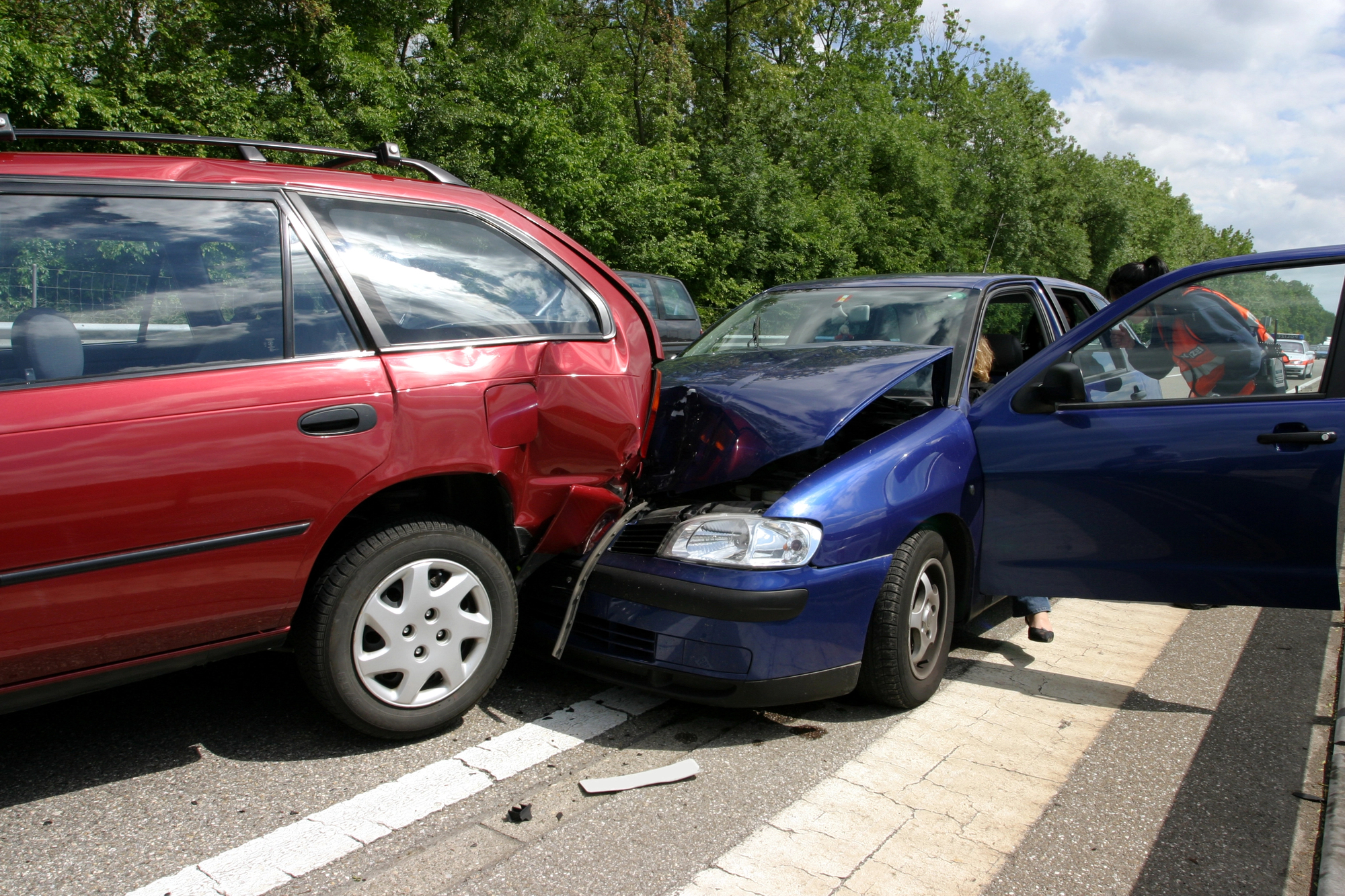
When someone rolls through a stop sign in their path, they are not just impacting themselves. At intersections, we expect pedestrians, cyclists, and motorists to behave predictably. That predictability is disrupted when one driver fails to stop, which is why rear-end crashes can be dangerous.
Community Effects
Failure to stop at a sign impacts the community at large. Whenever citizens fail to stop at stop signs, public trust becomes an important matter to discuss. Residents want drivers to obey the laws of the road to keep their neighborhoods safe. Repeated violations could heighten tensions over road safety and erode trust.
Economic Consequences
There are financial implications for traffic offenses. In addition to fines, drivers will face higher insurance costs. Insurance companies consider traffic offenses a higher risk, leading to higher premiums. Eventually, those additional costs can weigh you down.
Addressing the Issue
This is one reason why education is fundamentally important in this issue. Perhaps you are one of the many drivers who do not realize the significance of stop signs. Traffic safety campaigns could raise awareness of the nonresponsive nature of this form of disobedience. In some cases, law enforcement will perform these “blitz” operations precisely to deter people from violating the traffic code.
Technological Solutions
Advances in technology provide alternatives to old-school methods of addressing traffic violations. Some of the latest technological advancements, such as red-light cameras, are automated and capture photos of drivers not coming to a complete stop. Law enforcement uses these systems as evidence and as a deterrent. That said, they should also be executed with an eye towards privacy challenges and equitable enforcement.
Encouraging Safe Driving Habits
Understanding the responsibility that comes with driving is the first step in cultivating safe driving habits. Drivers are advised to be more vigilant and exercise caution at junctions. This is absolutely essential, as sometimes animals can be found unpredictably, depending on the location. Also, intersections may seem light on traffic but require sharp eyes. Giving yourself enough time to travel will also help you avoid the temptation of rushing through stop signs, where patience is tested.
Wrapping Up
Stopping at a stop sign seems like such an easy thing to do, right? And yet, it is not that simple. Not being compliant has severe implications, from legal issues to safety issues. Realizing that a single infraction can make a difference, drivers can understand just how vital they are to road safety.
In the end, the answer lies in creating an ecosystem of accountability and awareness. By creating education, enforcement, and technology programmes, communities can work together to help make roads safe for all.