NASCAR returns to The Monster Mile May 15-16, 2027, featuring the NASCAR O’Reilly Auto Parts Series and a NASCAR Cup Series points-paying race
Dover Motor Speedway hosts Cup Series competition for the 58th straight year
Dover’s lauded Fan Zone returns with even more unexpected surprises and free fun
DOVER, Del. (Aug. 12, 2026) – Dover Motor Speedway officials announced today that NASCAR’s best will make a mid-May return to The Monster Mile in 2027. The stars of the NASCAR Cup Series will return for a 400-mile points-paying race on Sunday, May 16 and will be joined by the NASCAR O’Reilly Auto Parts Series in the Bet Rivers 200 on Saturday, May 15.
Outside the oval, Dover Motor Speedway’s popular Fan Zone will again treat fans to free entertainment and unexpected surprises all weekend long. Dover’s Fan Zone has become recognized as one of the best-in-class among all motorsports venues on the circuit. Growing larger and more entertaining every year, the Fan Zone features everything from driver appearances, live music, great food and drink, interactive fun, unique activations to family-friendly entertainment, offering something for fans of all ages before the green flag ever waves.
“Whether it’s a points race, an All-Star Race or a Chase race, one thing never changes—we work for the fans,” said Mike Tatoian, president and general manager of Dover Motor Speedway. “They are the heart of everything we do, and we’re constantly looking for ways to make every visit to The Monster Mile more entertaining than the last. Our goal is to create memories that last a lifetime, and we can’t wait to welcome everyone back next spring for another outstanding weekend on and off the track.”
Following a successful NASCAR All-Star weekend in 2026, Dover returns to its traditional NASCAR race weekend format with championship points on the line and another opportunity for fans to witness history at The Monster Mile.
The 2027 Cup Series race at Dover already has one compelling storyline as Denny Hamlin returns looking to win his fourth consecutive Cup Series race, and monster trophy, at The Monster Mile. No driver has ever won four straight Cup Series races at Dover, giving Hamlin an opportunity to make history at one of NASCAR’s most iconic venues.
The May 16 Cup Series race in Dover will continue one of NASCAR’s longest-running traditions as The World’s Fastest One-Mile Oval hosts the sport’s premier series for the 58th consecutive year and its 109th Cup Series event. Dover Motor Speedway is one of only 12 tracks in NASCAR history to have hosted more than 100 Cup Series races. Over the years, The Monster Mile has challenged every generation of NASCAR’s biggest stars, earning recognition as one of the sport’s most iconic and unique Speedway.
Additional information, including start times and television schedules, will be announced in the coming months.
Fans who attended 2026 events at Dover Motor Speedway can still renew their seats by contacting the Dover ticket office or by logging into their account online before Friday, Aug. 28. Renewal customers receive the best prices available, retain their preferred seat locations and are eligible for upgrades.
All fans can secure seats for the 2027 NASCAR weekend by visiting DoverMotorSpeedway.com or calling 1-800-441-RACE.
Stay up to date by following Dover Motor Speedway on Facebook, X, Instagram and TikTok (@MonsterMile) for the latest news and announcements.
About Dover Motor Speedway
Since 1969, Dover Motor Speedway has hosted NASCAR’s biggest stars at the World’s Fastest One-Mile Oval. Nicknamed The Monster Mile, the high-banked concrete oval has earned a reputation as one of the most demanding tracks in motorsports while creating unforgettable memories for generations of race fans. Dover Motor Speedway is owned by Speedway Motorsports, a leading marketer, promoter and sponsor of motorsports entertainment in the United States.
May 19, 2024: at North Wilkesboro Speedway in North Wilkesboro, NC (HHP/Jim Fluharty)
North Wilkesboro Speedway’s comeback continues with a historic, first-ever NASCAR tripleheader race weekend May 21-23, 2027
The weekend features the NASCAR CRAFTSMAN Truck Series, NASCAR O’Reilly Auto Parts Series and the 43rd running of the NASCAR All-Star Race; NWS will celebrate its 80th birthday on race week, after the speedway opened as a dirt track with its first race on May 18, 1947
The Sunday night All-Star Race marks the 35th anniversary of “One Hot Night”, one of the most notable events in NASCAR history, which took place at Charlotte Motor Speedway in 1992; the O’Reilly Auto Parts Series race on May 22 will mark the series’ first visit to NWS since 1985
Affordable weekend ticket packages and half-price NASCAR kids’ tickets in select sections are on sale at www.NorthWilkesboroSpeedway.com or by calling 336-844-4735
NORTH WILKESBORO, N.C. (Aug. 12, 2026) – For a speedway deeply rooted in making NASCAR history, the most historic week in 80 years at North Wilkesboro Speedway will take place in May of 2027. The iconic, five-eighths-mile oval will host its first NASCAR tripleheader race weekend May 21-23.
After a trip to Dover Motor Speedway for an afternoon running of the NASCAR All-Star Race earlier this year, the star-studded spectacle returns to prime time under the lights at NWS to celebrate the 35th anniversary of “One Hot Night,” the first All-Star Race at night in 1992.
“Thanks to Bruton Smith and Humpy Wheeler, ‘One Hot Night’ at Charlotte Motor Speedway was the first superspeedway NASCAR race under the lights, and that’s when I truly became a race fan,” said Speedway Motorsports President and CEO Marcus Smith. “There was electricity in the air, and an entire generation of race fans was captivated by it. We’ve seen the same excitement amongst fans at North Wilkesboro every day and night we’ve been on track since re-opening. It’s a pilgrimage every NASCAR fan should take, and now we have the biggest race week ever to look forward to for 2027.”
Like ‘One Hot Night’ under the lights, the NASCAR All-Star Race has a history of trying things both for fun and competition. One-off paint schemes, double-file restarts, different rule packages, stage-racing, inversions, promoter cautions, under-car neon lighting and more have been a part of All-Star Race history, and in some cases, are now staples in the sport. 2027 may feature another twist as the industry considers how North Wilkesboro could be the ultimate Cup Series test track for future improvements. NASCAR plans to collaborate with teams, the track and drivers to add a unique element to the event, which could include adjustments to the race format itself or to the technical elements of the race car.
“I’ve always considered All-Star the race of innovation,” added Smith. “It’s such a unique opportunity for the race teams, NASCAR and the speedway to be bold, take some chances, have fun and just see what happens.”
Since NWS reopened to NASCAR in 2023, the NASCAR CRAFTSMAN Truck Series has been part of the schedule and this year will run on Friday, May 21. For the first time since 1985, the NASCAR O’Reilly Auto Parts Series competes on Saturday, May 22. Sunday’s grand finale on May 23 will be the NASCAR All-Star Race with a winner’s purse of $1 million dollars, the largest single all-star payout to an individual athlete in professional sports, matched only by the winner of Major League Baseball’s Home Run Derby.
“Four years ago, on the steps of the North Carolina Museum of History in Raleigh, we announced what many believed was impossible—that NASCAR was returning to North Wilkesboro Speedway,” said NASCAR Chief Operating Officer Ben Kennedy. “Today, seeing this iconic venue host a historic NASCAR tripleheader weekend is a testament to just how extraordinary that revival has been. North Wilkesboro has once again become a place where NASCAR’s rich history, current momentum and exciting future come together. We’re incredibly proud of what this weekend represents—not only for this legendary track, but also for the community that helped bring it back and for the continued growth of our sport.”
Fans who visit North Wilkesboro Speedway in 2027 will also celebrate a milestone 80th birthday for NASCAR’s oldest track, which hosted its first race on May 18, 1947. Contested on a dirt oval, the race was won by Fonty Flock. Two years later, North Wilkesboro hosted the finale of NASCAR’s inaugural strictly stock season on Oct. 16, 1949. That race, the Wilkes 200, was won by Bob Flock in the series now known as the NASCAR Cup Series. After closing in 1996, the speedway underwent a miraculous restoration between 2022 and 2023, reopening with the NASCAR All-Star Race weekend in 2023. The historic 0.625-mile short track has hosted sellout Cup Series events including three All-Star races for the past four years.
Affordable weekend ticket packages and half-price NASCAR kids’ tickets in select sections are available now at www.NorthWilkesboroSpeedway.com or by calling 336-844-4735. Race week on-track and fan event schedules, broadcast networks, green flag start times and NASCAR All-Star Race eligibility and format details will be announced at a later date.
The automotive industry is in the midst of a major transformation, and electric motors are at the forefront for higher performance, better efficiency and cleaner mobility. Today’s electric vehicles (EVs) are demonstrating that sustainability doesn’t mean you have to slow down or lose power. With the increasing needs of the development of motor technology, reliable producer as unitechmotor always support the solution for innovation in the field of electric motor. To see the latest products and/or technologies, get more information from the following resources
Instant Power and Superior Performance
Compared with conventional internal combustion engines, electric motors produce instant torque, enabling vehicles to accelerate quickly from a stop. This immediate response contributes to improved driving dynamics and enriches the overall driving experience. High-performance EVs have reached parity with, and often outperform, traditional sports cars, demonstrating the extraordinary power of contemporary electric motor technology. For reliable industrial motor solutions, turn to the expertise of unitechmotor for innovative products engineered to deliver performance and durability.
Energy Efficiency and Sustainability
Electric motors turn a far greater proportion of the electrical energy into useful power than gasoline engines do. They also have fewer moving parts which decreases maintenance cost and increases long term reliability. In combination with a regenerative braking system, the electric motor contributes to energy efficiency, while also assisting in the global reduction of carbon emissions. If you would like to gain further insights on efficient motor technologies, keeping up with industry developments is a must.
Driving the Future of Mobility
The future vehicles will use smarter, lighter, and more efficient electric motor systems. Battery technology advances, intelligent motor controllers, and power electronics are all contributing to further driving range while enhancing overall vehicle performance. Passenger cars, commercial fleets and even autonomous vehicles electric motors are becoming the core of mobility for the future. Companies such as unitechmotor have an essential role in providing high quality motor solutions that keep pace with the changing requirements of the automotive industry.
Conclusion
Electric motors are transforming automotive performance with their unique combination of speed, efficiency, reliability, and environmental friendliness. They will continue to be at the core of the industry’s future as technology evolves. If you are an engineer, manufacturer or automotive enthusiast you’ll be able to learn MORE about the newest electric motor technologies and how these solutions are leading the way for the next generation of transportation.
Windows rarely fail all at once. More often, homeowners notice a gradual collection of problems, such as recurring moisture around the opening, frames that have become difficult to operate, or drafts that return after temporary fixes. Understanding these warning signs can help homeowners determine when continued maintenance deserves a closer evaluation.
Older window systems have spent years exposed to sunlight, rain, temperature changes, humidity, and routine operation. Those conditions can affect glass, seals, frames, hardware, and surrounding materials differently. A problem that initially seems minor may therefore involve more than the visible portion of the window.
National Glass & Construction can help homeowners evaluate whether Impact Window Replacement is appropriate when aging openings develop persistent performance concerns. Replacement decisions should consider the overall condition of the existing system rather than one isolated symptom. A careful assessment can distinguish manageable maintenance needs from deterioration that has become increasingly difficult to address effectively.
Recognize When Window Problems Become a Pattern
One minor window issue does not automatically mean an entire unit needs replacing. However, repeated problems affecting the same opening can indicate that the existing system is no longer performing consistently.
Homeowners should pay attention to how frequently they address drafts, moisture, sticking components, damaged seals, or deteriorating frame areas. Repeated service needs can reveal a pattern that individual repairs may temporarily conceal.
Keeping simple records can make this easier. Dates, photographs, and notes about recurring symptoms provide useful context when a professional evaluates the window.
Look Beyond the Visible Glass Surface
Glass is the most noticeable part of a window, but it represents only one component of the complete assembly. Frames, seals, hardware, attachment points, and surrounding wall connections all contribute to dependable performance.
A pane that appears intact does not necessarily mean everything around it remains in good condition. Water or air can sometimes enter around deteriorated transitions without obvious damage to the glass itself.
For that reason, homeowners should avoid evaluating an aging window solely from across the room. The entire opening deserves attention when performance problems repeatedly return.
Investigate Recurring Moisture Around Window Openings
Water appearing near a window should never be dismissed simply because the amount seems small. Moisture can originate from different conditions, and determining the source is more useful than repeatedly cleaning the visible evidence.
Watch Where Moisture Appears
Staining around trim, damp areas near corners, or changes in surrounding finishes can provide useful clues. Homeowners can document when these symptoms appear and whether they correspond with particular weather conditions.
Avoid Assuming Every Leak Has One Cause
The visible location of moisture does not always identify its exact entry point. A professional evaluation can consider the window and surrounding materials together before recommending corrective work.
Examine Aging Frames for Physical Changes
Window frames can show their age through cracking, warping, deterioration, separation, or other visible changes. These conditions may affect appearance while also influencing how well the window closes and seals.
Physical changes deserve additional attention when they continue progressing. A frame that no longer maintains its intended shape may create operational difficulties or allow gaps to develop around moving components.
National Glass & Construction can assess these conditions within the broader window opening. Understanding whether deterioration is superficial or performance-related helps homeowners make more informed improvement decisions.
Notice Windows That Become Difficult to Operate
A dependable window should perform its intended opening, closing, and locking functions without excessive effort. Changes in operation can signal that components need maintenance or that the system has experienced movement or deterioration.
Homeowners may notice windows sticking, failing to close smoothly, or requiring unusual force. Hardware can also become worn after years of regular use.
Occasional adjustment may resolve some concerns, but persistent operational problems deserve closer evaluation. Ease of use matters because windows should remain practical parts of the home rather than features occupants avoid using.
Pay Attention to Persistent Drafts
Drafts near windows can make rooms feel uncomfortable even when the heating or cooling system is operating normally. Older frames, worn seals, or gaps around an opening may contribute to unwanted air movement.
Homeowners sometimes respond by applying temporary sealing products each season. While certain maintenance measures may be appropriate, repeatedly treating the same draft can indicate that the underlying condition deserves professional attention.
Identifying where air movement originates is essential. The correct response depends on whether the concern involves a serviceable seal, another window component, or broader deterioration around the opening.
Consider the Age of Multiple Windows Together
Homes constructed or renovated at one time often contain windows of similar age. If several units begin developing comparable problems, homeowners may benefit from evaluating them as a group.
This does not mean every window automatically requires the same response. Exposure varies across a property, so windows facing intense sunlight, prevailing weather, or sheltered areas may age differently.
Comparing conditions can nevertheless reveal useful patterns. It allows homeowners to prioritize the most problematic openings while understanding how other windows of similar age are performing.
Understand the Limits of Repeated Temporary Repairs
Temporary solutions can be useful when they address a specific manageable problem. They become less practical when the same symptoms return shortly afterward or when several different components begin requiring attention.
Repeatedly sealing, adjusting, or patching an extensively deteriorated system can consume time without addressing broader aging. Homeowners should consider whether continued maintenance is producing dependable results.
Impact window replacement Miami, FL may become worth discussing when repairs no longer provide a reasonable long-term response to recurring problems. The decision should still reflect actual window condition rather than age alone.
Evaluate Surrounding Materials Before Replacement
An aging window can sometimes conceal concerns around the opening that are not immediately visible. Once persistent leaks or deterioration have been identified, surrounding materials may also deserve evaluation.
Moisture can affect trim, finishes, and other nearby components depending on the source and duration of exposure. Identifying these conditions before work begins helps establish a more realistic project scope.
A professional assessment can clarify which concerns belong to the window itself and which involve adjacent areas. This distinction helps homeowners avoid assuming that replacing one component automatically resolves every surrounding issue.
Think About Function as Well as Appearance
Aging windows can make a home look dated, but appearance should not be the only reason for evaluating replacement. Operation, weather resistance, sealing, and overall condition provide more meaningful information about performance.
Homeowners can certainly consider frame styles and visual updates when planning a project. Those decisions should complement practical requirements rather than overshadow them.
A successful improvement should address the reasons the existing windows are no longer meeting household needs. Attractive products provide greater value when their performance characteristics also suit the property.
Plan Replacement Before Problems Become Urgent
Waiting until a window becomes severely damaged can limit the time available for thoughtful planning. Homeowners who recognize developing problems earlier can evaluate options without the pressure created by an immediate failure.
Advance planning provides time to review window conditions, determine priorities, consider product choices, and understand the project process. It can also help households prepare rooms before work begins.
This approach is particularly useful when several aging windows may eventually need attention. A planned project is generally easier to organize than reacting separately to one urgent problem after another.
Prepare Interior Areas for Window Work
Once replacement is scheduled, homeowners can make the work area easier to access. Furniture, curtains, decorations, and fragile belongings near affected openings may need to be moved temporarily.
Clear access allows installers to work around the opening without unnecessary obstacles. Homeowners should follow project-specific instructions because preparation requirements can vary according to window location and property conditions.
Planning for pets and household routines can also reduce disruption. Knowing which rooms will be affected allows occupants to organize their day around the scheduled work more comfortably.
Keep Records After New Windows Are Installed
Window care should continue after a replacement project is complete. Homeowners can retain product information, project documentation, warranty materials, and maintenance guidance for future reference.
Routine cleaning and periodic observation make it easier to become familiar with normal window operation. Changes can then be recognized sooner instead of remaining unnoticed for extended periods.
National Glass & Construction can provide information related to the completed project and installed products. Organized records give homeowners a clearer history if maintenance questions arise years later.
Make Replacement Decisions From Overall Condition
Aging windows can communicate their condition through recurring leaks, deteriorated frames, persistent drafts, difficult operation, and repeated maintenance needs. No single symptom automatically determines the correct solution, which is why evaluating the complete opening remains important.
Impact Window Replacement can provide a practical path forward when existing systems have developed multiple persistent problems that temporary corrections no longer address effectively. Homeowners should consider physical condition, operating performance, moisture concerns, repair history, and the condition of surrounding materials before reaching a decision.
Careful planning turns window replacement from a reaction to one frustrating symptom into a considered home improvement decision. By recognizing patterns early and evaluating the causes behind them, homeowners can choose an appropriate response while improving the reliability and usability of important exterior openings.
Wildfire preparation often begins with a simple idea: remove vegetation near buildings. The reality is more detailed because fire behavior depends on how grasses, shrubs, branches, trees, and accumulated debris relate to one another. A property with fewer plants is not automatically better prepared if the remaining vegetation still creates continuous paths toward structures.
Defensible space planning looks at those relationships instead of treating every tree or shrub as a problem. Spacing, plant condition, vertical arrangement, access, and the location of combustible material all influence how vegetation should be managed. Top-Rated Colorado Land Clearing & Fire Mitigation fits into this broader approach when clearing decisions are based on actual site conditions rather than removing growth without a clear purpose.
A useful plan starts close to important structures and then considers conditions farther across the property. Bear Claw Land Services works within this type of land-management setting, where vegetation decisions may involve clearing, tree work, brush control, and fire mitigation. Understanding how defensible space is organized gives property owners a better framework for deciding which areas deserve attention first.
Defensible Space Is About Arrangement, Not Bare Ground
Clearing every plant from a large area is not the basic goal of defensible space. Vegetation can remain part of a managed property when its location and condition do not create obvious fuel connections. The bigger concern is continuous combustible material that gives fire a route from ground vegetation into shrubs, tree crowns, fences, decks, or buildings.
A dense patch of dry brush beneath low tree branches illustrates the problem. Fire moving through the brush has a nearby path upward, where branches may carry flames into higher vegetation. Breaking that connection requires examining both horizontal spacing across the ground and vertical spacing between different layers of plant material.
This is why land clearing Colorado should begin with observation rather than machinery. Property owners need to identify where vegetation forms uninterrupted pathways and where isolated plants can reasonably remain. Bear Claw Land Services can be considered in the context of this larger vegetation-management process without assuming that every wooded section requires the same treatment.
Start With the Areas Closest to Structures
The space immediately surrounding a home, barn, workshop, or other building deserves careful attention because combustible items near walls create direct exposure. Dry leaves trapped beside foundations, dead plants, fallen needles, stacked woody debris, and branches touching structures are different concerns from healthy trees located farther away.
Moving outward changes the management objective. Instead of trying to create an empty zone, property owners can focus on reducing dense fuel concentrations and interrupting connections between plants. Top-Rated Colorado Land Clearing & Fire Mitigation may therefore involve several types of vegetation work rather than one uniform clearing method across an entire parcel.
Access also matters near structures. Narrow routes blocked by brush, low limbs, or fallen material make routine maintenance harder and may complicate movement during an emergency. Keeping important routes visible and passable should be considered alongside vegetation spacing instead of being treated as a separate property-improvement project.
Look for Fuel Ladders Between Ground and Tree Crowns
Vegetation becomes more concerning when different layers overlap. Tall grasses may meet shrubs, shrubs may reach low branches, and those branches may connect with dense tree crowns. This arrangement creates what is commonly described as a ladder of fuels because fire has opportunities to move upward through successive vegetation layers.
Removing every mature tree is not necessarily the logical response. Lower dead branches, dense understory growth, small crowded trees, and accumulated woody material may deserve attention before healthy canopy trees. The objective is to identify connections that allow fire to move through vegetation more easily.
A site review associated with Bear Claw Land Services could involve considering these physical relationships before deciding where clearing is appropriate. The useful question is not simply how much vegetation exists. Property owners should examine where vegetation touches, overlaps, crowds access routes, or creates concentrated pockets of combustible material.
Different Parts of a Property Need Different Treatment
Large properties rarely have uniform conditions. One section may contain mature trees with relatively open ground beneath them, while another has young trees mixed with dense shrubs and fallen branches. Applying the same clearing intensity everywhere can remove vegetation unnecessarily while leaving more troublesome areas insufficiently addressed.
Terrain changes the picture as well. Slopes, narrow access points, drainage areas, rocky sections, and developed spaces affect where equipment can operate and how vegetation work should be organized. Planning Top-Rated Colorado Land Clearing & Fire Mitigation around these site differences allows attention to be directed toward actual fuel concentrations and important use areas.
Future land use should also influence decisions. A route intended for regular vehicle access needs different clearance than a lightly used wooded boundary. Areas around sheds, fences, utilities, trails, and gathering spaces each present different maintenance needs, so mapping property functions before clearing begins prevents random or excessive vegetation removal.
Dead Material Deserves Its Own Inspection
Living vegetation receives much of the attention during clearing discussions, but accumulated dead material is easy to overlook. Broken limbs, fallen trees, dry brush piles, dead shrubs, and heavy layers of woody debris add combustible material without providing the same environmental or visual value as healthy plants.
Storms can change these conditions quickly. A previously maintained area may collect branches or damaged trees after severe weather, while seasonal growth may hide debris that was previously easy to see. Periodic inspection gives property owners a chance to find these changes before accumulation becomes difficult to manage.
This type of follow-up work also explains why defensible space should not be viewed as a single project. Bear Claw Land Services operates in a field where vegetation conditions continue changing after initial clearing. A useful maintenance plan therefore identifies areas that should be revisited instead of assuming one treatment permanently resolves fuel concerns.
Avoid Creating New Problems Through Excessive Clearing
Removing vegetation without considering soil and site conditions may produce unintended maintenance issues. Disturbed ground can become vulnerable to unwanted regrowth, and suddenly opening a heavily shaded area may change which plants establish there. Clearing plans should account for what will happen after machinery leaves the site.
Retaining suitable vegetation also preserves the character and function of wooded property. The goal is to separate problematic fuel concentrations while keeping healthy plants where they fit the management plan. Top-Rated Colorado Land Clearing & Fire Mitigation works best as a targeted concept rather than a reason to strip vegetation indiscriminately.
Property owners should also decide how removed material will be handled before work begins. Branches, logs, brush, and chipped material require space and a defined destination or use. Including material handling in the original plan reduces the chance that clearing simply relocates combustible debris from one part of the property to another.
Build Maintenance Into the Initial Design
Vegetation does not stop growing after defensible space is established. Grasses return, shrubs produce new shoots, trees drop branches, and wind moves organic debris into previously cleared areas. Maintenance requirements should therefore influence how the original work is designed.
Areas that are difficult to reach will also be difficult to maintain. Creating practical equipment access and clearly defined management zones makes future inspections easier. Work connected with Bear Claw Land Services can be viewed as one part of an ongoing property-management cycle rather than an isolated response to heavy growth.
A simple inspection schedule should focus on visible changes rather than arbitrary clearing. Property owners can watch for new brush beneath trees, dead limbs, fallen material, blocked access routes, and vegetation beginning to reconnect previously separated fuel areas. Those observations provide a clearer basis for deciding when another round of management is justified.
A Better Defensible Space Plan Starts With Priorities
Effective vegetation management depends on understanding where combustible material sits, how different plant layers connect, and which structures or access routes require the greatest attention. Treating an entire property as one clearing zone misses these distinctions and may direct effort away from the places where it has the clearest purpose.
A stronger plan divides the property into practical areas, identifies fuel connections, considers future maintenance, and preserves suitable vegetation where possible. It also accounts for dead material and regrowth instead of focusing only on standing trees. These decisions create a defensible space plan that remains understandable and manageable after the initial work is finished.
The most useful question is not how much vegetation can be removed. It is which vegetation creates unwanted connections and what changes will keep those connections from returning. Building land management around that question produces a more deliberate approach to wildfire preparation while keeping the property usable for its intended purpose.
A roofing system contains several areas where different materials and structural features meet. Chimneys, vents, skylights, and roof intersections interrupt the continuous roofing surface, creating locations that require additional protection against water. Flashing helps manage these transitions by directing moisture away from openings and vulnerable joints.
Problems can develop when flashing loosens, cracks, separates, corrodes, or no longer forms an effective barrier around a roof feature. Because water can travel beneath roofing materials before becoming visible indoors, the source of a leak may be difficult for homeowners to identify. A ceiling stain does not necessarily sit directly below the exterior opening responsible for it.
Homey Roofing and Restoration can use Roof Repair to address these vulnerable areas after evaluating the condition of the surrounding roofing system. The company’s existing material identifies damaged flashing around chimneys, skylights, vents, and intersections as a potential source of hidden leaks. Understanding how these components work helps homeowners recognize why localized moisture problems deserve careful attention.
Why Flashing Is Important to Roof Performance
Roofing materials are designed to shed water across broad surfaces, but openings create more complicated transitions. Flashing provides additional protection where water might otherwise enter through seams, edges, and joints.
These components must work together with shingles, underlayment, and surrounding materials. A weakness in one small transition can affect areas beneath the visible roof surface.
Flashing problems therefore should not be judged solely by their physical size. A relatively small opening can allow repeated moisture intrusion during rain or melting snow, gradually affecting materials below.
Chimneys Create Several Vulnerable Roof Transitions
A chimney passes directly through the roofing system, creating multiple sides where water must be redirected. Each transition needs appropriate protection because rain can move around the chimney from several directions.
Weather exposure and normal material movement can gradually affect these areas. Small separations may develop where different components meet, particularly as materials expand and contract during temperature changes.
Homeowners may first notice an interior stain or dampness near the chimney area. Professional evaluation can determine whether flashing, surrounding roofing, or another nearby component is contributing to the problem.
Roof Vents Require Careful Sealing and Inspection
Roof vents perform useful functions, but every penetration creates another transition within the roofing surface. The materials around the vent must prevent moisture from entering while allowing the component itself to perform properly.
Look Beyond the Visible Vent
The vent may appear undamaged even when surrounding materials have deteriorated. Inspection should include the transition between the vent and roofing surface rather than focusing only on the visible fixture.
Watch for Changes Around the Opening
Cracking, separation, displaced materials, or signs of moisture may indicate that the surrounding area needs attention. These conditions can become more significant after repeated weather exposure.
Evaluating the complete penetration provides better information than examining one component independently.
Skylights Combine Roofing and Window-Like Features
Skylights introduce a larger opening than many roof vents, making the surrounding transitions particularly important. Their location on a sloped roofing surface means water must be directed effectively around the entire unit.
A leak near a skylight does not automatically mean the skylight itself has failed. Surrounding flashing, roofing materials, or nearby transitions may contribute to moisture intrusion.
This distinction matters because the appropriate correction depends on the actual source. Replacing or sealing the wrong component may leave the underlying water pathway unchanged.
Understand Why Water Can Appear Far From the Source
Roof leaks can be deceptive because water does not always move directly downward after entering. It may travel along decking, rafters, or other structural components before appearing on an interior ceiling or wall.
The existing Homey Roofing and Restoration material specifically notes that visible staining may occur away from the actual entry point. This is one reason visual evidence inside the home should be treated as a clue rather than a precise map.
Tracing moisture requires evaluating both the visible symptom and roofing conditions above it. A broader inspection can help connect interior evidence with possible exterior vulnerabilities.
Weather Can Affect Flashing Over Time
Roof components experience repeated exposure to rain, wind, sunlight, and temperature changes. These conditions can gradually affect the connections between flashing and surrounding materials.
Expansion and contraction are particularly relevant around transitions. Different materials may respond differently as temperatures rise and fall, creating stress around seams and attachment points.
Severe weather can accelerate existing weaknesses. After significant storms, evaluating vulnerable roof features can help identify changes that may not be obvious from ground level.
Small Flashing Defects Can Affect Surrounding Materials
A localized flashing problem does not necessarily remain limited to the metal or transition where it began. Moisture entering beneath roofing materials can reach underlayment, decking, insulation, and interior finishes.
This progression may occur gradually. Homeowners might not recognize the issue until staining, dampness, or another interior symptom becomes noticeable.
Timely Roof Repair can focus on correcting the source before repeated moisture exposure affects a larger area. The scope should be based on inspection findings because surrounding materials may also require evaluation after prolonged leakage.
Attic Conditions Can Provide Useful Clues
An attic can sometimes reveal moisture concerns before obvious damage appears in occupied rooms. Damp insulation, discoloration, musty odors, or unusual moisture may indicate that the roofing system requires closer examination.
The existing company material identifies attic moisture as one potential sign of roofing problems. It also notes that moisture can affect insulation performance and wooden structural components when concerns remain unresolved.
Homeowners should avoid assuming the precise source based on attic evidence alone. Flashing is one possibility among several roofing conditions that may allow moisture to enter.
Repairs Should Consider Nearby Roofing Materials
Correcting flashing without examining the surrounding roof can overlook related deterioration. Shingles near the affected feature may have experienced weathering, displacement, or prolonged moisture exposure.
Homey Roofing and Restoration can evaluate these nearby components as part of determining the appropriate project scope. The objective is to understand whether the problem remains concentrated around the transition or has affected adjacent materials.
This complete view also helps avoid unnecessary work. When the surrounding roof remains serviceable, a localized correction may be more appropriate than assuming extensive work is automatically required.
Avoid Relying on Interior Symptoms Alone
Buckets, stains, or damp areas tell homeowners that moisture may be entering, but they do not explain why. Attempting to solve the problem only from inside the building may address the symptom without correcting the exterior pathway.
Similarly, adding material around a suspected opening without identifying the actual weakness may not provide a dependable solution. Roofing transitions involve multiple components that need to function together.
A professional assessment can evaluate how water is likely moving across and beneath the roof. This information helps determine which component requires attention and whether nearby areas have also been affected.
Include Flashing in Routine Roof Evaluations
Homeowners commonly think about shingles first when considering roof condition. Flashing deserves similar attention because it protects some of the system’s most complicated transitions.
Routine evaluations can include chimneys, skylights, vents, roof intersections, and other penetrations. Professionals can look for separation, deterioration, displacement, or other conditions that may affect moisture protection.
Regular inspection is particularly valuable because many flashing areas are difficult to evaluate safely or accurately from ground level. Identifying changes before interior symptoms develop can simplify future maintenance decisions.
Pay Attention After Strong Storms
Wind and falling debris can affect roofing components without creating immediately obvious damage. Flashing around roof features may deserve inspection when severe weather has affected the property.
Homeowners should avoid climbing onto a damaged or wet roof to investigate these areas personally. Ground-level observations and interior signs can provide useful information to share with a professional.
Photographs of stains or changes noticed after a storm can also help document when symptoms appeared. This information may provide additional context during an inspection.
Know When Professional Evaluation Is Appropriate
Visible water staining, attic moisture, changes around roof penetrations, or recurring leaks are reasonable signs that professional evaluation may be needed. Waiting for a small symptom to become severe can allow moisture additional time to affect surrounding materials.
Effective Roof Repair begins with identifying the actual source rather than making assumptions from the location of an interior stain. Flashing, shingles, vents, skylights, and nearby roofing components should be considered together when appropriate.
A careful assessment helps homeowners understand whether a problem is localized and what surrounding areas require attention. That information supports a repair decision based on roof conditions rather than guesswork.
Protect Vulnerable Roof Transitions With Timely Attention
Chimneys, vents, and skylights are useful features, but each creates transitions that require dependable protection against moisture. Flashing helps manage these vulnerable areas by directing water away from seams and openings where different components meet.
Problems around these transitions can be difficult to identify because water may travel before becoming visible indoors. Monitoring attic conditions, watching for staining, considering recent weather, and including flashing in routine evaluations can help homeowners recognize concerns earlier.
Homey Roofing and Restoration can assess vulnerable roof features and surrounding materials to determine an appropriate response. Giving flashing the same attention as more visible roofing components helps preserve the performance of the complete system and reduces the chance that a small transition problem will remain unnoticed while moisture spreads beneath the surface.
Bed bugs can quickly turn a normal night into a frustrating experience. You may find yourself doubting the amount of cleaning you do because of small bites, stains on bedding, and seeing the same thing more than once. Worse, these pests can hide in mattresses, bed frames, couches, cracks, and other hard-to-reach areas, making them difficult to remove completely.
The appropriate treatment varies depending on the infestation size and location of bed bugs hiding. There are those that deal with the elimination of visible pests and others that deal with hidden insects and reduce the likelihood of the problem reoccurring. Professional treatment can also be combined with other approaches to provide better coverage.
Several treatment methods can help control bed bugs, depending on the severity of the infestation and where the pests are hiding. The following are five possible alternatives.
1. Professional Chemical Treatments for Targeted Bed Bug Control
Bed bugs can be treated professionally to eliminate them in the places where they are likely to be. Before applying treatment, technicians may examine bedrooms, living rooms, furniture, bed frames, couches, cracks and surrounding areas. This check assists in determining where the products are to be applied as opposed to spraying the entire house without a clear plan.
Various products may have different uses. Liquid treatments may provide both short-term and longer-term control, while dry products can be applied to cracks and crevices where bed bugs may hide.
The local conditions may also influence the approach to bed bug treatment. As an example, Littleton homes might need bedrooms, living rooms, and furniture to be carefully inspected prior to the start of treatment. In case you require local support, an exterminator in Littleton can visit such places and see which treatment strategy is suitable for the infestation.
2. Heat Treatments for Elimination Across Infested Areas
Heat treatment uses elevated temperatures to target bed bugs throughout an affected space. This approach can be useful because bed bugs may hide in places that are difficult to reach with surface applications.
The process requires controlled temperature levels and careful monitoring. Professional technicians typically assess the space first and determine whether heat treatment is suitable for the property. Items and areas that could be damaged by high temperatures may also need special attention.
One advantage of heat is its ability to reach areas around furniture, bedding, and other spaces where bed bugs may be present. However, proper preparation is important. If certain areas remain untreated or bed bugs are introduced again later, another infestation can develop.
3. Steam Treatments for Bed Bug Removal in Hidden Areas
Steam treatment provides another option for targeting bed bugs in specific locations. High-temperature steam can be directed toward seams, cracks, mattress edges, furniture joints, and other potential hiding spots.
This method can be especially useful when treating areas that need close attention. However, steam does not automatically solve every infestation. Bed bugs can hide deep inside furniture or other inaccessible areas, so treatment must be applied carefully and systematically.
For that reason, steam is often more useful as part of a broader treatment strategy. You can also combine professional treatment with careful inspection and preparation. Washing and drying suitable fabrics, reducing clutter, and following post-treatment instructions can help support the overall process.
4. Vacuuming And Physical Removal for Immediate Control
Vacuuming can help remove bed bugs, eggs, shed skins, and debris from areas you can reach. It works well on mattresses, bed frames, furniture, carpets, and nearby floors.
You can also use it around seams, edges, cracks, and other spots where bed bugs may hide. However, vacuuming alone may not remove an established infestation. Bed bugs can stay inside narrow gaps and protected areas that a vacuum cannot reach. Some eggs may also remain hidden in places that are difficult to spot.
For this reason, vacuuming is more useful as part of a wider treatment plan. Before vacuuming, inspect the area carefully to identify possible hiding spots. Use suitable attachments to reach seams, corners, and cracks.
After cleaning, empty the vacuum carefully and dispose of its contents properly. This helps reduce the risk of surviving bed bugs spreading to other areas.
5. Integrated Treatments for Long-Term Bed Bug Prevention
An integrated approach combines several control methods instead of depending on one treatment alone. This can include detailed inspection, targeted chemical applications, physical removal, steam, preparation, and follow-up checks based on the situation.
The goal is to address both visible activity and potential hiding places. This matters because treating only the areas where you notice bites or insects may leave other parts of the infestation untouched.
Post-treatment steps are equally important. Follow access instructions, keep treated areas prepared as advised, and watch for further activity. Professional services may also provide guidance on possible entry points and prevention measures.
For example, the Littleton bed bug service includes targeted treatment of infested and adjacent areas, multiple liquid products, dry products in cracks and crevices, and post-treatment guidance.
Conclusion
Bed bug treatment works best when you match the method to the infestation and the areas affected. Chemical treatments can provide targeted control, while heat and steam can address pests in different locations. Vacuuming can support physical removal, but it usually works better as part of a wider plan. An integrated approach can combine several methods and include follow-up care.
Before selecting a treatment, consider where bed bugs are hiding and how extensive the problem may be. A careful inspection can help you choose a practical approach and reduce the chance of missing hidden activity.
Windows do more than let in natural light. They influence comfort, privacy, and the overall appearance of every room. Choosing the right window treatment can make a noticeable difference in how a space looks and functions throughout the day. With so many materials, colors, and operating styles available, homeowners often find it difficult to decide which option best suits their needs.
Many people begin their search by exploring products from trusted companies such as AAA Blind & Shutter Factory. Taking the time to compare styles, room requirements, and maintenance needs helps ensure that every choice adds both beauty and practicality to the home.
Why Window Treatments Matter
A well-chosen window covering serves several purposes beyond decoration. It controls sunlight, improves privacy, and contributes to indoor comfort. During warmer months, reducing direct sunlight can help keep rooms cooler. In colder seasons, properly fitted window coverings may reduce heat loss around windows.
The right choice also enhances the overall design of a room. Whether the goal is a modern appearance or a timeless style, selecting products that complement existing décor creates a more balanced living space.
Understanding Different Types of Blinds
Before making a purchase, it helps to understand the common styles available and where they perform best.
Vertical Designs
These are often installed on large windows and sliding glass doors. They move smoothly from side to side and provide flexible light control without taking up additional space.
Horizontal Designs
A popular choice for bedrooms, living rooms, and offices, horizontal styles offer adjustable slats that allow homeowners to regulate sunlight throughout the day while maintaining privacy.
Cordless Options
Safety has become a priority in many households, especially those with young children or pets. Cordless systems eliminate dangling cords while creating a cleaner appearance.
Matching Each Room with the Right Solution
Every room has unique lighting and privacy requirements. Choosing accordingly creates a more comfortable living environment.
Living Room
Living rooms often receive the most natural light. Homeowners usually want enough daylight to brighten the space without creating glare on televisions or computer screens. Adjustable window blinds Myrtle Beach allow users to control incoming light while maintaining an inviting atmosphere.
Neutral colors remain a popular choice because they coordinate easily with changing furniture and decorative accessories.
Bedroom
Bedrooms require greater privacy and better light management. Selecting materials that reduce incoming sunlight helps create a darker environment for restful sleep.
Homeowners who work night shifts or simply prefer a darker bedroom should consider options designed to block more light without sacrificing appearance.
Kitchen
Kitchen windows are exposed to moisture, cooking grease, and changing temperatures. Durable materials that resist warping and are easy to clean generally perform better than delicate fabrics.
Simple maintenance also saves time, making kitchen window treatments practical for busy households.
Bathroom
Bathrooms demand maximum privacy while still allowing natural light to enter. Moisture-resistant materials help prevent long-term damage and maintain their appearance even in humid conditions.
Choosing the Right Material
Material selection affects durability, maintenance, and overall style.
Wood
Wood provides warmth and classic appeal. It complements traditional interiors and adds natural character to many homes. However, it may require more care in humid environments.
Faux Wood
Faux wood offers a similar appearance while resisting moisture more effectively. This makes it suitable for kitchens, bathrooms, and laundry rooms where humidity levels fluctuate.
Aluminum
Aluminum products are lightweight, durable, and easy to maintain. They fit well in contemporary interiors and are available in numerous finishes.
Vinyl
Vinyl is often selected for its affordability and resistance to moisture. It works well in high-use areas while requiring minimal upkeep.
Factors to Consider Before Buying
Several practical considerations help narrow down available options.
Light Control
Think about how much sunlight enters each room throughout the day. Spaces exposed to direct afternoon sun may benefit from products that allow precise adjustment.
Privacy
Street-facing windows generally require greater privacy than those overlooking a backyard. Consider how much visibility you want during both daytime and evening hours.
Ease of Cleaning
Busy households often appreciate products that require only occasional dusting or simple wiping with a damp cloth.
Interior Design
Window treatments should complement flooring, wall colors, furniture, and decorative accents rather than compete with them.
Common Buying Mistakes
Many homeowners focus only on appearance while overlooking functionality. Avoiding several common mistakes leads to greater long-term satisfaction.
One frequent error is inaccurate measuring. Even attractive products can look unprofessional if they do not fit properly. Always measure carefully before ordering or arranging installation.
Another mistake is ignoring room conditions. Materials that perform well in a dry living room may not be suitable for a humid bathroom.
Some buyers also choose the least expensive option without considering durability. Spending slightly more on higher-quality materials often provides better value over time.
Simple Maintenance Tips
Proper care helps window coverings maintain their appearance for years.
Dust surfaces regularly using a microfiber cloth or vacuum attachment designed for delicate surfaces. This prevents dirt from building up over time.
For deeper cleaning, follow the manufacturer’s recommendations. Harsh chemicals may damage certain finishes, while mild soap and water are often sufficient for routine cleaning.
Inspect operating mechanisms occasionally to ensure smooth movement. Addressing small issues early helps prevent more expensive repairs later.
Working with Experienced Professionals
Although many homeowners install window coverings themselves, professional guidance can simplify the process. Experts understand proper measuring techniques, available materials, and design considerations that homeowners may overlook.
Many customers choose AAA Blind & Shutter Factory because experienced professionals can explain different options and help match products to specific rooms and household needs. Careful planning often leads to better long-term satisfaction with both appearance and functionality.
Final Thoughts
Selecting the right Blinds involves more than choosing a color or style. Every room has different lighting, privacy, and maintenance requirements that should influence the final decision. Taking time to compare materials, operating systems, and room conditions helps homeowners invest in products that continue performing well for years.
Whether updating a single room or renovating an entire home, thoughtful planning makes a noticeable difference. Homeowners who research their options and consult knowledgeable providers like AAA Blind & Shutter Factory are more likely to achieve attractive, practical results that complement both their lifestyle and interior design.
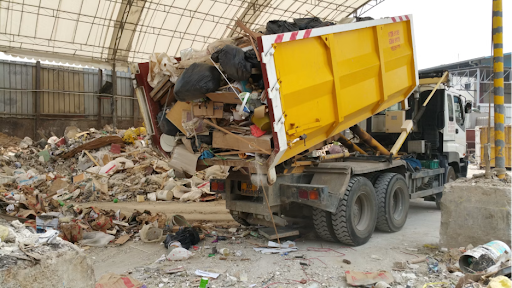
Debris is produced rapidly at construction sites. The first few days of any project are spent dealing with wood scraps and drywall remnants in addition to packaging trash. Such debris slows the crews and poses the risk of tripping on the site. In the absence of a clear strategy regarding waste elimination, the small setbacks can become larger scheduling issues, and these issues can be easily converted into more expenses.
This problem is addressed in advance by a construction dumpster. It provides each crew with a specific area where they can dump rubbish, maintains the site clean and safe, and shields the workers against avoidable risks.
An effective debris system modifies the way a build operates on the very first stage. Here are five ways it makes that difference.
1. Keep the Job Site Organized and Safe
A disorganized workplace is a slow workplace. In the absence of a system to place materials, packaging and demolition debris, workers waste time maneuvering around them rather than doing work. A construction dumpster rental can make an instant difference. It provides each crew member with one specific location to discard waste whenever it is produced.
Consequently, walkways remain uncluttered, and machines are able to traverse freely. Reduced barriers also imply reduced opportunities for trips, falls, or damaged materials. Because poor housekeeping is commonly identified as a violation during safety inspection, a special debris container can be used to comply with the standards as well.
In addition to safety, a well-structured site helps in enhanced communication. Crews are able to work on tasks allocated instead of picking up materials scattered about, and this structure extends to the day-to-day management of the entire project.
2. Match to Project Scope
The volume of waste generated is not the same for all builds. Even a minor renovation produces significantly less debris compared to a complete structural demolition, and the size of the container chosen is important. A size that is too small results in overflow and rework, whereas one that is too large costs the business money that cannot be used.
Smaller containers are suitable in interior remodels, minor repairs or single-room projects. Mid-sized options are applicable in bigger renovations that comprise flooring, cabinetry, or removing fixtures. With large builds that require framing, roofing, or complete demolition, a larger container accommodates the increased volume without having to change it frequently.
Tying the size to the scope also impacts the project budget directly. Extra charges are introduced by overweight loads or repeated pickups, which were not initially included in the plan. Estimating the volume of the debris before the project can eliminate these excess expenses in the future.
3. Reduce Downtime with On-Time Delivery and Pickup
Timing plays a large role in how smoothly a project runs. If a container arrives late or isn’t removed once full, work can come to a halt, and crews end up waiting instead of progressing through scheduled tasks.
Coordinating delivery and pickup around the project timeline prevents this disruption. A container that arrives before demolition begins allows debris removal to start immediately rather than after materials have already piled up. Scheduling pickup once a container reaches capacity avoids unnecessary waiting periods as well.
This kind of planning matters most on multi-phase projects. Each phase, from demolition to framing to finishing, produces different types and amounts of waste, so aligning removal schedules with these phases keeps momentum going.
4. Stay Compliant with Waste Disposal Regulations
Construction waste isn’t just inconvenient; it’s also regulated. Local ordinances often dictate what materials can be discarded together, how they should be sorted, and where they can legally be taken. Ignoring these rules can lead to fines or delays if a site is inspected mid-project.
Certain materials, such as paint, batteries, and other hazardous substances, typically require separate handling rather than standard disposal. Understanding these restrictions ahead of time prevents last-minute scrambling to find alternative disposal methods. It also protects the project from compliance issues that could stall progress.
Working with a system built around these regulations removes the guesswork. Instead of researching disposal rules mid-project, teams can follow guidelines already built into the process. This keeps the focus on construction rather than compliance paperwork.
5. Save Money by Avoiding Debris-Related Delays
Every delay on a construction site carries a cost. Idle labor, extended equipment rentals, and pushed-back deadlines all add up quickly. Much of this can be traced back to something as simple as unmanaged debris slowing down daily operations.
Planning waste removal as part of the project timeline, rather than as an afterthought, prevents these avoidable expenses. When debris is cleared consistently, crews can move from one task to the next without waiting on cleanup. This keeps labor hours focused on productive work instead of site management.
Over the course of a project, these small efficiencies accumulate into meaningful savings. A well-managed debris system isn’t just about cleanliness; it directly supports the budget and timeline that every project depends on.
Conclusion
Managing debris effectively changes how a construction project unfolds from start to finish. A safe, organized site, the right container size, timely pickups, regulatory compliance, and avoided delays all work together to keep a build on track.
Each of these factors touches the budget, the timeline, and the safety of everyone on-site. Planning waste removal early, rather than reacting to it later, gives crews the structure they need to stay productive. When debris management becomes part of the o
There is a predictable way most people shop for a mini bike.
If it is for a younger rider, they start small. If it is for an adult, they start looking at bigger engines. That makes sense until the bike ends up sitting in a garage where more than one person wants to ride it.
Then the question changes.
Instead of asking, “What is the most powerful mini bike I can get?” it becomes, “What is the one mini bike that more than one person in the family can actually enjoy?”
That is where the FRP GMB100 gets interesting.
The FRP GMB100 mini bike is a 99cc gas-powered model with a compact frame, a stated maximum load of 220 pounds, and a bike weight of 79.5 pounds. It is not built like a tiny children’s ride-on, but it is also nowhere near as physically imposing as some of the larger adult mini bikes built around 196cc and 212cc engines.
That middle ground may be its strongest feature.
The Mini Bike Problem Nobody Talks About
A mini bike can be inexpensive and simple, but buying the wrong size still gets expensive quickly.
Go too small and a growing rider may lose interest in it within a season or two. Go too large and a beginner can end up with more weight and performance than they are ready to manage.
For families, the ideal machine is often somewhere between those extremes.
The GMB100 uses a 99cc-class four-stroke OHV engine and an automatic clutch setup. There is no manual transmission to learn, and the four-stroke engine uses straight gasoline rather than requiring the fuel-and-oil mixing associated with small two-strokes. FRP currently lists a top speed of 24 mph.
That is enough speed for the bike to feel legitimate to an adult.
It is also enough speed that parents should treat it as a real motorized vehicle rather than a toy.
That distinction matters.
The GMB100 makes the most sense for a teenager or appropriately sized younger rider who already has the maturity and physical ability to control the bike, with adult supervision where appropriate. FRP itself currently positions the GMB100 primarily for adults and teens rather than as its dedicated small-child model.
For a family looking at a first gas mini bike, that is probably the right way to think about it.
Why 99cc Is More Interesting Than It Sounds
Mini-bike shopping has become increasingly obsessed with displacement.
A 196cc bike sounds better than a 99cc bike on a comparison chart. A Predator 212 swap sounds more exciting again.
But horsepower is only one part of what makes a mini bike enjoyable.
On a compact machine, weight, gearing, rider size, control and where you actually ride matter just as much.
The GMB100 weighs 79.5 pounds and measures roughly 50 inches long. It runs on 13-inch wheels and is rated for riders up to 220 pounds.
Those numbers explain its appeal better than the engine badge does.
It is small enough that a newer rider does not feel like they are climbing onto a full-size motorcycle, yet the load rating is high enough that many parents can take a turn without treating the bike like something borrowed from the kids.
And adults will want to take a turn.
That is an underrated part of buying a mini bike for a family.
Can Adults Actually Ride the GMB100?
Yes — with an important qualification.
The GMB100 is still a mini bike.
A six-foot adult should not expect the ergonomics, suspension travel or space of a dirt bike. Knees will be bent. The riding position is compact. That is part of the category.
But there is a difference between a small bike being physically rideable and feeling like it was never intended to carry an adult.
The GMB100’s stated 220-pound maximum load puts it firmly on the more useful side of that line.
This is why the bike makes more sense as a shared family machine than many smaller youth models.
A parent can buy it because a son or daughter wants to start riding, take it out for a few laps themselves, and still have a machine that remains relevant as that younger rider gets taller and more confident.
You are not necessarily buying “the kid’s mini bike.”
You are buying the mini bike in the garage.
That is a subtle difference, but it changes the value proposition considerably.
How Fast Is a 99cc Mini Bike?
The stock GMB100 is currently rated at a maximum speed of 24 mph, although actual speed will vary with rider weight, terrain and riding conditions.
Twenty-four miles per hour sounds modest when written beside highway speeds.
On a 79.5-pound mini bike with 13-inch wheels, it does not feel modest.
For casual riding around private property, packed dirt and other appropriate recreational areas, there is enough performance here to keep the bike entertaining without making sheer engine size its entire personality.
That also helps explain why a 99cc mini bike can work well as a crossover between smaller youth-oriented machines and larger adult mini bikes.
For a first-time rider, there is still plenty to learn.
For an adult, there is still enough going on to make another lap appealing.
It Is Simple in the Places That Matter
One thing the GMB100 gets right is that it does not overcomplicate the experience.
Pull-start the engine. Twist the throttle. Brake with the rear disc.
There is an engine kill switch, and the drivetrain is kept relatively straightforward. The current bike is also listed as arriving 85 percent assembled, with the front wheel, fork, fender and handlebar among the remaining installation items.
None of this is particularly exotic.
That is the point.
A family mini bike benefits from being something that does not require one highly experienced person in the household to operate it every time it comes out.
The GMB100 feels mechanical without being unnecessarily complicated.
The New Tire Choices Make More Sense Than a Cosmetic Upgrade
The current GMB100 is offered with different SunF tire configurations, including Chevron/all-terrain-oriented and Street options.
That matters more than another graphics package or paint color.
Where a mini bike is ridden can completely change how it feels.
A family spending weekends on dirt and loose surfaces has different needs from someone riding primarily on firmer, smoother private property. Giving buyers a tire choice allows the bike to be configured around how it will actually be used rather than treating every GMB100 owner as the same rider.
It also fits the broader appeal of the bike.
The GMB100 is less interesting as one fixed specification than it is as a platform a family can adapt over time.
FRP even sells the GMB100 chassis separately as a build platform and describes compatibility with engines from the stock 99cc configuration through common 212cc custom builds. Engine swaps, of course, move well beyond beginner territory and can require corresponding drivetrain and braking considerations.
For mechanically inclined families, that gives the bike another life after the stock setup has become familiar.
Where the GMB100 Makes You Compromise
A real review also has to acknowledge what the GMB100 is not.
The biggest compromise is suspension.
The standard GMB100 uses a rigid frame.
On relatively smooth ground, that helps keep the bike simple and light. On rough trails, roots and repeated bumps, you will notice what is missing.
FRP’s own lineup effectively acknowledges this by positioning the GMB100P — with front suspension and upgraded braking hardware — as the more trail-oriented version.
So if your definition of the best gas mini bike involves spending every weekend hammering rough trails, the base GMB100 would not be my first choice.
Likewise, 24 mph should not be confused with beginner-proof.
A young rider still needs appropriate protective equipment, supervision, enough physical size to comfortably reach and operate the controls, and enough judgment to use them.
The fact that adults can ride the same bike does not automatically mean every child should.
So, Is the GMB100 the Best Mini Bike for a Family?
There probably is no single best mini bike for every household.
A very young beginner may be better served by something smaller. A large adult who rides aggressively off-road may want more suspension and more engine. A dedicated enthusiast may skip straight to a larger custom build.
But those are individual use cases.
The GMB100 becomes more convincing when the purchasing decision is being made for a household rather than one rider.
Its 99cc four-stroke engine is substantial enough to keep adults involved. Its compact dimensions make it less intimidating than many larger adult machines. The 220-pound load rating broadens the rider range, while the automatic clutch keeps the basic riding experience straightforward.
Most importantly, it has room to remain useful.
A teenager can grow more comfortable on it.
A parent can take it out when the bike is sitting around.
And someone who eventually becomes interested in building mini bikes has a chassis with a broader upgrade path.
That is a better reason to call something a family mini bike than simply putting the word “family” on the box.
The GMB100’s strongest argument is not that everyone in a family should ride it. It is that, for the right riders, one mini bike does not have to belong to only one person.