Home Blog Page 49

Whitening Strips vs In Office Treatment: The best teeth whitening method: Insights from Great Expressions Dental Centers

Photo by depositphotos at https://depositphotos.com/

Life gets incredibly busy. Between demanding work schedules and family commitments, personal health care often takes a back seat. A radiant smile frequently serves as your very first impression during job interviews or social gatherings. You might look in the mirror one morning and notice your smile lacks its usual brilliance. The gradual dulling of your teeth is a silent process. Stains accumulate microscopically over months or years before they become visibly obvious to you or anyone else. Many people immediately turn to retail products to fix the issue quickly because they seem highly convenient. However, choosing the right approach to brightening your smile involves understanding the science behind these products and how they interact with your unique dental anatomy. Applying random chemicals to your teeth without knowing the underlying cause of the discoloration can sometimes do more damage than good. We will explore the fundamental differences between over-the-counter solutions and professional care. Our goal is to help you find the ideal solution to safely restore your confidence and protect your long-term oral health.

Key Takeaways

  • Over-the-counter strips offer gradual changes intended strictly for minor surface stains.
  • Professional treatments penetrate deeper dental layers for dramatic and immediate brightness.
  • Consulting a dental professional ensures safe application and protects your fragile enamel from chemical damage.
  • The most effective approach depends entirely on your specific dental health history and cosmetic goals.
  • Maintaining a bright smile requires a combination of clinical care and incredibly smart daily habits.

The Core Problem and Mechanism

Tooth discoloration occurs in two distinct ways that require completely different treatments. Extrinsic stains sit directly on the outer enamel layer of your teeth. Intrinsic stains develop deep inside the dentin. The dentin is the foundational layer beneath the protective enamel. Over-the-counter strips typically use a very low concentration peroxide gel. This gel rests on the surface and slowly breaks apart superficial stain molecules over several weeks. These active ingredients undergo a slow oxidation reaction to shatter the carbon bonds that create visible yellow stains. However, retail strips are universally sized and rarely cover the entire curve of your dental arch perfectly. This universal sizing often leads to uneven results or missed spots near the gumline where stains tend to accumulate the most.

Professional clinical treatments use highly concentrated bleaching agents carefully supervised by an expert. Clinical settings often utilize hydrogen peroxide for rapid visible results while take home kits from a clinic might use carbamide peroxide which breaks down more slowly for sustained bleaching. These clinical agents easily penetrate the porous enamel to reach the dense dentin layer. The molecular breakdown of deep stains is what creates a truly brilliant and lasting transformation. The professional environment also utilizes custom-fitted trays or precise isolation barriers. These physical barriers keep the powerful whitening gel securely on your teeth and completely away from your sensitive gums. Understanding this biological and chemical reality is crucial when deciding how to upgrade your smile safely. Attempting to bleach deep intrinsic stains with weak surface strips will only lead to frustration and wasted money.

Causes and Risk Factors

Your daily habits play a massive role in the overall color of your teeth. Consuming coffee, black tea, and red wine introduces incredibly dark pigments into your mouth every single day. These microscopic pigments bind stubbornly to the enamel over time. Frequent snacking on highly acidic foods like citrus fruits or tomato sauce softens the enamel temporarily. This softening makes it even easier for dark colors to penetrate and linger deep within the microscopic pores of your teeth. Genetics also determines the natural thickness of your enamel layer. Thicker enamel hides the yellowish dentin better while naturally thin enamel appears more yellow from an early age.

Tobacco use drastically accelerates the yellowing process by exposing your teeth to sticky tar and nicotine. Beyond external diet and lifestyle choices, internal biological factors also drive discoloration. Aging naturally thins your bright white outer enamel layer over the decades. As this outer shell thins, the naturally yellowish dentin beneath becomes much more visible. Certain strong medications taken during childhood can also alter the internal structural color of your developing teeth. Excessive fluoride exposure during tooth development can cause permanent white or brown spots known as fluorosis. Even minor physical trauma to a specific tooth can cause it to darken from the inside out as the dental nerve reacts to the injury. Recognizing these specific risk factors helps you and your dental care team choose the most effective intervention.

Signs and Symptoms You Might Be Ignoring

The early stages of dental discoloration and enamel wear are completely painless and highly deceptive. You might not realize damage is occurring until the problem is severe. Pay close attention to these specific observable warning signs.

  • A subtle yellow or brown tint appearing specifically near your gumline.
  • Noticeable dullness or a grayish hue when viewing your teeth in bright natural sunlight.
  • Visible gum recession that exposes the yellowish root surface of your tooth.
  • Increased sensitivity to hot coffee or cold water after using retail bleaching products.
  • Chalky white spots developing on the smooth surface of your front teeth.
  • Gums that look unusually red or feel irritated after applying store-bought strips.

Treatment and Escalation

Delaying proper dental care always makes future treatment more complex, invasive, and costly. Ignoring minor decay or enamel degradation while simply trying to bleach the problem away can lead to disaster. The bleaching chemicals can seep into microscopic cavities and cause excruciating nerve pain. What could have been resolved easily with a simple routine filling might eventually require a complex root canal or even a full tooth extraction. When it comes to achieving a gorgeous smile safely, finding the best teeth whitening method requires professional guidance and a thorough clinical examination.

Great Expressions Dental Centers provides expert care to reverse these cosmetic and structural issues safely. Founded in 1982 and operating 250 practices across Florida, Georgia, Michigan, New York, Ohio, Connecticut, Massachusetts, New Jersey, and Texas, our highly trained clinical teams are completely dedicated to your comfort. We understand that life happens and priorities shift. If it has been many years since your last dental visit, we welcome you back with a strictly no-judgment approach. Our only goal is restoring your health and your confidence. We evaluate your unique situation to recommend treatments that will actually work without harming your delicate oral structures. You can explore our cosmetic solutions by visiting our patient online portal at Great Expressions Dental Centers to learn more about our procedures.

Prevention Tips to Protect Your Teeth

Excellent home care absolutely supports your dental health but it never replaces professional clinical care. Establishing strong daily habits is the absolute best way to maintain your results after any cosmetic procedure.

  • Drink dark beverages like iced coffee or tea exclusively through a reusable straw to bypass your front teeth entirely.
  • Rinse your mouth vigorously with plain water immediately after consuming highly acidic foods to neutralize harmful mouth acids.
  • Maintain a strict routine of brushing twice daily using a soft-bristled brush and a highly effective fluoride toothpaste.
  • Avoid highly abrasive charcoal toothpastes that can actually scratch your enamel and make your teeth appear duller over time.
  • Floss thoroughly every single night to remove the sticky biofilm that naturally attracts dark dietary pigments along the edges of your teeth.
  • Incorporate crunchy fresh vegetables like raw carrots and celery into your daily diet to naturally stimulate protective saliva production.

When to Visit a Dentist

Time is always of the essence when dealing with your oral health. If it has been more than a year since your last professional cleaning, you should schedule a comprehensive evaluation immediately. Waiting allows microscopic damage and tartar buildup to worsen significantly behind the scenes. You need an urgent dental evaluation if you experience sharp pain when biting down, constantly bleeding gums, or sudden severe sensitivity.

Do not let dental anxiety keep you away from the care you desperately deserve. Modern dental techniques prioritize your physical and emotional comfort above all else. Stepping into the clinic is the first and most important step toward regaining your vibrant smile and protecting your overall wellness. Our friendly staff will walk you through every single step of the process so you never feel confused or overwhelmed. We are here to answer all your questions and provide a customized roadmap to optimal dental health.

Conclusion

Achieving a luminous smile is about much more than just superficial aesthetics. Your oral health is deeply and permanently connected to your overall systemic health. Rampant oral bacteria and unchecked gum inflammation can severely complicate diabetes management and even contribute to dangerous heart disease. Maintaining a meticulously clean and healthy mouth actively protects your entire body from systemic stress. Finding the ideal clinical solution is a journey best taken with a trusted medical partner. Great Expressions Dental Centers offers an extensive network of highly compassionate professionals ready to help you thrive. Our decades of vast clinical experience ensure you receive the safest and most effective care available today. Let us help you reveal the bright and healthy smile you were always meant to have.

Call to Action

Your comfort and health are our top priorities. Start your dental journey right. Click Book Now and find a Great Expressions Dental Centers office near you to schedule your appointment today.
Hauling Heavy to the Drag Strip: Solving IAT and Reliability Issues on the 6.7 Cummins

There is a very specific breed of diesel truck owner who doesn’t choose between working their truck hard during the week and pushing it to its limits on the weekend, they do both, and they expect the same engine to perform reliably in both environments. 

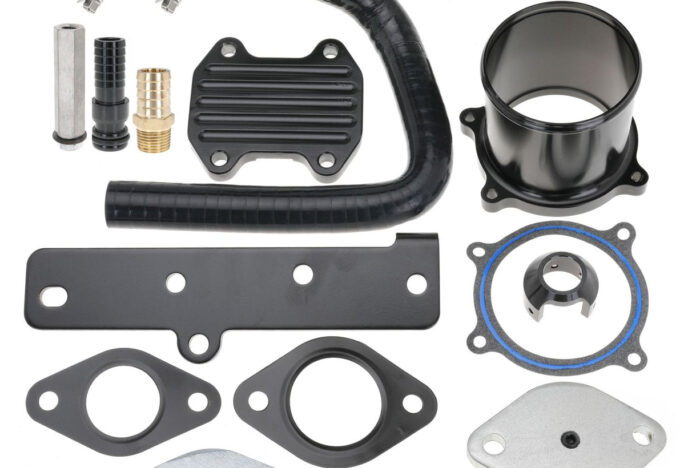
For owners running the 6.7 Cummins platform in high-demand dual-purpose applications, addressing the thermal and contamination issues that undermine engine health under load becomes a top priority, often leading conversations toward EGR system optimization or off-road 2013-2019 6.7 Cummins EGR delete kit, alongside heavy-duty 6.7 Cummins performance parts that give the engine the mechanical foundation to sustain high output. 

Understanding why these solutions matter requires a clear look at what actually happens inside this engine when you push it hard.

The 6.7 Cummins Under Pressure: A Platform Built for More

The 6.7 Cummins is, by any reasonable measure, one of the most capable diesel engine platforms ever installed in a light-duty truck application. Its inline-six architecture, robust bottom end, and high-flow head design give it a mechanical foundation that responds exceptionally well to both careful maintenance and thoughtful performance modification.

However, factory emissions systems layered on top of this foundation introduce immediate thermal challenges under high load, as well as cumulative long-term issues like intake carbon buildup as the engine ages.

The two most significant problem areas are intake air temperature management and EGR-related engine contamination. Both of these issues become dramatically more pronounced in dual-purpose applications where the engine is regularly pushed toward its performance ceiling.

Understanding Intake Air Temperature and Why It Matters

Intake air temperature, commonly referred to as IAT, is one of the most consequential variables in diesel engine performance and reliability. The principle is straightforward: cooler, denser air contains more oxygen per unit of volume, and more oxygen means more complete combustion, more power, and lower exhaust gas temperatures. 

Conversely, hot intake air is less dense, carries less oxygen, and forces the engine management system to pull back fueling to avoid dangerous thermal spikes.

While the EGR system actively recirculates hot gases during light-to-moderate loads, the thermal load under sustained heavy towing or full-throttle racing is further compounded by extreme turbocharging heat and intercooler heat soak.

As IAT climbs and air density drops, combustion efficiency decreases, leading to higher Exhaust Gas Temperatures (EGT). To prevent catastrophic thermal failure, the ECU must intervene by pulling timing and defueling, which directly reduces output, causes sluggish throttle response, and leaves the system struggling near its thermal limits. 

In a work truck that also sees drag strip action, this thermal ceiling becomes a hard wall that prevents the engine from performing consistently across runs.

The Drag Strip Reveals What Daily Driving Hides

Here’s something that drag strip testing consistently demonstrates about diesel trucks: the performance numbers on run one and run three can be dramatically different, even with identical driver inputs. This is the thermal soak problem in action. 

After the first hard pass, extreme boost pressure generates substantial heat that heat-soaks the charge air cooler (intercooler), while high engine-bay ambient temperatures prevent rapid cooling, leaving the engine at an elevated thermal baseline before the next run.

Consistent, repeatable performance, whether that means consistent quarter-mile times or consistent towing capacity under varied conditions, requires an engine that can manage its thermal environment effectively. This is precisely why addressing the root causes of IAT elevation is not just a performance upgrade; it is a reliability upgrade with direct implications for how dependably the truck performs across all operating conditions.

How EGR Optimization and Deletes Change the Thermal Equation

By removing or fully bypassing the EGR loop in off-road applications, the intake tract is freed from waste-heat contamination and carbon buildup that restricts airflow. Without hot exhaust gases cycling back into the intake during ambient operation, intake charge temperatures stay substantially more stable.

Additionally, removing the EGR cooler lowers the total heat burden on the engine’s primary cooling system, allowing the radiator and charge air cooler to manage engine and intake temperatures far more effectively under sustained load. It also eliminates the failure risk of an EGR cooler leaking coolant into the intake manifold.

For the dual-purpose owner who hauls heavy loads during the work week and makes drag strip passes on weekends, the practical effect is a more thermally stable engine that maintains performance consistency across multiple hard runs rather than fading progressively as heat soaks into the system.

It is essential to note that EGR delete modifications are intended for off-road use only, and proper engine recalibration must accompany any such modification to ensure the engine management system operates correctly without the EGR hardware present.

Building the Mechanical Foundation: Why Performance Parts Matter

Solving the IAT problem is an important step, but it is only part of the equation for an owner who wants to genuinely push the 6.7 Cummins platform in demanding applications. The engine’s stock supporting hardware, while respectable, was designed around factory power levels and factory emission system configurations. 

When power output increases through tuning and thermal efficiency improves through intake system optimization, the load on supporting components increases proportionally.

Upgraded intercooler piping and high-efficiency charge air coolers reduce pressure drops and lower air temperatures. Crucially, as cylinder pressures increase with cooler air and higher boost, structural 6.7 Cummins upgrades like head studs and transmission recalibration become essential to sustain this power reliably. The philosophy behind performance parts selection should always be systematic rather than piecemeal. 

Upgrading a single component without considering how it interacts with the rest of the system often produces disappointing results, or worse, creates new failure points by over-stressing adjacent hardware. The most successful 6.7 Cummins builds approach performance hardware as an integrated system where each component upgrade supports and enables the rest.

Before investing in any modifications, it’s worth performing a clear-eyed assessment of where your specific truck currently stands. Several diagnostic indicators point toward IAT and EGR-related performance degradation:

  • Declining performance over successive hard pulls: A truck that runs significantly slower or weaker after two or three hard acceleration events than it did on the first pass.
  • Elevated exhaust gas temperatures under standard loads: Higher EGT readings under conditions that previously generated much cooler exhaust numbers.
  • Intake manifold carbon buildup visible during inspection: A thick, dark soot coating on manifold walls that restricts clean airflow into the cylinders.
  • Power loss that correlates with ambient temperature: A truck that performs notably better on cold mornings than on warm afternoons due to excessive IAT sensitivity.
  • Abnormal boost behavior: Abnormally high boost pressure combined with reduced overall performance (indicating severe manifold restriction), or boost fluctuations caused by soot-fouled VGT turbo vanes.

The Dual-Purpose Build Philosophy

What separates a genuinely capable dual-purpose diesel build from a truck that is merely modified is the degree to which every upgrade works in harmony with every other upgrade. The 6.7 Cummins responds beautifully to a systematic approach, thermal management, fueling optimization, hardware upgrades, and electronic calibration all working together to produce an engine that is both more powerful and more reliable than its stock configuration.

The drag strip is a useful proving ground for this philosophy. The brutally honest numbers that a timing system produces don’t lie about consistency, power delivery, or thermal stability. 

A truck that delivers consistent, repeatable performance under drag strip conditions is also a truck you can trust to haul a heavy trailer over a mountain pass without thermal drama.

Final Thoughts

The 6.7 Cummins is a genuinely exceptional engine platform that rewards owners who take the time to understand its systems, address its known failure points proactively, and build it properly for demanding applications. IAT management and emissions-related reliability issues are not insurmountable problems, they are well-understood engineering challenges with clear, systematic solutions.

Owners who approach those solutions thoughtfully, with quality components, structural reinforcement, and proper supporting calibration, end up with trucks that perform consistently and reliably across every application demanded of them.

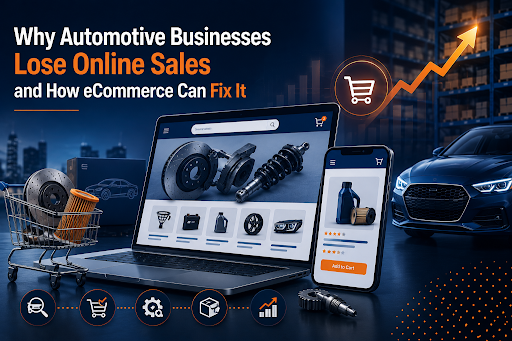
Why Automotive Businesses Lose Online Sales and How eCommerce Can Fix It

While digital commerce is a huge opportunity for automotive companies, it’s not a one-size-fits-all solution – and just putting everything online isn’t enough to drive sales. Customers can browse online look for a component, do some side-by-side shopping, and simply head for the hills when it comes time to make a purchase.

The reasons are more complex for automotive businesses than in traditional retail. Customers might have to find the proper part, verify vehicle compatibility, compare specifications, ensure that the part is available, and determine if they can believe the information received on the web.

By integrating the right product, inventory, customer experience, and commerce capabilities, a properly designed automotive eCommerce solution can help businesses overcome these challenges and create a more fluid purchase experience.

It’s not just about selling vehicles online. It’s for the purpose of making the overall buying process simpler, quicker and more dependable.

Why Automotive Businesses Lose Online Sales

There are many touch points along a customer’s path to online sale that can drop them. A visitor can be seriously challenged to find a suitable product, get a lot of irrelevant results, or see that the product is not available, or that the person is just not sure which one to choose for his vehicle.

1. Customers Cannot Find the Right Products Quickly

An automotive catalogue can include thousands – even millions – of parts, accessories and other products. There may be many products that have similar appearance but wildly different specs or compatibilities.

A customer can also be aware of his/her needs without specifying the actual technical product name or catalogue number.

If the site makes folks have to navigate through several categories and filters, the customer might become frustrated and leave.

A better product discovery can integrate search, filtering and vehicle information along with detailed product data to enable customers to get to the right product in a timely manner.

This can make the development of a complicated catalogue a lot simpler for automotive businesses.

2. Compatibility Creates Purchase Uncertainty

One of the most significant problems in automating the vehicle is vehicle compatibility.

Different engines, trims, production years and configurations can be installed on the same model. A component suitable for one version may not work with another.

This creates important questions for customers:

  • Will this part fit my vehicle?
  • Is this the correct version?
  • Is it compatible with my engine?
  • What happens if I order the wrong part?

If the website cannot answer these questions clearly, customers may postpone their purchase or look for another supplier.

Vehicle-based product discovery can support shoppers in understanding the suitability of a product before order by using modern automotive platform functionality like fitment, visualization and other tools.

This can boost confidence, minimize incorrect orders and prevent returns.

A Poor B2C Experience Drives Customers Away

Automotive companies tend to concentrate more on the product and not so much on customer experience when it comes to their website.

But now, customers want the same ease of access they get from other contemporary online retailers when buying a car online.

They wish to do a fast search, to compare products, to know specifications, to know if the products are available and to finish the checkout without going through unneeded steps.

A strong B2C eCommerce development should therefore be designed around the customer’s needs rather than simply reproducing the structure of a traditional parts catalogue.

Friction can be reduced when the site has clear navigation, is mobile friendly, has helpful information about the product, has a hassle-free checkout, or offers relevant product recommendations.

The smoother the trip the less opportunities customers have to turn around and leave.

Different Customers Need Different Buying Experiences

Automotive businesses may sell to individual vehicle owners as well as workshops, garages, dealers, distributors and fleet operators.

These customer groups often have very different requirements.

A consumer may want fast checkout and clear product information, while a workshop may need bulk ordering, account-specific pricing, order history and quick reordering.

Trying to give every customer the same experience can limit conversions and customer satisfaction.

A flexible commerce platform can support different customer journeys while maintaining a connected backend. This allows businesses to serve B2C customers while also supporting professional and trade buyers.

Outdated Technology Can Limit Growth

Many automotive businesses begin selling online with a relatively simple store. As the business grows, however, the platform may need to support larger catalogues, more customers, additional integrations and increasingly complex requirements.

An outdated platform can eventually create problems with:

  • Website performance
  • Product management
  • Inventory synchronisation
  • Customer accounts
  • Integrations
  • Scalability
  • Mobile experience

For businesses looking for a flexible commerce platform, Shopify website development can provide a strong foundation for modern online storefronts.

But automotive companies shouldn’t see Shopify as just an off-the-shelf website. Requirements of the industry (such as product data, fitment, inventory integration and custom customer journeys) may necessitate further development.

The best platform is the one that will support the business today and for the future growth.

How eCommerce Technology Can Recover Lost Sales

The solution to declining online sales is not simply adding more products. Automotive businesses need to remove friction from the complete customer journey.

Improve Product Discovery

Customers should not need specialist knowledge to navigate a complicated catalogue.

Better search, filtering, vehicle selection, product categorisation and detailed product information can help shoppers reach relevant products faster.

The objective is to reduce the distance between what the customer needs and the product they can purchase.

Build a Better Customer Experience

Every part of the website should help customers make a decision.

Product pages should provide clear specifications, images, compatibility information, pricing, availability and delivery details.

The checkout process should also be simple and transparent.

For B2C automotive businesses, improving these fundamentals can have a direct impact on conversion and repeat purchases.

Connect eCommerce With Business Systems

An online store should not operate separately from the rest of the business.

Automotive companies can require to integrate their commerce platform with ERP, CRM, WMS, inventory, payment and shipping systems.

These integrations can enhance data consistency, cut down on manual workflows and ensure customers are given accurate data.

Choose Technology Around the Business Model

There is no single platform that is right for every automotive company.

For a growing retailer, having a Shopify-powered storefront may make sense, and for an business with intricate product or inventory requirements, or integration needs, a more customised automotive commerce architecture might be applicable.

Businesses should evaluate their current requirements as well as future product volumes, customer segments, integrations and sales channels before selecting their technology.

Multiple Suppliers Can Create a New eCommerce Opportunity

Some automotive businesses work with a large network of suppliers, dealers or specialist sellers. Instead of managing every product themselves, they may benefit from creating a marketplace that brings multiple sellers together.

A multi-vendor eCommerce marketplace can connect automotive suppliers and sellers with customers through a single digital platform.

Depending on the business model, this can include:

  • Auto parts suppliers
  • Accessories sellers
  • Tyre providers
  • Dealers
  • Aftermarket brands
  • Automotive service providers

The marketplace operator can manage the digital experience while sellers contribute products and fulfil orders according to the agreed model.

This can expand product selection and create a broader automotive ecosystem without requiring the business to hold every product itself.

The Future of Automotive eCommerce

The future of automotive commerce will be about creating better connections between customers, products, suppliers and business systems.

Customers will expect faster product discovery, clearer compatibility information, accurate inventory and more convenient purchasing experiences.

At the same time, businesses will increasingly need platforms that can support multiple customer types, suppliers and sales channels.

Some businesses may focus on direct-to-consumer retail, while others may develop multi-vendor marketplaces that connect automotive suppliers and customers.

The common factor will be convenience.

Businesses that make it easier for customers to find the right product, understand their options and complete a purchase will be better positioned to compete in an increasingly digital automotive market.

Conclusion

Automotive businesses can lose online sales for many reasons. Customers may struggle to find products, understand compatibility, navigate an outdated website, confirm stock availability or choose between multiple options.

These challenges can be addressed through a stronger eCommerce strategy.

A successful automotive eCommerce solution can help centralize product discovery, customer experiences, inventory and business integrations. For retailers who have specific needs, a robust Shopify eCommerce platform can offer a scalable base on which to grow, and a rich B2C retail experience can smooth the way to more conversions. A multi-vendor marketplace can provide opportunities for companies that are connected with several suppliers to diversify their product offerings and develop a more extensive digital ecosystem.

Finally, it is not about getting more products online for the successful automotive eCommerce.

It’s all about making it easier for customers to find what they’re looking for, believe the information they’re given and complete a transaction without hesitation.

Small Size Doesn’t Mean Low Performance: How the Qronge X1 Spark M Balances Compact Size and Off-Road Capability

Electric dirt bikes do not need to follow a single size formula. Some riders prefer a larger chassis and bigger wheels, while others place more value on compact proportions, low-speed control and easier direction changes. For the latter group, the real question is not whether a bike can be made smaller, but how much performance and off-road capability can remain once the overall package becomes more compact.

The Qronge X1 Spark M was developed around that kind of need. Its 14-inch front and 12-inch rear wheels give it a smaller overall footprint, but the bike does not treat compact size as another way of saying low performance. A 4,500W peak mid-drive motor, off-road suspension and hydraulic disc brakes are still central parts of the platform.

That gives the X1 Spark M a clear position: it is not simply a scaled-down electric dirt bike, but a compact platform designed to retain meaningful off-road performance.

A 14/12-Inch Wheel Setup Defines the X1 Spark M’s Compact Proportions

The X1 Spark M’s compact positioning starts with its wheel setup and overall dimensions.

As a mini electric dirt bike, the Qronge X1 Spark M uses a 14-inch front wheel and a 12-inch rear wheel, with an overall length of about 62 inches and a wheelbase of about 43 inches. Compared with platforms built around 17/14-inch or 19/16-inch wheel setups, its proportions are noticeably more compact.

Those dimensions affect the relationship between rider and bike. During parking, low-speed adjustments, repeated direction changes and transitions between seated and standing positions, the size of the bike becomes part of how it is managed. For riders already looking for a compact platform, those measurements say more than the word “mini” on its own.

4,500W Peak Power Gives the Compact Platform a Stronger Performance Base

Once the chassis becomes smaller, power output becomes an important part of defining what the bike is actually designed to do.

The X1 Spark M uses a 4,500W peak mid-drive motor and delivers up to 283Nm of torque. Its 14/12-inch wheel setup has not been paired with a noticeably lower-output powertrain.

Climbs, loose surfaces and rebuilding momentum after slowing down can all place different demands on power delivery. The 4,500W peak output and up to 283Nm of torque show that the X1 Spark M does not sharply reduce its power specification simply because the chassis is more compact.

The X1 Spark M also uses a mid-drive layout, which makes motor placement part of the bike’s overall weight distribution and chassis design. On a compact platform, the powertrain cannot be considered in isolation; it has to be viewed alongside wheelbase, wheel size, suspension and rider position.

Off-Road Capability Also Depends on Suspension and Braking

The X1 Spark M uses 150mm of front suspension travel and 75mm at the rear, together with 200mm hydraulic disc brakes.

When the surface changes from hard-packed dirt to gravel, ruts or repeated undulations, suspension and braking take on roles that motor output alone cannot cover. Suspension travel affects how much movement the bike has available over uneven ground, while the braking setup influences how the rider manages speed before corners, slopes and changes in terrain.

For a compact off-road bike, suspension travel and braking are therefore important parts of judging the platform as a whole.

Even with its smaller chassis proportions, the X1 Spark M still retains front and rear suspension and hydraulic disc brakes intended for off-road use. Its compact positioning is not limited to wheel size and wheelbase; it extends across the overall vehicle setup.

Electric Power Gives Compact Bikes More Layout Options

An electric powertrain also provides different ways to combine a smaller chassis with stronger output.

The motor, battery and control systems used in an electric motorcycle can be arranged differently within the vehicle, which means a compact off-road bike does not have to be treated simply as a scaled-down version of a conventional motorcycle. Motor position, battery placement, wheel size and rider space can all be considered as part of the same package.

The X1 Spark M uses a 60V 28.8Ah battery with 1,728Wh of nominal energy, forming the bike’s electric drive platform alongside its 4,500W peak power system.

For riders, the more useful question is not what any one of those technologies does on its own, but whether the full combination provides the level of control they need during turning, climbing, braking and changing ground conditions.

Compact Platforms Still Depend on Rider Fit

The X1 Spark M’s compact design is not intended to suit every rider. It gives riders who need a smaller overall chassis another option.

Taller riders, those who prefer larger wheels or riders already comfortable with full-size motorcycle proportions may still prefer a larger platform. With a compact bike, the more important issue is not simply that the bike is smaller, but whether its proportions suit the rider’s build, riding position and intended use.

Qronge lists a recommended rider height range of 4’0″ to 5’5″ for the X1 Spark M. That range provides a clearer picture of the bike’s positioning than the “mini” label alone, because fit depends on how the rider relates to the handlebars, seat, footpegs and overall chassis proportions, not just wheel size.

The X1 Spark M is therefore better understood as a distinct size option rather than a simple replacement for a full-size electric dirt bike. Its compact design only makes sense when the proportions match the rider.

Once size, performance and intended use have all been considered, the buying method becomes part of the decision. If paying the full price at once would create too much pressure, electric dirt bike financing can spread the purchase over multiple payment periods, though any financing plan should still be considered within the rider’s overall budget.

Making Compact Size and Off-Road Performance Part of the Same Package

The X1 Spark M is not trying to answer whether a small bike can simply be made fast. The more relevant question is whether compact proportions and genuine off-road performance can exist on the same platform.

Its positioning comes from that combination: a more compact 14/12-inch wheel setup and chassis, while retaining a 4,500W peak mid-drive motor, suspension and hydraulic disc brakes aimed at off-road use.

For riders who fit this size range, the X1 Spark M is not a simplified substitute for a full-size bike. It represents a different product direction—one in which a smaller chassis can still retain a clearly off-road-focused powertrain and chassis setup.

5 Signs Your Growing Business Has Outgrown DIY Legal Documents

Photo by depositphotos at https://depositphotos.com/

Many small businesses begin with basic templates for contracts, policies, and agreements. In the early stages, these documents may seem sufficient because the company has fewer employees, customers, and legal obligations.

As the business grows, generic templates can leave important issues unaddressed. Working with legal counsel for small businesses can help owners review existing documents, identify legal gaps, and create agreements that better reflect the company’s current operations, responsibilities, and potential risks.

1. Your Contracts No Longer Match How You Do Business

A contract created when your company first launched may not reflect how the business operates today.

Your Services Have Expanded

If you now offer more products, services, payment plans, or delivery options, older agreements may be too limited. Contracts should clearly explain scope, payment terms, responsibilities, deadlines, and dispute procedures.

Outdated language can create confusion when a customer or vendor expects something different from what the document actually states.

2. You Are Hiring More Employees or Contractors

Growth often means bringing in new employees, freelancers, or independent contractors. Each type of working relationship may involve different legal responsibilities.

Employment agreements, contractor agreements, confidentiality clauses, and workplace policies should accurately reflect how these relationships are managed.

Classification Issues Can Become More Important

Using the same document for employees and independent contractors can create problems. Businesses should make sure their agreements match the actual working arrangement rather than simply relying on a template downloaded years ago.

3. You Are Entering Larger or More Complex Deals

A simple contract may work for smaller transactions, but higher-value deals often involve additional risks.

As your company begins working with larger clients, suppliers, distributors, or strategic partners, contracts may need more detailed provisions covering liability, termination rights, intellectual property, confidentiality, and dispute resolution.

The more money and responsibility involved, the more important it becomes to have documents tailored to the specific transaction.

4. Ownership or Management Has Changed

DIY documents can quickly become outdated when a new owner, investor, or partner joins the business.

Ownership Changes Need Clear Documentation

Operating agreements, partnership agreements, shareholder agreements, and other internal documents should clearly explain voting rights, ownership percentages, profit distribution, and decision-making authority.

Without updated documentation, disagreements can arise over who has the authority to make major business decisions or how profits should be divided.

One of the clearest signs that DIY documents are no longer enough is when legal questions become a regular part of business operations.

You may find yourself wondering whether a contract is enforceable, whether a policy complies with current requirements, or whether a new agreement protects the company adequately. Repeated uncertainty can indicate that generic documents are no longer meeting the needs of the business.

What Should Business Owners Do Next?

Growing companies should periodically review their contracts, internal policies, employment documents, and ownership agreements. This does not necessarily mean replacing every document, but it does mean checking whether existing paperwork still reflects current operations and risks.

Business owners looking for legal professionals with experience in commercial agreements and other business matters can search for lawyers by location and specific legal needs.

DIY legal documents can be useful when a business is just getting started, but growth often brings more complicated relationships, transactions, and responsibilities. Recognizing when your documents no longer match your business can help you address potential issues before they develop into larger disputes.

What New Zealand’s 15-Licence Online Casino Market Means for Racing Fans

Photo by Jayden Davies on Unsplash

Racing fans are used to following two contests at once: what happens on the track and how the odds move around it. In New Zealand, another contest is now taking shape away from the circuit as online casino operators compete for a limited place in the country’s regulated market.

The distinction matters because many international wagering apps place race markets, sports betting, and casino games within the same digital ecosystem. New Zealand regulates race and sports betting separately, but the Online Casino Gambling Act 2026 will still affect which casino brands racing audiences can access, how those brands advertise, and what safeguards users encounter when moving between gambling products.

The Act came into force on 1 May, and the first licensing round is under way for a regulated market expected to become fully operational in 2027. An industry analysis of the rollout describes the timetable as a deliberate effort to put licensing scrutiny, consumer protection, and system readiness ahead of a faster launch.

For operators, the immediate issue is scarcity. Up to 15 licences will be available, each tied to one brand and valid for as long as three years. A renewal may run for a further five years, but no person can hold or exercise significant influence over more than three licences.

Why the Licence Race Matters Beyond Casino Players

For SpeedwayMedia readers, the immediate relevance is visibility and trust. A race fan may encounter casino content through the same app, sponsorship campaign, or advertising feed used to follow wagering markets. Once the licensed system is operational, a public register, registration icon, and audio mark should make it easier to tell whether the casino side of that experience has New Zealand approval.

The rules may also change the commercial backdrop around racing coverage. Online casino advertising is prohibited during the transition, and the future regime rules out affiliate marketing and paid endorsements. That creates a clearer boundary for publishers, content creators, and audiences who regularly see gambling brands around major sporting events.

The Racing Integrity Question

The connection is not limited to advertising. New Zealand’s Racing Integrity Board has warned that online gaming and racebook products have a close relationship, particularly when offshore operators place casino games, crypto deposits, and wagering on New Zealand races inside the same platform.

An AGBrief report on the board’s work says dozens of crypto-enabled brands accept bets on New Zealand racing while operating outside the domestic system. The concerns include limited integrity-data sharing, weak reporting obligations, and operators benefiting from race products without contributing to the systems that help protect the sport.

For racing fans, that makes the casino licensing debate more than a question of which brands receive permission to operate. It sits alongside a wider effort to distinguish supervised gambling businesses from offshore services that may combine casino and racing products while remaining difficult for local authorities to monitor.

A Three-Stage Route to Market

The first expression-of-interest window closed on 14 August 2026. The DIA is assessing those submissions before an ascending-clock auction expected in September. In that format, the price rises in steps until the number of remaining bidders matches the licences available.

Winning an auction does not produce a licence automatically. It gives a bidder the right to submit a full application. The final stage requires a business plan and detailed strategies covering advertising, consumer protection, harm prevention, compliance, and other matters requested by the Secretary for Internal Affairs.

That distinction matters because commercial strength is only one part of the test. Applicants must show access to at least NZ$7.5 million in capital at the expression-of-interest stage, while ownership, key officers, compliance history, and the ability to meet New Zealand’s operating standards remain subject to scrutiny.

What a New Zealand Licence Will Change

The new regime is intended to replace the current offshore-led environment with a smaller group of identifiable operators under local supervision. For racing followers who also compare an NZ real money online casino, the practical differences will extend beyond the presence of familiar slots or live table games. A licensed brand will need verified customer accounts, approved payment and withdrawal processes, a complaints system, and auditable records. Those controls become particularly relevant when one account or app presents several types of wagering side by side.

Licensed platforms will also have to display a registration icon and play an audio mark so customers can recognise an authorised service. The regulator plans to maintain a public register, giving players a direct way to check a brand’s status rather than relying on marketing language alone.

Player Controls Become Product Requirements

The supporting regulations turn safer-gambling measures into operating requirements. Platforms must support limits on gambling time, deposits, and spend, along with breaks in play, time-outs, and pop-up alerts. Self-exclusion, problem-gambling monitoring, and trained personnel are also built into the framework.

Customer identity and age must be verified before full access is allowed. Credit contracts and specified credit-based payment methods are prohibited, and the rules cover how deposits and withdrawals are handled. The regulations also restrict inducements, autoplay, network progressive jackpots, and certain features considered likely to intensify play.

These measures will affect product design as much as compliance documentation. Operators competing for a licence must be able to demonstrate that account controls, payment systems, game configuration, and record keeping work together in a way the regulator can inspect.

Advertising Opens Later, Under Tight Limits

Online casino advertising to New Zealand customers remains prohibited during the transition. Licensed operators are expected to gain limited advertising rights after the three-stage process is complete, but affiliate marketing and paid endorsements are prohibited under the new framework. Advertising must also be identifiable, age-appropriate, and carry prescribed harm-minimisation messages.

The distinction is important for publishers and readers who follow wagering products around race weekends. SpeedwayMedia’s guide to how motorsports betting markets work focuses on odds, bankroll habits, and race-week decisions. Online casino access and promotion will sit under a separate New Zealand structure, even when both products appear on the same screen.

The commercial overlap is still relevant. Entain, which operates through a long-term partnership with TAB NZ, has indicated that it intends to compete for online casino licences. Its existing technology, customer relationships, and role in funding racing and sports show why the casino rollout will be watched beyond the traditional gaming sector, even though a casino licence would not authorise race or sports betting.

The December Deadline Will Reshape the Field

From 1 December 2026, providers that have not applied for a licence must stop offering online casino gambling in New Zealand. Successful auction bidders with applications under review may continue under an exemption, but they cannot advertise while a decision is pending. If an application is refused, the provider must exit the market.

The licensing race will therefore narrow the market before final licences are issued. Capital and auction strategy will influence who reaches the application stage, but suitability, technical controls, and readiness for local oversight will determine who can stay.

For New Zealand, the central test is whether a capped market can make offshore online casino activity easier to identify, supervise, and challenge. For racing audiences, the benefit should be a clearer line between regulated race betting and the casino products that may sit beside it, together with greater scrutiny of operators that use New Zealand racing as part of an offshore gambling offer. For operators, the next few months are less about a simple bid for access than a test of whether their brands, systems, and governance can withstand a domestic regulatory review.

JULIE NATAAS RETURNS TO NITRO FUNNY CAR AT NHRA U.S. NATIONALS WITH HEDINGERS EQUIPMENT

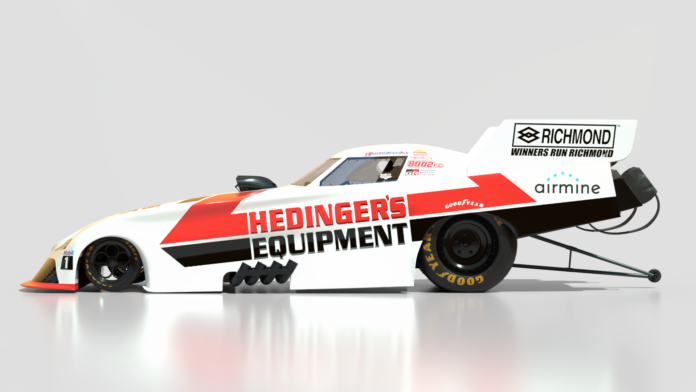
INDIANAPOLIS, Ind. (August 31 2026) — Julie Nataas will return to the driver’s seat of the DC Motorsports GR Supra tuned by Del Worsham and backed by Hedingers Equipment Toyota Supra Funny Car for Del Worsham at the NHRA U.S. Nationals, September 4–7 at Lucas Oil Indianapolis Raceway Park.

The U.S. Nationals will mark Nataas’ first race behind the wheel since the NHRA Gatornationals in Gainesville in March. Since then, the Norwegian driver has been working behind the scenes to build the partnerships necessary to get back on track and continue developing her Nitro Funny Car career.

“I’m really excited to finally be back in the race car,” Nataas said. “It’s been a long few months since Gainesville. I’ve been working hard on finding the right partners and putting together opportunities that make sense not only for one race, but hopefully for building something long term. I’m incredibly grateful to Hedingers Equipment for helping make it possible to get back out there at Indy.”

Hedingers Equipment is no stranger to Nataas or her racing career. Her relationship with the Indiana-based company dates back to her championship-winning years competing in Top Alcohol Dragster with Randy Meyer Racing, where Hedingers Equipment is a longtime supporter of the team. That relationship has continued as Nataas has made the transition into the professional Nitro ranks.

“Tim and Becky Hedinger at Hedingers Equipment have been part of my racing career for a long time, going back to my days with Randy Meyer Racing,” Nataas said. “Having people who have watched you grow as a driver and continue to believe in you as you take the next step means a lot. I’m proud to represent them on a Funny Car, especially at the U.S. Nationals.”

Based in Indiana, Hedingers Equipment specializes in equipment for the towing industry, providing truck sales, parts sale and service to customers throughout the region. The family-owned company has also been a longtime supporter of motorsports and drag racing.

Nataas and Worsham will also fly the familiar colors of Richmond Gears, who joined the Worsham program for the entirety of the 2026 season. Airmine will also return for the U.S. Nationals, providing us with the air quality forecast and Elliott’s Custom Trailers with our Golf Carts.

While the U.S. Nationals is Nataas’ first event since March, she says the work to secure additional races is far from over.

“I’m still working every day to find the right partners that will allow me to be at the track more,” Nataas said. “I want to race a Funny Car, and the goal is absolutely to put together a program that gets me behind the wheel more consistently.”

And for those who have been asking where she has been, Nataas has a simple answer.

“I’ve gotten just about every question possible over the last few months, so to clear things up: I’m not retired, I’m not pregnant, and I definitely haven’t given up,” Nataas joked. “I’ve just been working behind the scenes to find the funding to go racing. I’m ready to get back to work.”

Nataas and the Hedingers Equipment Funny Car will take to the track September 4–7 during the NHRA U.S. Nationals at Lucas Oil Indianapolis Raceway Park.

HUGE NITRO FIELDS TO HEADLINE INDY ACTION AT CORNWELL QUALITY TOOLS NHRA U.S. NATIONALS

Biggest nitro fields since 2012 among the more than 850 entries set to compete at the world’s biggest drag race

INDIANAPOLIS (Aug. 31, 2026) – Still need a reason to attend this weekend’s prestigious 72nd annual Cornwell Quality Tools NHRA U.S. Nationals at the famed Lucas Oil Indianapolis Raceway Park?

How about 45 of them, as in the 45 Top Fuel and Funny Car entries slated for the world’s biggest drag race, the largest collection of 12,000-horsepower, 340-mph nitro machines at Indy in nearly 15 years.

It includes a talent-heavy group of 22 Top Fuel dragsters, including points leader Doug Kalitta, defending event winner Justin Ashley, as well as standouts like Tony Stewart, Shawn Langdon, Antron Brown, rookie sensation Maddi Gordon, the returning Leah Pruett, Clay Millican and 10-time Indy winner Tony Schumacher.

On the Funny Car side, there are 23 entries in the loaded class, a massive number that features points leader Matt Hagan, reigning world champ and event winner Austin Prock, Jordan Vandergriff, J.R. Todd, Ron Capps and Beckman. With four drivers within 22 points for the regular season championship (Hagan, Vandergriff, Capps and Todd) and a possible first 3-second field on the line, it should be nothing short of spectacular.

Need another reason to attend the world’s biggest drag race? How about the 84 professional entries across Top Fuel, Funny Car, Pro Stock and Pro Stock Motorcycle? Along with the big nitro field, 20 cars are expected in Pro Stock, as well as 19 bikes, which is the most this season in the two-wheeled category.

The Mission Foods Drag Racing Series begins qualifying on Friday at 6:15 p.m. ET, highlighted by an epic night session at The Big Go. Two more rounds take place on both Saturday and Sunday, as well as the Mission #2Fast2Tasty Challenge on Saturday and the PlayNHRA Funny Car All-Star Callout on Sunday, leading into eliminations on Monday. Plus, regular season championships will be decided in each class, with nearly $400,000 on the line and $150,000 to the regular season champ in Top Fuel and Funny Car. Kalitta currently holds a 67-point lead over Langdon, while Greg Anderson and Richard Gadson lead the way in Pro Stock and PSM by 85 and 83 points, respectively.

In Pro Stock, Erica Enders will look for a repeat win in Indy, taking on the likes of Anderson, reigning world champ Dallas Glenn, Matt Hartford and Elite Motorsports teammates Aaron and Greg Stanfield, and Jeg Coughlin Jr. Gaige Herrera is after another PSM win against Gadson, Matt and Angie Smith, Steve Johnson, John Hall, Chase Van Sant and Jianna Evaristo.

Still undecided? Well, speaking of big car counts, more than 850 entries are ready for The Big Go, all hoping to leave their mark on the sport’s grandest stage. That includes more than 125 entries in Super Stock, Stock, Super Comp and Super Gas, giving fans the biggest opportunity of the year to see the standouts of the Lucas Oil Drag Racing Series in action.

In all, the total car count at Indy is approaching 900 entries, a tremendous number for the biggest weekend of the drag racing year. From Wednesday through Labor Day Monday, it’s non-stop action on the track as competitors aim to become a part of – or add to – drag racing royalty on the grandest stage.

Need a few more reasons? How about these legends attending as part of NHRA’s 75th anniversary season: Don Garlits, Don Prudhomme, Kenny Bernstein, Joe Amato, Shirley Muldowney, Larry Dixon, John Force, Linda Vaughn, Richard Tharp, Darrell Gwynn, Steve Torrence, Al Segrini and more.

Still want more? How’s this?

  • The Sox & Martin Hemi Challenge returns as the longest-running continuous specialty race in NHRA history, featuring exciting heads-up, wheelstanding, and side-by-side racing of Hemi-powered ’68 Super Stock Dodge Darts and Plymouth Barracudas competing in the NHRA SS/AH class.
  • Racing in the JBS Equipment NHRA Pro Mod Drag Racing Series presented by Elite Motorsports, Flexjet Factory Stock Showdown and a first-time appearance from the popular Right Trailers Outlaw Street Category.
  • A celebration of NHRA’s 75-year history with exhibition runs on Friday and Sunday from the classic Rat Trap and Bradford’s Fiat nitro Fuel Altereds.
  • Push-start cackle cars on Friday and Sunday driven by NHRA legends.
  • Free parking for the entire weekend.
  • SealMaster Track Walk before Monday’s eliminations.
  • Multiple autograph sessions throughout the weekend.
  • A can’t-miss Hot Rod Junction.
  • Children 12-and-under get in free to an event offering all-day entertainment.

As always, fans get an exclusive pit pass to the most powerful and sensory-filled motorsports attraction on the planet. Fans get a unique chance to see teams in action and service their hot rods between rounds, get autographs from their favorite NHRA drivers, and more. They can also visit Manufacturers Midway, an exciting atmosphere that includes interactive displays, merchandise, food and fun for the entire family.

NHRA Mission Foods Drag Racing Series qualifying will feature one round at 6:15 p.m. ET on Friday, Sept. 4, two rounds at 12:30 and 3:30 p.m. ET on Saturday, Sept. 5 and the final two rounds of qualifying on Sunday, Sept. 6 at 12 and 2:45 p.m. Final eliminations are scheduled for 10 a.m. ET on Monday, Sept 7.

Television coverage includes qualifying action on FS1 at 3 and 10:30 p.m. ET on Sunday, and eliminations at 12 p.m. on FS1 on Monday, shifting to FOX at 2 p.m.

The first round of the PlayNHRA Funny Car All-Star Callout takes place at 12:45 p.m. ET on Sunday, with the semifinals at 2:15 p.m. and the final round at 3:40 p.m. A special broadcast of the Callout takes place on FS1 at 7 p.m. ET on Sunday.

To purchase tickets to the 72nd annual Cornwell Quality Tools NHRA U.S. Nationals, fans can visit www.NHRA.com/tickets. For more information about NHRA, visit www.NHRA.com.


About Mission Foods

MISSION®, owned by GRUMA, S.A.B. de C.V., is the world’s leading brand for tortillas and wraps. MISSION® is also globally renowned for flatbreads, dips, salsas and Mexican food products. With presence in over 112 countries, MISSION® products are suited to the lifestyles and the local tastes of each country. With innovation and customer needs in mind, MISSION® focuses on the highest quality, authentic flavors, and providing healthy options that families and friends can enjoy together. For more information, please visit https://www.missionfoods.com/

About NHRA

NHRA is the primary sanctioning body for the sport of drag racing in the United States. NHRA presents 20 national events featuring the NHRA Mission Foods Drag Racing Series and NHRA Lucas Oil Drag Racing Series, as well as the JBS Equipment NHRA Pro Mod Drag Racing Series presented by Elite Motorsports and NHRA Flexjet Factory Stock Showdown™ at select national events. NHRA provides competition opportunities for drivers of all levels in the NHRA Summit Racing Series and NHRA Street Legal™. NHRA also offers the NHRA Jr. Street® program for teens and the Summit Racing Jr. Drag Racing League® for youth ages 5 to 17. With more than 100 Member Tracks, NHRA allows racers to compete at a variety of locations nationally and internationally. NHRA’s Youth and Education Services® (YES) Program reaches over 30,000 students annually to ignite their interest in automotive and racing related careers. NHRA’s streaming service, NHRA.tv®, allows fans to view all NHRA national events as well as exclusive features of the sport. In addition, NHRA owns and operates three racing facilities: Gainesville Raceway in Florida; Lucas Oil Indianapolis Raceway Park; and In-N-Out Burger Pomona Dragstrip in Southern California. For more information, log on to www.NHRA.com, or visit the official NHRA pages on Facebook, Instagram, Twitter, and YouTube.

Jordan Anderson Racing Bommarito Autosport NASCAR O’Reilly Auto Parts Series Post-Race Report – Daytona

Jordan Anderson Racing Bommarito Autosport
Post-Race Report | Daytona International Speedway

Winn-Dixie 250

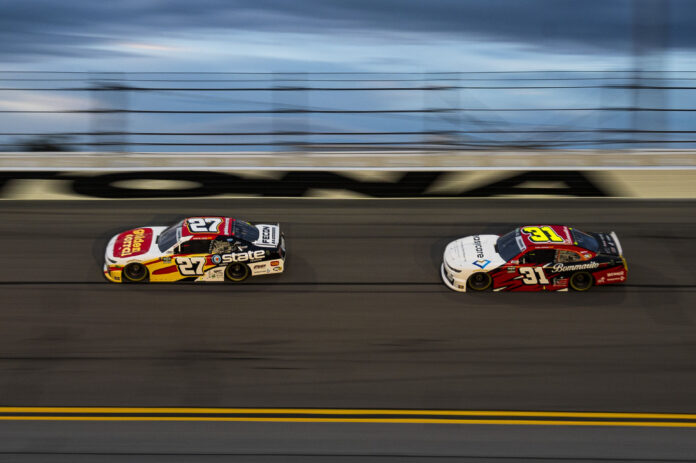
Jeb Burton, No. 27 Golden Corral / State Water Heaters Chevrolet
Stage 1 Finish: 24th
Stage 2 Finish: 5th
Finish: 9th

“Well that was a solid night for us. We got some points and had a decent finish. We wanted a little bit more but overall it was a solid effort. Hopefully, we can keep that momentum going into Darlington next weekend.”

Blaine Perkins, No. 31 EasyCare / Bommarito Automotive Group Chevrolet
Stage 1 Finish: 25th
Stage 2 Finish: 9th
Finish: 15th

“Came away with a good finish at Daytona this weekend. Happy to have EasyCare, Bommarito Automotive Group, and BG Products all on the car. It’s always cool to represent them at the World Center of Racing. We were able to run up front at some point with those guys, and it just didn’t quite work out in the end. Overall, a clean, solid day. We can rebuild these race cars and bring them to Talladega and hopefully compete for a win.”

Daniel Dye, Champion Container Chevrolet
Stage 1 Finish: 18th
Stage 2 Finish: 38th
Finish: 38th

“Not the night we were planning on having here in Daytona. Feel like our race ended just as it was getting started. Still want to thank everyone at Jordan Anderson Racing Bommarito Autosport and Champion Container for all of their hard work and support. We’ll reset and get after it at Darlington.”

About Jordan Anderson Racing Bommarito Autosport

Jordan Anderson Racing Bommarito Autosport was built from the ground up, fueled by passion, persistence, and a bold vision for what an independent NASCAR team could become. Founded by driver and owner Jordan Anderson, the organization has grown from a grassroots operation hauling a single truck across the country into a competitive multi-car NASCAR O’Reilly Auto Parts Series team through a pivotal partnership with St. Louis automotive dealer John Bommarito. Along the way, the team has earned wins, poles, and a reputation for grit, growth, and opportunity within the NASCAR garage. Today, Jordan Anderson Racing Bommarito AutoSport is investing in talent, innovation, and culture to challenge the status quo and build a new kind of racing legacy.

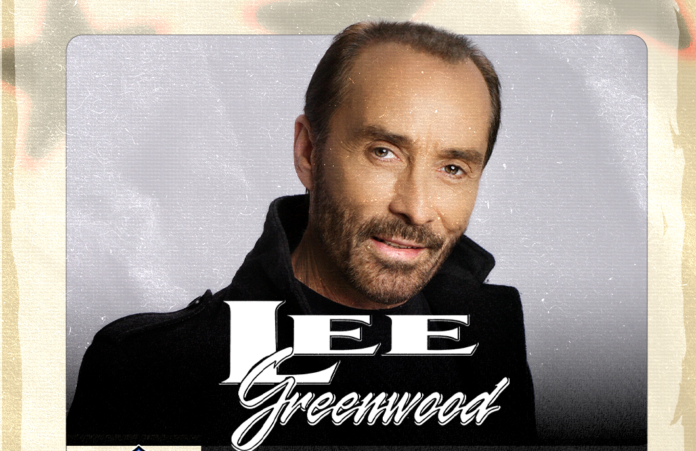
LEE GREENWOOD TO IGNITE PATRIOTIC FEEL DURING AMERICA’S NIGHT RACE

Iconic country music artist to perform popular anthem “God Bless the U.S.A.” during Bristol Motor Speedway’s spectacular pre-race ceremonies

BRISTOL, Tenn. (Aug. 31, 2026) – Legendary country music artist Lee Greenwood is returning to Bristol Motor Speedway this fall to perform his popular patriotic anthem, “God Bless the USA,” as part of the spectacular pre-race ceremonies during the Bass Pro Shops Night Race on Saturday, Sept. 19.

America’s Night Race is race No. 3 in the 10-race NASCAR Chase for the Cup Series championship. In the Chase, 16 eligible drivers will battle over the 10-race postseason series to determine the season champion. The race weekend also will feature Chase races in the NASCAR O’Reilly Series and NASCAR CRAFTSMAN Truck Series and the future stars of the sport will compete in the ARCA Menards Series.

Greenwood hasn’t performed the song during a Bristol NASCAR race weekend since the summer of 2018. Before that he performed the song during pre-game festivities for the Pilot Flying J Battle at Bristol college football game played at Bristol Motor Speedway in 2016 between border rivals Virginia Tech and the University of Tennessee. Overall, Greenwood has performed God Bless the USA more than a half-dozen times at Bristol Motor Speedway.

“Lee Greenwood has been a friend of Bristol Motor Speedway for many years and we are thrilled to announce that he will be joining us once again during the Bass Pro Shops Night Race this September to perform his beautiful “God Bless the U.S.A.” during pre-race ceremonies,” said Jerry Caldwell, President and General Manager of Bristol Motor Speedway. “The feeling of patriotism is electric when Lee sings that song and the crowd gets revved up for an amazing evening of entertainment.”

American icon Greenwood’s timeless rendition of “God Bless the USA” was originally released in 1984 and then gained prominence during the 1988 U.S. Presidential campaign. It later became popular again in the 2000s following the September 11 attacks and reached No. 16 on the Billboard Hot 100.

Southern California native Greenwood, 83, has had seven No. 1 hits in his career, including “Somebody’s Gonna Love You,” “Dixie Road,” and Mornin’ Ride,” among others.

Greenwood will perform the song as “Lincoln” the soaring bald eagle is released to fly high above the stadium. It is always a goosebump producing spectacle as the energetic crowd knows the words to the song and sings along with Greenwood. Lincoln is trained by handlers at the non-profit American Eagle Foundation in Kodak, Tenn.

The race weekend features the crown jewel Bass Pro Shops Night Race on Saturday night, Sept. 19, a 500-lap post-season race in the NASCAR Cup Series and also the Food City 300 on Friday night, Sept. 18, a Chase race in the NASCAR O’Reilly Auto Parts Series. The NASCAR CRAFTSMAN Truck Series opens its Chase at Bristol with the UNOH 250 presented by Ohio Logistics in what promises to be a thrilling Thursday night double-header with the ARCA Menards Series, which will open the racing that afternoon with the Bush’s Beans 200 as the future stars of the sport take to the track. For more information or to purchase tickets, please visit the Bristol Motor Speedway website or call the BMS Tickets Sales Center at (866) 415-4158.

About Bristol Motor Speedway
Bristol Motor Speedway, known as The Last Great Colosseum, sits in the mountains of Northeast Tennessee near the Virginia state line. The 0.533-mile concrete oval, with 28-degree banking, hosts two major NASCAR Cup Series weekends each year, the tradition-rich Food City 500 and the crown jewel Bass Pro Shops Night Race. The venue has staged iconic moments such as the 2016 Pilot Flying J Battle at Bristol football game between the University of Tennessee and Virginia Tech (NCAA-record 156,990 fans), the 2025 MLB Speedway Classic between the Atlanta Braves and Cincinnati Reds (MLB regular-season record crowd of 91,032), the 2020 NASCAR All-Star Race, the rebirth of NASCAR Cup Series racing on dirt from 2021–2023 and sold-out concerts for Morgan Wallen and Kenny Chesney. Fans enjoy Colossus TV, the world’s largest outdoor center-hung four-sided screen video board. The adjacent Bristol Dragway is the home to the NHRA Super Grip Thunder Valley Nationals, and the dragway can transform into the Thunder Valley Amphitheatre for music concerts. Opened in 1961 and acquired by Speedway Motorsports in 1996, Bristol remains one of America’s most unique and versatile sports and entertainment destinations. For more information, please visit www.bristolmotorspeedway.com.