Home Blog Page 55

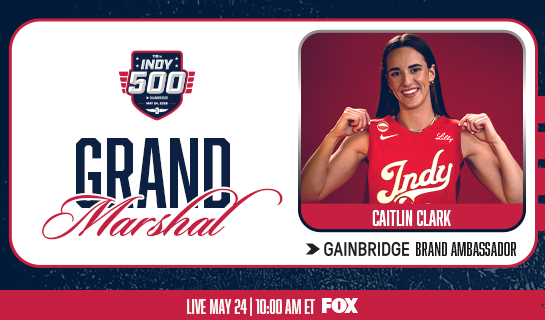
WNBA Superstar Caitlin Clark Named Indy 500 Grand Marshal

Gainbridge℠ Brand Ambassador Ready for Epic Race Day Experience

INDIANAPOLIS (Tuesday, May 19, 2026) – Gainbridge℠ brand ambassador and Indiana Fever superstar Caitlin Clark will serve as grand marshal of the 110th Indianapolis 500 presented by Gainbridge on Sunday, May 24 at Indianapolis Motor Speedway.

As grand marshal, Clark will give the traditional command for drivers to report to their cars during the official pre-race ceremonies. The command will be shown live on FOX’s Race Day broadcast, which kicks off at 10 a.m. (ET) and runs all the way through the Indy 500 checkered flag.

“I’m honored to represent Gainbridge as grand marshal of the Indy 500,” Clark said. “I’m looking forward to experiencing an iconic piece of what makes Indiana so special and being part of the time-honored tradition of ‘The Greatest Spectacle in Racing.’”

Clark, the No. 1 overall pick in the 2024 WNBA draft by the Indiana Fever, finished her rookie season by breaking multiple records, including the all-time WNBA assists record. She earned WNBA Rookie of the Year and was named All-WNBA First Team.

“Since being drafted by the Fever, fans have been clamoring to share the epic celebration and thrilling excitement of Indy 500 Race Day with Caitlin,” INDYCAR and IMS President J. Douglas Boles said. “Through our incredible partnership with Gainbridge, everyone joining us for the world’s largest single-day spectator sporting event will get to do just that. Caitlin will bring unique energy and presence to a quintessentially Hoosier experience and an absolutely bucket list global sporting spectacle.”

“Indianapolis is at the center of what we do at Gainbridge,” said President Derek Towriss. “We’ve been the presenting partner of the Indy 500 since 2019, and Caitlin has been part of the Gainbridge family since before she was playing home games at Gainbridge Fieldhouse. Having her as grand marshal pulls it all together. We invest in people and places we believe in for the long run. We do the same for our customers, helping people who work hard for their money put it to work for them. This is going to be a Race Day moment we’ll all remember.”

In March 2026, Clark was MVP of the FIBA World Cup Qualifying Tournament. Prior to turning pro, she had a historic career at the University of Iowa, graduating after the 2023-24 season as the leading scorer in the history of college basketball, male or female.

A Gainbridge brand ambassador since her senior year at Iowa, Clark recently appeared in her second marketing campaign with Gainbridge, which celebrates every person who grinds, plans, saves and works hard for their money. Gainbridge also has a longstanding relationship with the NTT INDYCAR SERIES and IMS, serving as presenting partner of “The Greatest Spectacle in Racing” since 2019.

Previous Indy 500 grand marshals include Derek Jeter, Alex Rodriguez, Dylan Sprouse, Stephanie Beatriz and Blake Shelton.

FOX Sports is the exclusive home of all INDYCAR action, with all 18 NTT INDYCAR SERIES races set to broadcast on network television via FOX in 2026. This includes the world-famous Indianapolis 500, annually the largest single-day spectator sporting event on the globe. Coverage of “The Greatest Spectacle in Racing” will be extensive for fans across the country, with a six-hour Race Day window on FOX for the second consecutive year.

Visit IMS.com to purchase tickets for the 110th Indianapolis 500 presented by Gainbridge on Sunday, May 24 and for more information on the complete Month of May schedule at IMS.

Why Getting Help After a Car Accident Prevents Insurance Errors

Bowling Green continues to grow as a hub in Kentucky with steady traffic, expanding neighborhoods, and busy roadways connecting commuters and local drivers. With more vehicles on the road, car accidents have become an unfortunate but common reality that often leaves people dealing with sudden medical concerns and financial stress. In these moments, insurance claims may appear straightforward, but they frequently involve documentation gaps, rushed assessments, and adjuster decisions that do not always reflect the full impact of the crash. 

Understanding how these processes work is essential for protecting fair compensation and avoiding costly mistakes that can affect long-term recovery. When individuals seek professional guidance early, it becomes easier to navigate insurer communication, protect key evidence, and ensure nothing is overlooked during the claims process, making help after a car accident in Bowling Green an important step toward preventing insurance-related errors and securing a fair outcome for victims today.

Early Confusion

Minutes after impact, people often speak before shock settles and symptoms declare themselves. During that unstable window, help after a car accident can steady communication, preserve evidence, and keep injury notes tied to observable facts rather than guesswork. Those first choices matter because insurance files tend to preserve early statements, even when later imaging, examination results, or scene photos tell a fuller story.

Statements Matter

Insurers often request recorded comments soon after a wreck. A shaken person may understate dizziness, stiffness, or confusion without meaning to mislead. Later, adjusters compare those remarks with urgent care notes and follow-up visits. Even a small mismatch can raise doubt. Careful guidance helps keep descriptions short, accurate, and limited to what is actually known.

Medical Gaps Hurt Claims

Pain does not always peak on the same day as impact. Neck strain, soft-tissue swelling, and headache patterns may intensify after adrenaline levels fall. If treatment starts late, insurers may argue that symptoms came from work, exercise, or another event. Early assessment creates a clear timeline. Steady follow-up also shows that recovery required active care, not casual home observation.

Photos Fill Gaps

Memory blurs quickly after a frightening event. Images can preserve vehicle positions, road markings, broken glass, weather, bruising, and restraint marks before conditions change. Without that visual record, insurers may rely on a thinner version of events. Fast documentation gives the claim a stronger factual base. It also helps medical complaints line up with the physical scene.

Witness Memory Fades

Bystanders rarely keep a precise recall for long. Names, numbers, and a brief summary should be gathered before people leave. A neutral observer may confirm lane position, signal use, traffic flow, or speed. If that person disappears, the claim may rest on conflicting accounts. Reliable contact details make it harder for an insurer to dismiss what actually occurred.

Fault Rules Affect Payment

Kentucky follows comparative fault rules, so shared blame can reduce financial recovery. This makes small details far more important than many people expect. An apology made out of courtesy, an unclear sketch, or an incomplete police summary can unfairly skew percentages. Early review helps keep those details tied to evidence. Once fault assumptions are settled in a file, changing them becomes harder.

Hidden Injuries Surface Later

Some physical problems appear gradually rather than immediately. Whiplash, numbness, difficulty concentrating, and sleep disruption may emerge over several days as inflammation increases. A person who settles early may lose access to payment for later care. Thoughtful pacing protects future treatment needs. It also gives clinicians time to identify patterns that were not obvious at the scene.

Paperwork Creates Patterns

Forms, billing codes, repair estimates, and call logs shape insurance decisions. One wrong date or missing appointment can make a file look inconsistent. Adjusters study those gaps closely. Organized records help each expense connect to the crash. When documentation remains orderly from the start, disputes over necessity, timing, or symptom causation become easier to resolve.

Property Damage Can Mislead

A modest repair bill does not rule out serious bodily harm. Seat height, muscle tension, head rotation, previous spinal wear, and impact angle all influence injury severity. Still, insurers often cite minor exterior damage as evidence that pain should be limited. Balanced claim support explains why tissue strain, nerve irritation, or concussion symptoms can follow a low-speed collision.

Deadlines Close Doors

Every claim carries notice rules, response dates, and filing limits. Missing one can weaken a case before any serious negotiation begins. Timeframes also shape vehicle inspections, medical authorizations, and document requests. Prompt action keeps those dates visible. That discipline prevents losses caused by delay, rather than by weak evidence, unclear symptoms, or disputed responsibility.

Stronger Negotiation Position

Insurance companies assess risk through records, cost projections, and proof quality. A well-prepared file leaves less space for guesswork or selective reading. Clear treatment notes, consistent reporting, and preserved evidence help support the full extent of loss. That structure often improves settlement discussions. Decisions are more likely to rest on verified facts, rather than suspicion or avoidable clerical error.

Conclusion

Support after a crash protects more than paperwork; it protects the medical story that follows injury. Insurance mistakes often begin with rushed statements, delayed care, missing photos, or incomplete records. Early guidance helps keep symptoms linked to the collision and fault questions tied to evidence. This careful start can affect treatment access, payment fairness, and long-term recovery. When the file stays accurate from the beginning, preventable errors lose much of their power.

Who Is Liable in a Rideshare Accident Case?

In South Carolina, where expanding cities and busy roadways have made rideshare services a regular part of daily transportation, accidents involving these platforms are becoming more common. Whether someone is commuting to work, heading to the airport, or simply avoiding traffic, rideshare vehicles are now woven into everyday travel. When a crash occurs, however, the question of responsibility can quickly become complicated, especially when multiple parties and insurance policies are involved. 

Unlike traditional car accidents, these cases often require a closer look at who was involved, what role each party played, and how coverage applies at different stages of a ride. For those affected, understanding how liability is determined can make a significant difference in protecting their rights and pursuing compensation. Resources like https://www.mcwhirterlaw.com/ can offer helpful insight into how these claims are evaluated and what steps may follow.

Why Fault Gets Complicated

Rideshare claims rarely follow a simple pattern because liability can change in minutes. App activity, traffic behavior, street conditions, and policy language all affect the outcome. Many injured people review public legal information as they try to determine who may owe payment after a crash. If the app is off, personal coverage may apply. If a ride is active, the company’s insurance may come into play.

The Driver Behind the Wheel

The rideshare operator may bear primary blame if careless driving caused the impact. Speeding, phone distraction, abrupt lane changes, illegal turns, or missed signals can support a claim. Screen use draws close attention because the platform relies on regular device interaction. Liability still depends on proof, though. Witness accounts, intersection cameras, trip data, and vehicle damage patterns often show whether that driver created an unsafe chain of events.

The Rideshare Company

The platform company is not automatically liable every time one of its drivers crashes. Many businesses classify operators as independent contractors, which can narrow the scope of direct corporate responsibility in some disputes. Even so, the company may provide insurance during certain phases of the trip. Questions may also widen if screening was weak, prior safety complaints were ignored, or a dangerous account stayed active despite warning signs that called for review.

Other Motorists

Another motorist may hold full or shared fault if that person caused the collision. Rear-end crashes, intoxicated driving, unsafe passing, or failure to obey a red light often shift blame away from the rideshare operator. Some cases involve both drivers. Insurers then argue over percentages while medical bills keep arriving. Clear records help show who acted carelessly and whose conduct directly produced the injuries, repair costs, and related losses.

Vehicle Owners and Employers

Sometimes the liable party is neither the rideshare company nor the app driver. A vehicle owner may face exposure if neglected maintenance led to brake failure, worn tires, or defective lights. An employer may join the case if a worker operating a van, truck, or service car caused the wreck during job duties. Added defendants can matter because severe trauma often pushes damages beyond a single policy limit.

Shared Fault Rules

Many states use comparative fault rules, so more than one party can share legal responsibility. If an injured passenger, pedestrian, cyclist, or driver also acted carelessly, compensation may drop by that assigned percentage. Seat belt use, distraction, and risky choices on the road may become part of the dispute. Liability is rarely decided by a single statement. A full record usually carries greater weight than early assumptions.

Evidence That Shapes Liability

Evidence often determines whether a claim holds up under scrutiny. Trip logs can confirm app status and timing. Police reports may identify traffic violations or the names of witnesses. Photos, dash footage, phone records, and medical charts can link the impact to bodily harm. Passenger statements also help explain braking, speed, and driver attention. When details are preserved quickly, insurers have less room to deny facts or shift blame unfairly.

Why Early Action Matters

Delay can damage a rideshare claim in practical ways. Video may be erased, witness memory can fade, and digital trip records may become harder to obtain. Prompt reporting also helps connect symptoms to the crash before insurers question treatment gaps. Early review matters for passengers, pedestrians, cyclists, and other drivers alike. Each group may face different coverage issues, yet all benefit from preserved evidence and a clear timeline.

Conclusion

Liability in a rideshare accident case depends on who acted carelessly, when the app was active, and which insurance layer applied at that moment. The answer may involve one party or several. A rideshare driver, another motorist, a vehicle owner, or the platform’s company may all be part of the analysis. With timely evidence collection and careful review, injured people can better identify who is responsible and pursue fair compensation for genuine losses.

What Factors Affect Final Compensation in Car Accident Claims

In Greenville, where growing neighborhoods, active roadways, and daily commutes shape the rhythm of everyday life, a car accident can interrupt far more than just your schedule. In the aftermath, many individuals are left trying to understand not only how to recover physically, but also how compensation is determined and why settlement amounts can vary so widely. The truth is, there’s no single formula; each claim is influenced by a combination of factors that work together to shape the final outcome. From the strength of the evidence to the nature of the injuries and the impact on daily life, every detail plays a role in how a case is evaluated. 

Understanding these elements early can help you make informed decisions and avoid missteps that could affect your recovery. A Greenville, South Carolina, car accident lawyer at CR Legal can help break down these factors, ensuring your claim is approached with clarity, strategy, and a focus on fair compensation. 

Liability Comes First

Fault sets the frame for every later discussion about value. Scene photographs, witness recollections, vehicle resting positions, road markings, and early statements often shape that frame before treatment records are complete. Evidence, timing, and insurer strategy can also influence a settlement range long before a formal demand packet is assembled.

Injury Severity Drives Value

The depth of bodily harm usually has the strongest effect on payment. A muscle strain rarely carries the same value as a herniated disc, traumatic brain injury, fracture pattern, or nerve compression. Objective proof matters here. Imaging studies, operative reports, neurological exams, and physician observations tend to persuade insurers more than broad complaints of soreness or stiffness without clinical support in the record.

Treatment Timing Matters

Early medical evaluation protects both health and claim strength. Delayed care may allow an insurer to argue that symptoms resulted from a later event or that the condition was mild. Consistent follow-up also carries weight. Physical therapy notes, medication adjustments, repeat scans, and specialist referrals can show a steady clinical course. That sequence often supports higher compensation than scattered visits with thin documentation.

Lost Income Changes the Math

Income loss can significantly change final compensation. Absences are often proved through payroll records, tax returns, attendance logs, and employer statements describing missed time. Future earning loss is harder to measure. Work restrictions, reduced stamina, impaired concentration, and lifting limits may affect job performance for months. Age, training, career path, and benefit structure can all influence how that loss is valued.

Pain and Daily Limits Count

Medical invoices do not capture the full burden of an injury. Persistent pain, sleep disruption, headaches, fear while driving, and reduced range of motion may alter ordinary routines long after bruises fade. Those effects need careful proof. Counseling notes, symptom journals, treatment entries, and observations from relatives can help show changes in daily function. A detailed picture often carries more weight than a brief complaint.

Shared Fault Can Reduce Payment

Many states reduce recovery if the injured person shares blame for the collision. Speeding, distraction, unsafe merging, or failing to obey a signal may lower the final amount, sometimes by a meaningful percentage. Small statements can matter. Comments at the scene, social media posts, and recorded calls with insurers may later be used to argue that responsibility should be apportioned, even if another driver caused most of the harm.

Insurance Limits Set Practical Boundaries

A severe injury claim may still meet a hard ceiling if available coverage is low. Policy limits often define the maximum amount one insurer will pay, even when losses are far greater. Other sources may exist. Underinsured motorist coverage, umbrella policies, or claims involving an employer, vehicle owner, or commercial entity can increase the funds available after a serious wreck and alter the settlement strategy.

Property Damage Supports the Story

Vehicle damage does more than establish repair cost. Crush depth, cabin intrusion, shattered glass, seat belt markings, and airbag deployment may support the injury mechanism described in medical records. Those details can help explain cervical strain, shoulder damage, rib trauma, or lumbar symptoms after impact. Repair estimates, total loss reports, and reconstruction analysis often strengthen causation arguments when physical evidence matches clinical findings.

Negotiation Strength Affects the Result

Claim value often shifts based on presentation. A persuasive demand package usually includes a clear timeline, organized exhibits, medical summaries, wage proof, and photographs that support the history of injury. Expert opinions may help in larger cases. If an insurer believes a jury could connect with the records and testimony, the offer may rise. Weak preparation often invites delay, doubt, and smaller numbers.

Conclusion

Final compensation usually reflects how well an injured person can prove fault, diagnosis, treatment consistency, wage loss, policy access, and day-to-day limitation. No single formula controls every case, yet recurring patterns appear across serious claims. Prompt care, complete records, and careful communication often support stronger results, while gaps can lead to disputes. People who recognize these factors early are better placed to assess offers and protect the value of their claims.

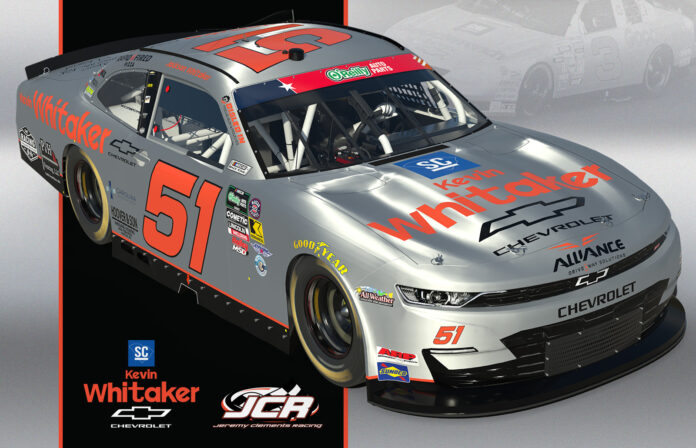
Kevin Whitaker Chevrolet & Jeremy Clements Racing to Honor Dale Earnhardt’s Legacy & Iconic Quicksilver Car at Charlotte Motor Speedway

Spartanburg, SC – Jeremy Clements Racing is pleased to announce Kevin Whitaker Chevrolet as the primary sponsor for Saturday’s NASCAR O’Reilly Series race at the Beast of the Southeast, Charlotte Motor Speedway. A proud partner of JCR since 2012, Kevin Whitaker Chevy continues its annual tradition of backing the #51 team with a retro paint scheme. This year’s design pays tribute to Dale Earnhardt, honoring the unforgettable 1995 Quicksilver Winston Cup All-Star car and one of sport’s most iconic legacies.

In addition to Kevin Whitaker Chevy as the primary sponsor, the #51 team’s associate partners this weekend include P&H Fencing, Hoover & Sons, The Racing Warehouse, Carolina Outpatient Detox, and Alliance Driveaway Solutions.

“Our partnership with Kevin Whitaker Chevy has meant so much over the years, and we’re proud to continue it again this season. Ryan (Whitaker) always makes sure we have a great scheme, and this year isn’t any different, with another great tribute to Dale Earnhardt. There’s no better weekend than Memorial Day weekend to celebrate a legend like Earnhardt while Remembering and Honoring America’s heroes,” Clements said.

The NASCAR O’Reilly Series Charbroil 300 is set for Saturday, May 23, at 5:00 p.m. ET at America’s Home for Racing, Charlotte Motor Speedway’s 1.5-mile oval.

The #51 car is also supported throughout the year by associate sponsors Spartan Waste, Rapid Fired Pizza, Sherfick Companies, Elite Towing, Tools4painting, Zmax, Carolina Driveline, Matman Designs, Nordic Logistics, and Dialed In Focused Energy.

RACE PREVIEW
Track: Charlotte Motor Speedway
Date: Saturday, May 23rd, 2026
Broadcast Information: TV – 5:00 pm EST on The CW & PRN

FAST FACTS
Best Start 6th – 2020
Best Finish 10th – 2021
28th career start at Charlotte

JCR TEAM
Crew Chief: Matt Weber
Manufacturer: Chevrolet

ABOUT KEVIN WHITAKER CHEVROLET
Chevrolet has an all-American image that is helped them earn their way to the top of the totem pole of vehicle manufacturers. Fostering a diverse vehicle lineup including compact cars, mid-size cars, sports cars, trucks, and SUVs, Chevrolet is a name drivers trust when they have set high expectations in their vehicle.

Kevin Whitaker Chevrolet carries an extensive selection of new and pre-owned cars, trucks, vans, crossovers, and SUVs in Greenville, SC. No matter what vehicle you might have in mind, they have the perfect fit for you. If you are looking to lease your next vehicle, at Kevin Whitaker Chevrolet in Greenville, SC, they have competitive lease specials on new Chevrolet vehicles. Their staff will make sure that your car-buying experience is pleasant and hassle-free. Kevin Whitaker Chevrolet in Greenville, SC also has an extensive collection of quality pre-owned and certified vehicles at affordable prices. Browse their online showroom at www.kevinwhitaker.net.

Follow Jeremy and the team on all the Socials and stay updated on Race weekend.
X: @JClement51 @JCR_Clements51
Facebook: Jeremy Clements Racing
Instagram: @jclements51 @jeremyclementsracing

Alexander Rossi sustains minor injuries from Indy 500 post-qualifying practice accident

Photo by Chris Owens (Penske Entertainment).

Alexander Rossi is recovering from sustaining minor injuries to his left hand and right ankle. The injuries occurred on Monday, May 18, after Rossi, the 2016 Indianapolis 500 champion from Nevada City, California, was involved in a hard multi-car accident during a post-qualifying, rain-shortened practice session at Indianapolis Motor Speedway ahead of this year’s 110th running of the Indianapolis 500.

Nearly half an hour into Monday’s practice session, Rossi, who was ninth in line of a single-file formation of competitors navigating through the first two turns, snapped sideways as he raced through the second turn. While spinning, he made hard left-side contact with the outside wall and his No. 20 Java House/ECR (Ed Carpenter Racing) Dallara-Chevrolet entry brielfy went airborne.

In the ensuing chaos, Pato O’Ward, who was trying to steer clear of Rossi’s incident, snapped sideways and he too spun backwards before the left side of O’Ward’s No. 5 Arrow McLaren Dallara-Chevrolet entry slammed into the left side of Rossi’s wrecked entry. Behind the duo, Romain Grosjean also lost control and he hit the outside wall on the left side. No additional competitors were involved as Grosjean, O’Ward and Rossi were able to exit their damaged vehicles when the carnage settled.

While Grosjean and O’Ward were checked and released from the infield care center, Rossi was transported to a local hospital for further evaluation. Later on Monday evening, ECR released a statement through social media that details Rossi’s successful outpatient procedures to his injuries to his left hand and right ankle. Per the statement, Rossi, who will be under the care of IndyCar’s medical director Julia Vaizer, will continue to be evaluated ahead of this Friday’s final practice session, Carb Day, and leading up to Sunday’s Indianapolis 500. Meanwhile, ECR, which will await Rossi’s recovery timeline throughout this week, will have a backup No. 20 Chevrolet entry prepared prior to Friday’s Carb Day.

Rossi, who was the second-fastest competitor during this past Friday’s practice session, qualified a career-best second place for this year’s Indianapolis 500. He posted a four-lap average-qualifying run at 231.99 mph in 2:35.1792 on Sunday, May 17, that enabled him to secure a front row starting spot for the Indianapolis 500 for the first time in his career.

The 2026 Carb Day session is scheduled to occur on Friday, May 22, at 11 a.m. ET on FS1. The 2026 Indianapolis 500 is scheduled for Sunday, May 24. The event’s pre-race coverage will air at 10 a.m. ET on FOX before the drop of the green flag will occur at 12:30 p.m. ET on FOX.

The Long-Term Emotional Effects of Truck Accident Survival

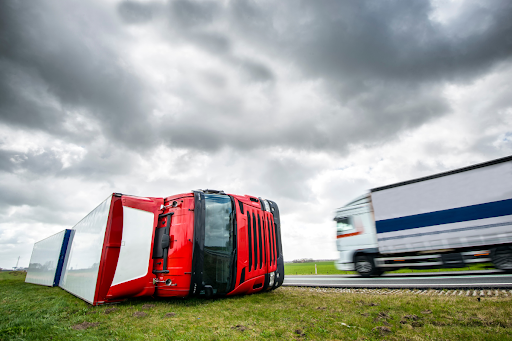
The emotional effects of surviving a truck accident can last for years, even after physical injuries heal. Conditions like PTSD, chronic anxiety, and depression are common outcomes that reshape how survivors live, work, and relate to others.

Truck accidents involve vehicles that can weigh up to 80,000 pounds, making the psychological impact far greater than a typical car crash. Survivors often face a long recovery road, and seeking legal assistance from a truck accident lawyer can help reduce added stress around medical bills and liability disputes. Getting that burden off your plate matters more than most people realize.

Emotional Conditions That Often Develop After Survival

The emotional aftermath of a truck accident is not a single condition. It is a range of responses that can emerge and worsen over time without proper support.

Post-Traumatic Stress Disorder (PTSD)

PTSD is one of the most common outcomes for truck accident survivors. Under the Diagnostic and Statistical Manual of Mental Disorders (DSM-5), PTSD is diagnosed when symptoms persist beyond one month and significantly impair daily functioning.

Survivors may experience:

  • Flashbacks triggered by traffic sounds or large vehicles
  • Nightmares related to the crash
  • Emotional numbness or detachment from loved ones
  • Hypervigilance while riding or driving

Anxiety and Depression

Anxiety often develops alongside PTSD and can interfere with work and relationships. Depression may follow, especially if the survivor faces long-term physical limitations.

These conditions can be linked to the accident legally. Many personal injury claims under state tort laws allow recovery for emotional distress, not just physical harm.

How Emotional Trauma Changes Daily Life

Emotional effects go beyond mental health diagnoses. They reshape how survivors move through the world every day.

Survivors often struggle with:

  • Returning to driving or riding in vehicles
  • Maintaining focus at work or school
  • Keeping up with family responsibilities
  • Trusting their own safety in public spaces

Short-Term vs. Long-Term Impact

Short-term effects may include shock, grief, and sleep disruption. Long-term effects can involve chronic anxiety, personality changes, and strained personal relationships.

The difference matters in legal terms, too. Courts and insurance companies often undervalue long-term emotional harm. Documenting symptoms early creates a stronger record.

Steps to Take After a Truck Accident

  1. Seek a mental health evaluation within days of the accident
  2. Keep a daily journal of emotional symptoms and triggers
  3. Follow up consistently with a licensed therapist or counselor
  4. Inform your primary care doctor of emotional changes.
  5. Share all records with your legal and medical teams
  6. Avoid recorded statements about your emotional state to insurers.

Legitimate Emotional Injury vs. Assumed Recovery

Insurance companies often assume survivors will bounce back quickly. That assumption is rarely accurate and can lead to lowball settlements.

A legitimate emotional injury claim includes a documented diagnosis, treatment records, and expert testimony. Assumed recovery is an insurer’s unsupported belief that you should feel fine by now. These are not the same thing, and the law does not treat them the same way.

Key Takeaways

  • Emotional trauma after a truck accident is a recognized, compensable injury under personal injury law.
  • PTSD, anxiety, and depression are the most common long-term emotional outcomes.
  • Symptoms can worsen over time without early intervention and treatment.
  • Short-term and long-term emotional impacts differ and should both be documented.
  • Insurance companies regularly undervalue emotional suffering in settlement offers.
  • Keeping detailed personal records of emotional changes strengthens any legal claim.
  • Early mental health evaluation creates a stronger foundation for recovery and legal protection.

How To Choose A Truck For NASCAR Race Weekends

A NASCAR race weekend is more than just a day at the track. For many fans, it means early starts, long drives, tailgating, camping, hauling gear, and making the most of every moment before the green flag drops. The right truck can make the whole experience easier, more comfortable, and a lot more enjoyable.

Whether you are heading to a local short track or planning a full weekend at a major speedway, here are the key things to look for when choosing a truck for NASCAR race weekends.

Think About What You Need To Haul

Race weekends often involve more gear than people expect. Coolers, folding chairs, grills, tents, tools, flags, spare clothes, and camping equipment can quickly fill up a vehicle. If you plan to tailgate regularly, bed space should be one of your top priorities.

Look at bed length, payload capacity, and whether the truck has features like tie-down points, bed lighting, or a spray-in bedliner. A covered bed or tonneau cover can also be useful if you want to keep your gear secure and protected from sudden weather changes.

Consider Towing Capability

If your NASCAR weekends involve a camper, trailer, ATV, or additional equipment, towing capacity matters. Do not just look at the maximum tow rating. Think about what you will realistically tow and choose a truck that can handle it comfortably.

A truck with trailer sway control, a tow package, an integrated trailer brake controller, and a backup camera can make towing safer and less stressful. This is especially helpful when navigating crowded campgrounds or busy parking areas around the track.

Prioritize Comfort For Long Drives

Some race weekends require hours on the road, so comfort should not be overlooked. Supportive seats, good cabin space, climate control, and a smooth ride can make a big difference.

If you regularly travel with family or friends, a crew cab may be the better choice. It gives everyone more room and provides extra indoor storage for items you do not want sitting in the truck bed.

Look For Useful Technology

Modern trucks offer plenty of technology that can make race weekends easier. Navigation, smartphone integration, multiple USB ports, wireless charging, and strong audio systems all come in handy.

Safety features are also important. Blind spot monitoring, lane keeping assistance, parking sensors, and rear cross traffic alerts can help when driving through heavy traffic before and after the race.

Set A Practical Budget

A truck for race weekends should be capable, but it should also fit your budget. Used trucks can offer excellent value, especially if you want towing power, space, and comfort without paying new vehicle prices. Fans comparing options may want to explore used trucks for sale Wichita at rustyeckford.com when looking for a practical weekend-ready vehicle.

Choose A Truck That Fits Your Lifestyle

The best truck for NASCAR race weekends is one that works beyond race day. Think about your daily commute, work needs, family use, and long-term ownership costs. A great race weekend truck should be dependable, versatile, and ready for whatever the next trip brings.

Why House Cleaning Services Improve Long-Term Comfort and Indoor Living Conditions

Photo by depositphotos at https://depositphotos.com/

Why Clean Living Spaces Influence Everyday Comfort

The condition of a home directly affects how comfortable and functional daily life feels. Clean and organized spaces support relaxation, improve focus, and create a more welcoming atmosphere for everyone inside the household. When cleaning routines become inconsistent, however, the home may begin to feel stressful instead of comfortable.

Busy schedules often make it difficult for homeowners to consistently maintain every part of the house. Dust collects on surfaces, clutter begins spreading between rooms, and frequently used areas lose their organization over time. Even small amounts of buildup can affect how enjoyable a space feels during daily routines.

House Cleaning Services provide ongoing support to help homeowners maintain cleaner, more comfortable environments without feeling overwhelmed by constant upkeep. With assistance from Maid 2 Clean San Diego, families can enjoy living spaces that remain fresh, organized, and easier to manage over the long term.

How Clean Homes Support Better Daily Routines

A clean environment makes ordinary activities feel more manageable throughout the day. Preparing meals, working from home, relaxing with family, or simply moving between rooms becomes easier when spaces remain organized and well-maintained.

Disorganized environments often create unnecessary distractions that interrupt routines and reduce overall comfort. Homeowners may spend additional time searching for items, clearing surfaces, or trying to catch up on unfinished cleaning tasks instead of focusing on more important responsibilities.

Maintaining consistent cleanliness helps households function more smoothly. Structured environments support better organization while reducing the stress associated with clutter and neglected chores.

Why Consistent Maintenance Matters More Than Occasional Cleaning

Many homeowners rely on occasional intensive cleaning sessions rather than consistent upkeep. While deep cleaning can temporarily improve appearance, homes often return to cluttered conditions quickly without regular maintenance. Dirt and dust naturally accumulate faster in busy households.

House Cleaning Services focus on maintaining stability rather than allowing messes to build over long periods. Routine care prevents surfaces, floors, and shared areas from becoming difficult to manage later.

Maid 2 Clean San Diego helps homeowners establish consistent cleaning support that keeps living spaces comfortable and functional throughout changing schedules and household demands. Regular maintenance creates more reliable long-term results than infrequent cleaning efforts alone.

The Connection Between Cleanliness and Indoor Comfort

Clean spaces naturally feel calmer and more inviting. Fresh floors, organized furniture, and maintained surfaces contribute to a home environment where residents can relax more easily. Comfortable surroundings improve both physical and emotional well-being during everyday life.

Indoor comfort also depends on how manageable the home feels overall. Cluttered rooms and neglected cleaning tasks often create lingering stress because homeowners constantly notice unfinished responsibilities around them.

House Cleaning Services help reduce this pressure by consistently maintaining a cleaner environment. Homeowners gain greater peace of mind when their living spaces remain organized and ready for daily use.

Why Dust and Buildup Affect Indoor Conditions

Dust, debris, and residue gradually accumulate throughout the home even when surfaces appear relatively clean at first glance. Carpets, furniture, shelves, and corners accumulate particles over time, especially in high-traffic areas. Without regular cleaning, indoor conditions may start to feel less fresh and comfortable.

Busy households often experience faster buildup due to increased activity, foot traffic, pets, or daily cooking. Over time, this accumulation affects both appearance and overall indoor atmosphere.

Maid 2 Clean San Diego helps homeowners maintain cleaner indoor environments by reducing buildup before it spreads throughout multiple areas of the house. Consistent care supports fresher and more comfortable living conditions over time.

Supporting Better Organization Throughout the Home

Organization becomes easier when homes remain consistently maintained. Clean surfaces and orderly rooms encourage homeowners to keep belongings properly arranged instead of allowing clutter to accumulate unchecked.

Disorganized spaces often create inefficiency because daily tasks take longer to complete. Searching for misplaced items or working around crowded surfaces interrupts routines and increases frustration throughout the household.

House Cleaning Services support better organization by helping maintain structure across important living areas. Cleaner environments naturally encourage routines that feel more manageable and less stressful over time.

Why High-Use Areas Require More Attention

Some areas of the home are used constantly and naturally require more frequent maintenance. Kitchens, bathrooms, entryways, and family rooms often accumulate dirt and clutter faster than less-used spaces. Without consistent cleaning, these rooms can quickly affect the comfort of the entire household.

Maintaining these areas improves both functionality and appearance throughout daily routines. Clean kitchens support meal preparation more efficiently, while maintained bathrooms contribute to greater comfort and hygiene inside the home.

Maid 2 Clean San Diego helps homeowners manage these high-use areas effectively so they remain comfortable and functional despite busy schedules and regular household activity.

Reducing Stress Through Cleaner Living Environments

Homeowners often underestimate how strongly clutter and unfinished chores affect stress levels. Constantly seeing dirty surfaces, crowded rooms, or growing cleaning responsibilities creates mental fatigue that can make relaxation more difficult.

Clean and organized environments support a greater sense of control and stability within the household. When cleaning tasks are handled consistently, homeowners can focus more fully on family, work, and personal activities without constant distractions.

House Cleaning Services reduce stress by removing much of the pressure associated with routine household upkeep. This support allows families to enjoy their homes rather than feeling overwhelmed by maintenance responsibilities.

Long-Term Benefits of Professional Cleaning Support

Maintaining a clean home consistently provides benefits that extend well beyond appearance alone. Organized environments improve comfort, support healthier routines, reduce stress, and create more enjoyable daily living experiences for everyone in the household.

Regular maintenance also helps preserve floors, furniture, and household surfaces by preventing excessive buildup and long-term wear. Homes that remain consistently maintained often feel fresher and easier to manage throughout every season.

With support from Maid 2 Clean San Diego, homeowners can maintain cleaner and more comfortable living environments without sacrificing valuable time or energy. Reliable House Cleaning Services help create homes that remain organized, functional, and welcoming for years ahead.


Consequences of Not Filing a Car Accident Claim Immediately

New Haven is a historic city known for its busy downtown areas, educational institutions, and active transportation routes. With a combination of commuter traffic, public transportation, and densely populated neighborhoods, car accidents are a frequent concern for residents and visitors alike. As traffic continues to increase throughout the area, many drivers face difficult decisions after an accident, especially when it comes to reporting and filing claims.

Failing to file a car accident claim immediately can lead to lost evidence, insurance complications, delayed compensation, and weaker legal claims. Many injured drivers and passengers seek help from a New Haven accident attorney to protect their rights, meet legal deadlines, and strengthen their chances of recovering fair compensation after a crash.

After a car accident, some people delay filing claims because they believe their injuries are minor or they hope to resolve the situation privately. However, waiting too long can create serious financial and legal consequences that make recovery more difficult.

Evidence Can Disappear Quickly

One of the biggest consequences of delaying a car accident claim is the loss of important evidence. Accident scenes change rapidly, and valuable information may become unavailable within days or even hours.

Evidence that may disappear includes:

  • Surveillance camera footage
  • Skid marks and road debris
  • Witness memories
  • Vehicle damage details
  • Weather and road conditions

The longer a victim waits, the harder it may become to prove what happened. Strong evidence is often critical when determining fault and negotiating with insurance companies.

Acting quickly helps preserve information that can strengthen a legal claim.

Insurance Companies May Question the Claim

Insurance companies often view delayed claims with suspicion. If too much time passes between the accident and the report, insurers may argue that

  • The injuries were not caused by the accident.
  • The injuries are less severe than claimed.
  • The victim failed to take the accident seriously.
  • Another event caused the damages.

Even legitimate claims may face additional scrutiny if reporting delays occur. Insurance adjusters frequently use delays as a reason to reduce or deny compensation.

Prompt reporting creates a clearer connection between the accident and the resulting injuries or damages.

Medical Documentation Becomes More Difficult

Seeking immediate medical treatment after an accident is important for both health and legal reasons. Some injuries, including whiplash, concussions, and soft tissue damage, may not show symptoms immediately.

If victims delay medical care, insurance companies may argue that the injuries were unrelated to the accident. Gaps in treatment can weaken the credibility of a claim and make it harder to recover compensation for medical expenses.

Medical records serve as essential evidence in personal injury cases. Early treatment helps establish a direct timeline between the accident and the injuries.

Every state has legal deadlines known as statutes of limitations for filing personal injury lawsuits after car accidents. Missing these deadlines can prevent victims from pursuing compensation entirely.

Although the exact timeframe varies depending on state law, delaying action increases the risk of missing important filing requirements. Once the statute of limitations expires, courts will usually dismiss the case regardless of how serious the injuries are.

Understanding and meeting legal deadlines is essential for protecting legal rights.

Financial Stress Can Increase

Delaying a car accident claim may also create financial pressure. Medical bills, repair costs, and lost wages can accumulate quickly after an accident.

Without timely insurance payments or settlements, victims may struggle to cover the following:

  • Emergency medical treatment
  • Physical therapy
  • Vehicle repairs
  • Rental transportation
  • Daily living expenses

Filing a claim promptly helps begin the compensation process sooner and may reduce long-term financial strain.

Witness Testimony May Become Less Reliable

Witnesses can play an important role in proving fault after a car accident. However, memories naturally fade over time.

If a claim is delayed, witnesses may

  • Forget important details
  • Become difficult to contact
  • Move away
  • Lose interest in participating

Fresh witness statements are generally more accurate and persuasive during insurance negotiations or court proceedings.

Gathering statements early can strengthen the overall case.

Car accident claims often involve complicated insurance procedures, negotiations, and legal requirements. An attorney can help victims preserve evidence, communicate with insurers, and avoid costly mistakes.

Legal professionals also help ensure claims are filed properly and within required deadlines. Early legal guidance can improve the chances of recovering full compensation for medical expenses, lost income, and other damages.

For many accident victims, professional support reduces stress during the recovery process.

Conclusion

Failing to file a car accident claim immediately can create serious legal, financial, and evidentiary challenges. Delays may weaken claims, reduce compensation opportunities, and make it harder to prove fault or injury severity. By acting quickly after an accident, victims can better protect their rights, preserve evidence, and improve their chances of securing fair compensation for their losses.

Key Takeaways

  • Delaying a car accident claim can lead to lost evidence and weaker legal cases.
  • Insurance companies may question injuries or damages reported late.
  • Immediate medical treatment helps link injuries directly to the accident.
  • Legal filing deadlines can prevent claims if too much time passes.
  • Delayed claims may increase financial stress from medical bills and lost wages.
  • Early legal guidance helps protect evidence and strengthen compensation claims.