Home Blog Page 66

How Connecticut’s Modified Comparative Fault Rule Affects Recovery for New Haven Car Accident Victims

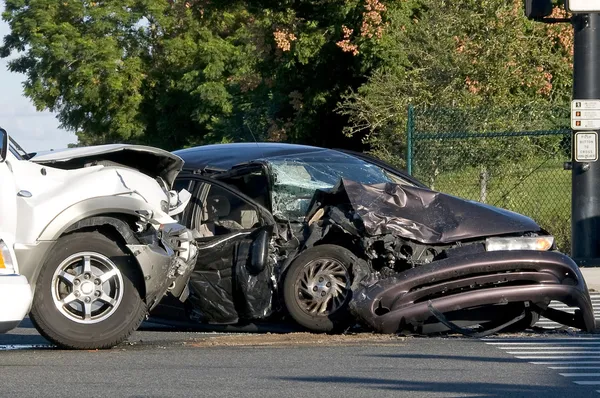
When two or more drivers share responsibility for a collision, the question of who pays what becomes a legal calculation, not just a factual dispute. Connecticut uses a modified comparative fault system to answer that question, and the outcome can mean the difference between a full recovery, a reduced one, or no compensation at all. If you were injured in a New Haven car accident and the other driver is arguing you share some blame, understanding how this rule works under Connecticut law is essential before you accept any offer or make any legal decisions.

The claims process typically involves understanding that Connecticut’s comparative fault rule is codified in General Statutes Section 52-572h. That statute governs how fault is allocated among all parties to an accident and how that allocation affects each party’s right to recover damages.

According to a New Haven car accident attorney, under this framework, a plaintiff’s recovery is reduced by their percentage of fault, but only if that percentage stays below a defined threshold. The rule is described as “modified” because it cuts off recovery entirely once a plaintiff’s share of fault reaches a certain point, unlike a pure comparative fault system that allows partial recovery regardless of how much fault is assigned.

The 51 Percent Threshold and What It Means

Connecticut’s version of modified comparative fault uses a 51 percent bar. If a court or jury finds that you were 51 percent or more responsible for the accident, you are legally barred from recovering any damages from the other party, regardless of how severe your injuries are.

If your fault is found to be 50 percent or less, you retain the right to recover, but your award is reduced in proportion to your share of responsibility. A plaintiff found 30 percent at fault in a case where total damages are assessed at $200,000 would receive $140,000, reflecting the 30 percent reduction.

How Fault Is Determined in Practice

Fault allocation is rarely a simple or undisputed process. Questions of fault and liability are assessed by insurance adjusters, attorneys, and juries based on evidence such as police reports, witness accounts, traffic camera footage, vehicle damage patterns, and, in some cases, accident reconstruction analysis.

Connecticut follows a negligence-based framework, meaning fault is tied to whether each driver acted with reasonable care under the circumstances. Factors like speeding, distracted driving, failure to yield, and road conditions all enter the analysis, and different parties often reach very different conclusions from the same set of facts.

Why Insurance Companies Raise Comparative Fault Arguments

Insurers have a financial incentive to assign as much fault as possible to the injured party. Even shifting 20 percent of fault onto a claimant reduces a $150,000 exposure to $120,000, which is a meaningful difference from the insurer’s perspective.

These arguments frequently appear during settlement negotiations, sometimes without strong evidentiary support. The way fault is framed in early communications, including statements you make to adjusters, can influence how the comparative fault analysis develops later in the process.

The Role of Evidence in Protecting Your Percentage

Because your recovery is mathematically tied to how fault is assigned, the evidence supporting your version of events carries direct financial weight. Gaps in documentation, inconsistent accounts, or failure to preserve physical evidence can all shift the fault calculation in ways that reduce your final recovery.

Connecticut courts also consider whether each party violated any traffic laws at the time of the accident. A violation does not automatically establish negligence, but it is a factor that juries and adjusters weigh when allocating percentages among the parties involved.

Multiple Defendants and Shared Fault Allocation

When more than two parties are involved in an accident, Section 52-572h requires the court to allocate fault among all of them, including any third parties identified during litigation. Each defendant is generally liable only for their proportionate share of the damages, with limited exceptions for cases involving specific legal relationships or conduct.

This matters in multi-vehicle accidents, where fault may be distributed across several drivers. Your recovery from each defendant is capped at their individual percentage, which means a defendant with a small fault share may owe you significantly less than the full award reflects.

What the Numbers Mean Before You Settle

Connecticut’s comparative fault rule shapes the value of every car accident claim where liability is disputed. An offer that looks reasonable on its surface may reflect an inflated fault percentage assigned to you without adequate justification. Reviewing how fault is being allocated and whether that allocation is supported by the actual evidence is a necessary step before any settlement agreement is signed.

Motorsport Betting 101: Track Type, Tyre Compounds, and Why Qualifying Position Is Not Everything

Formula 1 betting attracts a significant number of new punters who make the same initial mistake: they treat qualifying position as the primary predictor of race outcome and back accordingly. It is a logical starting point because starting further up the grid does improve your statistical chances of winning. But experienced motorsport bettors know that the relationship between qualifying and race result is far more complicated than it initially appears. Arena Plus sports betting includes motorsport markets across Formula 1 and other series throughout the season, providing the flexibility to act quickly when weather forecasts, mechanical issues, or strategic situations shift the pre-race picture significantly.

Qualifying position matters most on circuits where overtaking is physically difficult and track position is therefore especially valuable. On street circuits like Monaco and Singapore, qualifying pole is worth considerably more than at a venue like Spa or Monza where DRS zones, long straights, and multiple viable overtaking points make position changes frequent during the race. Understanding which category a circuit falls into before assessing the value of a qualifying result is the first practical step in improving your motorsport betting analysis.

Track Type and Car Philosophy

The 23-race Formula 1 calendar in 2025 includes circuits that vary enormously in their technical demands. Street circuits like Monaco and Singapore reward precision, mechanical grip, and maximum downforce over raw straight-line speed, which means a car with exceptional cornering capabilities but a less powerful engine can be genuinely competitive there in a way it cannot be at Monza or Baku. High-speed flowing circuits like Suzuka or Silverstone place heavy demands on aerodynamic efficiency and high-speed stability.

Betting on a team’s outright championship chances without accounting for which tracks on the remaining calendar suit their car philosophy is a significant oversimplification. A team leading the constructors championship in August may be about to face a sequence of venues that historically underperform for their car concept, making their odds shorter than the remaining schedule actually justifies when you account for the specific track characteristics ahead.

Tyre Strategy and the Pit Window

Tyre compound selection and pit strategy are where a significant proportion of modern Formula 1 races are won and lost, and they are also where some of the most interesting betting opportunities arise for attentive bettors. A driver starting third on soft tyres against a front-row field on medium compounds may be in a strategically superior position if the circuit allows an early undercut and the predicted tyre degradation rates favour a one-stop strategy.

Following the pre-race tyre selection announcements carefully, which are published by Pirelli and covered in the specialist motorsport press, can give you a clearer picture of intended strategies before the race begins. When the compound choices diverge significantly from what most teams chose, that difference often tells you something about differing strategic beliefs that will play out in a highly visible way during the race itself.

Weather as the Great Equaliser

Weather is the third unpredictable force in motorsport betting, and it deserves particular attention because its impact on the race result is genuinely enormous. A dry qualifying session followed by rain during the race scrambles the grid in ways that can create substantial value on mid-field runners who have demonstrated excellence in wet conditions. Some drivers and some teams manage the transition from intermediate to full wet tyres significantly better than others, and that skill does not correlate reliably with championship standing.

Tracking the weather forecasts for race day specifically, rather than treating qualifying weather and race weather as interchangeable, is a distinction that can meaningfully improve your decision-making on race morning. A sudden probability of afternoon rain in a market that was priced for a dry race can shift value considerably, and the window between the forecast update and the market fully adjusting is where alert bettors often find their best opportunities across the entire motorsport calendar.

How EV and Hybrid Crashes Create New Challenges for Accident Claims

Electric vehicles and hybrids are showing up everywhere on the road.

But while they are great for the environment, they are making life difficult for car accident victims trying to file a claim. From battery fires to murky liability issues, electric vehicle crashes play by a different set of rules.

Here’s the thing:

If you’ve been in a collision with an EV or hybrid, you could be facing:

  • Longer investigations
  • Multiple liable parties
  • Insurance companies that don’t know how to handle EV claims

And if you wait too long, you might lose your right to compensation altogether.

Here’s what’s going on…

Here’s What’s Covered:

  1. Why EV and Hybrid Crashes Are Different
  2. The Battery Fire Problem
  3. Who’s Really Liable in an EV Crash?
  4. Why the Accident Statute of Limitations Matters More Now
  5. What Victims Should Do After an EV Crash

Why EV and Hybrid Crashes Are Different

Crashes involving EVs and hybrids have special considerations you won’t find in a typical fender bender.

First off, they weigh more. Much more. The battery pack can easily add over 1,000 pounds to the weight of a vehicle. And for every 1,000 pounds added to a vehicle, the odds of dying in a two-vehicle crash increases by 47%.

That means:

  • More severe injuries for people in the lighter car
  • More extensive damage to both vehicles
  • Higher medical bills and claim values

Hybrids and EVs are quieter. So quiet, that hybrids are 39% more likely to strike pedestrians where speed limits are 35 mph or lower.

This dramatically changes the playing field when it comes to accident claims. In fact, an experienced Virginia car accident attorney handles these cases in a much different manner, fully aware that the accident statute of limitations in Virginia affords victims of a crash only two years to get moving. Miss that deadline and the claim is lost forever.

The Battery Fire Problem

Here’s something most people don’t know about EVs:

They can catch fire hours — or even days — after a crash.

It’s called thermal runaway. A damaged lithium-ion battery, say in a crash, can slowly overheat and catch fire. And when it does…

EV fires are much hotter and longer burning than a gasoline fire. Some require up to 30,000 gallons of water to extinguish, compared to around 1,000 gallons for a typical car fire.

Why this matters for your claim:

  • Evidence is often destroyed in the fire
  • Special towing and storage costs add up fast
  • Environmental cleanup can be expensive
  • Claims take much longer to investigate

That’s a massive difference – and it’s why traditional insurance claims processes aren’t designed with EVs in mind. Insurance adjusters are typically not trained to work on EV claims, resulting in low settlement offers or denials.

Who’s Really Liable in an EV Crash?

In a standard car accident, fault is easily determined. One driver was wrong. Case closed.

But with EVs and hybrids, liability can get messy fast.

Potential liable parties in an EV crash:

  • The other driver
  • The vehicle manufacturer (if a defect caused the crash)
  • The battery maker
  • The charging station operator
  • The software developer (for semi-autonomous systems)
  • A repair shop that improperly serviced the vehicle

It’s a big deal. There are multiple parties that may be at fault, with their own insurance company, their own attorney, and their own set of excuses.

Here’s the kicker:

If a bad battery caused the crash, there may be a product liability claim against the manufacturer. That can mean much higher compensation — but also a tougher legal fight.

Identifying all the parties involved in a crash is difficult. But with EV sales to pass 17 million units worldwide in 2024, multi-party claims will only increase.

Why the Accident Statute of Limitations Matters More Now

The statute of limitations in an accident case is essentially the window in which you can file a lawsuit. If you don’t file a claim in that time, you lose the case before it even begins.

Virginia Crash Victims Have 2 years to File a Personal Injury Lawsuit. That sounds like a long time, but here’s the thing:

EV crash investigations take longer.

Why? Because you’re dealing with:

  • Complex technical evidence
  • Multiple experts and reconstruction specialists
  • Manufacturer documents and battery data
  • Software logs from the vehicle

You might be 6 months, or a year, into your case by the time you have assembled all of the required pieces to make a strong case. That’s why it’s a good idea to get started early.

Also, be aware that where a government vehicle is involved the statute of limitations for an accident claim can be significantly shorter. In some cases you only have one year to give notice with even more exacting rules for filing.

What Victims Should Do After an EV Crash

Been in an EV or hybrid crash? Here’s what to do right away.

1. Get to safety immediately.

Battery fires can occur hours after impact. Do not remain near the vehicle any longer than needed.

2. Document everything.

Take photos of:

  • All vehicles involved
  • The scene from multiple angles
  • Any visible damage
  • License plates and insurance info

3. Get medical attention — even if you feel fine.

Some injuries may not manifest for days. In addition, medical records are a key piece of evidence for a claim.

4. Don’t talk to insurance adjusters alone.

Adjusters will call the victim within hours to try and get a quick, lowball settlement. Don’t do it.

5. Preserve the vehicle if possible.

The damaged EV itself is a form of evidence. Battery data, software logs, and crash sensors all can contribute to proving what happened.

6. Talk to a lawyer fast.

The accident statute of limitations is running. The earlier legal counsel is involved, the greater the opportunity for a fair recovery.

The Bottom Line

EV and hybrid crashes are changing the nature of accident claims — and not for the better. More complexity, more parties involved, and more insurer pushback.

To quickly recap:

  • EVs and hybrids cause different kinds of accidents
  • Battery fires and thermal runaway make claims harder
  • Liability can involve multiple parties
  • The accident statute of limitations gives you limited time to act
  • Acting fast is the best thing a victim can do

The EV revolution shows no sign of stopping. Neither do the legal battles that ensue. If you’ve been involved in an accident with an electric or hybrid vehicle, don’t delay — the clock on the accident statute of limitations begins at the second of impact.

Red Light Therapy Australia: The Complete Guide to Devices, Benefits and What to Look For

Photo by depositphotos at https://depositphotos.com/

Red light therapy has become one of the most talked about wellness technologies in Australia over the past few years. What was once confined to physiotherapy clinics, sports medicine facilities, and high-end day spas is now available for home use, and Australians are embracing it in growing numbers.

This guide covers how red light therapy works, what the research says about its benefits, which device types are available in the Australian market, and what separates a quality device from a budget imitation.


What Is Red Light Therapy?

Red light therapy, clinically referred to as photobiomodulation, delivers specific wavelengths of red and near-infrared light to the body’s tissues. When absorbed by cells, this light stimulates the mitochondria to produce more adenosine triphosphate, the molecule that powers cellular activity. The result is a cascade of biological responses including reduced inflammation, accelerated tissue repair, improved circulation, and enhanced collagen production.

The wavelengths used in therapeutic devices typically range from 630nm at the red end of the spectrum through to 850nm in the near-infrared range. More advanced devices, including those available through StreamShop Australia, extend further into the 1060nm to 1064nm range using low-level laser technology. At these higher wavelengths, light penetrates significantly deeper into tissue, reaching muscles, joints, and bone rather than working only at the skin surface.

This depth of penetration is what makes higher wavelength devices particularly effective for chronic pain, deep joint conditions, and serious athletic recovery, going well beyond the surface-level skin benefits associated with standard red light devices.


Why Red Light Therapy Is Growing in Australia

Australia’s geographic spread means that millions of people live at a significant distance from specialist clinics offering therapeutic light treatment. For those in regional and rural areas, accessing physiotherapy, sports medicine, or wellness clinic services on a consistent basis is simply not practical. Home devices bridge that gap.

Beyond accessibility, the cost equation is compelling. A single session of red light therapy at a clinic can cost anywhere from $50 to $150. A quality home device represents a one-time investment that delivers the same therapeutic wavelengths indefinitely, with no ongoing booking costs.

Australian consumers have also become more informed about the technology. The research base supporting red light therapy has grown substantially, with studies published across fields including sports science, dermatology, neurology, and pain management. Buyers are increasingly looking beyond wellness trends and seeking devices with verified specifications and legitimate clinical backing.


The Main Device Types Available in Australia

Red Light Therapy Panels

Red light panels australia are the most popular category for whole-body treatment. A panel is mounted on a wall or placed on a floor stand, and the user positions themselves at a distance of 15 to 30 centimetres for sessions typically lasting 10 to 20 minutes.

Panels vary considerably in size, power output, and wavelength range. Entry-level panels cover a smaller surface area and are suited to targeted treatment of specific body parts. Full-length panels allow whole-body exposure in a single session, making them the preferred option for people seeking systemic benefits including improved sleep, reduced inflammation, and whole-body recovery.

StreamShop Australia carries panels extending up to 1060nm near-infrared wavelengths with Class IIa medical grade certification. This certification means the devices have been assessed to a clinical standard rather than simply marketed as consumer wellness products. For buyers who want genuine therapeutic outcomes, Class IIa medical grade status is one of the most important quality indicators available in the Australian market.

Red Light Therapy Beds

red light therapy bed australia takes whole-body treatment to its most complete form. The user lies within the bed and receives simultaneous exposure across the entire body surface, front and back, without needing to reposition during the session.

Beds are the preferred option in professional settings including sports performance facilities, recovery clinics, and wellness centres. They are increasingly available for home use as well, particularly for serious athletes and individuals managing significant chronic conditions.

The efficiency of a bed setup is unmatched. A single session delivers comprehensive full-body exposure, making it the most time-effective option for people with demanding recovery needs. StreamShop Australia’s commercial red light therapy bed options bring this clinical-grade capability into the home and professional environment.

Medical Grade Red Light Therapy Devices

The term medical grade is used loosely across the wellness industry and it is worth understanding what it actually means. A genuine medical grade red light therapy devices australia classification requires formal regulatory assessment and clearance. Devices carrying this designation have been evaluated for safety and efficacy to a standard that goes beyond what consumer electronics or general wellness products are required to meet.

StreamShop Australia’s Class IIa certified devices sit in this category. The classification covers panels, mats, and other device types in their range, and it represents a meaningful distinction for buyers comparing options across the Australian market. Where a budget device may advertise therapeutic wavelengths without verification, a Class IIa certified device has been formally assessed to support those claims.

For healthcare professionals, physiotherapists, and serious wellness practitioners looking to invest in devices for client use, medical grade certification is an essential baseline requirement.

Red Light Therapy Mats

Mats offer a fundamentally different treatment experience to panels. The user lies directly on the mat, receiving light from below through the entire posterior surface of the body. This makes mats particularly effective for back pain, hip conditions, hamstring and glute recovery, and sleep improvement.

Many mats layer multiple technologies, combining red and near-infrared wavelengths with far infrared heat for a compounding therapeutic effect. StreamShop Australia’s laser mats go further, incorporating low-level laser technology at wavelengths up to 1064nm. This places them in a different category to standard LED mats, delivering penetration depth comparable to clinical laser therapy equipment and making them particularly suited to chronic pain conditions and deep tissue recovery needs.


What to Look for When Buying in Australia

The Australian red light therapy market has grown rapidly and not all products available are equal. Several factors separate a device that delivers real therapeutic value from one that simply looks the part.

Wavelength specification. A device should clearly state the wavelengths it emits, ideally supported by independent testing data. The difference between 850nm and 1060nm is not cosmetic. It represents a clinically significant difference in tissue penetration and therapeutic application.

Irradiance. This is the power output delivered to the tissue, measured in milliwatts per square centimetre. Higher irradiance means a more effective dose delivered in a shorter session time. Devices with low irradiance require longer sessions to achieve comparable results and may not be suitable for users seeking efficient treatment windows.

Medical grade certification. As discussed, Class IIa certification is the standard to look for. It provides confidence that the device has been formally assessed rather than self-declared as therapeutic grade.

Australian supplier support. Purchasing from a local supplier like StreamShop Australia ensures warranty coverage under Australian consumer law, access to local customer support, and the assurance that the device meets Australian regulatory standards. Importing directly from overseas marketplaces removes these protections and can leave buyers without recourse if issues arise.

Beam angle and coverage. Some devices concentrate light into a narrow beam angle, reducing effective coverage area. Wider beam angles ensure more even distribution across the treatment area, which matters particularly for larger panels and full-body applications.


Building a Routine That Delivers Results

Consistency is the single most important factor in achieving results with red light therapy. The technology works cumulatively, with benefits building over weeks and months of regular use rather than appearing immediately.

A practical starting point for most users is sessions of 10 to 20 minutes, three to five times per week. The positioning distance from the device matters and will vary depending on the device type and target area. Following the manufacturer’s guidelines for session duration and distance ensures the correct therapeutic dose is delivered.

Most users find that morning sessions work well for energy and skin goals, while evening sessions, particularly with a mat incorporating far infrared warmth, support recovery and sleep quality.


Red Light Therapy in Australia: The Outlook

The trajectory for red light therapy australia is clearly upward. Consumer awareness is growing, the research base is strengthening, and device quality has improved considerably as the market has matured. Australians now have access to devices that match or exceed the specifications available in professional clinical settings, without the ongoing cost of clinic visits.

StreamShop Australia has positioned itself at the quality end of this market, offering Class IIa medical grade certified panels reaching 1060nm, laser mats extending to 1064nm, and a range of devices designed to meet the needs of both home users and health professionals. As the technology becomes a mainstream fixture of serious wellness and recovery routines across the country, having access to genuinely therapeutic-grade devices from a reputable Australian supplier makes a meaningful difference.

Racing Lessons for Everyday Drivers: Why Vehicle Maintenance Matters

Photo by depositphotos at https://depositphotos.com/

High-performance racing has always served as a proving ground for automotive engineering. From endurance events like Le Mans to the intense demands of Formula racing, vehicles are pushed to their mechanical limits under extreme heat, speed, and pressure. While most drivers will never experience the strain of a racetrack, the lessons learned from motorsport are directly relevant to everyday driving. Racing demonstrates just how important proper maintenance, routine inspections, and component reliability are for both performance and safety on public roads.

Every moving part in a vehicle experiences stress over time. During racing, that stress is accelerated dramatically. Engines operate at high revolutions for prolonged periods, suspension systems absorb aggressive cornering forces, and braking systems endure repeated high-temperature stops. These conditions reveal weaknesses quickly, forcing engineers and mechanics to focus on durability, preventative maintenance, and rapid replacement of worn parts.

For everyday motorists, the same principles apply on a smaller scale. Daily commuting, stop-and-go traffic, rough road conditions, and long-distance travel gradually wear down critical systems. One of the most important examples is the braking system. In motorsport, brake performance can determine whether a driver wins a race or crashes at high speed. On public roads, reliable braking is equally essential for avoiding accidents and maintaining vehicle control in unpredictable situations.

Routine inspections of components such as tires, suspension, fluids, and especially the brake pad system can significantly improve vehicle safety. Brake pads naturally wear down through friction, and ignoring warning signs such as squealing noises, vibrations, or reduced stopping power can increase stopping distances and create dangerous driving conditions. Racing teams replace these components frequently because they understand that even minor wear can affect overall vehicle performance. Everyday drivers should adopt a similar mindset by treating maintenance as a proactive safety measure rather than a reactive repair.

Another important lesson motorsport teaches is the value of specialized servicing for high-performance vehicles. Luxury and sports cars often feature advanced engineering, precision braking systems, and sophisticated electronics that require expert attention. Owners of vehicles such as Porsche models understand that regular servicing is not only about preserving performance but also about ensuring long-term reliability and driving safety. Proper care helps maintain the balance between power, handling, and efficiency that performance vehicles are designed to deliver.

Racing culture also highlights the importance of preventative maintenance over costly repairs. Teams constantly monitor temperatures, fluid conditions, and component wear to avoid catastrophic failures during competition. Although everyday drivers may not have pit crews or telemetry systems, modern vehicles still provide warning signs that should never be ignored. Dashboard alerts, unusual noises, or changes in handling often indicate developing issues that can worsen if left unattended.

Ultimately, motorsport reinforces a simple but valuable message: vehicle safety depends heavily on consistent maintenance and attention to detail. Whether driving a family sedan or a performance sports car, regular inspections and timely replacement of worn components are essential for reliability, efficiency, and road safety. The racetrack may represent the extreme edge of automotive stress, but its lessons remain highly relevant for every driver on everyday roads.

How AI-Powered Odds Compilation Is Transforming Pre-Match Markets

Before games even start, artificial intelligence alters how odds appear across sports betting platforms. Instead of relying only on past trends and human guesswork, pre-game predictions now stem from advanced algorithms. With speed unseen years ago, these tools weigh countless data points at once. Accuracy shifts sharply upward because of it. Anyone curious about tech’s role in modern wagering should pay attention – this shift matters.

How AI Creates Early Match Predictions

Huge amounts of data pour in at once, forming the starting point for today’s AI-driven odds creation. From team records to how players are feeling, plus what the skies might do during kickoff – each detail gets pulled into one smart system. Even chatter online finds its way into predictions without slowing things down. When fresh details arrive, updated probabilities appear almost instantly across digital platforms. Faster updates mean those placing bets see numbers shaped by now, not yesterday’s stale figures.

With AI-powered odds engines, pre-game prices can be changed instantly after receiving updated data feeds. Bookmakers employing such technology will be able to react to last-minute team news or injuries prior to opening betting markets to the general public. Those bettors who keep track of all football and basketball games and install the 1xBet APK will be able to access these newly priced pre-game markets directly via their mobile devices. The platform offers various sports betting markets based on the use of intelligent pricing models.

How AI Changes What’s Available and How Much

Out of nowhere, artificial intelligence pushes far beyond simple precision. Suddenly, sportsbooks feature countless new betting choices long before kickoff. Instead of relying on squads of humans tracking every tiny stat by hand, machines take over. These digital tools manage massive loads effortlessly. As a result, fans find fresh angles – odd little bets once too messy to even consider. Machines unlock what people alone could never keep up with.

As a result, fans gain access to finer details – like how many points a single player might score or whether a team will exceed certain thresholds. Today’s range of choices could never have been built by hand ten years ago. As the digital landscape grows, so does the use of smart pricing in the online casino – shaping game displays and fine-tuning returns or odds through artificial intelligence. Firms combining sports betting with casino features apply these systems to unify platform behavior using real-time insights. Precision rooted in math now defines what users see when they enter wagering spaces.

How AI Changes Pre-Match Setup

AI-powered odds compilation delivers measurable improvements across several dimensions of the pre-match market experience:

  • Speed: Odds are generated and updated in seconds after new data inputs, keeping markets current with the latest team news.
  • Accuracy: Machine learning models reduce human error and identify subtle statistical patterns that manual compilers might overlook.
  • Scalability: AI systems simultaneously price thousands of markets across hundreds of sporting events without degradation in quality.
  • Consistency: Unlike human analysts, AI applies uniform logic across all events, reducing inconsistencies between similar markets.

Faster results come when systems handle information more smoothly, giving an edge to those who build better back-end designs. Platforms with smarter setups often see gains simply because their flow stays steady under pressure.

Challenges and Limits in AI Betting Predictions

While very capable, the AI compilation models also have their own limits. The quality of any model is dependent upon the quality of its training data. If there is any flaw or discrepancy in the input data, it can lead to a mispricing of the event. Unforeseen events such as a late change in player lineups and weather changes will often outpace the AI systems.

Challenges and Limits

Additionally, there is the matter of model transparency. Sportsbook operators will have difficulty explaining how a certain probability was arrived at through the use of the AI model. Regulatory bodies and sportsbooks themselves are developing mechanisms for ensuring that the odds produced by the model are both fair and accurate.

The Odds Are Shifting Along With How Things Work

Out of nowhere, algorithms now shape how betting lines come together before games even start. Speedier updates arrive, broader choices open up, accuracy tightens – yet questions about clean data and clear methods tag along too. With smarter software arriving step by step, those watching matches intently face a shifting landscape, full of subtle changes hidden beneath the surface.

The drivers ready to become first time Indy 500 winners

Photo credit: Michael Allio for WWTR

It’s the month of May, which means it’s time for the IndyCar world to descend on the Indianapolis Motor Speedway for the 110th running of the Indianapolis 500. 

The first event of the month is already complete, with Dane Christian Lundgaard winning the Soniso Grand Prix for Arrow McLaren. All attention now switches to the Greatest Spectacle in Racing, and who can immortalize themselves with an Indy 500 victory. 

The field this year is a truly international one, with almost two thirds of the grid hailing from outside the United States. There are three New Zealanders in Scott McLaughlin, Scott Dixon and Marcus Armstrong, plus Australian Will Power. 

British drivers are also well represented through Katherine Legge, Jack Harvey and Louis Foster. If you’re a British fan who wants to back a home driver, you can check AceOdds to see how to claim your bet365 reward

No matter where a driver is from, though, all dream of winning their first Indy 500. These are the drivers most likely to leave their mark on the Brickyard in 2026, and make the 110th Indianapolis 500 their first win. 

Pato O’Ward, Arrow McLaren

There are few relationships in sport as heartbreaking as that between O’Ward and the Indianapolis Motor Speedway. In 2022, he couldn’t quite complete a last lap pass on Marcus Ericsson and finished second. The next year he crashed out in the closing stages, this time trying to pass Ericsson for second. 

The 2024 race saw O’Ward finish second again, just 0.34 seconds behind winner Josef Newgarden, while last year he came home in third place. 

History shows that O’Ward has the speed and ability to win the Indy 500. After four consecutive years of heartbreak, he’s the frontrunner to finally get a break and take his first win at the Brickyard. 

Santino Ferrucci, A.J. Foyt Racing

Although not usually one of IndyCar’s front-runners, Ferrucci turns into a different beast during the 500. He hasn’t finished outside the top ten in any of his seven appearances to date, and has a career best finish of third in 2023. 

Even when qualifying towards the back of the grid, Ferrucci finds a way to run at the front in the Indy 500. The aggression that is usually his undoing elsewhere serves him well at the Brickyard, with Ferrucci happy to push early and other drivers more than willing to give up a place rather than risk contact. 

There’s no denying that 2026 has been tough for Ferrucci so far, but at Indianapolis, he’s always a contender. 

Scott McLaughlin, Team Penske

The 2024 pole-sitter McLaughin had a torrid race week in 2025. He first destroyed his primary car in practice, and then suffered the indignity of spinning out during the race’s warm-up laps. He called the moment the worst of his life, and it’s fair to say he hasn’t been the same driver since. 

The 110th running, though, can be his redemption. McLaughlin is a proven champion, with three Supercars Championships to his name back in Australia, and knows how to overcome adversity. 

He’s also helped by the return of Tim Cindric as his strategist, and will be working with veteran spotter David Hunt. It’s easy to see McLaughlin getting his Indianapolis comeback, and walking away with his first Indy 500 victory. 

Kyle Kirkwood, Andretti Global

Kirkwood is the only Andretti Global driver to not have an Indy 500 win to his name, and he could easily change that this year. He’s having a breakout season, finishing inside the top ten at every race, and coming second at Phoenix, the only oval on the calendar so far. 

Currently, Kirkwood is second in the standings, 27 points behind the indomitable Àlex Palou. Not only would an Indy 500 victory signal his arrival as a major IndyCar player, but also give his title chances a massive boost. 

With Will Power struggling to adjust to life at Andretti and Ericsson failing to show the Brickyard form he had at Chip Ganassi Racing, Kirkwood looks likely to lead the team’s charge. As any race fan will know, being the focus of the Andretti efforts at Indianapolis is a very favorable position to be in indeed. 

Palou Gains Confidence with Fastest Lap on Opening Day at Indy

INDIANAPOLIS (Tuesday, May 12, 2026) – With about one hour, 45 minutes to go in the opening practice for the 110th Indianapolis 500 presented by Gainbridge, Alex Palou pulled into pit lane and thought there was a mechanical gremlin in his car.

Ninety minutes later, there were no problems whatsoever.

Reigning “500” winner and NTT INDYCAR SERIES champion Palou led the first day of track activity for this year’s edition of “The Greatest Spectacle in Racing,” turning a top lap of 225.937 mph with less than 15 minutes remaining in the six-hour session Tuesday. The fast lap came on the first run Palou made on the 2.5-mile oval after his crew evaluated his No. 10 DHL Chip Ganassi Racing Honda for nearly 90 minutes, as he pulled into the pits around 4:15 p.m. ET because he sensed a problem with the right rear of the car.

SEE: Practice Results

“Yeah, it’s good; it’s good now,” Palou said. “We had a couple of issues, but we fixed them. It wasn’t a mechanical issue or anything. It was just balance, not being super happy with it. We found something that explained what I was feeling, and it was good to go back out today before we go to sleep so we can be a bit happier.”

Four-time series champion Palou is driving a different car this month than he used in the Indy 500 Open Test on April 28-29 at IMS and a different machine than the one he drove to his first career oval victory in last year’s Indy 500. He turned just 28 laps, tied for the third fewest among the 33 drivers on track today.

“You always want to do a lot more,” Palou said. “We didn’t do a many laps today, but still we understood a lot of stuff. Feeling much better than (earlier this afternoon).”

Marcus Armstrong was fastest for most of the day until Palou’s late dash but ended up second at 225.895 in the No. 66 Acura Honda fielded by Meyer Shank Racing w/Curb Agajanian. Indianapolis-area native Conor Daly was third at 225.838 in the No. 23 DRR KINGSPAN Chevrolet of Dreyer & Reinbold Racing.

Two-time Indianapolis 500 winner Josef Newgarden ended up fourth at 225.121 in the No. 2 Shell Fuel Rewards Team Penske Chevrolet, while 2008 “500” winner Scott Dixon rounded out the top five as the last driver faster than 225 mph with his best lap of 225.087 in the No. 9 PNC Bank Chip Ganassi Racing Honda.

All top speeds were produced with the benefit of an aerodynamic “tow” from leading cars. Kyle Kirkwood was the fastest driver running alone, turning a top solo lap of 222.062 in the No. 27 Sam’s Club Honda of Andretti Global. His teammate and 2018 Indy 500 winner Will Power was second on the “no-tow” list at 221.455 in the No. 26 TWG AI Honda.

Jack Harvey was third fastest without a tow at 220.853 in the No. 24 DRR INVST Chevrolet of Dreyer & Reinbold Racing. That validated Harvey’s performance without aerodynamic help in the Open Test, when he was fastest both days on the “no-tow” list.

All 33 cars entered in the event this year were on track today under sunny skies and air temperatures in the mid- to upper 70s, combining to turn 1,996 laps. 2016 Indy 500 winner Alexander Rossi was the busiest driver, the only competitor with more than 100 laps after turning 116 circuits in the No. 20 Java House Chevrolet of Ed Carpenter Racing.

Practice resumes from noon-6 p.m. ET Wednesday (noon-4 p.m., FS2; 4-6 p.m., FS1; FOX One, INDYCAR Radio powered by OnlyBulls).

The 110th Indianapolis 500 presented by Gainbridge is scheduled for Sunday, May 24 (10 a.m. ET, FOX, FOX Deportes, FOX One, INDYCAR Radio powered by OnlyBulls).

FUNNY CAR WINNER JORDAN VANDERGRIFF EYES CHICAGO SUCCESS AT GERBER COLLISION & GLASS NHRA ROUTE 66 NATIONALS

CHICAGO (May 12, 2026) – For the first time in his career, Jordan Vandergriff is entering race week as the most recent NHRA Funny Car winner on the NHRA Mission Foods Drag Racing Series tour.

With momentum on his side following the major moment in his career, Vandergriff is hoping to follow up his win at South Georgia Motorsports Park in his 12,000-horsepower Cornwell Tools Chevrolet SS with a victory at this weekend’s fan-favorite Gerber Collision & Glass NHRA Route 66 Nationals presented by PEAK, which takes place at historic Route 66 Raceway.

Vandergriff scooped up his first career NHRA win two weeks ago at the NHRA Southern Nationals at the debut event at SGMP. After a part-time season in Top Fuel in 2019 and a stint as a pit reporter for the FOX broadcast team, Vandergriff became a full-time driver for John Force Racing in 2026.

His win made Vandergriff the 97th different Funny Car winner and leading that list, of course, is NHRA legend, and Vandergriff’s team owner, John Force, who has 157 wins. Vandergriff’s win gave John Force Racing its second win of the 2026 season following Josh Hart’s Top Fuel triumph in Gainesville.

“That moment is something I have thought of for a very long time,” said Vandergriff. “Since my last final in 2019 (in Top Fuel), when I lost to Billy Torrance in Dallas. It was just awesome. I think back to all these years that I’ve been out of the seat and everything I’ve done to try to get back to this point. Getting that win made all of it worth it.”

This weekend, the NHRA Mission Foods Drag Racing Series travels to Route 66 Raceway for the sixth event of the 2026 season as NHRA honors its 75th anniversary. As part of the celebration, fans can expect a variety of highlights at the Gerber Collision & Glass NHRA Route 66 Nationals presented by PEAK, including:

  • An appearance from NHRA legend and Chicago native “The Greek,” Chris Karamesines, as NHRA honors his long career and accomplishments.
  • Karamesines will also be featured on the unique commemorative ticket for the race. Fans can scan the on-site signs at the track to purchase the commemorative ticket, which will be distinctive to each event.
  • On Sunday, the first 3,000 fans in attendance will receive a free, limited-edition NHRA can cooler.
  • A new-look Nitro Mall, special 75th anniversary displays and more.

Last season, Tony Stewart (Top Fuel), Jack Beckman (Funny Car) and Gaige Herrera (Pro Stock Motorcycle) claimed wins in Chicago. This year’s race will again feature the popular Mission #2Fast2Tasty NHRA Challenge on Saturday, offering competitive racing for fans during qualifying. The event will also be broadcast on FS1, with final elimination coverage on Sunday, May 17, beginning at 5 p.m. ET.

Vandergriff enters the Chicago race fourth in points. With two semifinal finishes as well as a Mission #2Fast2Tasty NHRA Challenge win under his belt in his first season in Funny Car, he is confident in the team’s performance on track so far, even while taking on a loaded class that includes points leader J.R. Todd, Ron Capps, who has two wins in 2026, Matt Hagan, Beckman, Spencer Hyde and Gainesville winner Chad Green.

“At pre-season testing, I knew that we had something special,” Vandergriff said. “I knew (crew chief) Chris Cunningham was the right guy to take this car over and we knew we had a good group of guys that could put the car together the right way. It’s just surreal.

“My teammate Jack (Beckman) joked when I got my Funny Car license on what’s the over/under on five races until he’s holding a trophy and here, we are, five races in with a win. It’s unbelievable. I did not expect it this soon, but at the same time, I did because my team is so good and we’re really ready to go on a good run.”

Last season, motorsports legend Tony Stewart won his second career NHRA Top Fuel race in Chicago over Justin Ashley. Stewart has one win on the season, but leading the way is world champion Shawn Langdon, who has two wins this season. Langdon wowed the motorsports world with his record-breaking 345.00 mph pass at South Georgia before winning the race on Sunday.

Reigning Pro Stock world champion Dallas Glenn has continued his success on track this season with two wins on the season. His KB Titan Racing teammate and six-time world champion Greg Anderson is second after nabbing a win in Pomona. Matt Hartford has wins in Gainesville and Charlotte and is third.

Two-time Pro Stock Motorcycle world champ Gaige Herrera has yet to lose a round at Route 66 Raceway. Last season, he won his third consecutive race, defeating rival Matt Smith. Herrera won seven races last season, but it was his teammate, Richard Gadson, who earned the world title. Herrera, Gadson and Smith have wins in 2026.

The event will also feature competition in the Lucas Oil Drag Racing Series, along with the JBS Equipment NHRA Pro Mod Drag Racing Series presented by Elite Motorsports and Flexjet Factory Stock Showdown.

Race fans in Chicago can enjoy the special pre-race ceremonies that introduce each driver and includes the fan favorite SealMaster Track Walk. Fans are also invited to congratulate the event winners at the winner’s circle celebration on Sunday. As always, fans get a pit pass to the most powerful and sensory-filled motorsports attraction on the planet. Fans can see their favorite teams in action and servicing their cars, get autographs and more. They can also visit NHRA’s Manufacturers Midway, where sponsors and vendors create an exciting atmosphere.

NHRA Mission Foods Drag Racing Series will feature two rounds of qualifying at 1:30 and 4:00 p.m. CT on Friday, May 15, and the final two rounds of qualifying on Saturday, May 16 at 12:00 and 2:30 p.m. CT. Eliminations will begin at 11:00 a.m. CT on Sunday, May 17. Television coverage includes qualifying action at 7:30 p.m. ET on Friday and Saturday at 11:30 p.m. before eliminations coverage at 5 p.m. ET on Sunday.

To purchase tickets to the Gerber Collision & Glass NHRA Route 66 Nationals presented by PEAK on May 14-17 at Route 66 Raceway, fans can visit www.NHRA.com/tickets. All children 12 and under will be admitted free in the general admission area with a paid adult. For more information about NHRA, including the full 2026 schedule, visit www.NHRA.com.


About Mission Foods

MISSION®, owned by GRUMA, S.A.B. de C.V., is the world’s leading brand for tortillas and wraps. MISSION® is also globally renowned for flatbreads, dips, salsas and Mexican food products. With presence in over 112 countries, MISSION® products are suited to the lifestyles and the local tastes of each country. With innovation and customer needs in mind, MISSION® focuses on the highest quality, authentic flavors, and providing healthy options that families and friends can enjoy together. For more information, please visit https://www.missionfoods.com/

About NHRA

NHRA is the primary sanctioning body for the sport of drag racing in the United States. NHRA presents 20 national events featuring the NHRA Mission Foods Drag Racing Series and NHRA Lucas Oil Drag Racing Series, as well as the JBS Equipment NHRA Pro Mod Drag Racing Series presented by Elite Motorsports and NHRA Flexjet Factory Stock Showdown™ at select national events. NHRA provides competition opportunities for drivers of all levels in the NHRA Summit Racing Series and NHRA Street Legal™. NHRA also offers the NHRA Jr. Street® program for teens and the Summit Racing Jr. Drag Racing League® for youth ages 5 to 17. With more than 100 Member Tracks, NHRA allows racers to compete at a variety of locations nationally and internationally. NHRA’s Youth and Education Services® (YES) Program reaches over 30,000 students annually to ignite their interest in automotive and racing related careers. NHRA’s streaming service, NHRA.tv®, allows fans to view all NHRA national events as well as exclusive features of the sport. In addition, NHRA owns and operates three racing facilities: Gainesville Raceway in Florida; Lucas Oil Indianapolis Raceway Park; and In-N-Out Burger Pomona Dragstrip in Southern California. For more information, log on to www.NHRA.com, or visit the official NHRA pages on Facebook, Instagram, Twitter, and YouTube.

Spire Motorsports ECOSAVE 200 Race Advance

  • Friday’s NASCAR CRAFTSMAN Truck Series race at Dover Motor Speedway marks Spire Motorsports’ first start in the series at the one-mile, concrete oval.
  • The ECOSAVE 200 will be televised live on FS1 Friday, May 15 beginning at 5 p.m. Eastern Daylight Time (EDT). The ninth of 25 points-paying races on the 2026 NASCAR CRAFTSMAN Truck Series schedule will be broadcast live on the NASCAR Racing Network and SiriusXM NASCAR Radio Channel 90.

Kyle Busch – Driver, No. 7 Spire Motorsports Chevrolet Silverado RST

  • Kyle Busch will pilot Spire Motorsports’ No. 7 HENDRICKCARS.COM Chevrolet Silverado RST in Friday’s NASCAR CRAFTSMAN Truck Series ECOSAVE 200. The ninth race of the 2026 CRAFTSMAN Truck Series campaign will mark Busch’s fourth start of the 2026 season for Spire Motorsports.
  • Busch will pull double duty at Dover this weekend, where he’ll also race the No. 8 Chevrolet Camaro ZL1 for Richard Childress Racing in Sunday’s NASCAR All-Star Race.
  • Busch’s last three CRAFTSMAN Truck Series starts at Dover Motor Speedway (‘11, ‘13 and ‘14) have all resulted in victories. Across those three events, the Las Vegas native led a combined 328 laps and completed an event sweep in 2013 by claiming both the Kennametal Pole Award and the race win.
  • Last time out at the controls of the No. 7 HENDRICKCARS.COM Chevy, the 41-year-old rallied from early-race damage and falling a lap down to finish runner-up in the SpeedyCash.com 250 at Texas Motor Speedway where Busch and teammate Carson Hocevar completed a one-two showing for Spire Motorsports.
  • In nine CRAFTSMAN Truck Series starts at the “Monster Mile”, Busch has earned two Kennametal Pole Awards, four victories, four top-five and six top-10 finishes. The veteran driver has led 911 laps at the daunting one-mile oval, including a dominant 2014 win where Busch paced the field for 150 of the race’s 200 laps.
  • Among the field of active NASCAR Cup Series drivers, Busch is tied for the most wins at Dover Motor Speedway where he earned victories in 2008, 2010 and 2017.
  • HENDRICKCARS.COM is the online home for everything Hendrick Automotive Group. Visitors can shop more than 30,000 new or pre-owned vehicles, locate centers for service and collision repair, receive a value to sell or trade their car, chat online with customer service, discover career opportunities, learn more about vehicle protection programs, and explore how the company gives back to the community.
  • Busch will be at the controls of Spire Manufacturing chassis SMT-086 Friday afternoon, marking the truck’s fifth start.

Kyle Busch Quote
A three-race win streak at Dover is impressive at any level. With how mentally and physically demanding it is, does it raise your expectations even more and how do you adapt to that?
“It’s kind of crazy that it’s been over 10 years since I’ve raced a truck at Dover. A lot has changed in the CRAFTSMAN Truck Series since then. We’ve got the spec motor now and the bodies have changed a couple of times, so it’ll be good to have the 55-minute practice to get a feel for things. One thing I do know is that it’ll be hard to pass, so qualifying up front and keeping track position is going to be important if we want to compete for the win on Friday. We didn’t have the fastest truck at Bristol, but once we stayed out and got up front, we were able to keep the lead for quite a while and put ourselves in contention for the win. Hopefully, I can pick up where I left off at Dover, up front leading a lot of laps and in the end putting our HENDRICKCARS.COM Silverado in Victory Lane.”

Atop the No. 7 Box – Crew Chief Brian Pattie

  • Brian Pattie stands atop of the No. 7 pit box, an entry that has seen an abundance of all-star caliber drivers behind the wheel across the 2026 season.
  • Through the season’s first eight races, the No. 7 team sits second in the division’s owner points standings on the strength of one win, three top-five and five top-10 finishes.
  • Pattie led Kyle Busch to his 68th-career NASCAR CRAFTSMAN Truck Series victory in February’s Fr8 Racing 208 at Atlanta Motor Speedway. The No. 7 Silverado led a total of 37 laps, including the final seven, to secure Spire Motorsports’ 10th all-time series win.
  • The Zephyrhills, Fla., native has called 27 NASCAR Cup Series races at Dover Motor Speedway. His best showing at the one-mile concrete oval came in 2022, when he guided Ricky Stenhouse Jr., to a runner-up finish in the Duramax Drydene 400.
  • The 51-year-old guided Joe Nemechek and the No. 87 Chevrolet to Victory Lane in the 2003 NASCAR O’Reilly Auto Parts Series’ MBNA Armed Forces Family 200 at Dover Motor Speedway. Nemechek led 30 laps, including the final 22 circuits, en route to the victory.

Carson Hocevar – Driver, No. 77 Spire Motorsports Chevrolet Silverado RST

  • Carson Hocevar will pilot Spire Motorsports’ No. 77 Delaware Life Chevrolet Silverado RST in Friday’s ECOSAVE 200 at Dover Motor Speedway.
  • Hocevar will pull double duty this weekend at Dover, where he’ll also tend to his traditional NASCAR Cup Series duties and wheel Spire Motorsports’ No. 77 MINER Chevrolet Camaro ZL1 for Sunday’s 350-lap NASCAR All-Star Race.
  • In last Friday’s CRAFTSMAN Truck Series race at Watkins Glen, the 23-year-old driver spent most of the day in the top 10 until contact initiated by a competitor on a late-race restart sent Hocevar spinning into the inside retaining wall. The damage was deemed too consequential to continue and the team was credited with a 31st-place finish.
  • Hocevar currently sits seventh in the NASCAR Cup Series championship point standings. His one win, three top fives, five top 10s, 342 points scored, average starting position of 10.2 and 14.6 average finish are all career highs through the first 12 points-paying races of the 2026 season.
  • The six-time CRAFTSMAN Truck Series race winner competed last time the series raced at “The Monster Mile” in 2020. Hocevar started 20th and earned a respectable 12th-place finish in just his fourth start in the division.
  • The 23-year-old driver, a veteran of 88 CRAFTSMAN Truck Series races, has logged one pole, six wins, 24 top fives and 37 top 10s, while leading 843 laps. He made the CRAFTSMAN Truck Series playoffs in all his three full-time seasons and earned a spot in the 2023 Championship 4.
  • Hocevar will be at the controls of Spire Manufacturing chassis SMT-090 Friday afternoon, marking the truck’s fourth start.
  • Delaware Life is an insurance and annuity company that empowers financial professionals with a wide array of customizable solutions. A subsidiary of Group 1001 Insurance Holdings LLC, Delaware Life focuses on delivering a seamless experience for advisors. The company understands how important it is to find the right fit for every client, every situation and every individual need. Delaware Life is passionate about equipping advisors with annuities that give their customers peace of mind and a successful future, allowing them to plan, with confidence, for whatever’s next.

Carson Hocevar Quote
What are your thoughts heading into another double duty weekend?
“I’m excited to get back behind the wheel of a truck at Dover. The trucks haven’t been there in a while, so it will be a new experience for a lot of the field. I had the opportunity to run the last race there in 2020, and it was one of my first truck races. A lot has obviously changed since then, so it will be fun to go out there and compete.”

Atop the No. 77 Box – Crew Chief Chad Walter

  • Chad Walter calls the shots from the No. 77 pit box, an entry that will see multiple all-star caliber drivers behind the wheel throughout the 2026 season.
  • In his lone CRAFTSMAN Truck Series race atop the box at Dover, Walter and driver Tyler Ankrum qualified sixth and finished seventh in 2020.
  • Between NASCAR’s O’Reilly Auto Parts Series and CRAFTSMAN Truck Series, the 54-year-old has racked up seven wins, 56 top fives and 142 top 10s.
  • Walter earned a mechanical engineering degree from the Cornell University College of Engineering. During his studies, he played defensive end for the Big Red football team.

About Spire Motorsports …
Spire Motorsports fields full-time entries in the NASCAR Cup Series, NASCAR CRAFTSMAN Truck Series and Interstate Batteries High Limit Racing.

The team, co-owned by longtime NASCAR industry executive Jeff Dickerson and TWG Motorsports CEO Dan Towriss, earned its inaugural NASCAR Cup Series victory in its first full season of competition when Justin Haley took the checkered flag in the Coke Zero Sugar 400 at Daytona (Fla.) International Speedway July 7, 2019. Less than three years later, William Byron drove Spire Motorsports’ No. 7 Chevrolet Silverado to its inaugural NASCAR CRAFTSMAN Truck Series win April 7, 2022, at Martinsville (Va.) Speedway. The team’s most recent victory came May 1, 2026, when Carson Hocevar won the CRAFTSMAN Truck Series’ SpeedyCash.com 250 at Texas Motor Speedway.

In 2026, Spire Motorsports will campaign the Nos. 7, 71 and 77 Chevrolet Camaro ZL1s in the NASCAR Cup Series and the Nos. 7 and 77 Chevrolet Silverado RSTs in the NASCAR CRAFTSMAN Truck Series. The Mooresville, N.C., organization will also field the No. 77 410 sprint car in Interstate Batteries High Limit Racing competition.