
Home Blog Page 695

How to Inspect a Used Car Before Purchase?

Photo by welcomia at https://depositphotos.com/

Purchasing a used car can be a smart and cost-effective choice. However, it requires thorough inspection to ensure you’re investing in a reliable vehicle. A comprehensive inspection helps you avoid hidden issues and unexpected expenses. Whether you’re buying from an individual seller or a used car dealer Norristown PA, knowing what to look for is essential. Below, we break down the steps to inspect a used car like a pro.

Examine the Exterior

The car’s exterior condition can tell a lot about how it was maintained. Here’s what to check:

  1. Body Condition:
    Inspect the car for dents, scratches, or rust. Minor cosmetic issues are normal for used vehicles, but extensive damage might indicate poor maintenance or previous accidents.
  2. Paintwork:
    Look for inconsistencies in the paint. Mismatched colors can suggest that parts were replaced or repainted after an accident.
  3. Glass and Mirrors:
    Check the windows and mirrors for cracks or chips. Small issues may not be urgent but could require attention later.
  4. Lights:
    Ensure all headlights, taillights, brake lights, and indicators are functional. Replace any burnt-out bulbs if necessary.
  5. Tires and Wheels:
    Inspect the tires for even wear and sufficient tread depth. Uneven wear can signal alignment or suspension issues. Don’t forget to check the spare tire’s condition.

Check the Interior

The interior is where you’ll spend most of your time, so comfort and functionality are key.

  1. Seats and Upholstery:
    Examine the seats for tears, stains, or sagging. Test the adjustability of the seats and ensure they lock into place.
  2. Dashboard and Controls:
    Check the dashboard for warning lights when you start the car. Test all controls, including the air conditioning, heating, wipers, and power windows.
  3. Infotainment System:
    Verify the functionality of the radio, CD player, Bluetooth, or any other features the car may have.
  4. Flooring and Carpets:
    Inspect the flooring for water damage, which could indicate leaks or flooding issues.
  5. Odors:
    Be cautious of any strange smells. A moldy or musty odor may signal water damage, while cigarette smoke can be difficult to remove.

Under the Hood

The engine is the heart of any vehicle, making this one of the most critical parts of your inspection.

  1. Engine Oil:
    Check the oil level and condition. Clean, amber oil is ideal. Dark or gritty oil may mean the car hasn’t been serviced regularly.
  2. Coolant:
    Ensure the coolant is at the proper level and appears clean. Sludge or rust in the coolant reservoir could indicate engine problems.
  3. Battery:
    Inspect the battery terminals for corrosion and ensure the connections are secure. Ask about the age of the battery and whether it has been replaced recently.
  4. Belts and Hoses:
    Look for cracks, fraying, or leaks in the belts and hoses. These should feel firm and not overly soft or brittle.
  5. Leaks:
    Look underneath the car for fluid leaks. Puddles of oil, coolant, or transmission fluid are red flags.

Test Drive the Car

A test drive is your chance to evaluate the car’s performance on the road. Pay attention to these details:

  1. Startup:
    When you start the car, listen for unusual noises such as clicking, knocking, or grinding.
  2. Acceleration and Braking:
    The car should accelerate smoothly without hesitation. Test the brakes at different speeds to ensure they are responsive and free of squealing or grinding noises.
  3. Steering and Handling:
    Check the alignment by driving on a straight road and briefly releasing the steering wheel. The car should maintain a straight path without pulling to one side.
  4. Suspension:
    Drive over bumps or uneven roads to test the suspension. The ride should feel smooth, not excessively bumpy.
  5. Transmission:
    If it’s an automatic transmission, shifts between gears should be seamless. For manual cars, test the clutch for smooth engagement.

Inspect the Vehicle History Report

Before finalizing the purchase, review the car’s history report. This report provides valuable insights into the vehicle’s past, including:

  1. Accident History:
    Verify if the car has been involved in any major accidents.
  2. Ownership Records:
    Confirm the number of previous owners. A single-owner car is generally better maintained than one that has changed hands frequently.
  3. Service Records:
    Look for regular maintenance entries. A well-maintained car is less likely to have hidden issues.
  4. Odometer Reading:
    Ensure the mileage aligns with the car’s age and usage. Suspiciously low mileage could indicate tampering.
  5. Title Status:
    Verify that the car has a clean title and is not marked as salvaged, which can reduce its resale value.

Evaluate the Undercarriage

The undercarriage often reveals issues that are not visible elsewhere.

  1. Rust:
    Surface rust is common, but extensive corrosion can compromise the vehicle’s structural integrity.
  2. Exhaust System:
    Check the exhaust pipes for black soot or visible damage. Excessive smoke from the tailpipe is a warning sign.
  3. Suspension Components:
    Inspect the suspension for signs of wear, such as cracked bushings or leaking shock absorbers.
  4. Drivetrain:
    Look for leaks or damage to the axle boots and other drivetrain components.

Inspect the Paperwork

Before making the final decision, ensure all the necessary paperwork is in order.

  1. Title and Registration:
    Verify that the seller has a clear title to transfer ownership. Ensure the registration is current.
  2. Warranty Information:
    If the car is still under warranty, confirm the terms and conditions.
  3. Bill of Sale:
    Obtain a bill of sale that includes all the terms of the transaction, such as the purchase price and condition of the vehicle.
  4. Inspection Records:
    Ask for any recent inspection or emission test results.

Consider a Professional Inspection

Even if you perform a thorough inspection yourself, it’s wise to have the car evaluated by a certified mechanic. A professional can spot issues that may not be apparent to an untrained eye.

Final Negotiation and Purchase

Once you’ve completed the inspection and are satisfied with the car’s condition, it’s time to negotiate the price. Use the findings from your inspection as leverage to negotiate a fair deal.

Conclusion

Inspecting a used car before purchase is a crucial step in ensuring you make a sound investment. From examining the exterior to evaluating the engine and test driving the car, every step contributes to understanding the vehicle’s true condition. Remember, reviewing the history report and paperwork is equally important to avoid future complications

Top Qualities to Look for in a Ford Dealer in Kansas City

Photo by welcomia at https://depositphotos.com/

Choosing the right dealership can significantly impact your car-buying experience. Whether you’re looking for a new Ford F-150 or a pre-owned Ford Explorer, finding a dealership that meets your needs and expectations is crucial. A reputable dealer not only offers quality vehicles but also ensures customer satisfaction throughout the buying process. If you’re searching for a reliable Ford Dealer Kansas City MO, here are the top qualities to look for in a dealership to ensure a seamless experience.

A Wide Selection of Vehicles

A great Ford dealer should have a broad inventory of new and used vehicles to cater to various preferences and budgets.

  1. New Vehicles:
    Look for dealerships with the latest Ford models, including trucks, SUVs, and electric vehicles. This ensures you’ll have access to the newest technology and features Ford has to offer.
  2. Pre-Owned Options:
    A good dealership should also have a robust selection of certified pre-owned (CPO) vehicles. CPO cars come with added benefits like warranty coverage and thorough inspections, making them a smart choice for budget-conscious buyers.
  3. Customization:
    If you have specific preferences for trim levels, colors, or features, choose a dealer that can accommodate custom orders.

Transparent Pricing

Transparency is a hallmark of trustworthy dealerships. Here’s what to look for:

  1. Clear Pricing:
    The dealership should offer upfront pricing with no hidden fees. This allows you to compare options and make an informed decision.
  2. Fair Trade-In Value:
    If you’re trading in a vehicle, ensure the dealer provides a fair appraisal based on current market conditions.
  3. Competitive Financing Options:
    A reliable dealer should offer flexible financing solutions, including low-interest loans, lease options, and special promotions for qualified buyers.

Knowledgeable and Friendly Staff

The staff at a Ford dealership play a crucial role in your buying experience.

  1. Product Expertise:
    Sales representatives should have in-depth knowledge of Ford vehicles, including their features, performance, and safety ratings. This helps them guide you to the best options based on your needs.
  2. Customer Service:
    Look for dealers with a reputation for excellent customer service. Staff should be approachable, patient, and willing to answer all your questions.
  3. No High-Pressure Sales Tactics:
    A quality dealership focuses on helping you find the right car rather than pressuring you into a quick sale.

A Reliable Service Department

Beyond the initial purchase, a Ford dealer should provide top-notch maintenance and repair services.

  1. Certified Technicians:
    The service department should employ factory-trained technicians who specialize in Ford vehicles. This ensures your car receives expert care.
  2. Genuine Ford Parts:
    A reputable dealer uses only genuine Ford parts and accessories, preserving the integrity and performance of your vehicle.
  3. Convenient Scheduling:
    Look for dealerships that offer easy online scheduling for routine maintenance and repairs. Some even provide loaner vehicles or shuttle services for added convenience.

Strong Community Reputation

A dealer’s reputation within the Kansas City community speaks volumes about their reliability and service quality.

  1. Online Reviews:
    Check online platforms like Google, Yelp, and social media for customer reviews. Consistently high ratings are a positive sign.
  2. Word of Mouth:
    Ask friends, family, or colleagues about their experiences with local Ford dealerships. Personal recommendations often provide valuable insights.
  3. Awards and Recognition:
    Look for dealers with accolades or certifications, such as the Ford President’s Award, which recognizes exceptional customer satisfaction.

Flexible Financing and Incentives

Financial flexibility is a key factor when purchasing a vehicle.

  1. Financing Solutions:
    A good Ford dealer offers a range of financing options tailored to different credit situations. Whether you have excellent credit or need special financing, the dealership should provide competitive terms.
  2. Special Deals and Incentives:
    Look for seasonal promotions, manufacturer incentives, or dealership-specific offers. These can help reduce the overall cost of your purchase.
  3. Transparent Loan Terms:
    Ensure the dealer clearly explains loan terms, interest rates, and repayment options. Transparency fosters trust and confidence.

Commitment to Customer Satisfaction

A dealership’s commitment to customer satisfaction can make or break your experience.

  1. Follow-Up Support:
    After you’ve purchased your vehicle, a quality dealer will follow up to ensure you’re satisfied and address any questions.
  2. Customer Testimonials:
    Positive feedback from previous buyers indicates a strong track record of happy customers.
  3. Problem Resolution:
    If issues arise, the dealership should resolve them promptly and professionally.

Modern Facilities and Amenities

A modern dealership with well-maintained facilities enhances the overall experience.

  1. Showroom and Waiting Areas:
    The showroom should be clean and inviting, with comfortable seating areas for customers.
  2. Online Services:
    Many dealerships offer online tools for browsing inventory, applying for financing, or scheduling service appointments. This adds convenience and flexibility.
  3. Test Drive Options:
    Look for dealers that provide flexible test drive options, including the ability to test drive vehicles at your home or workplace.

Environmentally Conscious Practices

Sustainability is increasingly important in the automotive industry.

  1. Eco-Friendly Vehicles:
    A forward-thinking Ford dealer should promote eco-friendly options, like hybrid or fully electric vehicles.
  2. Green Initiatives:
    Look for dealerships that adopt environmentally conscious practices, such as recycling programs or energy-efficient facilities.
  3. Community Impact:
    Dealers involved in local environmental initiatives demonstrate a commitment to sustainability.

Comprehensive Warranty and Protection Plans

Warranty coverage and additional protection plans are essential for long-term peace of mind.

  1. Factory Warranty:
    New Ford vehicles come with a manufacturer warranty. Confirm its terms and coverage period.
  2. Extended Warranty:
    A reputable dealer should offer extended warranty options for added protection.
  3. Maintenance Packages:
    Some dealerships provide prepaid maintenance plans that cover routine services, helping you save money in the long run.

Active Participation in the Local Community

A strong connection to the Kansas City community reflects a dealership’s reliability and dedication.

  1. Charity Events:
    Dealers who support local charities or host events show they care about their community.
  2. Local Partnerships:
    Partnerships with local businesses and organizations demonstrate long-term commitment to the area.
  3. Customer Engagement:
    Active engagement through social media or local events helps build trust and familiarity.

Conclusion

Choosing the right Ford dealer is about more than just finding a vehicle; it’s about ensuring a positive and transparent experience from start to finish. From a wide selection of vehicles to knowledgeable staff and top-notch service, the best dealers provide value at every step.

Top Reasons to Visit Your Local Chevrolet Dealership

Photo by alexeynovikov at https://depositphotos.com/

When it comes to purchasing or maintaining a vehicle, the advantages of visiting a local dealership cannot be overstated. For Chevrolet enthusiasts, local dealerships offer an array of benefits that extend far beyond simply buying a car. Whether you’re in the market for a new model, seeking expert service, or exploring financing options, your nearby Chevrolet dealership provides a one-stop solution. If you’re searching for a trusted partner in the automotive journey, consider the offerings of a Chevrolet dealership Newport TN for personalized, expert assistance.

Comprehensive Vehicle Inventory

One of the primary reasons to visit your local Chevrolet dealership is the wide selection of vehicles available. Whether you’re looking for a family-friendly SUV like the Chevrolet Traverse, a powerful truck like the Silverado, or a compact car like the Malibu, your local dealership is likely to have what you need.

Local dealerships often carry the latest Chevrolet models and provide customers with a chance to see, touch, and test-drive their potential purchase. This hands-on experience is invaluable for making an informed decision, as it allows you to explore features, compare trims, and choose a vehicle that fits your lifestyle and budget.

Certified Pre-Owned Options

If you’re considering a used vehicle, your Chevrolet dealership is an excellent place to find certified pre-owned (CPO) options. These vehicles undergo rigorous inspections to ensure they meet Chevrolet’s high-quality standards. CPO vehicles come with extended warranties and benefits, giving you peace of mind and assurance in your purchase. Unlike buying from private sellers or non-certified dealers, CPO vehicles at your local dealership offer reliability and value backed by the manufacturer.

Expert Guidance and Product Knowledge

Chevrolet dealerships employ knowledgeable sales professionals who are well-versed in the brand’s features, technologies, and performance standards. These experts can guide you through the selection process, ensuring you understand the specifics of each model and its available customizations.

Their familiarity with Chevrolet vehicles allows them to address your questions or concerns and provide recommendations tailored to your needs. Whether you’re a first-time buyer or a seasoned Chevrolet enthusiast, the expertise of dealership staff ensures a seamless and satisfying experience.

Reliable Financing and Lease Options

Financing or leasing a vehicle is often one of the most complex parts of car buying, but Chevrolet dealerships make the process straightforward. Local dealerships work with a network of lenders to provide competitive rates and flexible financing options tailored to your budget.

Many Chevrolet dealerships also offer lease programs that allow you to drive a new car every few years, making it easier to stay updated with the latest features and technology. They provide transparent breakdowns of costs, helping you understand your financial commitment and ensuring there are no hidden surprises.

On-Site Service and Maintenance

One of the biggest advantages of visiting your local Chevrolet dealership is access to professional service and maintenance. Dealerships employ factory-trained technicians who specialize in Chevrolet vehicles, ensuring your car is in expert hands.

Services offered include routine maintenance like oil changes, tire rotations, and brake inspections, as well as more complex repairs. Using genuine Chevrolet parts ensures the longevity and performance of your vehicle. Many dealerships also offer convenient online scheduling, service reminders, and maintenance plans to keep your car running smoothly.

Test Drives

A test drive is a crucial step in the car-buying process, and local Chevrolet dealerships make it easy to arrange one. Test drives allow you to experience the handling, comfort, and features of your chosen vehicle firsthand.

You can evaluate aspects like seat comfort, technology usability, and driving performance, helping you make an informed decision. Local dealerships encourage prospective buyers to explore different models through test drives, ensuring you’re completely satisfied with your choice.

Trade-In Opportunities

Trading in your current vehicle at a Chevrolet dealership can simplify the process of upgrading to a new car. Dealerships offer fair trade-in values based on market conditions and the condition of your vehicle.

Trading in your car at the dealership reduces the hassle of selling it privately, saving you time and effort. The trade-in value can be applied directly toward your new vehicle purchase, making the transition seamless and financially advantageous.

Access to Exclusive Deals and Incentives

Chevrolet dealerships often feature exclusive promotions, discounts, and manufacturer incentives. From seasonal sales events to special financing offers, these deals make owning a Chevrolet more affordable.

Loyal customers may also benefit from rewards programs or customer appreciation discounts. By visiting your local dealership, you can take advantage of these opportunities and maximize your savings.

Personalized Customer Service

One of the standout qualities of local dealerships is their commitment to personalized service. Unlike larger, impersonal dealerships, local Chevrolet dealerships prioritize building relationships with their customers.

From the moment you walk through the door, you’ll receive attentive, friendly service tailored to your needs. Whether you need help selecting a vehicle, scheduling service, or exploring financing options, the team at your local dealership will ensure your experience is positive and stress-free.

Community Connection

Local Chevrolet dealerships are often deeply rooted in their communities. By supporting a nearby dealership, you’re contributing to the local economy and fostering community development.

Many local dealerships participate in community events, sponsor local organizations, and engage in charitable activities, strengthening their ties with the area. Their focus on community involvement enhances their reputation as trustworthy and reliable businesses.

Availability of Accessories and Upgrades

Chevrolet dealerships provide access to a wide range of accessories and upgrades to personalize your vehicle. From enhanced audio systems to advanced safety features, the dealership can help you customize your Chevrolet to suit your preferences.

These accessories are genuine Chevrolet products designed to integrate seamlessly with your vehicle, ensuring quality and reliability. Dealership professionals can assist you in selecting and installing these upgrades, making the process easy and hassle-free.

Warranty and Protection Plans

When you buy a Chevrolet from a dealership, you’ll benefit from comprehensive warranty coverage that protects your investment. Chevrolet’s warranty plans include coverage for key components, rust protection, and roadside assistance.

Dealerships also offer extended warranty options and additional protection plans for added peace of mind. These warranties are supported by Chevrolet’s extensive service network, ensuring you receive prompt assistance wherever you go.

Conclusion

Visiting your local Chevrolet dealership offers countless benefits, from access to a comprehensive inventory and expert guidance to reliable service and exclusive deals. Whether you’re in the market for a new car, considering a trade-in, or seeking maintenance for your current vehicle, your local dealership is a trusted partner in every step of your automotive journey.

A Buyer’s Guide to Buy Cars and Check Their Features in Tiffin

Photo by Scharfsinn at https://depositphotos.com/

Buying a car is a significant investment, and ensuring you choose the right vehicle that fits your lifestyle, budget, and preferences is crucial. Whether you’re considering a brand-new model or a reliable pre-owned vehicle, knowing what features to prioritize can make the car-buying process smoother and more rewarding. If you’re in the market for a vehicle, starting with a trusted Tiffin car dealership is a great way to explore quality options and receive expert advice.

This comprehensive buyer’s guide will walk you through the essential steps of purchasing a car, from researching models to evaluating key features that ensure a satisfying and informed purchase.

Research Your Options Thoroughly

Before stepping into a dealership, take the time to research the types of vehicles that suit your needs. This helps narrow down your options and ensures you’re prepared to ask the right questions.

  • Determine Your Needs: Think about your daily requirements. Do you need a fuel-efficient sedan for commuting, an SUV for family trips, or a rugged truck for work purposes?
  • Set a Budget: Establish a clear budget, factoring in not just the car’s price but also ongoing costs like insurance, fuel, and maintenance.
  • Consider New vs. Used: New cars offer the latest technology and warranties, while used cars provide cost savings and a proven track record.
  • Read Reviews: Use trusted automotive websites and forums to read reviews about the models you’re interested in, focusing on reliability, resale value, and customer satisfaction.

Arming yourself with information beforehand allows you to make confident decisions when visiting the dealership.

Inspect the Exterior

Once you’ve selected a car you’re interested in, a thorough exterior inspection is essential, especially if it’s a used vehicle.

  • Check the Paintwork: Look for any scratches, dents, or mismatched paint, which could indicate prior repairs or accidents.
  • Inspect the Tires: Ensure the tires are evenly worn and have adequate tread depth. Uneven wear could signal alignment issues.
  • Examine the Lights: Test all lights, including headlights, taillights, and turn signals, to confirm they are functioning correctly.
  • Look for Rust: Pay attention to areas prone to rust, such as wheel wells, door edges, and the undercarriage.

A detailed visual inspection helps identify potential issues before you commit to a purchase.

Assess the Interior Features

The car’s interior should provide comfort, convenience, and functionality. Make sure the features align with your lifestyle and expectations.

  • Comfortable Seating: Sit in all seats to check for adequate legroom, headroom, and overall comfort. Test the adjustability of the driver’s seat as well.
  • Infotainment System: Evaluate the user-friendliness of the infotainment system, including features like navigation, Bluetooth connectivity, and smartphone integration.
  • Climate Control: Test the air conditioning and heating systems to ensure they function properly.
  • Storage Space: Check the trunk or cargo area to ensure it meets your needs for carrying groceries, luggage, or equipment.
  • Inspect for Wear and Tear: For used cars, look for stains, rips, or signs of excessive wear on upholstery and carpets.

A functional and well-maintained interior enhances your driving experience and ensures long-term satisfaction.

Take a Test Drive

A test drive is one of the most critical steps in the car-buying process. It allows you to experience the car firsthand and assess its performance.

  • Steering and Handling: Pay attention to how the car responds to steering inputs and its stability during turns.
  • Braking Performance: Test the brakes for responsiveness and smoothness without unusual noises or vibrations.
  • Engine Performance: Listen for any strange noises and evaluate the engine’s power and acceleration.
  • Ride Comfort: Drive on various road surfaces to check for smoothness and noise insulation.
  • Visibility: Ensure you have a clear view of the road and minimal blind spots.

Take your time during the test drive, as this step provides valuable insights into whether the car suits your driving preferences.

Evaluate Safety Features

Safety should be a top priority when selecting a vehicle. Modern cars come with advanced features to protect you and your passengers.

  • Airbags: Check the number and placement of airbags to ensure comprehensive coverage.
  • Anti-Lock Braking System (ABS): ABS prevents the wheels from locking up during sudden braking, improving control.
  • Electronic Stability Control (ESC): ESC helps maintain control during sharp turns or slippery conditions.
  • Driver Assistance Features: Look for systems like adaptive cruise control, lane departure warning, blind-spot monitoring, and rearview cameras.
  • Crash Test Ratings: Research the car’s crash test ratings from organizations like the National Highway Traffic Safety Administration (NHTSA) or Insurance Institute for Highway Safety (IIHS).

Prioritizing safety features ensures peace of mind and protection for you and your loved ones.

Understand Warranty and Maintenance

Before finalizing your purchase, ensure you understand the warranty and maintenance coverage provided by the manufacturer or dealership.

  • Factory Warranty: New cars typically come with a manufacturer’s warranty covering major repairs for a specific duration or mileage.
  • Certified Pre-Owned (CPO) Warranty: If buying a used car, opt for certified pre-owned vehicles that include extended warranties and rigorous inspections.
  • Service History: For used cars, review the service records to ensure proper maintenance and address any potential red flags.
  • After-Sales Support: Choose a dealership that offers reliable after-sales support, including servicing, repairs, and access to genuine parts.

Clear warranty terms and dependable support can save you money and hassle in the long run.

Negotiate and Finalize the Deal

Negotiating the price is often the final hurdle in the car-buying process. With research and preparation, you can secure a fair deal.

  • Know the Market Value: Use tools like Kelley Blue Book or Edmunds to understand the fair market value of the car you’re buying.
  • Be Prepared to Walk Away: If the dealer is unwilling to meet your budget or terms, don’t hesitate to explore other options.
  • Review the Contract: Carefully review all terms and conditions in the purchase agreement, including fees, financing, and return policies.

Taking these steps ensures you get the best value for your investment.

Conclusion

Buying a car is an exciting journey that requires careful planning and attention to detail. From researching the right model to assessing safety and comfort features, each step plays a crucial role in ensuring a satisfying purchase. By following this buyer’s guide, you can confidently choose a vehicle that aligns with your lifestyle, budget, and preferences. Whether you’re a first-time buyer or looking to upgrade, a well-informed decision guarantees years of enjoyment and reliability from your new ride.

Certified Ford Used Cars: Why Ford Dealers Are Leading the Market

Photo by kozzi2 at https://depositphotos.com/

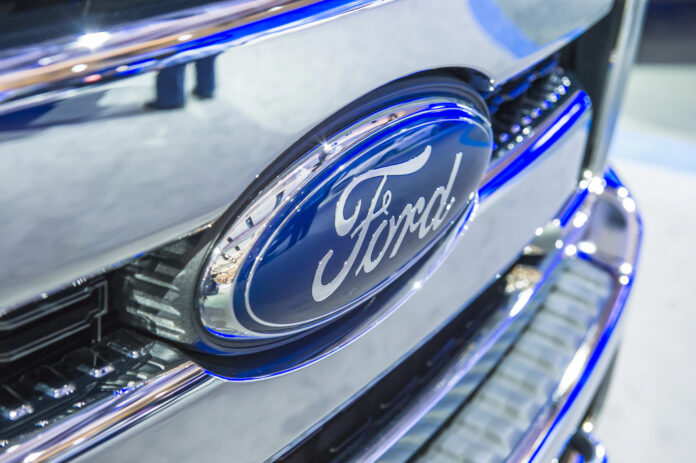
Certified Ford used cars have earned a stellar reputation for reliability, quality, and value. Whether you are a first-time buyer or looking to upgrade to a dependable vehicle, Ford dealers stand out in the automotive market for their rigorous certification processes and exceptional customer service. If you are exploring options for a trusted dealership, a certified Ford dealer is an excellent place to start. They offer a wide range of certified pre-owned vehicles backed by unmatched standards and support.

What Are Certified Used Cars?

Certified Ford used cars undergo a comprehensive inspection and certification process to ensure they meet stringent quality standards.

  • CPO Inspection: Certified pre-owned (CPO) Fords must pass a 172-point inspection that examines everything from engine performance to interior condition.
  • Low Mileage: These vehicles typically have low mileage, ensuring minimal wear and tear.
  • Warranty: Ford offers extended powertrain warranties, often up to 7 years or 100,000 miles, providing peace of mind.
  • Vehicle History: Purchasers receive a comprehensive, detailed vehicle history report, ensuring transparency about the car’s past.

Benefits of Buying Certified Used Cars

Opting for a certified Ford used car has many benefits that make it a smart choice for buyers.

  • Affordability: Certified pre-owned vehicles offer like-new quality at a fraction of the cost of a brand-new car.
  • Reliability: Rigorous inspections and warranties ensure you’re getting a dependable vehicle.
  • Resale: Certified cars often retain value better than non-certified used vehicles.

Why Do Ford Dealers Stand Out

Ford dealers have set the gold standard for certified pre-owned programs, earning the trust and loyalty of customers nationwide. Ford’s certification process is one of the most rigorous in the industry, ensuring only the best vehicles earn the certified label.

  • Stringent Criteria: Vehicles must be under 6 years old and have fewer than 80,000 miles to qualify.
  • Expert Technicians: Certified Ford vehicles are inspected and repaired by factory-trained technicians specializing in Ford models.
  • Upgraded Features: Many certified vehicles include upgraded features like advanced safety systems and modern infotainment technology.

This thorough process guarantees that certified Ford used cars meet the highest quality and performance standards.

The Ford dealerships offer a diverse selection of certified pre-owned vehicles, ensuring you’ll find a car that suits your needs and budget. Ford dealers prioritize customer satisfaction, offering services that enhance the buying experience.

  • Variety and Availability: From fuel-efficient sedans like the Ford Fusion to versatile SUVs like the Ford Escape, certified pre-owned options cater to every lifestyle. Ford’s extensive dealership network ensures vehicles are accessible in nearly every region.
  • More Inventory: Many dealers offer unique models and trims that may not be available in the new car market.
  • Upfront Pricing: Dealers provide upfront, competitive pricing with no hidden fees.
  • Flexible Financing Terms: Many Ford dealerships offer financing options tailored to your budget, making ownership more accessible.

The Technology in Certified Ford Used Cars

Certified Ford used cars often feature cutting-edge technology, enhancing both safety and convenience. With Advanced Safety Features, Ford’s certified vehicles frequently include modern safety systems that protect drivers and passengers.

  • Adaptive Cruise Control: Maintains a safe following distance by automatically adjusting your speed.
  • Blind Spot Monitoring: Alerts you to vehicles in your blind spots for safer lane changes.
  • Automatic Emergency Braking: Helps prevent collisions by applying the brakes if an obstacle is detected.
  • SYNC® Technology: Ford’s SYNC system integrates your smartphone for hands-free calls, navigation, and music streaming.
  • Touchscreen Displays: Intuitive touchscreens provide easy access to controls and features.
  • Wireless Charging: Many models include wireless charging pads for added convenience.

Packed with Eco-Friendly Options

Ford’s commitment to sustainability extends to its certified pre-owned program, with options that cater to eco-conscious buyers.

  • Hybrid Models: Certified hybrids like the Ford Escape Hybrid offer impressive fuel efficiency and lower emissions.
  • Electric Vehicles (EVs): Some dealerships offer certified EVs, like the Ford Mustang Mach-E, which combines performance with sustainability.
  • Fuel Efficiency: Even non-hybrid models are designed with fuel efficiency in mind, helping you save on gas and reduce your carbon footprint.

Choosing a certified Ford used car allows you to drive an eco-friendly vehicle without compromising quality or performance.

Conclusion

Choosing a certified Ford used car offers numerous benefits, from reliability and advanced technology to long-term value and affordability. Whether looking for a dependable family car or an eco-friendly option, Ford’s certified pre-owned program delivers unmatched quality and peace of mind.

The Thrill of Off-Road Adventures with Electric Scooters

Exploring rugged terrains and venturing into off-road trails has become an exhilarating activity for thrill-seekers and nature enthusiasts. While many turn to bicycles, ATVs, or dirt bikes for these adventures, a new player has entered the scene—high-performance electric scooters. These scooters, equipped with advanced technology and robust features, have proven themselves as reliable companions for tackling the challenges of off-road escapades.

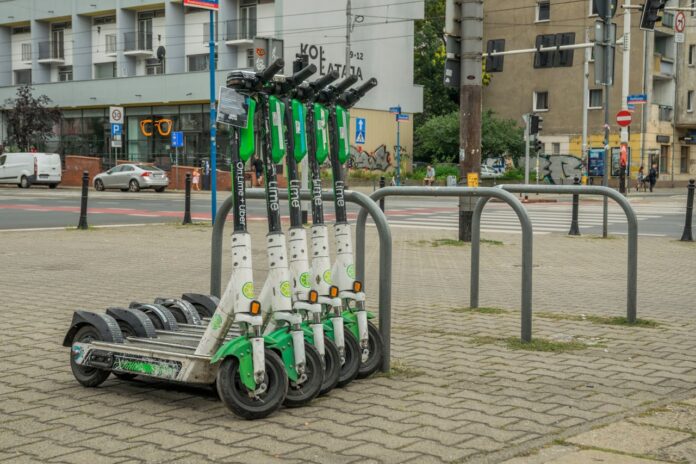
A high performance electric scooter is designed to deliver power, durability, and versatility. With its advanced engineering, it offers riders the capability to conquer uneven trails, rocky paths, and steep inclines while maintaining efficiency and control. Beyond their utility, these scooters represent a new wave of environmentally friendly transportation that combines adventure with sustainability. This article delves into the features, benefits, and standout models of high-performance electric scooters tailored for off-road use.

The Features That Define Off-Road Excellence

When considering off-road vehicles, durability and functionality are paramount. High-performance electric scooters stand out due to their specialized features that cater to the demands of rough terrain. Their design prioritizes strength, agility, and comfort to ensure that riders can confidently navigate challenging environments.

The most critical component of an off-road scooter is its motor. These scooters are powered by high-torque electric motors capable of delivering impressive acceleration and sustained power. This ensures that riders can climb steep inclines and tackle obstacles without losing momentum. Paired with a robust battery, these scooters can provide extended ranges, making them ideal for long off-road adventures.

Another standout feature is the suspension system. Off-road terrains are often uneven and unpredictable, making a reliable suspension system essential for comfort and safety. Advanced suspension designs, such as dual hydraulic or spring systems, absorb shocks and vibrations, ensuring a smoother ride. This feature, combined with large, rugged tires designed for maximum grip, enhances stability and traction on loose gravel, mud, or sand.

The frames of these scooters are typically constructed from lightweight yet durable materials such as aluminum alloy or carbon fiber. These materials provide the necessary strength to withstand the stresses of off-road riding without compromising portability. Additionally, weatherproofing and water resistance are often built into these scooters to ensure they can perform in various weather conditions.

Exploring the Benefits of Off-Road Electric Scooters

Electric scooters tailored for off-road use provide numerous advantages, making them a compelling choice for adventure enthusiasts. One of the most significant benefits is their environmental friendliness. Unlike traditional off-road vehicles that rely on fossil fuels, electric scooters produce no emissions, reducing their carbon footprint. This aligns with the global push for sustainable transportation solutions and makes off-road adventures more eco-friendly.

Their quiet operation is another notable benefit. The electric motors in these scooters operate almost silently compared to the loud engines of ATVs or dirt bikes. This allows riders to explore nature trails without disturbing wildlife or the serene ambiance of their surroundings. The low noise level also makes them suitable for use in residential areas or urban outskirts where noise restrictions may apply.

In terms of accessibility, off-road electric scooters are user-friendly and easy to operate, even for beginners. They require minimal maintenance compared to gasoline-powered vehicles, as they lack complex engines and rely on fewer mechanical components. This simplicity reduces the likelihood of mechanical failures and ensures a more hassle-free riding experience.

The portability of these scooters is another significant advantage. Many models are foldable or compact enough to be transported in the trunk of a car, making them convenient for riders who want to explore trails located farther from home. Their lightweight design also allows riders to carry them over particularly challenging sections of a trail if needed.

Innovations Driving High-Performance Electric Scooters

The rapid advancement of technology has greatly influenced the capabilities of high-performance electric scooters. Modern models are equipped with state-of-the-art features that enhance their performance, safety, and user experience. These innovations have made electric scooters a viable and attractive option for off-road adventures.

One of the most impactful advancements is the integration of smart technology. Many electric scooters now feature digital displays that provide real-time information such as speed, battery life, and distance traveled. These displays often include GPS navigation systems, allowing riders to explore unfamiliar trails with confidence. Bluetooth connectivity is another common feature, enabling riders to sync their scooters with smartphone apps for additional functionalities, such as adjusting performance settings or tracking ride data.

Battery technology has also seen significant improvements. The development of high-capacity lithium-ion batteries has extended the range of electric scooters, allowing riders to embark on longer journeys without worrying about running out of power. Fast-charging capabilities further enhance the convenience of these scooters, minimizing downtime between rides.

Safety features have also been prioritized in recent designs. Advanced braking systems, such as dual disc brakes or regenerative braking, provide precise control and stopping power, even on steep descents. LED lighting systems, including powerful headlights and taillights, improve visibility during low-light conditions or nighttime rides. These safety measures ensure that riders can confidently navigate off-road trails while minimizing risks.

Selecting the Ideal Off-Road Electric Scooter

Choosing the right high-performance electric scooter for off-road adventures involves considering various factors, including terrain type, rider preferences, and budget. Different models cater to specific needs, so understanding the features and capabilities of each scooter is essential for making an informed decision.

For riders seeking versatility, some scooters are designed to handle a wide range of terrains, from dirt trails to paved roads. These all-terrain models often feature adjustable suspension systems, allowing riders to customize the scooter’s performance based on the surface they are navigating. This adaptability makes them suitable for individuals who enjoy exploring diverse environments.

For those who prioritize speed and power, performance-oriented models are equipped with dual motors and high-wattage outputs. These scooters deliver exceptional acceleration and top speeds, making them ideal for adrenaline junkies who want to conquer challenging trails. However, these models may sacrifice some portability and battery efficiency for their enhanced capabilities.

Budget-conscious riders can also find options that offer a balance between performance and affordability. While these scooters may lack some of the advanced features found in premium models, they still provide the essential components needed for off-road riding. These entry-level options are a great way for newcomers to experience the thrill of off-road adventures without a significant upfront investment.

The Future of Off-Road Electric Scooters

The popularity of high-performance electric scooters continues to grow, and their future looks promising as technological advancements and environmental concerns drive innovation in the industry. Manufacturers are constantly exploring ways to enhance the performance, durability, and sustainability of these scooters, ensuring they remain a viable choice for off-road enthusiasts.

One area of focus is the development of more efficient batteries. Researchers are working on solid-state battery technology, which promises to deliver higher energy density, faster charging times, and longer lifespans compared to current lithium-ion batteries. These advancements will further extend the range of electric scooters and make them even more convenient for long-distance adventures.

Another trend is the incorporation of artificial intelligence (AI) and machine learning into scooter systems. AI-powered features, such as adaptive suspension and predictive maintenance alerts, can optimize the performance of electric scooters based on rider behavior and environmental conditions. These intelligent systems will enhance the safety and reliability of off-road scooters, making them more user-friendly and appealing to a broader audience.

The focus on sustainability is also expected to grow, with manufacturers exploring ways to use recycled materials and reduce waste in the production of electric scooters. This commitment to eco-friendly practices aligns with the values of environmentally conscious consumers and contributes to the overall goal of reducing the environmental impact of transportation.

Conclusion

High-performance electric scooters have emerged as a game-changing option for off-road adventures, offering a unique blend of power, durability, and environmental benefits. Their ability to navigate rugged terrains with ease, combined with their eco-friendly nature, makes them a standout choice for thrill-seekers and nature lovers alike.

From their advanced motor systems and suspension designs to their innovative safety features and smart technology, these scooters represent the future of sustainable adventure transportation. As the industry continues to evolve, riders can look forward to even more exciting developments that enhance the performance and accessibility of off-road electric scooters.

Whether you’re an experienced adventurer or a newcomer looking to explore the outdoors, investing in a high-performance electric scooter is a step toward embracing the thrill of off-road exploration while contributing to a cleaner and greener planet.

Everything You Need to Know About NASCAR

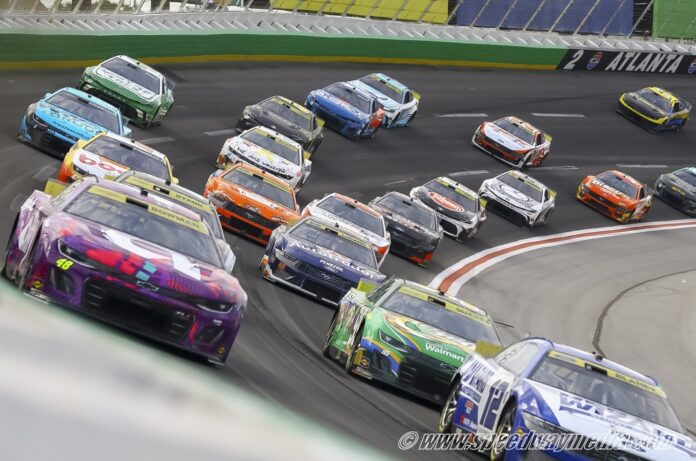
Throughout 2024, NASCAR had an average television viewership of 3.85 million, ranking it among the most popular sports in the USA. NASCAR’s 10-month-long season, from February to November, always gives fans plenty to look forward to.

NASCAR has a long history as it was founded in 1947 by Bill France Sr. Since then, the sport has grown to become just as popular as football, basketball, baseball, and ice hockey. The NASCAR Euro Series is a new addition to NASCAR that could see tremendous growth in other countries.

What is NASCAR?

NASCAR is the name used for multiple racing series. This consists of the Cup Series, Xfinity Series, and the Craftsman Truck Series. The Cup Series is the most popular and is the highest level of NASCAR. 

NASCAR Cup Series

The Cup Series takes place on a race weekend on various intermediate ovals, short tracks, road courses, and superspeedways across the USA. Races are split into three types: stage, non-point, and playoffs. The most important races are the stage races, as drivers need to secure as many points as possible to earn playoff spots. 

Non-point races can be seen as an exhibition race. They are the most fun to watch as drivers are keen to try different tactics that may or may not pay off. On the flip side, the playoffs are the most important part of the season, as drivers who don’t do well are eliminated. 

As far as vehicle restrictions go, NASCAR Cup Series engines may not exceed 358ci or 5.86 litres. This is to ensure the competition is fair and that no team can take advantage of higher power output. There are also strict rules regarding fueling and fuel injection systems. Other restrictions include:

  • Restrictor plates between the intake manifold and the carburetor.
  • No forced induction is allowed, e.g., turbochargers and superchargers. 
  • Each car must use a fuel injection system.

NASCAR Xfinity Series

The Xfinity Series is a NASCAR series with a major focus on talent development. The race format is identical to the Cup Series, but the races have fewer laps, and the vehicles use a flange-fit composite body. This chassis lowers overall costs and is significantly safer and more advanced than its Cup Series counterpart. 

The engines used in both the Cup Series and Xfinity Series are the same and have similar outputs. However, Xfinity Series cars are smaller and lighter, have smaller wheels, feature a carburetor, and have a single-exit exhaust. As a development series, the rules of Xfinity are the same, the only difference being the number of rounds used.

NASCAR Craftsman Truck Series  

The Craftsman Truck Series pickup trucks use the same 358ci V8 engine and can either have a carburetor or an electronic fuel injection system. In this series, 10 drivers will reach the playoffs. It would then be cut to eight drivers and then four for the championship race.

Rules and Procedures

To compete, drivers must participate in a practice run and qualifying race to determine their starting position. The rules of qualifying depend on the racetrack, but the process has two rounds that give each driver a single timed lap per round for most tracks, with some getting two timed laps. 

Once the first round has finished, the top 10 fastest qualifiers will enter the second round to determine the starting order. This also stands as a fantastic betting prop, especially on Sportybet, which allows bets using cryptocurrencies, including Bitcoin and Tether. 

NASCAR Flag System

NASCAR uses a series of colored flags to determine different events or incidents throughout a race. These flags include:

  • Black and white checkered flag: Race completion.
  • Black flag: Immediate pit due to rule-breaking or dangerous driving.
  • Red flag: Race stoppage due to bad weather or another hazard.
  • Green and white checkered flag: The end of the race stage.
  • Blue flag with yellow stripe: Alerting drivers of fast-approaching cars.
  • White flag: One lap remaining.
  • Yellow flag: Caution due to accident or another hazard.
  • Green flag: Race starts.

Choose Rule

The 2020 season saw NASCAR implement the Choose Rule. This allows drivers to voice their opinions on where they’re placed during double-file (line-up two by two) restarts, with the higher-ranked driver allowed to choose the high line or the low line of the track.

Car and Driver Requirements

The general rules dictate that the car’s number must be visible on both doors and the roof, while the manufacturer’s decal specs must be on the rear bumper and the front of the car. There are strict rules regarding the placement of sponsors and the exterior design. 

Throughout a race weekend, the driver must use the same car along with all of its components, and the car will go through multiple inspections beforehand. It’s prohibited to change transmissions or engines, and in the Truck and Xfinity series, components need to last two race weekends. 

The sport continues to grow, and with the dawn of electric motorsports, significant changes are on the horizon. Luckily, roaring V8 engines are here to stay, at least for now. 

WINNER-TAKE-ALL FINAL ROUND LEADS TO GREG ANDERSON’S MOST MEANINGFUL NHRA PRO STOCK TITLE

Pro Stock’s all-time wins leader caps 2024 season with unbelievable comeback, sixth title and 106th career win

INDIANAPOLIS (Nov. 27, 2024) – Greg Anderson has enjoyed as much success as nearly everyone in NHRA history. But this year’s sixth Pro Stock championship might have been the most meaningful accomplishment of his stellar career.

Anderson got the situation he longed craved for – a winner-take-all final round in Pomona – and the veteran delivered in a major way, defeating KB Titan Racing teammate Dallas Glenn in a thriller with a run of 6.501-seconds at 211.30 mph in his HendrickCars.com Chevrolet Camaro to narrowly defeat Glenn’s 6.516.

It handed the driver with the most wins in Pro Stock history (106) an unbelievable moment in a situation many would have thought improbable just few short weeks prior. As he’s been prone to do throughout his championship career, Anderson found another level when he needed it, warding off the young talent for one more year and winning a championship he said meant more than any of the previous five.

“I definitely feel that way,” Anderson said. “Our class is in good shape, that’s the good news. We’ve got so many young guns who can drive the wheels off these things and they’re racing for wins and championships. Yes, they’re trying to push me out the door, but I’m dragging my feet. People ask me when I’m going to quit and I’ll quit when I can’t win anymore. Apparently, I can’t quit yet. It’s not going to be tomorrow.”

With his sixth world championship, Anderson ties longtime rival Erica Enders and legend Warren Johnson for the second-most titles in Pro Stock history. This one will certainly go down as one of the most remarkable, as both young standouts Glenn and Aaron Stanfield seemed to take control this season and during the Countdown to the Championship.

Anderson won early, taking victories in Phoenix and the 4-Wide race in Charlotte, the latter which handed him the points lead. That only lasted a race, but Anderson stayed in the top four throughout the regular season as his car took a handful of No. 1 qualifiers. He lost in the final round at Bristol and then entered the Countdown to the Championship third in points.

Anderson advanced to the semifinals at the first three playoff races and then made it to the finals in both Dallas and Las Vegas, qualifying No. 1 at both races. Each race ended in defeat, though, as the championship seemed to be slipping from his grasp.

Stanfield won in Vegas, taking over the points lead with Glenn not far behind. Anderson knew he needed Pomona magic and, lo and behold, everything seemed to go his way at the In-N-Out Burger NHRA Finals. He qualified No. 1 and then the eliminations ladder broke down almost perfectly, as Anderson could potentially face Stanfield in the semifinals and Glenn in the finals.

He knew if he won the race the championship was his and the veteran went to work, dipping into the 6.40s during the first three rounds on Sunday. That included an impressive 6.488 against Stanfield, setting up the incredible teammate versus teammate, winner-take-all scenario in the final round. Anderson had just enough to track down Glenn, ensuring the veterans still had the final say in the class. Since 2018, either Anderson or Enders have won every Pro Stock title, with Anderson winning twice in that span.

“I had been struggling the last 3-4 months. I had not been able to close the deal,” Anderson said. “I’ve had a great, great car and couldn’t win a race. We kept working and kept dreaming that we could get one and (Pomona) was that day. My car was flawless and I didn’t screw it up driving, we got four win lights and a championship and I just about can’t believe it. I’ve been thinking about this scenario for the last week-and-a-half and it came true.

“I love racing at Pomona and it’s a perfect place to end it all. I was happy to be part of that final round. I just got it done and had a great hot rod. It was a great team win. Dallas was deadly on the tree all weekend and thank goodness I just did enough.”

The dramatics of the final round carried Anderson to an unreal 15th win at In-N-Out Burger Pomona Dragstrip, and he finished 2024 with three wins, six finals and eight No. 1 qualifiers.

By winning his sixth world title, he also gave KB Titan Racing its 10th overall championship, a spectacular number that will have a chance to grow in 2025. Anderson beamed with joy following his Pomona triumph, praising all the people who have made his wonderful career possible.

“We’ve built a heck of an organization here,” Anderson said. “The thing I’m most proud of is putting this race team together. Ken Black handed it to me and that’s what I’m most proud of, the people I’ve surrounded myself with. People are everything and I’ve got a great bunch of them. This team dug in and we persevered at the end. I’m just a lucky man. All the support means everything to me.”

The 2025 NHRA Mission Foods Drag Racing Series begins March 6-9 with the NHRA Gatornationals at legendary Gainesville Raceway. For more information about NHRA, including the 2025 schedule, please visit www.NHRA.com.


About Mission Foods

MISSION®, owned by GRUMA, S.A.B. de C.V., is the world’s leading brand for tortillas and wraps. MISSION® is also globally renowned for flatbreads, dips, salsas and Mexican food products. With presence in over 112 countries, MISSION® products are suited to the lifestyles and the local tastes of each country. With innovation and customer needs in mind, MISSION® focuses on the highest quality, authentic flavors, and providing healthy options that families and friends can enjoy together. For more information, please visit https://www.missionfoods.com/

About NHRA

NHRA is the primary sanctioning body for the sport of drag racing in the United States. NHRA presents 20 national events featuring the NHRA Mission Foods Drag Racing Series and NHRA Lucas Oil Drag Racing Series, as well as the Congruity NHRA Pro Mod Drag Racing Series presented by LearnEV+, NHRA Flexjet Factory Stock Showdown™, NHRA Holley EFI Factory X, Pingel Top Fuel Motorcycle and Johnson’s Horsepowered Garage NHRA Mountain Motor Pro Stock at select national events. NHRA provides competition opportunities for drivers of all levels in the NHRA Summit Racing Series and NHRA Street Legal™. NHRA also offers the NHRA Jr. Street® program for teens and the Summit Racing Jr. Drag Racing League® for youth ages 5 to 17. With 110 Member Tracks, NHRA allows racers to compete at a variety of locations nationally and internationally. NHRA’s Youth and Education Services® (YES) Program reaches over 30,000 students annually to ignite their interest in automotive and racing related careers. NHRA’s streaming service, NHRA.tv®, allows fans to view all NHRA national events as well as exclusive features of the sport. In addition, NHRA owns and operates three racing facilities: Gainesville Raceway in Florida; Lucas Oil Indianapolis Raceway Park; and In-N-Out Burger Pomona Dragstrip in Southern California. For more information, log on to www.NHRA.com, or visit the official NHRA pages on Facebook, Instagram, Twitter, and YouTube.

JEFF AND SETH DYER FINISH THE 2024 SEASON THIS WEEK

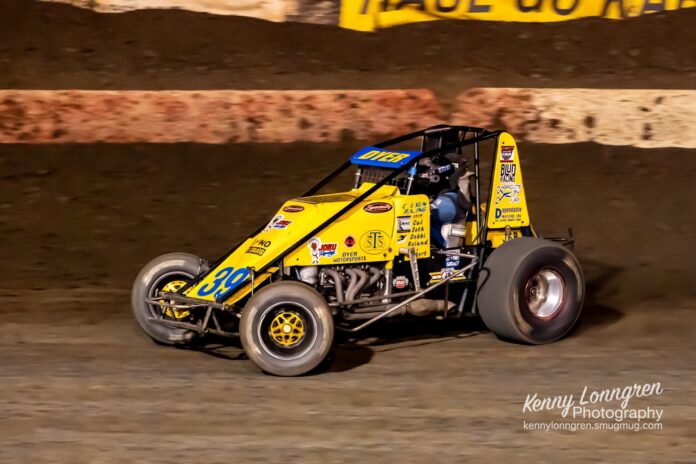
Jeff Dyer at Perris Auto Speedway. Kenny Lonngren photo.

(Yucca Valley, CA, November 26, 2024) With the holidays beckoning just around the corner, Jeff Dyer and his teenage son Seth are set to finish their 2024 racing seasons this Wednesday, Friday, and Saturday. Wednesday’s show will be the 8th annual Western States Lightning Sprint Car Championship for the California Lightning Sprint Cars at the Bakersfield Speedway. Both Jeff and Seth will be racing in that one. Friday and Saturday, Jeff will compete in the Inland Rigging Ultimate Sprint Car Series portion of the 83rd Turkey Night Grand Prix at the Ventura Raceway.

Wednesday’s race had originally been scheduled for Tuesday night. However, heavy rainstorms on Monday and Tuesday forced the event’s postponement until Wednesday. It will be the final race in the 30th season for the California Lightning Sprint Cars. Jeff, a California Highway Patrol Officer, when he is not racing, sits comfortably in third heading into the finale. Seventeen-year-old Seth is seventh in the CLS championship standings, but he is only 10 points out of sixth.

Jeff’s best finish with the CLS on “The West’s Fastest 1/3 Mile High Banked Clay Oval” in 2024 came on March 16th when he placed second. Seth’s best showing at the “Okie Bowl” came when he finished fourth on May 18th. However, in June the teen led the first nine laps of the main event and seemed to have the field covered until he slowed with a broken engine.

After Wednesday, the team will slap restrictors on the Cal Smith Racing/Dyer Motorsports yellow #39 410 sprint car and head to the prestigious Turkey Knight Grand Prix at Ventura. It will be Jeff’s first appearance in one of the USA’s most famous dirt track races. On Friday night, he will be one of 60 cars trying to race their way into Saturday’s finale. Only the top 42 in points on Friday will race again on Saturday.

The two nights of racing at the track, which is located at the beach on the Ventura County Fairgrounds, will be Jeff’s first time in a full-size sprint car at Ventura in 2024. However, he has been a force on the tiny track this year in lightning sprints. In five starts, he has two runner-up results, two third-place finishes, and he came home ninth once.

Adult general admission tickets at Bakersfield are $25.00. For kids 6-12, general admission tickets are $15.00. For children 5 and under, general admission tickets are free. For seniors 65+ and military (ID required), general admission tickets are $22.00. The track is located at 5001 N. Chester Ext., in Bakersfield (93308). The track website is http://www.bakersfieldspeedway.com/ and the office phone number is (661) 393-3373.

At Ventura, spectator gates will open at 3:00 p.m., with cars on the track at 3:30 on both days. Advance tickets can be purchased at www.venturaraceway.com. Additional information is available at 805-648-7223. The famous track is located on the Ventura County Fairgrounds at 10 W. Harbor Boulevard in Ventura (93001).

For fans who cannot make it to the track, all three nights will be streamed live on Flo Racing.

Seth wrapped up the GAS Chassis Young Gun portion of his 2024 season at Perris Auto Speedway on November 9th. A clogged fuel line between the tank and the filter forced him to drop out of the race early.

In 2024, the following marketing partners will help keep the Dyers on track. Dependable Machine Inc., Haircuts By Susie, Jobu Racing, LBA Investigations, Straight Time Stirrups, Justice Brothers, Fonseca Racing, Specialty Fasteners, and Blud Racing Lubricants. If you would like to be a part of Dyer Motorsports in 2024, call (760) 550-7237 or send an email to mailto:dyermotorsports4@gmail.com.

Jeff is racing in memory of his grandparents, Glenn, and Beverly Sels, throughout the 2024 season.

Jeff Dyer’s 2024 Racing Results

2/24/24 Perris Auto Speedway USAC/CRA Sprint Cars 14th A Main

3/1/24 Imperial Valley Raceway California Lightning Sprints DNS

3/2/24 Imperial Valley Raceway California Lightning Sprints 7th A Main

3/9/24 Bakersfield Speedway California Lightning Sprints 2nd A Main

3/16/24 Perris Auto Speedway USAC/CRA Sprint Cars 19th A Main

4/6/24 Mohave Valley Raceway USAC/CRA Sprint Cars 20th A Main

4/20/24 Bakersfield Speedway California Lightning Sprints DNS

4/20/24 Bakersfield Speedway Ultimate Sprint Car Series 17th A Main

5/4/24 Ventura Raceway California Lightning Sprints 2nd A Main

5/18/24 Bakersfield Speedway California Lightning Sprints DNS

5/25/24 Perris Auto Speedway USAC/CRA Sprint Cars DNS

6/8/24 Ventura Raceway California Lightning Sprints 9th A Main

6/15/24 Bakersfield Speedway California Lightning Sprints 10th A Main

6/22/24 Perris Auto Speedway USAC/CRA Sprint Cars 19th A Main

7/6/24 Santa Maria Speedway USAC/CRA Sprint Cars 14th A Main

7/6/24 Santa Maria Speedway California Lightning Sprints 1st A Main

7/13/24 Perris Auto Speedway USAC/CRA Sprint Cars 14th A Main

9/13/24 Bakersfield Speedway California Lightning Sprints 8th A Main

9/14/24 Ventura Raceway California Lightning Sprints 3rd A Main

9/28/24 Ventura Raceway California Lightning Sprints 3rd A Main

10/5/24 Merced Speedway California Lightning Sprints 4th A Main

10/18/24 Imperial Valley Raceway SoCal Lightning Sprints 13th A Main

10/18/24 Imperial Valley Raceway USAC/CRA Sprint Cars 14th A Main

10/19/24 Imperial Valley Raceway USAC/CRA Sprint Cars DNS

10/26/24 Ventura Raceway California Lightning Sprints 2nd A Main

11/1/24 Mohave Valley Raceway Western World Championships 24th A Main

11/2/24 Mohave Valley Raceway Western World Championships 21st A Main

Seth Dyer’s 2024 Racing Results

3/1/24 Imperial Valley Raceway California Lightning Sprints 7th A Main

3/2/24 Imperial Valley Raceway California Lightning Sprints 13th A Main

4/20/24 Bakersfield Speedway California Lightning Sprints 7th A Main

5/4/24 Ventura Raceway California Lightning Sprints 9th A Main

5/18/24 Bakersfield Speedway California Lightning Sprints 4th A Main

5/25/24 Perris Auto Speedway GAS Chassis Young Guns 4th A Main

6/8/24 Ventura Raceway California Lightning Sprints 4th A Main

6/15/24 Bakersfield Speedway California Lightning Sprints 9th A Main

7/6/24 Santa Maria Speedway California Lightning Sprints 12th A Main

7/27/24 Santa Maria Speedway California Lightning Sprints 5th A Main

8/17/24 Perris Auto Speedway GAS Chassis Young Guns 1st A Main

9/13/24 Bakersfield Speedway California Lightning Sprints 11th A Main

9/14/24 Ventura Raceway California Lightning Sprints 6th A Main

9/21/24 Perris Auto Speedway GAS Chassis Young Guns DNS

9/28/24 Ventura Raceway California Lightning Sprints 9th A Main

10/5/24 Merced Speedway California Lightning Sprints 11th A Main

10/18/24 Imperial Valley Raceway SoCal Lightning Sprints 9th A Main

10/26/24 Ventura Raceway California Lightning Sprints DNS

11//24 Perris Auto Speedway GAS Chassis Young Guns 3rd A Main

FUNNY CAR’S AUSTIN PROCK LEAVES NO DOUBT EN ROUTE TO DOMINANT NHRA CHAMPIONSHIP SEASON

Prock’s record-breaking season, including monumental 341.68 mph blast, 8 wins and 15 No. 1 qualifiers, leads to first world title

INDIANAPOLIS (Nov. 26, 2024) – Making a dream a reality is never easy, but surrounded by family and a standout team, Funny Car’s Austin Prock lived out a lifelong aspiration during his dominant, championship-winning 2024 season in the Mission Foods Drag Racing Series.

Prock left no doubt, turning in one of the most incredible seasons in recent Funny Car history, blistering track records, setting national marks and making the fastest run in NHRA history in the process.

It was everything Prock dreamed of – and much, much more – when he made his Funny Car debut this season. Filling in for John Force Racing President Robert Hight, a three-time world champion, Prock had big shoes to fill, but it’s an opportunity he relished. Prock raced alongside star crew chief and his father, Jimmy Prock, and his brother, Thomas, fulfilling a dream that only seemed to get better as the season went on.

Prock won eight races, tying him with Hight and Ron Capps for the most in a single season in Funny Car since 2000, with his playoff victory in Las Vegas putting him in position to clinch the world title during qualifying in Pomona. The 2019 Rookie of the Year did that and then went 3.804-seonds – the quickest run in Funny Car since 2017 and the fourth-quickest in history – to close out qualifying and his championship season with an emphatic exclamation point in his 11,000-horsepower Cornwell Tools/AAA Chevrolet Camaro SS.

“If you have a dream, go for it,” Prock said. “If you’re passionate about something, go after it. You’re not going to be the best if you don’t put in the most work and the most effort, and all I’ve ever cared about is driving a race car. We’ve always been passionate about it and we’ve always been surrounded by great people.

“I didn’t feel much pressure at all, all season long. I was nervous getting into a totally different car, but this is what I’ve dreamed of. I just tried to block everything out and focus on what I needed to do. I study my craft every day and see things I can do better. I know I can drive a race car, it was just a matter of if I could do it at a championship level. I was not going to be a weak link. I told myself I was going to work hard and get the job done, and we did it.”

Prock grabbed everyone’s attention immediately in Gainesville, qualifying No. 1 with a stout 3.820 and advancing to the final round. His first career Funny Car victory came two races later in Phoenix, following it with a runner-up to his boss, John Force, in Epping and a victory in Bristol.

The following race was an emotional one, but Prock won in Richmond following Force’s devastating crash in eliminations. He added another victory in Seattle and then closed out the regular season in style, picking up his first career U.S. Nationals victory. In that span, Prock was building something special in qualifying, too, putting him close to a record Force set nearly 30 years ago.

Force took 13 No. 1 qualifiers that year, but Prock sped past that, tying the mark in Dallas with a 3.813 and then setting the single-second Funny Car (and nitro) record for top qualifiers in a season with a 3.817 in Las Vegas. He added one more for good measure thanks to his 3.804 in Pomona, giving him 15 No. 1 qualifiers in 20 races.

The championship was always the main goal and Prock left no doubt there, either. He won the first two playoff rounds and put together 14 straight round wins at one point from Indy through St. Louis. The championship was practically sewn up in Vegas and by Saturday night in Pomona, Prock was able to exhale with the trophy in his hands.

“You always come into a race season wanting to do well and everyone on this team just did an outstanding job,” Prock said. “We all kept our heads down through the good moments, the bad moments and that’s what it takes to be a champion. This year has just been filled with so much emotion.

“I’ve been working towards this for 19 years. I started driving race cars when I was 10 years old and all I could think of was being a professional race car driver in any manner and winning the world championship, and we got it done this year. I got to do it with my family, with my dad turning the knobs with my brother. I’m really proud of that.”

The numbers speak for themselves, as Prock enjoyed six of the seven quickest runs in Funny Car this season. He qualified No. 1 in five of the six Countdown races, advancing to 12 final rounds and racking up a spectacular 53-12 record in 2024. To fully finish off the season with a remarkable bow, Prock went an amazing 341.68 mph during eliminations in Pomona, making the fastest run in NHRA history. It was a lasting parting shot for the season, but if Prock has his way, it won’t be his last.

“We don’t plan on letting up anytime soon,” Prock said. “We plan on getting better in the off-season, and we want to get these Camaros quicker and faster. I’m excited for next year and it’s a heck of an opportunity. I’m proud to be part of John Force Racing and all the great partnerships we have.”

The 2025 NHRA Mission Foods Drag Racing Series begins March 6-9 with the NHRA Gatornationals at legendary Gainesville Raceway. For more information about NHRA, including the 2025 schedule, please visit www.NHRA.com.


About Mission Foods

MISSION®, owned by GRUMA, S.A.B. de C.V., is the world’s leading brand for tortillas and wraps. MISSION® is also globally renowned for flatbreads, dips, salsas and Mexican food products. With presence in over 112 countries, MISSION® products are suited to the lifestyles and the local tastes of each country. With innovation and customer needs in mind, MISSION® focuses on the highest quality, authentic flavors, and providing healthy options that families and friends can enjoy together. For more information, please visit https://www.missionfoods.com/

About NHRA

NHRA is the primary sanctioning body for the sport of drag racing in the United States. NHRA presents 20 national events featuring the NHRA Mission Foods Drag Racing Series and NHRA Lucas Oil Drag Racing Series, as well as the Congruity NHRA Pro Mod Drag Racing Series presented by LearnEV+, NHRA Flexjet Factory Stock Showdown™, NHRA Holley EFI Factory X, Pingel Top Fuel Motorcycle and Johnson’s Horsepowered Garage NHRA Mountain Motor Pro Stock at select national events. NHRA provides competition opportunities for drivers of all levels in the NHRA Summit Racing Series and NHRA Street Legal™. NHRA also offers the NHRA Jr. Street® program for teens and the Summit Racing Jr. Drag Racing League® for youth ages 5 to 17. With 110 Member Tracks, NHRA allows racers to compete at a variety of locations nationally and internationally. NHRA’s Youth and Education Services® (YES) Program reaches over 30,000 students annually to ignite their interest in automotive and racing related careers. NHRA’s streaming service, NHRA.tv®, allows fans to view all NHRA national events as well as exclusive features of the sport. In addition, NHRA owns and operates three racing facilities: Gainesville Raceway in Florida; Lucas Oil Indianapolis Raceway Park; and In-N-Out Burger Pomona Dragstrip in Southern California. For more information, log on to www.NHRA.com, or visit the official NHRA pages on Facebook, Instagram, Twitter, and YouTube.