Home Blog Page 78

Ford Racing NASCAR – Talladega 2 Advance

TALLADEGA 2

Friday, October 17 – NASCAR Craftsman Truck Series, 3:30 p.m. ET (FS1)
Saturday, October 18 – NASCAR Xfinity Series, 4 p.m. ET (CW)
Sunday, October 19 – NASCAR Cup Series, 2 p.m. ET (NBC)

For the first time all playoff season, each of NASCAR’s top touring series are on the same schedule as the second race in the Round of 8 takes place at Talladega Superspeedway. Ford has more Cup Series playoff wins at this facility than any other as Mustang drivers Ryan Blaney and Joey Logano look to add another one on Sunday and clinch a spot in the Championship 4.

TALLADEGA PLAYOFF SUCCESS

No track has provided more playoff success for Ford than Talladega Superspeedway, which has seen 10 Blue Oval wins in the postseason. Team Penske has been at the forefront of that success with Brad Keselowski, Joey Logano and Ryan Blaney each winning twice.

FORD PLAYOFF WINS AT TALLADEGA

2005 – Dale Jarrett, Robert Yates Racing

2009 – Jamie McMurray, Roush Fenway Racing

2012 – Matt Kenseth, Roush Fenway Racing

2014 – Brad Keselowski, Team Penske

2015 – Joey Logano, Team Penske

2016 – Joey Logano, Team Penske

2017 – Brad Keselowski, Team Penske

2018 – Aric Almirola, Stewart-Haas Racing

2019 – Ryan Blaney, Team Penske

2023 – Ryan Blaney, Team Penske

CINDRIC GOING FOR TALLADEGA SWEEP

Austin Cindric punched his ticket to this year’s playoffs after winning for the third time in his career earlier this year at Talladega Superspeedway. Cindric came out with the lead following a late-race green flag pit cycle and was able to outduel fellow Ford driver Ryan Preece at the finish line to win the Jack Link’s 500. Cindric and Preece exchanged the lead from each other five times over the final seven laps before the Team Penske driver won by .022 seconds.

KESELOWSKI CLIMBING ALL-TIME TALLADEGA WIN LIST

Brad Keselowski, who will be making his 34th career start at Talladega Superspeedway this weekend, is the winningest active driver at the track with six NASCAR Cup Series victories. That ties him for second on the all-time list with Dale Earnhardt Jr. and Jeff Gordon and puts him four behind all-time winner Dale Earnhardt Sr., who won 10 times during his NASCAR Hall of Fame career. In 33 races, Keselowski has registered 12 top-5 and 16 top-10 finishes while completing almost 95 percent of the laps (5892-of-6218).

FORD DRIVERS IN THE CUP SERIES PLAYOFFS

DRIVER – POINTS POSITION

Joey Logano – 7th (-24 below the cut line)

Ryan Blaney – 8th (-31)

Note: Top 4 advance after Martinsville

FORD PLAYOFF DRIVERS AT TALLADEGA

Joey Logano: 33 starts, 3 wins, 9 top-5, 11 top-10

Ryan Blaney: 22 starts, 3 wins, 6 top-5, 8 top-10

RYAN BLANEY: DOES TALLADEGA MATTER IF IT’S IN THIS ROUND OR THE PREVIOUS ROUND? “I think when you have Talladega in any round in the playoffs there are going to be challenges. I look at it as people are making a big deal when it was in the Round of 8 like, ‘Oh man, it’s the semifinal round and it’s really gonna shake things up.’ I looked at it as you have to race less guys, whereas if it was in the Round of 12, I’ve got to race 11 other guys. This way, I’ve only got to race seven, so I look at it from that perspective of points and guys that could win. It kind of shrinks the field of playoff guys that can win and move on. It’s still gonna be scary and you never know what’s gonna happen, but we’re fortunate to have that problem right now and getting there and competing, but it doesn’t matter to me what round it is in.”

JOEY LOGANO: DOES TALLADEGA MATTER IF IT’S IN THIS ROUND OR THE PREVIOUS ROUND? “There’s definitely a difference. I hate calling them wild cards because I just hate saying that – but it’s a race where a lot of things can happen. A wreck can take out a few cars more than normal, so it just becomes interesting that way. I don’t know if I’m a huge fan of that where it is in the playoffs, but the rules are the rules and we’re gonna play by them. That’s the whole thing with this whole playoff system. When we start in Daytona, those are the rules. We all know it. We all know the schedule. We all know how everything goes and it’s up to us to figure out how to do it the best. They’re not gonna change because we don’t like it. They are what they are, so let’s go figure out how to win with it.”

BLANEY’S TALLADEGA SUCCESS

Ryan Blaney heads into this weekend 31 points below the cut line after last week’s race at Las Vegas Motor Speedway, but three of his 16 career NASCAR Cup Series wins have come at Talladega Superspeedway (2019, 2020 and 2023). Blaney advanced to the Round of 8 with his photo finish victory over Ryan Newman in 2019 after the race had to be completed on Monday due to rain. The race came down to a final inch as Newman got past Blaney for the lead coming off turn three, only to see the Team Penske driver battle back on the inside and nip him by a bumper at the stripe. The script was much the same in 2020 as rain forced the race to Monday with Blaney this time beating Ricky Stenhouse Jr. by inches in an overtime finish. In 2023, Blaney outdueled Kevin Harvick in a door-to-door battle for the entire final lap to win in a photo finish and once again advance to the Round of 8.

CREED ON TOP 10 TALLADEGA STREAK

Sheldon Creed comes into this weekend’s race at Talladega Superspeedway 21 points below the cut line, so he would like nothing better than to continue a streak that has seen him finish 10th or better in each of the last four series races at the facility. That includes a ninth-place run earlier this year in which he led nine laps, and a runner-up effort in 2023. Creed’s Haas Factory Team teammate, Sam Mayer, also has a second-place series finish at Talladega with that coming in this event in 2022.

FORD DRIVERS IN THE XFINITY PLAYOFFS

DRIVER – POINTS POSITION

Sam Mayer – 4th (+8 above the cut line)

Sheldon Creed – 6th (-21)

Note: Top 4 advance after Martinsville

FORD PLAYOFF DRIVERS AT TALLADEGA

Sam Mayer: 7 starts, 0 wins, 1 top-5, 1 top-10

Sheldon Creed: 6 starts, 0 wins, 2 top-5, 4 top-10

ONE DOWN, TWO TO GO

The second race in the Round of 8 is on tap Friday afternoon at Talladega Superspeedway and both Ford drivers, Layne Riggs and defending champion Ty Majeski, are in the thick of contention. Riggs and Majeski are currently on the outside looking in, but are only one and two points below the cut line, respectively. Even though he’s still looking for his first win of the season, Majeski comes into the weekend on a roll with nine straight top-10 finishes while Riggs will be making only his second start at Talladega.

FORD DRIVERS IN THE NCTS PLAYOFFS

DRIVER – POINTS POSITION

Layne Riggs – 5th (-1 below the cut line)

Ty Majeski – 6th (-2)

Note: Top 4 advance after Martinsville

FORD PLAYOFF DRIVERS AT TALLADEGA

Layne Riggs: 1 start, 0 wins, 0 top-5, 0 top-10

Ty Majeski: 3 starts, 0 wins, 0 top-5, 0 top-10

FORD’S NASCAR CUP SERIES WINNERS

AT TALLADEGA

1975 – Buddy Baker (Sweep)

1976 – Buddy Baker (1)

1979 – Bobby Allison (1)

1983 – Dale Earnhardt (2)

1985 – Bill Elliott and Cale Yarborough

1987 – Dave Allison and Bill Elliott

1989 – Davey Allison and Terry Labonte

1992 – Davey Allison (1)

1994 – Jimmy Spencer (2)

1995 – Mark Martin (1)

1997 – Mark Martin (1)

1998 – Dale Jarrett (2)

2005 – Dale Jarrett (2)

2009 – Jamie McMurray (2)

2012 – Matt Kenseth (2)

2013 – David Ragan (1)

2014 – Brad Keselowski (2)

2015 – Joey Logano (2)

2016 – Brad Keselowski and Joey Logano

2017 – Ricky Stenhouse Jr. and Brad Keselowski

2018 – Joey Logano and Aric Almirola

2019 – Ryan Blaney (2)

2020 – Ryan Blaney (1)

2021 – Brad Keselowski (1)

2023 – Ryan Blaney (2)

2025 – Austin Cindric (1)

FORD’S NASCAR XFINITY SERIES WINNERS

AT TALLADEGA

1995 – Chad Little

1997 – Mark Martin

2002 – Jason Keller

2009 – David Ragan

2015 – Joey Logano

2017 – Aric Almirola

FORD’S NASCAR CRAFTSMAN TRUCK SERIES WINNERS AT TALLADEGA

2006 – Mark Martin

2023 – Brett Moffitt

The Ford Mustang, celebrating its 61st anniversary in 2025, is the world’s best selling sports car. It is also one of the planet’s most popular race cars. With Mustang-based race cars competing in international sports car competition (GT3 and GT4), NASCAR, NHRA, Formula Drift, in Australian Supercars, at the Pikes Peak International Hill Climb and in its own bespoke one-make series – Mustang Cup and Mustang Challenge – the platform has an unprecedented global reach. This weekend, 27 Mustang race cars are scheduled to race across all disciplines. Learn more at FordPerformance.com.

Harvick, Newman Headline North Wilkesboro Championship Weekend

Autumn Crowns Await: Keelan and Kevin Harvick headline zMAX CARS Tour while former Cup star Ryan Newman chases SMART Modified Tour powered by Pace-O-Matic title in championship tripleheader at North Wilkesboro Speedway Oct. 18.

  • zMAX CARS Tour and SMART Modified Tour powered by Pace-O-Matic season championships to be decided in titan tripleheader on Oct. 18 at North Wilkesboro Speedway
  • Landen Lewis and Connor Hall head to Wilkesboro, separated by just 12 points in the Late Model Stock Car standings
  • Keelan Harvick and his famed NASCAR father Kevin Harvick will renew their Pro Late Model rivalry as an added bonus in the Northwest Automotive 100
  • The SMART Modified Tour championship finale will be decided between three top drivers, including former Cup Series driver Ryan Newman

NORTH WILKESBORO, N.C. (October 14, 2025) – As the leaves begin to turn across the North Carolina foothills, the historic North Wilkesboro Speedway will once again come alive with the sound of roaring engines. On Saturday, Oct. 18, fans of short-track racing will gather at the unique .625-mile short track with so much NASCAR history to enjoy a titan tripleheader where Late Model and Modified champions will be crowned as the zMAX CARS Tour and the SMART Modified Tour powered by Pace-O-Matic bring their 2025 seasons to a dramatic close.

The zMAX CARS Tour will headline the fall finale with a double feature, the Crossroads Harley-Davidson 125 for the Late Model Stock Cars and the Northwest Automotive 100 for the Pro Late Models, while the SMART Modified Tour will settle its championship in the Frontier Natural Gas 99, the last stop in its three-round playoff series.

This event has plenty of star power as rising star Keelan Harvick will renew his rivalry with his famous retired Cup Series driving father Kevin Harvick in the zMAX Cars Tour Pro Late Model class. In Late Model Stock, Landen Lewis and Connor Hall are atop the points standings, but Mini Tyrrell and Jared Fryar are bringing multi-winning resumes to the party. Former Cup racer Ryan Newman leads the SMART Modifieds as one of three drivers pursuing championship glory.

Late Model Stock Car championship battle heats up

The zMAX CARS Tour Late Model Stock Car championship will come down to a fierce duel between Landen Lewis and Connor Hall, separated by just 12 points after tempers flared in the penultimate round at Tri-County Speedway.

During the SoundGear 225, Fryar took his third win of the season after a spirited fight with Landon S. Huffman, but all eyes were on the championship contenders when Lewis and Hall made contact while racing for position inside the top five. Lewis dropped to ninth, while Hall recovered to finish third — tightening the title race to a razor-thin margin heading into North Wilkesboro.

Both Lewis, a four-time winner this season, and Hall, with two victories to his credit, know it all comes down to one last crisp October afternoon to grab the trophy in the Crossroads Harley-Davidson 125. Each driver will need to be on top of their game with drivers like Tyrrell and Fryar lurking to spoil the proceedings.

Pro Late Model title on the line

In the thrilling Pro Late Model division, Ben Maier holds the championship lead over Brandon Lopez, Dylan Garner and 18-year-old young gun Keelan Harvick, who’s captured three wins on the season, despite running a part-time schedule. One of those victories for Keelan came at North Wilkesboro earlier this year.

At Tri-County, T.J. DeCaire broke through for his first career zMAX CARS Tour Pro Late Model victory, edging out a competitive 19-car field to take the checkered flag over Bayley Currey, Isaac Kitzmiller, Maier and T.J. Duke.

With cooler temperatures and high stakes, the Northwest Automotive 100 promises to be a fitting cap to a season of breakout performances and future stars finding their footing.

SMART Modifieds set to crown their champion

The SMART Modified Tour powered by Pace-O-Matic will also bring its season to a close at North Wilkesboro, with the Frontier Natural Gas 99 serving as the final round of its playoff series.

In the tour’s most recent race, Carson Loftin held off a very determined Burt Myers for the win at Tri-County on Oct. 10. There was a brief “conversation” in the pits following the race as Myers’ crew confronted Loftin for apparently running Myers wide coming out of turn two on the final two laps. Myers said Loftin was “overdriving” and called the effort a “punk kid move”. Loftin said he was just trying to do whatever he could to hold him off and get the victory.

The trio of Newman, Luke Baldwin and Paulie Hartwig III, thanks to Hartwig’s third-place finish at Tri-County, will battle for the championship crown this weekend at North Wilkesboro. Newman finished 18th and Baldwin finished 23rd. Jake Crum, who entered the race in contention, was eliminated with a 26th place finish.

In a winner-take-all scenario, the highest-finishing driver of that trio at North Wilkesboro this weekend will be crowned the 2025 Champion of the SMART Modified Tour powered by Pace-O-Matic.

Moonshiners & Racers Reunion

The sixth annual Moonshiners & Racer’s Reunion will be available to fans before the racing action gets underway on Saturday at North Wilkesboro, and is expected to be one of the main attractions for fans in attendance.

The Moonshiners & Racer’s Reunion includes a car show with many vintage race cars and a meet and greet and autograph session with many of stock car racing’s early racing pioneers, car owners, crew chiefs and moonshiners. The event, which will serve as the official induction ceremony for its Class of 2025 Stock Car Racing Wall of Fame, will be headlined with appearances by many moonshiners and revenuers.

Some of the featured attendees expected to attend include NASCAR Hall of Fame member and Modified champion Jerry Cook, famed crew chief and car builder Will Cronkrite, longtime Darrell Waltrip crew chief Jeff Hammond, NASCAR legend Dave Marcis, 1978 NASCAR Rookie of the Year Ronnie Thomas, NASCAR Hall of Fame Curator/Historian Tom Jensen, Bowman Gray Stadium drivers Tim Brown, Burt Myers, Gary Myers and Chris Fleming, and Jerry Turpen, a former Revenuer/ATF Agent.

The Moonshiners & Racer’s Reunion will be set up in North Wilkesboro’s traditional Fan Zone (Exhibit Hall) area near the main entrance and will be open to fans starting at 9 a.m. ET.

Get your tickets now!

The fall finale at North Wilkesboro Speedway will bring the zMAX CARS Tour and SMART Modified Tour seasons full circle, as fans return to the foothills to crown champions and celebrate another year of grassroots racing at one of the sport’s most historic venues. Tickets and trackside camping are still available at northwilkesborospeedway.com or by calling 336-844-4735 for fans who don’t want to miss a moment.

Connect with North Wilkesboro Speedway and get the latest news regarding North Wilkesboro Speedway by following on X and Instagram or by becoming a Facebook fan.

Niece Motorsports NCTS Race Advance: Talladega Superspeedway

NIECE MOTORSPORTS
NCTS RACE ADVANCE: TALLADEGA SUPERSPEEDWAY
Event: Love’s RV Stop 225 (85 laps / 226.1 miles)
Round: 23 of 25 (Playoffs Round of 8)
Track: Talladega Superspeedway
Location: Talladega, Alabama
Date & Time: Friday, October 17 | 4:00 PM ET
Tune-In: FOX | NASCAR Racing Network (NRN) | SiriusXM Ch. 90

Team Stats & Notes

  • Niece Motorsports Talladega Stats: Niece drivers have made a total of 22 combined NASCAR CRAFTSMAN Truck Series (NCTS) starts at Talladega Superspeedway, resulting in two top-fives and four top-10s finishes. The team’s best finish at the track was a second-place run made by Trevor Bayne in 2020. Last year, Danny Bohn was the highest-finishing driver here in 17th-place.

No. 42 J.F. Electric Chevrolet Silverado RST
Driver: Matt Mills | Crew Chief: Landon Polinski

  • Mills’ Talladega Stats: Matt Mills has only raced a truck one time before at Talladega Superspeedway, which came last year. After winning stage one in that race, Mills was taken out in ‘the big one’ and finished 31st. In six NASCAR Xfinity Series (NXS) starts at Talladega, Mills’ best finish is 17th which was posted in 2019.
  • Polinski’s Talladega Stats: Landon Polinski will make his first NCTS start as a crew chief at Talladega Superspeedway on Friday.
  • On the Truck: Mills’ No. 42 Chevrolet Silverado RST will race with support from longtime partners J.F. Electric, who will be featured as a co-branded primary sponsor along with DQS Solutions & Staffing and Precision Vehicle Logistics.
  • Recapping the Charlotte ROVAL: Matt Mills and the No. 42 team experienced a lot at the Charlotte ROVAL, but had considerable speed throughout the 70-lap event. Mills started the race in 17th, but had an early setback on the first pit stop after making contact with a teammate on pit road. The team made repairs to the toe on Mills’ truck, and elected to stay out to pick up a couple of points by finishing ninth in stage two. Mills battled hard with his teammates and got faster in each run. On the last stop of the day, however, Mills had to serve a speeding penalty, but was ultimately able to recover for a 17th-place result.
  • Points Rundown: Mills gained one position in the driver points standings following his 17th-place run at the Charlotte ROVAL. Now up to 17th, the driver of the No. 42 trails 16th-place Matt Crafton by 29 points with only three races left to run in the season.
  • Quoting Mills: Last year, you won a stage here and credited that to having TJ Majors on the roof. How crucial is it to have a spotter with so much experience?

“Well, you have to have a fast truck to take advantage of those opportunities, but obviously having TJ Majors spotting is huge for us. TJ is one of the best to do it, especially at these types of racetracks. I kind of try to let him guide me and follow his calls the best I can when we show up to a speedway. I have a lot of trust in him that he’s going to put me in the right spot at the right time.”

About J.F. Electric: J.F. Electric is an electrical contractor that provides engineering expertise, backed by construction and installation know-how in a diverse range of service offerings, from utilities and commercial projects, to industrial and telecommunications customers. When having a long family history in an industry, a company not only builds on its knowledge and experience, it takes pride in cultivating a solid understanding of client needs, all the while nurturing strong relationships with its employees. Evolving through five generations of the Fowler family, J.F. Electric has matured into a well-managed and thoughtfully diversified electrical contractor which is poised to continue its growth and expansion into the future.

About Utilitra: Utilitra is a woman-owned firm specializing in utility and technology solutions with a diverse team of specialized professionals. Utilitra is committed to solving their client’s unique challenges, whether one expert or a team of experts is needed. By adapting to the needs of their respective industries, Utilitra has built a range of services for their utility and technology partners.

No. 44 Telcel Chevrolet Silverado RST
Driver: Andrés Pérez de Lara | Crew Chief: Wally Rogers

  • Pérez de Lara’s Talladega Stats: Andrés Pérez de Lara will make his first NCTS start at Talladega on Friday. He has competed in two ARCA Menards Series races at the 2.66-mile track, resulting in a fourth-place result in 2023 and eighth-place finish last year.
  • Rogers’ Talladega Stats: Wally Rogers has called six NCTS races at Talladega Superspeedway, including a 10th-place showing with Lawless Alan in 2023. Rogers is a former NXS race-winning crew chief who conquered the track in 2007 with Bobby Labonte. In seven Cup Series starts here, Rogers’ drivers have finished inside the top-10 (ninth) twice.
  • On the Truck: Pérez de Lara’s No. 44 Chevrolet Silverado RST will race with support from Telcel, a Mexican telecommunications giant, along with associate partners, Claro and Infinitum.
  • Recapping the Charlotte ROVAL: Andrés Pérez de Lara and the No. 44 team had potential for a great run at the Charlotte ROVAL, but were plagued with a mechanical failure which essentially ended their race. Pérez de Lara began the race in 13th, but quickly advanced into the top-10 after the initial start. A nice strategy call set the rookie up for an opportunity to gain track position in stage two, but disaster struck shortly after the restart. While initially believed to be a transmission issue, the Telcel team later discovered a sheared left rear axle to be the culprit due to the harsh nature of the track. After replacing the broken component in the garage area, the team got the truck back in the race several laps down. Pérez de Lara came home in 32nd.
  • Points Rundown: Despite suffering mechanical woes in Charlotte, Pérez de Lara remains 15th in the driver points standings entering Talladega. The rookie is 35 points behind Connor Mosack in 14th, while being five ahead of Matt Crafton in 16th-place.
  • Quoting Pérez de Lara: You’ve never raced a truck here before, but have some experience in a truck at Daytona. How do you feel about this track?

“I’m looking forward to it, but you have to race Talladega with respect. It’s very intense racing, and high pressure since there are a lot of things that can happen here. We just have to try and stay out of trouble and be there at the end to have a shot to get a good result. If we can come home with a clean truck and be there at the end, that will be what we’re looking for. I’ll be helping push my teammates and the Chevy guys that we work closely with. I’d say those are my biggest allies for the weekend.”

About Telcel: Telcel is Mexico’s leading telecommunications company, providing nationwide coverage, cutting-edge mobile connectivity, and high-speed internet services to millions of users. With over 30 years of experience, Telcel continues to innovate in digital communication, offering solutions that keep people connected anytime, anywhere.

No. 45 DQS Solutions & Staffing Chevrolet Silverado RST
Driver: Bayley Currey | Crew Chief: Phil Gould

  • Currey’s Talladega Stats: Bayley Currey has competed in four NCTS races at Talladega Superspeedway, finishing as high as 15th in 2020. Last year, Currey had his race end early due to a mechanical failure. In four NXS starts at the track, Currey’s highest finish was 17th in 2022.
  • Gould’s Talladega Stats: Phil Gould has called six NCTS races at Talladega Superspeedway. Gould’s series-best result at the track was a runner-up finish with Trevor Bayne in 2020. Out of six NXS starts here, Gould’s best finish was a seventh-place showing with Elliott Sadler in 2015. He also made his Cup Series debut at the speedway in 2016, finishing 26th with Ryan Reed.
  • On the Truck: Currey’s No. 45 Chevrolet Silverado RST will race with support from DQS Solutions & Staffing, who will be featured as a co-branded primary sponsor along with J.F. Electric and Precision Vehicle Logistics.
  • Recapping the Charlotte ROVAL: Bayley Currey and the No. 45 team overcame several moments of adversity throughout the day at the Charlotte ROVAL to come away with a respectable finish. Currey’s issues began in qualifying, where a spin led to hard contact with the SAFER barrier. The crew made significant repairs to the truck prior to the race, and had to start from the rear of the field after qualifying 12th. Once the race began, Currey maneuvered his way into the top-15 with ease until colliding with his teammate on pit road in stage one. Not to be deterred, the team marched forward again and battled back with plenty of contact made along the way. The battered truck crossed the line in 12th-place.
  • Grassroots Outings: Over the last couple of weeks, Currey has spent time racing in the local ranks in multiple types of vehicles. Currey made his CARS Tour Pro Late Model debut two weeks ago at Tri-County Speedway where he contended for the race win before finishing second. Most recently last week, he attempted the Blue Gray 100 Dirt Late Model race at Cherokee Speedway.
  • Points Rundown: Currey gained a spot in the driver points standings after his 12th-place run at the Charlotte ROVAL, where he now sits 22nd overall. With three races left, he is 35 points behind Spencer Boyd in 21st and 13 points ahead of Toni Breidinger in 23rd. The No. 45 team continues to hold onto 11th-place in owner points by 32 points over Spire Motorsports’ No. 77 team.
  • Quoting Currey: You had two really strong runs at Daytona and Atlanta earlier this year, so do you think you’ll use a similar strategy this week?

“I don’t know, I’ve flip-flopped on this multiple times throughout my career of what I think is the best way to approach it. Seeing how our equipment is really good since the guys at Niece Motorsports bring a great truck to the speedway races, that gives us the privilege of being able to ride around in the back for as long as we want to because we have the ability to drive through the field.

I used to hate it in my Xfinity Series days, but a lot of times, my cars weren’t good enough to just drive through the field. Because of that, I had to race the whole time. With these trucks being so fast, I kind of like the idea of riding around. Talladega is usually a lot more calm than Daytona because the track surface is a lot wider, but every time I go with a plan, it usually changes when I start the race.”

About DQS Solutions & Staffing: Guided by a mission to achieve excellence and adaptability, DQS partners with clients to create custom solutions that address unique business challenges. Recognized as Michigan’s fastest-growing company and #22 in the nation on the Inc. 5000 list, DQS drives industry growth while giving back through its nonprofit, Foundation for Pops, and partnerships like the River Rouge School District.

About Niece Motorsports: Niece Motorsports is a professional auto racing team that has competed in the NASCAR CRAFTSMAN Truck Series (NCTS) since 2016. Fielding the Nos. 41, 42, 44 and 45 trucks, the team has garnered nine wins, 50+ top-fives, 100+ top-10s, 200+ top-15 finishes and made five playoff appearances. Founded by United States Marine Corps Veteran Al Niece, the team is owned by Josh Morris of DQS Solutions and Staffing and the Fowler Family of J.F. Electric and Utilitra. At its 80,000 sq. ft. headquarters in Salisbury, NC, Niece Motorsports is a full-service race vehicle build shop as well as a customizable fabrication shop for any manufacturing needs.

Follow the Team: To keep up to date with the latest team news, visit niecemotorsports.com or connect on Facebook and Instagram (@NieceMotorsports) as well as X (@NieceMotorsport).

How to Choose a Seat Cushion That Doesn’t Slip Around

Photo by depositphotos at https://depositphotos.com/

Ever find yourself constantly pulling your cushion back into place throughout the day? You’re not alone in this daily struggle.

Dealing with a seat cushion that slides, bunches up, or shifts around can turn even the most comfortable chair into a source of frustration. Whether you’re working at your desk, driving across town, or relaxing at home, a cushion that won’t stay put disrupts your comfort and focus.

This seat cushion buying guide helps you discover exactly what makes certain cushions stay securely in place while others become a slippery mess. We’ll walk you through the essential features like gripping materials, smart design elements, proper sizing, and easy maintenance tips.

Understand the Importance of a Non-Slip Seat Cushion

A non-slip seat cushion is key to keeping your seat stable. This is crucial for your posture all day. Without it, you face discomfort and health risks.

Think about how many hours you sit each day. Whether at work, driving, or at home, your cushion should stay put. Every time it moves, your body adjusts, leading to muscle and spine stress.

The right cushion does more than feel good. It’s a tool for protecting your body from sitting harm. With a stable cushion, you can focus on your work without adjusting your seat.

Why Stability Makes All the Difference

A stable cushion changes your sitting experience. It lets you focus on your work without worrying about your cushion moving. The benefits are more than just convenience.

Consistent support is key to good ergonomics. A non-slip cushion keeps its position, giving your body steady support. This prevents fatigue from uneven pressure.

The Real Cost of a Sliding Cushion

You’ve probably experienced your cushion moving when you lean back. This can leave you sitting on bare chair fabric, with your support bunched up. Sound familiar?

Slipping cushions cause more than just annoyance. They can lead to sitting too far back, causing a slouch and putting pressure on your lower back. This can cause chronic discomfort.

Uneven surfaces are another problem. A cushion that bunches up creates hills and valleys. These irregular surfaces concentrate your body weight, causing painful pressure points and numbness.

Materials Matter: What to Look For

Choosing the right materials is key to a stable cushion. The fabric, filling, and base work together for stability. When looking for the best seat cushion, knowing these material choices is crucial.

Different materials offer different grip, breathability, and durability. Some naturally stay in place, while others need extra features. Finding a balance between comfort and stability is important.

Types of Non-Slip Materials

The bottom of your cushion is crucial. A rubberized base creates great friction on most chair surfaces. It grips well without adhesives or straps.

Silicone grip patterns are also popular. They have dots or lines that increase surface contact and prevent sliding. These are common on office or car seat cushions.

Textured fabric covers also help with stability. Materials like microfiber or brushed polyester create more friction. They work well on upholstered chairs where rubber might not grip as well.

Foam vs. Gel: Which is Better?

Memory foam cushions are stable due to their weight and shape. They mold to your body and chair, creating a secure fit. This natural fit means you’re less likely to experience sliding during normal use.

The density of memory foam affects its grip. Higher-density foams (4-5 pounds per cubic foot) provide better grip and support. They’re heavier, adding to their stability.

Gel cushions cool better than foam, keeping you comfortable in warm environments. However, their flexibility can affect stability.

Most gel cushions need extra non-slip features on their base. The gel itself doesn’t naturally grip like dense foam. Look for gel options with rubberized bottoms or textured covers to ensure they stay in place.

Shape and Design Features to Consider

Design features are key to keeping your cushion in place. The cushion’s shape can either help or hinder stability. Choosing the right design ensures your cushion stays put.

Different shapes fit different chairs. What works for an office chair might not work for a dining chair. It’s important to match the cushion’s design to your needs and chair.

Contoured vs. Flat Cushions

Contoured cushions fit your body and chair perfectly. They have special shapes that help them stay in place. This makes sitting more comfortable and stable.

A contoured cushion tends to stay put better than a flat one. Its shapes fit your chair, creating friction in all directions. This keeps the cushion from sliding.

The Role of Edges and Curves

The edges of your cushion are important for keeping it in place. Raised edges create a lip that stops the cushion from sliding. This keeps it from moving forward.

Tapered edges are also important. They help the cushion fit your thighs and the chair. Sharp edges can make the cushion less stable.

Cushion Thickness: Finding the Right Balance

The thickness of your seat cushion is key to whether it stays put or slides. Many think thicker means better, but that’s not always true for stability. The right thickness depends on your chair, how you use it, and the cushion’s features.

Knowing how thickness affects stability helps pick the perfect stay-in-place cushion for you. Let’s dive into the science of cushion thickness and find the ideal balance for your seat.

How Thickness Affects Stability

Cushion thickness is a balance between comfort and staying power. Thicker cushions, 3 to 4 inches, add weight and compression. This can anchor the cushion but also raises you higher.

When you sit higher, you create leverage that can make the cushion slide. Your movements have more force at this height. It’s like sitting on books versus a chair—the books are more likely to shift.

Thinner cushions, 1 to 2 inches, sit closer to the chair. They fit better but may shift more unless they have good grip. The lower profile means less leverage when you move.

Different chairs need different cushion thicknesses for stability. Your office chair is different from your car seat or dining room chairs. Let’s match thickness to common seating situations.

Office chairs work best with 2 to 3 inch cushions. This thickness supports long sitting sessions without raising you too high. The medium profile keeps your desk height right and reduces sliding during swivel movements.

Dining chairs need thinner options, 1 to 2 inches. This keeps you at the right table height and reduces sliding.

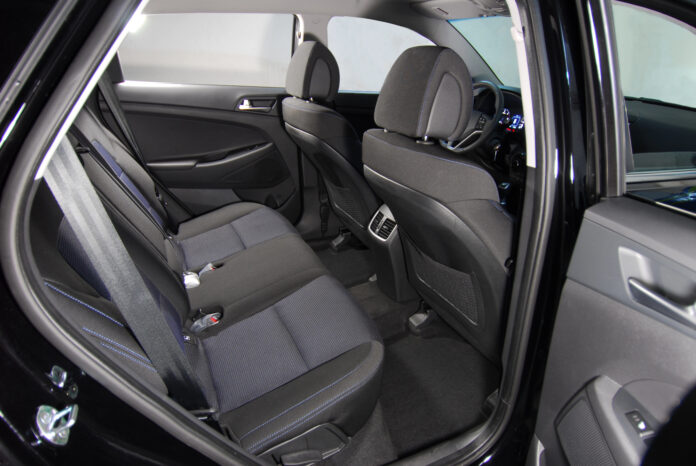
Car seats require the thinnest cushions, 1 to 1.5 inches. This thickness is comfortable without raising you too high or blocking your view. Thicker cushions in cars can affect your sight lines and pedal reach, posing safety risks.

Hard benches and stadium seating need more padding for comfort. Consider 3 to 4 inch cushions but ensure they have strong grip features on the bottom. The extra thickness is needed for comfort, so use non-slip materials to compensate.

Here’s a quick guide for choosing the right thickness:

  1. Office chairs: 2-3 inches for all-day comfort and stability
  2. Dining chairs: 1-2 inches to maintain proper table height
  3. Car seats: 1-1.5 inches for visibility and control
  4. Wheelchairs: 2-3 inches with medical-grade grip features
  5. Benches/stadium seats: 3-4 inches with maximum grip technology

The best thickness provides comfort while staying close to your chair. A stay-in-place cushion should feel like part of your chair, not something on top of it.

Before buying, test thickness at home if you can. Sit on the cushion for at least 15 minutes and move around naturally. Stand up and sit down several times. If it shifts noticeably or feels unstable, try a different thickness.

Gripping Mechanisms: How They Work

The fight against cushion slip starts at the bottom. Comfort gets all the praise, but the real battle is in the grip mechanism. Knowing about these technologies helps pick a cushion that stays put.

Different grips work for different chairs and needs. Some use special materials for friction. Others have physical parts for a strong hold.

Bottom Grip Technology and Why It Matters

Quality cushions have special bottoms for friction. These anti-slip cushion bases use science and design. They work without needing to be installed.

The most common materials are:

  • Rubberized coatings: Thin layers for great grip on most chairs
  • Silicone dot or grid patterns: Raised shapes for grip and breathability
  • Textured fabrics: Use texture to resist sliding
  • Suction-style surfaces: Create suction on smooth chairs

Each material works best on different chair types. Rubberized coatings are great for fabric and most leather. Silicone patterns work best on vinyl or faux leather.

The best designs cover enough area and have the right pattern density. A base that covers 80% of the bottom is stable but not sticky. Quality materials keep their grip without leaving marks.

Durability is key with grip bases. Look for materials that resist hardening or cracking with use. Premium silicone and rubber compounds last years without losing grip.

Physical Attachment Options: When and Why

Sometimes, a grip base isn’t enough. That’s when straps and Velcro come in for a secure seat cushion.

Strap systems wrap around chair backs or under seats. They offer:

  • Maximum security, no matter how much you move
  • Works on any chair surface, even slippery ones
  • Prevents sliding forward during transfers
  • Ideal for users with mobility challenges

But straps have downsides. They’re hard to install, and you must remove them to use the cushion elsewhere. Some designs can mark or wear chair upholstery.

Velcro attachment systems offer strong hold. You attach adhesive Velcro strips to cushion and chair. The hold is great, but the cushion is tied to one chair.

Choose straps or Velcro if you face specific challenges. They’re good for users with limited strength or slippery chairs. But for most, a good grip base is enough.

Think about your daily routine and chair type. Do you move your cushion a lot? A grip base might be better. Do you struggle with moving cushions? Straps or Velcro could help a lot.

Choose the Right Size for Your Chair

A cushion that fits your chair right is key to stability. Even the best non-slip materials won’t help if the cushion is the wrong size. The right fit makes your cushion work with your chair, not against it.

Choosing the right cushion size is like finding the perfect shoes. Shoes that are too big or too small are uncomfortable. Your chair cushion needs to fit just right to work well all day.

Measuring Your Chair Accurately

Before you start shopping, grab a measuring tape. Take accurate measurements of your chair. This step saves you from the hassle of returns and exchanges.

Start by measuring the width of your seat. Measure from the widest point, usually between the armrests or outer edges.

Next, measure the depth from the front edge to where it meets the backrest. Precision is important to prevent slipping.

Different chair types need special attention when measuring:

  • Office chairs: Usually feature 17-20 inch square seats with consistent depth
  • Dining chairs: Typically measure 16-18 inches and may have tapered or curved fronts
  • Car seats: Have contoured shapes that require measuring the flattest sitting area
  • Wheelchairs: Need precise measurements due to specific dimensional requirements and safety considerations

Unique features like tapered seats or curved fronts matter. A cushion that’s too large will bunch up or hang over the edges. One that’s too small will shift and leave gaps.

Think about how you sit in your chair. Do you sit back against the backrest or perch forward? Your sitting style affects which cushion size is best for you.

Common Cushion Sizes and Shapes

Knowing your chair’s measurements makes finding the right cushion easier. Most cushions come in standard sizes for popular chair types. Square cushions usually come in these sizes:

  • 16 x 16 inches (dining chairs, small office chairs)
  • 17 x 17 inches (standard office chairs)
  • 18 x 16 inches (wider office chairs)
  • 18 x 18 inches (larger office and executive chairs)

Rectangular options include 16 x 14 inches and 17 x 15 inches for chairs with less depth. “Universal” or “fits most chairs” cushions usually measure 16-18 inches square. These work for many chairs, but check to make sure they fit yours.

Maintenance and Care for Longevity

A good seat cushion is a valuable investment. It needs regular care to stay in top shape. Proper care not only extends its life but also keeps it from slipping.

Keeping your cushion in great condition is easy. A few simple habits can make a big difference.

Cleaning Your Cushion Properly

Cleaning your cushion regularly is key to keeping its non-slip grip. Dirt, oils, and debris can make the grip surface slippery. This is why cushions may start to slide.

For cushions with rubberized or silicone bases, cleaning is easy. Just wipe the bottom with a damp cloth and mild soap every two to four weeks. This helps keep the grip strong and prevents slipping.

Avoid harsh chemicals, bleach, or abrasive cleaners. They can damage the rubber or silicone. Use gentle dish soap or a mild all-purpose cleaner instead.

Signs It’s Time for a Replacement

Even with good care, cushions eventually wear out. Knowing when to replace yours can save you from the hassle of constant sliding and lost comfort.

The most obvious sign is visible flattening. If your cushion no longer springs back or you can feel the chair through the padding, it’s time for a new one. A worn cushion won’t support your weight properly, leading to sliding.

Check the grip surface on the bottom. If it’s smooth and shiny, it’s worn out. Compressed or flattened silicone dots no longer provide enough friction to prevent slipping.

Other warning signs include:

  • Tears, rips, or separation between the cover and cushion
  • Persistent odors that don’t respond to cleaning
  • The cushion slides when it used to stay put
  • Lumps, uneven surfaces, or foam breakdown
  • Loss of shape or permanent indentations

Most quality cushions last between one to three years. This depends on the cushion’s quality and how often you use it. Office workers who sit for eight hours a day will need new cushions more often than those who use them less.

Using a worn-out cushion means you’re not getting the support you need. You’ll also struggle with a cushion that won’t stay in place.

Here are some ways to make your cushion last longer:

  1. Rotate regularly: Flip and rotate your cushion every few weeks to distribute wear evenly
  2. Use a protective cover: Washable covers shield the cushion from spills and body oils
  3. Store properly: Keep unused cushions in a cool, dry place away from direct sunlight
  4. Address spills immediately: Quick cleanup prevents stains from setting and materials from degrading

Think of cushion replacement as an investment in your comfort and health, not just an expense. A new cushion provides the right support, stays in place, and helps you maintain good posture. When you notice the signs, it’s time to get a new cushion that will serve you well for years.

Test Before You Invest: What to Do

You wouldn’t buy a car without a test drive, so why buy a cushion without trying it first? Testing a seat cushion before you buy helps avoid disappointment. It ensures you get a cushion that fits your chair and body right.

Finding the right cushion for you takes more than just reading about it. You need to try it out yourself. This way, you can see if it works for your chair and body.

Trying different cushions can save you money and hassle. It’s better to take your time and choose carefully.

FAQ

How do I stop my seat cushion from sliding around?

To keep your seat cushion from sliding, start by making sure it fits your chair right. A cushion that’s too big or too small won’t stay put. Clean the cushion’s base and your chair to remove oils and dirt that make it slip.

If it still slides, try a non-slip rug pad or double-sided carpet tape. For a really secure hold, look into cushions with rubberized or silicone bases. If your chair is made of leather or vinyl, you might need a cushion with extra grip.

What makes a seat cushion non-slip?

A non-slip seat cushion has a special bottom that grips your chair. It might have rubber, silicone dots, or textured fabric. These features create friction that keeps the cushion from sliding.Some cushions also have shapes that fit your chair or straps for extra security. The best cushions combine good grip material, the right weight, and design features for stability.

Do thicker cushions stay in place better than thin ones?

Thickness affects stability, but it’s not everything. Cushions that are 2-3 inches thick usually work best. They’re heavy enough to stay put but not so thick that they make you feel unstable.Very thick cushions can make you feel like you’re sitting on a perch. Thin cushions might slide unless they have great grip. The right thickness depends on your chair type.

What’s the best material for a cushion that won’t slip?

Memory foam cushions are often better at staying put than gel ones. They’re heavier and denser, which helps them grip. But the base material is key—look for rubber or silicone.Gel cushions can also work well if they have good grip bases. Choose between memory foam for support or gel for cooling, depending on what you need.

Why Hiring a Bicycle Accident Attorney Is Essential After a Crash

Photo by depositphotos at https://depositphotos.com/

According to a press release by the NHTSA, 39,345 estimated deaths arose from traffic accidents throughout the course of 2024, among which were 1,166 cyclist deaths.

The statistics provided clearly illustrate the risks associated with riding a bicycle on the road. If anything goes amiss in a bicycle accident, it becomes very overwhelming to bear the aftermath. Victims who are trying to focus on their recovery might have a hard time dealing with the legal implications of the case.

According to bicycle accident attorney Matthew D. Easton, you may be rightly entitled to compensation beyond basic medical costs if you were injured in a bicycle accident. The injury attorney may stand to assist in recovery through the attorney’s knowledge of the local laws and by building a strong case for you.

Let’s discuss how these legal professionals can be beneficial to your case.

Understanding the Bicycle Accident Laws

The legal aspect of pursuing a bicycle accident claim might overwhelm you. You may wonder what rights you have, if the driver has any liability, and how the insurance claim will be handled.

First off, you need to get familiar with local laws relating to bicyclist safety and liability in a bicycle accident. These laws vary from state to state and affect case rulings accordingly. For instance, if you were injured in Fort Myers, it is essential to hire a bicycle accident lawyer familiar with laws in Florida

You should also be aware of the statute of limitations as well as the proof needed to support your claim. Once you understand these, you can make a well-informed decision.

The Role of a Bicycle Accident Attorney

Life after a bicycle accident has its difficulties, and that is where a bicycle accident attorney steps in. These lawyers defend your rights and see to it that just compensation is paid.

An attorney will look into your case, determine liability, and advise you on how to handle your legal avenues. They will negotiate and communicate with insurance companies, sparing you from dealing with their predatory tactics.

Besides guiding you through the legal process, they will help you complete the necessary paperwork. They will see to it that these documents are filed within the required time limit. They will advocate for your rights aggressively, allowing you to concentrate on healing.

A bicycle accident lawyer will have a huge bearing on how your case unfolds.

Gathering and Preserving Evidence

Evidence gathering and storage are important in case building following the incident. Photograph the crash scene. Positions of the vehicles, road conditions, and visible injuries should be documented.

Lists of names and addresses should be collected for any witnesses to the accident. Their statements may back your case. Keep records of all treatments, doctor bills, prescriptions, and receipts. This and similar documentation would assist in researching how much the accident changed your life.

Get a copy of the police report. Do not post anything about the accident online since it can compromise your claim and your online activity and statements can be used against you.

Negotiating With Insurance Companies

Fear of insurance negotiation will definitely not help you. You should be confident about what you are dealing with. Copies of insurance information, reports of any accident, medical records, and statements of witnesses will support your claims and contribute to building your case.

Be calm when speaking with the adjuster. Discuss the facts, negotiate, and set forth clearly your options. Never accept the first offer. Keep in mind that they will almost surely attempt to lowball you.

If the negotiations stall, a bicycle accident attorney will stand in for you to get the compensation that should justly be yours. 

Ensuring Fair Compensation for Your Injuries

Securing fair compensation for your damages can be a complicated process since most insurers try to minimize the payout amounts.

A competent bicycle accident attorney knows all about personal injury law and can work to give you what you deserve. The attorney will collect evidence such as medical records and accident reports that can be used to build a valuation of the damages that accurately reflects the injuries you have sustained.

With their help, you may be compensated for medical expenses, lost wages, pain, and suffering. Never accept something less than you deserve, and an attorney can be just what you need in arriving at a fair outcome.

Minimising Your Carbon Footprint While Getting to the Slopes

Photo by depositphotos at https://depositphotos.com/

Ski trips might make you think of untouched mountains and fresh air and beauty and nature but actually, getting to the slopes can have an unexpectedly massive carbon footprint. From the flights and transfer options to the energy used at the resort, every decision made on the journey impacts your carbon footprint. With sustainable travel increasingly important these days, many skiers and snowboarders are investigating how to get to the Alps. From London to Geneva or Turin to Cervinia, it is possible to experience the wonders of the mountains without a massive carbon footprint.

Where Will You Emit the Most Carbon on Your Ski Trip?

The greatest emissions related to a trip are linked to travel to/from the ski destination. Flights to a nearby airport, rentals and shuttles all produce far more CO₂ than any on-site activities at the mountain. Geneva to Val Thorens ski transfer service adds another layer to this equation, as even efficient ground transport contributes to the overall carbon footprint of a ski holiday. For instance, a quick short-haul flight to Geneva emits hundreds of kg of CO₂ per passenger which is more than a week in a well-insulated chalet and that’s without even calculating the extended emissions for the cars and shuttles necessary once off the plane.

Thus, to have the lowest carbon footprint for a successful ski trip, one must understand the chains of emissions related to traveling there, staying there and coming back. At each juncture, from major decisions to small details, one can find opportunities to pivot action on behalf of the planet with compromise or convenience.

Where Is The Most Emission Reducing Travel Option?

The first place where one can maximize emissions footprint is where they’re coming from in relation to getting to the ski resort. For those within Europe, the train option is the most sustainable with as much as 90% less emissions per km than that of a flight. From Eurostar Snow to TGV lines direct to the Alps, getting to Chamonix, Les Arcs, and St. Anton is becoming ever more accessible by train if you want a ski vacation with lower emissions.

If flying is required, the most efficient option is a direct flight versus one with multiple layovers and transfers. In addition, the simplest transfer option is often the hybrid vehicle or shared shuttle. Thus, it’s important to balance convenience for guests with what will keep emissions for this part of the journey manageable. The more difficult it is to travel without driving yourself, the more emissions people will accumulate.

What Components or Transfers Will Reduce Ski Emission?

Transfers are critical for determining how reduced or increased carbon emissions will become part of your ski trip experience. The fact that a poorly managed transfer network (meaning too few transit options) can double and even triple emissions on a singular journey means it’s essential to find the balance between passenger numbers and vehicle availability.

For instance, shared transfers are one of the best options for getting from airport to resort because shuttles don’t use mountain roads at the same frequency as local travelers to/from daily commutes. Private transfer options have gotten greener as well, like Alps2Alps Transfers who’ve incorporated low-emission and hybrid vehicles into their fleet in an effort reduce fuel consumption and carbon output without compromising passenger experience comfort. If you choose an operator with emission-reducing best practices, you can enjoy direct travel knowing your portion of air space isn’t contributing higher-than-necessary levels of air pollution or congestion

Combining Shared Transfers to Reduce Emissions

One of the easiest and most effective ways to reduce emissions is to choose shared transfers. When like-minded travelers share a ride in the same direction, the carbon footprint per passenger greatly diminishes compared to if they each took private rides. Even one weekend without traffic on the mountain roads suggests that a shared minibus is used for six cars over one day; this also minimizes fuel use by six on a round trip.

Additionally, shared transfers are cost-efficient as operators offer reliable services at lower prices which makes sense for individual travelers or small groups. Why waste precious time when time spent traveling with a trusted company can reduce costs? The only factor of shared transfers that may deter individuals is that they may involve a few stops along the way but the emissions reduced are well worth it for a slightly longer ride. Booking well in advance will ensure travel availability especially during busy weeks and common routes include Geneva to Morzine or Zurich to Davos.

Private Transfers Become Greener

Private transfers are exceptionally sought after these days as more and more companies upgrade their private fleets to accommodate a more eco-friendly transportation approach. For shorter trips, hybrid or electric vehicles do wonders to minimize emissions and there’s no longer a need to sacrifice luxury when opting for an eco-vehicle.

Excursions can also offset their emissions for private passengers through reforestation or renewable energy development. For instance, Alps2Alps Transfers will provide a carbon compensation program for any travel booked where a small fee offsets the emissions produced by the transfer for a long-term beneficial solution. Thus, even private journeys, which may be perceived as more expensive and less green, are assuredly green-friendly in the long run.

The Weight of Your Luggage Matters

Few travelers consider how luggage weight can impact fuel consumption and overall emissions. The heavier the vehicle, the more gas it burns. Therefore, if every traveler only packs what they need from gear to clothing, shares equipment to reduce unnecessary weight or rent at the resort the miles traveled and fuel burned will better accommodate green expectations.

Shared transfers work better with less luggage space because more travelers can fit without relying upon one passenger’s luggage space to accommodate everyone. For private transfers, reduced weight promotes ease of handling and less energy consumed. Emissions saved from not burning excess fuel may seem like a minor incremental change but over time it makes a difference.

Reduce Environmental Impact Through Timing and Routes

Reducing the environmental impact of travel can also occur when people travel at certain times or to specific locations. Fewer hours spent in traffic means less idling, fewer emissions, and fewer estimated journey times, which all contribute to faster, cleaner alternatives. Transfer companies often use live traffic mapping software to avoid congested areas, ensuring their time spent on the road is as efficient as possible.

Additional proximity close to the airport or along a single road also helps. For example, transfer options from Geneva to Megève ski resort or Innsbruck to Sölden are more environmentally friendly than those requiring an extensive drive into the mountain region. When distance is accessible without a bend in the road, it’s better than a transfer that takes people miles into backcountry areas for resorts.

Reduce Your Impact By Choosing Quality Transfer Companies

Not all transfer companies are created equal. Travel impact can be reduced by supporting responsible operators with a clear commitment to sustainability through hybrid or electric transfer vehicles, eco-driving approaches, and transparent offset options.

For example, companies like Alps2Alps Transfers represent a new standard of alternative travel as they incorporate eco-efficiency at every stage from maintenance of their vehicles to known routes to minimize usage. Supporting a company like this allows them the financial means to continue expanding efforts. When more companies follow suit and they will, sustainability efforts will become standard instead of the exception.

Offset Carbon Emissions Where Applicable

Carbon offsetting helps reduce any traveled emissions that still occur. Even amidst projected estimates, there isn’t any way for anyone to travel without creating some level of carbon emissions pollution. Therefore, becoming an advocate for carbon emissions offset programs will help travelers fund efforts that counteract their needs.

Sometimes it’s as easy as planting trees or establishing new growth with green energy efforts or wildlife conservation development. While offsetting should not excuse direct reductions, it is a secondary option that many airlines and transfer services offer upon checkout once emissions amounts are calculated. Ensure reputable, certified programs are selected for maximum benefit to the planet.

Eco-Driving and Driver Training Makes A Difference

It might come as a surprise, but once you’re behind the wheel, eco-driving helps make a difference in reduced emissions. Drivers that accelerate smoothly, maintain speed, and avoid prolonged idling can reduce fuel consumption by 15%. Professional transfer drivers take on eco-driving like any other practice integral to clean travel.

Given that the majority of people book private transfers, private transfer providers boast practices involving driver training and telematics systems which note fuel consumption and incentivize sustainable practices. Even shared transfer drivers get the benefit from enhanced global positioning systems that monitor routes and avoid excess drive time. The road becomes a sustainable source for all.

Electric Vehicles and Hybrid Vehicles in the Alps

Electric vehicles and hybrid vehicles dominate modern mountain transfer life. A decade ago, their range and access to charging fell short, but these days, electric cars can manage acceleration and braking on the inclines of the Alps. Resorts and airports across France, Switzerland and Austria have electrified their efforts as charging stations become more abundant from destination to destination.

Electric transfers are nearly silent with no tailpipe emissions and reduced operational costs through significantly easier use. In a matter of years, they will be the go-to option for short and medium inter-airport travel. Even better, those who book these transfers today have an active hand in the sustainable future of mountain transportation as they endeavor through the forests to various transportation hubs.

Building Sustainable Practices Before and After Your Transfer

But even once you’ve reached your destination, a sustainable footprint has not yet been established. When skiing, opt for eco-certified accommodations. Rent gear instead of bringing your own or purchase gear from sustainable retailers in-resort. Choose businesses that take sustainability seriously, from those offering best practices to those who charge less if you don’t leave on lights or frequently use single-use plastics.

The more you connect green travel with green practices while on the mountain, the more you avoid making a negative footprint. Your journey is just as important as your destination when it comes to accessing ski resorts via sustainable means.

Lead by Example and Advocate for Others to Travel Responsibly

The more people know about travel options, the more they can continue to make responsible decisions. The impact of one person traveling this way might seem minute, but the more people talk about their adventures and share tips, eco-friendly operators, and convince friends to carpool book shared transfers, the more the industry benefits everyone.

It’s also a teachable moment for families who travel with children showing them that saving the planet is just as fun as some of the adventures that await. The more travelers appreciate sustainability, the faster the industry will catch up to green measures that preserve what travelers came in the first place.

Employing Both Transfer Types Provides More Sustainable Options

For many travelers, the best option is to travel via both types of transfers and meet somewhere in the middle. For example, as a family or group strives to get from the airport to the regional hub, it could make sense to take a shared vehicle for the first stretch and then a private, eco-friendly vehicle for the climb up the mountain. This approach lowers the number of vehicles on the road but maintains the efficiency of a more personalized service when appropriate.

Operators like Alps2Alps Transfers already do this with mixed route travel where segments are combined to limit fuel usage but ensure comfort. This is how travel operates sustainably in the future, smarter, connected, and appreciated for efficiency and travel needs.

A Low-Emissions Future for Your Way There!

The ski industry is quickly catching up with environmental expectations, and low-emission travel will soon be the norm, not the exception. Airports servicing areas like Geneva, Zurich and Turin are adding electric vehicle features for big-name airlines and regional governments are creating carbon-neutral mobility networks from train stations to mountain resorts.

In a few short years, travelers will enjoy fully electric shared shuttles, hydrogen-fueled private transfer fleets, and digital reservations that automatically calculate and compensate for emissions. Skiers will be able to enjoy the mountains without a guilty conscience while enjoying clean air, quiet roads, and natural beauty that lasts for generations. The roads leading to the slopes are becoming as green as the slopes are white.

A Cleaner, Greener Journey to the Slopes

Getting to the slopes with the smallest carbon footprint possible does not sacrifice comfort or ease; it simply requires strategic decision making throughout the journey from one’s mode of transport to transfers to packing and planning each small decision along the way counts, from shared shuttles and eco-friendly private transfers to carefully monitored routes.

Travel to ski is naturally becoming more sustainable and travelers now help as the catalysts for such change. With an intentional focus on going green from day one, your emissions reduce tremendously and you’re able to better enjoy all the powder and stunning landscapes that make up the perfect ski holiday.

7 Maintenance Habits That Protect Your Vehicle’s Worth

Photo by Artem Podrez at pexels.com

You paid good money for your ride. Let’s keep that money from evaporating like a puddle in July. Here’s a friendly, punchy guide to care routines that keep value on your side and repairs off your back.

Stick to the Factory Car Maintenance Schedule to Boost Resale Value

Think of the factory schedule as a recipe card. Skip steps, and the cake falls flat. Follow it and you get the result you want. Simple.

Set reminders for mileage and months. Oil, filters, belts, plugs—each has a clock. Hit those marks and you slow wear. Buyers notice well-timed service stamps. Dealers do too. A clean record bumps offers and shortens time on the market.

Quick story. My neighbor Dan treated his compact like a calendar project. He never missed a service window. When he sold, the first test driver said, “You kept this sharp,” and paid the asking price on the spot. That’s the power of routine.

Pro tip: Keep a small notebook or a digital log. Dates, mileage, shop name, and what got done. Ten seconds now. Extra cash later.

Oil Change Frequency and Fluid Checks to Extend Engine Life

Oil is your engine’s sunscreen. Fresh film prevents hot spots and keeps parts sliding, not grinding. Don’t stretch intervals “just because it still looks golden.” Follow the maker’s interval for your driving mix.

Scan other fluids every month. Coolant for level and color. Brake fluid for clarity. Transmission fluid for the proper range on the dipstick. Power steering and washer fluid, too. Small top-offs beat big repairs. Smells matter as well. Burnt, sweet, or acrid scents hint at issues. Catch them early, and you save both time and cash.

If you drive in heavy traffic, dusty routes, or short hops, shorten your oil interval a bit. City life is harsh on engines that never fully warm up.

Tire Rotation Schedule and Wheel Alignment for Longer Tire Life

Tires wear like shoes. Rotate them to spread the scuffs around. Most cars like a 5,000–7,500 mile rotation. Mark the miles in your phone. Done.

Watch for feathering or a steering wheel that sits off-center. That points to alignment drift. A quick alignment straightens the story and keeps tread blocks square. More tread, more safety, more value.

Got stone chips on your windshield? Get them fixed fast — those tiny cracks can spread and cause you to fail an inspection. If you’re in Phoenix and need full glass service, go with someone local and trusted. Windshield Replacement Phoenix offers quick, clean work that keeps your safety features intact and helps maintain your car’s resale value.

Check Brake Intervals and Replace Pads for Safe, Reliable Stops

Brakes talk. Squeals, grinding, or a longer pedal are their inside voices. Don’t ignore them. Inspect pads with rotations or oil changes. Measure rotor thickness. Check for heat spots or grooves.

Fresh pads and healthy rotors feel great and look even better on a listing. Buyers test the pedal first. Give them a firm, quiet stop, and they’ll nod before discussing price. Replace hardware clips and shims with the pads. Small parts keep calipers moving freely and reduce uneven wear.

If you haul, tow, or drive hills, pick pads rated for higher temps. You’ll avoid fade and keep the pedal confident on long grades.

Regular Car Wash, Waxing, and Interior Detailing to Protect the Paint and Value

Paint is armor. Dirt holds moisture and road salts that etch the clearcoat. Wash often. Dry with a soft towel to avoid swirls. Add protection on a schedule.

  • Wash weekly or bi-weekly, depending on the weather and parking.
  • Clay bar twice a year to pull bonded grime.
  • Wax or seal every three to four months for fresh beading.
  • Clean wheels and wells; brake dust is corrosive.
  • Vacuum carpets and seats; grit acts like sandpaper.
  • Treat leather and vinyl so they don’t crack in the sun.

Inside counts as much as outside. A clean cabin says “cared for.” Keep cup holders tidy, screens streak-free, and mats in good shape. Odor is the silent deal killer. Ventilate, use a cabin filter, and ditch old floor snacks that rolled under the seat three holidays ago.

Keep Service Records and Use OEM Parts to Increase Trade-In Value

Documentation sells. A neat stack of invoices, a digital folder, and a stamped booklet speak louder than any ad copy. Show who did the work and the exact parts used. That reduces buyer risk and raises trust.

OEM (Original Equipment Manufacturer) parts match factory specs. Fitment is right. Electronics play nice. Safety systems recognize the components they were built around. You get fewer returns to the shop and a smoother drive. That traceable quality helps you hold your price during trade-in talks.

If you install accessories, save receipts. Name-brand add-ons with clean wiring can boost appeal. Messy splices sink it. Leave the next owner a tidy map of what changed and why.

Conclusion: Smart Maintenance Habits to Keep Your Vehicle’s Value High

Car care doesn’t need to eat up your weekends. Stack small habits and you build long-term value. Follow the service plan. Keep fluids fresh. Rotate and align. Inspect brakes. Protect paint and cabin surfaces. Save records and prefer parts that match specs. Do this, and your ride stays solid, safe, and pleasant to drive. More importantly, it is worth more.

If your ride could talk, it would ask for shade, fresh fluids, and a soft towel. Keep it happy, and it’ll pay you back on sale day with a big, shiny “thank you.”

FAQs

How often should I rotate tires if I drive mostly in the city?

Every 5,000–6,000 miles works well for stop-and-go routes. City streets chew edges, so rotations even out the wear pattern and extend tread life.

Is synthetic oil worth it for older cars?

Often, yes. Synthetic oil handles heat better and resists breakdown. If your engine is clean and doesn’t leak, the switch can improve cold starts and longevity. Follow the viscosity recommended by the maker.

What’s the fastest way to document service without paper clutter?

Snap photos of invoices and store them in a cloud folder named by car and year. Add quick notes with mileage and the next due date. Share that folder link with a buyer later. It builds confidence in minutes.

How can I keep the brakes quiet after replacing the pads?

Use proper brake grease on contact points, replace hardware, and bed the pads with a series of moderate stops. This sets the material and reduces squeaks. If noise returns, have rotors measured for runout.

Does washing a car too often harm the finish?

Not if you use the correct tools. Two buckets, a soft mitt, pH-balanced soap, and clean drying towels keep the clearcoat happy. Letting grime sit is what harms paint, not regular, gentle washes.

10 Best Plastic Welders for Auto Shops – 2025 Pro Guide

Modern auto shops rely heavily on plastic welding to repair bumpers, trims, dashboards, and various molded components. Whether it’s a cracked bumper or an interior clip, choosing the best plastic welders can make the difference between a strong, lasting repair and a quick fix that fails. With so many tools on the market, shop owners often ask: Which is the best plastic welder for the money?

In this guide, we break down what to look for, highlight the best-rated plastic welders in 2025, and provide practical buying advice tailored to automotive repair professionals.

2. What to Look for in a Plastic Welder for Auto Shops

Before diving into the top picks, it’s important to understand the features that define a top-rated plastic welder:

  • Power (Wattage): Higher wattage welders heat quickly and handle thicker plastics.
  • Temperature Control: Adjustable temperature ensures compatibility with different plastic types.
  • Welding Techniques: Options include airless, hot-air, ultrasonic, and extrusion welding.
  • Portability: Shops need handheld tools for quick bumper fixes.
  • Ease of Use: Digital displays, nozzle variety, and ergonomic design matter.
  • Safety Features: Thermal cut-offs, guards, and ventilation are crucial.

These factors help shops select the best plastic welding kit for jobs like auto body plastic welding or detailed component work.

3. 10 Best Plastic Welders for Auto Shops in 2025

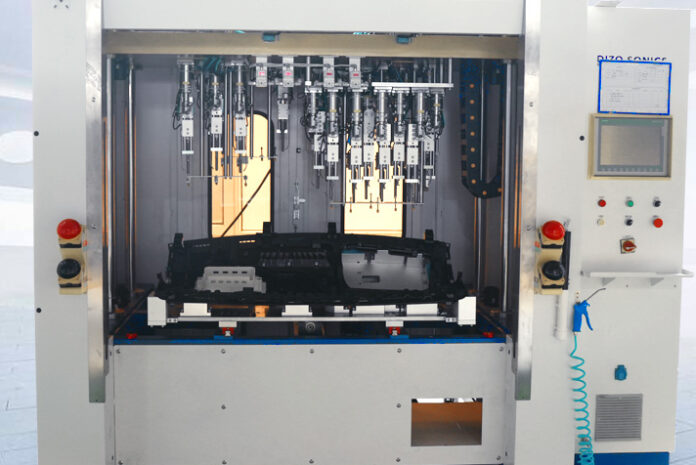
1) Dizo Sonics Servo Plastic Ultrasonic Welding Machine

2) Polyvance Mini-Weld Model 7 Airless Plastic Welder

  • Power: 200 W
  • Best For: Basic bumper repair and small cracks
  • Why it stands out: Affordable and beginner-friendly

3) Bondic Pro UV Resin & Welding Kit

  • Power: UV LED activated
  • Best For: Quick cosmetic repairs
  • Why it stands out: Ideal for non-structural plastic bonding

4) JounJip Plastic Welding Repair Kit

  • Power: 80–120 W
  • Best For: DIY or light shop use
  • Why it stands out: Easy setup and versatile accessories

5) Allturn 110V-100W Plastic Welder

  • Power: 100 W
  • Best For: Car bumper welding
  • Why it stands out: Strong and focused heating for repairs

6) OAMCE Plastic Welding Kit

  • Power: 100 W
  • Best For: Auto plastic repairs
  • Why it stands out: Great value with multiple welding rods

7) Eacam 100W Plastic Welder

  • Power: 100 W
  • Best For: Basic to intermediate plastic welding
  • Why it stands out: Lightweight and portable

8) WEP 960-V Plastic Welder Kit

  • Power: 60 W soldering iron + hot staple gun
  • Best For: Mixed method repairs
  • Why it stands out: Combines soldering and stapling

9) Leister Overlap Welding Kit

  • Power: 1800–3450 W
  • Best For: Seam repairs and overlapping parts
  • Why it stands out: Industrial strength and digital control

10) Allturn Plastic Welding Gun and Stapler

  • Power: 50 W (stapler)
  • Best For: Tab and bumper crack repair
  • Why it stands out: Quick fixes with stapling

4. How to Choose the Right Plastic Welder for Your Auto Shop

Selecting the right tool depends on your workflow:

  • For bumper and trim repair: A plastic bumper welder like Leister TRIAC ST with a filler extruder is ideal
  • For OEM-level repairs, Dizo Sonics’ ultrasonic systems offer top consistency
  • For budget repairs: Heat guns like Steinel HL series offer the best plastic welder value

5. Types of Plastics Commonly Repaired in Auto Shops

  • Polypropylene (PP): Most bumpers — hot air + filler rod
  • ABS: Dashboards and trims — ultrasonic or adhesive
  • Polycarbonate (PC): Headlights — controlled hot air

Understanding material compatibility improves plastic welding car bumper repairs.

6. Step-by-Step Guide: Using a Plastic Welder in Auto Repairs

  1. Prep the Surface: Clean and sand edges
  2. Heat evenly: Match the tool to the melting point
  3. Apply Rod / Weld: Extrude filler or fuse directly
  4. Cool Naturally: Prevent weak bonding
  5. Finish: Sand and repaint if needed

7. Maintenance Tips for Longevity

  • Clean nozzles and filters
  • Store in a dry place
  • Use protective cases
  • Inspect wiring and safety sensors

8. Short Buying Guide

  • OEM production: Dizo Sonics
  • Field repairs: Hot-air (Leister) + handheld extruder
  • Large panels: VARIMAT V2 extrusion welders
  • Clips/tabs: GYS spot welding systems

Select the best plastic welder that meets your core service requirements.

9. Our Final Recommendations

  • Best for OEM/volume: Dizo Sonics
  • Best shop combo: Leister TRIAC ST + Weldy extruder
  • Best for heavy seams: Leister VARIMAT V2

Conclusion

Plastic welding is now a crucial component in modern automotive repair. Whether you handle bumper weld & auto plastics or intricate OEM parts, selecting the right welder ensures quality repairs, reduces part replacement, and builds trust with your customers. 

For long-term performance, always invest in reliable equipment and follow best practices in training, safety, and maintenance.

Plenty at ‘Steak’ at Talladega Superspeedway

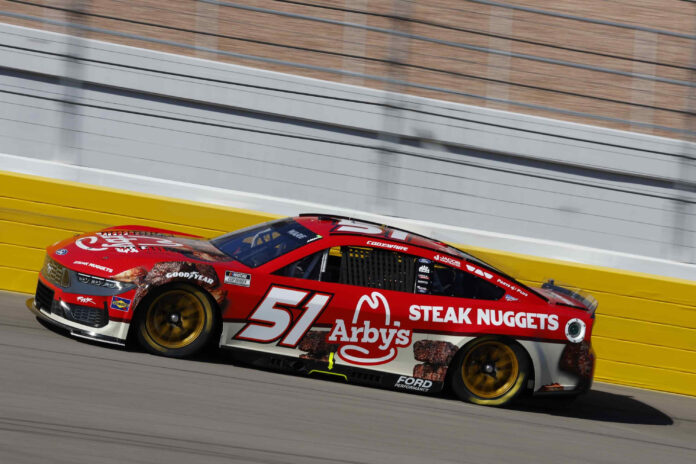
Cody Ware Carries Daytona Confidence to ‘Dega Driving No. 51 Arby’s Steak Nuggets Ford Mustang

MOORESVILLE, N.C. (Oct. 13, 2025) – Amid a 36-race season that spans 10 months, 23 laps led in a single NASCAR Cup Series race is a bite-sized nugget. Yet it was a nugget to be savored that August night at Daytona (Fla.) International Speedway.

In the Aug. 23 Coke Zero Sugar 400 at Daytona, Cody Ware’s 23 laps led was the second-highest total of the race, and when his No. 51 Arby’s Ford Mustang Dark Horse wasn’t leading the 40-car field, the 29-year-old racer was a constant presence among the top-10.

With Talladega (Ala.) Superspeedway next up on the Cup Series docket, Ware is bringing the confidence earned at Daytona to Sunday’s YellaWood 500.

“I’ve built up a lot of confidence at Daytona and Talladega. Superspeedway racing just suits my driving style,” Ware said.

The two superspeedways are sister tracks. Both are sweeping, high-banked D-shaped ovals, with Daytona spanning 2.5 miles while Talladega boasts a 2.66-mile layout. Despite Talladega one-upping Daytona by .16 of a mile, the strategy for success at both tracks is the same: make your racecar sleek, keep your right foot to the floor, and don’t lose the draft. It’s a 200 mph freight train you don’t want to derail.

“In years past, I took a much more cautious approach to these races. But the last handful of times we’ve been to Daytona and Talladega, I’ve ramped up my aggression level without putting myself in bad spots. I’ve got the confidence to just race hard, get up front, and stay up front,” Ware said.

That confidence was on display at Daytona, where despite starting 35th, Ware was leading by lap 39.

“I’ve always enjoyed the superspeedways. They’re one of the great equalizers for the Cup Series,” Ware said. “After what we learned at Daytona – getting to put the Arby’s car up front and leading a bunch of laps – now’s the time to capitalize and not just focus on a good result, but what it’s going to take to win.”

The YellaWood 500 will mark Ware’s 140th career Cup Series start. In addition to staking his claim to a Cup Series victory, Ware is bringing steak, specifically, Arby’s Steak Nuggets, to Talladega.

“When Arby’s introduced their Steak Nuggets last week, I was one of the first to try them. They’re really good, and also convenient,” Ware said. “I just pick ‘em up and pop ‘em into my mouth. When you’re on the move as much as we are, a sit-down steak dinner isn’t always possible. But now when I’m craving steak, Arby’s is my go-to.”

Arby’s Steak Nuggets – tender, juicy, hand-cut, bite-sized pieces of steak, available in 5- or 9-count – are the perfect complement to a NASCAR race weekend, especially at Talladega. For fans coming from Birmingham, there’s an Arby’s just off Interstate 20, at Exit 158, in Pell City. And for those coming from Atlanta on Interstate 20, take Exit 188 in Oxford. Both locations are on the way to the track – the ideal pit stop before parking at Talladega.

With Steak Nuggets in hand, there remains plenty at stake for fans to take in at Talladega. The third-to-last race of the season can either send an eligible playoff driver to the Championship 4 finale or simultaneously bin their chances and their racecar.

“You can definitely feel the tension at Talladega,” Ware said. “Whether it’s a playoff driver trying to earn their spot in the Championship 4, or any one of us in the field, we all know it’s one of the last opportunities to win before the season is over.

“Finishing second doesn’t really do anything, especially for those playoff drivers. So I think they’re going to make bolder moves because it’s not really about having a good points day, it’s about winning, or putting it on a wrecker trying to win. And so with that mentality, the aggression level is heighted at Talladega.”

The aggression level was also high in August at Daytona. That was the regular-season finale, where the top-16 drivers advanced to the 10-race playoffs. Ware managed the dynamics of that race, and despite the subtle differences between Daytona and Talladega, he will rely on that recent experience in Sunday’s YellaWood 500.

“Talladega is definitely faster,” said Ware when juxtaposing the characteristics of each track. “Handling and balance don’t make as big of a difference. The straightaways are longer, the corners are a lot wider, so you’re not really as bound up. You don’t get tight, and you don’t have to worry about aero handling as much at Talladega.

“But with the speeds being increased by just five, six miles an hour, when things happen, they tend to happen even quicker. There’s a lot more room to dodge wrecks at Talladega, but when they happen, even with all that extra room, it seems to collect way more cars. There’s more carnage.

“And with this one being a playoff race, it’s going to be chaotic. We finished 12th there last year when we ran the playoff race, so I have no doubt that we can be up front. But again, I’m making the mental shift of not just collecting a good result and being up front, I’m there to win the race.”

The YellaWood 500 goes green at 1 p.m. CDT/2 p.m. EDT with live coverage by NBC and SiriusXM NASCAR Radio.

About Rick Ware Racing:

Rick Ware has been a motorsports mainstay for more than 40 years. It began at age 6 when the third-generation racer began his driving career and has since spanned four wheels and two wheels on both asphalt and dirt. Competing in the SCCA Trans Am Series and other road-racing divisions led Ware to NASCAR in the early 1980s, where he finished third in his NASCAR debut – the 1983 Warner W. Hodgdon 300 NASCAR Grand American race at Riverside (Calif.) International Raceway. More than a decade later, injuries would force Ware out of the driver’s seat and into full-time team ownership. In 1995, Rick Ware Racing was formed, and with wife Lisa by his side, Ware has since built his eponymous organization into an entity that competes full-time in the elite NASCAR Cup Series while simultaneously campaigning successful teams in the Top Fuel class of the NHRA Mission Foods Drag Racing Series, Progressive American Flat Track, FIM World Supercross Championship (WSX) and zMAX CARS Tour.

Pink Corvette Stingray Pace Car to Highlight 2025 ‘Making Strides Against Breast Cancer’ Campaign

Celebrating 15 years of Chevrolet support for the American Cancer Society

DETROIT – Chevrolet is showing its support in the continued fight against breast cancer with the return of a specially-themed pink Corvette Stingray that will serve as the official pace vehicle for the upcoming NASCAR Cup Series races at Talladega Superspeedway and Martinsville Speedway. This season, Chevrolet will celebrate 15 years of supporting the American Cancer Society and its ‘Making Strides Against Breast Cancer’ initiative.

“We are proud to celebrate 15 years of working with the American Cancer Society,” said Todd Christensen, Director, Motorsports Marketing & Activation, for Chevrolet. “It’s always an honor to carry the ACS logo on the pace car during the month of October and continue to be able to leverage our motorsports platform to raise awareness and donations for the fight against breast cancer.”

The specially-themed pink pace car will once again help drive donations for the ‘Making Strides Against Breast Cancer’ initiative with every caution lap it completes in the Talladega and Martinsville races for NASCAR’s premier series generating a donation of $500 (up to $25,000). A special addition has been added to this year’s campaign with Chevrolet pledging to donate an additional $1,500 (up to $25,000) for each Team Chevy driver that earns a top-10 finish in the two participating events.

In 2024, 54 total caution laps were completed among the two races – raising a $18,900 donation for the American Cancer Society. The pink Chevrolet Camaro SS pace car that participated in last year’s campaign is set to be auctioned off at the Barrett-Jackson Scottsdale Fall Auction on Friday, October 17, with 100% of the hammer price benefitting the American Cancer Society.

The first of two races in this year’s campaign will take place this weekend at Talladega Superspeedway, with the pink Corvette Stingray making its on-track debut for the NASCAR Cup Series YellaWood 500 on Sunday, October 19 – the penultimate race of the Round of Eight.

About General Motors

General Motors (NYSE:GM) is driving the future of transportation, leveraging advanced technology to build safer, smarter, and lower emission cars, trucks, and SUVs. GM’s Buick, Cadillac, Chevrolet, and GMC brands offer a broad portfolio of innovative gasoline-powered vehicles and the industry’s widest range of EVs, as we move to an all-electric future. Learn more at GM.com.