Home Blog Page 80

NHRA PRO MOD DRAG RACING SERIES SET TO CELEBRATE 25 YEARS DURING THRILLING 2026 SEASON

Qualifying action and first round of eliminations to be broadcast free on NHRA YouTube page during milestone year

INDIANAPOLIS (Feb. 23, 2026) – NHRA is set to celebrate its 75th anniversary during the 2026 season, and this year also represents a major milestone for the NHRA Pro Mod Series.

The exciting series is set to enjoy its 25th anniversary celebration in 2026, racing 11 times across the country with the NHRA Mission Foods Drag Racing Series.

As part of the milestone campaign for NHRA Pro Mod, NHRA announced that it will stream qualifying coverage live and for free on the NHRA YouTube page on Friday and Saturday, as well as the first round of eliminations at all 11 events.

The free streaming coverage on YouTube will include one round of qualifying each day, as well as the opening round of eliminations, which will take place either Saturday evening or Sunday. Full event coverage can be purchased and viewed at www.NHRA.tv.

The fan-favorite category will kick off its 11-race season with the Amalie Motor Oil NHRA Gatornationals in Gainesville on March 5-8, before heading to the NHRA Arizona Nationals and returning to Firebird Motorsports Park for the third straight year on March 20-22.

“NHRA Pro Mod being streamed live on YouTube isn’t just exposure — it’s proof of our evolution,” NHRA Pro Mod driver and Team Shelton Motorsports Owner Stan Shelton said. We’re a self-managed class with a clear identity, and this growth reflects the power of that model within the NHRA. We’re excited to celebrate the 25th year of Pro Mod in NHRA and we’re looking forward to a great season.”

Last season was a representation of just how stacked NHRA Pro Mod is with talent, with the championship again coming down to the wire. Five different drivers won a race, but J.R. Gray enjoyed a spectacular season, winning four times, including the finale in Las Vegas, to claim his first NHRA Pro Mod championship.

Still, the championship came down to a winner-take-all final round against Billy Banaka, with Gray taking the victory and the championship to close out another remarkable season in the category.

Featuring the world’s fastest doorslammer race cars, the NHRA Pro Mod Drag Racing Series has continued to offer something unique and exciting for every drag racing fan. The class continues to grow in popularity and is highlighted by historic muscle cars and a variety of late-model American muscle cars, as well as several different power adders.

For 24 years, the NHRA Pro Mod Drag Racing Series has also featured standout drivers and legendary names in the doorslammer ranks, including past world champions like Rickie Smith, Von Smith, Khalid Al Balooshi, Mike Janis, Troy Coughlin Sr., Mike Castellana, Stevie “Fast” Jackson, Jordan Lazic, Kris Thorne, Jose Gonzalez and many others.

NHRA Pro Mod became an official national championship category in 2010, after serving as an exhibition or regional class. Now, it gets to celebrate its 25th year of competition in NHRA during a banner 2026, ensuring all fans get an opportunity to watch the incredible action all year.

“The 2026 season is a milestone moment for NHRA Pro Mod Drag Racing Series, which continues to be one of the most exciting and unpredictable categories in drag racing,” NHRA Senior Vice President Evan Jonat said. “We’re proud to celebrate this anniversary across all 11 events this year and offer fans free coverage on the NHRA YouTube page. With a bigger spotlight, it’s a great opportunity for these talented drivers to showcase their skills and what makes this class so enjoyable to watch.”

Following races in Gainesville and Phoenix, the NHRA Pro Mod Drag Racing Series will celebrate its 25th season with stops in Charlotte, South Georgia Motorsports Park, Chicago and Bristol to close out the regular season. The five-race “Road to the Championship” will feature stops in Norwalk, Indianapolis, Rockingham, St. Louis and the finale in Las Vegas.

For more information about NHRA, including the full 2026 schedule, visit www.NHRA.com.

2026 NHRA Pro Mod Drag Racing Series Season Schedule

March 5-8: 57th annual Amalie Motor Oil NHRA Gatornationals, Gainesville Raceway, Gainesville, Fla.

March 20-22: 41st annual FMP NHRA Arizona Nationals presented by NGK Spark Plugs, Firebird Motorsports Park, Phoenix

April 24-26: 16th annual NHRA 4-Wide Nationals, zMAX Dragway, Charlotte

May 1-May 3: NHRA Southern Nationals, South Georgia Motorsports Park, Adel, Ga.

May 14-17: 26th annual Gerber Collision & Glass Route 66 NHRA Nationals presented by PEAK Performance, Route 66 Raceway, Chicago

June 12-14: 25th annual Super Grip NHRA Thunder Valley Nationals, Bristol Dragway, Bristol, Tenn.

Pro Mod Road to the Championship

June 25-28: 20th annual Summit Racing Equipment NHRA Nationals, Summit Motorsports Park, Norwalk, Ohio

Sept. 2-7: 72nd annual Cornwell Quality Tools NHRA U.S. Nationals, Lucas Oil Indianapolis Raceway Park, Indianapolis

Sept. 25-27: Inaugural NHRA Nationals at The Rock, Rockingham Dragway, Rockingham, N.C.

Oct. 2-4: 15th annual NAPA Auto Parts NHRA Midwest Nationals, World Wide Technology Raceway, St. Louis

Oct. 29-Nov. 1: 26th annual NHRA Las Vegas Nationals, The Strip at Las Vegas Motor Speedway, Las Vegas


About NHRA

NHRA is the primary sanctioning body for the sport of drag racing in the United States. NHRA presents 20 national events featuring the NHRA Mission Foods Drag Racing Series and NHRA Lucas Oil Drag Racing Series, as well as the NHRA Pro Mod Drag Racing Series and NHRA Flexjet Factory Stock Showdown™ at select national events. NHRA provides competition opportunities for drivers of all levels in the NHRA Summit Racing Series and NHRA Street Legal™. NHRA also offers the NHRA Jr. Street® program for teens and the Summit Racing Jr. Drag Racing League® for youth ages 5 to 17. With more than 100 Member Tracks, NHRA allows racers to compete at a variety of locations nationally and internationally. NHRA’s Youth and Education Services® (YES) Program reaches over 30,000 students annually to ignite their interest in automotive and racing related careers. NHRA’s streaming service, NHRA.tv®, allows fans to view all NHRA national events as well as exclusive features of the sport. In addition, NHRA owns and operates three racing facilities: Gainesville Raceway in Florida; Lucas Oil Indianapolis Raceway Park; and In-N-Out Burger Pomona Dragstrip in Southern California. For more information, log on to www.NHRA.com, or visit the official NHRA pages on Facebook, Instagram, Twitter, and YouTube.

The Complete Guide to Workshop Manuals: What Every Car Owner Should Know

Why the Right Manual Makes All the Difference in Your DIY Repairs

Whether you’re a weekend warrior tackling your first oil change or a seasoned DIY mechanic rebuilding an engine, having the right workshop manual can mean the difference between a successful repair and a costly mistake. In this comprehensive guide, we’ll explore everything you need to know about workshop manuals—and why they’re essential for anyone serious about vehicle maintenance.

What Is a Workshop Manual?

A workshop manual—also called a factory service manual or OEM (Original Equipment Manufacturer) repair manual—is the official technical documentation created by the vehicle manufacturer. Unlike generic repair guides you might find at an auto parts store, these manuals contain the exact procedures, specifications, and torque values that factory-trained technicians use in dealership service centers.

Think of it as the difference between a recipe from a professional chef versus one from the back of a cereal box. Both might help you make breakfast, but one gives you significantly more detail, precision, and professional results.

Workshop Manual vs. Repair Manual: Understanding the Difference

Many car owners use these terms interchangeably, but there are important distinctions that can impact your repair success. Here’s a detailed comparison:

Manual

When Do You Need a Workshop Manual?

Workshop Manual Recommended For:

  • Engine rebuilds or internal engine work
  • Transmission repairs and overhauls
  • Electrical diagnostics and complex wiring issues
  • Suspension geometry adjustments and alignments
  • Any job requiring precise torque specifications
  • Hybrid or EV high-voltage system work
  • Advanced diagnostic procedures

Aftermarket Manual May Be Sufficient For:

  • Oil changes and filter replacements
  • Brake pad replacement
  • Battery replacement
  • Basic fluid checks and top-offs
  • Simple maintenance tasks

What’s Inside a Professional Workshop Manual?

A comprehensive workshop manual typically includes these detailed sections:

  • General Information – Vehicle identification, specifications, maintenance schedules, special tool requirements
  • Engine Mechanical – Complete disassembly/assembly procedures, timing procedures, head gasket replacement
  • Fuel & Emissions Systems – Fuel injection diagnostics, sensor locations and testing procedures
  • Electrical Systems – Complete wiring diagrams, diagnostic trouble codes, circuit testing
  • Transmission & Drivetrain – Manual/automatic transmission procedures, differential service
  • Steering & Suspension – Alignment specifications, component replacement procedures
  • Braking Systems – Brake bleeding procedures, ABS diagnostics, pad replacement
  • Body & Interior – Trim panel removal, airbag system precautions, interior service

🔧 Ready to access professional-grade workshop manuals? Visit WorkshopManuals.com for manuals covering all makes and models. 🔧

Pro Tips for Using Workshop Manuals Effectively

Read the Entire Procedure First: Before starting any repair, read through the complete procedure to understand required tools, time estimates, and step order.

Note the Torque Specifications: Write down all torque specs before you pick up a wrench. This prevents stopping mid-job to check values.

Pay Attention to Warnings: Safety warnings and cautions aren’t suggestions—they exist for critical safety reasons and to prevent component damage.

Cross-Reference Part Numbers: Use the manual’s part numbers to ensure you’re ordering exactly the right components for your specific vehicle.

Document Your Work: Take photos during disassembly. Your manual shows what things should look like, but photos show what YOUR vehicle looked like.

Use the Wiring Diagrams: Learn to read wiring diagrams—they’re invaluable for electrical diagnostics and can save hours of troubleshooting.

Common Mistakes When Working Without a Manual

Working without the proper manual—or using generic instructions instead of manufacturer specifications—can lead to these costly errors:

  • Incorrect Torque Values — Stripped threads, loose components that vibrate apart, or failed repairs that need to be redone.
  • Wrong Fluid Types — Using incorrect transmission fluid or coolant can cause seal deterioration and expensive damage.
  • Missed Critical Steps — Forgetting to bleed brakes properly, not resetting ECU adaptations, or skipping safety procedures.
  • Electrical System Damage — Blown fuses, damaged control modules, or airbag system problems from improper procedures.
  • Incorrect Assembly Order — Reassembling components in the wrong sequence, leading to parts that don’t fit or function properly.

Real-World Impact: Why Specifications Matter

Consider a simple head bolt torque specification. A generic manual might say “torque to 65 ft-lbs.” But a factory workshop manual provides the complete procedure: “Torque in sequence to 22 ft-lbs, then 45 ft-lbs, then an additional 90 degrees, then a final 45 degrees.” 

Following the generic instruction could result in a blown head gasket within months. Following the factory procedure ensures proper clamping force and gasket seal for years of reliable operation. That’s the difference a proper workshop manual makes.

How to Choose the Right Workshop Manual for Your Vehicle

Match Your Vehicle Type:

  • Domestic Vehicles (Ford, GM, Chrysler) — OEM workshop manuals are widely available and affordable. Essential for modern vehicles with complex electronics.
  • Japanese Vehicles (Toyota, Honda, Nissan) — Excellent OEM documentation available. Japanese manufacturers produce particularly detailed electrical diagrams.
  • German Vehicles (BMW, Mercedes, Audi, VW) — OEM manuals are essential due to complex electronics and proprietary systems. Generic manuals often lack critical information.
  • Classic & Vintage Cars — Original factory manuals are preferred and often available as reprints. Period-correct procedures and specifications are crucial.
  • Hybrid & Electric Vehicles — OEM manuals are mandatory—these contain critical high-voltage safety procedures that aftermarket manuals cannot replicate.

📚 Find the exact workshop manual for your vehicle at WorkshopManuals.com — covering thousands of makes and models! 📚

The Bottom Line: Workshop Manuals as an Investment

Whether you’re maintaining a daily driver, working on a project car, or restoring a classic, having access to accurate technical information is absolutely essential. A quality workshop manual pays for itself with the very first repair you complete correctly—or the first costly mistake you avoid.

Consider this: the average shop labor rate is $100-150 per hour. A workshop manual typically costs $50-200. If it saves you just one or two hours of labor on a single repair—or prevents one mistake—it has already paid for itself many times over.

For DIY mechanics serious about working on their vehicles, investing in a proper workshop manual isn’t an expense—it’s an investment in doing the job right the first time, every time.

Frequently Asked Questions

Q: What’s the difference between a workshop manual and a Haynes manual?

A: A workshop manual is the official factory documentation created by the vehicle manufacturer, containing exact specifications and complete procedures. Haynes manuals are aftermarket publications that provide good overviews but with less technical detail and generic specifications.

Q: Are workshop manuals worth the money?

A: Absolutely. The cost ($50-200) is typically less than one hour of shop labor. Having accurate specifications prevents costly mistakes, saves time, and ensures repairs are done correctly the first time.

Q: Do I need the workshop manual for my specific year and model?

A: Yes, this is crucial. Specifications, procedures, and even component designs can vary significantly between model years. Always match the manual exactly to your vehicle’s year, make, and model.

Q: What format should I get—PDF or printed?

A: PDF manuals offer searchability, portability (view on a tablet in your garage), and instant access. Printed manuals don’t require batteries or screen brightness. Many mechanics prefer PDF for the search function alone.

Q: Where can I find reliable workshop manuals?

A: Reputable sources like WorkshopManuals.com offer OEM and OEM-equivalent manuals for most makes and models, with instant PDF downloads and verified accuracy.

Start Your Next Repair with Confidence

Don’t let guesswork compromise your repairs. Access professional-grade workshop manuals for thousands of vehicle makes and models.

👉 Visit WorkshopManuals.com Now 👈

✓ Instant PDF downloads

✓ OEM-quality manuals

✓ Covers all makes and models

✓ Accurate specifications and procedures

✓ Professional-grade technical information


About WorkshopManuals.com
The trusted resource for professional and DIY auto repair information. Accurate, reliable, and essential for proper vehicle maintenance.

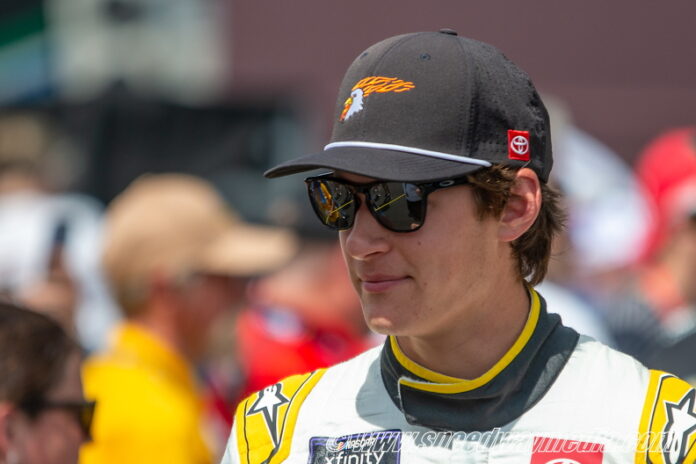
Four Takeaways from the NASCAR Craftsman Truck Series Race at EchoPark Speedway

Photo by John Knittel for SpeedwayMedia.com.

The NASCAR Craftsman Truck Series came to play Saturday afternoon at EchoPark Speedway in Hampton, Georgia, for its second race of the year.

Kyle Busch was once again victorious in Georgia, scoring his third consecutive win at the speedway since 2024 with help from Carson Hocevar. It was a time-shortened race due to showers and storms earlier in the day and an upcoming O’Reilly Auto Parts Series race. While Busch piloted the Spire Motorsports No. 7 Chevrolet entry to victory lane once more, we’ll take a look at some other key storylines.

NASCAR Stays Consistent With Not Throwing Yellows

Last weekend at Daytona, NASCAR refrained from throwing the caution for every single spin. Race fans and the media wondered if the sport would continue to do the same this weekend at another drafting track.

During the truck race, the sanctioning body kept the race green for the most part, with only one caution for an incident. However, there could have been multiple cautions during the race, with several spins occurring.

For instance, Adam Andretti, making his Truck Series debut, spun once and NASCAR didn’t throw the yellow. This happened again with Tanner Gray, who spun late in the first stage. However, the race stayed green as the series was racing against the clock. Despite that, the sanctioning body has remained consistent so far. Kudos.

Corey Heim Makes First Start of Season

Reigning 2025 Truck Series champion Corey Heim returned to the series for the first time this year in a TriCon Garage entry. But it wasn’t the No. 11 Toyota Tundra entry that he won the championship in last year or years past. Instead, he piloted the No. 1 “All-Star” entry, which utilizes rotating drivers.

Heim qualified in the 20th position and had a strong showing in the 125-lap event. He led twice for six laps and won the first stage. Heim challenged for the lead multiple times before settling for a fifth-place finish, the 52nd top-five of his career. It is unclear at the moment when Heim’s next race in the Truck Series will take place.

Gio Ruggiero Continues Strong Efforts On Drafting Tracks

One week after his runner-up finish at Daytona and his win in the ARCA Menards Series, Ruggiero looked ahead to EchoPark Speedway. He was hoping for redemption at least on the Truck Series side of things.

He originally qualified in the 10th position, but due to unapproved adjustments, was sent to the rear prior to the race going green. Ruggiero made significant ground up in the first stage, placing in the 10th spot. He gained four spots in the second stage to wind up sixth.

The 21-year-old might not have led a lap, but the TriCon Garage driver showed his talent. He raced up front and challenged for the win again for the second week in a row. At the end of the day, Ruggiero wound up in third place, claiming his ninth career top-10 finish.

Adam Andretti Rebounds To a 12th Place Finish

Andretti was making his first series start in preparation for racing next week in the Streets of St. Petersburg. His goal was to gain experience ahead of time. He struggled early by getting loose off Turn 2 and eventually spinning several laps later in Turn 2 and quickly losing the draft.

However, with the help of some stage cautions and a late race caution, Andretti was able to move through the pack and finish in the 12th position. Not too shabby for his series debut on a drafting track, especially for the talented Trans-Am Series road racer. It’ll be interesting to see if his talent will shine next weekend on a street course.

As a side note, it was announced Saturday morning that former NASCAR veteran and current IMSA driver Colin Braun will drive the No. 25 Kaulig Racing Ram entry at the Streets of St. Petersburg as part of the “free agent” program.

Professional Mobile Car Repair Dubai – Fast, Reliable & On-Site Service

In a busy city like Dubai, vehicle breakdowns can happen at the most inconvenient times. Whether you are stuck at home, in your office parking, or on the roadside, waiting for a tow truck is stressful and time-consuming. That’s where professional Mobile Car Repair Dubai services become essential. Instead of taking your car to a workshop, expert mechanics come directly to your location and fix the issue on the spot.

Dubai Auto Fix provides reliable on-site automotive solutions designed to save time, reduce stress, and keep your day running smoothly. With experienced technicians and advanced diagnostic tools, most car issues can be resolved without towing your vehicle to a garage.

Why Choose Mobile Car Repair Services in Dubai?

Traditional garages require you to arrange towing and wait in queues. Mobile repair services eliminate that hassle. A professional mobile mechanic arrives at your location fully equipped to handle common and complex automotive problems.

Key benefits include:

  • Immediate roadside assistance
  • No towing expenses
  • Transparent pricing
  • Professional diagnostics at your location
  • Time-saving convenience

Dubai Auto Fix ensures that every repair is handled efficiently while maintaining dealership-level standards.

Services Offered by Dubai Auto Fix

A trusted mobile mechanic service should cover a wide range of vehicle problems. Dubai Auto Fix provides comprehensive solutions including:

1. Battery Replacement & Jump Start

Car batteries often fail due to Dubai’s extreme heat. Mobile technicians test your battery health and replace it instantly if required.

2. Engine Diagnostics

Modern vehicles rely on advanced computer systems. Professional scanning tools help accurately identify engine warning lights and performance issues.

3. Brake Repair & Inspection

Brake problems are safety-critical. Mobile mechanics inspect pads, rotors, and brake fluid to ensure your vehicle remains safe on the road.

4. AC Repair & Gas Refill

Driving in Dubai without air conditioning is nearly impossible. On-site AC inspection and gas refill services keep your cooling system functioning efficiently.

5. Oil Change & Regular Maintenance

Routine servicing improves engine performance and extends vehicle lifespan. Mobile oil change services make maintenance easier than ever.

If you are searching online for Mobile Car Repair Dubai, choosing an experienced provider like Dubai Auto Fix ensures reliable service wherever you are.

Fast Response Across Dubai

Location matters when selecting a mobile mechanic. Dubai Auto Fix operates across major areas, including Downtown Dubai, Marina, Jumeirah, Business Bay, Al Barsha, and surrounding communities. Quick dispatch systems allow technicians to reach customers promptly.

Emergency breakdown? No problem. The team prioritizes urgent roadside cases to minimize waiting time and restore your mobility quickly.

Customer-Focused & Transparent Service

Trust is essential when dealing with car repairs. Dubai Auto Fix emphasizes honest diagnosis, fair pricing, and clear communication. Customers receive:

  • Detailed explanation of the issue
  • Transparent cost estimates
  • No hidden charges
  • Professional repair recommendations
  • Reading real customer reviews helps build confidence before booking a service.

Experienced Technicians & Modern Equipment

Mobile repair requires more than basic tools. Dubai Auto Fix technicians are trained professionals with hands-on experience in handling Japanese, German, American, and luxury vehicles. Equipped service vans carry advanced diagnostic systems, quality spare parts, and precision tools.

This ensures repairs are done correctly the first time, reducing repeat issues and unnecessary expenses.

Affordable Alternative to Traditional Garages

Many drivers always assume that mobile services are expensive. In reality, they often cost less because there are no workshop overheads or towing charges. Dubai Auto Fix offers competitive pricing while maintaining high service standards.

Whether you need emergency repairs or routine maintenance, mobile service helps you avoid unnecessary downtime.

When Should You Call a Mobile Mechanic?

You should consider contacting a professional mobile repair service if:

  • Your car will not start
  • Dashboard warning lights appear
  • You experience overheating
  • The battery is dead repeatedly or dies
  • AC stops cooling
  • Reduced brake performance

Instead of risking further damage by driving to a garage, booking a trusted Mobile Car Repair Dubai service ensures a safer and quicker resolution.


Book Your Mobile Car Repair Today

Car problems don’t follow a schedule. Having access to a dependable mobile mechanic in Dubai makes vehicle ownership stress-free. Dubai Auto Fix combines convenience, expertise, and customer satisfaction in one complete service solution.

If you need professional, fast, and reliable automotive support at your location, choose Dubai Auto Fix. Their dedicated team is ready to assist you anywhere in Dubai, ensuring your vehicle gets back on the road safely and efficiently.

What Commercial Drivers Need to Know About DUI Charges

A DUI charge is different for commercial drivers than it is for other people. The legal thresholds are stricter, the punishments are harsher, and the consequences can even affect your ability to keep working. A first offense might end a career that took years to achieve.

After a CDL DUI, most drivers start looking for answers right away since they know the risks are high. A charge related to drugs or alcohol can lead to losing your license, being fired from your job, and having to report to the federal government. There are two parts to the process: criminal court and administrative license action.

CDL Holders Have Lower Alcohol Limits

When operating a commercial vehicle, commercial drivers have to keep their blood alcohol concentration below a lower level. For non-commercial drivers, the limit is usually 0.08%.  However, for commercial drivers, it is usually 0.04%. This distinction is crucial when determining whether to conduct a roadside test or impose a charge.

A DUI in a Personal Car Still Counts

Many drivers think their commercial license is only at risk if they get arrested while driving a truck. That idea is a big problem. If you get a DUI in your automobile, you might still lose your CDL.

All licensing organizations see driving while drunk as a safety hazard. The type of vehicle at the time of arrest does not shield a commercial license from suspension.

Disqualification From a License Can Start Early

CDL penalties often start before a matter is completely settled in court. After an arrest or a failed or refused chemical test, administrative suspension procedures can begin very quickly. If you miss the deadline for a short hearing request, you may not be able to contest that action.

Most of the time, the disqualification period for a first violation is around a year. If you were carrying dangerous items when you were stopped, that time may be longer.

Not Taking a Chemical Test Has Its Own Penalties

There are different repercussions for refusing a test. Commercial drivers have to follow standards for implied consent that are based on their license class. Even if you do not get a DUI, refusing can automatically disqualify you.

That makes the law split in two. The criminal case and the punishment for the license are not the same in terms of rules and time limits.

Strict Rules for Returning to Duty

You cannot just pay a reinstatement fee to go back behind the wheel of a commercial vehicle. Federal safety laws say that there must be an organized approach for returning to work. A certified substance abuse expert often evaluates this, and there is also a monitored testing program.

Before letting people drive for work that is safety-sensitive, employers must check that these processes have been finished. If you skip any portion of the process, you may not be able to get back in.

Quickly Moving Employment Consequences

Most of the time, motor carriers and fleet operators have rules for DUI arrests and convictions. Some drivers are instantly suspended. Others end when a violation has been confirmed.

Federal driver databases and background checks also keep track of occurrences that make someone ineligible. Even years later, job applications can bring up the incident.

What to Do After Getting a CDL DUI Charge

The choices you make early on affect the results. Drivers who are facing a charge frequently do better when they take structured action:

  • Before the deadline, ask for any available license hearing.
  • Get copies of arrest reports and test findings.
  • Let the employer know when policy or law says you have to.
  • Monitor all court and agency dates closely.
  • Keep a record of all involvement in treatment or education programs.

Key Takeaways

  • A DUI in any vehicle can harm a CDL license.
  • Administrative disqualification might start immediately.
  • Not taking the test has different effects on your license.
  • After a suspension, people must go through return-to-duty programs.
  • Policies at work can make you lose your job quickly.
  • Quick, prepared responses help your legal position.

Team Penske NASCAR Cup Series Race Report – Atlanta 1

AUTOTRADER 400
Hampton, Georgia – February 22, 2026

AUSTIN CINDRIC No. 2 AUTOTRADER FORD MUSTANG DARK HORSE
START: 30TH STAGE 1: 1ST STAGE 2: 11TH FINISH: 26TH POINTS: 26TH
RACE RUNDOWN: Austin Cindric battled from deep in the field to contend for the win Sunday at EchoPark Speedway before a late-race incident left him with a 26th-place finish in the Autotrader 400. After qualifying was washed out Saturday morning, the starting lineup was set per the NASCAR Rulebook, placing Cindric 30th on the grid. Undeterred, the driver of the No. 2 Ford Mustang Dark Horse methodically worked his way forward, showcasing speed and precision. By the end of Stage 1, he had powered to the front of the field to claim the Stage 1 victory and collect valuable stage points. Reporting that he needed the car freed up slightly, Cindric came to pit road for four tires, fuel and an air pressure adjustment, restarting fifth for Stage 2. The middle segment was slowed by three cautions that shuffled the running order and varying pit strategies. As the run progressed, the No. 2 machine tightened up, but Cindric continued to fight inside the top 15. He finished Stage 2 in 11th, narrowly avoiding trouble when an incident erupted around him and he dodged a rapidly approaching No. 5 car. After pitting for four tires and fuel, Cindric restarted 12th with 91 laps remaining. A caution on Lap 199 set up a strategic splash of fuel, allowing him to line up 10th for the ensuing restart. From there, he surged forward, taking the lead on Lap 221 and positioning himself firmly among the frontrunners as the laps wound down. While racing inside the top five in the closing laps, an issue with the No. 24 triggered a multi-car crash that swept up the No. 2 Ford Mustang, abruptly ending what had been a strong performance. Cindric was ultimately credited with a 26th-place finish, not reflective of the speed and effort shown by the No. 2 team throughout the afternoon.

CINDRIC’S THOUGHTS: “We had a really fast No. 2 Autotrader Ford Mustang Dark Horse today. With no qualifying, we had to start near the back, but we fought hard and put ourselves in position there at the end of Stage 1. We made good adjustments and kept ourselves in the fight all day. It’s frustrating to have it end like that when you’re battling up front, but I’m proud of the effort from the 2 team.”

RYAN BLANEY No. 12 MENARDS/DUTCH BOY FORD MUSTANG DARK HORSE
START: 22ND STAGE 1: 10TH STAGE 2: 8TH FINISH: 10TH POINTS: 8TH
RACE RUNDOWN: Ryan Blaney and the No. 12 Menards/Dutch Boy Ford Mustang Dark Horse team came away with a 10th-place finish Sunday at Atlanta following a pair of overtime restarts. After qualifying was rained out Saturday, Blaney lined up 22nd to take the green flag for the 400-mile event and quickly worked his way into the top-10 by lap 27 before crossing the line 10th at the end of Stage 1. Following a four-tire stop during the stage break, Blaney was penalized for speeding on pit road, prompting the No. 12 team to shift its strategy early on as the Menards/Dutch Boy Ford lined up 36th for the ensuing restart. Blaney eventually raced his way back into the top-10 with eight laps remaining in the second segment after being mired in traffic for a majority of the run, resulting in an eighth-place finish in Stage 2. Crew chief Jonathan Hassler made the call for right side tires and fuel, allowing Blaney to win the race off pit road and take the green flag from the outside of row one. Blaney battled for the top spot as the intensity at the front of the field began to pick up before a caution on lap 199 allowed teams to pit one last time for fuel to make it to the end. After taking the restart from third with 56 laps remaining, Blaney took sole possession of the lead 15 laps later but contact with the No. 45 in turn one broke up the momentum in the top lane as Blaney quickly regained control. A caution with 23 laps to go set up another pivotal restart with under 20 laps remaining as Blaney lined up behind teammate Austin Cindric at the front of the field but was quickly shuffled to the middle lane and faded outside of the top-10. Another caution with four laps left reset the field for what amounted to a pair a overtime restarts that saw Blaney try to take the momentum in the top lane to the front, but ultimately crossed the line 10th to log the No. 12 team’s first top-10 finish of the season.

BLANEY’S THOUGHTS: “We had a little bit of a different strategy there in the second stage. We topped off once and then that gave us the ability to take less gas and two [tires] just to try and get some track position and we had it. We had good control of it for a while and then just lost control of it there and that was the end of it.”

JOEY LOGANO No. 22 SHELL-PENNZOIL FORD MUSTANG DARK HORSE
START: 2ND STAGE 1: 8TH STAGE 2: 17TH FINISH: 18TH POINTS: 6TH
RACE RUNDOWN: Joey Logano was involved in a pair of late-race incidents Sunday afternoon at Atlanta, resulting in an 18th-place finish for the No. 22 Shell-Pennzoil Ford Mustang Dark Horse team. After starting from the outside of row one, Logano led the opening lap to set a NASCAR Cup Series record of leading at least one lap in 20-consecutive races at drafting tracks, surpassing Richard Petty’s previous mark. Logano battled up front for a majority of the 60-lap opening stage before ultimately settling for an eighth-place finish in Stage 1. The Shell-Pennzoil Ford continued to be a mainstay in the top-10 throughout the second segment as the field battled two and three-wide but following a restart with 29 laps remaining in Stage 2, Logano found himself strung out in the bottom lane without any momentum behind him. As the field made its way to the line on the final lap of the stage, a multi-car incident unraveled off of turn four that forced Logano to check up to avoid damage as he was scored 17th at the time of the caution. Logano worked his way back into the top-10 on the ensuing restart before the caution flag flew on lap 199 – allowing teams to pit for fuel to make it to the end of the 260-lap event – as the 22 crew picked up seven spots on pit road with a stop that required only two seconds of fuel. While Logano was running seventh with 23 laps to go, contact with the No. 77 in turn four sent the Shell-Pennzoil Ford sliding through the infield to bring out the caution and forcing Logano to hit pit road for a new set of tires after suffering a flat right rear. After rejoining the field while scored 28th, Logano attempted to make one last charge up the leaderboard in the closing laps when the No. 24 suffered an issue on the backstretch and set off a multi-car incident in turn three, collecting the No. 22 and losing a lap in the process due to multiple trips to pit road to assess the damage. A caution during the first overtime attempt allowed Logano to get back on the lead lap prior to the final restart of the afternoon before he took the checkered flag 18th.

LOGANO’S THOUGHTS: “I thought we were really competitive for most of the day and had a car that could control lanes and make the runs that we needed to, especially early on. We lost some track position late in Stage 2 that set us back a bit but I’m proud of the effort from this 22 team to get us back into contention after the final fuel-only stop. I thought we were fortunate to finish after that last wreck and that’s a testament to those guys for staying with it.”

The NASCAR Cup Series goes road course racing at Circuit of the Americas (COTA) next Sunday, March 1. Live coverage begins at 3:30 p.m. ET on FOX and SiriusXM NASCAR Radio Channel 90.

Preece Leads RFK Racing Charge at EchoPark Speedway

Preece 9th, Buescher 15th & Keselowski 17th

HAMPTON, GA (February 22, 2026) – Hotlanta was anything but on Sunday afternoon, still Roush Fenway Keselowski (RFK) Racing found ways to heat things up. Brad Keselowski led four times while battling near the front of the field. Chris Buescher threaded his way through traffic and late-race chaos to bring home a solid finish, and Ryan Preece surged late to secure a top-10 finish.

Ryan Preece #60 Kroger/Red Baron Ford Mustang

Hunger and determination once again defined Ryan Preece’s day. From the drop of the green flag, there were challenges. Challenges that Preece and the Kroger/Red Baron team overcame. With ambient temperatures in the 40s, Preece initially searched for overall grip on the cold track. Still, there was confidence, knowing he had a solid Ford Mustang. Preece persevered through the first stage, understanding and communicating to crew chief Derrick Finley what he needed as the race wore on.

The second stage marked a clear shift in momentum after the team made significant adjustments during the stage break. Restarting 28th with improved balance, Preece steadily moved forward. He climbed to 15th by Lap 100 but wasn’t done yet. Clearly one of the fastest cars on the track, Preece powered to the outside lane in the stage’s closing laps, surging to a strong seventh-place stage finish.

Before stage three began, you could hear in Preece’s voice that a spark had been ignited. “These moves feel like iRacing,” he said. “Turn the fun meter up!”

Carrying that speed into the final stage, Preece restarted inside the top five following a lightning-fast pit stop during the break. As racing resumed, the intensity increased. The pack tightened, but Preece remained loose and focused. A series of late cautions set up a dramatic overtime sequence, where Preece rose to the occasion. Clinching the wheel tight, he navigated the draft in the closing laps to finish ninth.

“We made some adjustments and our Kroger/Red Baron Ford Mustang Dark Horse drove way better,” said Preece. “I think moving forward, when we come back here to Atlanta, I’ll feel way more confident, and I think we can have quite a bit more success.”

Chris Buescher #17 Body Guard Ford Mustang

Fresh off his seventh-place Daytona 500 finish, Chris Buescher came to EchoPark Speedway looking to maintain momentum. To do so, he would need to avoid near collisions and manage obstacles. Challenges he accepted and faced early. Searching for grip in stage one, Buescher found himself managing the cold but ultra-fast speedway without the ability to run the outside groove. The Body Guard team, though, was up for the task and made adjustments.

As stage two began, the No. 17 Ford Mustang restarted 19th, and it wasn’t long before Buescher noticed a difference. Changes crew chief Scott Graves called for had provided more stability and an opportunity to run a more diverse set of lines around the track. The high line that Buescher wasn’t able to run in stage one was now an area of strength. Despite caution periods disrupting momentum, Buescher climbed to a 17th-place stage finish.

Unsatisfied, Graves and Buescher used a bold two-tire strategy between stages to gain track position. The call vaulted the Body Guard Ford Mustang into the top five to start the final segment. More obstacles, though, needed to be faced when Buescher was nearly collected in a multi-car crash. With little to no damage, Buescher raced on. Multiple late cautions set up an overtime showdown where Buescher navigated traffic and the draft’s intensity, ultimately bringing the No. 17 Ford home with a hard-earned 15th-place finish.

“We kind of survived it and got the handling a little bit better, especially as nighttime came, and just wasn’t able to move our lane there at the end, and I got bottled up on the bottom,” said Buescher. “It should have been a lot better.”

Brad Keselowski #6 BuildSubmarines.com Ford Mustang

In only his second race back after breaking his femur in the offseason, Brad Keselowski continued to show strength behind the wheel. Like Daytona a week ago, you would never know he was returning from injury. The two-time EchoPark Speedway winner looked primed for win number three as he rocketed from the fifth starting position into the lead by Lap 24. As the run progressed, though, the balance began to shift, forcing Keselowski to surrender track position late, but the early laps made clear the BuildSubmarines.com Ford Mustang was strong.

Working to dial the car in, crew chief Jeremy Bullins made calculated adjustments with an eye toward giving Keselowski the feel he had at the beginning of the race, and a feel that would last throughout a full run. Those tweaks paid dividends. As the stage unfolded, Keselowski climbed the leaderboard. Capitalizing on restarts and strong drafting help, he surged forward in the closing laps, turning a mid-pack restart to begin the stage into a ninth-place stage finish that reestablished him as a factor.

Lining up fourth to start the final stage alongside his RFK Racing teammates Preece and Buescher, Keselowski quickly returned to the fight for the lead, even grabbing the top spot briefly before the draft reshuffled the order. Undeterred, he remained aggressive, slicing through the pack and challenging for the lead again with 40 laps remaining. Strategic calls to stay out and maintain track position kept him in contention deep into the closing stretch, where multiple cautions created a tense, overtime-filled finish. Though late chaos ultimately left Keselowski with a 17th-place result, his race was defined by speed.

“It was an up-and-down day,” said Keselowski. “It didn’t end great, but there were times we had a lot of speed. We were just missing a little bit of handling to keep it there at the end.”

Up Next:

Circuit of The Americas “COTA” (Austin, TX)

The NASCAR Cup Series – Sunday, March 1 at 3:30pm EST on FOX Sports

About RFK Racing 

RFK Racing, in its 39th season in 2026, features an ownership lineup pairing one of the sport’s most iconic names, Jack Roush, along with NASCAR Champion, Brad Keselowski, and Fenway Sports Group owner John Henry. Roush initially founded the team in 1988 and it has since become one of the most successful racing operations in the world, propelling him to be the first NASCAR owner to amass three hundred wins and capturing eight championships, including back-to-back NASCAR Cup titles in 2003 and 2004. Keselowski, a former owner in the NASCAR Truck Series, is the 2012 NASCAR Cup Series Champion. In 2007, Roush partnered with Henry, who also owns Major League Baseball’s Boston Red Sox, English Premier League’s Liverpool F.C., and the NHL’s Pittsburgh Penguins, to form Roush Fenway Racing. Off the track, RFK is a leader and proven winner in NASCAR marketing solutions, having produced multiple award-winning social media, digital content and experiential marketing campaigns. Visit https://www.rfkracing.com/ and follow the team on all social platforms @rfkracing.

Wood Brothers Racing Race Report: Autotrader 400

Event: Autotrader 400
Location: EchoPark Speedway, Hampton, Georgia
Date: Sunday, February 22, 2026

Start: 10th
Finish: 38th

Josh Berry and the No. 21 Motorcraft/Quick Lane team showed early speed in Sunday’s Autotrader 400 at EchoPark Speedway near Atlanta before being swept up in a multi-car crash shortly after the start of Stage 2. The damage sustained in the Lap 82 incident was too severe for the Motorcraft/Quick Lane Ford Mustang Dark Horse to continue, resulting in a 38th-place finish.

Berry started 10th and quickly established himself as a contender, running inside the top five and climbing as high as second during Stage 1. The promising start, however, unraveled early in the second segment and dropped him from 13th to 25th in the NASCAR Cup Series points standings.

“It looked like I faded up a little bit to give the 20 room, and Ty [Gibbs] went to make a move it looked like and we got together,” Berry said. “It’s just a racing deal at Atlanta.”

Berry said it’s unfortunate to drop out of a race so early.

“In this style of racing I think all of us just want to make it out with a decent finish,” he said. “We were able to do that last week [in the Daytona 500], and we were able to do that in the Duel, but not so lucky this time.”

Despite the result, Berry was encouraged by the overall pace of his Mustang.

“I felt like I was really strong at the beginning,” he said. “We got pretty tight at the end of the first run and tried to make it better. We probably made it worse at the start of [the second Stage]…You lose a little bit of track position, and your car handles so much worse that it’s hard to tell. That’s why we all race so hard to stay up front…because the cars drive so bad in mid-pack, but yet you have no choice.

“Overall, the guys did a good job. We had a really good car here last year. I think we have a little bit of work to do coming back here in the summer, but overall, the guys do a really good job here.”

Berry and the Wood Brothers team now shift their focus to next Sunday’s DuraMAX Texas Grand Prix at the Circuit of the Americas near Austin, Texas.

Spire Motorsports Atlanta NASCAR Cup Series Race Report

Daniel Suárez – Driver, No. 7 Spire Motorsports Chevrolet Camaro ZL1

START: 12TH
FINISH: 5TH
POINTS: 7TH

Daniel Suárez, the February 2024 NASCAR Cup Series winner at Atlanta Motor Speedway, finished fifth in NASCAR Overtime. Despite handling challenges, the Monterrey, Mexico native and his No. 7 Freeway Insurance team made key adjustments throughout the race. Suárez charged through the field in the final stage to secure his 26th top-five and 77th top-10 finish in NASCAR’s premier division.

Suárez started 12th per the NASCAR rulebook after qualifying was canceled due to wet weather conditions. As Stage 1 came to a close, the 34-year-old driver reported his Chevrolet was tight, but handled better in clean air. Crew chief Ryan Sparks called the No. 7 Chevy down pit road for adjustments, four fresh Goodyear tires and a full tank of Sunoco fuel for the start of Stage 2. Suárez pitted twice during the second for additional adjustments and ultimately took the green-and-white checkered flag in the 18th position.

Suárez began the Final Stage from 19th, determined to make a strong push to the finish. When the seventh caution caution of the night occurred on Lap 225, the No. 7 Chevy remained on track to restart 12th with 36 laps remaining in the race. Suárez entered the top 10 prior to a multi-car incident on Lap 258 that led to a brief red flag period. When the race returned to green, the Freeway Insurance driver restarted eighth and pushed forward to finish fifth in NASCAR Overtime.

Daniel’s Post-Race Comments
“Honestly, I thought we were in an amazing spot for that last restart. The No. 77 (Carson Hocevar) was leading the top lane and the No. 1 (Ross Chastain) was in front of me. I thought we were in a beautiful spot to make it work. The No. 97 (Shane van Gisbergen) was on my left side and pushed me wide. I felt like that broke down the top lane a little bit. I’m not sure, but I feel like we could have done a little bit better. I feel like we gave that one away because we were in the perfect spot.

But overall, I’m very, very proud of everyone at Spire Motorsports. I couldn’t be prouder, honestly. This team just continues to fight, continues to show up and continues to get better. They never doubt that we can make the car better. I can’t thank everyone at Chevrolet and the Hendrick Engine Shop enough for the power under the hood. We just need to keep cleaning a few things up to keep getting better, but very excited for the start of the season.”

Michael McDowell – Driver, No. 71 Spire Motorsports Chevrolet Camaro ZL1

START: 20TH
FINISH: 20TH
POINTS: 20TH

Michael McDowell, driver of the No. 71 B’laster Chevrolet Camaro ZL1 for Spire Motorsports, came home with a finish of 20th following a double-overtime finish at Atlanta Motor Speedway after sustaining damage in Stage 3.

A rainout during Saturday’s qualifying session set the grid per the rulebook for Sunday’s race at AMS with McDowell taking the green flag from the 20th position. During the 60-lap stint of Stage 1, the Glendale, Ariz., native slipped just outside the top 25, but worked his way up to the 19th position before the green-and-white checkered flag waved to end the stage. McDowell visited pit road for an air pressure adjustment to assist with handling woes and the Travis Peterson-led team lined up 12th for Stage 2. As the run progressed, a caution on Lap 83 put the team in their fuel window and allowed the driver of the No. 71 Chevy to make a two-second fuel stop. The final 30 laps of racing action in Stage 2 proceeded under green and the 41-year-old driver completed the second stage in the 20th position.

Following pit stops during the stage break, McDowell lined up 22nd with 92 laps remaining, but an incident on Lap 223 resulted in damage to the nose and right-rear fender of the B’laster machine. The damage was a significant hindrance to the team’s speed and, as a result, McDowell was credited with a finish of 20th following multiple cautions and overtime attempts.

Michael’s Post-Race Comments
“It’s unfortunate. We had times we were sitting in a decent spot with our B’laster Chevy, but we were involved in that wreck there and had to manage the damage. It is really cool to see two Spire Motorsports cars get top-five finishes, but disappointed we weren’t up there. Regardless, we got to the end despite a car that had pretty heavy damage. So, we will head back to the shop and get ready for COTA next weekend.”

Carson Hocevar – Driver, No. 77 Spire Motorsports Chevrolet Camaro ZL1

START: 15TH
FINISH: 4TH
POINTS: 4TH

Carson Hocevar, driver of Spire Motorsports’ No. 77 Spectrum Chevrolet Camaro ZL1, rallied from a tire issue early in Sunday’s NASCAR Cup Series event at Atlanta Motor Speedway to restart on the front row for NASCAR Overtime. Despite racing side-by-side for the lead when the white flag was displayed, for the second time in as many weeks, Hocevar left AMS with a fourth-place result.

Inclement weather forced the cancellation of Saturday’s qualifying session relegating Hocevar to a 15th-place start. He made quick work of the field to reach the top five by Lap 27. While racing for position within the top 10, the 2024 NASCAR Cup Series Rookie of the Year encountered a right-front tire issue, sending him into the outside retaining wall. He brought his Chevy to the attention of the Spectrum crew, receiving fresh right side tires, but returned to competition two laps behind the leaders. At the conclusion of Stage 1, the No. 77 team received the free pass placing them just one lap behind the leaders.

Crew chief Luke Lambert took advantage of the stage break to bring Hocevar to pit road for damage repair and a new right-side window, which was lost prior to the stage end. A caution at Lap 83 for a multi-car incident allowed the team to receive their second free pass of the day and return to the lead lap. The Portage, Mich., native restarted 36th on Lap 93, cracked the top 20 on Lap 116, and was soon back in the top five on Lap 153. Despite making contact with the outside wall in the closing laps of the stage, Hocevar took the green-and-white checkered flag in sixth to collect five stage points.

The team decided to forego their track position to look over their Camaro for damage during the ensuing round of pit stops, and provided Hocevar with an adjustment to address a tight-handling condition. A nine-car pileup on Lap 225, gave the No. 77 team an opportunity to visit pit road one last time, with Hocevar lining up 21st for the restart on Lap 232. It took just six laps for Hocevar to re-enter the top 10, where he stayed for the final 30 laps and even battled for the lead on multiple occasions. Hocevar lined up on the outside of the front row of NASCAR Overtime and raced for the lead at the white flag before crossing the finish line in fourth to earn his first top-five result of the year.

Carson’s Post-Race Comments
“I was really happy with this No. 77 Spectrum Chevrolet. Our car was really fast to go from two laps down to getting stage points and finishing fourth. Overall, it was a good points day for us. I was taking every run I could. I’m sure I owe people apologies, but I think we’re all battling for spaces and runs. At the end, all four tires were straight. My toe was knocked out, but it was still pretty fast. Pretty excited about a strong start to the season.”

Up Next…
The NASCAR Cup Series season heads to Circuit of the Americas in Austin, Texas for the first road-course race of the year. The DuraMax Grand Prix Powered by RelaDyne will be televised live on FOX at 3:30 p.m. Eastern Standard Time (EST).

The third of 36 points-paying races on the Cup Series calendar will be broadcast live on the Performance Racing Network and SiriusXM NASCAR Radio Channel 90.

To stay up-to-date on all the latest news and exclusive content, follow Spire Motorsports on Facebook, X and Instagram, and visit Spire-Motorsports.com.

About Spire Motorsports …
Spire Motorsports fields full-time entries in the NASCAR Cup Series, NASCAR CRAFTSMAN Truck Series and Interstate Batteries High Limit Racing.

The team, co-owned by longtime NASCAR industry executive Jeff Dickerson and TWG Motorsports CEO Dan Towriss, earned its inaugural NASCAR Cup Series victory in its first full season of competition when Justin Haley took the checkered flag in the Coke Zero Sugar 400 at Daytona (Fla.) International Speedway on July 7, 2019. Less than three years later, William Byron drove Spire Motorsports’ No. 7 Chevrolet Silverado to its inaugural NASCAR CRAFTSMAN Truck Series win on April 7, 2022, at Martinsville (Va.) Speedway. The team’s most recent win came on May 30, 2025, when Rajah Caruth took the checkered flag in the Rackley Roofing 200 at Nashville (Tenn.) Superspeedway.

In 2026, Spire Motorsports will campaign the Nos. 7, 71 and 77 Chevrolet Camaro ZL1s in the NASCAR Cup Series and the Nos. 7 and 77 Chevrolet Silverado RSTs in the NASCAR CRAFTSMAN Truck Series. The Mooresville, N.C., organization will also field the No. 77 410 sprint car in Interstate Batteries High Limit Racing competition.

When to Use High-Torque Fasteners Like Socket Head Screws

Photo by depositphotos at https://depositphotos.com/

No assembly is complete without the right fastener selection. Socket head screws are ideal for high-torque applications and provide reliable service in rugged environments. These specialized fasteners offer enhanced strength and reliability when standard screws could be inadequate. There are many scenarios across industries where lasting, strong connections are essential, and it is in those situations that understanding high-torque fasteners like socket head screws is especially useful.

Strength and Load Requirements

Precision fastening is simplified when ordering socket head screws online in a variety of sizes and specifications. If your projects involve heavy loads or structural loads, you need hardware that can withstand significant forces. They are designed for maximum tensile strength, making socket head screws the best choice for this application. They are designed not to shear or break under pressure, ensuring safety and stability. These fasteners are used in machinery, vehicles, and bridges, providing assurance by securing critical components.

Limited Space and Accessibility

Tight spaces are integral to product assembly and to standard tools’ inability to fit. In situations like these, a socket head screw shines because its head design is more compact. The offset socket allows tool insertion from above, which is vital when side entry is limited. This characteristic makes socket head screws preferred for equipment or components where space for maneuvering is limited.

Precision Engineering and Alignment

In assemblies requiring high accuracy, precise alignment must be maintained. To achieve precise part placement, we may need to control the tightness of the Socket head screws used in this application. You can apply the flank torque evenly with these, minimizing the risk of misalignment. These screws are useful in industrial settings where even the slightest movement can affect performance, such as in aerospace or robotics.

High Vibration Environments

Normal fasteners will loosen over time due to constant movement or vibration. Socket head screws have much higher clamping force, so this risk is relatively small. This allows them to fit tightly, providing stability in engines that run at high speeds. These screws are used in applications with a continuous motion range, like conveyor belts or heavy-duty motors, to prevent loosening.

Aesthetic and Flush Finishes

In some applications, non-protruding fasteners are required above the surface. Socket head screws create a seamless appearance since they sit within a countersunk hole. This finish is flush so that it does not snag or interfere with moving parts. Their same strength and tidy appearance have made these fasteners an ideal choice for electronics, furniture, and precision devices.

Corrosion Resistance and Harsh Conditions

Fasteners must resist environments where moisture, chemical solutions, or extreme temperatures are present. Thousands of socket head screws are available in stainless steel or coated alloys. These alternatives remain corrosion-resistant & can be stable under extreme conditions. This drives demand for many weather-resistant materials, particularly for performance outdoor structures, marine equipment, and chemical plants.

Ease of Maintenance and Replacement

Socket-head screws make assembly easier (and future maintenance easier). The design of their socket makes it super simple to engage even hex keys in tight places. This is also convenient for quick repairs, as it is easy to remove and replace. Any facility that regularly checks equipment for safety and effectiveness prefers these fasteners.

Safety Considerations

Safety remains a top priority in any job. Accidents or equipment failure can occur when loose fasteners loosen over time or when weak fasteners fail. Socket-head screws mitigate this risk by providing a better grip and greater tightness. Sectors such as construction, manufacturing, and automotive rely on these fasteners to secure critical connections and ensure worker safety.

Cost Efficiency Over Time

Socket head screws are slightly more expensive up front, but are less expensive over the long term because they are durable. Fewer replacements and repairs reduce maintenance costs. So they not only save you the cost of the product itself but also the cost of expensive equipment, as their robustness mitigates potential damage. These fasteners are a fantastic investment for long-term reliability.

Conclusion

Proper fasteners not only fit securely but also ensure the assembly’s safety, efficiency, and longevity. When it comes to torque capacity and versatility, socket head screws really shine. They answer the needs of tough environments, crowded spaces, and precision tasks. This enables users to make informed, data-driven choices in your favor, helping them build strong, long-lasting bonds with your project.