Home Blog Page 89

NASCAR Weekend schedule – EchoPark Speedway (Atlanta)

Atlanta EchoPark Speedway 2025 by John Knittel

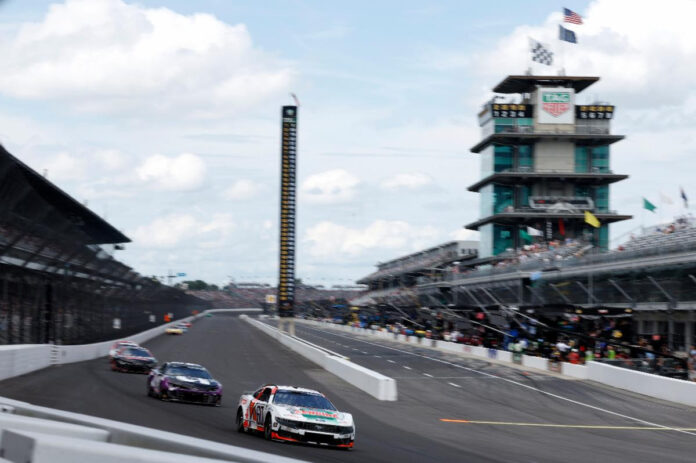
This weekend, NASCAR travels to Atlanta to compete at EchoPark Speedway. The upcoming race will mark the ninth Cup Series race at Atlanta since the track was reconfigured to a drafting-style configuration.

Notes – Cup Series:

In six of the last seven Cup Series races, the winning pass came on the final two laps.

Hendrick Motorsports drivers have won four of the eight races since the redesign (William Byron-2, Chase Elliott-2).

Elliott is the most recent winner at the track, after taking home the trophy last June at his hometown track.

Notes – O’Reilly Auto Parts Series:

This weekend will mark the 40th NASCAR O’Reilly Auto Parts Series race at Atlanta.

The racetrack has been on the O’Reilly Auto Parts Series schedule every year since 1992

Since EchoPark Speedway was redesigned in 2022, the pass for the win has occurred in the final six laps five times.

Richard Childress Racing (3) and Joe Gibbs Racing (4) have won seven of the last eight O’Reilly Series races at Atlanta.

Notes – Craftsman Truck Series:

In the previous four races, the final lead change came in the last seven laps.

Three past winners on the new configuration are entered this weekend – Corey Heim 2022, Christian Eckes 2023, Kyle Busch 2024, 2025.

Busch, the defending race winner, will return to make his first Truck Series start of 2026 in the No. 7 Spire Motorsports Chevrolet.

Friday 2/20/2026

3 p.m.: Truck Series Qualifying (Impound) FS1
5 p.m.: O’Reilly Series Qualifying (Impound) CW App

Saturday 2/21/2026

11 a.m: Cup Series Qualifying (Impound) – Canceled due to rain
Prime/PRN/SiriusXM
Post Qualifying: PressPass

1:30 p.m.: Craftsman Truck Series Fr8 Racing 208
Stages 40/80/135 Laps = 207.9 Miles
FS1/FOX ONE/SiriusXM/MRN
Purse: $1,653,590
Post Race: PressPass

5 p.m.: O’Reilly Auto Parts Bennett Transportation & Logistics 250
Stages 45/90/163 Laps = 251.02 Miles
CW/PRN/SiriusXM
Purse: $1,653,590
Post Race: PressPass

Sunday 2/22/2026

3 p.m.: Cup Series Autotrader 400
Stages 60/160/260 Laps = 400.4 Miles
FOX/FOX ONE/HBO Max/PRN/SiriusXM
Cup Series Purse: $11,233,037
Post Race: PressPass

*All times are Eastern.

The Autotrader 400 at EchoPark Speedway Outlook

Photo by John Knittel for SpeedwayMedia.com
EchoPark Speedway
Photo by John Knittel for SpeedwayMedia.com

The NASCAR Cup Series (NCS) heads to EchoPark Speedway in Hampton, Georgia, for the Autotrader 400 on Sunday, 22 at 3 p.m. ET on FOX.

Last season, Ryan Blaney captured the pole with a lap of 179.371 mph (30.908 secs), and Christopher Bell found himself at the right place at the right time to win the Ambetter Health 400 on Sunday, February 23, 2025. Carson Hocevar bumped Bell’s No. 20 DeWalt Toyota Camry XSE entry ahead of Kyle Larson entering Turn 3. Just as Hocevar was trying to split himself between Bell and Larson, the caution flew, and the event concluded as a multi-car wreck that involved Josh Berry, Justin Haley, and Ryan Preece on the backstretch.

Following a review of the footage for when the caution was displayed, Bell was shown to have been the leader over Hocevar and Larson when the caution lights were displayed.

Autotrader 400

Track & Race Information for the Autotrader 400

Race Name: Ambetter Health 400
Race Purse: $11,233,037
Track Size: 1.54 miles
Banking/Turn 1 & 2: 28 degrees
Banking/Turn 3 & 4: 28 degrees
Banking/Frontstretch & Backstretch: 5 degrees
Frontstretch Length: 2,332 feet
Backstretch Length: 1,800 feet

Time

February 22 at 3 p.m. ET on FOX, PRN, and SiriusXM NASCAR Radio

Length and Race Stages for the Autotrader 400

Race Length: 260 laps / 400 miles

  • Stage 1 Length: 60 Laps
  • Stage 2 Length: 100 Laps (Ends Lap 160)
  • Final Stage Length: 100 Laps (Ends Lap 260)

Who and what should you look out for at the EchoPark Speedway?

Kyle Busch leads all active drivers in NCS starts at EchoPark Speedway with 32 starts, followed by Denny Hamlin with 31, Joey Logano with 24, Brad Keselowski with 22, and Michael McDowell with 20. Kyle Larson leads all active drivers in the NCS in average starting position at 8.286 in 14 starts.

Joey Logano (2015, 2023, 2025) leads all active NCS drivers in poles at EchoPark Speedway with three, followed by Michael McDowell with two, and Ryan Blaney, Ricky Stenhouse Jr., Kyle Busch, and Denny Hamlin with one pole each.

The most proficient starting positions in the field at EchoPark Speedway are the first (13.0%) and fifth (13.0%) starting positions, which have produced more wins than any other starting positions at 16 each.

Nine of the 50 NCS EchoPark Speedway race winners are active this weekend:

Active Atlanta Race WinnersWinsSeasons
Chase Elliott22025, 2022
Joey Logano22024, 2023
William Byron22023, 2022
Brad Keselowski22019, 2017
Kyle Busch22013, 2008
Christopher Bell12025
Daniel Suarez12024
Ryan Blaney12021
Denny Hamlin12012
  • Chase Elliott (No. 9 Hendrick Motorsports Chevrolet) has two wins, three top fives, nine top 10s, and a series-best average finish of 11.357 in 14 starts.
  • Ryan Blaney (No. 12 Team Penske Ford) has one pole, one win, seven top fives, nine top 10s, and an average finish of 11.600.
  • Carson Hocevar (No. 77 Spire Motorsports Chevrolet) has one top five, two top 10s, and an average finish of 11.750.
  • Kyle Busch (No. 8 Richard Childress Racing Chevrolet) has one pole, two wins, ten top fives, 16 top 10s, and an average finish of 12.097. Busch is also the youngest NCS EchoPark Speedway winner at 22 years, 10 months, 7 days on 03/09/2008. Busch also leads all active NCS drivers with 15 top-10 finishes and leads all active NCS drivers in laps led with 558.
  • Daniel Suarez (2023, 2024), Brad Keselowski (2018, 2023), Kyle Busch (2020, 2021), Kyle Larson (2017, 2021), and Ross Chastain (2022, 2022) lead all active NCS drivers with two runner-up finishes.

FENDT EXTENDS MULTI YEAR PARTNERSHIP AS OFFICIAL TRACTOR OF NATIONAL HOT ROD ASSOCIATION

Leading ag machinery manufacturer also renews sponsorship of Top Alcohol Dragster driver Anthony Troyer

DULUTH, Ga. (February 19, 2026) – Fendt®, a leading provider of advanced agricultural machinery and smart farming solutions, today announced a renewed, two-year partnership with the National Hot Rod Association (NHRA). The company will continue serving as the official NHRA tractor, expanding its visibility across fan engagement and track operations.

“Fendt’s ongoing NHRA commitment reflects the continued growth and strength of this partnership and our shared values of performance, precision and reliability,” said Tim Millwood, Senior Vice President and Chief Supply Chain Officer for AGCO. “The NHRA community includes thousands of farmers, ranchers and rural business owners who depend on our equipment every day. The partnership allows us to better engage with them about how Fendt’s machines and technology can make them more profitable and productive and gives more visibility to the brand’s growing presence in North America.”

The agreement includes the use of the Fendt 314 Vario®, a versatile tractor renowned for its compact design and robust performance, at all NHRA national events. It will support track preparation through the NHRA Safety Safari, a critical component of event performance and racer safety. Fendt will also appear with six major midway displays during the 2026 season, offering fans immersive equipment showcases, interactive experiences and opportunities to connect with local dealers and the Fendt brand.

“We’re thrilled to extend our partnership with Fendt as they continue as the Official Tractor of NHRA,” said Brad Gerber, NHRA Vice President and Chief Development Officer. “Fendt has been an outstanding partner with NHRA, delivering world-class innovation and performance to the NHRA and our Safety Safari and Competition Department teams. Their reliability plays a huge role in preparing and maintaining a safe and consistent racing surface for our race teams, and we look forward to this partnership continuing to grow.”

In addition, Fendt is excited to continue sponsoring Anthony Troyer, a Florida farmer and loyal Fendt owner, and his Fendt Top Alcohol Dragster. The dragster is built and managed by McPhillips Racing, a team with 28 NHRA national wins, 51 regional wins and 11 regional championships. This partnership will include track appearances, updated car livery and customer engagement opportunities integrated with the Fendt midway footprint.

“I am very grateful to have the full support of the Fendt team and the opportunity to continue driving for McPhillips Racing,” said Troyer. “They have truly supported my racing journey every step of the way, and I am looking forward to having another very successful year on the NHRA circuit.”


Fendt and Vario are registered trademarks of AGCO.

About AGCO

AGCO (NYSE: AGCO) is a global leader in agricultural machinery and precision agriculture technologies. Driven by a Farmer-First strategy, AGCO delivers value through its differentiated leading brands, Fendt™, Massey Ferguson™, PTx™ and Valtra™. AGCO’s high-performance equipment and smart farming solutions, including brand-agnostic retrofit technologies and autonomous offerings, empower farmers to drive productivity while sustainably feeding the world. For more information, visit www.agcocorp.com.

About Fendt

Fendt is the leading high-tech brand at AGCO for farmers, with the highest demands regarding quality of machines and services. The customers benefit from innovative technology that increases their performance, efficiency and profitability. Fendt tractors and combines operate globally on professional farms as well as in non-agricultural fields. Resource-saving, smart Fendt technologies support farmers and contractors in successfully working sustainably and economically worldwide. For more information visit, Instagram, LinkedIn and YouTube.

About NHRA

NHRA is the primary sanctioning body for the sport of drag racing in the United States. NHRA presents 20 national events featuring the NHRA Mission Foods Drag Racing Series and NHRA Lucas Oil Drag Racing Series, as well as the NHRA Pro Mod Drag Racing Series and NHRA Flexjet Factory Stock Showdown™ at select national events. NHRA provides competition opportunities for drivers of all levels in the NHRA Summit Racing Series and NHRA Street Legal™. NHRA also offers the NHRA Jr. Street® program for teens and the Summit Racing Jr. Drag Racing League® for youth ages 5 to 17. With more than 100 Member Tracks, NHRA allows racers to compete at a variety of locations nationally and internationally. NHRA’s Youth and Education Services® (YES) Program reaches over 30,000 students annually to ignite their interest in automotive and racing related careers. NHRA’s streaming service, NHRA.tv®, allows fans to view all NHRA national events as well as exclusive features of the sport. In addition, NHRA owns and operates three racing facilities: Gainesville Raceway in Florida; Lucas Oil Indianapolis Raceway Park; and In-N-Out Burger Pomona Dragstrip in Southern California. For more information, log on to www.NHRA.com, or visit the official NHRA pages on Facebook, Instagram, Twitter, and YouTube.

CHEVROLET IN THE NTT INDYCAR SERIES – Unser Phoenix Raceway Test Day #2

CHEVROLET IN THE NTT INDYCAR SERIES
Phoenix Raceway
1.0-mile short oval
Avondale, Arizona
The Unser INDYCAR Open Test at Phoenix Raceway Session #2
February 18, 2026

Avondale, Arizona (February 18, 2026) – ECR veteran Alexander Rossi in the No. 20 Java House Chevrolet turned a lap at 174.542mph (20.6524 seconds) during the afternoon on the second day of the Unser Open Test at Phoenix Raceway to lead the combined timesheet after a dozen hours on the iconic 1-mile oval. Five of the top six drivers across the two-day test were Chevrolet-powered, with Josef Newgarden in the No. 2 Team Penske Chevrolet, Christian Rasmussen in the No. 21 ECR Chevrolet, David Malukas in the No. 12 Team Penske Chevrolet and Pato O’Ward in the No. 5 Arrow McLaren Chevrolet all finishing the test in the top six..

  • Rossi led the morning session with a lap of 174.444mph (20,6370 seconds) during the three hours before lunch, leading a top five that saw four drivers sporting Bowties.
  • Chevrolet has visited victory lane ten times at Phoenix Raceway. Rick Mears, twice and Team Penske, five times, are the winningest driver and team.
  • Team Chevy drivers have stood on the podium at Phoenix Raceway on 25 occasions, with Bob Rahal’s three straight podiums in 1992, 1991 and 1990 leading all drivers. Team Penske leads all Chevrolet-powered teams with 12 podiums at the one-mile oval.
  • Chevrolet and General Motors can surpass a pair of laps led milestones when they return for the Good Ranchers 250 in March. Bowtie-adorned cars have led 1990 laps at Phoenix Raceway, while drivers powered by General Motors have led 2977 laps in The Valley of the Sun. Rick Mears leads all drivers with 247 laps led.

Phoenix Raceway Combined Timesheet

What They’re Saying

Josef Newgarden – No. 2 Team Penske Chevrolet:

“It was great to be back at Phoenix. I have a lot of fond memories of this place from the last race in 2018 when we ended up in Victory Lane. Hopefully we can have the same success at the doubleheader weekend coming up, which will be an amazing weekend of motorsports. And we actually have several crew members from 2018 so we know we can get it done, even if it is a new configuration. It’s a blast to race on, for sure and the XPEL Chevy had plenty of speed.”

Scott McLaughlin – No. 3 Team Penske Chevrolet:

“I was a bit disappointed in the overall speed with the Gallagher Chevy following the first day of the test. We came back today and tuned it up. I felt really comfortable and competitive today, and ready to come back for the INDYCAR-NASCAR doubleheader weekend. The conditions were windy and cold today so that will give us something to think about before we come back, but I’m confident that we will get it all dialed in.”

Caio Collet – No. 4 A.J. Foyt Racing Chevrolet:

Nice recovery today, are you starting to feel more comfortable?

“Yes, definitely. Today we analyzed a lot more data and tried to understand what the Penske guys were doing. I think they have pretty good knowledge. I’m trying to adapt my driving style to what they are doing, and I think it is beneficial. The qualifying sim that I did wasn’t exactly a qualifying sim. I’m just trying to get more comfortable with the procedure and so on. I think we can be competitive. Before that, it was a bit of a nightmare. I think being competitive is good to end the test on a positive note. Did some pit stops at the end to be ready for St. Pete.”

Alexander Rossi – No. 20 ECR Chevrolet:

How was the day?

“We got through everything we wanted, and obviously, when you can do that it’s a good day. Of course, the top is good, and the team car. Christian’s car is also strong, so there’s nothing more I could ask for.”

Does that give you lots of confidence coming back here in a few weeks?

“It doesn’t take away confidence. But, it is 50 degrees, and if you look at the weather forecast, it”s going to be 85 degrees when we come back. We have a good baseline and it feels like we are on top of it.”

Christian Rasmussen – No. 21 ECR Chevrolet:

“We’re pretty happy in the ECR camp. Going one, two, here this afternoon, and Alex was P1 this morning. I was up there as well, even with a run where I had a bit of traffic. It’s safe to say we’re pretty excited about Phoenix.”

Rinus VeeKay – No. 76 Juncos Hollinger Racing Chevrolet:

“Had a really first oval test with the team here at Phoenix. We hit the ground running. Really happy with the car and, made a lot of progress throughout the the 3 sessions in 2 days. So, yeah, I learned a lot for the race for sure. Really good qualifying case. You know, most important, really good long run pace. So, now really good time with the team. Final test, and well, St. Pete coming up. Very excited. We are ready.”

Sting Ray Robb – No. 77 Juncos Hollinger Racing Chevrolet:

“Well, the Unser open test was interesting to say the least. I think this track is actually really fun. I like the layout. I think that it’s really easy in testing here to kinda get off the trail, and then you kinda have to find your way back. So I think we did a good job of finishing the two day test.”

“On a good note, I think that we were in a good spot to end and we’ll come back with so we can roll off the truck strong. There’s definitely a lot to learn here. There is some of the big teams that, unfortunately, got a a few extra days on this since we’re tired testing gears, so they knew what was ahead of them. But I think with that, we did a very good job. I think both cars are very quick, and I think that we can roll off here and be in the top half of the field right away.”

Nolan Siegel
Press Conference

THE MODERATOR: Nolan Siegel also joins us. He was P8 in that practice session, driving the No. 6 Arrow McLaren Chevrolet.

Just your thoughts; it is your first time here at Phoenix Raceway. Did you enjoy it?

NOLAN SIEGEL: Yeah, I really enjoyed it. I thought it’s a very fun track to drive, very unique. The two ends are quite different — three ends, I guess, are quite different from each other. It’s a challenge setup-wise, a challenge driving-wise, and yeah, very much enjoying myself here. I think it’s a cool location, as well. Good to hit this region.

We had a ton of fans at the autograph session. I was surprised. We were all like, why are we doing an autograph session here, and then everyone showed up, and we were like, oh, that’s why. I think that’s a good look into what the race weekend is going to be like.

Q. For the team, you led among the three. What kind of race car do you think you’ll have come back here in a couple weeks?

NOLAN SIEGEL: I think we’ll be strong. I think we’ve been strong on all the short ovals pace-wise. I have full confidence that we’ll figure it out as a group. We have done a good job splitting kind of test items between the three cars.

That’s the advantage obviously of having three cars, three strong teams that you trust feedback from. Learned a lot across the three cars over the two days, and I feel like we’re way, way better than where we started.

It’s been cool to have Sebring and here as an opportunity to test so many sort of off-season developments that we’ve done, and I’m very optimistic looking into the year as a whole, but coming back here I think we’ll be as strong as we have been on other short ovals as a group.

Q. Did you do sim work for this test, and if so —

NOLAN SIEGEL: I did not. I did not do a lap on the sim here.

Q. How did you get adjusted? Or did you just take a lap around the track in a passenger car and then go at it?

NOLAN SIEGEL: Yeah, I mean, I say I didn’t do a lap on the sim. I didn’t do a lap on the real sim. I’ve jumped on iRacing and done it that way at home.

No, we have — obviously the team has a long history, so we have some info from when we were here last in INDYCAR. Obviously it was a while ago, but some good resources there from the team. Watched the race replays from 2016 through 2018, got kind of as much on board as I could from there, and then walked the track, and it’s been really nice to have these two days to just get adjusted.

Obviously when you’re at the race weekend and short on time, you have this pressure to get up to speed immediately when it’s a new place, and it was nice to have the test where you can take a run to kind of check the place out and try some different things, experiment a little bit. So it was a good opportunity for that.

Q. Kind of curious, we know about the off-season talks that have happened with Kanaan saying some things and then what you had said at media day, and you’ve kind of put that aside since media day. I’m kind of curious, with all of that, is this maybe the most comfortable that you’ve felt getting into a race car just because of that experience and everything else, you’re able to kind of block that out and get in and run? Is that fair to say?

NOLAN SIEGEL: Yeah. I mean, I think honestly, people have made a really big deal about all of that, and I don’t think internally with me or Tony or any — it’s really not that big a deal for us. Nothing has changed. We still have a good relationship.

I’m very comfortable. It’s been nice to run with the group that TK has helped put together on the 6 car. I think there’s some really good additions. He’s done a great job with that.

Everything is good. I feel comfortable where I am, comfortable with the people I’m with. Working with Kate again; Andy, new performance engineer, has been doing a great job.

Yeah, a lot of familiar faces, which is obviously comforting going into the season. A lot of really strong new faces.

I think honestly, for me, I would say I’m at this point more comfortable and more confident with the group we have than I expected to be. It feels like a group that’s worked together for a long time. Yeah, I would say the comfort level is very high, and everyone is happy. Everyone is optimistic.

I think there’s been some kind of drama created around all of that in the off-season that didn’t actually exist for us. It was just like kind of people spooling each other up. We’re chilling over here. We’re doing well.

Q. To follow that up, from a performance standpoint in the car, doing some of that LMP2 running over the off-season and obviously coming into now having a couple — almost a couple of full-time seasons, several starts, how much of your comfort also is because of all of that experience in the off-season running and things like that coming in?

NOLAN SIEGEL: Yeah, I think it was super helpful. Last year obviously we didn’t have this test, either, so it was just Sebring, and I hadn’t driven a race car for a long time, so you get in and it’s — I felt a little bit more rusty kind of than I would have liked, and I think a lot of people have that experience where you jump in and it takes a few runs to get comfortable, whereas this year it was just in and it felt normal right away. Same thing here, just comfortable and right into rhythm, and it eliminates some of that time to get readjusted.

I think it was really helpful. It was also just a lot of fun. It’s nice to kind of come into the season having some good weekends recently where it’s just — the confidence is high, everything is comfortable. We’re excited to get going. I think it’s very positive as a whole.

Q. You talked about just the comfort level with your team, with your guys. I’m curious now with Arrow McLaren’s new shop opening up, how comfortable are you in that new shop, and what’s been that experience for you?

NOLAN SIEGEL: It’s great that the team has a new facility that I think sort of matches the rest of the program. Before it was a big program running out of a small space. I think it was maybe not the most comfortable for everyone. People were crammed into small offices. The cars were close together. It was definitely cramped. So it’s nice to have a bit more space now.

It certainly looks the part, and everyone is settling in.

I think people are still sort of getting used to the new space and getting used to things being different, but ultimately I think everybody is going to really enjoy it, and once everyone gets settled in it’s going to be a huge positive for us and just make things a bit easier on everyone.

Q. A lot of the drivers have talked about the different tools that you have at your disposal and being able to do different things as you’re navigating different portions of the racetrack. Looking ahead towards the double-header weekend, for the NASCAR fans who don’t know, walk us through what you can do in the car throughout a lap.

NOLAN SIEGEL: Yeah, on the ovals we have the weight jacker, which we don’t have on road courses, so we can change the balance with that weight jacker, which is a really nice tool to have through a stint. We’ve got the anti-roll bars, roll stiffness in the front and rear individually, so we can use a combination of all three of those tools. That’s been another nice thing to have this testing for, because you do these long runs and you can take some time to go through all of the different positions in the bars and move the jacker around and have time to feel it out before we get to the race.

Definitely kind of increases the workload on the driver, but at the same time, if you have a problem, you do have an opportunity to try and make it better for yourself and try and fix it. I think that’s a really cool aspect to the long runs in INDYCAR.

Q. With you guys coming right back here in a couple weeks, what do you feel like are the biggest things you were able to learn in these couple of days about the track in Phoenix?

NOLAN SIEGEL: I think a big one is just as a driver having been here before, obviously coming into practice 1, you get to it right away. That’s big.

Then nobody has been here in a long time, so having the opportunity to try tons of things across all three cars is super helpful. I think you get to a race weekend, and sometimes with the lack of time, you’re hesitant to take big swings at things and try kind of more experimental items just because you don’t have the time to get yourself way out of the window and then work your way back, whereas here, you can take a big swing at something and if it doesn’t work, that run wasn’t good, and whatever. You come back and try something else.

It’s fun. I really enjoy testing for that reason, and it allows people to get a little bit more creative. I think we found some big, big things and got a good chunk better as a team with all three cars over these two days.

Very confident with our starting point going into the race weekend. Certainly more confident with that starting point than I would have been coming to a new track without a test.

Q. With there being four races in March, how important do you feel like it is to get off to a very good start in the first three or four races?

NOLAN SIEGEL: It’s always important. I think it’s important for my confidence, for the group’s confidence. It’s always nice to go to St. Pete and have a good event and build some momentum going through the first bit of the season. I think at the same time, it’s still going to be a new group for us. It’s a lot of new people that are working together for the first time and there are going to be little kinks to iron out. We’re going to continue working through that and we’re going to continue working through our program. I’m quite confident that we’ll be strong in St. Pete. I’m really excited for St. Pete. But at the same time, if you’re not, then it doesn’t really change anything for us. We keep working through it the same way.

We’ll see where we’re at. I’m confident that we’re going to be good, and we’ll try and just maximize the potential every weekend.

But I think having three back-to-back races at the start of the season is actually going to be really nice. Normally you wait so long through the off-season, everyone is ready to go, you do your one race and you’re just back to waiting again, and I think everyone is ready to go and energized for those three weekends, and it’s nice to do those back-to-backs at the start of the season when everyone is excited for it and ready for it.

Q. INDYCAR hasn’t been there in a while, but INDYCAR used to be there for a long time. Do you get the sense of the history of what that track means in INDYCAR? It’s kind of a little bit like Milwaukee to some degree. When you walk in there, you know the greats of the great have run at that track. It’s the same thing with Phoenix.

NOLAN SIEGEL: Yeah, absolutely. I think this is kind of the heart of INDYCAR racing, right, these short ovals. It’s going to be a fun race, and it does definitely feel like it’s kind of back to the roots of series, which is really cool. Talking to — obviously we’ve got TK who’s raced here a ton; Ryan Hunter-Reay has been hanging around and has raced here a ton, as well.

I obviously watched this race growing up and watched those guys racing here growing up, and it’s cool to hear their perspective having driven the previous generations of cars here.

I really enjoy INDYCAR short oval racing. I think it does feel like the home for the series, and it just feels like this is what INDYCAR was meant for.

Cool to have another short oval on the calendar, and it’s fun for it to be somewhere with so much INDYCAR history.

Q. What about the unique characteristic of the dogleg coming out of Turn 4?

NOLAN SIEGEL: Yeah, it’s interesting. I think the dogleg itself isn’t super exciting. It’s very easy flat, kind of just a straightaway. But what is different is Turns 3 and 4 are not full 180 degrees. It is kind of like a 90-degree corner that feels more like a road course corner. Having the mix of more standard sort of I would say Gateway feeling Turns 1 and 2 and then this kind of funky 90-degree big banked compression that feels like a road course is a very interesting combination and an interesting challenge to have the two of them.

Really enjoy driving around this place so far.

Q. What’s it going to be like for you — everybody has grown up seeing NASCAR on TV, to actually be at a short oval with NASCAR out there the same weekend as you guys?

NOLAN SIEGEL: I think it’s awesome. I really enjoyed watching the NASCAR race here last year. It was awesome, awesome racing. Very exciting.

I think if we can get some NASCAR fans interested in INDYCAR, get some INDYCAR fans interested in NASCAR and just kind of have an event that’s really fun and exciting for all of the motorsports fans in general that come out — I think the more eyes on INDYCAR, the better. The more eyes on NASCAR, the better. If we can just have this be a big weekend that boosts both series, gets people excited about short oval INDYCAR racing, I think that’s a great thing. So very excited about that.

Q. You kind of mentioned earlier about Ryan and his impact on the team. How much have you been able to tap into his knowledge so far, and what role has he played outside of his role during the Indy 500?

NOLAN SIEGEL: Yeah, I actually honestly haven’t been able to talk to him as much as I would like. He’s another great resource, and I’m very lucky to have so many experienced people around me that are so willing to help.

I’ve had some short conversations with Ryan about just issues I’ve had here and whether that’s something he’s experienced and how he dealt with it, and I think there are some kind of track-specific things that are a little different from other places here and how to drive around those things and what we need to work on.

It’s been nice to be able to have those chats with him, and I’m looking forward to talking to him more, and obviously when he gets in the car, it’ll be cool to listen to how he goes about things when he’s driving, as well.

Q. Nolan, as a young guy, when you come to these tracks like Phoenix, Arlington, D.C., does that give you a competitive advantage with everyone starting from square one not having been here recently?

NOLAN SIEGEL: Yeah, I don’t know. It is obviously tough being newer to the series and having so many people here that have been in it for so long and have so much experience, so I do think that coming somewhere new where everyone resets a little bit is good.

At the same time, I wouldn’t say this is necessarily one of those places because we do have quite a few people here that raced here in 2018 I think was the last time we came.

There are definitely still people with more experience, but yeah, I think going to new street circuits where everyone is learning and starting from scratch is probably not the worst thing for me. I don’t think it really makes a huge difference, but I would rather be closer on experience than further away.

Q. You get to hang out with the D-backs tomorrow, right?

NOLAN SIEGEL: Yes.

Q. Do you know what you’re going to do?

NOLAN SIEGEL: I don’t know. I was just told that I might have to do batting practice, which sounds like it could have the potential to be very embarrassing.

Q. Can you take a 100-mile-an-hour heater?

NOLAN SIEGEL: No, definitely not. I’ll do my best, and I will try not to hurt myself.

Q. Do you have any experience with baseball at all?

NOLAN SIEGEL: No. I think I played tee ball when I was maybe five or six years old, and that was the last time.

The Team Chevy drivers and teams head home to their shops for the weekend before making the journey to St. Petersburg, Florida, for the season-opening Firestone Grand Prix of St. Petersburg. Track action begins on February 27, and the race will get the green flag at 12:29 pm on March 1, airing on the FOX Network.

Chevrolet at Phoenix Raceway

General Motors (Chevrolet and Oldsmobile) Wins – 15

Chevrolet Wins – 10

2018 – Josef Newgarden – Team Penske

2017 – Simon Pagenaud – Team Penske

2016 – Scott Dixon – Chip Ganassi Racing

2002 – Helio Castroneves – Team Penske

1992 – Bob Rahal – Rahal Hogan Racing

1991 – Arie Luyendyk – Doug Shierson Racing

1990 – Rick Mears – Team Penske

1989 – Rick Mears – Team Penske

1988 – Mario Andretti – Newman Haas Racing

1969 – George Follmer – George Follmer

Oldsmobile Wins – 5

2001 – Sam Hornish – Panther Racing

2000 – Buddy Lazier – Hemelgarn Racing

1999 – Scott Goodyear – Panther Racing

1998 – Scott Sharp – Kelley Racing

1997 – Jim Guthrie – Blueprint Racing

General Motors Poles – 13

Chevrolet Poles – 8

2017 – Helio Castroneves – Team Penske

2016 – Helio Castroneves – Team Penske

2002 – Helio Castroneves – Team Penske

1991 – Rick Mears – Team Penske

1990 – Rick Mears – Team Penske

1989 – Rick Mears – Team Penske

1988 – Rick Mears – Team Penske

1987 – Mario Andretti – Newman Haas Racing

Oldsmobile Wins – 5

2001 – Greg Ray – Team Menard

2000 – Greg Ray – Team Menard

1999 – Greg Ray – Team Menard

1998 – Jeff Ward – ISM Racing

1997 – Tony Stewart – Team Menard

General Motors Podiums: 39

Chevrolet Podiums: 25

Driver Podiums: Bob Rahal (3), Emerson Fittipaldi (2), Rick Mears (2), Simon Pagenaud (2), Will Power (2), Al Unser Jr. (2), Mario Andretti (1), Helio Castroneves (1), Gil de Ferran (1), George Follmer (1), Scott Dixon (1), Roberto Guerrero (1), JR Hildebrand (1), Sam Hornish (1), Arie Luyendyk (1), Josef Newgarden (1), Danny Sullivan (1), Jimmy Vasser (1)

Team Podiums: Team Penske (12), Galles Racing (4), Chip Ganassi Racing (1), Doug Shierson Racing (1), ECR (1), George Follmer (1), Granatelli Racing (1), Hayhoe Racing (1), Newman Haas Racing (1), Panther Racing (1), Rahal Hogan Racing (1)

Oldsmobile Podiums: 14

Driver Podiums: Scott Goodyear (2), Buddy Lazier (2), Tony Stewart (2), Billy Boat (1), Jim Guthrie (1), Davey Hamilton (1), Donnie Beechler (1), Sam Hornish (1), Eliseo Salazar (1), Scott Sharp (1) Jeff Ward (1)

Team Podiums: A.J. Foyt Racing (3), Panther Racing (3), Hemelgarn Racing (2), Team Menard (2), Blueprint Racing (1), Cahill Racing (1), Kelley Racing (1), Pagan Racing (1)

General Motors Laps Led: 2977

Chevrolet Laps Led: 1990

Driver Laps Led: Rick Mears (247), Bob Rahal (242), Mario Andretti (198), Helio Castroneves (174), Scott Dixon (155), Paul Tracy (151), Will Power (139), Arie Luyendyk (129), Simon Pagenaud (119), Michael Andretti (88), Sam Hornish (67), Al Unser Jr. (65), Juan Montoya (56), Danny Sullivan (53), Josef Newgarden (32), George Follmer (29), Gil de Ferran (15), Kevin Cogan (13), Emerson Fittipaldi (10), Eliseo Salazar (7), Tomas Scheckter (1)

Team Laps Led: Team Penske (996), Newman Haas Racing (286), Rahal Hogan Racing (200), Chip Ganassi Racing (155), Doug Shierson Racing (129), Panther Racing(68), Galles Racing (68), Kelley Racing (39), George Follmer (29), Patrick Racing (13), A.J. Foyt Racing (7)

Oldsmobile Laps Led: 987

Driver Laps Led: Tony Stewart (212), Sam Hornish (140), Scott Goodyear (134), Scott Sharp (94), Jim Guthrie (74), Greg Ray (61), Buddy Lazier (45), Billy Boat (41), Stephan Gregoire (36), Eddie Cheever (28), Jeff Ward (25), Kenny Brack (24), Al Unser Jr. (22), Mark Dismore (14), Affonso Giaffone (13), Robbie McGehee (11), Robbie Buhl (5), Helio Castroneves (4), Gil de Ferran (3), Donnie Beechler (1)

Team Laps Led: Panther Racing (274), Team Menard (273), Kelley Racing (104), Blueprint Racing (74), Galles Racing (46), A.J. Foyt Racing (45), Hemelgarn Racing (45), Dick Simon Racing (36), Team Cheever (28), ISM Racing (25), Chitwood Motorsports (13), Treadway Racing (11), Team Penske (7), Dreyer & Reinbold Racing (5), Cahil Racing (1)

Manufacturer History at Phoenix International Raceway

Wins

17 – Cosworth (1987, 1986 #2, 1986 #2, 1985, 1984 #2, 1984 #1, 1983, 1982 #2, 1982 #1, 1981 #2, 1981 #1, 1980, 1979 #2, 1979 #1, 1978 #2, 1977 #1, 1976 #2)

15 – General Motors (Chevrolet & Oldsmobile)

13 – Offenhauser – (1976 #1, 1975 #1, 1974 #2, 1974 #1, 1973, 1972 #2, 1972 #1, 1968 #2, 1968 #1, 1967#1, 1965 #1, 1964 #2, 1964 #1)

12 – Ford (1996, 1995, 1993, 1971 #2, 1971 #1, 1970 #2, 1970 #1, 1969 #2, 1967 #2, 1966 #2, 1966 #1, 1965 #2)

10 – Chevrolet (2018, 2017, 2016, 2002, 1992, 1991, 1990, 1989, 1988, 1969 #1)

5 – Oldsmobile (2001, 2000, 1999, 1998, 1997)

2- DGS (1978 #1, 1977 #2)

2 – Honda (2004, 2003)

1 – Toyota (2005)

1 – Ilmor (1994)

1- Foyt (1975 #2)

Poles

18 – Cosworth (1986 #2, 1986 #1, 1985, 1984 #2, 1984 #1, 1983, 1982 #2, 1982 #1, 1981 #2, 1981#1, 1980, 1979 #2, 1979 #1, 1978 #2, 1978 #1, 1977 #2, 1977 #1, 1976 #1)

14 – Offenhauser (1976 #2, 1975 #1, 1974 #2, 1974 #1, 1973, 1972 #2, 1972 #1, 1971 #2, 1971 #1, 1968 #2, 1968 #2, 1967 #1, 1965 #2, 1964 #1)

13 – General Motors (Chevrolet and Oldsmobile)

13 – Ford (1996, 1995, 1993, 1992, 1970 #2, 1970 #1, 1969 #2, 1969 #1, 1967 #2, 1966 #2, 1966 #1, 1965 #1, 1964 #2)

8 – Chevrolet (2017, 2016, 2002, 1991, 1990, 1989, 1988, 1987)

5 – Oldsmobile (2001, 2000, 1999, 1998, 1997)

4 – Honda (2018, 2005, 2004, 2003)

1 – DGS (1975 #2)

1 – Ilmor (1994

About General Motors

General Motors (NYSE:GM) is driving the future of transportation, leveraging advanced technology to build safer, smarter, and lower emission cars, trucks, and SUVs. GM’s Buick, Cadillac, Chevrolet, and GMC brands offer a broad portfolio of innovative gasoline-powered vehicles and the industry’s widest range of EVs, as we move to an all-electric future. Learn more at GM.com.

The top 5 “bracket busters” in modern NASCAR history

From part-time drivers to underfunded teams, these five NASCAR underdogs didn’t just turn up: They walked in, shocked everyone and ripped up the script.

Every NASCAR season has its favorites. The big teams show up with all the money, the best crews and enough engineers to staff a rocket launch. And then there’s the rest; the longshots, the drivers people barely mention in pre-race picks. But sometimes, someone throws all that out the window.

For diehard fans, those “bracket buster” moments are magic. They’re the upsets that turn playoff brackets upside down, mess with everyone’s bets and remind us why we sit through every lap. In the era of NASCAR playoffs, a handful of drivers have pulled off wins that had no business happening. Here are five of the wildest bracket busters in recent memory, guys who ignored the odds and sent shockwaves through the sport.

1. Justin Haley – Daytona lightning strikes (2019)

No one expected Justin Haley to win the Coke Zero Sugar 400. Spire Motorsports? Come on. Haley was just getting his feet wet in Cup, learning the ropes. And then Daytona did what Daytona does.

Rain, wrecks, and chaos everywhere. While the favorites crashed out, Haley kept his nose clean. Suddenly, lightning forced NASCAR to call it. Haley, just 20 years old and not even a full-timer, was leading. He’d just beaten the biggest names in the sport.

Sure, you could call it lucky. But superspeedways reward survivors, and Haley put himself in position. Vegas didn’t see it coming. The garage didn’t either. This was a longshot win for the ages.

2. Chris Buescher – Bass Pro Shops Night Race (2022)

Short tracks are usually playgrounds for the heavy hitters; big teams, top drivers and all the resources. But at Bristol’s night race, Chris Buescher turned everyone’s expectations inside out.

RFK Racing wasn’t exactly in “powerhouse” mode back then. But Bristol that night? Pure chaos. Wrecks, tire blowouts and tempers everywhere. Buescher managed to stay out of trouble. He kept the car straight, played strategy just right and in the closing laps, he flat-out beat teams with way more money.

It reminded everyone, especially with the Next Gen car mixing things up, the gap’s not as wide as it used to be. One solid night can change everything. And for the folks who obsess over odds and strategy, this was the kind of win that scrambles everything. Betting sites such as Betting.net break down these upsets all the time, tracking how a single wild result can reshape the outlook. When Buescher took Bristol, you could feel the ripple.

3. AJ Allmendinger – The Roval redemption (2021)

Road courses are always unpredictable, but the Charlotte Roval? That place is mayhem by design. In 2021, AJ Allmendinger came back to Cup racing for a handful of starts with Kaulig Racing. No one had them down as a threat, not at this level.

But Allmendinger’s always been a road course specialist, and at the Roval, he showed why. Late-race restarts, playoff drama and drivers throwing elbows everywhere. Allmendinger just kept his cool. When he crossed the finish line first, it wasn’t just a feel-good story: It was a shot across the bow for every playoff hopeful.

He showed that having a specialty still matters. In a world where everyone’s supposed to be equal, being really good at one thing can still turn a race upside down.

4. Michael McDowell – Daytona 500 shock (2021)

Sometimes NASCAR just flips the script, and Michael McDowell’s win at the Daytona 500 was one of those moments. He’d been around for years, always grinding in average cars for Front Row Motorsports. People knew his name, sure. He was reliable and put in the work, but nobody really thought of him as a Daytona 500 winner. That just wasn’t his story.

But 2021 turned wild. Wreck after wreck thinned the field. On the last lap, the leaders tangled right in front of him. McDowell just kept his foot in it, dodged the chaos and suddenly he was crossing the line first. Biggest win of his life, no question.

The Daytona 500 always has a bit of chaos baked in, but come on, McDowell beating out the big teams like Hendrick and Joe Gibbs? That’s the kind of thing that changes a career in a single night.

5. Ross Chastain – Playoff mayhem at Martinsville (2022)

Now this one? Total madness. Ross Chastain showed up at Martinsville in the 2022 playoffs needing something wild to keep his championship hopes alive. He found it.

With just laps left in the Xfinity 500, Chastain floored it and rode the outside wall, literally, passing car after car in a move nobody had ever seen before. People started calling it the “Hail Melon” almost instantly. He didn’t win the race, but he completely blew up the playoff standings. Big names got bounced. Chastain kept his title shot alive.

From a betting angle, moments like that mess with every assumption about how a race is “supposed” to go. It was pure instinct, pure desperation, and it actually worked. Even the most jaded fans had to hit rewind just to believe what they’d seen.

Why bracket busters matter more than ever

NASCAR’s never been tighter. The Next Gen car shrank the gaps between teams. Everyone’s sharing data, running endless simulations. But the weird thing? Unpredictability isn’t going away. If anything, we’re getting more of it.

Underdogs break through. Strategies shake things up. Weather still throws a wrench into the works. Superspeedways are still the great equalizer.

For fans who care about the numbers as much as the drama, these upsets are gold. They make you question everything. They show just how thin the line is between a superstar and a guy having the night of his life.

Suspension Lift Kits vs. Race Shocks: What Actually Matters Off-Road?

Photo by depositphotos at https://depositphotos.com/

Motorsports fans know one thing: suspension can make or break performance. But what works at race pace doesn’t always translate when you leave the track and head into the dirt.

Race shocks are built for speed, quick adjustments, and chasing tenths. A true off-road suspension system is built for something else entirely — durability, load management, and staying consistent mile after mile when you’re far from pavement.

If you’re building a truck for real-world adventure instead of podium photos, understanding that difference matters.


Track Performance vs. Trail Performance

On the track, suspension must:

  • React instantly
  • Handle extreme lateral loads
  • Dissipate heat during short, intense runs
  • Allow rapid adjustability

Off-road suspension systems prioritize:

  • Long-distance reliability
  • Heat management over extended terrain
  • Consistent damping under load
  • Reduced maintenance intervals

A truck built for 200,000 miles of mixed terrain doesn’t need race-day responsiveness, it needs endurance.


Why Lift Kits Matter Beyond Clearance

Many enthusiasts assume lift kits exist only for larger tires and a more aggressive stance.

In reality, properly engineered 4×4 lift kits:

  • Restore geometry when adding weight (bumpers, winches, armor)
  • Improve suspension travel
  • Maintain ride stability under load
  • Increase clearance angles for obstacle negotiation

The goal isn’t height alone. It’s control.

For example, IRONMAN 4X4 America lift kits are engineered as complete systems matched to vehicle platforms right out of the box, rather than pieced together components that require major adjustments and tuning.


The Engineering Difference: Stability Under Stress

Where race suspension chases maximum responsiveness, off-road suspension engineering focuses on stability under sustained stress.

On a race track, suspension systems are expected to be inspected, adjusted, and rebuilt regularly. Performance is optimized around controlled conditions and predictable environments.

Off-road suspension is built around a different reality:

  • Variable terrain
  • Constant added weight
  • Long stretches between maintenance opportunities
  • Exposure to dust, water, rock impacts, and extreme temperature swings

That changes design priorities.

Instead of maximizing adjustability, durability-focused systems emphasize consistent damping behavior over time, internal heat control, and reduced external complexity. The goal isn’t to fine-tune between runs — it’s to maintain predictable performance deep into a trip where service isn’t an option.

Both race shocks and off-road suspension solve similar physics problems.

They simply answer to different environments.


Who Should Choose Durability Over Tuning?

You’re likely better served by a durability-focused off-road suspension if you:

  • Carry constant weight
  • Tow regularly
  • Drive long highway distances between trail systems
  • Prefer minimal maintenance
  • Want “install once, trust for years” reliability

If you’re building a race truck, race shocks make sense.

If you’re building a truck to explore remote terrain, suspension lift kits engineered for endurance matter more.


Final Thought

In racing, suspension is built to win.

Off-road, suspension is built to carry you home.

Speed demands performance. Dirt demands durability.

Emergency Windshield Replacement: Finding 24/7 Services That Don’t Compromise Quality

Photo by depositphotos at https://depositphotos.com/

Suppose you are at a late-night party in Calgary. When you come to the car parking lot, you find a thin crack spreading across your windshield. Windshield emergencies can crop up at early hours of the day. 

What do you do in such a challenging situation? The first instinct is to contact a 24/7 service that you find. However, that may not always be the right choice. You may get trapped in a rushed job with low-quality materials. Finding the right company for car detailing Calgary is the need of the hour. 

  • Understand when you need emergency windshield service

You actually have to understand what a real windshield emergency is. If the windshield glass is loose or the crack spans the entire windshield, it is a genuine emergency. Also, if the crack affects the direct line of sight, you cannot drive legally. However, people don’t realise that a small, stable crack or chip isn’t an emergency. 

Understanding emergency windshield conditions is essential as windshield replacement requires proper conditions. There should be adequate lighting, appropriate temperature and humidity, and a clean workspace. These affect the curing time of the adhesive and the installation precision. 

  • Red flags in emergency services

Stay away from rushed installations with after-hours windshield work. The adhesive needs time to cure. Cold temperatures in Calgary can slow down curing. Know your drive-away time if you have your windshield installed at midnight in Calgary during winter. 

Reputable companies will never allow you to drive away just after installation. You may need an hour, or even more, before the adhesive is safe. Driving the car immediately will reduce your security. 

Ask about glass quality. If you get vague answers, you must become cautious. Avoid windshield glass replacement at such places. 

In emergencies, price can be a tricky factor. The rate for emergency services is definitely higher than usual, but it should be reasonable. If the price is excessive, move away. 

  • Questions to ask before booking emergency windshield services

Make sure that you ask a few questions before you book emergency windshield services. 

  1. Ask if they offer a climate-controlled workspace. This is important in Calgary, as adhesives perform differently under general conditions, in summer, and in winter. 
  2. Ask for the glass type with definite specifications. Ask for brands if they mention ‘high-quality’. 
  3. Ask about the time before you can drive your car after a windscreen replacement. The answer should be in hours. Companies offering quick turnaround shouldn’t be trusted. 

Modern cars often have sensors in the windshield for automatic braking, lane departure warnings, and other safety features. After windshield replacement Calgary NW, these may require recalibration. 

Summing it up

Though windshield emergencies are stressful, it is essential to choose the right place to get it replaced. As the windshield is a critical safety component, do not hurry in selection. Definitely ask them about insurance and a license. Ask for proof directly to avoid any confusion. You can verify their credentials online and ask your close friends or colleagues for a reference.

How Fast Can a NASCAR Go?

Imagine standing right next to the catch fence as a pack of forty cars thunder past you. The ground shakes, the noise rattles your chest, and the wind hits you a split second later. It’s a visceral experience that leaves many fans asking the same question: just how fast are these machines actually moving?

The short answer is thrilling. On the biggest tracks, a modern NASCAR Cup Series car can hit speeds upwards of 200 mph (321 km/h). However, that number doesn’t tell the whole story. Speed in stock car racing is a moving target, constantly changing based on the track layout, weather conditions, and strict safety regulations.

While the raw speed is impressive, understanding the mechanical engineering behind these beasts is equally fascinating. For those looking to dive deeper into automotive mechanics, finding a useful vehicle resource is the first step to appreciating the complexity under the hood. To truly understand NASCAR speed, we have to look beyond just the speedometer and see how physics and engineering collide on the asphalt.

The Raw Numbers: Top Speeds and Acceleration

When people talk about NASCAR speed, they are usually thinking about the “Superspeedways.” These are the massive tracks like Daytona International Speedway and Talladega Superspeedway. Here, drivers keep the throttle wide open for almost the entire lap. In these draft-heavy packs, cars frequently touch 200 mph, and sometimes creep slightly higher with a strong push from behind.

But top speed isn’t the only metric that matters. Acceleration is just as critical, especially on smaller tracks and road courses where drivers have to slow down and speed up constantly. A standard Cup Series car can launch from 0 to 60 mph in roughly 3.4 seconds. That puts it in the same territory as many modern supercars, despite being much heavier and running on a manual H-pattern or sequential transmission.

You might wonder if they could go faster. The answer is yes. In 1987, Bill Elliott set the all-time qualifying record at Talladega, hitting a blistering 212.809 mph. That lap was a marvel of engineering, but it also highlighted the dangers of unrestricted speed. Today, NASCAR uses technological limits—formerly restrictor plates, now tapered spacers—to keep speeds below that 210 mph danger zone to prevent cars from becoming airborne.

What Makes a NASCAR Race Car So Fast?

A race car is more than just a powerful engine; it is a complete package designed to cut through the air. At the heart of the Next Gen car is a massive 5.86-liter naturally aspirated V8 engine. Depending on the track package, this powerplant churns out between 670 and 750 horsepower. Unlike your daily driver, these engines are built to run at high RPMs for hours without failing.

Power is nothing without grip. The tires, provided by Goodyear, are wide, treadless “slicks” that maximize the contact patch with the road. This allows the car to take corners at speeds that would send a normal vehicle flying off the track. When you combine that mechanical grip with the car’s aerodynamic body—specifically designed to generate downforce—you get a machine that sticks to the pavement even when moving the length of a football field every second.

The Impact of Track Types on Speed

It’s easy to assume that a NASCAR car always hits 200 mph, but the racetrack itself is the biggest dictator of speed. Not all ovals are created equal, and the geometry of the asphalt changes everything.

On Superspeedways like Talladega and Daytona, the banking is steep, and the straights are long. Here, drivers keep the pedal to the metal for the entire lap. These tracks are where you see the headline-grabbing 200 mph speeds. However, these speeds are often achieved in a “pack,” where cars draft off one another to slice through the air more efficiently.

Move over to Intermediate Tracks (1.5-mile ovals like Charlotte or Texas), and the dynamic shifts. The speeds are still high—often averaging around 150 to 180 mph—but handling becomes more important. Drivers actually have to lift off the throttle in the corners, making the car’s setup crucial for maintaining momentum.

Then you have the Short Tracks like Bristol or Martinsville. These are “bullrings” where the average speed might drop below 100 mph. It sounds slow compared to the superspeedways, but the racing is arguably more intense. Drivers are constantly braking, turning, and accelerating, often bumping fenders to fight for position. On these tracks, top speed doesn’t matter; it’s all about how fast you can launch off the corner.

NASCAR vs. Other Motorsports: A Speed Comparison

How does a stock car stack up against the open-wheel giants like Formula 1 or IndyCar?

In a straight line, an IndyCar is actually faster, capable of hitting speeds over 240 mph at the Indianapolis 500. Formula 1 cars are technical marvels that accelerate faster and corner harder than anything else on earth, hitting top speeds around 220–230 mph depending on the circuit.

So, is NASCAR slow? Hardly. The difference is weight and physics. A Formula 1 car weighs roughly 1,760 lbs. A NASCAR Cup car weighs nearly double that—around 3,200 lbs. Making a heavy, full-bodied car go 200 mph requires a different kind of engineering mastery. It’s less about surgical precision and more about managing raw power and momentum.

Balancing Speed with Safety

You might ask, “If they have 750 horsepower, why don’t they go faster?” The truth is, they could. Without regulations, these cars could likely push 230 mph or more. But at those speeds, if a car turns sideways, the air can get underneath it and lift it off the ground like a wing.

To prevent airborne crashes, NASCAR uses a tapered spacer (historically known as a restrictor plate). This device limits the amount of air getting into the engine, effectively capping the horsepower and keeping top speeds in a safer window.

Safety doesn’t stop at speed limits. The modern cockpit features the HANS device (Head and Neck Support) and the Next Gen chassis, which is built with predetermined crush zones to absorb impact. The tracks themselves are lined with SAFER barriers—soft walls that cushion the blow when a driver hits the concrete at 180 mph.

Final Thoughts

So, how fast can a NASCAR go? The answer is a terrifyingly consistent 200 mph. While other series might hit higher peak numbers, few forms of motorsport involve driving bumper-to-bumper at those speeds for 500 miles.

The sport has evolved from moonshine runners modifying stock engines to highly sophisticated engineering teams fighting for every thousandth of a second. Whether they are crawling around a short track or flying down a superspeedway, the speed is always right at the limit of what physics—and bravery—will allow.

And just like maintaining a high-performance race car requires precision and care, keeping your own vehicle in top shape matters too. Professional services ensure everyday cars stay polished, protected, and performing at their best—because while most of us won’t drive at 200 mph, we can still appreciate the power and beauty of a well-maintained machine.

The Legal Timeline Explained by Car Accident Lawyers: From Crash to Resolution

Photo by depositphotos at https://depositphotos.com/

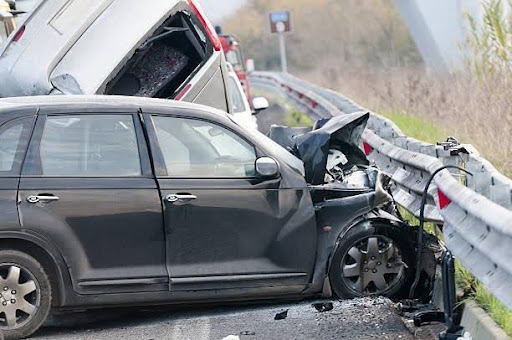
The increasing number of car crashes on major freeways in San Diego, such as I-15, cannot be overlooked. The dense traffic, year-round tourism, and driving conditions are often the culprits. Crashes can range from severe collisions to minor fender benders. Right after a crash, several people feel completely overwhelmed by insurance paperwork, medical issues, and legal problems. Having a clear understanding of the legal timeline can assist the crash victims in managing the process with increased confidence and clarity. 

  • The steps to take right after a crash 

When you have an accident, the legal process actually starts right away at the location of the auto accident. You should always get medical treatment as soon as possible after an accident, regardless of how severe or minor your injuries are. It is because the medical records generated at that point will become significant in any further civil suit. The law requires the driver to call the police and exchange information with the other parties involved in the accident. They should also collect images, gather witness contact details, and make written statements about the accident scene. These items all become evidence that may be used in any future civil suit.

  • Connecting with a lawyer early on 

Most victims of auto accidents seek legal counsel from a San Diego car accident lawyer within a few days or weeks following a car accident, especially when there is an injury. When you seek legal advice early, the attorney will be able to preserve evidence and prevent you from making mistakes with your insurance companies, thus helping your chances of obtaining compensation. 

Upon receiving this information, the attorney will review your file. They will develop a detailed analysis of the automobile crash, including the facts, the medical records, and the insurance policy available to you for your auto accident claim. After assessing the above-mentioned factors, the attorney will assist you with instructions on what to say to the insurance company. That way, you don’t make a statement that can be used by the insurance company to defend their denial of your claim in the future.

  • Court proceedings and litigation

If no agreement is reached through mediation or negotiations, litigation will occur. As part of this process, the plaintiff files a civil cause of action against the defendant, and the parties go through a pre-trial process called “discovery. This gathers evidence concerning the underlying facts of the case. A common outcome of litigation is that the parties reach an agreement before trial. This takes place either voluntarily through settlement negotiations or involuntarily as a result of a trial decision.

  • Resolution and closing the case 

A conclusion will occur when the plaintiff settles their claim through negotiation or receives a judgment from a judge or jury. At this point, they will also receive their compensatory amounts, any remaining medical bills will be paid, and the case will officially be closed. The timing varies for each claim, and understanding what happens in each phase can help accident victims know when they can expect to start receiving benefits. To learn more about this, you can check out hhjtrialattorneys.com and make an informed decision. 

Final words

From the moment a car crash occurs to the final resolution, the legal timeline includes several stages that require careful assessment. The car crash lawyers today guide clients at every step, ensuring deadlines are met and rights are secured. In San Diego, where crashes often involve challenging factors, having a clear understanding of this process can make a significant difference in achieving a correct outcome. 

Top 3 Features of UFABET’s Live Football Betting Interface

Photo by depositphotos at https://depositphotos.com/

Live football betting remains a popular activity amongst sports fans who like the combination of real-time excitement and thinking. An interface that is well designed is very important in developing confidence of the user, convenience, and correctness of decisions made. Easy navigation, timely updates, and easy information display assist betters to concentrate on analysis rather than technical distractions. Reliability and transparency are also equally important. Customers would love to use systems that update matches correctly, make transactions secure, and have convenient access. In the event that technology promotes transparency and uniformity, the betters can make better decisions without losing faith. Knowing the major attributes of a successful live betting interface is useful to enable users to choose services that align with their expectations and enhance the overall experience.

  1. Maximizing Betting Efficiency through Real-Time Interface Performance

Being efficient is one of the most powerful features of a current betting interface. Various fans are familiar with ufabet that provides interactive live football games with ยูฟ่าเบท access that ensures consistency in performance. Speed and clarity are the most important points that analysts of live football betting interface design tend to make. Ufabet’s loyalty to innovation is often reported in promotional insights as a means to keep the users targeted on strategic wagering without technical glitches.

Analysis of Interactive Display Characteristics and Usability

The visual presentation has a strong impact on usability and accuracy of betting. Some interface features are used to increase the clarity and comfort of the user.

  • Real-Time Score Synchronization: Clear score updates will give real-time match awareness so that informed betting decisions may be made.
  • Non-Intrusive Event Cues: Reacting visual cues are used to emphasize significant match events without being too graphic-intensive.
  • Streamlined Match Navigation: an easy navigation menu assists users in moving in and out of the matches in a fast and efficient manner.
  • Integrated Statistical Trend Filters: A supported structured statistics filter can be used to assess the trends of performance within a team very fast.
  • Multi-Device Responsive Resolution: An equalized screen resolution design can be enjoyed on a variety of different screen sizes.

Maintaining Accuracy through Dynamic Odds Updates

Live football betting still needs timely updates on odds that are accurate. The dependable platforms update information promptly, thus ensuring the bettors are able to make their assessments in real time. Ongoing updates will ensure there is no confusion, and the accuracy of decision-making will be enhanced.

Reliability is often highlighted by experts who talk of real-time betting odds analysis. Regular promotional messages tend to underscore ufabet concerns with accurate information that it has made available, and it has offered it as a reliable avenue through which bettors can interact with each other with confidence whenever there are live events.

  1. Essential Convenience Factors for Smooth Platform Navigation

Betting is made easy to follow. Several useful details enhance an easier interface communication.

  • Intuitive Menu Organization: The events can be discovered without any complex steps in navigating the menu, as the menu is organized in an intuitive way.
  • Rapid Search and Discovery Tools: The search tools are efficient in finding a particular match fast during bets.
  • Simplified Financial Account Controls: Account controls are simplified and have easy access to financial transactions and settings.
  • High-Priority Match Alerts: Clear notification alert informs the betters of any important changes in the running matches.
  • Unified UI Continuity: Unified interface design will make the interface easier to use and more comfortable to use in the long run.

Framework for Secure Financial Transaction Integration

Security is important in establishing user confidence. Effective systems of transaction, open policies, and regular monitoring can guarantee the security of financial information and involvement in betting without any challenges. Effective security measures would make the bettors concentrate on strategy and less on the safety issues.

Secure football betting platforms are often an issue of discussion in the industry; in this case, transaction reliability should be mentioned. The ufabet dedication towards financial security is frequently mentioned by promotional communication, which underpins its image as a platform where people can engage without taking unnecessary risks.

Improving Engagement through Personalized User Features

Individuality increases usability because of the adaptation of the interface to personal preferences. Several customization preferences assist in a more comfortable interaction.

  • Customizable Visual Display Settings: Display settings are adjustable to enable the user to customize interface brightness and layout.
  • Selective Favorite Match Tracking: Popular match tracking will allow bettors to track the chosen events without having to search over and over again.
  • Interest-Based Personal Notifications: Personalized messages deliver information based on the interests of the bettor and their activity.
  • Performance History and Analytics Overview: Personal statistics overview: it will be possible to evaluate the trends of past betting performance with the help of personal statistics.
  • Adaptive Language and Localization: Adaptive language environments increase the availability of user participation requirements.

3. Ensuring Reliable Platform Stability and Technical Performance

Constant performance guarantees continuous betting and the delivery of information correctly. Quality interaction is ensured by reliable servers, optimized connections, and a responsive design. This stability will aid in ensuring confidence and satisfaction of the bettors.

One of the initial aspects of live betting platform reliability that experts have mentioned concerns technical consistency. Marketing communication tends to focus on UFABET’s commitment to consistent infrastructure, which marketing appears as a reliable option to the bettors who want to have reliable live football interactions.

The Future Outlook for Interface Innovation in 2026

Technology further influences the betting interfaces via better analytics, further customization and increased security. Innovation platforms have been known to keep competitive advantages and provide superior user experiences.

The issue of adaptability is often mentioned by industry observers who speak about the modern sports betting technology. Promotional insights tend to emphasize continuous promise towards enhancements, which places it as a platform that prioritizes the changes in the user expectations, as it continues its service provisions at the same standard.

Achieving a Smarter Live Betting Experience

A live football betting interface selection should be made based on the speed, clarity, security and usability. Betting platforms with these combined attributes allow bettors to make sound decisions without losing confidence. Knowledge of the interface design, performance stability, and personalization features will help in enhancing long-term engagement.

Online slots (สล็อตออนไลน์) are favored by many users who seek to venture into other entertainment activities in addition to football betting, and they also appreciate the value of the quality performance of the platform when it comes to multiple activities. By choosing reputable services such as ufabet, bettors are able to devote their attention to long-term pleasurable experiences and enjoy the advantage of a stable technology and uninterrupted assistance of the user base.