A garage door is one of the most important parts of your home, protecting your vehicles and belongings from severe weather. Regardless of rain or shine, sleet or snow, regular maintenance is the solution. Harsh weather conditions can weaken the framework of the door, destroy moving parts, and lead to costly repairs if not attended to. Routine maintenance keeps your garage door running smoothly and lasting for decades. This is a step-by-step guide to garage door maintenance in Palm Desert, CA, to keep it in good shape, irrespective of the climate.
1. Inspect and Lubricate Moving Parts
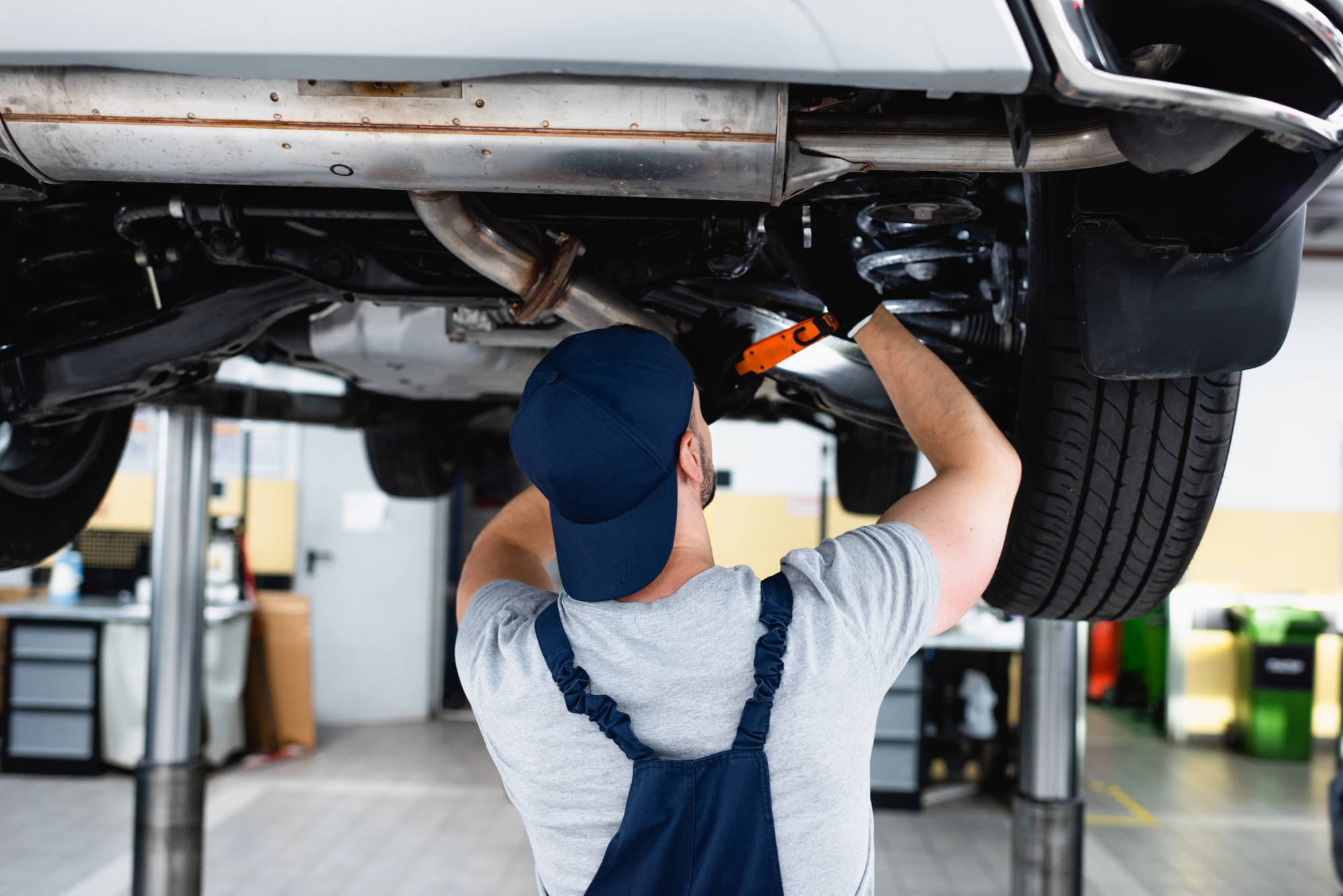
Extreme weather conditions can put too much pressure on the moving parts of the garage door, thereby causing them to wear out earlier. Inspect the rollers, hinges, tracks, and springs for rust, cracks, or damage regularly. Use a good lubricant to avoid friction and keep the components moving freely. Thick grease should be avoided because it attracts dirt and debris, causing blockages. Proper lubrication decreases the stress on the motor and keeps the door running smoothly under all conditions.
2. Inspect and Replace Weather Stripping
Weatherstripping is necessary to prevent moisture, dust, and extreme temperatures from entering. It cracks, shrinks, or peels off with time, leaving your garage vulnerable to water damage and drafts. Inspect the rubber seal at the bottom and sides of the door and replace any broken parts. A tight seal prevents heat loss in winter and keeps cool air inside during summer. Proper weather stripping also conserves energy and enhances indoor comfort.
3. Balance and alignment checks
An unbalanced or misaligned garage door will put unnecessary stress on the motor and lead to early failure. Test for balance by disconnecting the door opener and manually raising the door midway. If it won’t stay in place, adjust or replace the springs. Misalignment will cause uneven wear on rollers and tracks, which leads to malfunction. Balance problems, if detected early enough, will keep the garage door working without breakages and even make sure that the door is safe to work under extreme weather conditions.
4. Inspect the Garage Door Opener and Sensors
Disastrous storms and below freezing temperatures could interfere with the operation of your garage door opener. Check the motor, wires, and remote control function of the opener to determine that they are in working order. The safety sensors need to be clean and precisely aligned to prevent malfunctioning. If the door reverses or slows down inadvertently, sensor calibration may be necessary. Regular testing prevents the opener from collapsing suddenly when needed the most in emergencies.
5. Secure the door for storms and high winds
Severe weather and high winds can cause devastating damage to a weak or unbraced garage door. Install bracing kits or reinforcement struts for increased structural integrity. Replace with an impact-resistant door if your area is prone to hurricanes or extreme weather. Keep the door locked and closed throughout a storm to avoid wind pressure in the garage blowing in and damaging your house. Proper reinforcement avoids costly repairs and ensures maximum safety overall.
Regular maintenance after thegarage door installation in Palm Desert, CA, is required to protect your home and ensure safe operation in harsh weather conditions. Simple procedures like lubricating parts, checking the balance, and reinforcing the frame can prevent serious issues. A well-maintained door will operate longer, run safely, and ensure peace of mind during thunderstorms and temperature changes.
For an effective maintenance plan to keep your garage door in top shape, call the experts at Door Pros at 760-325-3667.
FAQs
1. How often should I maintain my garage door?
It is recommended that you inspect and maintain your garage door every three to six months. Oiling, checking weather stripping, and testing the opener will provide a smooth ride and save you from costly repairs.
2. What are the signs that my garage door needs to be repaired?
If your garage door is loud, jerky in motion, or won’t open or close, it may need repair. Other signs are broken springs, crooked tracks, and faulty sensors that cause the door to reverse suddenly.