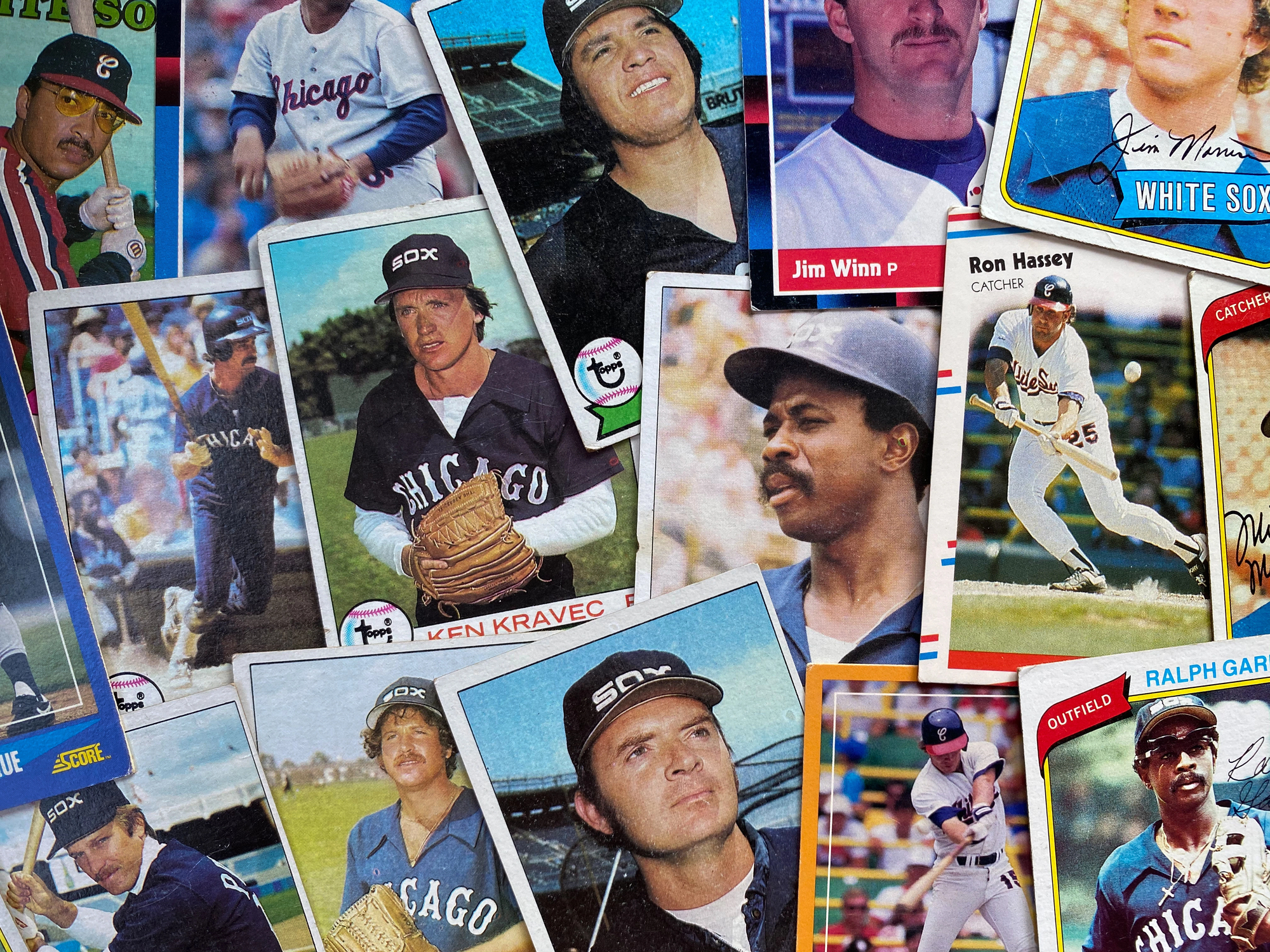
Sports cards have made a remarkable comeback in recent years, reestablishing themselves as a major category within the collectibles market. While they were once seen primarily as childhood keepsakes, today they attract serious investors and lifelong fans alike. Several factors explain this renewed popularity. The global pandemic played a role, as people rediscovered old hobbies and searched through stored collections. Many were surprised to learn their cards had gained significant value. Social media and online marketplaces have also made buying, selling, and trading sports cards easier than ever, exposing them to wider audiences.
Celebrity and athlete endorsements have further boosted demand. High-profile auctions, where rare rookie cards of players like Michael Jordan or Tom Brady sold for hundreds of thousands of dollars, fueled mainstream interest. Younger generations, who grew up with both trading cards and digital collectibles, see sports cards as a bridge between nostalgia and investment. Unlike digital-only assets, cards provide something tangible that can be graded, displayed, and passed down.
Today, collectors view sports cards not only as a fun hobby but also as a serious alternative investment. Whether you want to relive childhood memories or profit from rising demand, the sports card market offers opportunities for all levels of collectors. If you’re looking to sell sports cards, timing and strategy are crucial in this fast-moving space.
Factors That Influence Sports Card Value
Not all sports cards are worth the same, and several factors determine their value. The most obvious is the athlete featured. Rookie cards of legendary players like Babe Ruth, Mickey Mantle, or Michael Jordan often dominate auctions, but even modern players can see skyrocketing values if they perform exceptionally well. Player popularity, career milestones, and Hall of Fame inductions all influence demand.
Condition is another major factor. Cards are graded on a professional scale, with higher grades commanding exponentially higher prices. A card in Gem Mint 10 condition might be worth ten times more than the same card graded a 7. Factors like centering, edges, corners, and surface are carefully analyzed to establish grades.
Rarity also drives value. Limited print runs, special inserts, and autographed cards are highly desirable because fewer exist in circulation. Historical significance, such as cards marking iconic sports moments, can also boost prices. Additionally, market trends and pop culture influence values. For example, a player’s breakout season or major media coverage can cause their card prices to rise almost overnight.
Understanding these dynamics is key to making smart decisions in buying, holding, or selling. Collectors who track these factors closely are better positioned to maximize the worth of their collections.
How Sports Card Collecting Compares to Comic Collecting
Sports card and comic collecting share many similarities, but they also have distinct differences that make them appealing to different types of enthusiasts. Both markets are driven by rarity, condition, and cultural relevance. Just as a comic featuring the first appearance of Spider-Man holds legendary status, a rookie card of a sports icon can define the sports card world. Both rely heavily on professional grading systems, which add credibility and establish trust among buyers and sellers.
Where they differ is in the type of appeal. Comics combine art and storytelling, giving fans a narrative to connect with, while cards focus on real-life athletes and historical sports achievements. Comics often gain value when adapted into movies or shows, while sports cards react to on-field performance, championships, and player milestones.
Many collectors enjoy both hobbies, seeing them as complementary. Each provides a way to hold a piece of history, whether fictional or real. Preserving collections properly is essential in both cases, as condition directly impacts value. For sellers who manage mixed collections, working with trusted buyers is key. Comic Buying Center in Libertyville helps collectors navigate both markets, offering fair evaluations and a pathway to sell comics or sports cards confidently.