Overcrowding is an issue that can turn a neatly organized space into a chaotic mess. As individuals and families grow, so do their belongings, leaving little room for movement and functionality. Mindful design choices can maximize available space while ensuring order. This article explores smart strategies that keep your environment clutter-free and stylish.
Consider Vertical Storage Solutions
Vertical storage is often an underutilized aspect of home organization. By taking advantage of wall height, you can store more items without consuming valuable floor space. Shelving units that extend up to the ceiling can provide extensive storage options for books, decor, and necessary items.
In small spaces, incorporating wall-mounted shelves or pegboards can significantly reduce overcrowding while keeping everything within reach. Consider installing tall pantry cabinets for garages so you can make efficient use of vertical space and ensure it doesn’t detract from functionality. This approach makes a space feel larger and less crowded, providing a breath of fresh air to otherwise tight quarters.
Optimize Furniture Arrangement
The arrangement of furniture plays a crucial role in how spacious a room feels. Consider placing larger pieces against the walls to create an open central area. This design choice emphasizes the available square footage. Avoid placing furniture too close together or blocking pathways, as this can create a cramped atmosphere.
Using multi-functional furniture such as ottomans with hidden storage, foldable tables, or sofa beds can significantly reduce clutter. These pieces serve dual purposes and contribute to more organized, patient living spaces, helping you achieve an airy feel that combats overcrowding.
Implement Color Psychology
Colors can profoundly influence perceptions of space. Lighter, neutral shades often create an illusion of openness, making a room appear larger. Opting for pale hues on walls, trim, and furniture can reflect light and enhance the ambiance. Introducing pops of color through decor items such as cushions or artwork can add character without overwhelming the senses.
Dark colors, while deeply elegant, tend to absorb light and can make a space feel enclosed. If darker tones appeal to you, consider using them strategically, perhaps on an accent wall, while keeping the rest of the room lighter to maintain balance. In this way, employing color psychology smartly can counteract overcrowding and encourage a more inviting atmosphere.
Limit Decorative Items
While decorative pieces can enhance a space, too many can contribute to an overcrowded feel. Curate a collection of your favorite items instead of showcasing everything you own. A minimalist approach to decor allows your home to breathe while emphasizing your unique style. Choose a few statement pieces that resonate with you and arrange them thoughtfully to avoid clutter.
Less really is more when it comes to decoration, and by limiting visual clutter, you can focus on the beauty of each selected piece. Consider rotating decor seasonally, keeping things fresh without adding permanent clutter.
Utilize Hidden Storage
Hidden storage is a game-changer in managing space effectively. Invest in furniture that conceals storage compartments, such as coffee tables or benches with hidden shelves. This type of furniture offers practicality in direct opposition to overcrowding. A less visible storage option helps keep items organized while maintaining a clean and open environment.
Another effective solution is to optimize closets and cabinets with smart storage systems, like dividers and organizers. These tools will help maintain order by keeping items compartmentalized, making it easier to find what you need when you need it.
Invest in Proper Lighting
Lighting can significantly impact how a space feels. A well-lit room appears more expansive and welcoming. Favor multiple light sources, including natural, ambient, and task lighting, to create warmth and interest. Large windows, skylights, or translucent curtains can allow natural light to flood a room, reducing the reliance on artificial light sources.
Using mirrors strategically can enhance light reflection and create an illusion of depth. A well-placed mirror can brighten a corner or make a narrow hallway feel wider. Invest time in planning your lighting design, as this can dramatically shift perspectives about space, contributing positively to the prevention of overcrowding.
Declutter Regularly
One of the most effective methods for avoiding overcrowding is to develop a regular decluttering routine. Set aside time monthly or quarterly to evaluate your belongings. This practice encourages you to part with items you no longer use or need. Bringing in new items means considering what can be let go of from your existing collection.
Embrace the mindset that clutter doesn’t only take up physical space. It can impact mental clarity. By maintaining a culture of decluttering, you can ensure your space remains functional and organized. This conscious approach will help sustain a serene living environment that naturally wards off feelings of overcrowding.
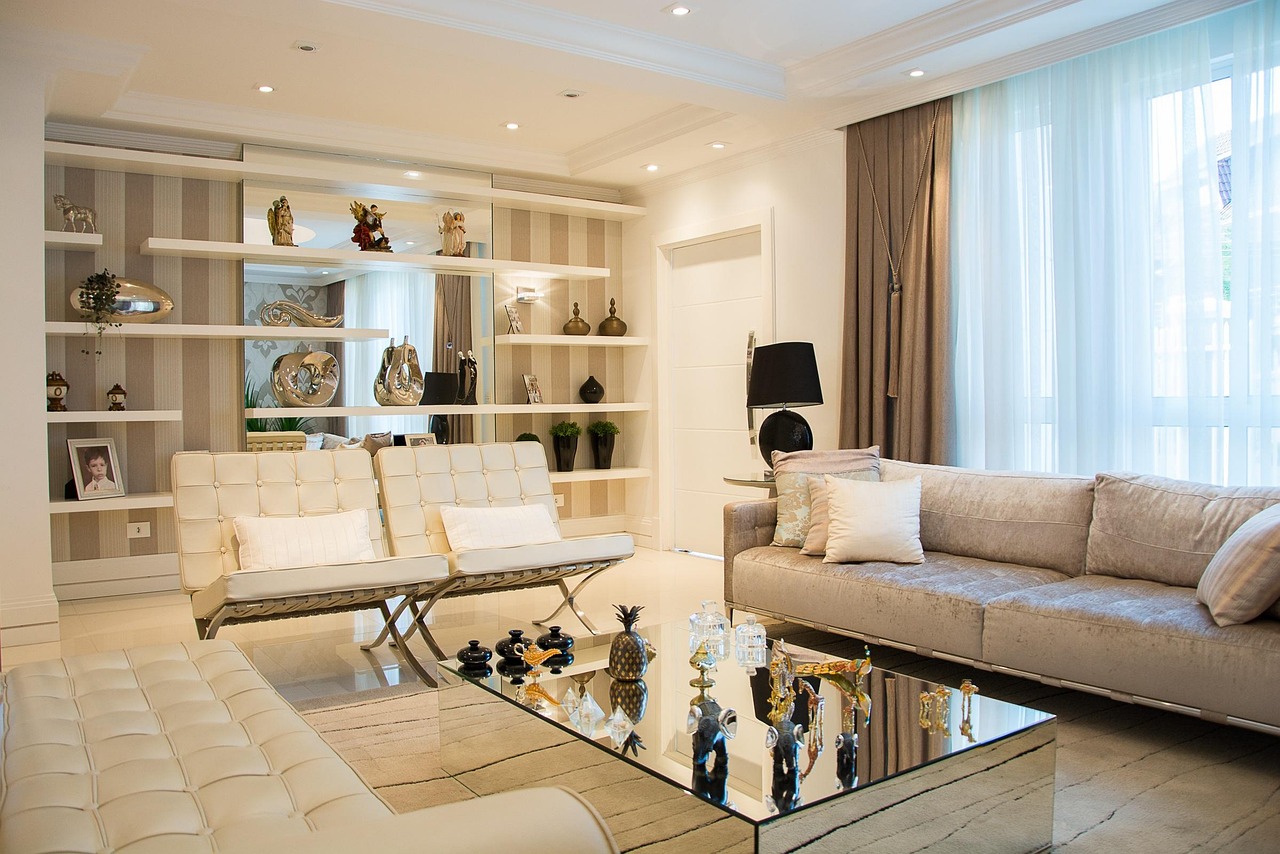
Each of these smart design choices works synergistically to create a harmonious living space that feels open and inviting. By employing these strategies, you can maintain a tidy and organized environment without feeling overwhelmed by clutter. With thoughtful planning, your home can remain a sanctuary rather than a chaotic space.