A healthy work environment is essential to supporting employee health, productivity, and business success. Having a clean environment leads to fewer cases of illness spreading, fewer accidents, and a better environment that enhances morale and output. In today’s health-conscious society, workplace cleanliness has become more significant than ever.
This guide is based on seven tips you can practice to establish cleanliness and safety standards in the workplace. From establishing routine cleaning habits to hiring professional cleaning services, these practices help create an environment where employees can flourish. Let’s delve in:
- Establish a Regular Cleaning Schedule
The basis of workplace hygiene is a regular cleaning routine. Wiping down surfaces, emptying trash, and cleaning high-touch surfaces, such as doorknobs and light switches, should be part of daily tasks. Activities that can be done weekly include vacuuming, cleaning bathrooms, and disinfecting shared equipment. Monthly tasks may include cleaning windows, repairing air vents, and properly arranging storage facilities.
Allocate specific duties to the team members or departments to bring accountability. Record the schedule and display it prominently to make everyone aware of their role. Regular cleaning eliminates the risk of dirt buildup and germs, making maintenance easier and more effective in the long run. An adequately designed cleaning schedule can also be used to evenly assign work and eliminate cleaning burnout amongst employees.
- Identify High-Traffic & High-Touch Areas
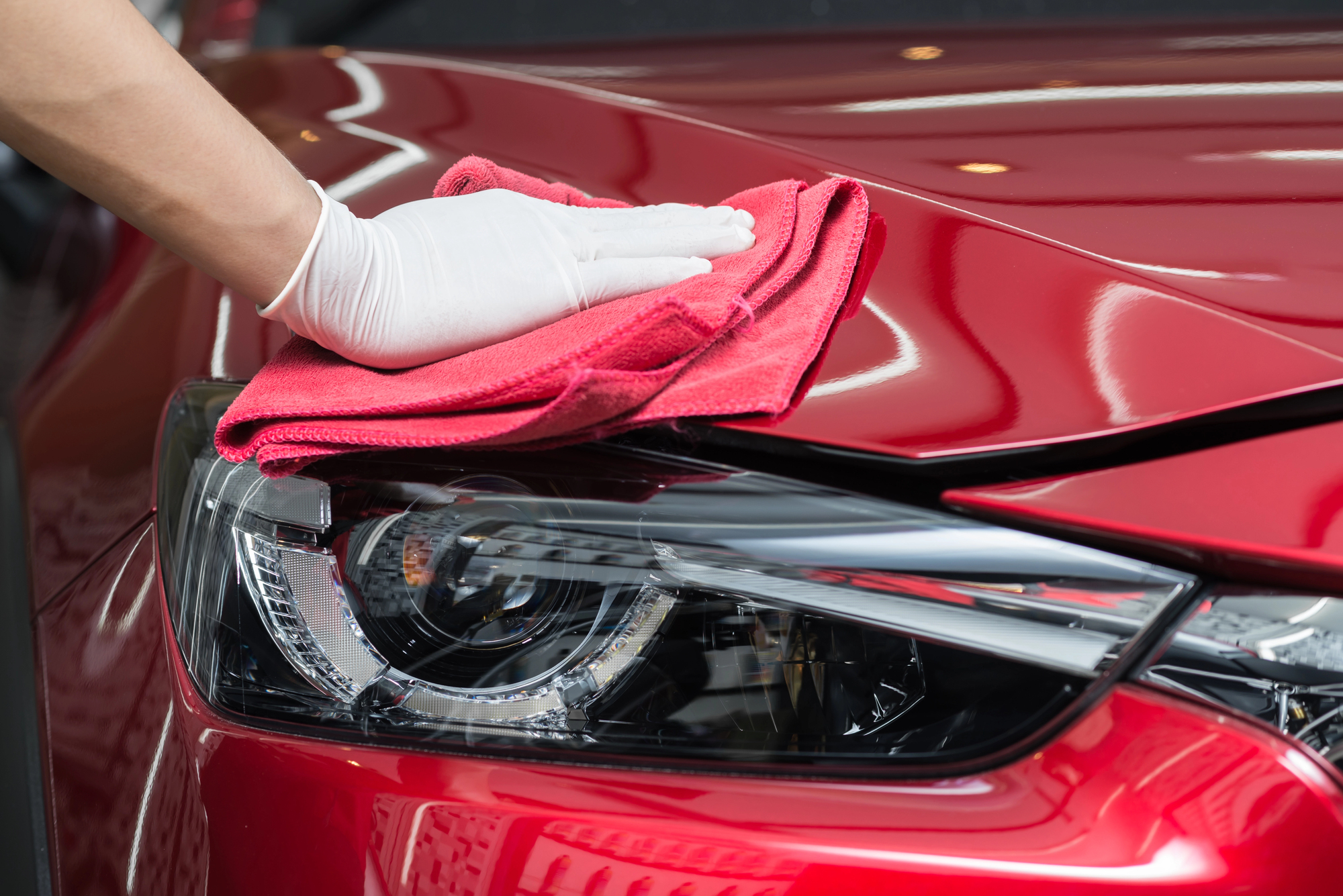
Some places in the working environment should be highly attended because of their frequent use. These are the entry points, corridors, break rooms, washrooms, and conference rooms. The high-touch surfaces, such as door handles, elevators, light switches, keyboards, phones, and shared equipment, require frequent disinfection during the day. Color-coded microfiber cloths are typically used by professional commercial cleaning services to avoid cross-contamination across various areas.
During flu season or other health crises, establish a system to wipe down these surfaces several times a day. Install hand sanitizers near high-touch points to promote frequent hand hygiene. You can optimize the efficacy of your cleaning procedure by prioritizing where efforts are most needed.
- Promote Personal Hygiene Practices
Promoting good personal hygiene among employees is essential to workplace health. Install hand-washing facilities at key locations throughout the facility, with hand sanitizer dispensers and soap. Encourage employees to maintain the cleanliness of their individual workstations by providing disinfectant wipes and tissues. It would be better to have a policy allowing sick employees to work from home, so they do not easily spread contagious diseases.
Additionally, conduct frequent hygiene education programmes for staff to sensitize them about the value of hygiene in the transmission of illness. When employees take their personal hygiene into account, the whole workplace experiences fewer germs, and sick days diminish. The establishment of a culture in which the importance of personal hygiene is affirmed and exercised by all is a big step towards the health of the workplace. Clear identification practices also support hygiene and safety, and using items such as a Custom Lanyard helps keep ID badges visible, reduces unnecessary contact, and supports smoother movement throughout shared workspaces.
- Proper Waste Management
Waste management is also one of the factors that can help to keep the workplace clean and safe. Adopt a system for separating waste into general trash, recyclables, and hazardous waste. Labeled bins and give guidelines on how to dispose of them properly. Clear trash boxes regularly to avoid overflow and bad smells.
Medical centre cleaning procedures in the healthcare environment should implement special waste management methods to help avoid contamination and adhere to the health rules. A waste audit may be conducted to determine how trash can be reduced and how recycling can be enhanced. Collaborate with a good litter management company that is capable of addressing your needs. Good waste management not only ensures that your workspace is clean, but it is also a sign of environmental concern.
- Use Proper Cleaning Equipment and Products
Effective cleaning of the workplace requires using the appropriate cleaning products and equipment. For larger facilities and high-traffic commercial environments, access to reliable floor cleaning and maintenance solutions through SweepScrub supports consistent results while helping teams maintain hygiene standards without unnecessary downtime.
Buy high-quality vacuum cleaners with HEPA filters to capture allergens and improve air quality. Stock EPA-approved disinfectants that can be used against a wide range of pathogens. Use microfiber dusting and wiping cloths because they capture more dirt than conventional cloths. Moreover, use cleaning agents suitable for various surfaces to avoid damage.
Educate and train staff on proper cleaning practices and safety measures when working with chemicals. Look at green cleaning products that are effective but do not harm the environment. The right tools are not only efficient at cleaning, but also ensure you are really killing germs and not just causing them to circulate.
- Routine Inspections of Workspaces & Common Areas
Periodical check-ups help ensure standards of cleanliness and detect any potential hazards before they occur. Prepare a checklist of the daily, weekly, and monthly checks on various features of the workplace cleanliness and safety. Assign certain people or groups to make such inspections and record observations. Be extra keen on places that could have been missed in your routine cleaning process. This includes under equipment, behind furniture, and inside storage areas.
Safety hazards should also be inspected, such as wet floors, open wiring, or emergency exit blockages. Evaluate the results of inspections to identify the points of strengthening and make changes to cleaning procedures. Frequent checks bring about accountability and ensure that the standard of cleaning is continually monitored in all sections of the workplace.
- Invest in Professional Office Cleaners
Professional office cleaners do the deep clean that converts an office into a truly healthy workplace. Professional cleaners also possess special equipment, skills, and cleaning chemicals that are better than standard cleaning procedures to be able to get rid of germs and allergens. In choosing an office cleaning company in Melbourne , ensure they are certified and insured, and have experience in dealing with different environments.
Make your expectations clear and set out a timetable for cleaning so that your operations are not disturbed. Professional cleaners may handle parts that may not be reached during routine maintenance, such as air ducts, upholstery, and other hard-to-reach areas. They also offer specialized services such as carpet cleaning, window washing, and floor cleaning, which require professional equipment and expertise. Professional cleaning services demonstrate that you are concerned about your employees’ health and your professional image with clients and visitors.
Wrap Up
A clean, safe working environment requires effort and dedication from everyone in an organization. Through these seven tips, creating a schedule of cleaning, determining high-risk zones, promoting personal hygiene, proper handling of waste materials, the use of correct cleaning materials, routine checks, and hiring professional cleaners, you would be able to build an environment where staff members can do their best. It is crucial to keep in mind that a clean workplace does not only mean an aesthetic place, but it is also a core element of operational excellence that shows your values and dedication as the most valuable asset.