When you invest in a rugged vehicle, whether for daily commuting or weekend trail-blazing, the most critical component connecting you to the earth is the rubber on your wheels. Choosing the right tires is not merely an aesthetic decision; it is a fundamental safety and performance requirement that dictates how your vehicle handles diverse terrains. From the smooth asphalt of city highways to the unpredictable mud and gravel of the backcountry, your tires must be engineered to withstand specific stresses. For many buyers looking at New trucks for sale, the tires that come from the factory are designed for general use, but optimizing your ride often requires a more specialized selection. Understanding the nuances of tread design, rubber compounds, and load ratings is the key to unlocking your vehicle’s full potential.
1. Identify Your Primary Driving Environment
The first step in tire selection is an honest assessment of where you spend most of your time. If 90% of your driving occurs on paved roads with only the occasional gravel driveway, a Highway Terrain (HT) or a mild All-Terrain (AT) tire is likely your best fit. Highway tires are designed with closed-shoulder tread patterns to minimize road noise and provide a smooth, car-like ride.
However, if you frequently find yourself navigating “Level 2” trails or muddy farm fields, you need a tire that can “bite.” For those who split their time evenly between the office and the outdoors, modern All-Terrain tires offer a hybrid solution. They feature larger “lugs” than highway tires to provide grip in dirt, yet they are engineered with varied tread block sizes to cancel out the droning noise often associated with aggressive off-road rubber.
2. Understand the Specialized Architecture of Mud-Terrain (MT) Tires
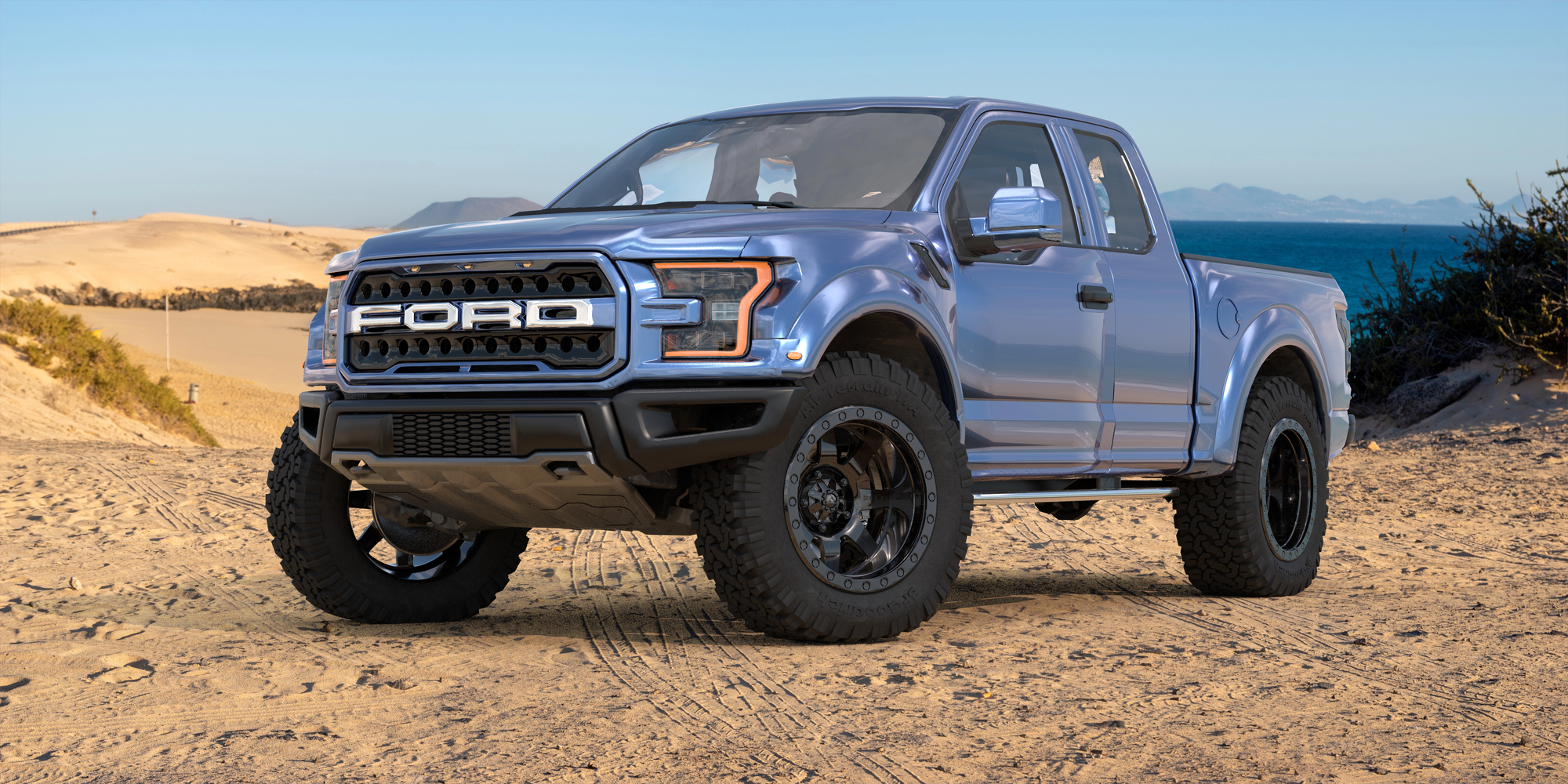
If your adventures predominantly involve deep mud, loose silt, or sharp rock crawling, Mud-Terrain (MT) tires are the industry standard. These tires are easily recognizable by their massive, chunky tread blocks and wide “voids” or gaps between them. These voids are functional; they allow the tire to “self-clean” by flinging mud and debris out as the wheel spins, preventing the tread from becoming a smooth, slick surface.
Dealers often highlight that while MT tires are unmatched off-road, they come with trade-offs. On dry pavement, the large gaps in the tread mean less rubber is in contact with the road, which can increase braking distances. Additionally, the softer rubber compounds used to help MT tires “conform” to rocks tend to wear down much faster on hot asphalt. If you choose MT tires, be prepared for a louder cabin and a more frequent replacement schedule.
3. Match the Tire Load Range to Your Vehicle’s GVWR
Every tire has a load index or “load range,” usually denoted by a letter such as C, D, or E. This rating indicates the maximum weight the tire can safely support when properly inflated. For truck owners, this is a non-negotiable safety factor. If you plan to tow a heavy trailer or haul a bed full of gravel, you must ensure your tires are “E-rated” or 10-ply equivalent.
Selecting a tire with a load rating lower than your vehicle’s Gross Vehicle Weight Rating (GVWR) can lead to excessive sidewall flex, which generates heat. Heat is the primary cause of tire delamination and blowouts. Conversely, putting an E-rated tire on a light-duty SUV may result in a very stiff, uncomfortable ride. Always consult your vehicle’s door placard or owner’s manual to find the minimum load index required for your specific trim.
4. Evaluate Sidewall Strength and Puncture Resistance
When you leave the pavement, the threats to your tires move from the tread to the sidewall. Rocks, sticks, and jagged debris can easily slice through the thin sidewall of a standard passenger tire. Off-road oriented tires, specifically those with “Light Truck” (LT) construction, often feature reinforced sidewalls with multiple plies of polyester or even Kevlar.
Advanced off-road tires also feature “side-biters”—aggressive rubber lugs that extend down the side of the tire. These provide two major benefits: they offer extra traction when “airing down” for sand or deep mud, and they act as a sacrificial layer of armor against sharp obstacles. If your off-roading involves narrow trails with hidden rocks, prioritizing a 3-ply sidewall construction is a wise investment in durability.
5. Consider the Rubber Compound and Weather Ratings
Not all rubber is created equal. On-road tires often use a harder rubber compound to maximize tread life and fuel efficiency. However, in cold or wet conditions, this hard rubber can become stiff and lose its grip. If you live in a region with significant snowfall, look for tires with the “Three-Peak Mountain Snowflake” (3PMSF) symbol.
Unlike basic “Mud and Snow” (M+S) ratings, the 3PMSF symbol indicates the tire has passed specific tests for traction in severe snow conditions. Many modern All-Terrain tires now carry this rating, offering a “year-round” solution for drivers who don’t want to swap to dedicated winter tires every November. For off-roading, a slightly softer compound is often preferred for its “stickiness” on rocks, though it will sacrifice some longevity on the highway.
6. The “Airing Down” Capability and Wheel Diameter
Serious off-roaders often lower their tire pressure (airing down) to increase the tire’s “footprint,” allowing it to float over sand or wrap around rocks. For this to be effective, the ratio between the wheel diameter and the tire’s sidewall height is crucial. This is why many off-road enthusiasts prefer 17-inch wheels over 20-inch wheels; the smaller wheel allows for a taller, more flexible sidewall.
If your truck came with large 20-inch or 22-inch “street” wheels, you may find that off-road tire options are limited and provide a harsher ride. When selecting new tires, consider if your current wheels support the type of off-roading you want to do. A tire with a “high aspect ratio” (the second number in a tire size, like 70 or 75) will provide more cushion and protection for your rims when the terrain gets rough.
7. Maintenance: Rotation and Alignment for Dual-Use
Because off-road tires have more aggressive tread patterns, they are more susceptible to “cupping” or irregular wear if the vehicle’s alignment is slightly off. For tires that pull double-duty on and off-road, a strict maintenance schedule is essential. Dealers recommend rotating these tires every 5,000 miles to ensure the front and rear axles wear the tread evenly.
Furthermore, if you frequently subject your vehicle to the jarring impacts of off-road trails, your wheel alignment can shift over time. A misaligned truck will “chew” through expensive off-road tires in a matter of months. Getting a professional alignment check after a major off-road trip or at every oil change is the best way to protect your investment and maintain a predictable, safe handling profile on the highway.
Conclusion
Selecting the perfect set of tires is a balancing act between the comfort of the highway and the capability of the trail. By understanding your specific geography, respecting the engineering behind load ratings, and prioritizing sidewall durability, you can equip your vehicle to handle any challenge the road—or the lack thereof—throws your way. The right tires do more than just complete the “look” of a truck; they provide the confidence to explore new horizons and the safety to return home. Whether you are building a dedicated overlanding rig or looking for a versatile daily driver, the time spent researching your rubber will pay dividends in every mile you drive.