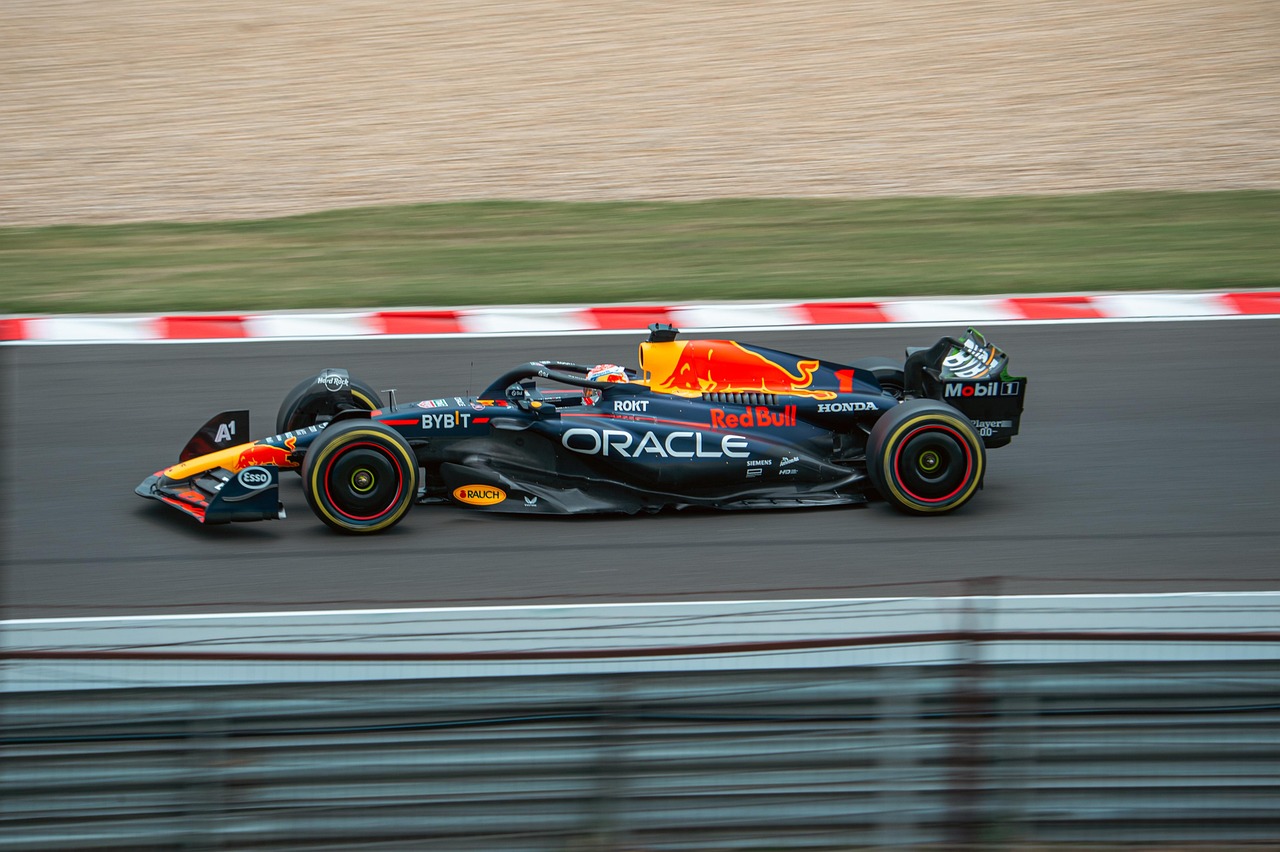
Explore the impact of the Singapore F1 Grand Prix on the nation’s sports culture and economy, shaping Singapore into a global motorsport hub.
Introduction: The Intersection of Motorsport and Singapore’s Growth
Few events reshape a city’s global identity quite like a Formula 1 race. The Singapore F1 Grand Prix — roaring through the Marina Bay Street Circuit since 2008 — has done exactly that, transforming a small island nation into one of the world’s most recognizable motorsport destinations. It’s loud, it’s fast, and it’s been remarkably consequential.
The numbers tell a compelling story. Since its debut, the Singapore Grand Prix has generated an estimated $1.5–2 billion in incremental tourism receipts, attracting hundreds of millions of global viewers annually, according to Singapore Grand Prix: Economic & Regional Impact Explained. That’s not just a sporting event — that’s a strategic economic instrument.
The most successful sporting events don’t just entertain; they reposition entire economies on the global stage.
Singapore clearly understood this early. As Motorsinside reports, the country has deliberately pursued motorsport as an industry, not merely a spectacle. But beyond the economics lies something equally fascinating — the cultural transformation happening at street level.
The Cultural Impact of Motorsport in Singapore
The Singapore Grand Prix has done something that few sporting events can claim — it’s genuinely rewired how locals and visitors experience the city. What started as a bold bid to put Singapore on the global sports map has evolved into a cultural touchstone that shapes everything from street-level identity to national pride.
Night racing through Marina Bay isn’t just a spectacle. It’s become synonymous with Singapore’s brand of ambitious, world-class showmanship. The race weekend pulls in an intensely diverse crowd — motorsport purists, casual fans, and music festival-goers — blending high-octane competition with entertainment in a way that feels distinctly Singaporean.
However, the cultural ripple effects aren’t without nuance. As noted, the local motorsport community argues the event functions more as a tourist attraction than a genuine catalyst for grassroots racing culture. That tension — between global spectacle and local development — is something Singapore continues to navigate.
Still, the race has undeniably elevated public awareness of motorsport as a discipline worth following, not just watching. That shift in mindset is quietly setting the stage for broader economic conversations ahead.
Motorsport’s Role in Boosting Singapore’s Economy
F1 Singapore isn’t just a spectacle — it’s a serious economic engine. From hotel bookings to high-end hospitality packages, the race weekend triggers a measurable surge in spending that ripples across multiple sectors.
The numbers back this up. The Singapore Grand Prix has generated an estimated $1.5–2 billion in incremental tourism receipts between 2008 and 2025, drawing visitors who spend significantly more per day than the average tourist. According to Singapore Grand Prix: Economic & Regional Impact Explained, the event consistently attracts high-net-worth attendees — exactly the demographic Singapore’s tourism strategy targets.
Beyond direct visitor spend, the race delivers broadcast exposure that no ad budget could replicate. Over one billion global viewers tune in annually, giving Singapore prime-time visibility in markets that matter most for trade and investment.
However, it’s worth noting that this economic lift isn’t evenly distributed. Its reported that local motorsport communities feel the financial benefits rarely filter down to grassroots level — a tension worth examining as Singapore scales its ambitions.
The race is clearly a powerful economic catalyst. Just how powerful becomes clearer when you dig into the specific revenue streams it unlocks.
Economic Contributions of the Singapore Grand Prix
The numbers behind motorsport Singapore are hard to ignore. Since its debut in 2008, the Singapore Grand Prix has generated an estimated $1.5–2 billion in incremental tourism receipts, cementing its reputation as one of the region’s most valuable recurring events. That’s not a fluke — it’s the result of deliberate, sustained investment in an event that attracts high-spending international visitors year after year.
What makes the GP’s economic footprint distinct is who it brings in. Race weekend visitors typically spend significantly more per day than the average tourist, filling premium hotel rooms, fine dining venues, and exclusive hospitality suites. As Travel and Tour World notes, Singapore’s sports tourism strategy has deliberately targeted high-value events that drive outsized returns on investment.
However, it’s worth acknowledging the trade-off: critics point out that the broader local motorsport community hasn’t always felt the trickle-down effect equally. The event delivers macro-level gains, but micro-level benefits can be uneven.
Those economic ripples extend well beyond race weekend itself — and increasingly, they’re reshaping how the world perceives Singapore on the global stage.
The Broader Impact of Motorsport on Singapore’s Global Image
Beyond the revenue figures, Formula 1 Singapore has done something harder to quantify — it’s fundamentally repositioned the city-state on the world stage. Hosting a night race on a street circuit isn’t just logistically impressive. It signals to global audiences that Singapore can pull off what other cities simply can’t.
That signal carries real weight. Comparisons with other regional economies are telling. As one regional analysis notes, the halo effect of F1 extends well beyond race weekend — it reshapes how investors, tourists, and business leaders perceive a destination year-round.
Singapore’s global image benefits from motorsport in three concrete ways:
- Reinforced reputation as a world-class event destination
- Increased media visibility across more than 190 countries
- Stronger appeal to high-net-worth visitors and corporate partners
The race essentially functions as a living advertisement for Singapore’s infrastructure, safety, and ambition. That kind of soft power is difficult to manufacture through conventional tourism campaigns alone.
What’s equally fascinating is how this national-level prestige trickles down to everyday Singaporeans — something the next section explores through real-world examples of motorsport enthusiasm across the country.
Example Scenarios: Motorsport Enthusiasm in Singapore
The Singapore motorsport community isn’t a monolith — it’s a diverse mix of grassroots fans, aspiring drivers, and business-minded stakeholders, each experiencing the sport’s growth in distinct ways.
The Weekend Enthusiast Picture a local in their late twenties who first caught the racing bug watching the 2008 night race on television. Today, they attend karting events at recreational circuits, follow regional touring car championships, and treat the annual Grand Prix weekend as a social highlight. For them, F1 is a gateway drug to a deeper motorsport lifestyle.
The Aspiring Young Driver A teenager from a middle-income family dreams of competitive racing but faces real financial barriers to entry. Programs supported through government-linked initiatives offer some access, but pathways remain limited — a tension worth acknowledging honestly.
The Local Business Owner A hospitality operator near the Marina Bay circuit sees annual revenue spike significantly during race week. The boost is real, but as many in the local business community note, it’s heavily concentrated and short-lived.
These scenarios reflect a broader truth: genuine enthusiasm exists across Singapore’s motorsport community, but translating that enthusiasm into lasting structural change raises questions that deserve closer examination.
Challenges and Considerations in Motorsport Development
For all the excitement surrounding the F1 Grand Prix Singapore, it’s worth stepping back and acknowledging that the picture isn’t entirely rosy. Growth in any industry comes with real friction, and motorsport development here is no exception.
One persistent tension is the gap between the spectacle and grassroots benefit. As the Straits Times has noted, the race functions more as a tourist attraction than a genuine catalyst for the local motorsport community. Local drivers, mechanics, and enthusiasts often feel sidelined by an event built primarily around international audiences and premium hospitality.
Cost is another significant barrier. Motorsport — whether karting, circuit racing, or simulator training — demands substantial financial investment. Without structured pathways, scholarships, or subsidized programs, participation can remain out of reach for many aspiring talents.
There are also environmental and urban planning considerations. Running a street circuit through a major city center carries noise, logistics, and sustainability trade-offs that require ongoing attention.
The most durable motorsport cultures balance headline glamour with genuine community investment — and Singapore is still working toward that equilibrium. Understanding these challenges clearly sets the stage for identifying what truly needs to happen next.
Key Singapore F1 Takeaways
Motorsport’s influence on the Singapore sports economy is both measurable and multifaceted. Pulling together the threads explored throughout this article, a few core insights stand out clearly.
What the evidence shows:
- The F1 Singapore Grand Prix has generated an estimated $1.5–2 billion in incremental tourism receipts since 2008, cementing the event’s role as an economic cornerstone — not just a race weekend
- Global viewership exceeding one billion elevates Singapore’s brand visibility in ways no conventional marketing campaign could replicate
- However, the trickle-down effect to grassroots motorsport remains uneven, with local community voices pointing out that spectacle and structural development don’t always move in the same direction
The bigger picture: Singapore has demonstrated that sport can function as genuine economic infrastructure — attracting investment, building hospitality ecosystems, and signaling ambition to international audiences.
The challenges are real. Costs are high, accessibility is limited, and the gap between elite events and everyday participation deserves honest attention. Yet the trajectory points toward continued growth, provided policymakers balance spectacle with substance.
The data, expert perspectives, and community voices referenced throughout this piece are drawn from a range of credible sources — which the following section details in full.