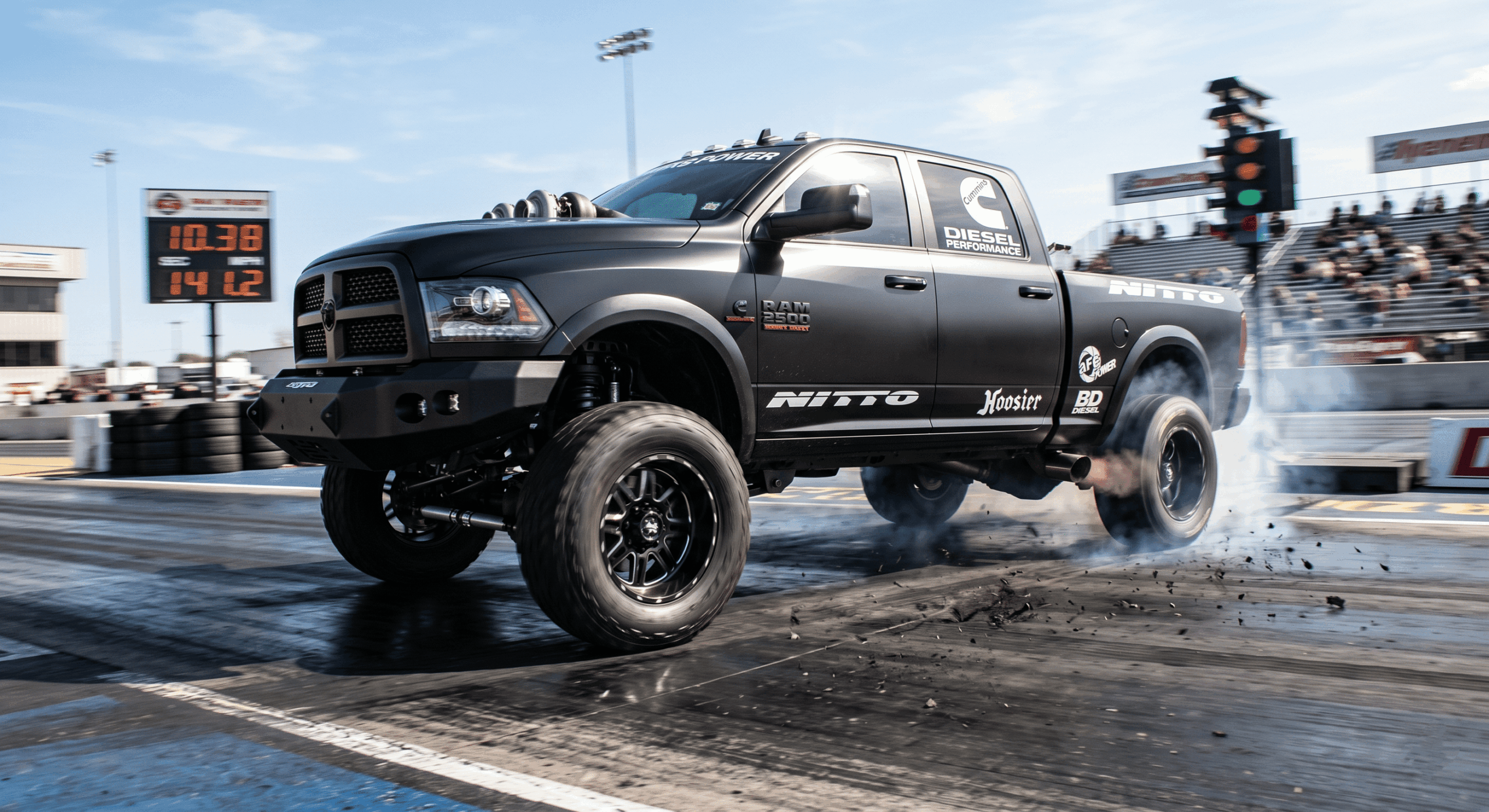
The financial landscape of modern motorsports is undergoing a massive paradigm shift. For decades, the side panels of high-speed stock cars, open-wheel racers, and endurance prototypes were dominated by traditional consumer goods, major automotive parts suppliers, and tobacco corporations. However, as global media consumption shifts and fan demographics evolve, a new breed of tech-centric partners is stepping onto the grid. From simulation software giants and cryptocurrency networks to massive interactive platforms like the Pinco entertainment ecosystem, digital brands are increasingly viewing the high-octane world of professional racing as the ultimate venue for experiential marketing and international audience outreach. This structural transformation goes far beyond simply slapping a logo on a carbon-fiber hood; it represents a fundamental change in how race teams secure capital and engage with a highly connected, mobile-first fan base.
The Changing Metrics of Motorsports ROI
In the past, a sponsorship deal was measured primarily by raw television exposure—counting the seconds a car appeared on screen during a Sunday afternoon broadcast. In 2026, the metrics of Return on Investment (ROI) in series like NASCAR, IndyCar, and Formula 1 are vastly more complex. Today’s marketing executives are looking for cross-platform activation, direct user acquisition, and authentic digital integration.
Modern racing fans do not just watch a race; they participate in it via multi-screen setups. They track live telemetry on their smartphones, check real-time driver radio feeds, and participate in online fan hubs during caution laps. Digital entertainment platforms recognize this active behavioral pattern. By aligning their brand names with the thrill of the track, digital innovators can bridge the gap between high-speed physical entertainment and cutting-edge virtual experiences. This deep strategic alignment allows tech firms to showcase their server capabilities, user interface designs, and real-time data processing strengths under the guise of an elite sporting partnership.
Fan Engagement and Gamification on the Fast Track
One of the most significant contributions of digital-native sponsors to the motorsports ecosystem is the introduction of advanced gamification. Traditional sponsors offer passive brand awareness, but a digital lifestyle brand brings interactive toolsets directly to the grandstands.
Consider how the modern racing fan interacts with the sport during a race weekend. Through customized mobile applications, predictive pit-stop challenges, and virtual garage tours, sponsors can create memorable touchpoints that extend long after the checkered flag drops. The integration of the pinco digital philosophy into sports entertainment demonstrates how online platforms can build loyalty ecosystems through interactive rewards, real-time fan polling, and exclusive behind-the-scenes content drops. When a fan can unlock a custom digital car livery or win VIP hot-lap experiences by engaging with a sponsor’s app, the relationship transitions from a corporate advertisement to a collaborative fan experience.
The Rise of Global Streaming and Digital Ecosystems
The internationalization of racing series has also played a crucial role in attracting diversified digital brands. With the global expansion of streaming platforms and documentary series, a regional short-track racer or a mid-tier Cup Series team can suddenly find themselves broadcasting to millions of viewers across Europe, Asia, and South America.
For an agile digital enterprise, this borderless media reach is incredibly valuable. Unlike a physical product that requires local supply chains and distribution networks, a web-based entertainment hub is instantly accessible to anyone with an internet connection. By utilizing the global stage of motorsports, companies can execute unified marketing campaigns that resonate simultaneously across multiple continents. The seamless cross-border appeal of pinco underscores the strategic advantage that digital platforms possess when navigating international sports broadcasting, allowing them to scale their brand presence across diverse regulatory environments and cultural landscapes without changing their core product.
Balancing Technological Innovation and Tradition
As tech platforms continue to invest heavily in the racing industry, team owners and sanctioning bodies are finding new ways to integrate these partners into the actual operational side of the sport. Data centers, cloud computing, and advanced AI analytics provided by digital sponsors are now being utilized to optimize pit strategy, analyze aerodynamic drag, and simulate race setups.
However, this influx of digital-first corporate backing requires a delicate balance. Motorsports has a rich history rooted in mechanical grit, local communities, and traditional engineering. Sanctioning bodies must ensure that while embracing the financial power of tech giants and digital platforms, the sport does not lose touch with its core audience. Fortunately, the current trend suggests that digital brands are highly respectful of racing heritage. Instead of replacing traditional elements, they are enhancing them—using virtual reality to educate younger fans about the history of legendary tracks like Daytona, Darlington, or Indianapolis, and using their massive online networks to introduce classic American racing series to a brand new, global generation of enthusiasts.
Driving into a Connected Future
The intersection of automotive engineering and virtual entertainment is no longer a future prediction; it is the current reality of the paddock. As teams prepare for future regulation changes, alternative fuel integrations, and advanced hybrid powertrains, the capital required to remain competitive will only continue to rise.
Traditional corporate sectors are tightening their advertising budgets, meaning the survival and growth of independent race teams will depend heavily on their ability to court the digital sector. Brands operating in the highly competitive online entertainment landscape, including the forward-thinking architects behind pinco, understand that the emotional connection fans have with their favorite drivers is an unmatched marketing vehicle. By funding the next generation of racers, these digital entities are cementing their position as the primary patrons of modern speed, proving that the future of motorsports will be built on a foundation of shared data, mutual digital innovation, and relentless mechanical passion.