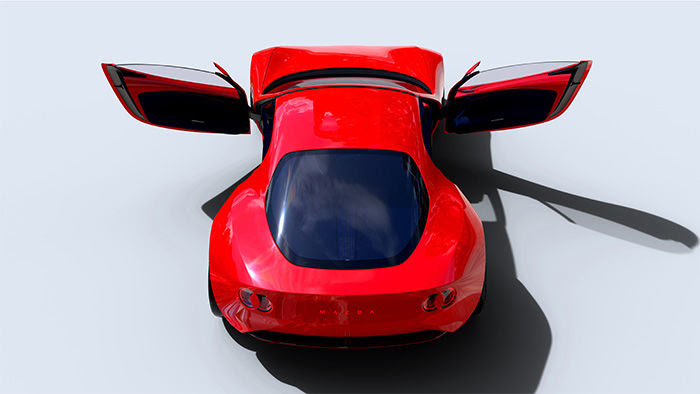
Classic cars hold a special place in the hearts of automotive enthusiasts. These vintage vehicles are not just relics of the past; they are symbols of craftsmanship, style, and performance. However, when it comes to classic car ownership, there’s often a debate among enthusiasts about whether to restore a car to its original specifications or modify it to enhance its performance. This article explores this age-old dilemma and sheds light on the pros and cons of restoration and modification, using examples like the Jaguar Mark II to illustrate the choices classic car owners face.
The Classic Car Enthusiast’s Dilemma
Classic car enthusiasts share a common passion for preserving automotive history. The allure of classic cars lies in their nostalgia and the unique driving experiences they offer. However, when it comes to enhancing their car’s performance, owners often face a fundamental decision: should they restore it to factory condition or modify it to improve power, handling, and overall performance?
Restoration: Honoring the Original
Restoration is the process of returning a classic car to its original factory condition, or as close to it as possible. This meticulous approach requires sourcing original parts, ensuring period-correct paint and upholstery, and addressing mechanical issues to ensure the car is in perfect working order.
Pros of Restoration:
- Preservation of History: Restored classic cars are a testament to their original design and craftsmanship, preserving the heritage of the automotive industry, with many owners searching for classic mini spares for sale.
- Collector’s Value: Authentic restorations often fetch higher prices among collectors, as they appreciate the historical accuracy.
- Respect for Tradition: Many classic car enthusiasts value the tradition and authenticity of the vehicle, enjoying the experience of driving a vintage car as it was intended to be.
Cons of Restoration:
- Limited Performance: Restored cars typically have performance characteristics typical of their era and may not meet modern expectations.
- Costly and Time-Consuming: High-quality restoration projects can be expensive and time-consuming, requiring extensive research and craftsmanship.
Modification: Enhancing Performance
Modification involves making changes to a classic car to improve its performance, handling, and overall driving experience. This can range from engine swaps and suspension upgrades to brake improvements and the integration of modern technology.
Pros of Modification:
- Enhanced Performance: Modified classic cars often outperform their original counterparts, with improved horsepower, handling, and braking.
- Personalization: Owners can tailor their classic car to their preferences, creating a unique driving experience.
- Compatibility with Modern Roads: Upgrades like disc brakes and modern tires make modified classics safer and more practical for daily use.
Cons of Modification:
- Altered Authenticity: Modifications can compromise the historical accuracy and originality of the vehicle, potentially reducing its collector’s value.
- Technical Challenges: Modifying a classic car requires expertise and can be technically complex, leading to unexpected challenges.
- Expense: While modifications can enhance performance, they often come with a significant price tag.
The Jaguar E-Type: A Case Study
To illustrate the restoration vs. modification dilemma, let’s consider the iconic Jaguar E-Type, often referred to as the XK-E in the United States. This British sports car, produced from 1961 to 1975, is renowned for its stunning design and exceptional performance, making it a classic car enthusiast’s dream.
Restoration
A Jaguar E-Type enthusiast who chooses restoration would meticulously research the original specifications of their specific E-Type model, source authentic Jaguar parts, and painstakingly restore the car to its factory condition. This process involves ensuring the car’s original paint color, interior, and mechanical components are faithful to the manufacturer’s design. The result would be a meticulously restored E-Type that captures the essence of Jaguar’s historical legacy, showcasing the car as it rolled off the production line.
Modification
Conversely, an E-Type owner inclined towards modification might embark on a journey to enhance the car’s performance and handling. This could involve engine upgrades for increased horsepower, suspension improvements for sharper cornering, and modern amenities like power steering or electronic fuel injection. While these modifications can significantly enhance the E-Type’s performance and driving experience, they often come at the expense of historical accuracy. However, such changes can create a unique and personalized E-Type, catering to the owner’s modern preferences without compromising the car’s iconic design.
The restoration vs. modification debate is a central aspect of the classic car enthusiast’s journey. Ultimately, the choice depends on the owner’s goals and preferences. Some prioritize preserving automotive history and tradition through authentic restorations, while others seek to improve performance and tailor their classic cars to modern standards. Whichever path they choose, classic car enthusiasts continue to contribute to the preservation and evolution of these automotive treasures, ensuring they remain relevant and cherished for generations to come.