Moving a racing car is a completely different task from transporting your everyday vehicle. Whether you’re heading to a competition, relocating, or selling your prized possession, the stakes are higher when it comes to high-performance vehicles. Racing cars are not only valuable in terms of monetary worth—they also represent countless hours of passion, customization, and dedication. That’s why protecting your investment during transport is a must. This guide is designed to help racing car enthusiasts move a racing car safely and smartly. From choosing the right method to understanding legal regulations and taking steps to minimize wear and tear, we’ll walk you through everything you need to know to make this transition stress-free.
Understand the Unique Challenges When You Move a Racing Car
Unlike standard road vehicles, racing cars come with unique handling requirements. They may sit lower to the ground, lack certain standard features like bumpers or emissions controls, and may even have delicate aerodynamic components. These differences mean that traditional towing or car-hauling services might not be appropriate.
Some racing cars can’t be driven on public roads at all. They often have custom-built engines, modified suspensions, and performance tires that don’t handle typical street conditions well. All of this means specialized care is not optional—it’s essential.
Choose the Right Transport Method
There are several options for moving a racing car, but enclosed transport is by far the most recommended. Open trailers leave your vehicle exposed to the elements, road debris, and potential vandalism. Enclosed transport, on the other hand, offers full protection from weather, dirt, and prying eyes.
Single-car enclosed trailers are ideal if you’re moving a high-value race car alone. For those with multiple vehicles or moving as part of a team, multi-car enclosed haulers with ramps and lift gates may be the better solution. In either case, ensure the hauler is experienced with performance vehicles.
How to Handle Tools, Tires, and Spare Parts
While your racing car might be the star of the move, the equipment that keeps it running deserves just as much attention. Before anything else, make sure all parts are clean and completely drained of fluids. Use sturdy containers that fit each item well so nothing shifts or tumbles during transit.
Also, it’s wise to pack specific parts with padded boxes or custom foam inserts to keep them safe from impact. Whenever possible, store tools, tires, and spare parts in separate secure bins. Finally, label every box clearly—this simple step will save time and frustration when it’s time to unpack and set up at your destination.
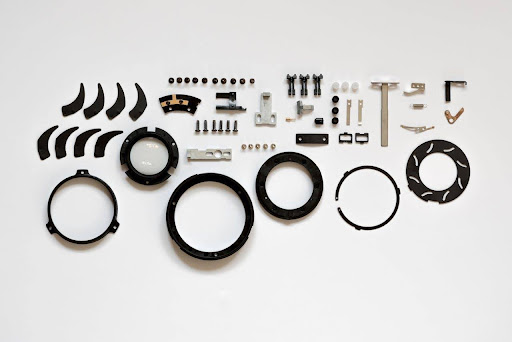
Caption: While your racing car is the main focus, don’t forget about the equipment that supports it.
Work with Professionals Who Know Racing Cars
Not every car transport company is equipped to handle racing cars. Choose professionals who understand the intricacies of performance vehicles. Look for a carrier with a strong reputation, experience in motorsports transport, and the right equipment, such as soft tie-downs and hydraulic lift gates.
Ask them if they’ve worked with racing teams before or handled vehicles like yours. The right professional will know how to load and secure your car without damaging spoilers, carbon fiber panels, or sensitive engine components.
Secure and Prepare the Car for Transport
Once your transport method is in place, the next step is to prepare the vehicle itself. Remove any loose items inside the car, especially tools, devices, or race-day accessories. If your car has a front splitter, rear wing, or any detachable bodywork, consider removing these parts to prevent accidental damage during loading.
If the vehicle is being shipped in a race-ready condition, be sure to check fuel levels and fluids. In some cases, race cars should be drained of fluids before transport. Secure the battery and double-check tire pressure to prevent unnecessary stress on the suspension during transit.
Special Considerations for Non-Running or Low-Clearance Cars
Many racing cars have extremely low ground clearance, which makes it challenging to load without proper ramps or lift gates. Communicate your car’s specifications with your transporter ahead of time so they can come prepared.
If your car is non-running, be sure to mention that as well. It may require a winch or other specialized equipment to load safely. Never assume a standard trailer will work—damage from improper loading can cost thousands to repair.
Inspect and Document the Vehicle Before the Transport
Before handing over your car, it’s critical to conduct a thorough inspection. Clean the exterior and interior so you can see any existing dents, scratches, or paint imperfections. Take high-resolution photos from every angle, including close-ups of vulnerable parts like the undercarriage, wheels, and bumpers.
Record mileage, note any warning lights on the dashboard, and list any mechanical quirks that could be misinterpreted as new damage. This documentation will serve as a baseline if you need to file a claim later.
Don’t Forget About Insurance and Legalities
While your transporter should carry insurance, you’ll want to verify how much coverage is provided and whether it meets the value of your vehicle. Some policies may have exclusions or caps, especially for high-value or customized race cars.
It’s also wise to consult your own insurance company. You may need to update your policy or purchase temporary coverage for the transport. If your car crosses state or national borders, make sure all necessary documentation, such as customs paperwork or racing permits, is in order.
Planning the Move Around Racing Events
If you’re transporting your car to a competition or track event, timing is crucial. Plan your move well in advance to ensure there are no delays that could jeopardize your participation. Many professional haulers book weeks or even months ahead of high-profile events, so secure your spot early.
Coordinate with your race crew or event organizers to be certain your vehicle will arrive on time and be ready for pre-race inspections. Transporting your car isn’t just about moving it—it’s about ensuring it’s track-ready when it arrives.
Maintain Communication Throughout the Process
During transport, stay in touch with your carrier. Reputable companies will offer tracking services or provide regular updates. Make sure you have a direct contact you can reach if anything changes. Staying informed helps reduce anxiety and ensures a smooth process from pickup to delivery.
If the vehicle is being delivered to a third party—like a new owner or a race team—provide them with all the details they’ll need. That includes estimated arrival time, documentation, and handling instructions.
Be Prepared for Post-Move Adjustments
Even with the most careful planning and professional help, things can shift during transit. After your car arrives, perform a post-move inspection. Compare it to your original photos and notes. Start the engine, listen for unusual sounds, and test components like suspension, brakes, and steering.
If anything seems off, document it right away and contact your transporter. Reputable companies will work with you to resolve issues quickly. It is better to check immediately than to discover damage days or weeks later when it’s harder to prove.
Move with Confidence, Not Caution
Transporting a racing car doesn’t have to be a nerve-wracking experience. With the right preparation, experienced professionals, and clear communication, you can move your vehicle safely and confidently. Whether it’s a weekend warrior machine or a finely tuned competitive racer, your car deserves a level of care that matches its value and importance to you.
Think of it as an extension of race-day planning. Just as you prepare for performance on the track, you should prepare for safety to move a racing car. Protecting your investment isn’t just about money—it’s about preserving your passion.
By following these steps, you’re not only ensuring the physical safety of your car but also giving yourself peace of mind. And that’s worth just as much as any trophy.