As cat owners, we know that our feline friends come in all shapes and sizes – but when it comes to automatic cleaning cat litter box, one size definitely doesn’t fit all. For those blessed with larger breeds like Maine Coons, Ragdolls, or just generously proportioned house cats, finding an automatic litter box that accommodates their size can feel like an impossible task. Many cat parents discover this challenge the hard way when their investment in an automated solution leads to uncomfortable experiences for their larger companions. The good news is that with proper assessment and understanding of your cat’s needs, you can find or modify an automatic litter box that works perfectly for your bigger buddy. In this guide, we’ll explore how to evaluate litter box suitability for large cats, identify the features that matter most, and discover practical solutions to ensure your cat’s comfort and hygiene needs are met, regardless of their size.
Why Large Cats Need Specialized Litter Box Solutions
Standard automatic litter boxes often present significant challenges for larger cats, potentially compromising both their physical comfort and emotional well-being. Most conventional units are designed with average-sized cats in mind, typically accommodating weights up to 12-15 pounds. However, breeds like Maine Coons can easily exceed these limits, putting excessive strain on the mechanical components and sensors that power these devices. When forced to use undersized boxes, large cats may experience difficulty turning around, leading to uncomfortable postures and potential elimination outside the box.
Beyond the immediate physical constraints, cramped litter boxes can trigger stress and anxiety in larger cats. This psychological distress often manifests in unwanted behaviors such as avoiding the litter box altogether or attempting to perch precariously on edges, risking injury. The weight capacity issue extends beyond mere discomfort – excessive weight can damage motors, jam cleaning mechanisms, and even cause structural failure in poorly designed units. These technical limitations not only lead to frequent malfunctions but can also create dangerous situations where heavy cats might cause the unit to tip or break during use.
Critical Features for Large Cat Litter Boxes
Size and Space Requirements
When selecting an automatic litter box for large cats, interior dimensions are paramount. The box should provide at least 1.5 times your cat’s length for adequate movement, typically measuring no less than 30 inches in length and 20 inches in width. Entry points need to be sufficiently large, with openings at least 10-12 inches wide and 12 inches high to prevent whisker stress and accommodate broader shoulders. The interior height should allow cats to stand fully upright, requiring a minimum of 15 inches of vertical space. These measurements ensure your cat can enter, turn around, and maintain natural postures while eliminating.
Weight Capacity and Durability
The structural integrity of an automatic litter box must match your cat’s size and weight. Look for units rated to support at least 25 pounds, with reinforced bases and stable platforms that won’t flex or bow under pressure. The cleaning mechanism should feature a heavy-duty motor with metal gears rather than plastic components, as these provide better longevity under increased strain. Anti-tip features become crucial for larger cats, so prioritize models with wide bases and low centers of gravity. Additionally, check that all moving parts, including rake mechanisms and waste separation systems, are constructed from durable materials that can withstand daily use by heavier cats without bending or breaking.
Top Automatic Litter Boxes for Large Cats
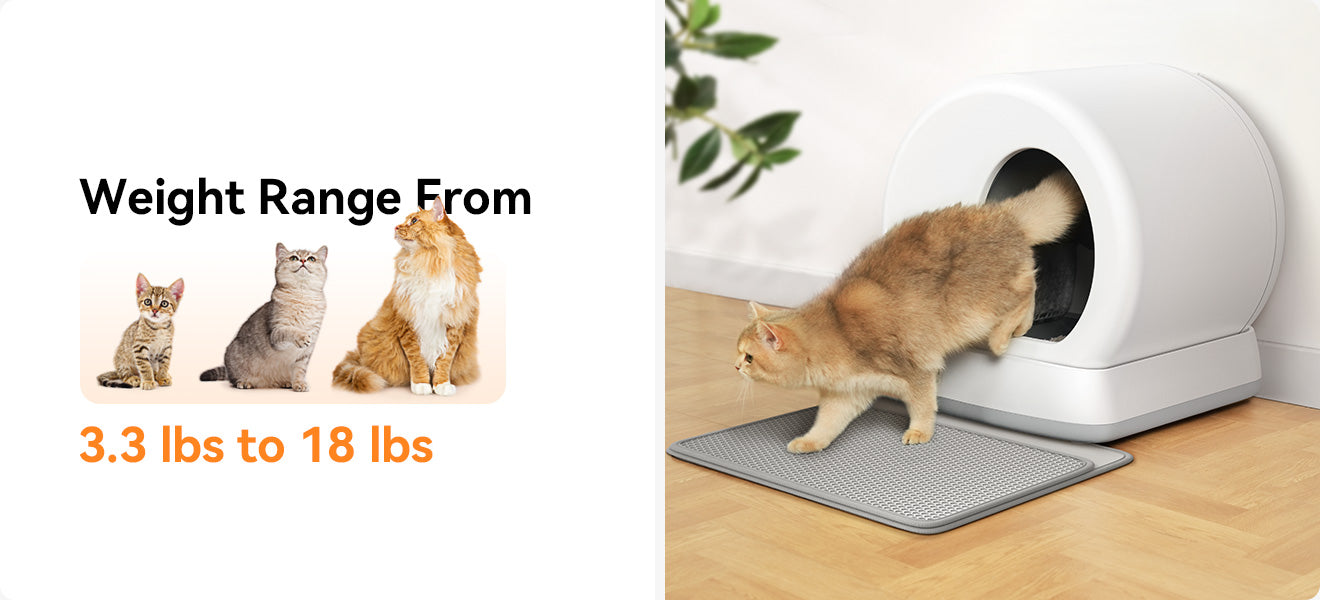
When evaluating automatic litter boxes for large cats, several models stand out for their exceptional accommodations. The Meowant XL Pro offers one of the most spacious interiors at 15.75 inches deep and 13.8 inches wide, easily accommodating cats up to 25 pounds. Its reinforced base and premium construction justify its higher price point, with many owners reporting years of reliable service even with Maine Coons and other large breeds. The CatGenie A.I. provides an expansive 17-inch diameter globe, though its self-washing feature requires special granules that some larger cats may find unfamiliar.
For multi-cat households, the PetSafe ScoopFree Ultra delivers excellent value with its oversized pan measuring 28 inches in length, though owners should factor in ongoing crystal litter costs. Budget-conscious buyers might consider the Nature’s Miracle Multi-Cat Self-Cleaning Litter Box, which features a generous 23-inch length and reinforced rake mechanism designed specifically for heavier cats. User experiences consistently highlight the importance of regular maintenance regardless of model choice, with large-breed owners particularly praising units that offer easy access for cleaning and part replacement.
Proper Automatic Litter Box Setup Process
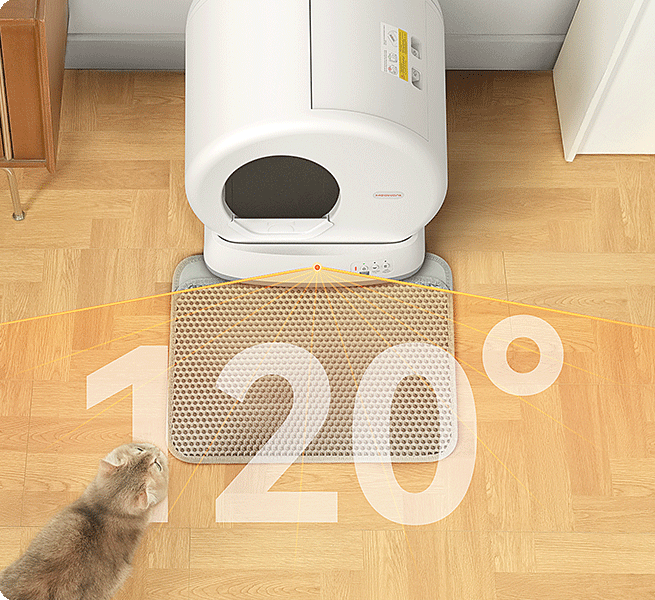
Selecting the right location for your automatic litter box is crucial for large cats. Position the unit in a quiet, well-ventilated area with at least 2-3 feet of clearance on all sides to accommodate your cat’s larger turning radius. For multi-cat households, maintain one box per cat plus an extra, spacing them throughout your home to prevent territorial disputes. Avoid placing boxes near feeding areas or in high-traffic zones where your cats might feel vulnerable.
When it comes to litter selection, larger cats often require deeper litter beds for adequate coverage. Choose clumping litters specifically rated for automatic boxes, as these typically offer better weight distribution and tracking resistance. Start with a 3-4 inch base layer and monitor your cat’s digging habits to adjust depth accordingly. For sensitive cats transitioning to an automatic box, gradually introduce the change by placing the new unit next to their existing litter box. Leave both boxes operational for 1-2 weeks, keeping the automatic unit turned off initially. Once your cat shows consistent interest in the new box, activate the cleaning mechanism during their away time to minimize stress. This methodical approach helps ensure your large cat develops positive associations with their new automated bathroom solution.
Essential Maintenance for Optimal Performance
Daily and Weekly Routines
Maintaining an automatic litter box for large cats requires consistent attention to prevent mechanical issues and ensure proper operation. Daily maintenance should include checking the waste drawer capacity, as larger cats produce more waste volume. Empty the collection bin when it reaches 75% capacity to prevent overflow and system jams. Inspect and wipe down sensors with a microfiber cloth, paying special attention to weight and motion detectors that may become covered with dust or litter particles. Weekly maintenance should focus on deep cleaning the rake mechanism, removing any trapped litter or debris that could strain the motor.
Troubleshooting Common Issues
When dealing with larger cats, jamming typically occurs due to excessive litter clumps or mechanical stress. Prevent jams by maintaining proper litter levels – never exceed the fill line, as extra litter can compact and overwhelm the cleaning mechanism. For persistent odor issues, consider installing a carbon filter system or using enzymatic cleaners specifically designed for automatic litter boxes. If the unit struggles with weight detection, clean the sensors thoroughly and ensure the box is on a completely level surface. When strange noises occur during operation, immediately check for litter accumulation in the rake’s gears and verify that all components move freely without obstruction.
Modifying Existing Boxes for Larger Cats
When your automatic litter box doesn’t quite meet your large cat’s needs, strategic modifications can help improve functionality without compromising safety. For entry modifications, consider removing restrictive hood components or expanding the entrance by carefully smoothing and reinforcing the edges with rubber trim. Create a more stable platform by adding a sturdy base extension made from moisture-resistant plywood, extending 4-6 inches beyond the original footprint. This additional support prevents tipping while providing extra standing room for larger cats.
Weight distribution issues can be addressed by installing reinforcement brackets beneath the base or adding cross-bracing supports. For boxes with electronic sensors, adjusting the sensitivity may require consulting the manufacturer, but many units allow manual calibration for heavier cats. When modifying any electrical components, always disconnect power first and avoid alterations that could compromise the unit’s safety features. Consider adding non-slip padding beneath the unit and securing it to walls using L-brackets for enhanced stability. Remember that modifications should focus on accessibility and structural integrity while maintaining the box’s core cleaning functionality. Document any changes made and regularly inspect modified components to ensure they remain secure and effective.
Comprehensive Guide to Large Cat Litter Box Solutions
Finding the right automatic litter box for your large cat requires careful consideration of both physical requirements and behavioral needs. The success of your automated solution depends on choosing a unit that not only accommodates your cat’s size but also provides the durability and reliability needed for daily use. Whether you opt for a specially designed large-capacity model or modify an existing unit, prioritizing your cat’s comfort and safety is paramount. Remember that proper setup, regular maintenance, and patience during the transition period are essential components of a successful automatic litter box experience. By following the guidelines for size requirements, weight capacity, and placement, while maintaining consistent cleaning routines, you can create a comfortable and hygienic bathroom solution that works for both you and your large feline companion. With the right approach, even the biggest cats can enjoy the benefits of automated litter box technology while maintaining their natural elimination behaviors.