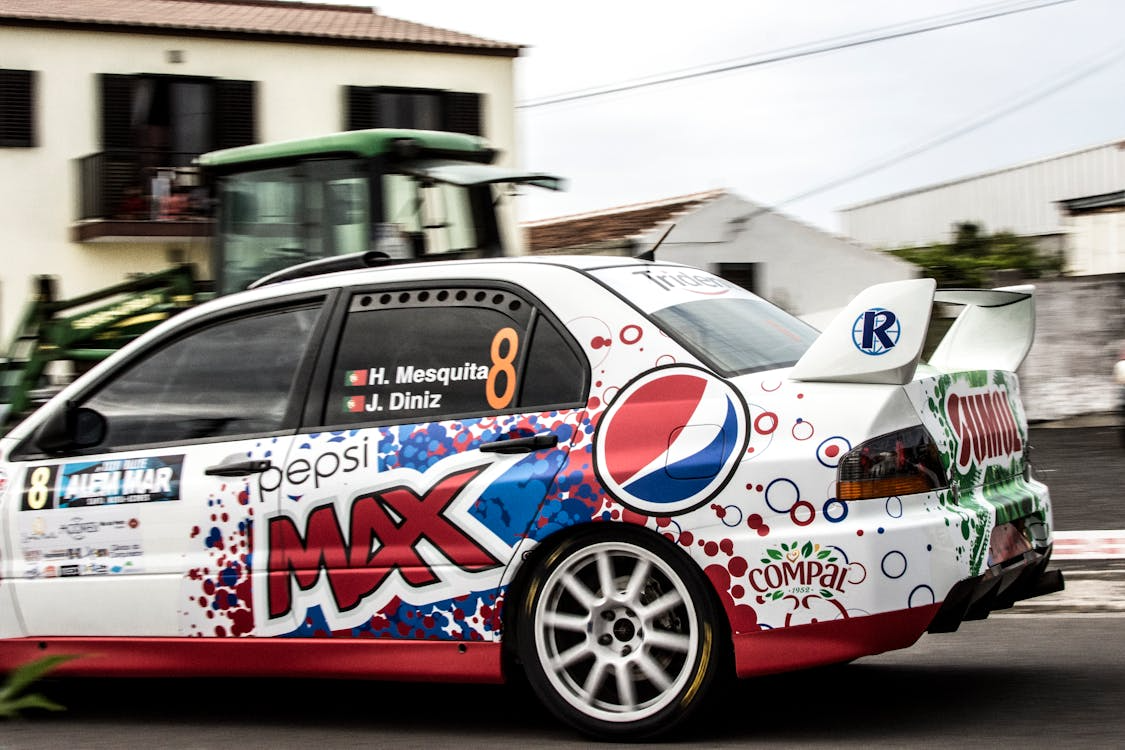
High-speed collisions are a defining part of motorsports. Fans love the thrill, the sound of engines roaring, and the heart-stopping moments when drivers push machines to their limits. But behind the excitement lies an undeniable truth: racing accidents can cause serious harm, especially to the brain. Among the common brain injuries from car accidents, one of the most severe—and often overlooked—is diffuse axonal injury (DAI).
This injury is not exclusive to motorsports; it can also occur on everyday roads when vehicles collide at high speed. Understanding what it is, how it happens, and what it means for recovery gives both racing fans and drivers a deeper appreciation of the risks involved when the track—or the road—hits back.
What Is a Diffuse Axonal Injury?
A diffuse axonal injury is a type of traumatic brain injury that happens when the brain moves violently inside the skull. Unlike a concussion, which can result from a direct blow, DAI is often caused by rotational forces or rapid deceleration. Imagine a race car spinning out of control and coming to an abrupt stop against a barrier—the driver’s brain continues moving inside the skull, tearing microscopic nerve fibers known as axons.
Because these axons are crucial for transmitting messages between different parts of the brain, damage can lead to widespread disruption of brain function. In severe cases, DAI can result in coma or long-term disability. Even in less severe cases, symptoms such as headaches, dizziness, and memory problems can last for months.
Why Motorsports Collisions Are High-Risk
Motorsports is built on speed, but that speed is what makes crashes so dangerous. The energy involved in a high-velocity impact is far greater than what most passenger vehicles experience on the road. Even with protective gear such as helmets, HANS devices, and reinforced cockpits, the brain remains vulnerable to the sudden forces of deceleration and rotation.
Consider some of the most famous crashes in racing history. While improvements in car design and medical response have saved countless lives, many drivers have still suffered serious head injuries. Diffuse axonal injury doesn’t always show up immediately, making it one of the most dangerous consequences of a wreck.
DAI Beyond the Racetrack
It’s easy to think of brain injuries as something that only happens in dramatic crashes on TV, but DAI is not limited to motorsports. Everyday car accidents—particularly rollovers, head-on collisions, and T-bone crashes—can create the same conditions that tear axons in the brain.
This is why neurologists often place diffuse axonal injury in the category of common brain injuries from car accidents. Even though it may be less talked about than concussions or contusions, it can be equally, if not more, devastating. Ordinary drivers face risks similar to those seen on the track, albeit usually at lower speeds.
Recognizing the Symptoms
One of the biggest challenges with diffuse axonal injuries is that symptoms aren’t always obvious right away. After a crash, a driver—or passenger—might feel shaken but assume they are fine. Hours or even days later, they may start noticing warning signs such as:
- Persistent headaches or migraines
- Dizziness or loss of balance
- Difficulty concentrating or memory lapses
- Changes in mood, such as irritability or depression
- Loss of consciousness at the time of the crash
In racing, medical teams know to look for these symptoms immediately after an accident. But for everyday drivers, it’s easy to miss the connection, which is why medical attention after a crash is so critical.
How Racing Has Pioneered Brain Injury Awareness
While motorsports comes with inherent danger, it has also played a key role in advancing brain injury research and safety standards. Technologies like the HANS device (Head and Neck Support) were developed to reduce the rotational forces that often cause DAI. Similarly, helmets have evolved to provide better shock absorption, while car interiors now feature energy-absorbing materials designed to reduce head trauma.
These innovations don’t just protect professional drivers. Many safety features in today’s passenger cars—such as improved seat belts, side-impact airbags, and crumple zones—draw inspiration from lessons learned on the track. The connection between racing and everyday road safety is a powerful reminder that motorsports often lead the way in understanding and preventing injuries.
Treatment and Recovery
Recovery from diffuse axonal injury depends on its severity. In the most severe cases, patients may require long-term medical care and rehabilitation. Physical therapy, occupational therapy, and cognitive therapy are often needed to help restore function.
For milder injuries, recovery may take weeks or months but can still be physically and emotionally challenging. Fatigue, mood swings, and concentration problems can disrupt daily life. That’s why early diagnosis is so important. Brain imaging techniques such as MRI can help detect the injury, even when initial symptoms seem minor.
Lessons for Everyday Drivers
So, what can racing fans—and everyday drivers—learn from the risks of diffuse axonal injury?
- Always Wear Proper Restraints
Just as drivers rely on seat belts and HANS devices, wearing your seat belt properly can greatly reduce your risk of brain injury. - Don’t Ignore Symptoms
After any crash, even a “minor” one, pay attention to changes in how you feel. Headaches, dizziness, or memory problems should never be brushed off. - Value Safety Features
Many car buyers focus on horsepower or design, but safety features like airbags and reinforced frames can make the difference between walking away and suffering long-term injury. - Learn From the Track
Motorsports shows us that brain injuries are serious but preventable. By respecting safety guidelines and staying aware, drivers on everyday roads can avoid some of the risks professionals face.
Final Thoughts
High-speed crashes may be thrilling to watch from the stands, but for drivers—whether on a racetrack or a highway—the risks are very real. Diffuse axonal injury is one of the most severe common brain injuries from car accidents, and its effects can change lives in an instant.
Motorsports has taught us valuable lessons about safety, resilience, and the human body’s limits. By understanding how these injuries occur and how they can be prevented, both racers and everyday drivers can take steps to protect themselves. When the track—or the road—hits back, awareness and preparedness are the best defenses.