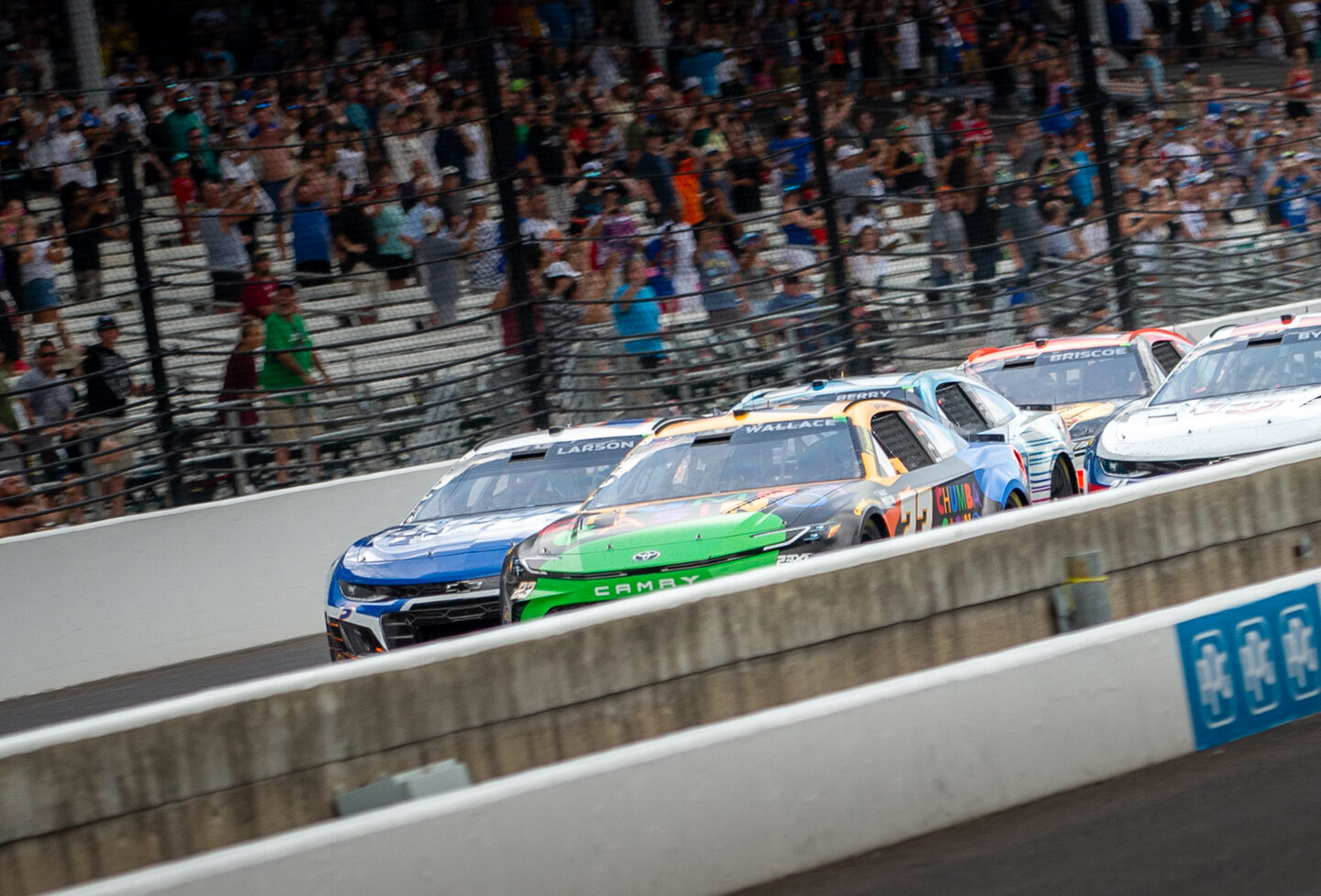
There’s something magnetic about predicting what comes next—on the snooker table, during a big match, or even in everyday decisions.
When we try to call the next shot, we’re tapping into our instincts, experience, and a deep desire to prove ourselves right. The process isn’t just about luck or logic—it’s a blend of memory, pattern recognition, emotion, and sometimes pure gut feeling.
This article digs into why making predictions feels so rewarding, how our minds process the unknown, and what separates confident calls from wild guesses.
Anticipation and advantage: why we predict the next move
There’s something magnetic about watching a match and feeling that surge—knowing what’s coming before it happens. Whether you’re a seasoned snooker player or just a passionate fan, the instinct to call the next shot is hardwired into our competitive DNA.
Anticipation cranks up the excitement. Every possible outcome spins through your mind, sharpening your focus on the smallest details: the angle of a cue, the body language of an athlete, even crowd noise. That urge to predict isn’t just about bragging rights—it’s about being fully present, experiencing every beat of the action as if you’re inside it.
This mindset isn’t limited to the game itself. The thrill of anticipation spills over into betting trends, where millions try to turn their predictions into tangible rewards. Here’s where new bookmakers come into play—making it easier for fans to back their hunches with real stakes and see instant results.
I’ve seen how this changes fan engagement firsthand. When there’s something riding on each prediction, people pay closer attention, debate strategy with friends, and celebrate those moments when their call matches reality. It turns passive viewing into active participation—and that changes everything.
Inside the predictive mind: instincts, patterns, and bias
When we try to call the next shot—whether in snooker, football, or daily life—we tap into a blend of skill and subconscious routines.
Some predictions come from hard-won experience. Others happen almost automatically, without a second thought. Our minds combine memory, pattern spotting, gut instinct, and even mental shortcuts that sometimes trip us up.
This mental mix shapes every confident call or wild guess we make. Let’s break down what’s really happening behind those quick predictions.
Pattern recognition and experience
The most accurate predictors don’t just rely on luck—they remember. Years spent watching matches or playing the game teach us to spot sequences and anticipate outcomes almost before they unfold.
A seasoned snooker fan notices subtle shifts in body language or ball position that signal what’s coming next. In football, supporters sense when a counterattack is brewing simply by reading formations and movement.
This isn’t magic. It’s the result of building a mental library of previous scenarios—each one shaping our confidence with every prediction. That’s why experienced players and dedicated fans often seem “one step ahead.” Their brains are simply faster at matching current situations to past patterns.
The role of intuition
Sometimes there isn’t time to think through all the angles—especially when the pressure is on. That’s where intuition comes in. Gut feelings can push us to make snap calls that seem risky but often prove correct.
This process draws on years of subtle learning stored below the surface. When a player lines up an unexpected shot or a commentator predicts a surprise outcome mid-game, chances are they’re relying on cues their conscious mind can’t fully explain.
In tense moments—like calling a penalty decision before VAR confirms it—intuition helps cut through noise and focus attention on what matters most. It doesn’t always lead to perfect predictions, but it often outpaces careful analysis when time is tight.
Cognitive biases in prediction
No matter how sharp our instincts or how much experience we bring, our minds still fall for common traps like confirmation bias or the gambler’s fallacy.
We’re drawn to evidence that supports our existing beliefs and tend to ignore information that challenges them. The gambler’s fallacy tricks us into thinking past results influence future ones—like assuming a missed shot makes success more likely next time.
Cognitive Biases in Sports Predictions summarizes 2022 research showing how emotions and shortcuts like anchoring bias shape decisions in sports betting and calls during matches. We want our hunches confirmed so much that objectivity slips away—even among experts who should know better.
Recognizing these habits won’t erase them overnight, but it does help sharpen our edge for next time we’re tempted to trust a feeling over the facts at hand.
Calling the next shot: skill, luck, and social dynamics
When you watch someone nail a prediction—whether it’s the next pot in snooker or a surprise twist in football—you might wonder: was that true expertise or just good fortune?
The answer sits somewhere between practice and unpredictability. Making a successful call blends experience, observation, and sometimes pure chance.
Skill vs. serendipity
In snooker, seasoned players don’t just guess—they read the table, remember patterns, and anticipate how the balls will move.
This level of prediction relies on countless hours spent analyzing play and learning from outcomes. Yet even experts are humbled by unexpected bounces or an opponent’s bold shot.
I’ve seen matches swing on what looked like wild luck—a fluked ball here, a misjudged angle there—but the real veterans stay ready to adapt. In sports like tennis or basketball, the most respected calls often combine solid knowledge with an openness to surprises.
The influence of group dynamics
Making predictions alone is one thing. Add friends to the mix—at a pub or on a social betting app—and suddenly confidence can skyrocket or sink.
I’ve noticed how group energy amplifies our willingness to make bold calls. Sometimes you stick with your gut; other times you bend to popular opinion.
Collective Intelligence in Betting reveals that when people pool insights on betting platforms, their predictions get smarter and results improve. It’s not just about who shouts loudest—genuine collaboration boosts both accuracy and satisfaction.
Learning from success and failure
No one nails every prediction. The key difference I’ve seen between sharp bettors and casual fans is how they process wins—and especially losses.
A correct call can reinforce healthy habits if you reflect on what worked. More importantly, mistakes are gold mines for growth when you ask why your thinking missed the mark.
This feedback loop shapes future strategy. Over time, adjusting your approach based on honest self-review leads to sharper instincts and more satisfying calls—on the table or off it.
The emotional payoff: why being right feels so good
There’s something addictive about calling the next shot and seeing it play out exactly as you predicted.
It’s more than just luck or a fleeting moment of pride. Our brains and our social instincts are wired to reward us for getting it right—sometimes in ways we don’t even notice.
This blend of internal chemistry and external validation is what makes making accurate calls feel so rewarding, whether you’re predicting a snooker pot, a football goal, or the next twist in life.
The dopamine rush of foresight
Every time we make a prediction and watch it come true, our brains deliver a surge of satisfaction.
A 2023 review in Frontiers in Neuroscience shows that when we anticipate an outcome and get it right, our brain’s reward centers release dopamine. This isn’t just about pleasure—it creates a feedback loop that keeps us coming back for more predictions, hoping for that same hit of satisfaction.
That anticipation, followed by confirmation, acts almost like a mini-jackpot. We start to crave not just the outcome itself but the feeling of having seen it coming first. That’s why guessing correctly can sometimes feel better than the win itself. Reward Prediction Error Mechanisms.
Bragging rights and social status
Getting a call right doesn’t just light up your brain—it earns you respect among friends and followers.
Think about how often people announce their predictions before big moments—on group chats, social media, or even over drinks at the local bar. When those predictions land, there’s an instant boost in credibility and self-esteem.
I’ve seen heated debates turn into rounds of applause when someone nails a bold forecast. Online communities thrive on this kind of recognition; leaderboards and public calls encourage people to take risks just for the shot at bragging rights.
It’s this mix of personal pride and peer recognition that makes calling the next shot feel less like luck—and more like mastery.
Why calling the next shot reveals more than just our competitive side
Predicting what happens next isn’t just about proving we’re sharp or outsmarting the odds.
It taps into our love for challenge, our desire to connect, and even how we see ourselves within a group.
Whether it’s at the snooker table, cheering in a stadium, or making life’s everyday calls, the urge to anticipate reflects deeper parts of our decision-making and identity.
Understanding this drive gives us fresh insight—not just into sports—but into how we approach uncertainty everywhere else too.