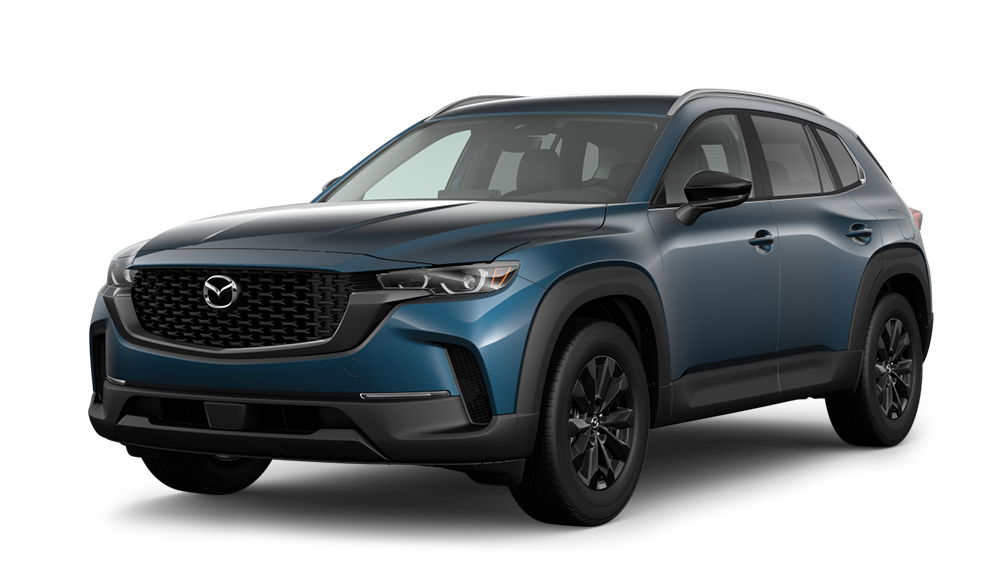
Test driving a vehicle is one of the most important steps in the car-buying process. It allows potential buyers to experience a car’s performance, comfort, and features firsthand before making a commitment. At a trusted Findlay auto sales dealership, the test drive process is designed to help buyers make informed decisions with confidence. Understanding how to prepare, what to look for, and how to evaluate the vehicle during the drive ensures a productive and enjoyable experience.
Scheduling Your Test Drive
Before visiting a dealership, it’s a good idea to schedule your test drive. Many Findlay auto sales locations allow online booking or phone appointments to reserve a specific vehicle and time slot. Scheduling ensures that the car you want is available and reduces waiting time, creating a more efficient and organized experience.
Preparing Your Documentation
Most dealerships require a valid driver’s license and proof of insurance to allow a test drive. Some may also request additional information such as a credit check or a pre-approved financing plan, especially for longer drives or more expensive vehicles. Bringing all necessary documents ensures a smooth start and avoids delays at the dealership.
Researching the Vehicle
Before test driving, research the vehicle you plan to drive. Understand its specifications, fuel efficiency, safety ratings, technology features, and pricing. Familiarity with the car allows you to ask relevant questions during the test drive and helps identify any concerns or preferences early on.
Understanding Your Needs
Define what you want to achieve from the test drive. Consider your lifestyle, driving habits, and priorities. Are you looking for comfort, performance, fuel efficiency, or cargo space? Knowing your goals helps you focus on the features that matter most during the test drive.
Inspecting the Vehicle Before Driving
Before starting the test drive, inspect the exterior and interior of the car. Check for scratches, dents, tire condition, and proper alignment. Inside the vehicle, test seat adjustments, controls, dashboard displays, and storage areas. This pre-drive inspection ensures the car meets your expectations and is in good condition.
Familiarizing Yourself with Controls
Take a few minutes to familiarize yourself with the vehicle’s controls before driving. Adjust the seat, mirrors, and steering wheel for comfort. Learn how to operate lights, wipers, infotainment systems, and climate controls. Understanding the controls beforehand allows you to focus on the driving experience during the test drive.
Choosing a Test Drive Route
A good test drive should include a variety of driving conditions. Ask the dealership for a recommended route that incorporates city streets, highways, and any local hills or turns. This helps evaluate the vehicle’s acceleration, braking, handling, and overall performance under different conditions.
Observing Vehicle Performance
Pay attention to how the vehicle performs during the test drive. Notice acceleration responsiveness, braking strength, steering accuracy, and handling through turns. Listen for unusual noises or vibrations that may indicate potential mechanical issues. A thorough assessment ensures you are satisfied with the car’s overall performance.
Evaluating Comfort and Seating
Comfort is a crucial factor, especially for long drives. Assess seat comfort, legroom, headroom, and overall ergonomics. Adjust seats and steering positions to see if the vehicle accommodates your preferred driving posture. Comfort during the test drive helps determine if the car is suitable for daily use.
Testing Technology Features
Modern vehicles come with various technology features, such as touchscreen displays, navigation, Bluetooth connectivity, and safety systems. During the test drive, test these features to ensure they work as expected and are easy to use. Understanding the technology’s functionality helps you assess the vehicle’s convenience and value.
Checking Visibility and Blind Spots
While driving, pay attention to visibility and blind spots. Adjust mirrors to maximize sightlines and test your view from all angles. Vehicles with better visibility and well-designed mirrors provide safer driving experiences, making this an essential part of the evaluation.
Assessing Noise and Ride Quality
Listen to engine noise, road noise, and wind interference while driving. Notice how the suspension handles bumps and uneven roads. A quiet cabin and smooth ride contribute to overall comfort and enjoyment. If the vehicle feels noisy or uncomfortable, it may not meet your expectations for long-term use.
Testing Safety Features
If the vehicle has advanced safety systems, test them where appropriate. Features such as lane departure warnings, adaptive cruise control, automatic emergency braking, and parking sensors can be evaluated during the drive. Ensuring these systems work correctly adds confidence to your decision-making process.
Bringing a Passenger
Having a friend or family member accompany you can provide additional perspectives during the test drive. They can assess passenger comfort, ease of entry and exit, and storage space. A second opinion can highlight features or issues you may overlook on your own.
Taking Notes During the Drive
Taking notes during or immediately after the test drive helps you remember important details. Record observations about comfort, handling, technology, fuel efficiency, and any concerns. These notes are valuable when comparing multiple vehicles or revisiting your decision later.
Asking Questions
After the test drive, ask the dealership staff any questions that arose during the experience. Inquire about warranties, maintenance packages, financing options, or specific features of the vehicle. Clear communication ensures you fully understand what you are purchasing and any additional benefits offered by the dealership.
Comparing Multiple Vehicles
Test driving multiple vehicles allows for direct comparisons. Evaluate differences in performance, comfort, technology, and value between cars in the same segment. Comparing options ensures that you choose the vehicle that best meets your needs and preferences.
Negotiating After the Test Drive
Once you have completed your test drives, use the knowledge gained to negotiate effectively. Understanding the vehicle’s features, condition, and current market pricing gives you leverage in discussions with the dealership. This can help secure a fair price, additional incentives, or financing terms.
Final Walkaround Inspection
Before finalizing a purchase, perform a final walkaround inspection of the vehicle. Ensure there are no new scratches, dents, or issues that appeared since the test drive. Confirm that all features, controls, and accessories are functioning as expected. This final step ensures satisfaction and confidence in your decision.
Conclusion
By preparing documentation, researching the vehicle, scheduling a test drive, and evaluating performance, comfort, and technology, buyers can make informed decisions. A structured approach, including inspections, passenger feedback, and multiple comparisons, ensures a confident and satisfying purchase. Taking the time to test drive properly allows you to choose a vehicle that meets your needs, preferences, and budget, making the overall car-buying experience both enjoyable and successful.