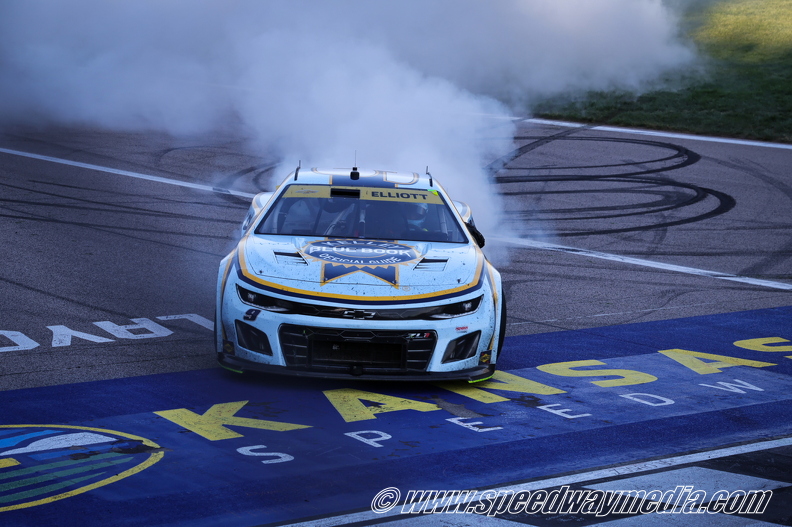
EV has notably transformed the world of motorsport— more specifically, the Formula E racing. Formula E is an exclusive EV-only racing sport that delivers a meaningful message on sustainability. The event aims to popularize the trend of replacing fuel-driven cars with electric vehicles that are more eco-friendly.
However, behind the scenes, engineers and workers are silently tackling multiple facets of a giant, everyday electrical hazards.
The heart of EV is a Lithium-ion battery, operating on 900 volts, which is enough energy to power 6,500 smartphone batteries simultaneously. Higher voltage increases the chances of accidents. In this high-risk environment, one overlooked product often creates the lasting impact: electrical insulating rubber mats. This article explores how.
Quickly navigate through this article following:
- Why is electricity threatening in Formula E racing environments
- Breaking down the science behind the insulation resistance of the high-voltage electrical insulating mats
- Adhering to formula E protocols: Insulating mats in action
- Electrical insulating mats in the broader EV ecosystem
Why is electricity threatening in Formula E racing environments
Formula E racing cars are one of the most powerful vehicles, hitting the benchmark of electrical innovation. The EVs used in this motorsport can produce about 350 kW of current only in the qualification mode.
With a 51 kWh battery, their system runs on 900 volts. A powerful charging station is needed to keep the cars running. Moreover, when the car slows down, it can send up to 600 kW of energy back into the battery, causing a sudden surge in electricity.
Electric vehicles used in Formula E racing have another major security concern: their construction framework. Unlike other cars, the chassis of EVs is made of carbon fiber, which means it quickly gets electrified due to its conductive nature. Hence, what seems like a safe space is actually a death trap.
Why does electricity demand safe handling in EVs
The impending dangers of petrol or any other fuel-run car are visible. In traditional racing, it is easier to address mechanical failures in the cars. However, EVs are built on modern technology, and this high-end technology becomes threatening:
Noiseless action: Electronic vehicles are noiseless and do not produce any auditory clues when malfunctioning
Invisible danger: Electrical sparks or leaks cannot be seen with the naked eye
Less time to act: Electrical failures are often the last to be detected and give minimal time to act
Delayed repercussions: Accident damages or aftermath are not always visible immediately
Hence, controlling electrical accidents in the EVs used in Formula E racing needs a Proactive rather than a Reactive approach. Since accidents truly come unannounced in this case, danger must be contained before it becomes devastating. And, for control of accidents, what can be better than a high-voltage insulation mat?
Breaking down the science behind the insulation resistance of the high-voltage electrical insulating mats
Electrical insulating mats are made of a dielectric compound called elastomer and work on the principle of dielectric insulation. According to this principle, any dielectric compound creates a barrier inhibiting the flow of electricity. Elastomer has non-conductive properties.
Electrical insulating mats, when used properly, resist the completion of an electric circuit within the human body. They instead bypass electrical current to the electrically neutral Earth.
The electrical insulation property of electrical insulating mats is measured using the following parameters:
- Dielectric strength: The maximum electric current the mat can resist without breaking down
- Volume resistance: The measure of how strongly the electric mat resists the current flow
- Surface resistance: The resistance of current flow through the surface of the mat
- Proof voltage: Predetermined voltage that the electric mat can withstand while testing
Electrical insulating mats are tested rigorously to make sure they meet all the criteria before they are installed. The proof voltage, withstand voltage, etc, are different for different electrical insulating mats standards.
Electrical safety matting standards and certifications
Currently, there are three accepted electrical safety matting standards:
- IS 15652: This is the Indian standard of electrical insulating mats.
- IEC 61111:2009: The Only globally accepted standard that divides an electrical insulating mat into 5 classes.
- ASTM D178: Electrical mat standard followed in the USA and the North American regions
Apart from these, there are custom specifications where electrical mat suppliers mix and match the properties of several safety standards and engineer their own custom product. Custom mats are usually made for extreme yet temporary application areas like Formula E.
Adhering to formula E protocols: Insulating mats in action
Formula E implements a strict safety protocol centered on visual indicators that communicate the electrical status of the vehicles. They use a color-coded system that tells when an insulating mat, along with a full-fledged safety practice, needs to be put in place:
- Green light: The EV is safe to approach without any strict protection
- Red light: The EV is unsafe; hence, personnel must not approach without full protective equipment
- No light: Probable system failure; assume unsafe conditions and take maximum protection
When the red light appears, electrical insulating mats become the barrier between potential electric current leakage and the human body. The complete protocol requires:
- Maintenance personnel must wear a full electric safety PPE, including rubber gloves and a dielectric helmet
- Certified electric insulating mats must be used near the EV
- Only specialized battery engineers must perform the check
- Powertrain engineers finally assess whether the risk is genuine or a false indicator
Nevertheless, electric insulating mats are gradually becoming a part of the broader EV ecosystem.
Electrical insulating mats in the broader EV ecosystem
While Formula E racing signifies the epitome of technological advancement, consumer vehicles are also turning into EVs.
The governments of some countries are slowly embedding the EV culture by banning the sale of fuel-run vehicles. For example, the European Green Deal aims to make Europe climate-neutral by 2050, where EVs play a key role. The UK is actively trying to ban the sale of new internal combustion engine vehicles by 2035.
Hence, the EV system has become broader with a bigger chance of electrical insulating mats to fit in there.
New editions of Porsche, Hyundai, and Lucid operate at 800 volts. Higher voltage enables fast charging. Higher voltage reduces the heat emission and supports a thinner harness, making the vehicle lightweight.
On the flip side, electrical accidents have become more frequent in dealership service centers, independent repair shops, and even home garages. This makes the use of electric safety equipment, like the high-voltage electrical insulating mats, a necessity for EVs.
The Bottom Line,
As the world is getting heavier with carbon emissions, governments across the world are getting more serious about electric vehicles. The EV innovation is not a market-driven phenomenon, but the world is in dire need of fresh air right now. An advanced version of motorsport events like the Formula E has embraced EVs more, but regular consumers are not far behind. EVs run on electricity and need a high electric charge, making electrical safety a concern. Electrical insulating mats are Formula E-approved safety measures that keep the car, the driver, and the maintenance workers equally safe.
Let’s dive into some interesting FAQs about electrical insulating mats:
1. What are electrical insulating mats?
Electrical insulating mats are protective flooring installed near high-voltage equipment.
2. Are electrical mats certified?
Yes, electrical insulating mats are certified as per the IS 15652, IEC 61111:2009, or the ASTM D178 standards.
3. What is the maximum voltage protection an electrical insulating mat provides?
The IS 15652 mat provides voltage protection up to 33 kV. The IEC 61111 and ASTM D178 electrical mats provide voltage protection up to 36.5 kV.