Buying a car can be a major financial decision, and some people turn to salvage vehicles as a way to save money. These cars are often sold at discounted prices through places like a salvage cars auction, making them appealing to budget-conscious buyers or auto enthusiasts. However, purchasing a salvage vehicle comes with its own set of benefits and risks that should be carefully considered.
What Is a Salvage Car
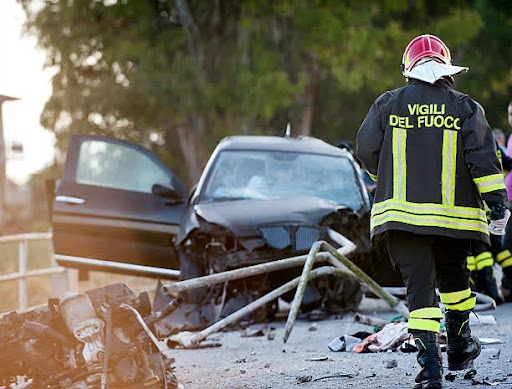
A salvage car is one that has been declared a total loss by an insurance company. This usually happens when repair costs exceed a certain percentage of the car’s value. While the term might sound negative, many of these cars are repairable and can be put back on the road. Others may be better suited for parts or scrap.
These vehicles often receive a branded “salvage title,” which signals to future buyers and insurers that the car has sustained significant damage. The reasons for a salvage title can vary widely, from accidents and floods to theft recovery. Because of this range, some salvage cars may have only cosmetic issues while others carry serious structural or mechanical problems.
Advantages of Buying a Salvage Car
- Lower Purchase Price
Salvage cars often sell for a fraction of the cost of similar vehicles with clean titles. For buyers with mechanical skills or access to affordable repairs, this can translate into substantial savings. - Potential for Profit
Some buyers purchase salvage vehicles, repair them, and then resell them at a higher price. This can be a profitable venture for those who know how to spot repairable cars. - Access to Parts
Salvage cars can serve as an inexpensive source of parts. For car enthusiasts or repair shops, buying a salvage vehicle can provide multiple valuable components at a lower cost than buying them individually.
Disadvantages of Buying a Salvage Car
- Uncertain Repair Costs
While the purchase price may be low, repairs can be costly. Hidden damage, especially to the frame or electrical system, may not be visible until after the purchase. - Reduced Resale Value
Even after repairs, salvage cars often have much lower resale values compared to clean-title vehicles. Many buyers are hesitant to purchase them, which makes selling more difficult. - Insurance Challenges
Insuring a salvage car can be tricky. Some insurance companies may only offer limited coverage, while others might refuse coverage altogether. This can add complications for long-term ownership. - Financing Difficulties
Many lenders avoid financing salvage vehicles, leaving buyers to pay in cash. This can be a barrier for those who do not have immediate funds available.
Key Considerations Before Buying
- Always check the vehicle history report.
- Have a trusted mechanic inspect the car before finalizing the purchase.
- Understand your state’s laws on registering and insuring salvage vehicles.
- Decide whether the car will be used for driving, parts, or resale
Final Thoughts
Buying a salvage car can be an opportunity to save money or find valuable parts, but it is not a decision to make lightly. The risks can outweigh the benefits if you are unprepared for unexpected costs or limitations. For the right buyer with knowledge, resources, and a clear purpose, a salvage car might be a worthwhile investment. However, careful research and inspection are essential to avoid costly mistakes.